Table of Contents
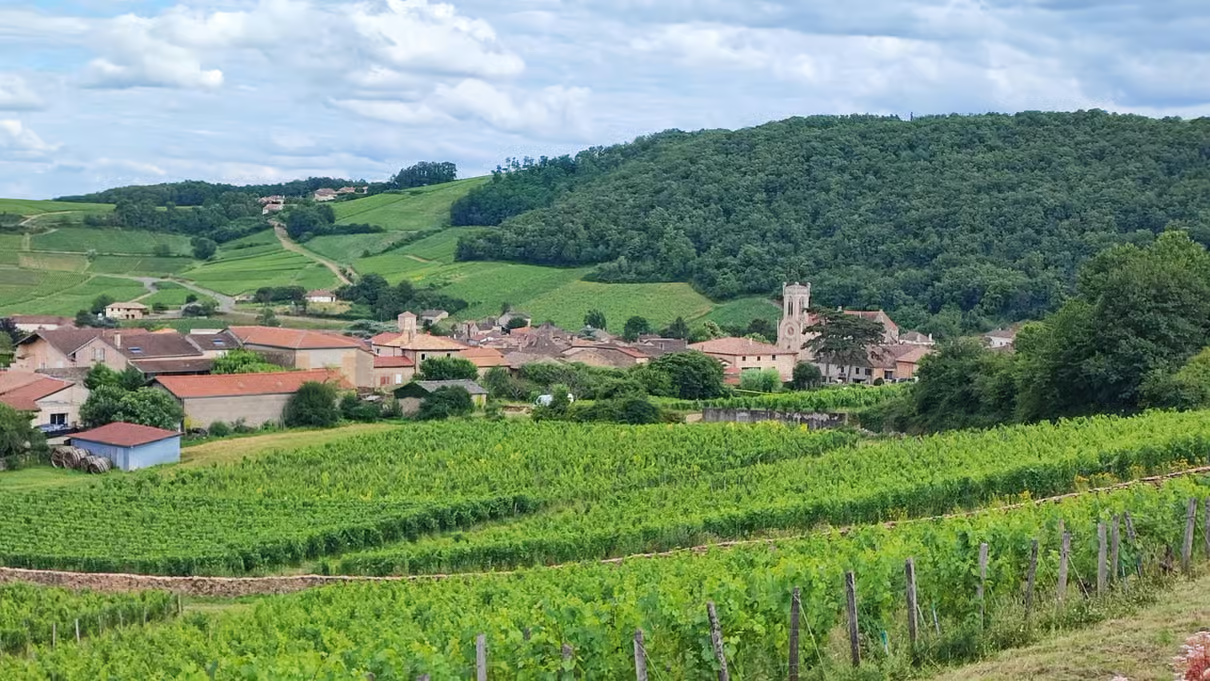
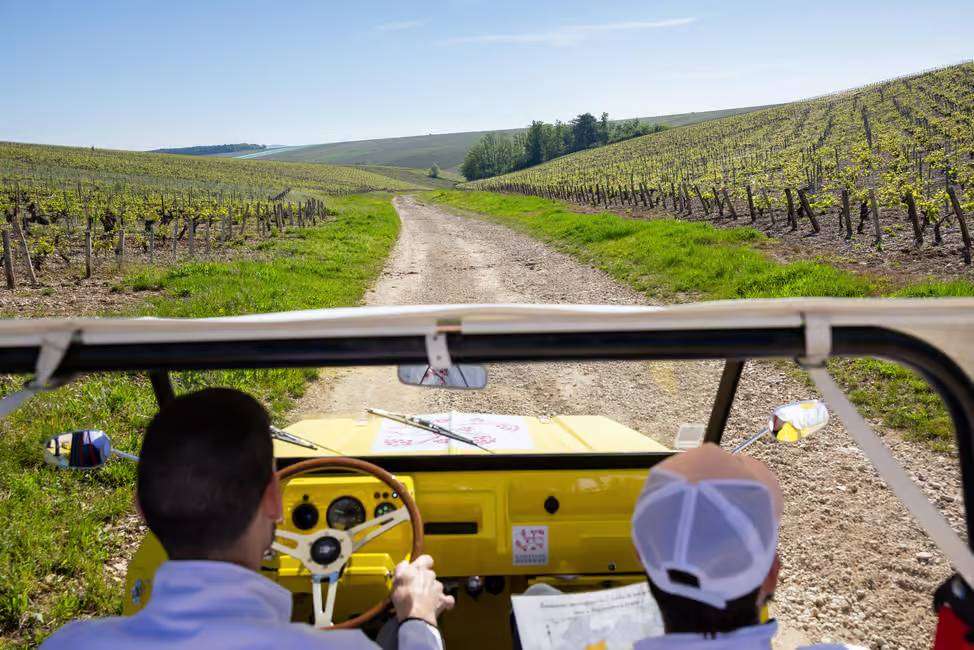
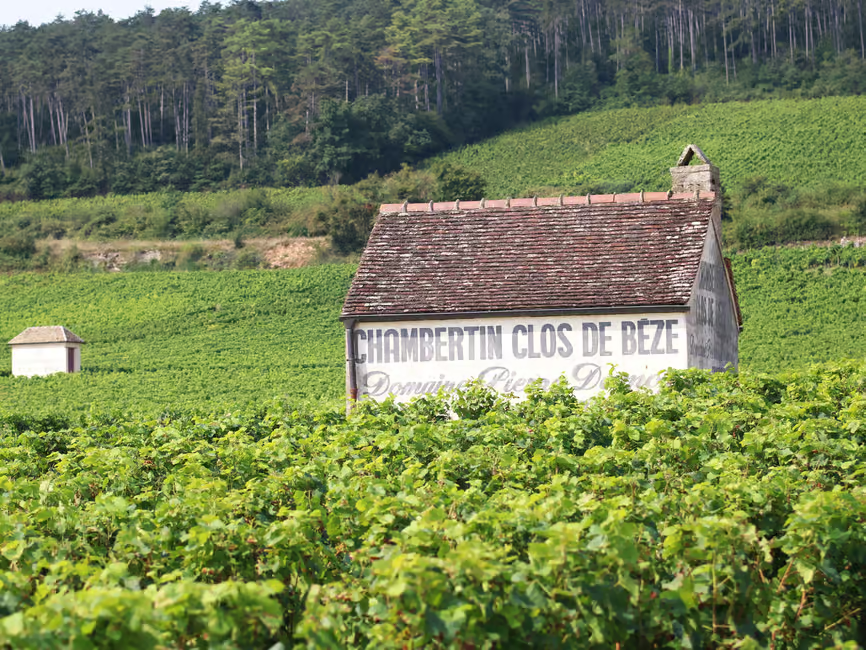
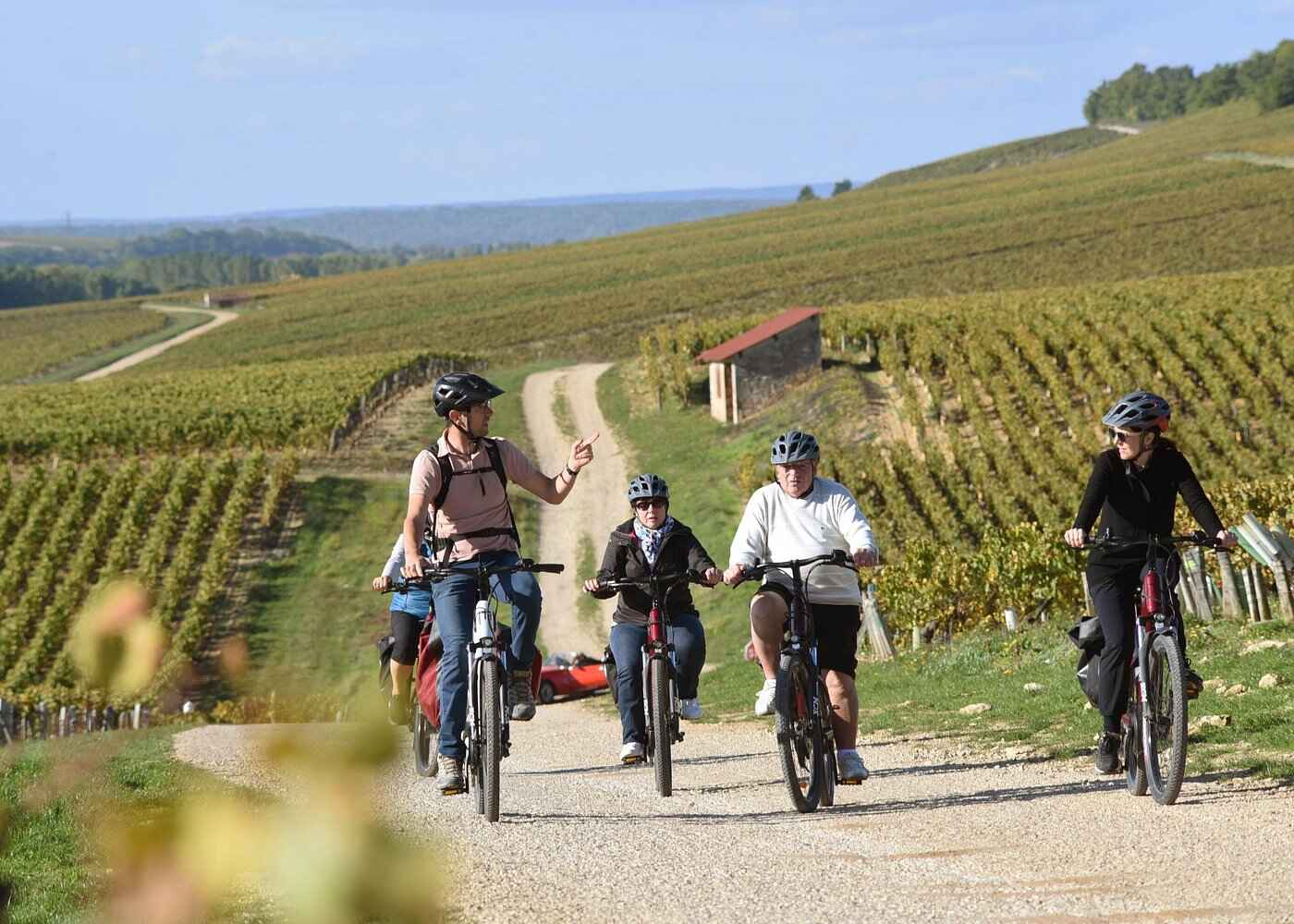
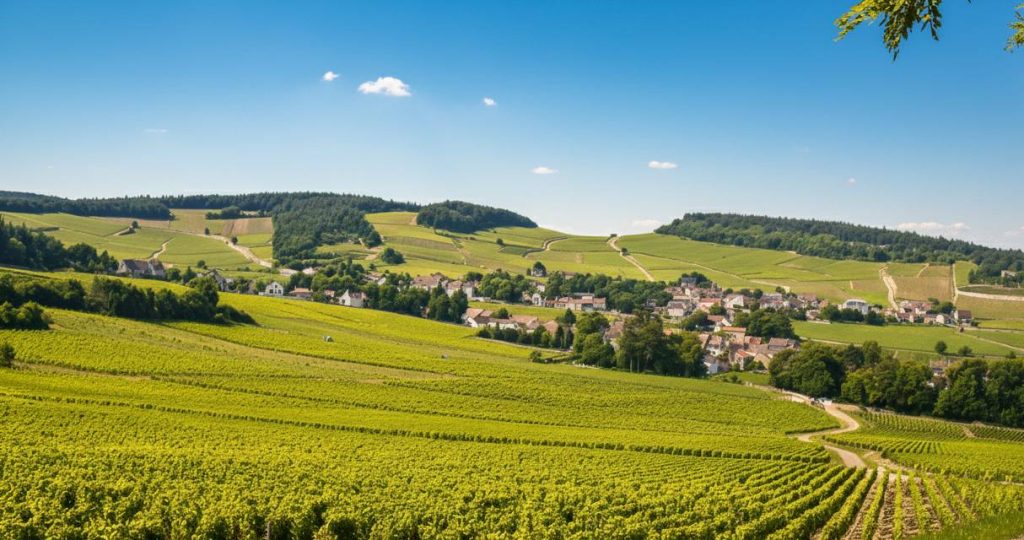
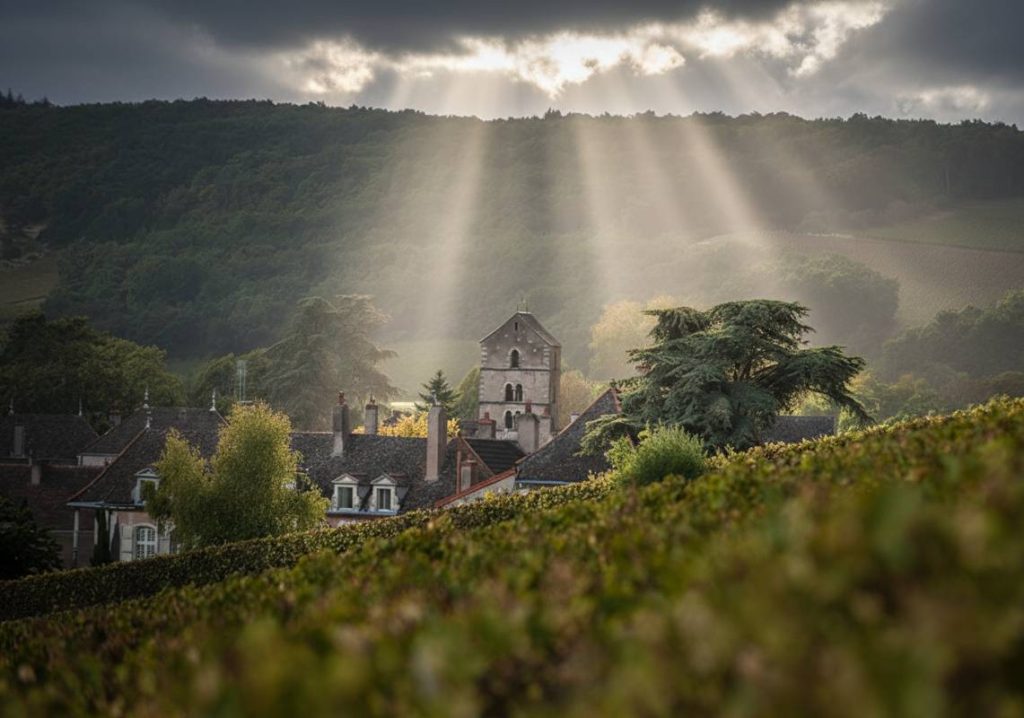
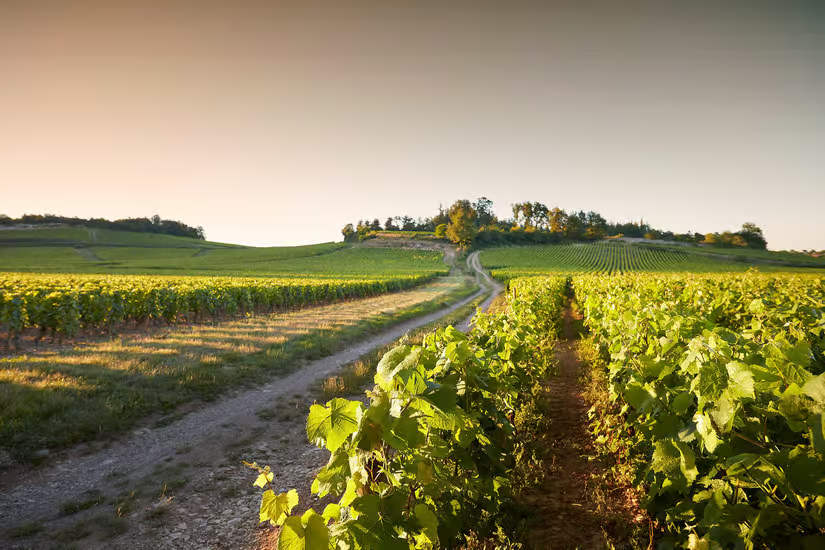
The journey into the heart of France begins where the earth turns to gold, a landscape defined by rolling hillsides and the meticulous geometry of ancient stone walls. To step into Burgundy is to enter a sensory sanctuary where the air carries the scent of damp limestone and turning leaves, and the horizon is a tapestry of perfectly manicured rows of vines.
This is a region where the geography itself feels like a whispered invitation to discover the soul of viticulture. As one traverses the narrow, winding roads that snake through the Côte d’Or, the visual poetry of the landscape becomes inseparable from the liquid treasures aging in the cool, vaulted cellars beneath. The light here has a specific quality, dappling across the hills of the Côte de Beaune and the Côte de Nuits, illuminating a terroir that has been revered for over a millennium. For the discerning traveler, this is not merely a destination but a pilgrimage of the senses, where the rustle of the vine leaves provides the soundtrack to an exploration of unparalleled elegance.
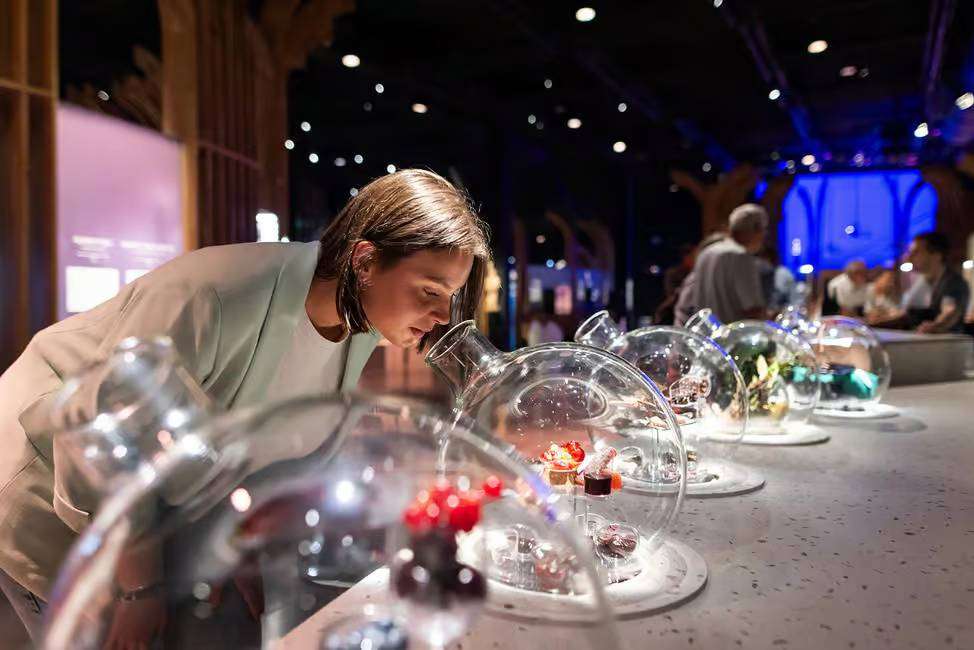
Every village along the route offers a new olfactory chapter, ranging from the delicate floral notes of a hillside white to the deep, earthy musk of a premier cru red. It is a place where time slows down, allowing the visitor to appreciate the patient labor of the vignerons and the silent, slow maturation of the grapes under a temperate sun. This Burgundy wine guide and grape varieties overview serves as a professional gateway into a world where nature and human craft find their most harmonious expression, beckoning the enthusiast to experience the profound connection between the land and the glass.
Uncork the Spirit of Burgundy

The Core Varietals of the Burgundian Landscape Mainly Pinot Noir and Chardonnay
In Burgundy, the philosophy of winemaking centers on the purity of the varietal as an expression of the site. While Chardonnay and Pinot Noir dominate, the region possesses a nuanced hierarchy of grapes that contribute to its complex identity
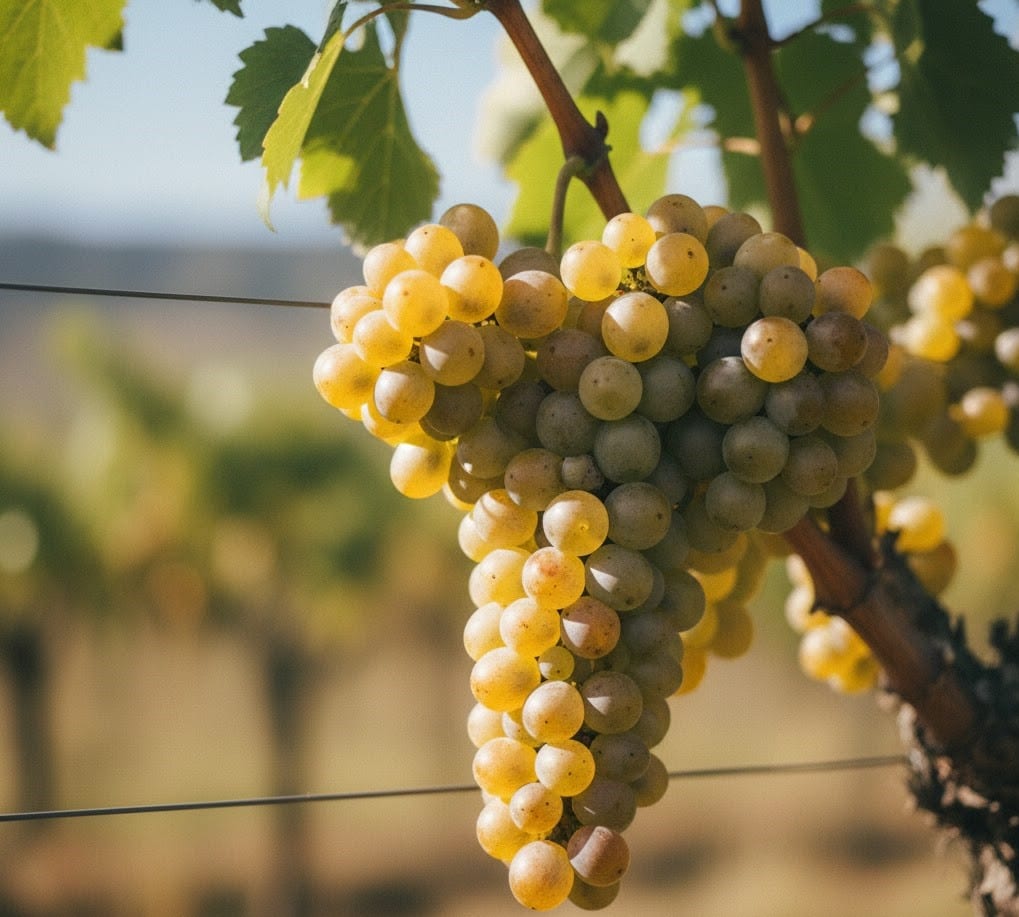
Chardonnay grape
The White Varieties in Burgundy
Chardonnay
As the cornerstone of this Burgundy wine guide and grape varieties study, Chardonnay is an ampelographic masterpiece. It features medium-sized, orbicular leaves and compact, cylindrical-conical clusters of golden-green berries.
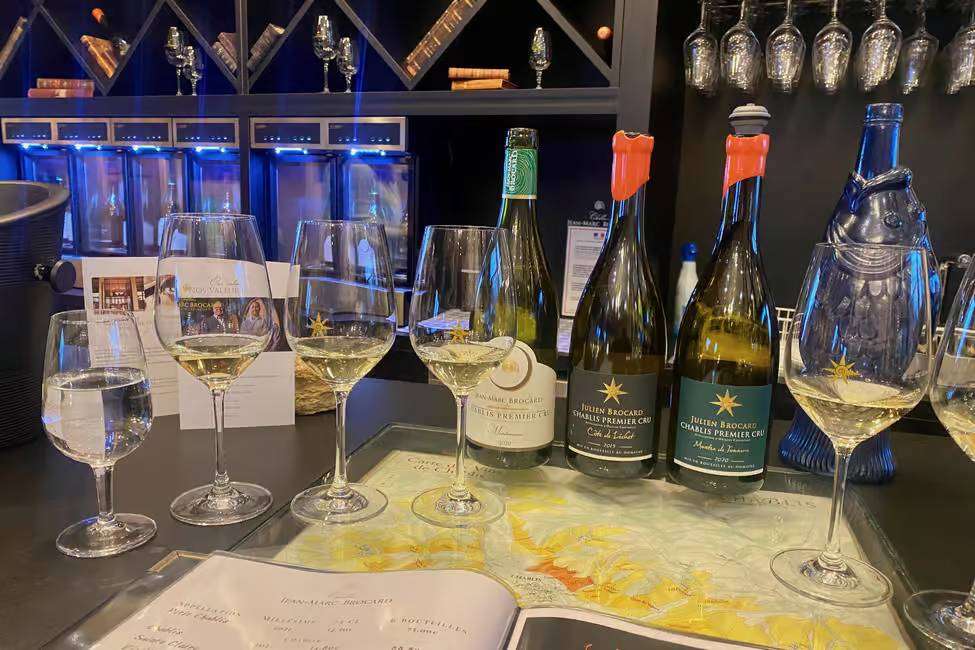
Aromatic Profile In the cooler northern reaches of Chablis, Chardonnay presents a bouquet of green apple, lemon zest, and intense flinty or “gunflint” mineral notes. Moving south to the Côte de Beaune, the aromatics evolve into ripe stone fruits, white flowers, hazelnut, and acacia. With bottle age, these develop into tertiary nuances of honey and toasted brioche.
Winemaking and Style The structure of Burgundian Chardonnay is defined by its versatile acidity and texture. Fermentation frequently occurs in French oak barrels to impart a creamy mouthfeel and structural weight. A hallmark of the style is malolactic fermentation, which softens the acidity, followed by aging on the lees to build a rich, complex body. These wines are highly age-worthy, possessing a balanced backbone that allows them to evolve for decades.
Aligoté
Aligoté is a vigorous and resilient variety, historically the “second” white grape of the region. It is characterized by larger, more rounded berries than Chardonnay and a high degree of resistance to the region’s variable climate.
Aromatic Profile This variety is prized for its high aromatic freshness, often leaning toward citrus fruits like grapefruit and lemon, complemented by subtle herbal notes and a distinctive saline minerality. It rarely exhibits the buttery notes of its counterpart, focusing instead on floral purity.
Winemaking and Style Structurally, Aligoté is defined by its sharp, vertical acidity and lean body. Most winemakers use stainless steel fermentation to preserve its crisp nature, though in the Bouzeron appellation, neutral oak may be used to provide a slightly more rounded texture. It is generally enjoyed young as a refreshing aperitif, though old vines produce a more concentrated, textured style.
Sauvignon Blanc
An exceptional rarity in Burgundy, Sauvignon Blanc is confined to the Saint-Bris AOC. It produces small, compact bunches that thrive in the limestone-rich soils of the Yonne department.
Aromatic Profile The Saint-Bris Sauvignon Blanc is remarkably aromatic, displaying notes of boxwood, exotic fruits, and the characteristic “pipì de chat” or blackcurrant bud. These are supported by a strong chalky mineral core that distinguishes it from the fruitier styles of the New World.
Winemaking and Style Winemaking focuses on retaining the primary volatile aromatics through cool fermentation in stainless steel. Malolactic fermentation is typically blocked to ensure a high-acid, zesty structure. The style is light-bodied, energetic, and clean, providing a sharp contrast to the textured Chardonnay-based whites of the region.
Melon de Bourgogne
Historically originating in Burgundy before finding its fame in the Loire, Melon de Bourgogne remains a rare but significant vestige of the region’s ampelographic past. It is characterized by its rounded, “melon-shaped” leaves and exceptional resistance to frost.
Aromatic Profile This variety is intentionally subtle, offering a delicate aromatic profile of green apple, white blossoms, and a profound maritime-influenced mineral saltiness. It lacks the heavy primary fruit of other whites, favoring a neutral palette that acts as a canvas for terroir.
Winemaking and Style The structure of Melon de Bourgogne is defined by high acidity and a light, ethereal body. In Burgundy, winemakers often employ “sur lie” aging—leaving the wine in contact with yeast cells for several months—to introduce a creamy mid-palate and a slight prickle of freshness. The style is bone-dry and impeccably clean, serving as a testament to the region’s ability to produce high-tension white wines.
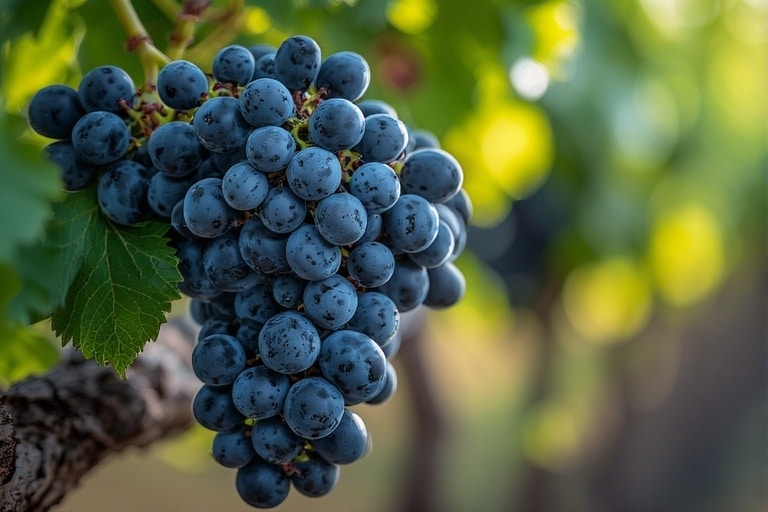
Pinot Noir, the essence of pinnacle Burgundy Reds
The Red Varieties: King Pinot Noir
Pinot Noir
Pinot Noir is the noble heart of Burgundy’s red production. Ampelographically, it is recognized by its small, tightly packed clusters and thin-skinned, indigo berries.
Aromatic Profile The youthful aromatic profile is a vibrant basket of red fruits—raspberry, strawberry, and red cherry—often accompanied by floral hints of violet. As the wine ages, it undergoes a dramatic transformation into earthy, complex notes of damp earth, forest floor, leather, and truffle.
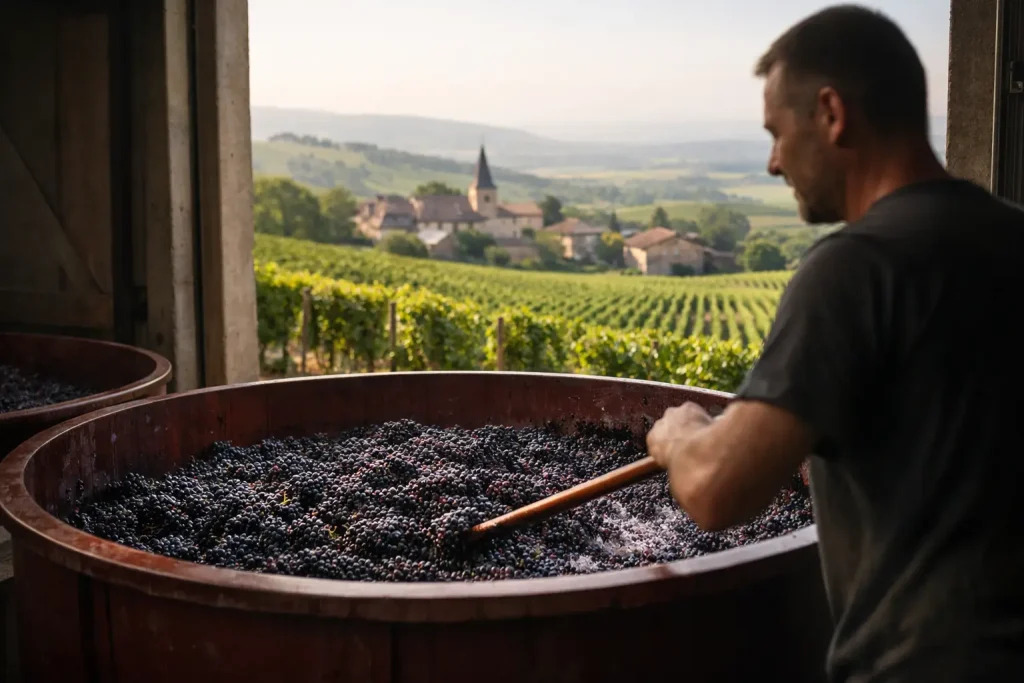
Winemaking and Style The structure of Pinot Noir is delicate yet profound, characterized by moderate tannins and high acidity. Vinification involves careful maceration and fermentation in open-top vats, often utilizing some whole-cluster inclusion to add tannic grip and spice. Aging in French oak barrels for 12 to 18 months refines the tannins, resulting in a silky, elegant texture that is the benchmark for high-quality red wine globally.
Gamay
While dominant in Beaujolais, Gamay is an essential component of the greater Burgundy landscape, particularly in the Mâconnais and for Bourgogne Passe-tout-grains.
Aromatic Profile Gamay is an explosion of fruit, dominated by black cherry, pomegranate, and wild strawberry. It often carries a distinct peppery spice and, in certain soils, a hint of crushed granite or iron.
Winemaking and Style In Burgundy, Gamay is typically vinified using traditional methods rather than the carbonic maceration seen in Beaujolais. This results in a wine with more structural integrity and a medium body. It is characterized by vibrant acidity and low-to-medium tannins, making it highly approachable and juicy, perfect for early consumption or for adding fruitiness to blends
Cesar
Cesar is an ancient and rare red variety primarily found in the Irancy region of northern Burgundy. Ampelographically, it is a robust vine with thick skins, believed to have been brought to the region by Roman legions.
Aromatic Profile Cesar provides a stark contrast to Pinot Noir, offering intense aromatics of dark berries, such as blackberry and blueberry, layered with spicy, sometimes rustic notes of black pepper and charcoal.
Winemaking and Style Structurally, Cesar is known for its formidable tannins and deep color. It is rarely bottled alone; instead, it is blended in small percentages with Pinot Noir to provide additional backbone, color, and aging potential. The resulting wines are more masculine and structured, requiring several years of aging to soften the potent tannic profile and allow the fruit to integrate.
Terroir and Microclimates
The excellence of the Burgundy wine guide and grape varieties discussed herein is rooted in a unique geological phenomenon. The region sits upon a foundation of Jurassic limestone and marl, formed millions of years ago when the area was a shallow sea. This limestone provides the essential drainage and mineral nutrients that give the wines their structure and longevity. The climat—a term unique to Burgundy—refers to a specific vineyard plot that combines a precise soil composition with a distinct microclimate. The eastern-facing slopes of the Côte d’Or protect the vines from westerly winds while maximizing exposure to the morning sun, ensuring optimal ripening even in a cool continental climate. These subtle shifts in elevation and slope gradient create distinct thermal zones, where a difference of just a few meters can move a vineyard from a village classification to a Grand Cru status
Conclusion: The Art of the Experience
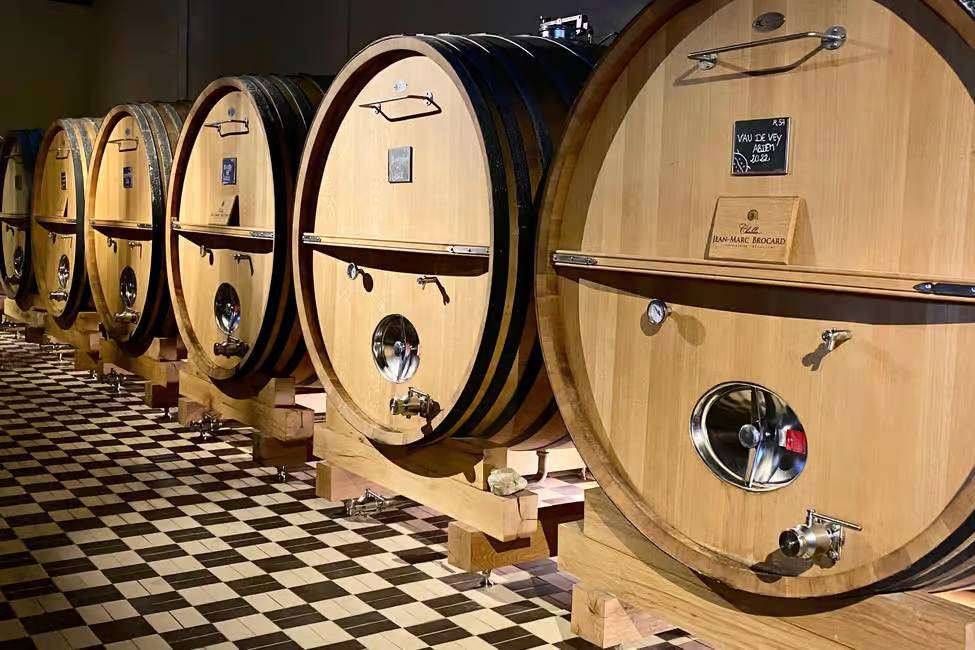
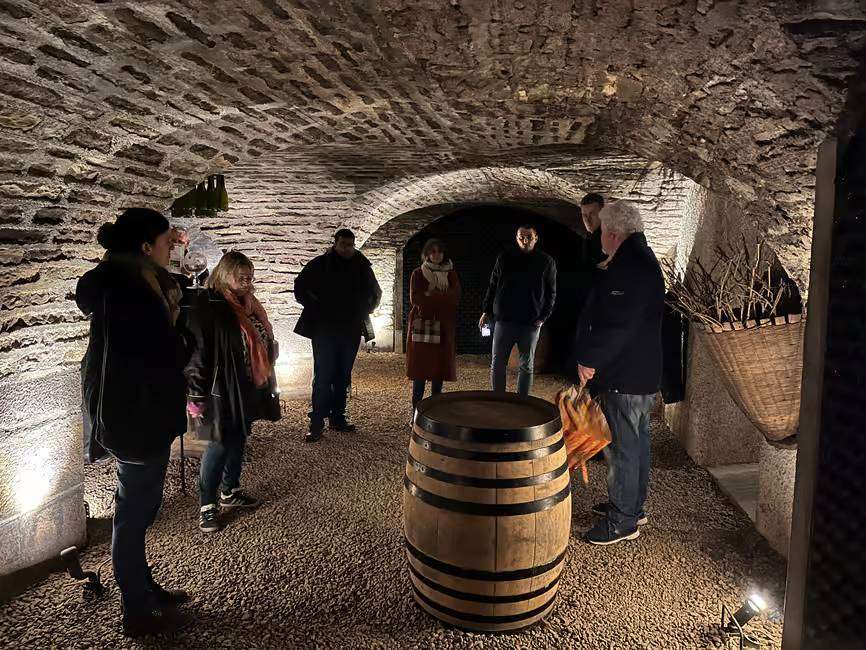
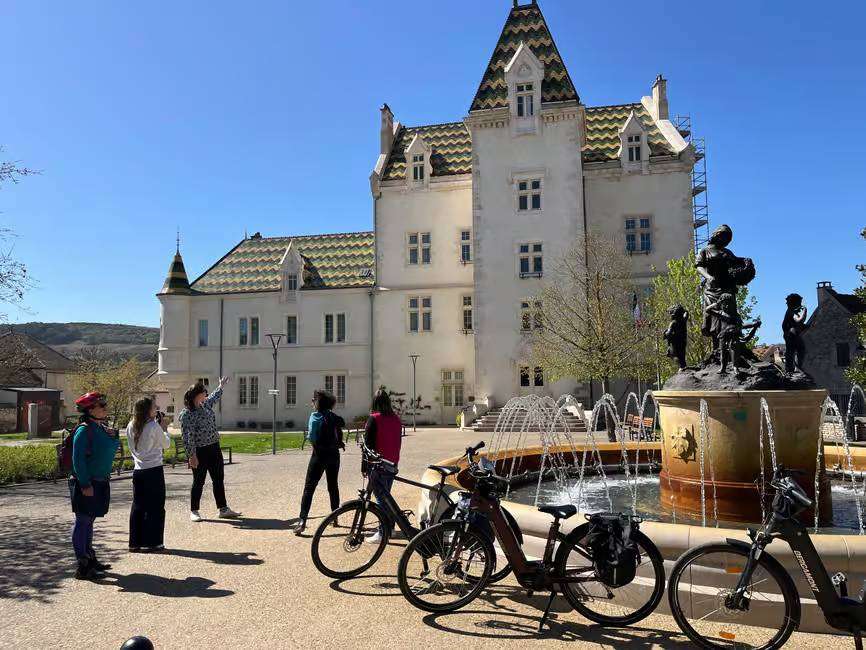
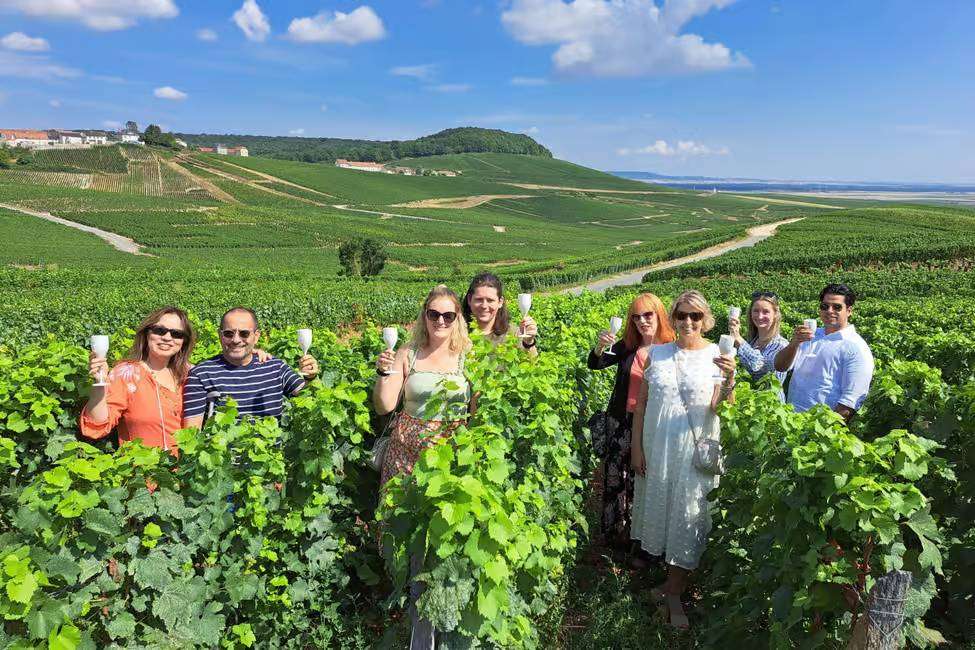
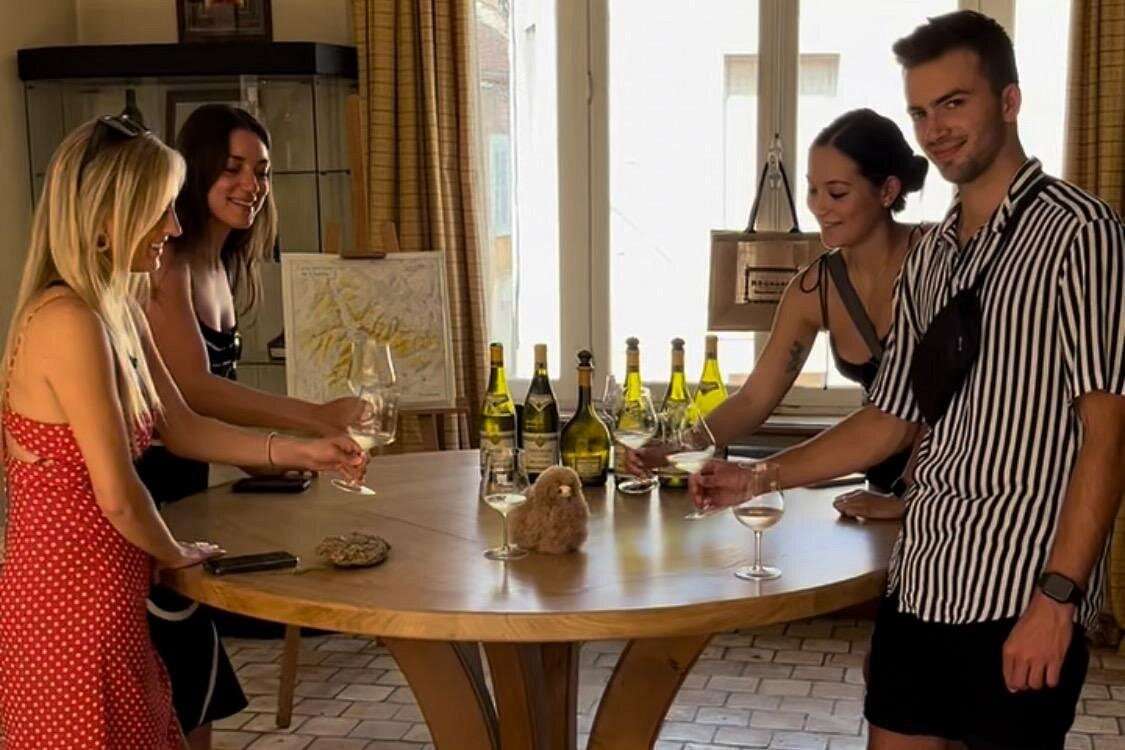
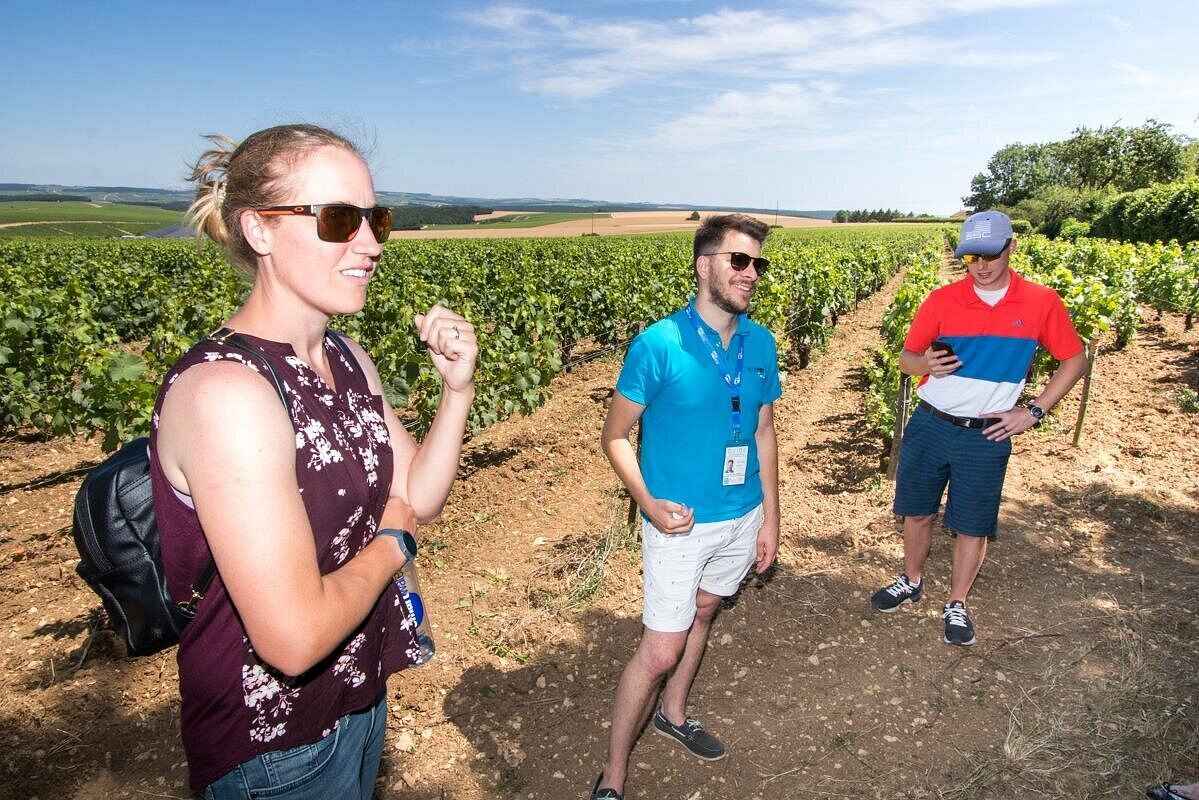
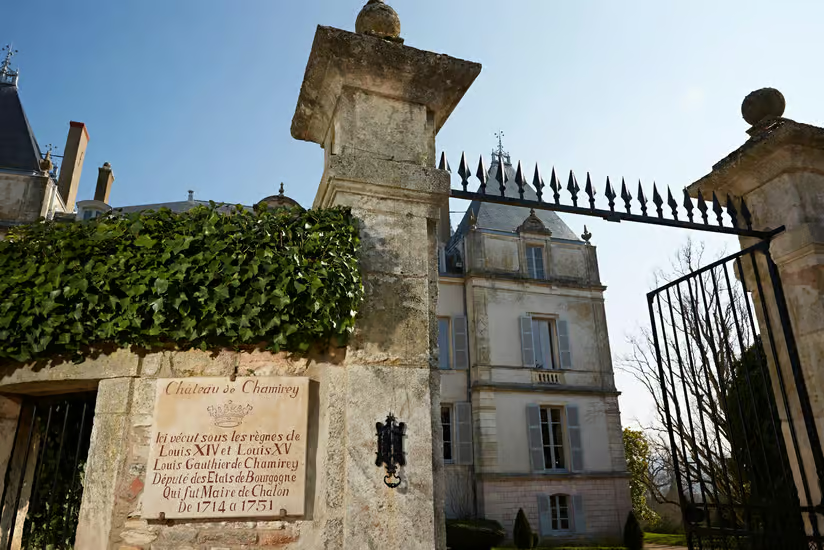
Ultimately, the technical complexities of Burgundy are best understood through the glass and the soil from which it springs. While the science of ampelography and the history of the Cistercians provide a framework, the true essence of this region is found in the cool air of a cellar in Beaune or the quiet sunlight hitting a vine in Gevrey-Chambertin. This region is unique because it demands a physical presence to fully grasp how a single grape can produce a thousand different expressions. To truly appreciate the art of the blend—which in Burgundy refers to the blending of site, season, and soul—one must walk the rows and speak with the producers who act as stewards of this land. We invite you to move beyond the text and immerse yourself in a professional wine tour. By visiting these historic estates, you transition from a reader to a participant in a living legacy. Understanding the nuances of this Burgundy wine guide and grape varieties becomes a visceral reality only when you experience the hospitality and the unparalleled landscape of this golden region firsthand