Table of Contents
Aligoté The Electric Underdog and Burgundy’s Resilient Rebel
Aligoté presents itself in the glass with a brilliant, pale straw hue, often shimmering with youthful emerald reflections. Characterized by its lean, high-toned structure and a bracing, racy acidity, this wine is the antithesis of flabby, offering a palate-cleansing tension that is both refreshing and profound. On the nose, it delivers a focused bouquet of Granny Smith apple, citrus zest, and white florals, often underpinned by a distinct flinty minerality. Long relegated to the shadows of its more famous sibling, Chardonnay, Aligoté is the vital, energetic cornerstone of “the other Burgundy,” proving itself as a sophisticated balancing partner and a standalone star for those who prize nerve and precision.
Origin, History and Terroir INative of Burgundy
French Ancestral Roots and Name
Aligoté is indigenous to the Bourgogne (Burgundy) region of France, where it has been cultivated for over two centuries. Its name is believed to be derived from the old French word got, a local synonym for a specific type of grape, though its etymology remains as rustic and unpretentious as the grape’s early reputation.
The Parentage/Genetic Lineage
Modern DNA analysis has confirmed that Aligoté is a member of the prolific Pinot-Gouais family. As a natural cross between the noble Pinot Noir and the rugged Gouais Blanc, it shares the same distinguished parentage as Chardonnay, explaining its remarkable ability to translate Burgundian terroir into the glass.
Dominance in Burgundy
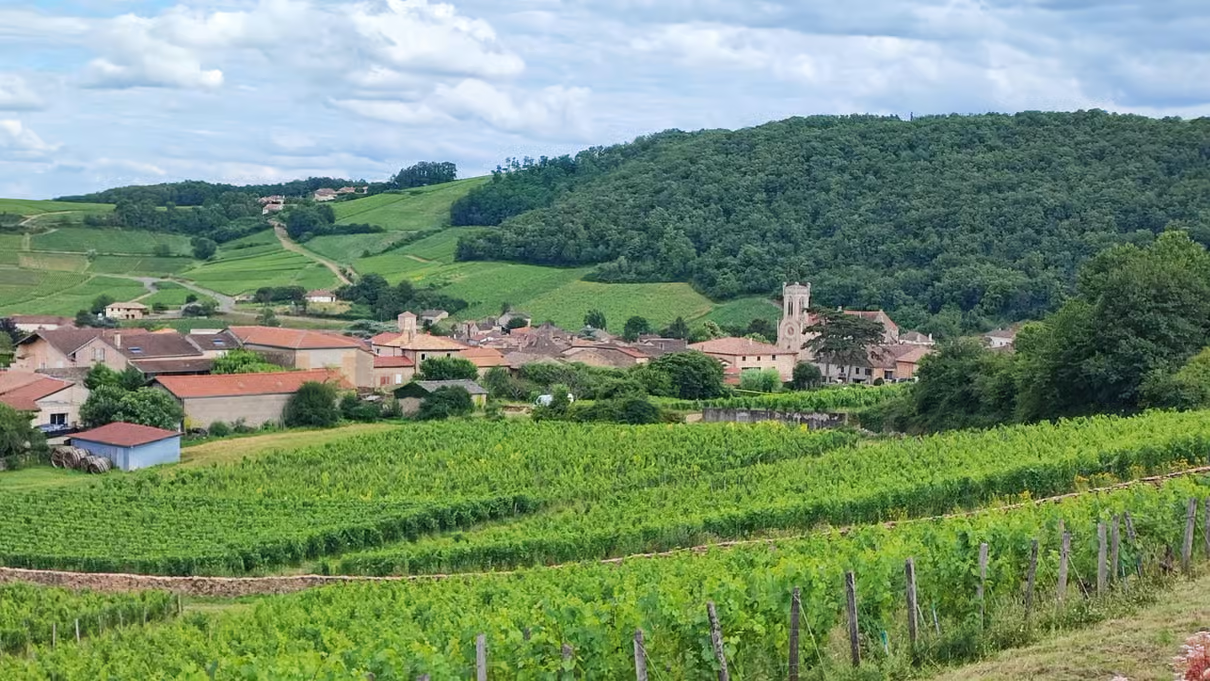
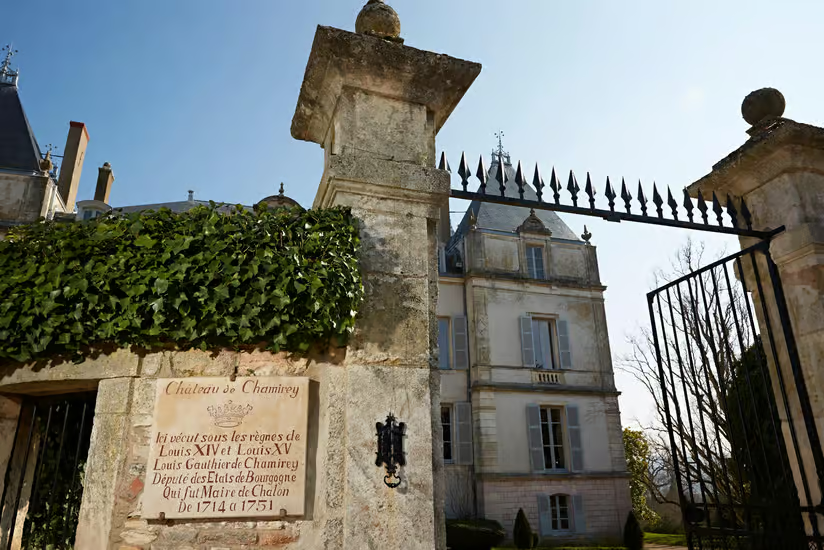
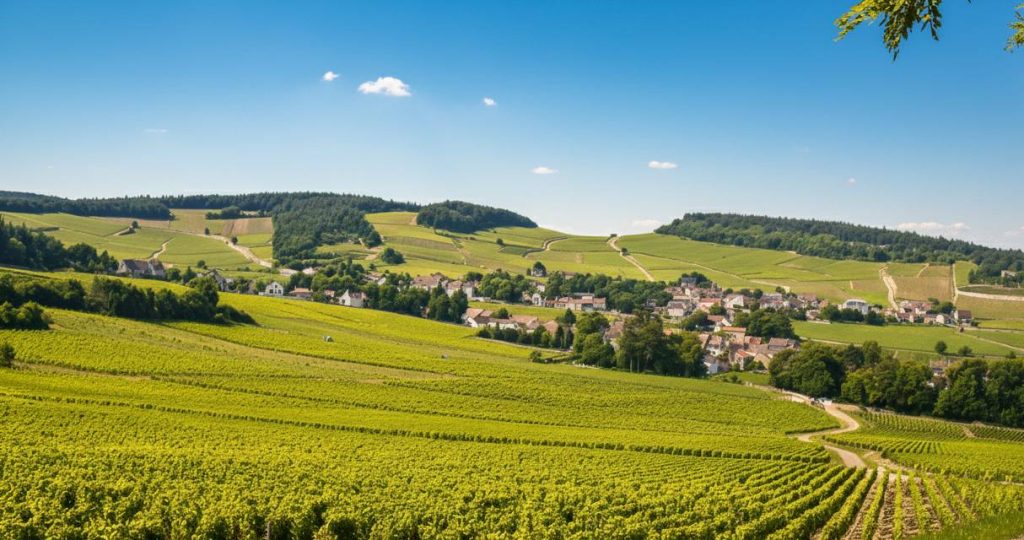
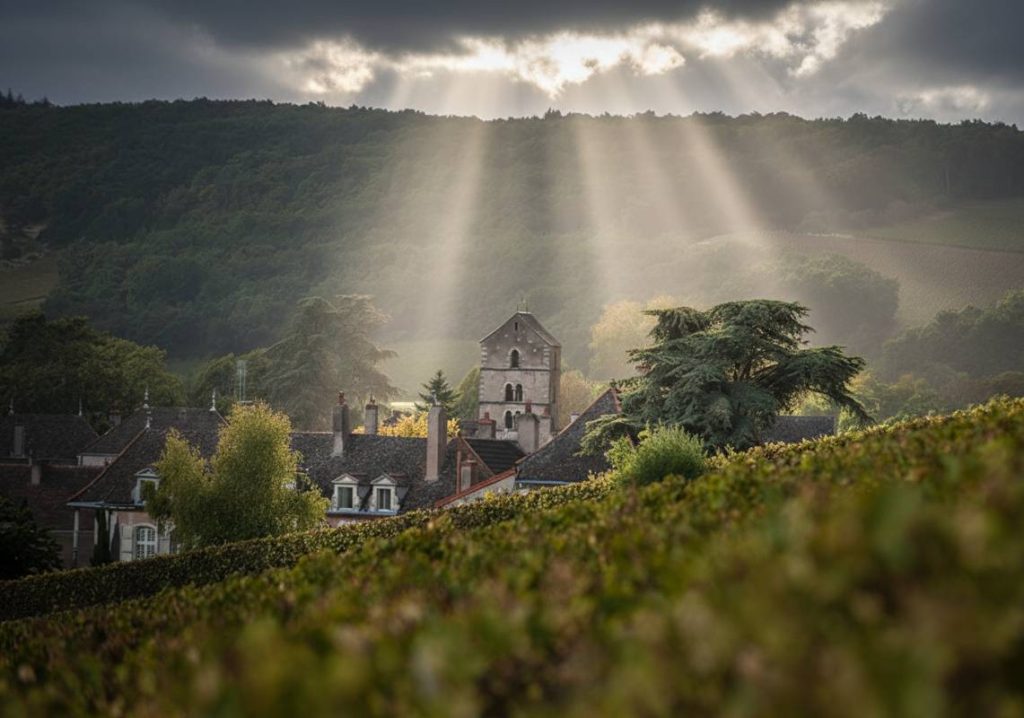
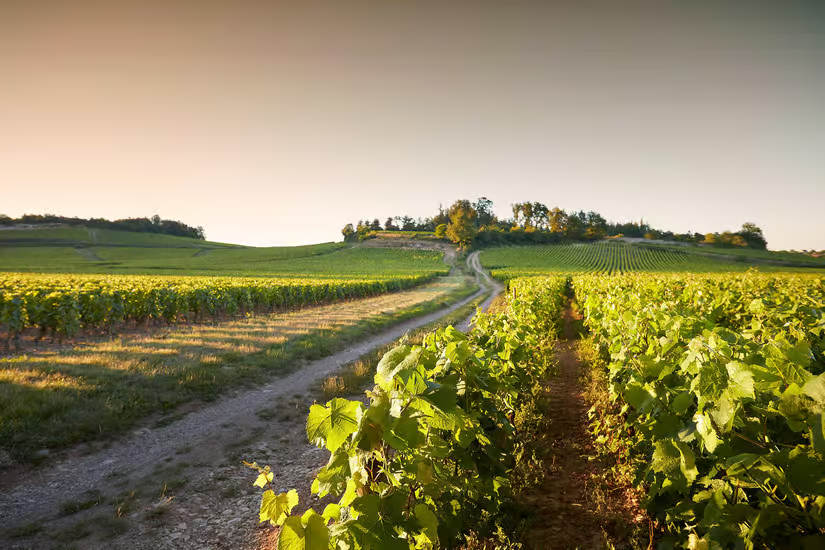
While Chardonnay claims the “Golden Slope,” Aligoté thrives in the Bouzeron AOC in the Côte Chalonnaise, the only village-level appellation dedicated exclusively to the grape. Here, it favors the thinner, limestone-rich soils on the higher slopes or the cooler, wind-exposed plateaus where its natural acidity is preserved and its mineral depth is most vividly expressed
Characteristics of Aligoté early-budding and relatively early-ripening
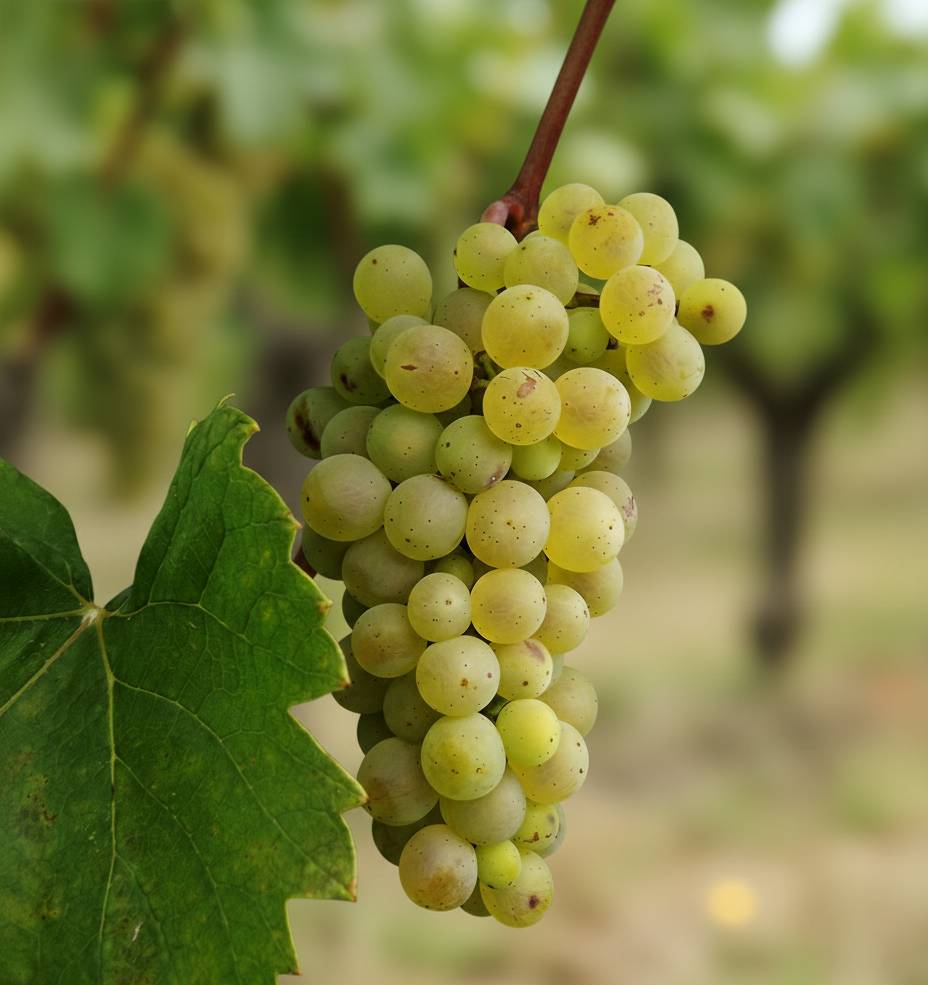
Physiologically, Aligoté is an early-budding and relatively early-ripening variety, which requires careful site selection to avoid the bite of spring frosts. It possesses thin skins and relatively large, compact bunches, making it particularly susceptible to downy mildew and grey rot during humid vintages. However, its greatest advantage is its innate vigor; if not strictly managed through pruning and low-yielding old-vine viticulture, it can produce an abundance of fruit that dilutes its characteristic electric intensity
Aromatic profile of Amigoté Citrus, Stone Fruits and bitter almond
The complete sensory experience of a high-quality Aligoté is one of crystalline purity.
Aromas
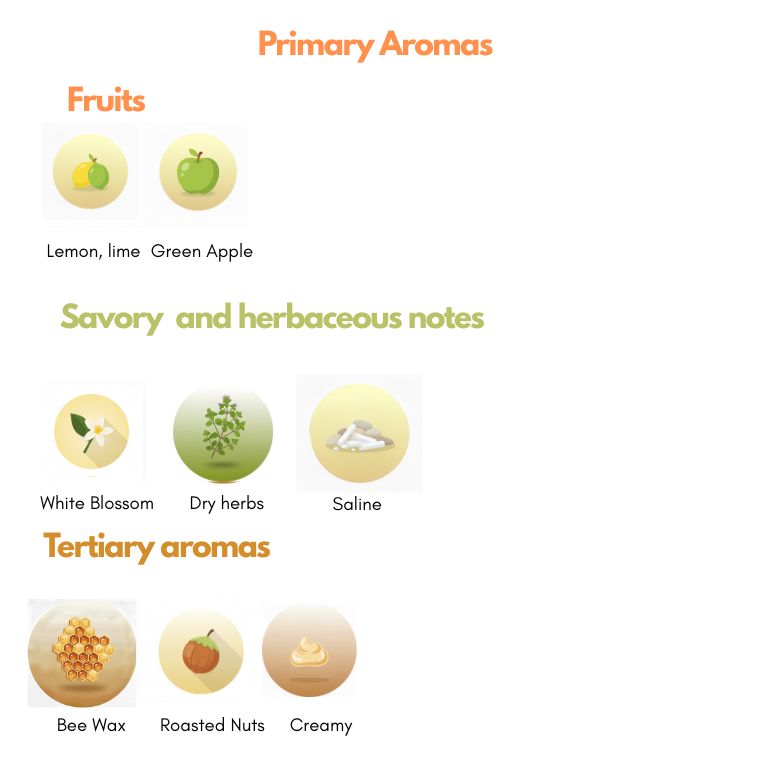
The primary flavors are dominated by lemon, lime, and tart green apple, often accented by white blossoms and a distinct saline streak. In more concentrated examples, savory notes of dried herbs and raw almond emerge.
Structure
Structurally, the wine is medium-bodied with very high acidity and no perceptible tannins, creating a sensation of verticality and “zip” on the tongue. While many Aligotés are enjoyed young, those treated with neutral oak or extended bottle age develop tertiary notes of beeswax, toasted hazelnut, and a rich, creamy texture that rounds out its sharp corners.
Winemaking and Blending Techniques traditional, modern or blend
Blending Partner/Role:
Historically, Aligoté’s primary role was to provide acidic lift and freshness to blends, particularly in the production of Crémant de Bourgogne (sparkling wine). It is frequently blended with Chardonnay to ensure the final sparkling wine maintains a crisp, lively backbone even in warmer years.
The Use of Oak and Stylistic Spectrum
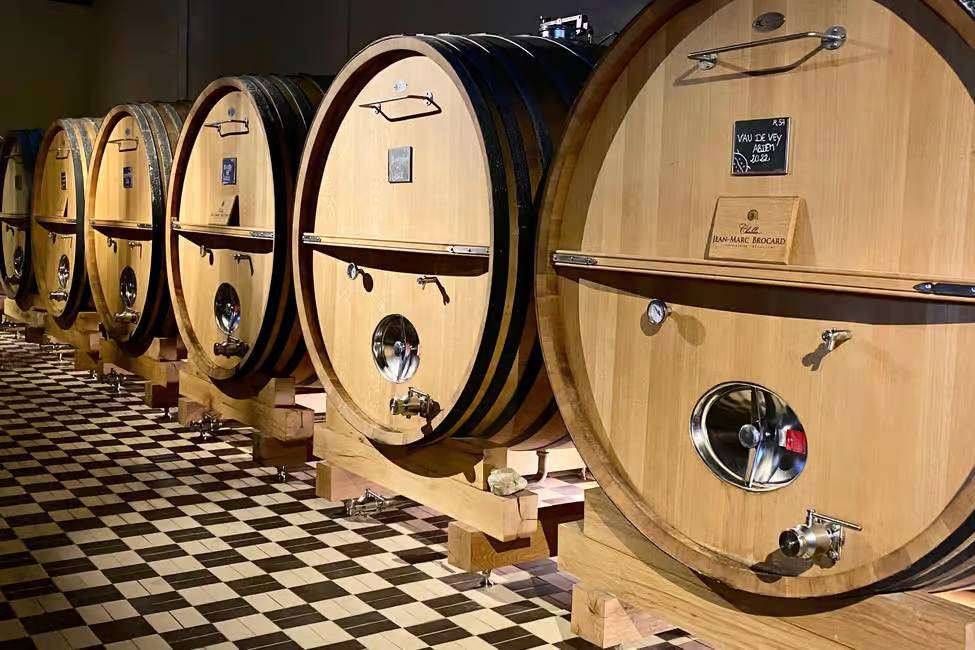
The traditional style of Aligoté, particularly from elite producers, utilizes neutral French oak barrels or stainless steel to emphasize the tension between fruit and mineral. In contrast, a modern “International Style” is emerging among artisanal “vins nés” (natural wine) producers, involving extended lees aging or skin contact, which creates a more textured, savory, and complex wine that moves away from simple citrus and toward a more contemplative, gastronomic profile.
The Impact of Climate in Style
Cooler/Old World Climate:
In its traditional Burgundian home, particularly in cooler vintages, Aligoté retains a sharp, linear acidity and a light-to-medium body. The flavor profile is decidedly “green” and citrus-led, featuring lemon peel, green apple, and a salty, herbal edge reminiscent of chervil or wet stones. These are the most elegant and nervy expressions, prized for their ability to age into honeyed, nutty complexities over five to ten years.
Warmer/New World Climate:
When grown in warmer pockets or during heatwave vintages in Europe, the grape’s structure softens, showing lower perceived acidity and a rounder mouthfeel. The fruit profile shifts toward sun-ripened yellow plums, white peach, and even a touch of tropical melon. These styles are plush and immediately appealing, trading the grape’s signature “razor’s edge” for a more accessible, fruit-forward charm that requires no patience to enjoy.
.
Regions for Trebbiano Abruzzo, Tuscany, Cognac in France
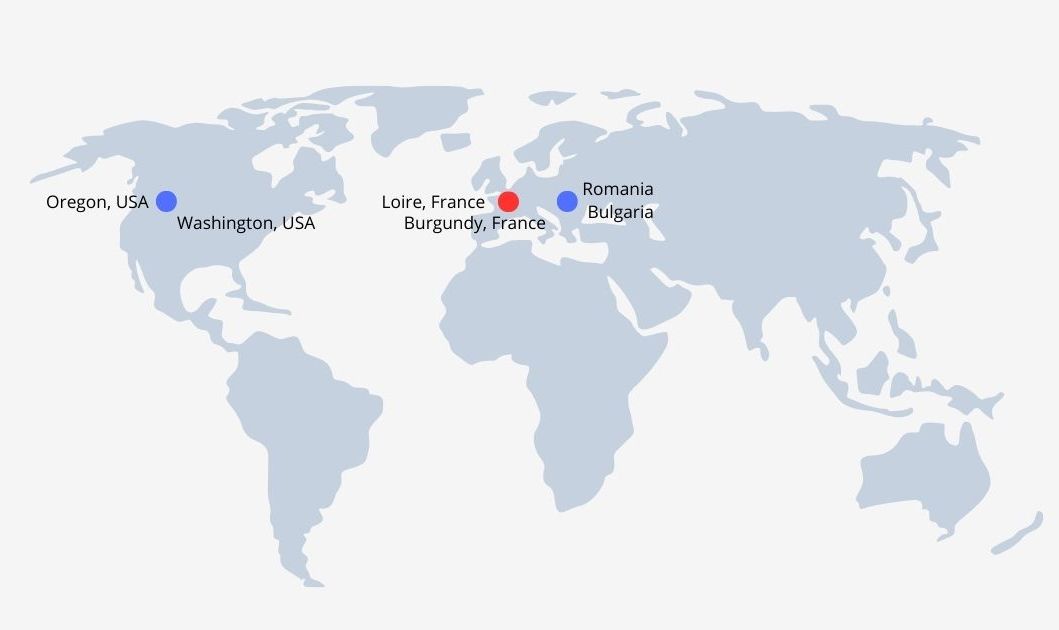
France (Bouzeron, Burgundy): The Pinnacle.
The gold standard for the varietal, where the Aligoté Doré clone produces wines of unexpected depth, floral aromatics, and significant aging potential.
Eastern Europe (Bulgaria & Romania): The Hidden Stronghold.
Aligoté is widely planted here, often used for crisp, high-volume white wines that offer exceptional value and a bright, citrus-forward profile.
United States (Washington State & Oregon): The New Frontier.
A handful of adventurous producers in the Pacific Northwest are experimenting with Aligoté, utilizing the region’s natural cool-climate acidity to produce small-batch, cult-status bottlings.
France (Regional Bourgogne): The Blending Essential.
Outside of Bouzeron, Aligoté serves as the vital base for the Kir cocktail and the refreshing backbone of many regional sparkling Crémants
.
Food pairing and service of Aligoté The Versatile Refresher
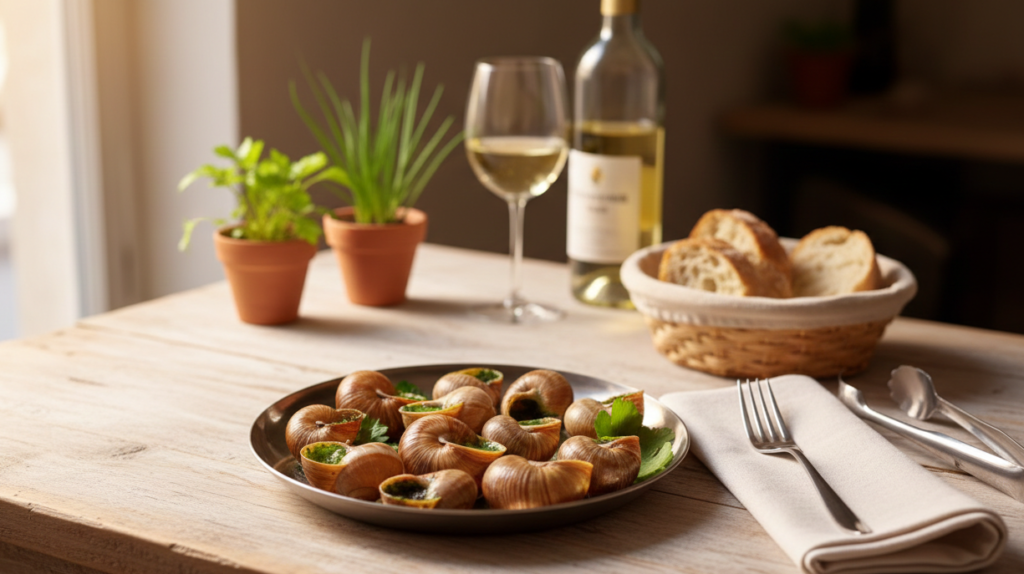
Aligoté is a traditional match with escargots de Bourgogne
Ideal Food Pairings
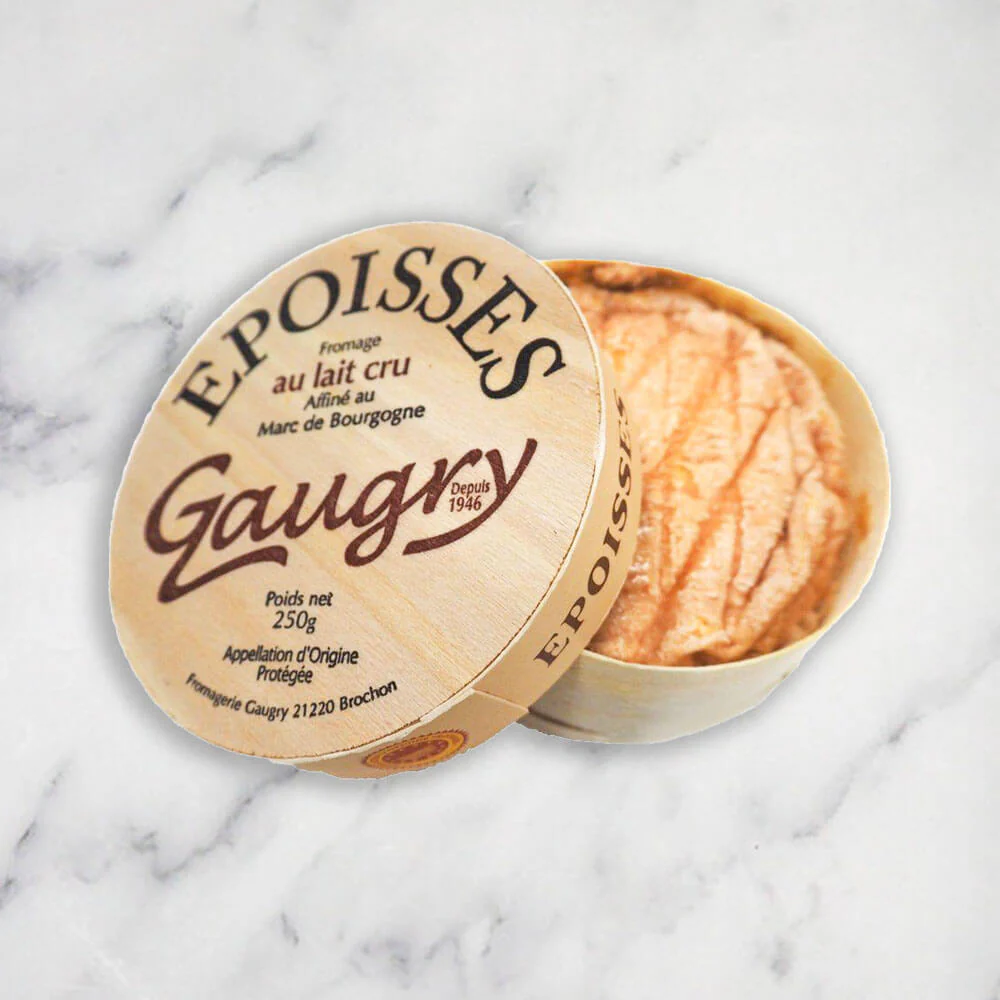
Aligoté is a high-acid “gastronomic knife” that excels at slicing through salt, brine, and delicate fats. Its absolute classic partnership is with raw or lightly chilled seafood, specifically oysters on the half-shell or grilled sardines, where the wine’s citrus energy acts as a liquid garnish. Beyond the sea, it is the traditional match for Escargots de Bourgogne, as its piercing acidity provides a soothing counterpoint to the rich, garlic-heavy butter. For cheese lovers, seek out young, tangy goat cheeses (Chèvre) or a salty Comté; the wine’s mineral backbone mirrors the earthiness of the cheese while refreshing the palate between bites.
Avoid pairing
with aggressive spice or heavy, sugar-laden glazes, which can make the wine’s delicate floral notes appear metallic or thin.
Service Temperature
To maintain its signature crystalline tension and aromatic focus, Aligoté should be served properly chilled at 10°C to 12°C (50°F–54°F).
Decanting
While most entry-level Aligoté is designed for immediate, exuberant consumption, high-end “Old Vine” (Vieilles Vignes) examples or those from top Bouzeron estates possess a hidden density. These bottles benefit immensely from a 20-minute decant or being served in a wider Burgundy glass, allowing the initial flinty reduction to dissipate and revealing a surprising mid-palate of white peach and toasted grain.
Challenges & Future Outlook
Aligoté currently faces an “identity crisis” as it transitions from a “workhorse” grape to a “sommelier darling.” While climate change poses a threat by potentially lowering the grape’s signature acidity, the warming trend has actually helped Aligoté reach full physiological ripeness more consistently in Burgundy. The challenge lies in shaking off its historical reputation as a “cheap” wine only fit for mixing with crème de cassis, a task being spearheaded by a new generation of quality-obsessed vignerons.
Ready to Dive into the World of Aligoté? Discover Our Tours! Experience the crisp swiss knife of Burgundy Wines
Aligoté is no longer the simple backup singer of the wine world; it is a virtuoso of freshness and terroir. Whether you are looking for a bracing companion for seafood or a sophisticated, mineral-driven white that defies convention, this grape delivers in spades.