Table of Contents
Cesar TThe Ancient Guardian and Muscular Muse of Northern Burgundy
César reveals itself in the glass with an intensely deep, inky purple-ruby color that is almost opaque, hinting at the concentration within. Structurally, it is a powerhouse of a grape, defined by its firm, robust tannins and a dense, muscular body that stands in stark contrast to the ethereal lightness typically associated with its neighbors. The nose is a complex tapestry of tart wild blackberries, dark plums, and cracked black pepper, often accented by a wild, gamey musk. As the historic soul of the Irancy region, César is the vital “secret weapon” of Northern Burgundy, providing a structural backbone and a brooding, dark-fruited counterpoint to the more delicate Pinot Noir.
Cesar: Origin, History and Terroir Native from Yonne, Burgundy
French Ancestral Roots and Name
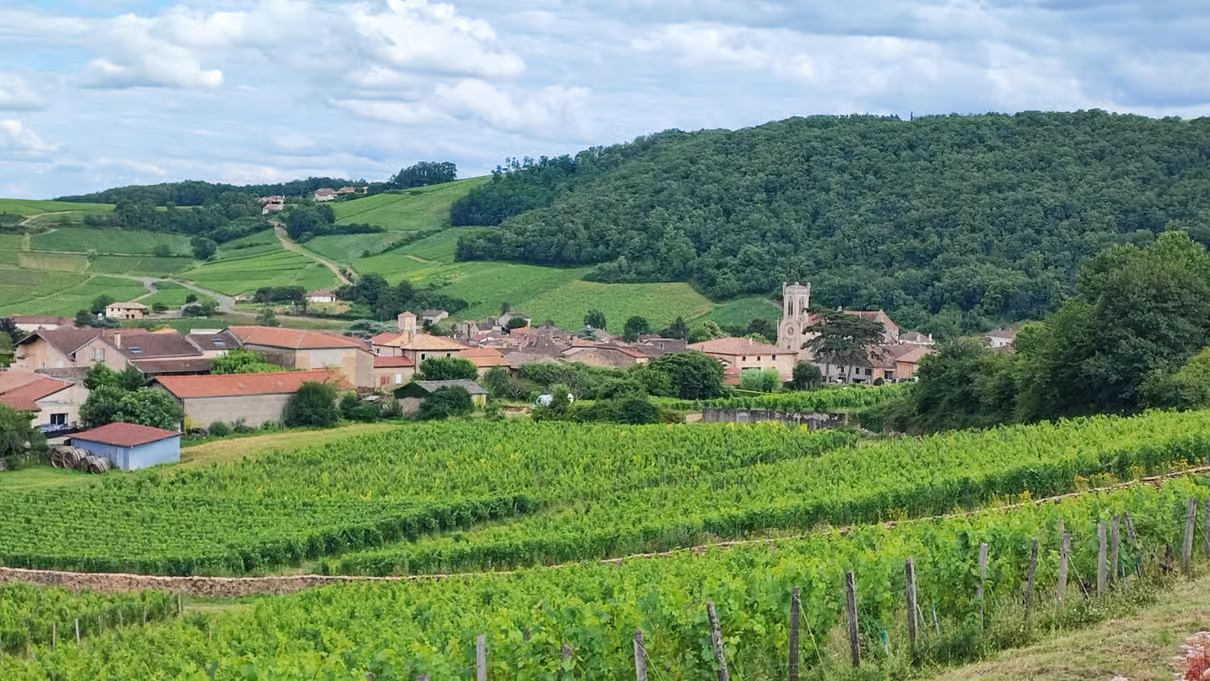
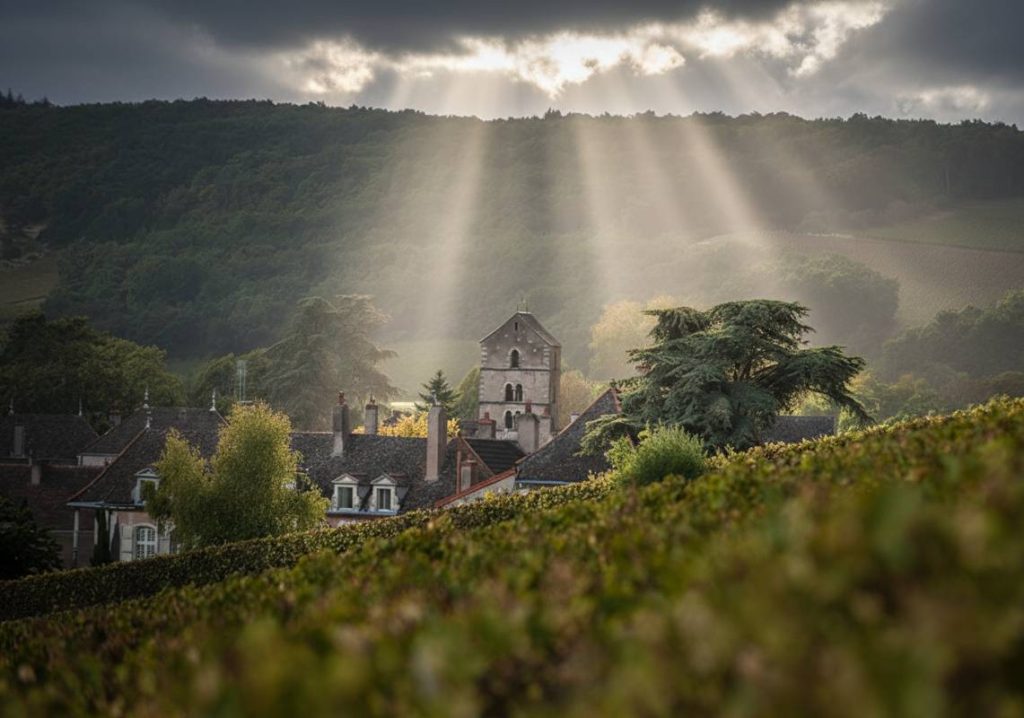
César is indigenous to the Yonne department of Northern Burgundy, specifically centered around the village of Irancy. According to local lore, its name pays homage to Julius Caesar, as it is believed the grape was brought to the region by Roman legions over two thousand years ago.
The Parentage/Genetic Lineage
Modern DNA profiling has unmasked César as a distinguished member of the Pinot family. It is a natural cross between the noble Pinot Noir and the rare, ancient Argant (an Iberian variety), a lineage that explains its unique combination of Burgundian elegance and rugged, rustic power.
Dominance in Irancy (Bourgogne)
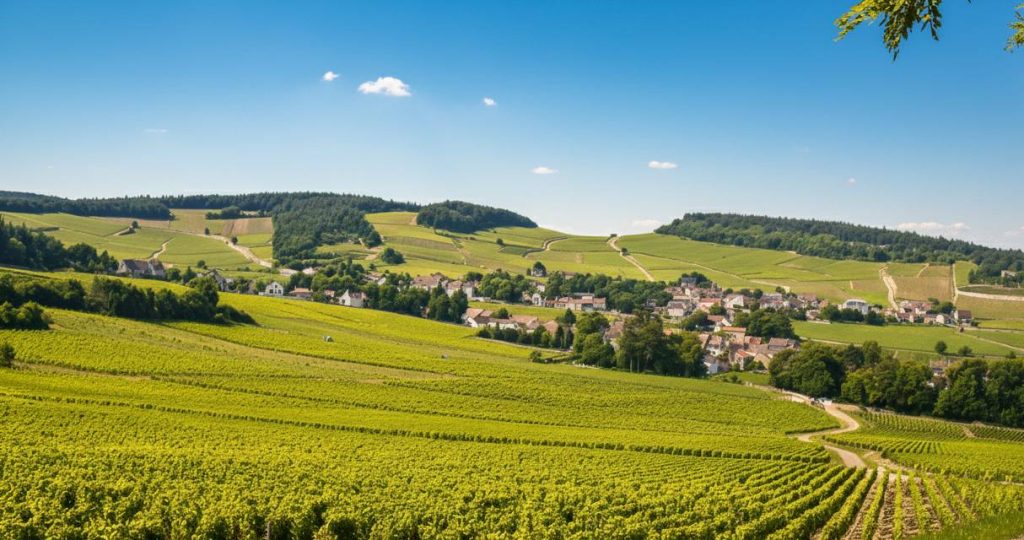
The grape holds its most prestigious status in the Irancy AOC, located just southwest of Chablis. It thrives in the region’s Kimmeridgian limestone and marl soils—the same prehistoric seabed that fuels Chablis—where the vines can dig deep to find the nutrients necessary to balance their natural intensity with mineral finesse.
Characteristics of Cesar Susceptible to early frost
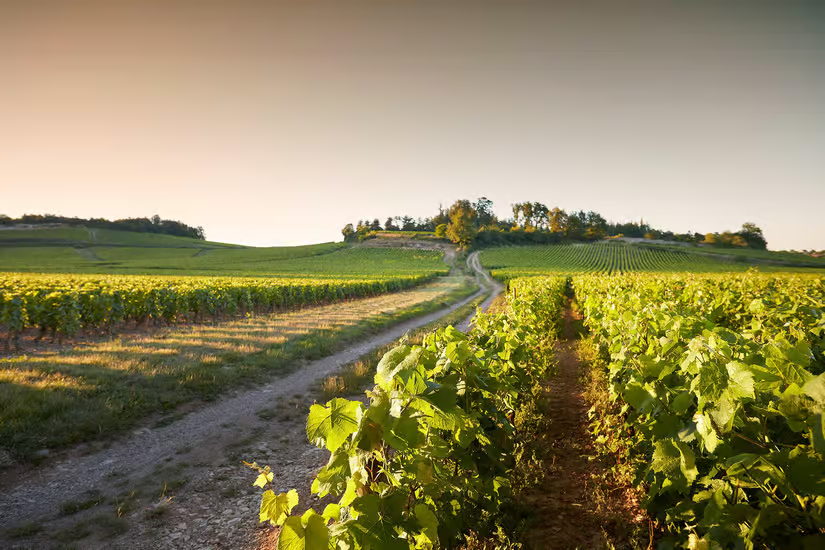
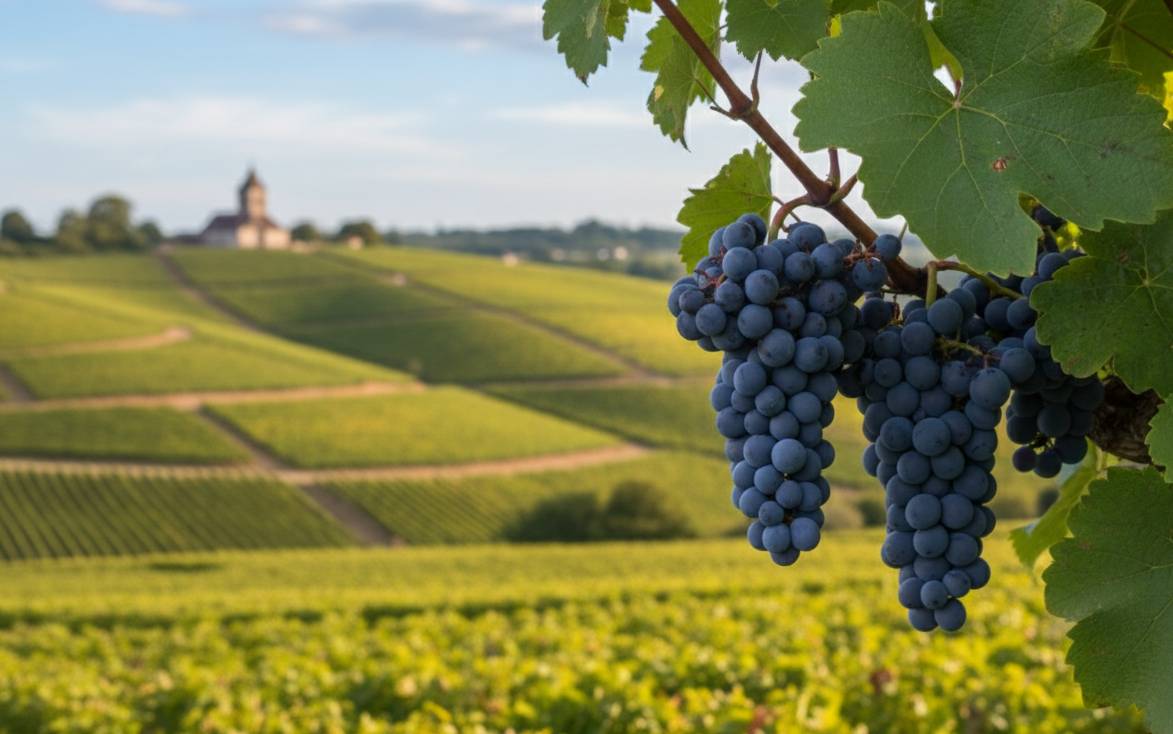
César is an early-budding variety, which places it at significant risk of damage from the late spring frosts common in the cool Yonne valley. It possesses a notably thick skin, which is the source of its deep color and formidable tannin profile. While its thick skin provides a natural defense against rot and botrytis during damp harvests, the grape is notoriously difficult to ripen fully in cooler years, requiring perfectly exposed, south-facing “amphitheater” slopes to ensure its tannins don’t remain green and astringent.
Aromatic profile of Cesar Lemony, fresh, high acidity
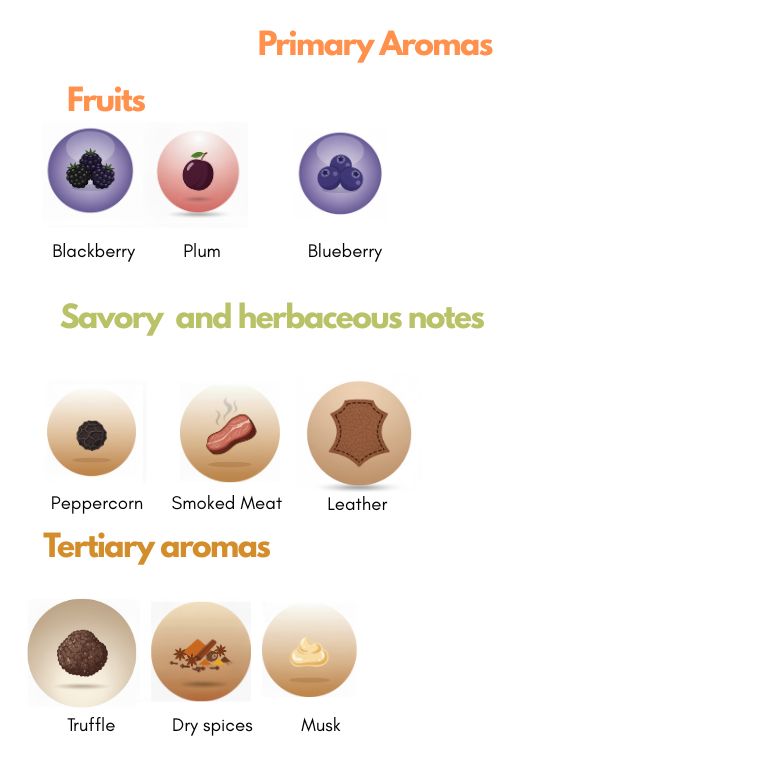
The sensory experience of César is one of raw, untamed elegance.
Flavors
Primary flavors are dominated by blackberries, damson plums, and blueberries, which are quickly met by savory notes of peppercorns, leather, and smoked meat.
Structure
Structurally, it is full-bodied with high acidity and a level of tannin that is significantly higher than most Burgundian reds, creating a grippy, textural mouthfeel. Through aging in oak, it develops tertiary notes of truffle, musk, and dried spice, transforming its youthful aggression into a sophisticated, savory depth.
Winemaking and Blending Techniques traditional, modern or blend
Blending Partner/Role
César’s primary role is that of a structural architect. In the Irancy AOC, winemakers are permitted to blend up to 10% César into Pinot Noir. Its job is to provide color, longevity, and tannic grip, acting as a “backbone” for the Pinot Noir which might otherwise feel too light in cooler vintages.
The Use of Oak and Stylistic Spectrum
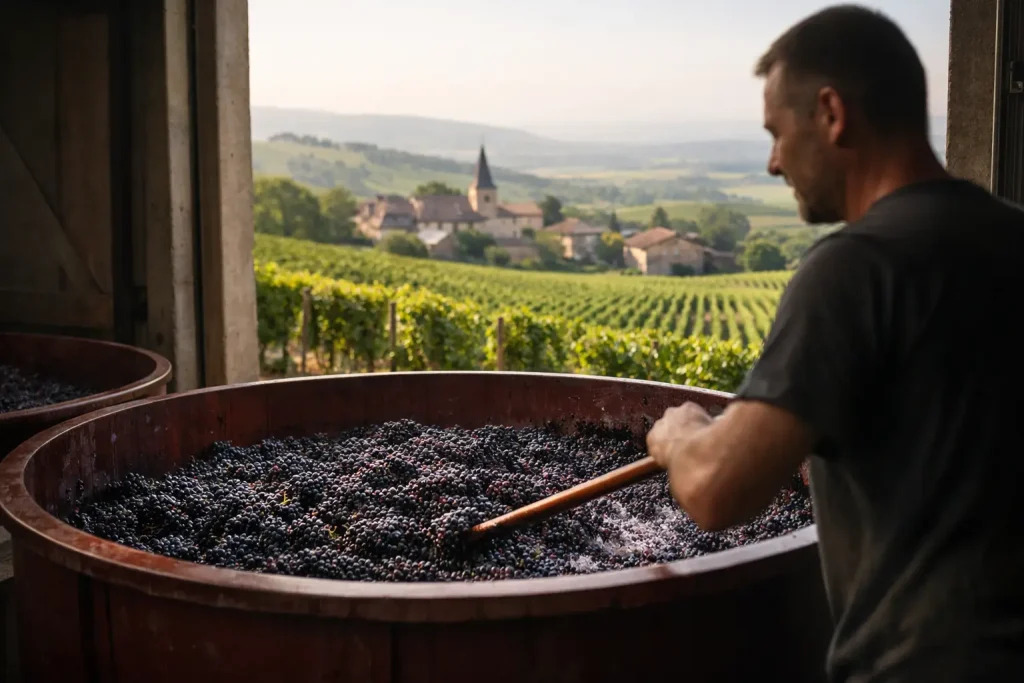
Traditional winemakers often use older French oak barrels to allow the grape’s rustic character to shine without being masked by vanilla. The high-end Traditional Style focuses on long macerations to extract color and tannin for long-term aging. Conversely, a more modern, fruit-forward style utilizes shorter fermentations and temperature control to produce a wine that is “ripe” and accessible, focusing on the juice rather than the structure.
The Impact of Climate in Style
Cooler/Old World Climate:
In classic, cool Northern Burgundian vintages, César produces a wine of striking austerity and high acidity. The flavor profile leans into “crunchy” red and black currants, tobacco leaf, and an earthy, forest-floor quality. These are the most traditional and age-worthy styles, often requiring years of bottle age for the “iron-fist” tannins to soften into a velvety, complex masterpiece.
Warmer/New World Climate
In warmer years or the rare experimental plantings in sunnier climes, César’s structure becomes significantly more supple and approachable. The acidity mellows, and the fruit profile shifts toward jammy black cherries, violets, and dark chocolate. These styles are plush and powerful, offering an immediate sensory impact that emphasizes the grape’s natural weight and richness over its structural bones.
Regions for Cesar France, Chile
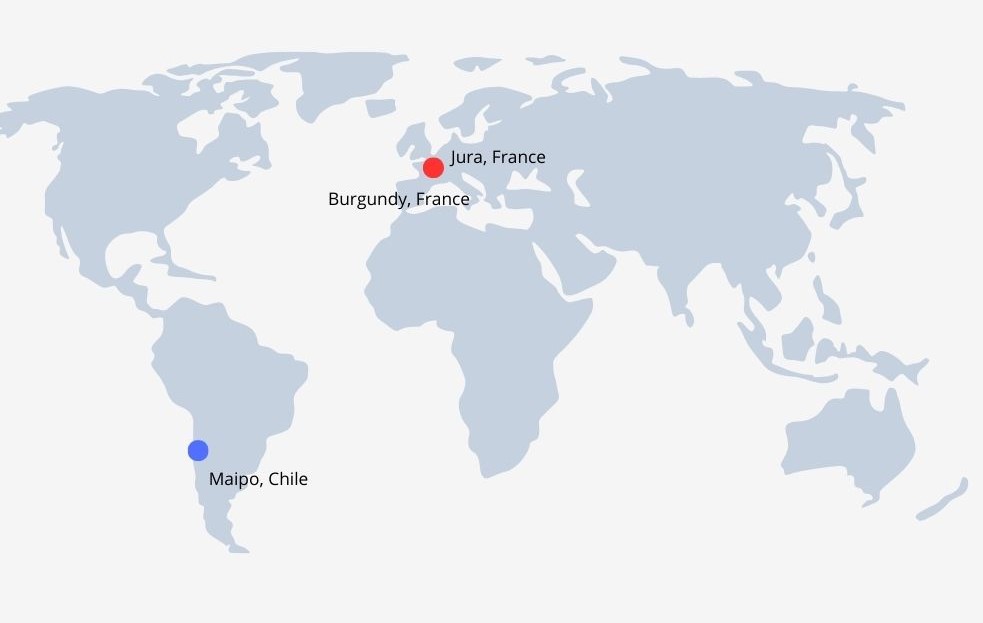
- France (Irancy, Burgundy): The Pinnacle. The only place where César is treated with true reverence, producing dark, spicy wines that can age for 20+ years.
- France (Saint-Bris/Yonne): The Historical Footprint. Found in small quantities in the surrounding villages of the Yonne, often used in regional “Bourgogne Rouge” to add a touch of rustic charm.
- Chile (Maipo/Colchagua): The New World Experiment. A tiny handful of producers are exploring César (sometimes confused with other varieties historically) to see how its thick skins respond to intense South American sun.
- France (The Jura): The Rare Neighbor. Occasionally spotted in the neighboring Jura region, where it is used in eclectic blends to provide a dark-fruited contrast to local varieties like Poulsard.
Food pairing and service of Cesar The Rustic Gastronomic Anchor
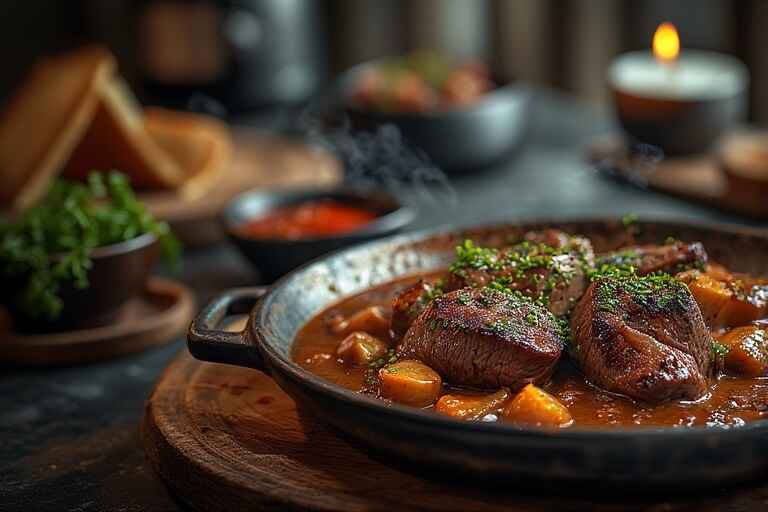
The “muscular” Cesar is absolute classic with beef bourguignon
Ideal Food Pairings
César is a “muscular muse” that requires food with significant weight and fat to tame its assertive tannins. Its absolute best classic pairing is Boeuf Bourguignon or any slow-cooked, wine-braised red meat where the protein can bind with the wine’s structure. It is also a “soothing counterpoint” to wild game, such as venison or boar, where its peppery, musky notes mirror the flavors of the forest.
Cheese Pairing
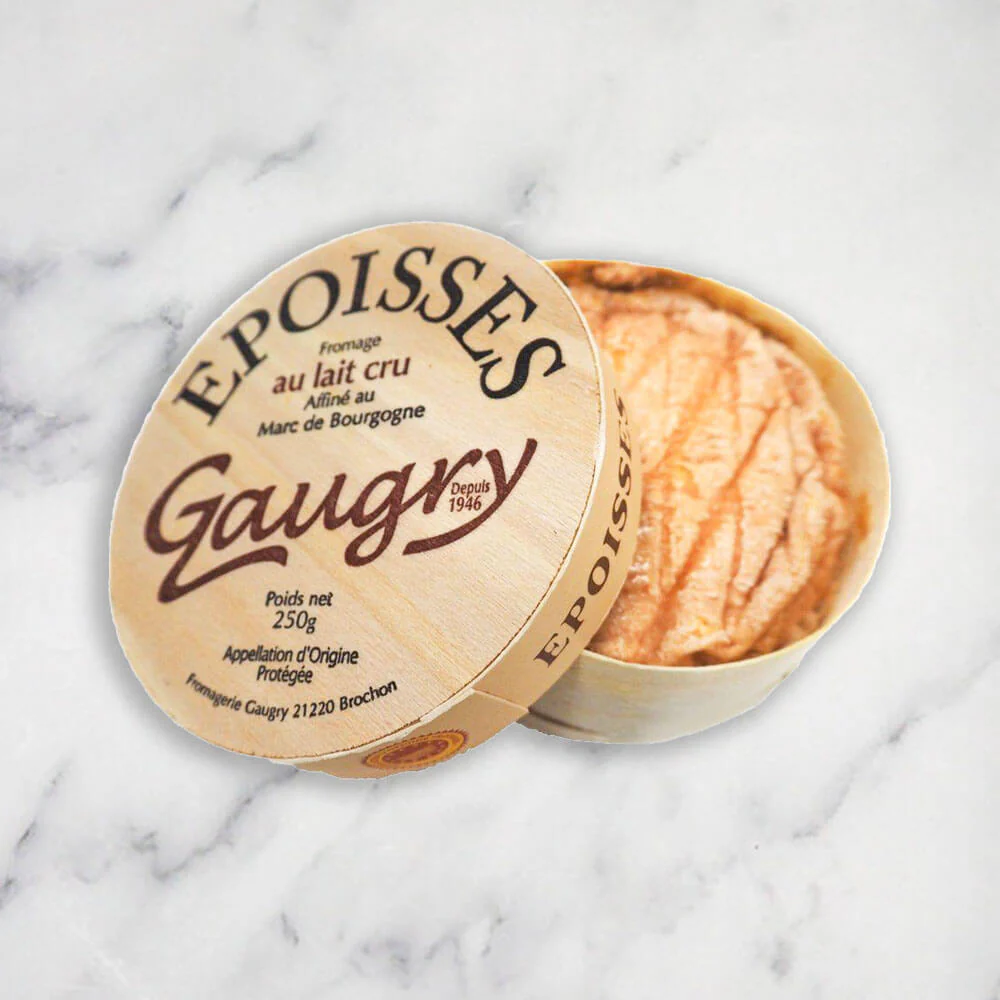
For a cheese pairing, choose an Epoisses de Bourgogne; the wine’s high acidity and tannin can cut through the intense, pungent creaminess of the cheese with ease.
Avoid
Avoid pairing with delicate white fish or subtly seasoned poultry, as the wine’s power will completely obliterate the food’s flavor.
Service Temperature
Serve slightly below room temperature, ideally at 16°C to 18°C (60°F–64°F), to allow the aromatics to bloom without the tannins becoming too harsh.
Decanting
César is rarely “ready” right out of the bottle. Even when young, it benefits from a vigorous 60-minute decant. For older examples (10+ years), decanting is essential to separate the sediment and allow the complex tertiary notes of leather and truffle to fully emerge.
Challenges & Future Outlook
César faces a precarious future as an “endangered” variety. Because it is so difficult to grow and the yields are often low, many growers have ripped it out in favor of the more profitable Pinot Noir. However, climate change may provide a silver lining; as Burgundy warms, César is reaching full ripeness more consistently, leading to a “flight to quality” among young vignerons who see the grape as a vital link to the region’s ancient past and a tool for creating unique, terroir-driven wines.
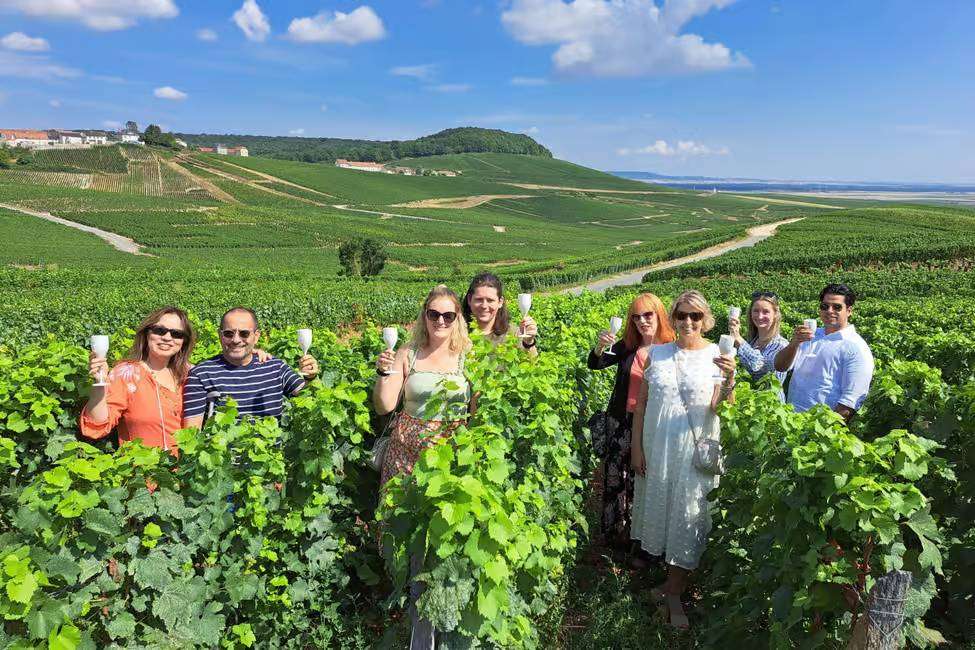
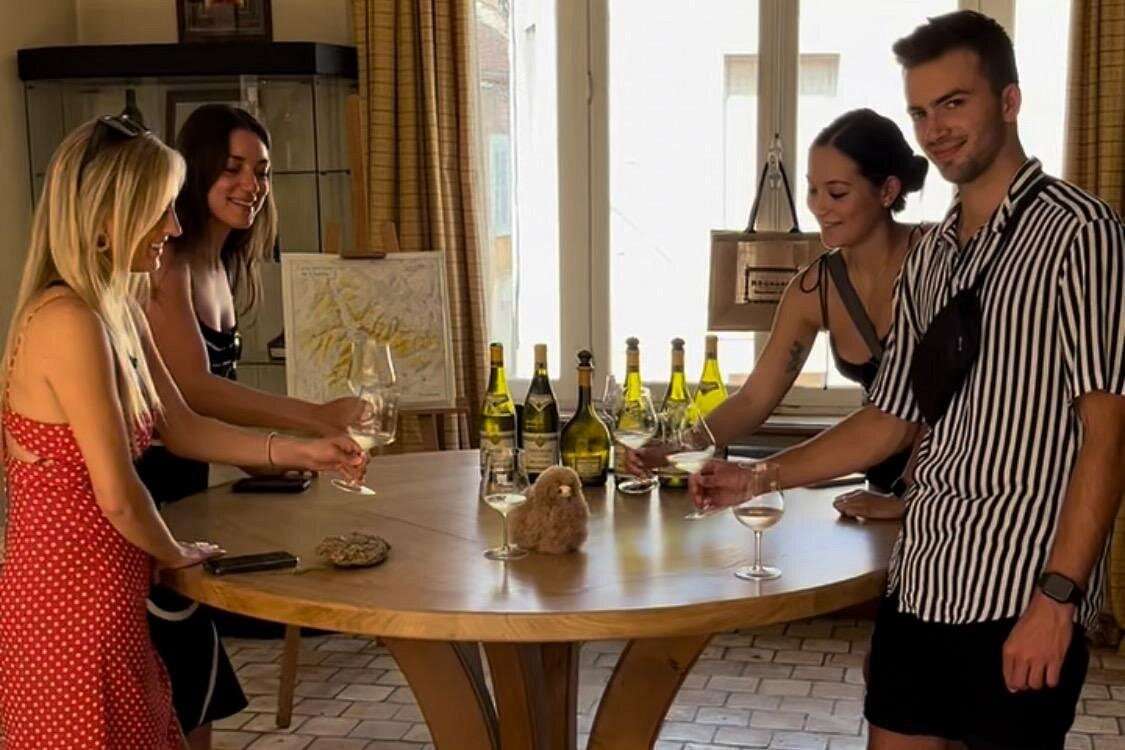
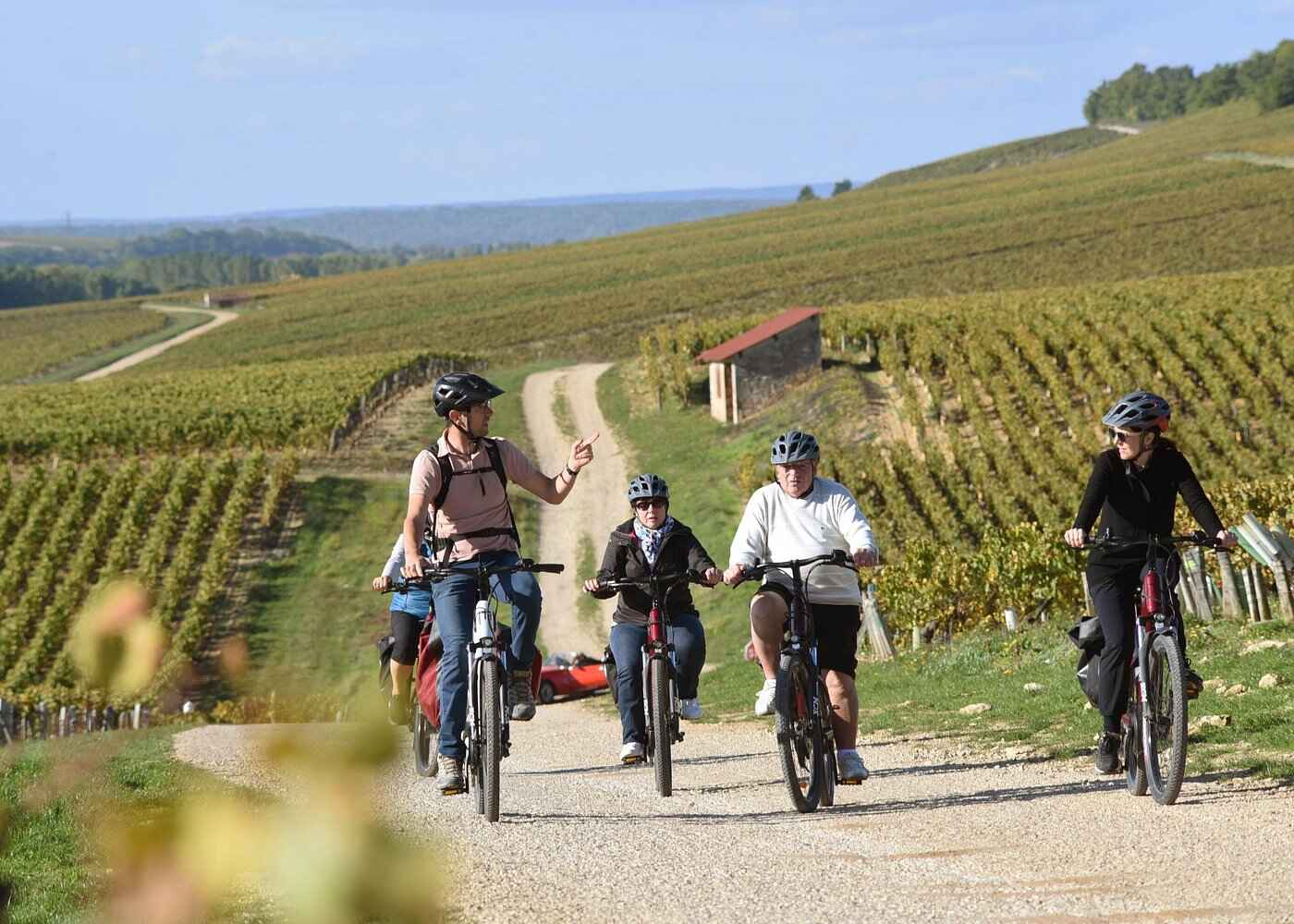
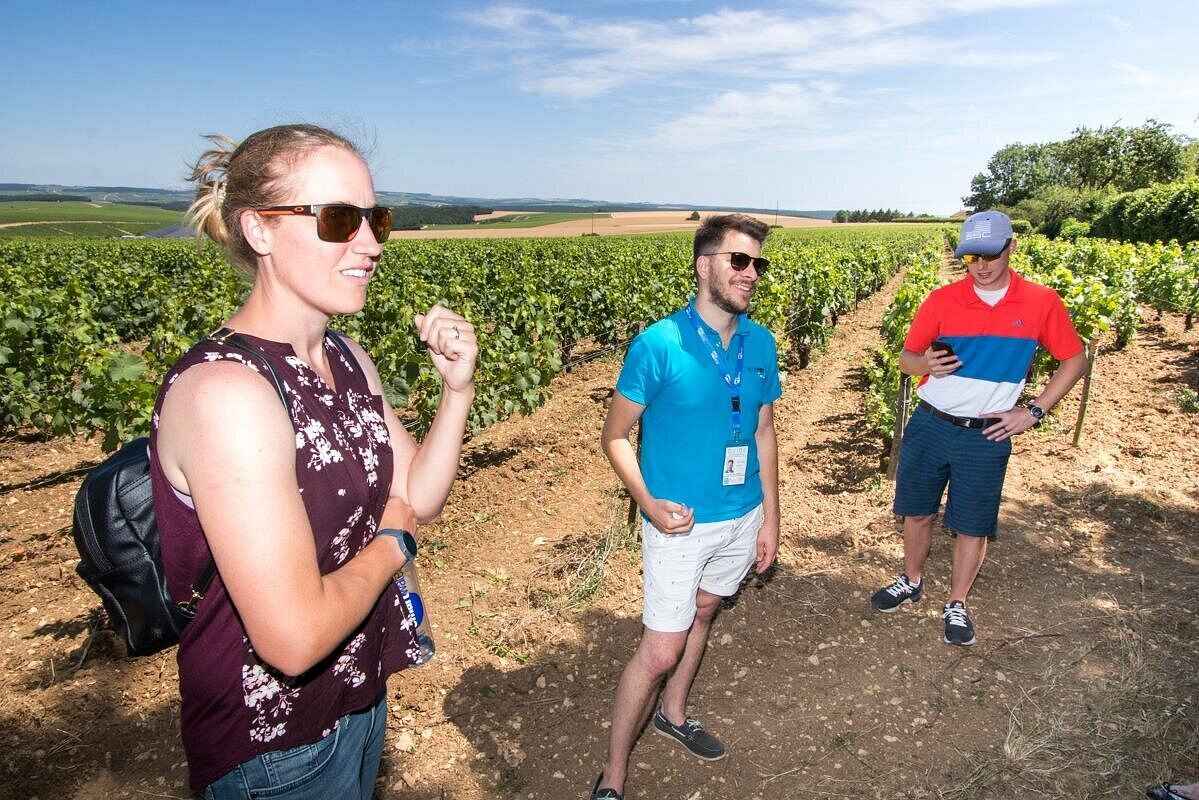
Ready to Dive into the World of Cesar? Discover Our Tours! Experience the titan of Burgundy
César is the hidden titan of Burgundy, a grape for the bold who seek power, history, and a touch of the wild in their glass. If you are tired of the delicate and want to taste the rugged soul of the Yonne, it is time to seek out this Roman relic