
Table of Contents
A Deep Dive into Czech Republic Wines Uncorking the Charm:
Often overshadowed by its more famous European neighbors, the Czech Republic is quietly emerging as a fascinating and dynamic wine destination. Far from being a newcomer, the history of Czech Republic wines stretches back centuries, and today, a vibrant industry is producing increasingly high-quality, distinctive, and terroir-driven wines that are capturing the attention of wine enthusiasts worldwide. If you’re looking for an authentic and exciting new wine experience, the Czech Republic wine regions are waiting to be discovered, offering a unique blend of tradition, innovation, and surprising quality.
Our selection of Czech republic wine tours



The Rich History of Czech Wine
The story of Czech Republic wines is one of remarkable resilience and profound rebirth. Viticulture first took root here as early as the 3rd century AD, introduced by Roman legions who recognized the fertile lands and favorable climate, particularly in the southern reaches of Moravia. This early introduction laid the foundational practices for wine cultivation, with the first definitive written records of wine production in the area dating back to 1050, associated with Prince Břetislav I. This long-standing presence signifies that wine is not a recent agricultural endeavor but an integral part of the region’s agricultural and cultural heritage.
During the Middle Ages, wine production experienced significant growth, largely propelled by the diligent efforts of Benedictine monks and the nobility. Monasteries, with their consistent need for wine for religious ceremonies and their advanced agricultural expertise, were instrumental in expanding vineyards across Moravia. A pivotal figure in this expansion was King Charles IV in the 14th century, who actively supported viticulture in Bohemia. He notably imported vines from prestigious regions like Burgundy and Champagne, demonstrating an early and sophisticated appreciation for quality and varietal diversity that continues to influence the varietal landscape today.
However, the trajectory of Czech Republic wines was punctuated by severe setbacks. The Hussite Wars in the 15th century and the devastating Thirty Years’ War in the 17th century led to widespread destruction of vineyards and a drastic decline in wine production. Recovery from these conflicts was slow and arduous. Just as the industry began to regain stability, the phylloxera epidemic in the late 19th century delivered another crippling blow, annihilating vast tracts of European vineyards, including those in the Czech lands. This catastrophe necessitated extensive replanting with resistant American rootstock, fundamentally altering vineyard management practices and varietal choices, often favoring more robust and productive grapes for economic survival.
The most profound era of stagnation for Czech Republic wines occurred under communist rule, from post-World War II until 1989. The industry underwent radical collectivization and centralization, with the primary emphasis shifting dramatically from quality to quantity. Large state-owned cooperatives controlled the vast majority of production, leading to the widespread planting of high-yielding, often less aromatic, varietals to meet stringent quotas. Traditional, quality-focused winemaking practices were largely neglected, and the industry’s sole focus was on supplying the domestic market with affordable, mass-produced wine, leading to a significant decline in international reputation.
The true renaissance of Czech Republic wines began after the fall of communism in 1989. This ushered in a new era of privatization and a dramatic, industry-wide shift towards quality-focused winemaking. Individual wineries began to invest heavily in modern technology, implement improved vineyard management practices, and rediscover traditional techniques. The Czech Republic’s accession to the European Union in 2004 proved to be a pivotal turning point. This integration brought the industry under the rigorous framework of EU quality regulations, opened up crucial new markets, and provided access to vital funding and expertise, significantly accelerating the quality transformation. This period has been characterized by a renewed focus on expressing unique terroir and championing indigenous varietals like Pálava, firmly placing the Czech Republic on the map for serious wine lovers.
Exploring Czech Republic Wine Regions
The viticultural heartland of the Czech Republic is primarily divided into two distinct wine regions: Moravia and Bohemia. With a total vineyard area spanning over 17,000 hectares , and an annual wine production of approximately 600,000 hectolitres , the Czech Republic is a smaller, quality-focused wine producer. White varieties dominate, accounting for about 72% of plantings, while red varieties make up around 28%. The country is home to over 1,200 wineries and boasts an impressive diversity with 74 grape varieties registered as of 2023 .
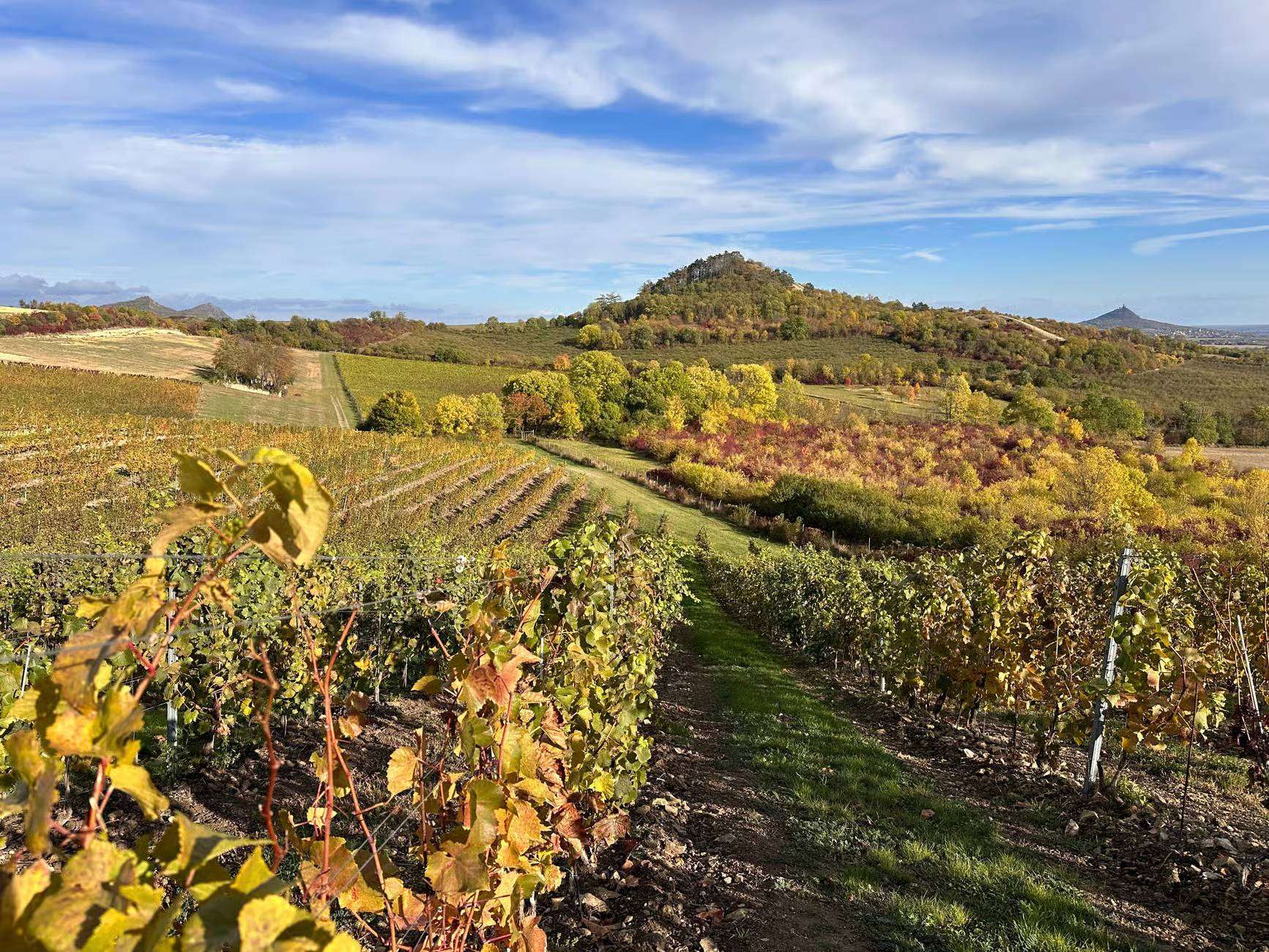
The picturesque region of the Central Bohemian Uplands lies Třebívlice. Czech Vineyards and Wine Tasting 4WD Tour with Lunch
Moravia: The Heart of Czech Viticulture
Accounting for approximately 96% of the nation’s vineyards, Moravia is undeniably the epicenter of Czech Republic wines . Located in the southeastern part of the country, sharing borders with Austria and Slovakia, its climate is distinctly continental, characterized by warm, often sunny summers and cold, sometimes harsh winters. This climate, particularly its significant diurnal temperature variations, is highly suitable for the cultivation of white grape varietals, which dominate plantings, allowing them to develop complexity while retaining vibrant acidity.
Moravia is further subdivided into four distinct viticultural sub-regions, each with its own unique characteristics and contributions to Czech Republic wines:
- Mikulovská: This sub-region is renowned for its limestone soils, particularly around the Pálava Hills, and its ability to produce high-quality white wines. It is widely considered one of Moravia’s most prestigious sub-regions, known for elegant, mineral-driven wines. Key varietals include Riesling, Pinot Blanc, Pinot Gris, and the increasingly prominent indigenous Pálava.
- Slovácká: Characterized by its diverse soil types and a balanced mix of white and red varietals. It is known for producing quality Grüner Veltliner and Riesling, and is increasingly recognized for elegant red wines such as Pinot Noir and Frankovka. This region often showcases a more rustic, traditional approach to winemaking, reflecting its diverse terroir.
- Velkopavlovická: As the largest sub-region by vineyard area, Velkopavlovická stands out for its higher proportion of red grape cultivation. Dominant red varietals include Svatovavřinecké (Saint Laurent), Frankovka (Blaufränkisch), and Zweigeltrebe. It also produces a significant volume of quality white wines, offering a broad spectrum of styles.
- Znojemská: This sub-region is distinct for its cooler microclimate, significantly influenced by the Dyje River, and its loess and granite soils. It excels in producing crisp, aromatic white wines, most notably Grüner Veltliner, Riesling, and Sauvignon Blanc. Znojemská was also an early adopter and strong proponent of the VOC system, emphasizing its terroir-driven wines and commitment to regional identity.
Bohemia: The Northern Frontier of Czech Viticulture
While international varietals thrive, Czech Republic wines are increasingly defined by their unique expressions of local terroir and distinctive grapes. The relatively northern location of the country results in a varietal range dominated by white varieties (approximately 72%), complemented by red varieties (about 28%), with around a third of the red grapes used to produce rosé.
Signature Czech Wine Styles and Varietals
While international varietals thrive, Czech Republic wines are increasingly defined by their unique expressions of local terroir and distinctive grapes.
Among white varietals, Pálava stands out as a unique Czech cross (Tramín červený x Müller Thurgau). It’s highly aromatic, full-bodied, and often displays captivating notes of rose, lychee, and honey, making it a true signature grape for Moravia. Other prominent whites include crisp Grüner Veltliner, expressive Riesling, and aromatic Welschriesling.
For reds, Svatovavřinecké (Saint Laurent) is the most planted, offering dark fruit flavors and a spicy character. Frankovka (Blaufränkisch) provides spicy, peppery notes with good tannic structure, while Zweigeltrebe is known for its juicy red fruit. Elegant Pinot Noir is also gaining recognition, particularly from cooler sites.
Beyond still wines, the Czech Republic also produces exquisite specialty sweet wines like Ledové víno (Ice Wine) and Slámové víno (Straw Wine), both intensely concentrated and complex. The VOC (Víno Originální Certifikace) Original Certified Wines designation is a crucial quality mark, guaranteeing regional character and adherence to specific production standards, further elevating the reputation of Czech Republic wines.
Prominent White Varietals:
Pálava:
A truly unique Czech cross, resulting from a deliberate crossing of Tramín červený (Gewürztraminer) and Müller Thurgau. It is highly aromatic, full-bodied, often displaying captivating notes of rose, lychee, and honey. Pálava wines can be crafted in dry, semi-dry, or lusciously sweet styles and are rapidly becoming a signature grape for Moravia, embodying the region’s distinct identity and offering a unique selling proposition in the global market.
Riesling (Ryzlink rýnský):
Highly regarded for its exceptional ability to express specific terroir, producing wines with vibrant acidity, complex aromatics (from citrus to petrol notes with age), and significant aging potential. It thrives in the mineral-rich soils of Mikulovská and Znojemská.
Grüner Veltliner:
Produces crisp, often peppery, and mineral-driven wines, particularly prominent and highly regarded in the Znojemská sub-region. These wines are known for their refreshing acidity and versatility with food.
Welschriesling (Ryzlink vlašský):
Offers fresh, floral, and often distinctively mineral-driven wines, contributing to the region’s aromatic white profile. It’s a versatile grape, capable of producing dry, sparkling, and even sweet wines.
Sauvignon Blanc:
Yields aromatic, often herbaceous, and refreshingly crisp wines, showcasing a range of styles from grassy to tropical fruit notes. Some wineries, like Maňák Winery, even highlight Sauvignon Blanc as their hallmark varietal, producing both wood-matured and stainless steel iterations.
Müller Thurgau:
Historically the most planted white grape, known for its early ripening and pleasant, accessible, aromatic wines. While once a workhorse varietal, modern winemakers are now crafting more refined expressions
Distinctive Red Varietals:
Svatovavřinecké (Saint Laurent):
The most planted red grape, producing wines with dark fruit flavors (cherry, plum), good acidity, and often a spicy character. It is frequently compared to Pinot Noir for its elegance and structure, offering a lighter, more aromatic red profile
.Frankovka (Blaufränkisch):
Offers spicy, peppery, and dark berry notes, with good tannic structure and significant aging potential, particularly from older vines. These wines can be robust and savory, reflecting the Moravian terroir.
Zweigeltrebe:
A cross of St. Laurent and Blaufränkisch, known for its juicy red fruit characteristics, soft tannins, and approachability. It’s a popular choice for easy-drinking reds and rosés.
Rulandské modré (Pinot Noir)
Produces elegant, lighter-bodied red wines with delicate red fruit aromas (raspberry, cherry), earthy notes, and fine tannins. It is particularly successful in cooler sites in both Moravia and Bohemia, where it can achieve a refined Burgundian style.
Beyond still wines, the Czech Republic also produces exquisite specialty sweet wines. Ledové víno (Ice Wine) is a highly prized sweet wine produced from grapes that have been naturally frozen on the vine and pressed while still frozen, concentrating sugars, acids, and flavors. Similarly, Slámové víno (Straw Wine) is made from grapes carefully dried on straw mats or hung to air-dry, yielding rich, sweet, and highly aromatic wines.
The Czech Republic adheres to the overarching framework of EU wine law, supplemented by its own detailed national classifications, primarily based on grape ripeness at harvest. The VOC (Víno Originální Certifikace – Original Certified Wines) designation, introduced in 2009, is a cornerstone for defining and promoting wines that exhibit a typical regional character. It serves as a crucial quality assurance mark, guaranteeing the wine’s origin, varietal purity, and adherence to specific regional production standards.
VOC wines often prioritize dry styles that authentically express their unique terroir, such as VOC Znojmo (focusing on Grüner Veltliner, Riesling, Sauvignon Blanc) or VOC Mikulov (emphasizing Riesling, Pinot Blanc, Pálava). This robust and clearly defined quality system is essential for any wine region aspiring to achieve international recognition and access to premium markets.
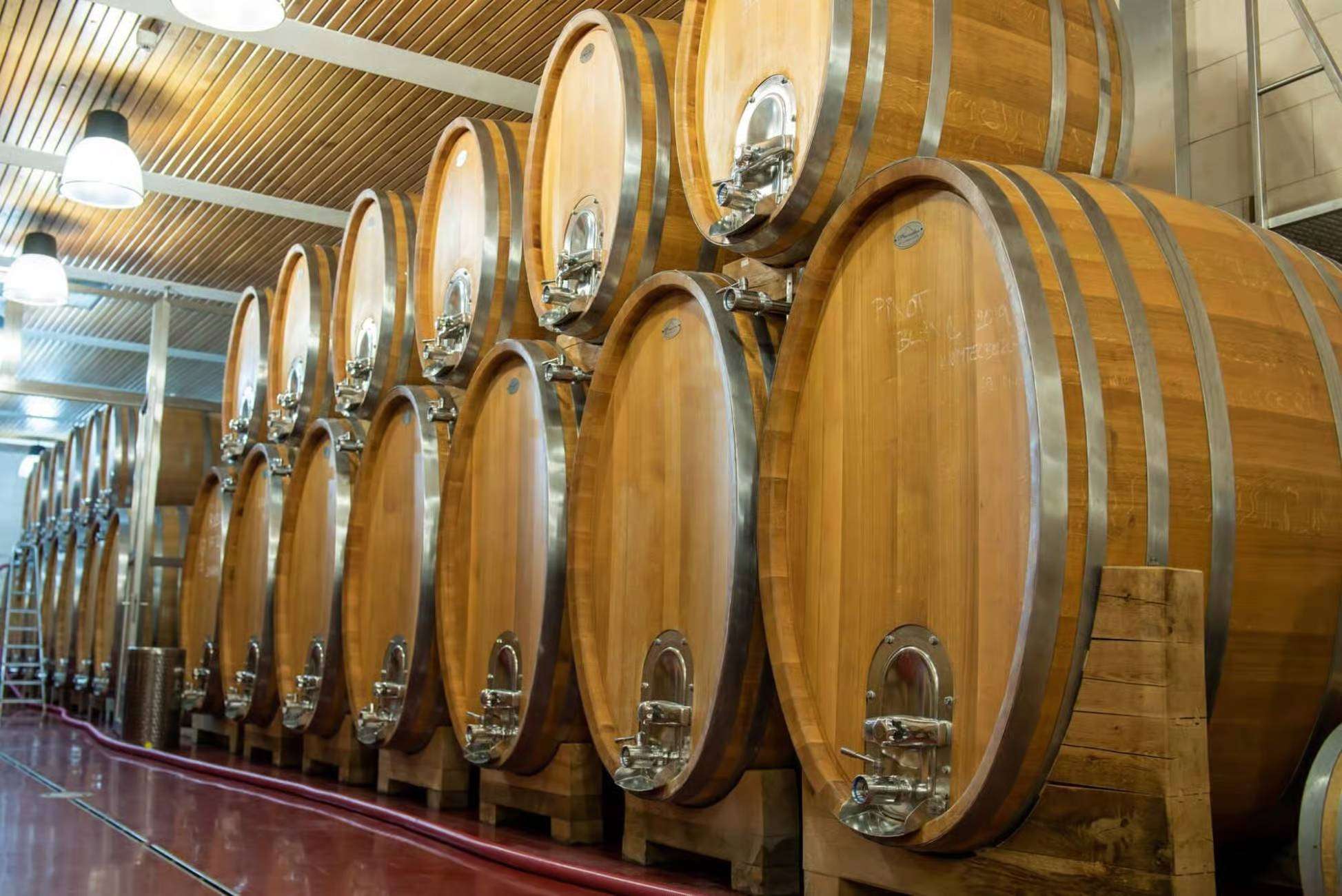
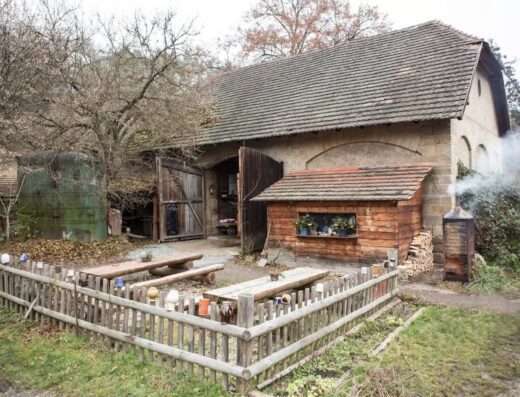
Traditional winery in central Bohemia region
The Bright Future of Czech Wine
The Czech Republic wine industry stands at a pivotal juncture, having successfully navigated a profound transformation from a quantity-focused, centrally controlled system to a dynamic, quality-driven sector. The future trajectory of Czech Republic wines is shaped by several key trends and strategic opportunities.
A primary driver of future growth is the continued focus on quality and terroir expression. The industry’s commitment to producing wines that authentically reflect their specific regional origins, particularly through the VOC system, is a cornerstone of its strategy. This emphasis on distinctiveness, rather than generic production, is essential for carving out a niche in the competitive global market. The strategic promotion of indigenous varietals like Pálava is a clear demonstration of this, providing a unique selling proposition that differentiates Czech Republic wines from more established regions.
Sustainability and organic production are increasingly becoming integral to the Czech Republic wine narrative. Wineries are adopting environmentally conscious practices, not only as a response to global trends but also as a means to enhance the quality and authenticity of their wines. This commitment resonates with discerning consumers who prioritize ethical and environmentally friendly products, offering a pathway to premium market segments.
The growing international recognition and export potential of Czech Republic wines represent a significant opportunity. While still relatively small on the global stage, the consistent improvement in quality, coupled with targeted marketing efforts, is gradually raising the profile of Czech Republic wines in key export markets. This will require continued investment in brand building and participation in international wine competitions and trade fairs.
Wine tourism will continue to play a crucial role in the industry’s development. By offering immersive experiences, wineries are directly engaging consumers, fostering a deeper appreciation for Czech Republic wines, and generating vital revenue. The development of wine trails, culinary offerings, and accommodations creates a compelling reason for visitors to explore the Czech Republic wine regions, acting as powerful ambassadors for the industry.
However, the Czech Republic wine industry also faces challenges and opportunities. Climate change, while potentially offering new viticultural possibilities for cooler regions like Bohemia, also presents risks of extreme weather events and altered ripening patterns. Adapting vineyard management practices and exploring new varietals will be critical. Market competition, particularly from larger, more established wine-producing nations, remains intense. The ability to effectively build a strong, recognizable brand for Czech Republic wines, emphasizing its unique heritage, quality, and distinctive varietals, will be paramount to overcoming these challenges and realizing its full potential on the global stage. The journey from a hidden gem to a recognized and respected wine-producing nation is well underway, promising a vibrant future for Czech viticulture.