Table of Contents
The Golden Slope: A Love Letter to the Côte d'Or Where rare vintages meet ancient stones: a journey into the zenith of Burgundy global viticulture.
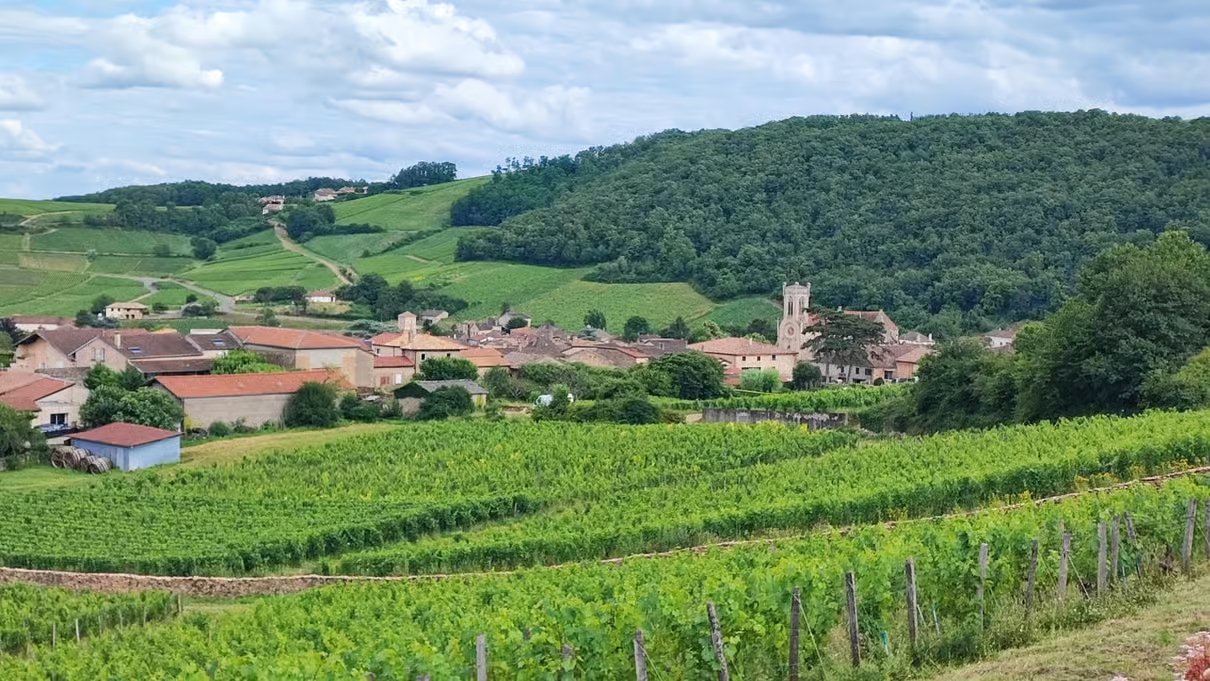
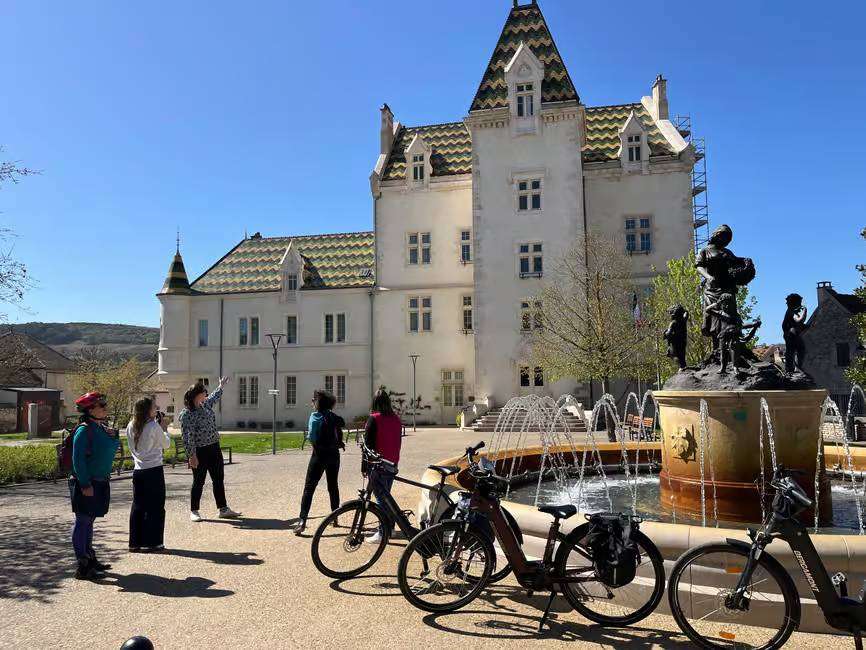
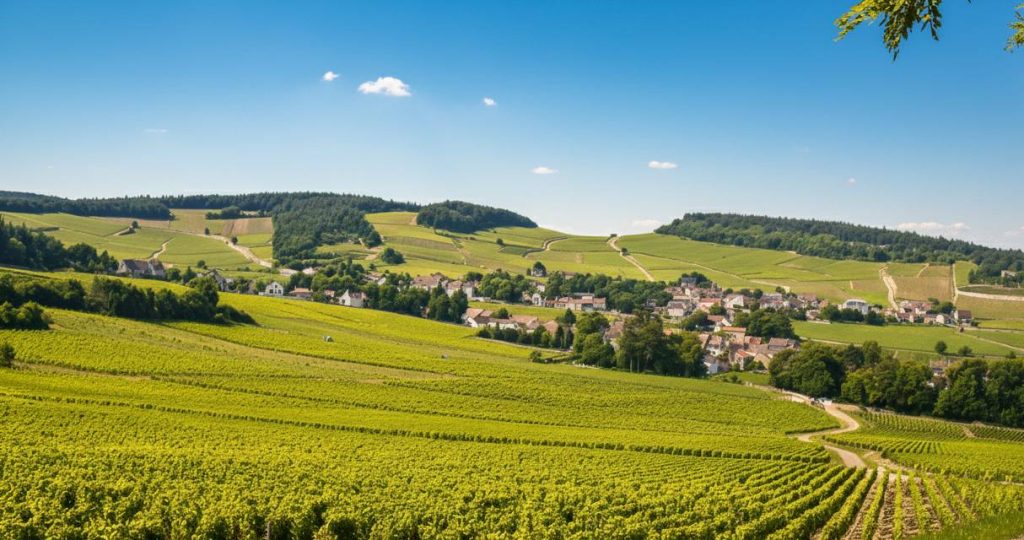
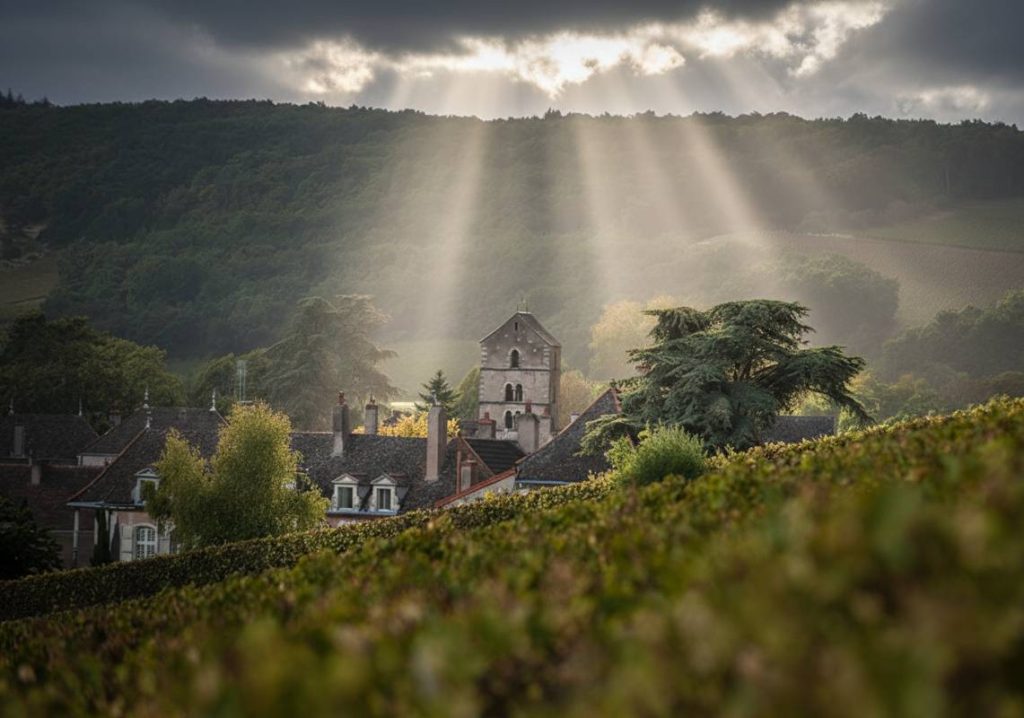
A postcard from Burgundy one of the most iconic wine region of France. Imagine a landscape where time follows the slow, rhythmic pulse of the seasons, and every hand-built dry-stone wall tells a story of Cistercian devotion and geologic fate. Burgundy is not merely a destination for the casual traveler; it is a sacred pilgrimage for the soul, a complex mosaic of 1,247 Climats—those tiny, precisely delimited parcels of earth that have been pampered and protected for over two millennia. As you wind along the Route des Grands Crus, the “Champs-Élysées of the Vineyards,” you are greeted by a living “postcard” of rolling golden hills, sleepy medieval hamlets built of warm, honey-colored limestone, and the iconic, multi-colored glazed tile roofs that pierce the Burgundian mist like jewels.
To walk these vineyards is to touch history. Here, the air carries the intoxicating perfume of damp earth, woodsmoke, and fermenting grapes, an invitation to shed the frantic pace of modern life and embrace the art de vivre. This is a place where a “terroir” isn’t just a marketing buzzword; it is a tangible reality you can taste in the tension of a Chablis or the velvet depths of a Vosne-Romanée.
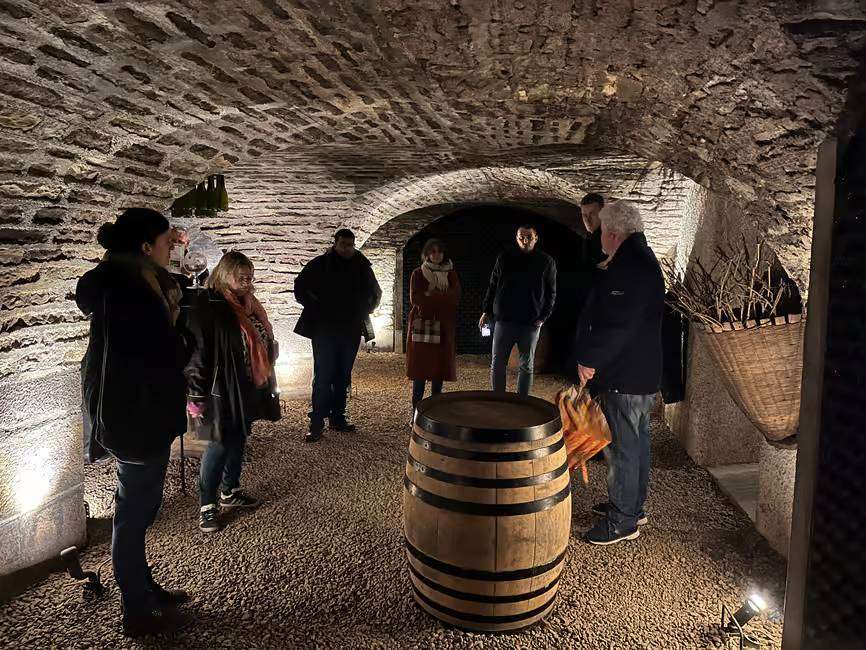
It is a region of humble giants—vignerons with dirt under their fingernails who produce the world’s most expensive wines, yet will gladly share a gougère and a story in their dim, vaulted cellars. Whether you are cycling through the mist-covered slopes of the Côte de Beaune, marveling at the gothic majesty of a hidden abbey, or savoring a slow afternoon in a village square where the only sound is the chime of a distant church bell, Burgundy offers a profound, soulful connection to the land.
It is a place that doesn’t just fill your glass; it fills your spirit, leaving a lingering resonance that stays with you long after the final cork has been pulled and the suitcase packed. This is the ultimate globe-trotter’s dream: a destination where every turn of the road reveals a new sensory masterpiece.
Walk around in Burgundy Champs Elysées
Planning a winery Visit or Wine Trip in Burgundy How to go ther
Getting to the heart of France’s most prestigious wine region is a seamless transition from urban bustle to pastoral elegance, whether you arrive via the high-speed rail network or a scenic drive from major European hubs.
Main Airport Codes: The primary international gateway is CDG (Paris Charles de Gaulle). For travelers focusing on the southern reaches of the region, LYS (Lyon Saint Exupéry) provides an excellent entry point, located approximately 1 hour and 45 minutes from the Mâconnais.
Alternative Hubs: GVA (Geneva) is a strategic choice for those exploring southern Burgundy, while DIJ (Dijon-Bourgogne) handles private aviation for high-end collectors. BSL (EuroAirport Basel-Mulhouse-Freiburg) is also a viable option for those approaching from the east.
By Train (TGV): The high-speed TGV is the lifeline of the region. From Paris (Gare de Lyon), you can reach Dijon in a swift 1 hour and 35 minutes. Other critical stops for wine lovers include Beaune (often requiring a quick platform change), Montbard (for Chablis access), and Mâcon-Loché.
Book your Plane or Train Ticket to Burgundy
Rent a Car in Burgundy
Distances from Burgundy Main Cities to Key Wine Regions
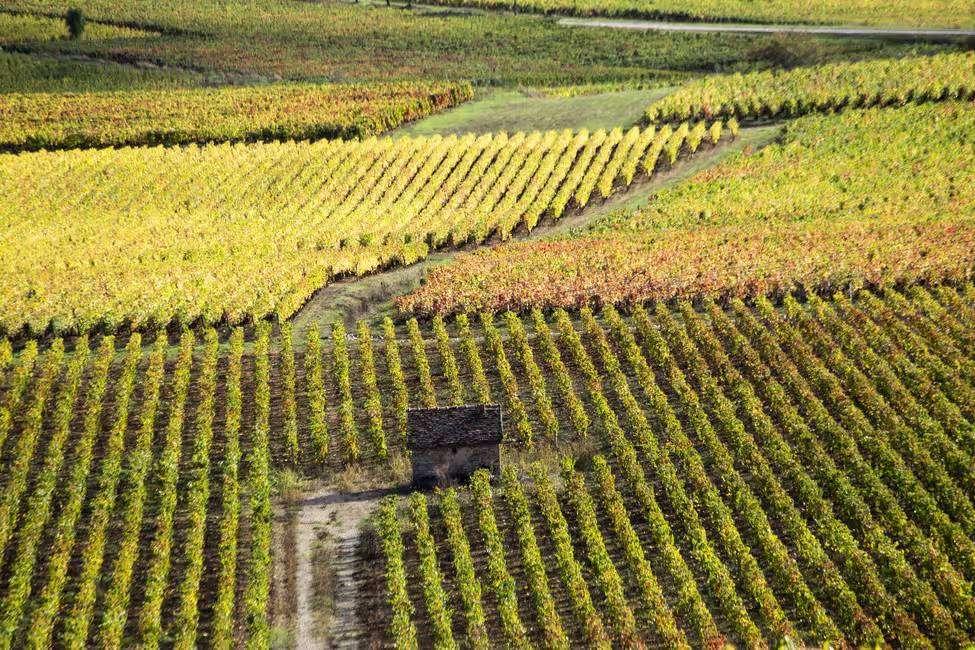
The Burgundy Grand Cru road is just 20 minutes from Dijon
The geography of Burgundy is remarkably compact, allowing enthusiasts to traverse multiple legendary appellations in a single afternoon, provided you know the winding backroads of the Côte d’Or.
From Dijon:
Côte de Nuits: A mere 15–20 minute drive (12 km) takes you to the heart of Gevrey-Chambertin and the world-renowned “Grand Cru” strip.
Chablis: Approximately 1 hour 45 minutes (150 km) heading northwest, a journey that takes you through the charming, rugged landscape of the Auxerrois.
From Beaune:
Côte de Beaune: You are essentially there; within 5–10 minutes, you can be standing in the legendary Chardonnay vines of Meursault or Puligny-Montrachet.
Côte Chalonnaise: Roughly 30 minutes (30 km) heading south to discover the incredible value and character of Mercurey and Givry.
Wine trip in Burgundy Average Price Estimates
A journey through Burgundy can range from rustic and accessible to the absolute heights of global luxury, reflecting the diversity of the estates and the global demand for its premier bottlings.
Accommodation:
Budget: €120 – €190 for authentic Chambres d’hôtes (bed & breakfasts) or well-appointed 3-star regional hotels.
Mid-range: €300 – €600 for upscale Estate stays, boutique hotels in converted mills, or wellness-focused properties like La Cueillette.
Luxury: €800 – €1,800+ for stays in a historic Château or world-renowned 5-star icons such as L’Hôtel de Beaune or Le Montrachet.
Dining:
Budget: €35 – €55 for a traditional bistro meal featuring local specialties like Escargots de Bourgogne and Oeufs en Meurette.
Mid-range: €90 – €160 for refined gastronomy in storied settings, where the wine list is as thick as a novel.
Luxury: €250 – €500+ for a Private tour that concludes with a gastronomic feast at a Michelin-starred powerhouse like Maison Lameloise in Chagny.
Wine Tastings:
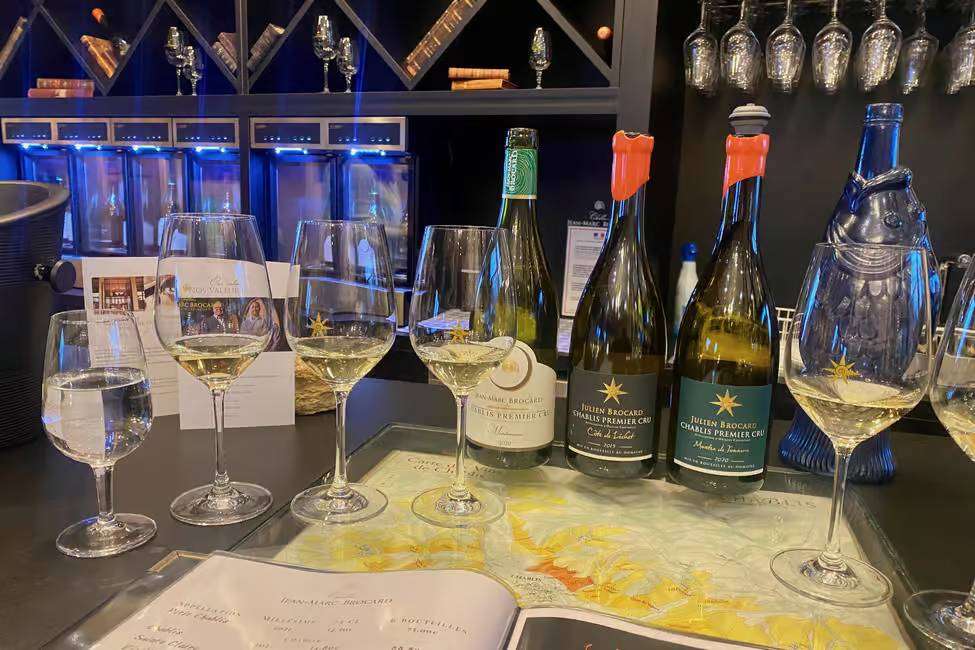
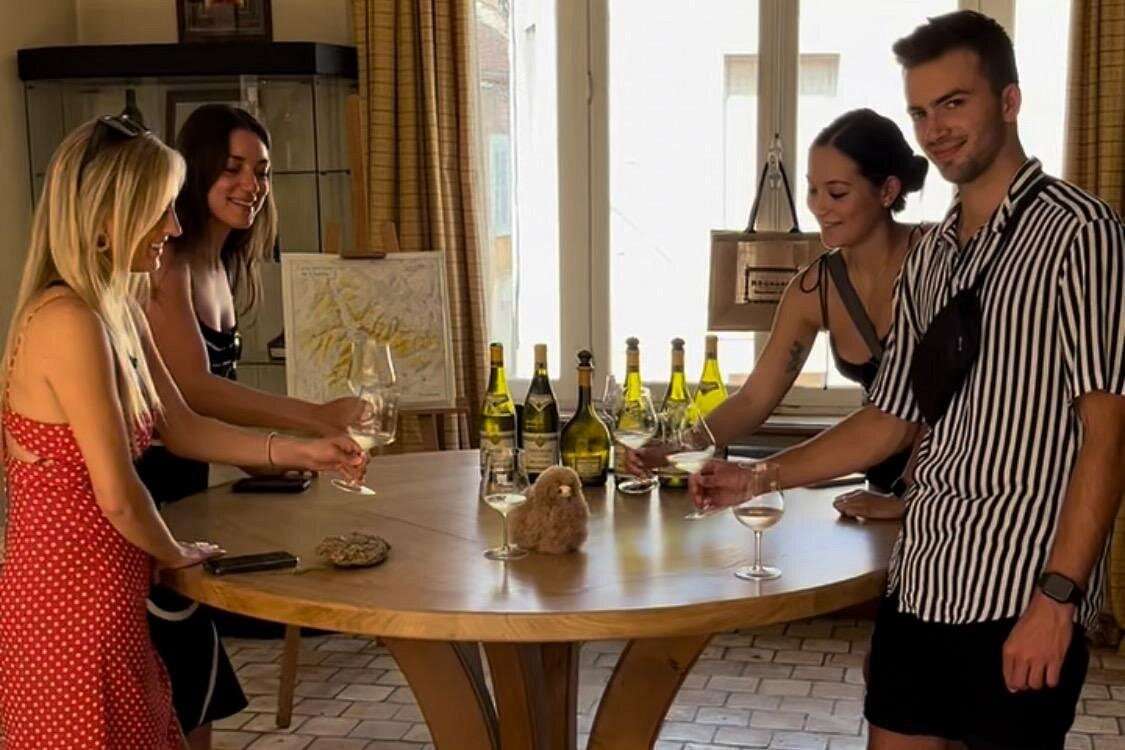
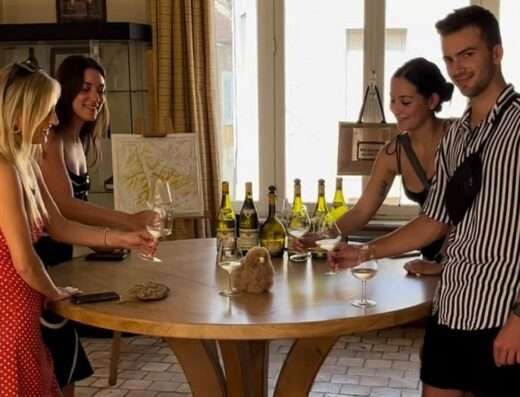
Standard: €30 – €70 for a Wine tasting of 5–6 Regional and Village wines, often including a walk through historic aging cellars.
Premium: €150 – €450+ for bespoke sessions focused exclusively on Premier Cru and Grand Cru climats, often led by the head sommelier or owner.
Best period to visit Burgundy
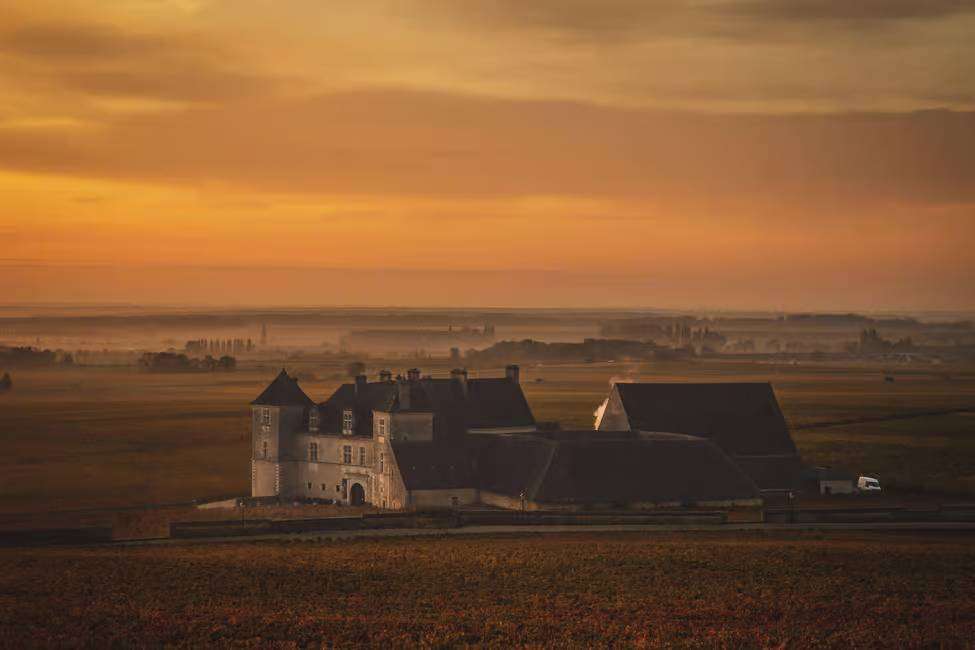
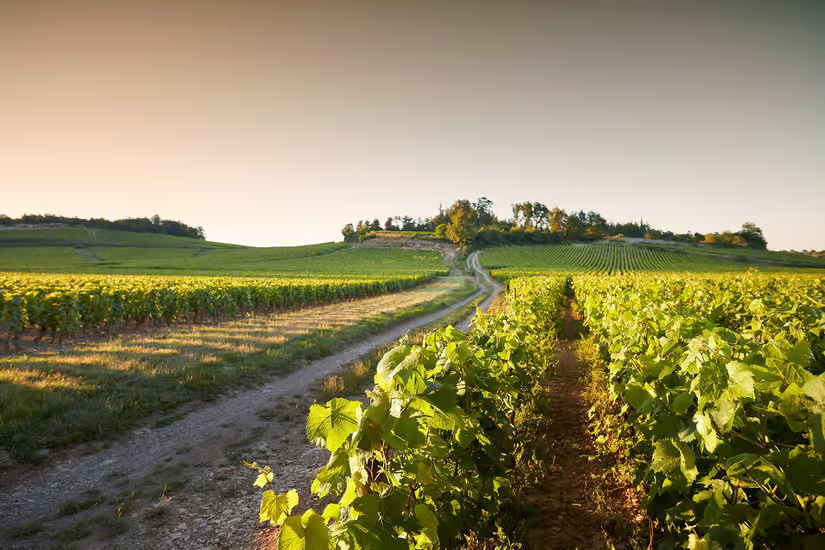
Autum Sunset in Burgundy and Harvest Soul
Every season in Burgundy offers a different facet of the vigneron’s life, from the quiet introspection of the winter cellars to the frantic, joyous energy of the autumn harvest.
Spring: Rebirth: From late March to May, the region breathes again. The first buds emerge, and the fields are vibrant with yellow mustard flowers. It’s the perfect time for an intimate Private tour to catch vignerons before the busy season begins.
Summer: Peak: June through August is the height of Burgundian glory. Expect sun-drenched vineyards, bustling village markets, and a calendar full of wine festivals and outdoor concerts. This is the prime season for a terrace-side Wine tasting.
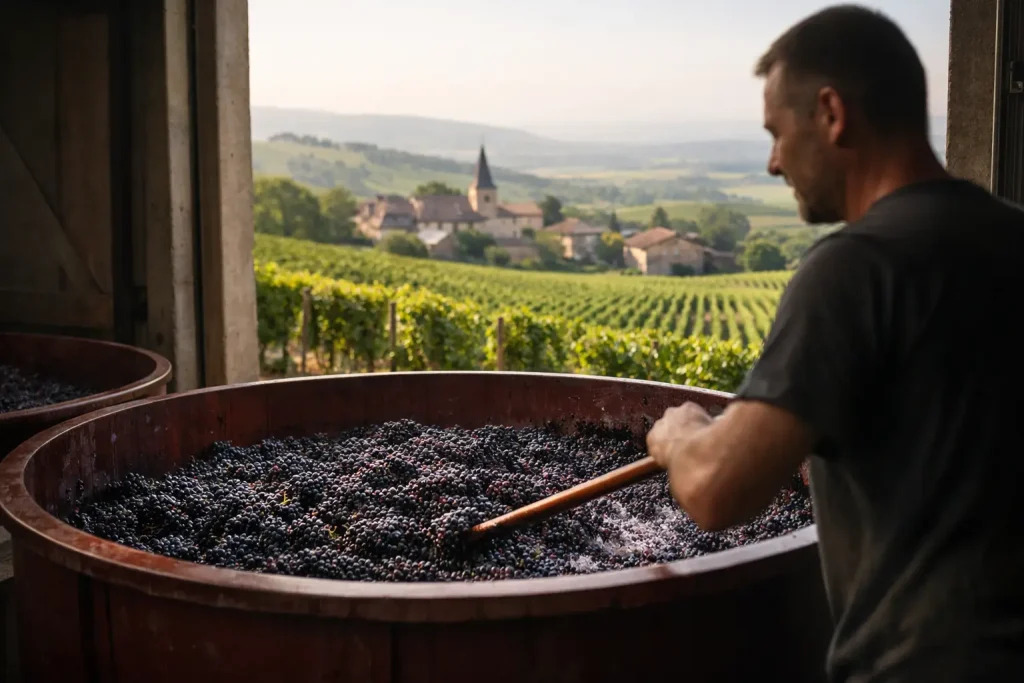
Autumn: Harvest: September and October represent the region’s soul. The vendange brings an electric energy; the air smells of crushed grapes, and the foliage turns into a breathtaking sea of gold and fire.
Winter: Quiet: From November to February, the crowds vanish, leaving a serene, misty landscape. This is the time for serious collectors to enjoy quiet, technical sessions in a warm Domaine cellar and celebrate the Saint-Vincent Tournante.
Major Towns of Burgundy for wine trip and winery visit
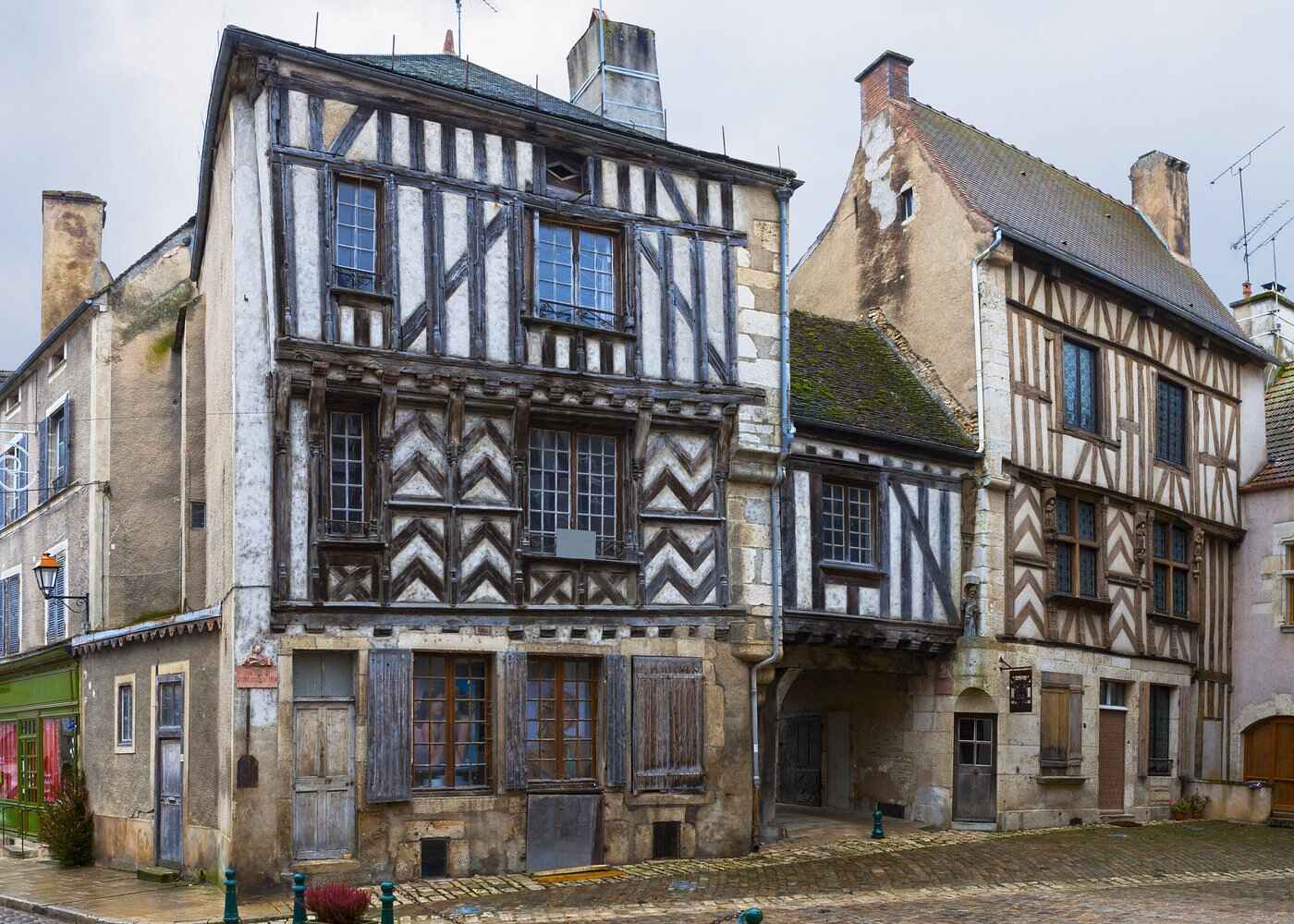
Chablis old center is a real postcard
To truly grasp the intricate hierarchy of Burgundy, one must explore its key urban hubs. Each serves as a vital gateway to a specific sub-region, offering a unique perspective on the area’s rich history, from the ducal grandeur of the north to the Romanesque charm of the south.
Dijon: The regal capital of the Dukes of Burgundy, Dijon is a city of sophisticated art and high gastronomy that marks the northern start of the Route des Grands Crus. Visitors can expect a vibrant atmosphere where medieval architecture meets a modern, bustling student life. Must visit: The Palace of the Dukes and the newly inaugurated Cité Internationale de la Gastronomie. It is the essential wine hub for exploring the Côte de Nuits, home to the world’s most legendary Pinot Noir plots.
Beaune: The undeniable beating heart of the Burgundy wine trade, Beaune is a town seemingly built entirely on top of ancient, winding wine cellars. It offers an atmosphere of timeless elegance, encircled by perfectly preserved ramparts. Must visit: The 15th-century Hospices de Beaune (Hôtel-Dieu) with its spectacular glazed-tile roof. As a central hub, it provides immediate access to the Côte de Beaune, where the pinnacle of Chardonnay is produced in villages like Meursault and Puligny-Montrachet.
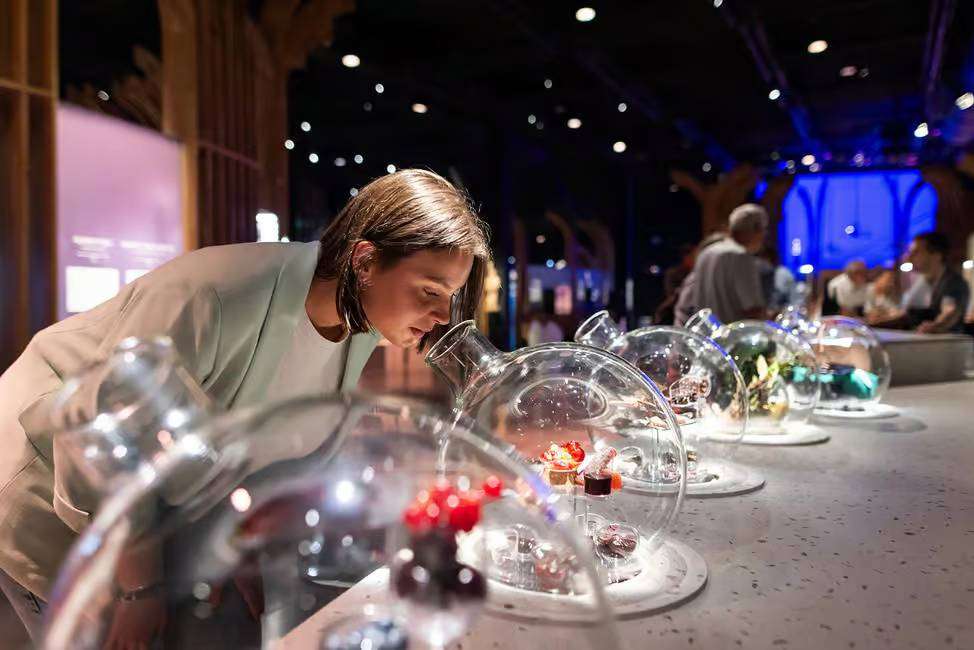
Nuits-Saint-Georges: A sturdy, authentic town that feels more industrial and focused on the “work” of winemaking than its neighbors. It is famous for its lively town square and its deep connection to the history of the Wine tasting culture. Must visit: The Imaginarium, an interactive space dedicated to the secrets of the vine and sparkling Cremant. This town is a critical hub for lovers of structural, age-worthy red wines and serves as the strategic link between the northern and southern halves of the Côte d’Or.
Chablis: An island of white wine excellence located to the northwest, Chablis feels like a serene step back in time, surrounded by a sea of green vines. The atmosphere is quiet and rural, deeply connected to the unique Kimmeridgian limestone soil. Must visit: The historic Obédiencerie, where monks once made wine centuries ago. It is the vital hub for the Chablis sub-region, offering a mineral-driven profile of Chardonnay that is found nowhere else in the world.
Chalon-sur-Saône: A “Ville d’Art et d’Histoire” sitting on the banks of the Saône river, known for its half-timbered houses and photographic history. It offers a more relaxed, local feel away from the primary tourist trail. Must visit: Saint-Vincent Cathedral and the sprawling Friday morning market. It serves as the primary gateway to the Côte Chalonnaise, perfect for discovering high-quality hidden gems in appellations like Mercurey, Rully, and Givry.
.
Find the Best places to Stay in Burgundy
Wine trip in Burgundy: Plan your transportation
Navigating the Vineyards: Styles of Transportation Exploring the narrow lanes of the Côte d’Or requires strategic planning. While the region is compact, the way you move between Estates profoundly impacts your experience.
Rental Cars: This is the most flexible option for those wishing to visit far-flung Domaines in the Hautes-Côtes or Chablis. Major agencies (Avis, Europcar) are located at Dijon and Beaune train stations. Practical Tip: Roads are narrow and parking in medieval village centers like Meursault can be tight; opt for a compact vehicle.
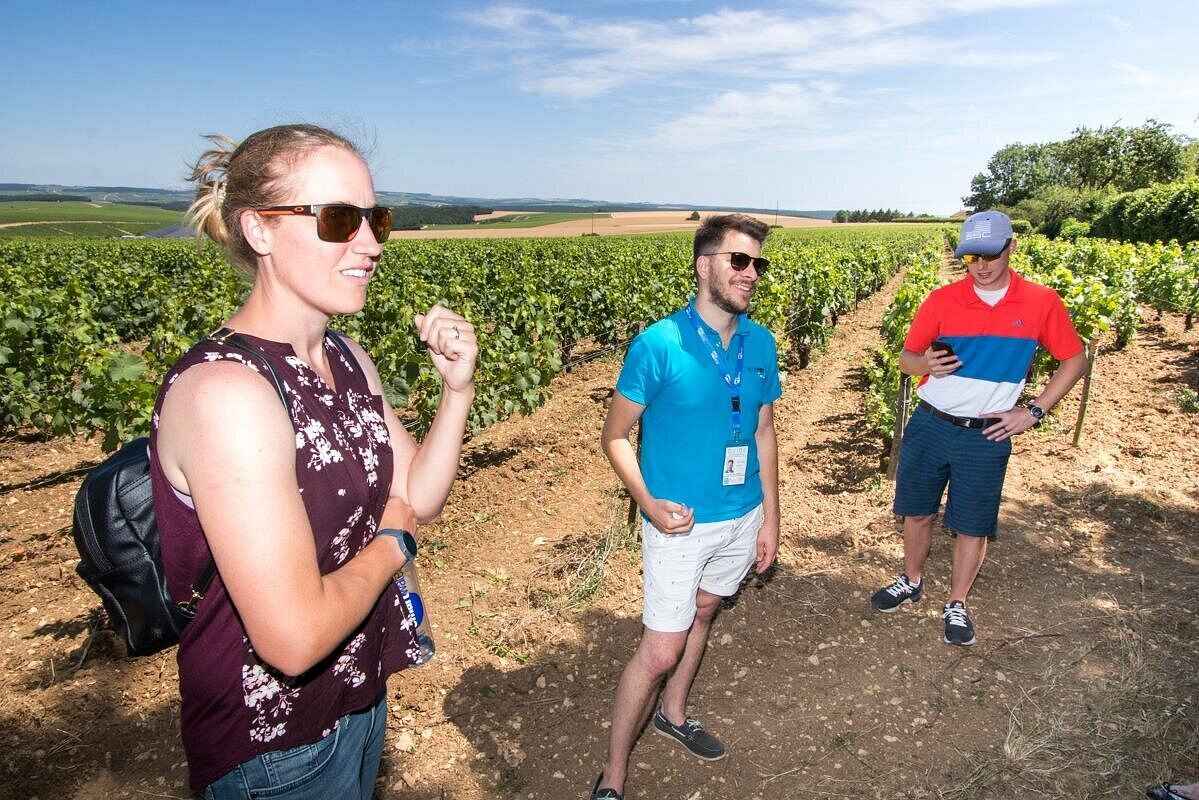
Private Chauffeurs & Guides: For a seamless experience, booking a Private tour with a driver-guide is the gold standard. This allows you to indulge in multiple Wine tasting sessions without the worry of French “zero-tolerance” drink-driving laws. Many guides offer “skip-the-line” access to exclusive Châteaux.
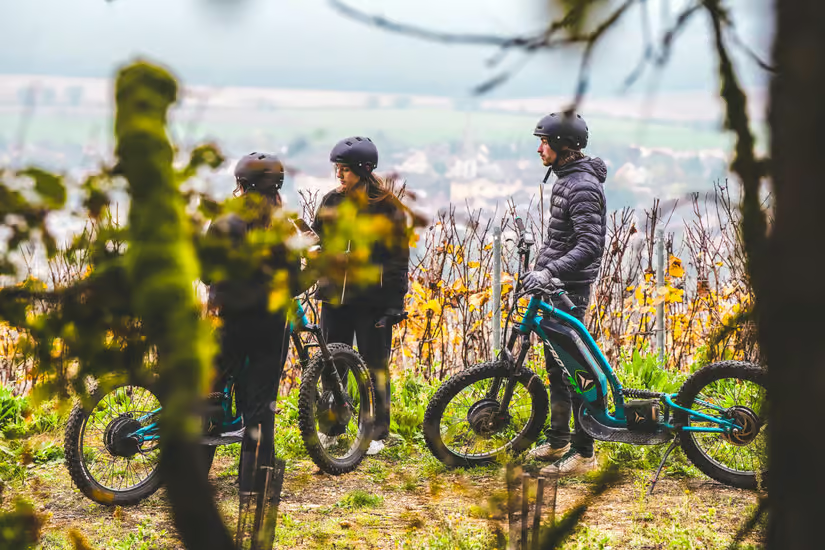
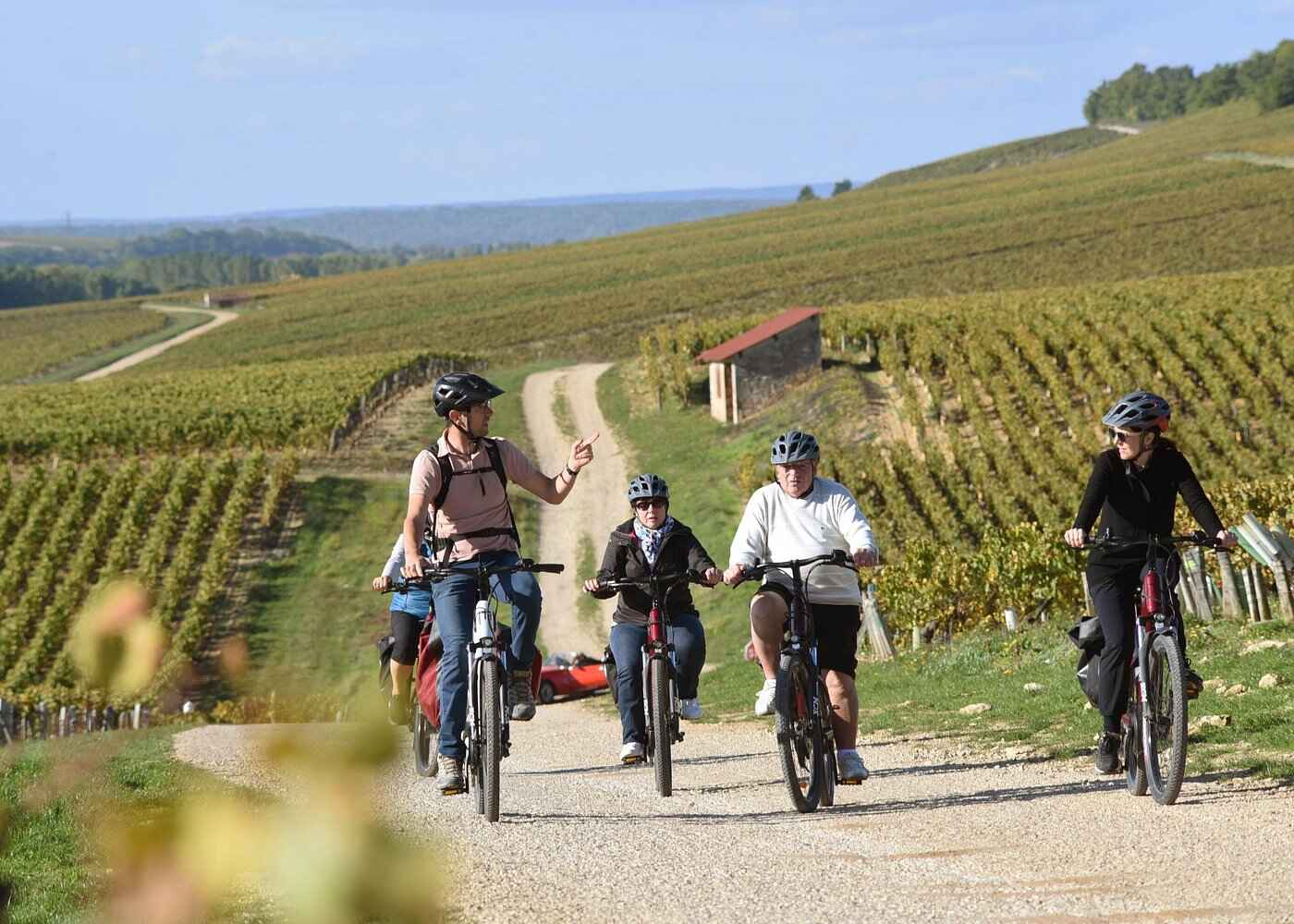
Cycling the Voie Verte: Burgundy is a cyclist’s paradise. The Véloroute runs directly through the vineyards from Beaune to Santenay. Practical Tip: You can rent electric bikes in Beaune, which are perfect for navigating the gentle limestone slopes without breaking a sweat between cellars.
Regional Trains (TER): The local train line is surprisingly efficient for moving between main hubs like Dijon, Chagny, and Mâcon. However, most prestigious Estates are a 20-30 minute walk or a short taxi ride from the village stations.
Expert Logistics & Tips
Booking in Advance: Unlike other world regions, Burgundy operates on an appointment-only basis. Do not expect to walk into a top-tier Estate and get a table. Reach out at least 2–4 months in advance for Grand Cru visits.
The “Vignobles & Découvertes” Label: When planning your route, look for this label on cellar doors and tourism offices. It guarantees high-quality reception and educational Wine tasting standards.
Navigation Tools: While GPS is reliable, download offline maps. Many ancient cellars are built deep into the rock where cell service is non-existent.
The Sunday Rule: Be aware that many smaller Domaines, shops, and even petrol stations in rural villages close on Sundays. Plan your “big” tasting days for Tuesday through Saturday.
.
Informations about shipping costs and wine export from Burgundy
Informations about shipping costs…
Acquiring rare finds is only half the journey; ensuring your liquid treasures arrive home safely requires navigating specialized international logistics and local customs regulations.
EU: Approximately €65 for 6 bottles or €140 for 24 bottles; delivery typically takes 5–10 business days.
USA: Roughly €120 for 6 bottles or €260 for 24 bottles. This includes all customs, insurance, and the “last mile” delivery (excluding restricted states like Utah).
UK: Post-Brexit rates start at roughly €95 for 6 bottles to account for the necessary customs paperwork and import VAT.
Canada: Approximately €170 for 6 bottles; shipping is usually coordinated through provincial boards like the LCBO or SAQ, which may result in additional local fees.
Payment methods
While Burgundy is deeply rooted in tradition, its commerce is thoroughly modern, though a few classic French customs still prevail in the smaller, rural villages.
Credit Cards: Major cards (Visa, Mastercard) are universally accepted in almost every Estate, restaurant, and boutique. American Express is accepted in larger hotels but can be hit-or-miss in smaller villages.
Cash: Still vital for those small, spontaneous purchases at local boulangeries, weekly village markets, or when visiting a tiny, multi-generational family Domaine.