

Find Your Ultimate
USA Experience
A curated collection of stays and experiences to inspire your next trip.
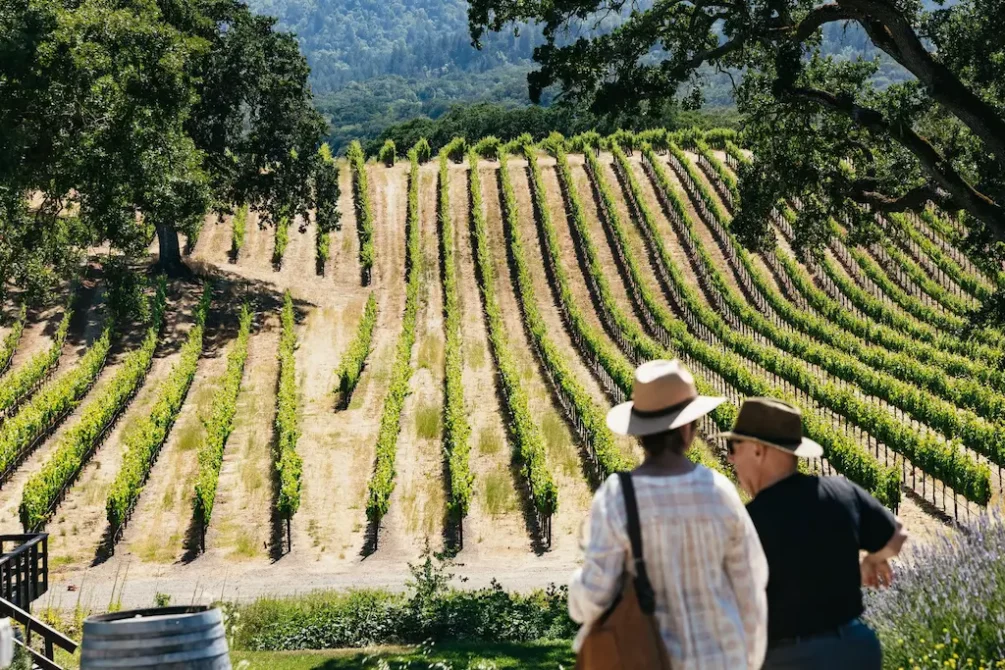
United States Wine: A Comprehensive Guide
The United States of America is a country of enormous scale and diverse geography, and its winemaking reflects this. From the sun-soaked vineyards of California to the cool, rain-swept valleys of Oregon and the cold, high-altitude vineyards of New York, American wine is a tapestry of varied landscapes, microclimates, and pioneering winemakers. Drinking American wine is a journey through North America and through a land of innovation and tradition, offering everything from bold, powerful Cabernet Sauvignons to delicate, elegant Pinot Noirs and crisp, refreshing Rieslings.
History and Identity of American Wine
The history of winemaking in the United States is one of resilience, ingenuity, and a constant drive for innovation. It’s a story of how a nation with no centuries-old winemaking heritage built a thriving, world-class industry in just a few decades, fueled by a relentless pursuit of quality.
From Mission Grapes to Modern Viticulture
The first winemaking in the Americas began with Spanish missionaries in the 16th century, who brought European vines to what is now New Mexico and California to produce sacramental wine. The “Mission grape,” a descendent of these first plantings, was the dominant variety for centuries. However, the true transformation of the industry began in the 19th century when European immigrants and pioneers, drawn by the Gold Rush, saw the potential of California’s climate. They introduced noble European grape varieties like Zinfandel, Cabernet Sauvignon, and Chardonnay.
The American wine industry was nearly destroyed by a triple whammy of challenges: the phylloxera epidemic, a tiny insect that devastated vineyards across the country; the Volstead Act, which prohibited the production of alcoholic beverages from 1920 to 1933; and the Great Depression. However, in the mid-20th century, a new generation of winemakers, particularly in California, began to rebuild the industry from scratch, focusing on quality over quantity and planting new varieties on resistant rootstocks. This period laid the groundwork for the modern American wine industry.
The Judgment of Paris: A Turning Point for American Wine

Archives of Paris judgment wine tasting judges
While the groundwork for quality was laid in the mid-20th century, the seismic event that irrevocably changed the perception of American wine was the Judgment of Paris in 1976. This blind tasting was more than a simple competition; it was a cultural event that exposed the world to the prowess of New World winemaking.
British wine merchant Steven Spurrier, seeking to promote his Paris wine shop, organized a tasting to showcase California wines alongside their French counterparts. He assembled a panel of France’s most respected wine experts, including influential tasters from top estates and journalists from prestigious magazines. The wines were tasted blind, and the results were meticulously recorded. The French judges, confident in their country’s long-held dominance, were stunned to discover their top scores were consistently awarded to wines from California.
The ultimate winners were the 1973 Château Montelena Chardonnay from Napa Valley and the 1973 Stag’s Leap Wine Cellars Cabernet Sauvignon, which defeated a lineup of some of France’s finest bottles, including top-tier Burgundies and classified growths from Bordeaux.
The outcome was a global sensation. A single article in Time magazine, titled “The Great American Wine Tasting,” ignited a firestorm in the wine world. For centuries, French wine had been synonymous with the pinnacle of quality, and this challenge from upstart California was seen as a heresy. Yet, the results were undeniable. The Judgment of Paris shattered the myth that only Europe could produce world-class wines. It acted as a powerful endorsement, proving that American wines could compete—and win—on the global stage.
The ripple effects of this event were profound. It gave American winemakers the confidence to invest in their vineyards and cellars, attracting new talent and capital. It sparked a wave of viticultural exploration, as winemakers sought to identify the best sites for specific grapes. It encouraged other regions beyond California, from Oregon to New York, to embrace their own unique potential. Most importantly, the Judgment of Paris was a psychological victory that changed consumer perception forever, ushering in an era where New World wines were no longer viewed as imitations but as distinct, high-quality expressions of their own unique terroir.
Terroir: The Mosaic of United States climate and soil
The United States’ vastness means that terroir—the unique combination of soil, climate, and topography—varies dramatically from one region to another. This geological and climatic diversity is the defining force behind the country’s winemaking, creating a mosaic of distinct regions that produce a wide array of wine styles.
United States Climate and Its Influence on Wine
merican wine regions are defined by their diverse climatic influences.
California
California is dominated by a Mediterranean climate with warm, dry summers and mild, wet winters. The cooling influence of the Pacific Ocean is a key factor, with coastal fog and breezes regulating temperatures and preserving acidity in grapes. The Napa Valley is a prime example, where cooling air from the San Pablo Bay funnels in, creating a significant diurnal shift—the difference between daytime and nighttime temperatures. This allows the grapes to develop complexity and balance: the warm days ensure full phenolic ripeness and sugar development, while the cool nights help the grapes retain the acidity necessary for structure and freshness. In contrast, inland areas like Paso Robles experience a more extreme continental climate with very hot days and cool nights, resulting in powerful, fruit-forward wines that are balanced by that same critical diurnal shift.
Oregon and Washington
Oregon and Washington have more temperate, Pacific-influenced climates. In Oregon’s Willamette Valley, a cool, maritime climate is perfect for growing thin-skinned grapes like Pinot Noir, which thrives in the region’s long, mild growing season. The maritime influence brings high rainfall, which necessitates diligent vineyard management, but also prevents the extreme heat spikes that can lead to overripe fruit. Washington’s Columbia Valley, on the other hand, is in a rain shadow created by the Cascade Mountains. This creates a high-desert climate, with extremely low annual rainfall (6–8 inches). The hot, dry days ensure grapes ripen fully, but the significant diurnal shift (often 40°F or more) ensures that they retain crucial acidity, making the region ideal for structured Cabernet Sauvignon and Merlot.
New York‘s Finger Lakes region
New York‘s Finger Lakes region experiences a cool, continental climate tempered by the deep lakes, which act as a thermal buffer. They store heat from the summer, extending the growing season into the fall and preventing early frost, while also releasing cooling air in the spring to delay bud break and protect the vines. This unique environment is ideal for high-acid, aromatic grapes like Riesling and is a key factor in the region’s focus on elegant, balanced wines.
Soils and Topography: The American Terroir
The geological diversity of the United States contributes immensely to the character of its wines.
In Napa Valley, the valley floor is a mix of alluvial soils—gravel, clay, and loam deposited by ancient rivers—which produce rich, concentrated wines. The surrounding mountain vineyards, like those on Howell Mountain, are made of volcanic soils. These are nutrient-poor and well-drained, stressing the vines and forcing their roots deep into the ground. This results in grapes with thicker skins and greater concentration, creating wines with more structure, acidity, and minerality.
In Sonoma County, the Russian River Valley has well-drained, sandy-loam soils and a cool, foggy climate that is perfect for Pinot Noir and Chardonnay. The region’s close proximity to the ocean and unique fog patterns give the wines a bright, elegant character. The Sonoma Coast, a vast AVA that runs along the Pacific, showcases the power of maritime influence, with vineyards often receiving direct ocean breezes that create wines with bright acidity and savory notes.
The Willamette Valley is known for its volcanic Jory soils and marine sedimentary Nekia soils, which contribute to the elegant and complex character of its Pinot Noirs. These ancient soils are a fundamental part of the region’s identity, providing excellent drainage and helping to regulate the vine’s vigor, focusing its energy on fruit production.
The Red Mountain sub-appellation in Washington’s Columbia Valley is famous for its unique, high-alkaline, gravelly soils. This unique soil, combined with the extreme heat and low rainfall, creates some of the most concentrated and structured Cabernet Sauvignons in the state. The heat-retaining gravel forces the grapes to ripen fully and quickly, while the alkalinity provides a distinct minerality to the finished wines.
UnderstandingUnited States Wine Appellations and classifications
The American wine classification system is a modern framework designed to protect and promote the quality of its wines, providing a vital tool for consumers to understand a wine’s origin and character. The system is managed by the Alcohol and Tobacco Tax and Trade Bureau (TTB).
American Viticultural Areas (AVAs)
The core of the American classification system is the American Viticultural Area (AVA). Unlike many European systems, AVAs are purely geographical designations. They do not mandate specific grape varieties, yields, or winemaking practices. An AVA is a delimited grape-growing region with a distinct “terroir,” defined by its unique geographic, climatic, and geological features.
To be labeled with an AVA, a wine must meet the following criteria:
85% Rule: At least 85% of the grapes used to make the wine must come from the designated AVA.
100% Rule: If the wine is labeled with a specific vineyard, 100% of the grapes must come from that vineyard.
75% Rule: If the wine is labeled with a state name (e.g., “California”), at least 75% of the grapes must come from that state. This percentage is higher for wines labeled with an AVA or a county.
The AVA system creates a hierarchy of geographical specificity, allowing winemakers to highlight the unique characteristics of their small region, and allowing consumers to follow a trail of authenticity. For example, a bottle may simply be labeled “California,” which provides a general sense of origin. It may then be labeled “Napa Valley,” which narrows the location to a specific, well-known region. Finally, it may be labeled “Rutherford,” a sub-appellation within Napa Valley, indicating that the grapes come from a small, highly-regarded area with a distinct terroir. This layering of AVAs allows for a precise expression of place.
The Role of Sub-Appellations
The concept of sub-appellations is critical in American wine. Many of the most famous AVAs, such as Napa Valley, Willamette Valley, and Sonoma County, contain a network of smaller, more specific sub-appellations.
Napa Valley:
Within this AVA, there are over a dozen sub-appellations, including Rutherford, Oakville, Stags Leap District, and Howell Mountain. Each of these areas has a slightly different climate and soil profile that imparts a unique character to the wines. For example, Rutherford is known for its “Rutherford Dust”—a distinctive, savory character in its Cabernet Sauvignons—while the higher elevation and cooler climate of Howell Mountain produce wines with higher acidity and more rustic tannins.
Sonoma County:
This large county is home to AVAs like Alexander Valley, known for powerful Cabernet Sauvignon; Dry Creek Valley, famous for its Zinfandel; and the cool, foggy Russian River Valley and Sonoma Coast, which are globally recognized for their elegant Pinot Noir and Chardonnay.
Willamette Valley:
Within this Oregon AVA, sub-appellations such as Dundee Hills, Eola-Amity Hills, and Ribbon Ridge are celebrated for their microclimates and specific soil types that produce nuanced and distinct Pinot Noirs. For instance, the Dundee Hills AVA is known for its volcanic Jory soils, while the Eola-Amity Hills AVA is defined by its cooling winds from the Van Duzer Corridor, which help maintain acidity.
This detailed, layered approach to appellation gives American wine its authoritative sense of place, allowing both producers and consumers to explore the specific terroirs that define a region’s most exceptional wines.
United States Most Important Grape Varieties
While the United States grows a wide variety of grapes, a few have become iconic, defining the country’s winemaking identity.
Italy's Most Important white Grape Varieties
Chardonnay
The most widely planted white grape in the United States, Chardonnay is celebrated for its versatility, producing a wide range of styles. In California, particularly in regions like Napa Valley, it often yields full-bodied, buttery wines with flavors of tropical fruit, toasted nuts, and vanilla, often enhanced by malolactic fermentation and oak aging. This “California-style” Chardonnay became an international benchmark. In contrast, cooler climates such as Sonoma Coast and Oregon’s Willamette Valley produce more elegant, food-friendly wines with bright acidity and notes of green apple, citrus, and a flinty minerality.
Pinot Grigio/Gris:
Known for its light, crisp, and refreshing character, this grape has a significant presence in the U.S. In the Willamette Valley of Oregon, it is referred to as Pinot Gris and produces wines with a richer texture, lower acidity, and notes of pear, honeysuckle, and melon, a style that has gained international recognition for its depth. This contrasts with the more zesty, lean, and simple styles often found in California.
Sauvignon Blanc
This grape, with its herbaceous and zesty character, is primarily grown in California. It can produce a range of styles. The classic Napa Valley expression, often labeled Fumé Blanc (a term coined by Robert Mondavi), is frequently aged in oak, creating a full-bodied wine with notes of ripe grapefruit, fig, and a creamy texture. Unoaked versions from regions like Sonoma County and Lake County are typically crisp and vibrant, with flavors of lime, green pepper, and grass, highlighting the grape’s natural acidity.
Riesling
A star in New York’s Finger Lakes region, Riesling thrives in this cool climate, producing a vibrant, high-acid wine with a powerful aroma of green apple, slate, and citrus. The deep, glacially carved lakes moderate the temperature, allowing the grapes to ripen slowly and fully express their delicate and aromatic qualities. Styles range from bone-dry to lusciously sweet, making the region a world-class destination for this noble grape.
United States Most Important red Grape Varieties
Cabernet Sauvignon
Referred to as the “king of American red grapes,” Cabernet Sauvignon is most famously cultivated in California’s Napa Valley. Here, it produces deeply colored, full-bodied wines with intense aromas of black fruit, cassis, and spice. These wines often possess a firm tannic structure that allows them to age for decades. Sub-appellations like Rutherford are known for their distinctive “dusty” tannins and savory notes, while mountain-grown Cabs from Howell Mountain or Spring Mountain District exhibit greater structure and minerality. It also performs exceptionally well in Washington’s Columbia Valley, where the hot, dry climate produces powerful, fruit-driven wines with balanced acidity.
Pinot Noir
This grape is the hallmark of Oregon’s Willamette Valley and California’s Sonoma County. In Oregon, it’s known for its elegance and complexity, with notes of red cherry, mushroom, and earthy undertones. Sub-appellations like Dundee Hills produce wines with a bright red fruit character, while those from Eola-Amity Hills are more structured with a pronounced mineral backbone. In California, particularly in the Russian River Valley and Santa Barbara County, the wines are often more fruit-forward and powerful, with notes of black cherry and cola.
Merlot
A key blending grape and a popular varietal in its own right, Merlot thrives in Washington’s Columbia Valley. The region’s hot, dry climate allows it to produce full-bodied wines with notes of plum, chocolate, and soft tannins, offering a plush and approachable alternative to Cabernet Sauvignon. Washington Merlot’s quality and distinctive style have made it a benchmark for the grape in the United States.
Zinfandel
Often considered California’s “heritage grape,” Zinfandel produces rich, jammy wines with high alcohol and bold flavors of blackberry, black pepper, and licorice. It is particularly prominent in Sonoma’s Dry Creek Valley, where old-vine plantings produce wines of great concentration and complexity. The grape’s identity is intrinsically linked to California’s history and showcases the character of its ancient vines.
Syrah
Thriving in warmer climates like Washington’s Walla Walla Valley and California’s Central Coast (Paso Robles and Santa Barbara County), Syrah yields deeply colored, full-bodied wines with notes of dark fruit, smoke, and spice. In Washington, the wines are often powerful and savory, while in California, they can be more fruit-driven and opulent, reflecting the region’s intense sunshine. Syrah has found a dedicated following and is considered a rising star in American winemaking, especially for its ability to reflect terroir.
United States Wine Regions: A Journey Through USA Terroir
The United States is home to a vast number of winemaking regions, each with its own identity. The following provides a brief overview of some of the most notable.
California wine region
California is the heart of American winemaking, producing over 80% of the country’s wine. Its diverse climates and soils allow for a huge range of grape varieties and styles.
Napa Valley:
The most famous American wine region, known globally for its world-class Cabernet Sauvignon. It is a narrow valley with a mix of alluvial soils on the valley floor and volcanic soils on the surrounding mountains. The region is divided into several sub-appellations, each with a distinct identity. Rutherford and Oakville are renowned for their rich, powerful Cabs, often exhibiting a unique “Rutherford Dust” character—a fine, earthy tannic sensation. Stags Leap District is celebrated for its elegant, structured styles that showcase a unique balance of fruit and minerality. Howell Mountain and other mountain AVAs produce wines with greater structure, higher acidity, and rustic tannins due to their elevation and unique volcanic soils.
Sonoma County:
Located to the west of Napa, Sonoma is a larger, more diverse region with a cooler, more maritime-influenced climate. It is a mosaic of terroirs and is a leader in Pinot Noir, Chardonnay, and Zinfandel. Alexander Valley is a warmer inland region famous for its powerful Cabernet Sauvignon, while Dry Creek Valley is celebrated for its old-vine Zinfandel and Sauvignon Blanc. The cool, fog-laden Russian River Valley and Sonoma Coast are globally recognized for their elegant, complex Pinot Noir and Chardonnay, with the latter spanning a vast area and showcasing the immense impact of direct Pacific influence.
Central Coast:
This vast region stretches for nearly 250 miles along the Pacific Coast, from just south of San Francisco to Santa Barbara. It is home to many different microclimates and is known for a wide variety of grapes. Paso Robles is a key sub-appellation in the north, celebrated for its bold, full-bodied Zinfandel and Rhône varietals like Syrah and Grenache. Its hot days and cool nights create wines with both power and balance. Further south, Santa Barbara County is famous for its cool-climate Pinot Noir and Chardonnay, particularly in the wind-swept Sta. Rita Hills and Santa Maria Valley sub-appellations, which produce wines with remarkable acidity and complexity. Monterey is another important area known for its cool climate and consistent production of high-quality Chardonnay and Pinot Noir.
Oregon wine region
Oregon’s wine industry is centered on the cool, Pacific-influenced Willamette Valley, which has become a global benchmark for high-quality Pinot Noir and Pinot Gris.
Willamette Valley:
The largest and most prominent AVA in Oregon, its cool climate and ancient volcanic and marine soils are perfect for growing thin-skinned grapes. The region is home to several key sub-appellations, each with a unique profile. Dundee Hills is known for its bright red fruit character, often described as having a signature “red cherry” note, derived from its volcanic Jory soils. Eola-Amity Hills is defined by its unique wind tunnel from the Van Duzer Corridor, which funnels cooling breezes into the valley and helps preserve acidity, creating more structured, savory Pinot Noirs. Ribbon Ridge is a small, geologically distinct sub-AVA with marine sedimentary soils that produce elegant, subtle, and age-worthy wines.
Columbia Gorge:
Located at the border of Oregon and Washington, this region is defined by the Columbia River and its unique mix of microclimates. The western end is cooler and wetter, ideal for Pinot Noir, while the eastern end is warmer and drier, perfect for warmer-climate grapes like Syrah and Tempranillo.
Washington wine region
Washington is a powerful force in winemaking, with the Columbia Valley serving as the state’s main viticultural area. The region’s hot, dry climate is perfect for bold reds like Cabernet Sauvignon, Syrah, and Merlot.
Columbia Valley: A vast AVA in the rain shadow of the Cascade Mountains, its desert-like climate provides an ideal environment for consistent ripening. It contains several key sub-appellations. Yakima Valley is the oldest and most diverse, growing over 40 different varieties, and is a major source of grapes for the entire state. Walla Walla Valley is known for its distinctive basalt soils and produces exceptional, powerful Cabernet Sauvignon and Syrah. The region’s wines are often characterized by their earthy, savory notes. Red Mountain is a small but highly-regarded sub-appellation famous for its unique alkaline soils and intense, structured Cabernet Sauvignon. Its high-elevation vineyards and wind-swept terrain produce some of the state’s most concentrated and long-lived wines.
New York wine region
New York is a leader in cool-climate winemaking, with the Finger Lakes region renowned for its high-acid, aromatic Riesling.
Finger Lakes:
The unique, deep lakes act as a thermal buffer, protecting vines from harsh winters and preventing early bud break. This allows the region to produce world-class Riesling, as well as high-quality sparkling wines and other cool-climate varieties. The wines are often defined by their high acidity and clean, pure fruit character.
Long Island:
Located on the Atlantic Coast, Long Island’s maritime climate is well-suited for Bordeaux varieties. North Fork is the key sub-appellation, known for its elegant Merlot and Cabernet Franc, which thrive in the region’s well-drained, sandy soils. The maritime influence provides a longer growing season, resulting in balanced, ripe wines.
Virginia wine region
Virginia has a growing wine industry with a focus on producing Bordeaux-style blends and other European varietals that have adapted well to its humid climate.
Monticello:
This AVA is centered around Charlottesville and the legacy of Thomas Jefferson, a pioneer of American winemaking. The region is known for its red wines, particularly Cabernet Franc, and its elegant white wines like Viognier. The area’s rolling hills and well-drained soils are well-suited to viticulture.
Northern Virginia:
Located near Washington D.C., this region is home to numerous wineries and is known for producing a variety of red and white wines, often a mix of local and international varieties.
Texas wine region
Texas is a rising star in American winemaking, with the Texas Hill Country becoming a hub for warm-weather grapes like Tempranillo and Sangiovese.
Texas Hill Country:
Located in Central Texas, this AVA is one of the largest in the country and is characterized by its high elevation and limestone soils. The region’s hot days and cool nights are perfect for ripening grapes with a balance of fruit and acidity.
Texas High Plains:
This AVA is located in a high-desert region of West Texas, with unique geological conditions that are proving ideal for winemaking. The high altitude and dramatic temperature shifts result in robust and flavorful wines.
Michigan wine region
Michigan, with its proximity to the Great Lakes, has a cooler climate perfect for growing grapes like Riesling, Pinot Grigio, and even sparkling wine grapes on the Leelanau and Old Mission Peninsulas.
Leelanau Peninsula:
A peninsula jutting into Lake Michigan, its climate is heavily influenced by the lake, creating a great environment for cool-climate grapes. The cold winter and spring temperatures are moderated, preventing vine damage and ensuring a longer, more consistent growing season.
Old Mission Peninsula:
This narrow peninsula is similarly moderated by the lake, creating a unique microclimate well-suited for growing classic European varieties. Its focus on cool-climate grapes has made it a key area for high-quality Riesling.

Numbers that Tell a Story: United States Wine in Focus
The United States is a dynamic and influential player in the global wine market, with a focus on quality and innovation. While it lacks the centuries-old, rigid classification systems of Europe, its wine industry is highly structured and driven by consumer demand.
Production Volume
The U.S. is consistently one of the world’s top four wine producers. In 2023, the country’s wine production was an estimated 24.3 million hectoliters, placing it among the leaders behind Italy, France, and Spain. This volume is largely concentrated in a few key states, with California accounting for over 80% of total production. This makes California a global wine powerhouse in its own right.
Vineyard Area
The United States has a vast vineyard area, estimated at approximately 405,000 hectares. This land is spread across all 50 states, though the vast majority is located in the top-producing states of California, Washington, and Oregon. This diverse geography allows for a wide range of climates and terroirs, supporting the cultivation of an extensive array of grape varieties.
Grape Varieties: there are over 100 different wine grape varieties grown, with the top six (Chardonnay, Cabernet Sauvignon, Pinot Noir, Zinfandel, French Colombard, and Pinot Gris) accounting for a significant portion of the total crush. While the U.S. has native grape species, the vast majority of commercial wine is made from Vitis vinifera varieties.
Exports
U.S. wine is a valuable export commodity, with a focus on high-quality, premium wines. In 2024, the value of U.S. wine exports was approximately $1.27 billion. The key export markets for American wine are Canada, the United Kingdom, and the European Union, which value the country’s consistent quality and diverse offerings.
The Art of Pairing United States Wines and Gastronomy
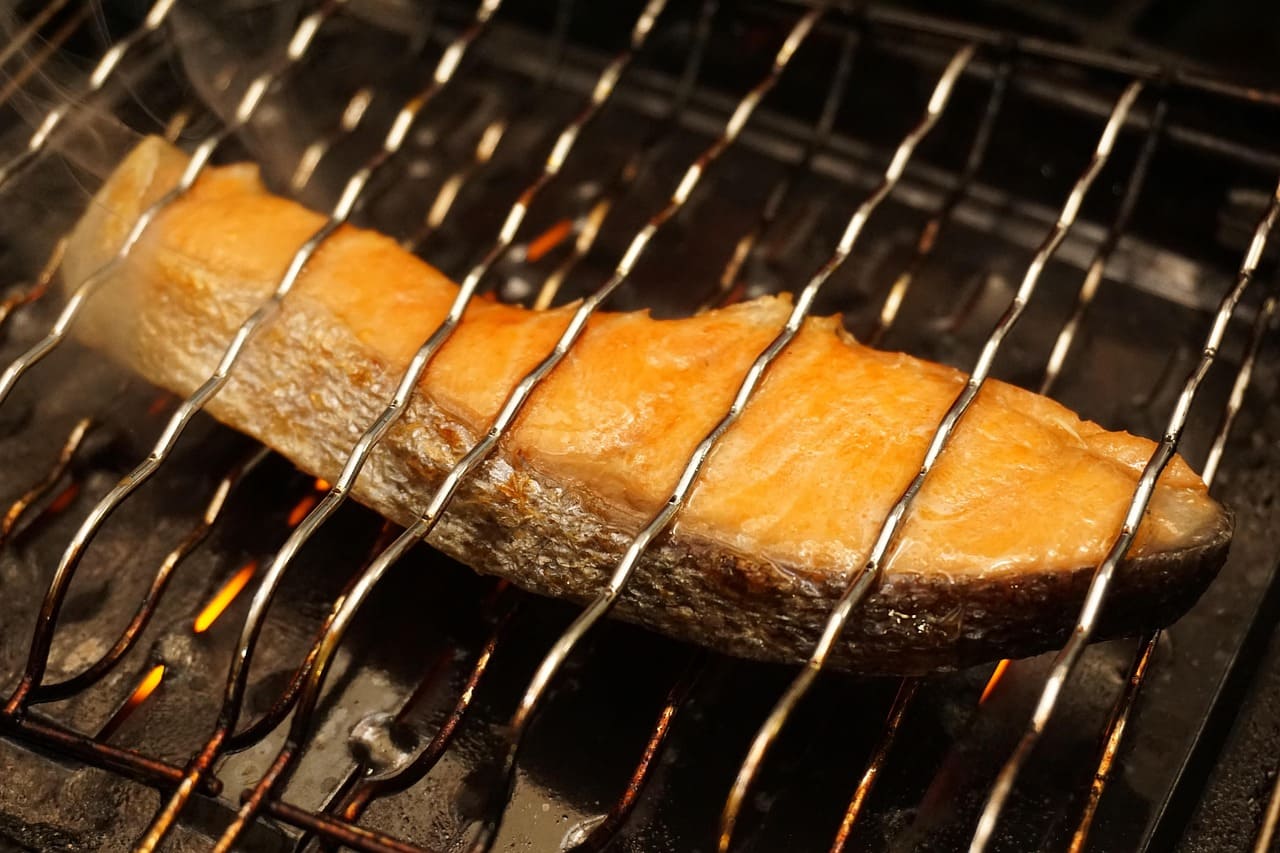
Grilled salmon is perfectly matching the acidity of Oregon Pinot Noir
American food culture is as diverse as its wines, creating a vast landscape of perfect pairings. The guiding principle is to match the weight and intensity of the food and wine, while also considering the regionality of the two.
The Art of Pairing: General Principles
Match acidity:
High-acid wines like Oregon Pinot Noir cut through rich, fatty foods like duck.
Consider tannins:
A bold, tannic Cabernet Sauvignon needs a substantial, protein-rich dish like steak to soften its grip.
Balance sweetness:
A slightly sweet Riesling pairs beautifully with spicy Asian cuisine, as the sugar tames the heat.
Regional Pairings: A Culinary Journey
The Pacific Northwest: Cool Climate Wines and Local Flavors
The cuisine of Oregon and Washington is based on fresh, seasonal ingredients from the mountains and the sea. The region’s cool-climate wines are the perfect match.
Pinot Noir (Willamette Valley):
The quintessential pairing is with wild-caught salmon, either grilled or roasted. The wine’s earthy and red fruit notes complement the rich, oily fish without overpowering it. It’s also a fantastic match for mushroom dishes or roasted duck.
Syrah (Walla Walla Valley):
The savory, spicy notes of a Washington Syrah are a great partner for barbecued pork ribs or slow-cooked brisket. The wine’s bold flavors stand up to the smoky, rich meat.
California: Sunshine Wines and Farm-to-Table Cuisine
California’s winemaking regions have a cuisine built around fresh produce, grilled meats, and a diverse range of ethnic foods.
Cabernet Sauvignon (Napa Valley):
This is the ultimate wine for grilled steak. The wine’s firm tannins are softened by the fat and protein of the meat, and its dark fruit and spice notes complement the char and savory flavors. A younger Cab is great with a hamburger, while a more aged one is perfect for a prime rib roast.
Chardonnay (Sonoma Coast):
A lean, mineral-driven Chardonnay pairs beautifully with roasted chicken, while a richer, oaked style is a fantastic partner for lobster or crab with drawn butter.
Zinfandel (Dry Creek Valley):
The bold fruit and peppery notes of Zinfandel are a natural fit for classic American barbecue, particularly with pulled pork or beef brisket. The wine’s jammy character also works well with spicy foods.
The East Coast and Beyond: Unique Terroir, Unique Pairings
Riesling (Finger Lakes, New York):
The high acidity and floral notes of a Finger Lakes Riesling make it an excellent partner for fresh seafood, particularly shellfish. A slightly sweet Riesling is perfect with spicy Thai or Vietnamese cuisine.
Virginia Wines (Monticello):
The full-bodied red wines of Virginia, often a blend of international varieties, pair well with roasted pork or hearty stews.
Texas Wines (Texas Hill Country):
The robust red wines, particularly those made from Tempranillo, are a natural fit for smoked brisket and other barbecue staples of the Lone Star State.