Table of Contents
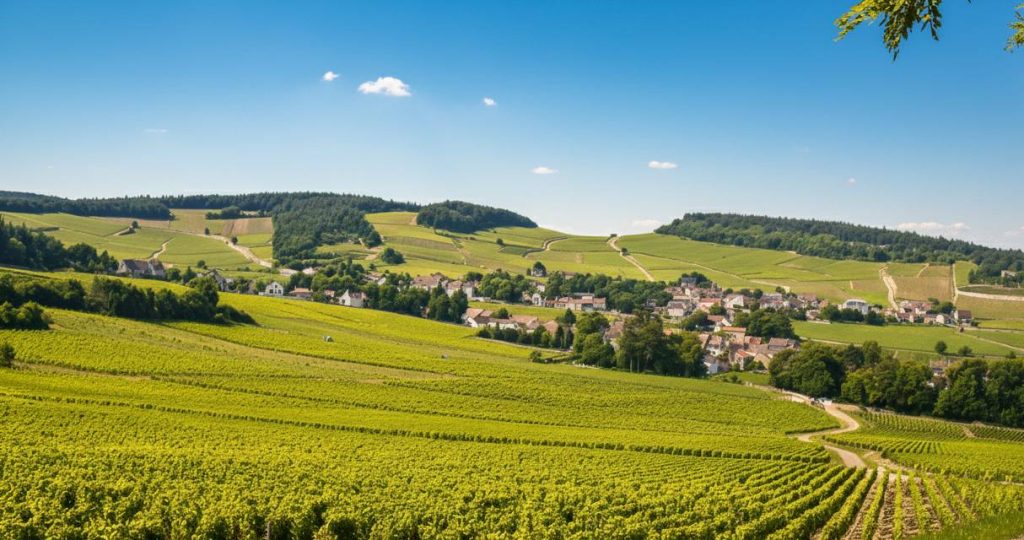
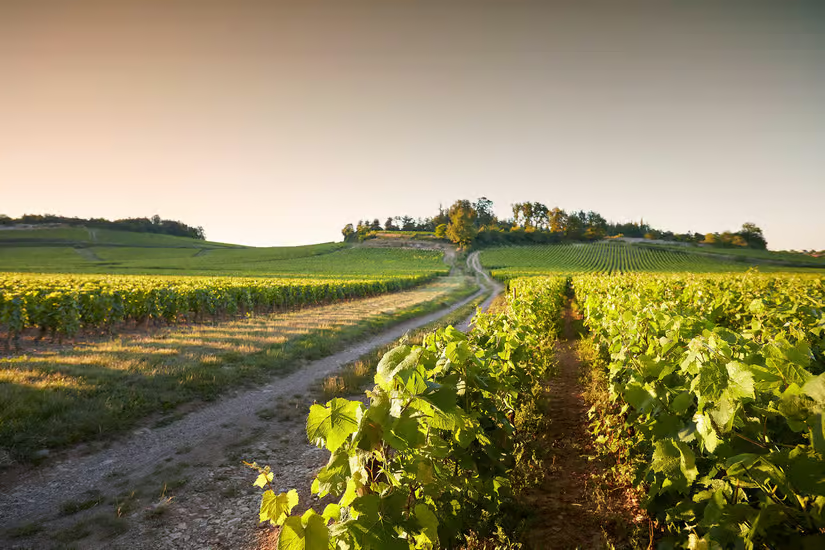
The relationship between the limestone-rich soils of the Cote Chalonnaise and the local culinary traditions of Burgundy is defined by a profound sense of equilibrium. To understand the art of the table in this region, one must first appreciate the geological transition that occurs south of the Cote d’Or. Here, the landscape becomes a mosaic of rolling hills where the Middle Jurassic limestone is frequently topped with clay and flint.
This specific terroir does not merely influence the growth of the vine; it dictates the structural blueprint of the wine itself, creating a natural mandate for specific gastronomic companions. The concept of balance in this context refers to the chemical dialogue between the glass and the plate. For instance, the white wines of the region, primarily crafted from the Chardonnay grape, possess a vibrant acidity and a distinct mineral tension derived from the rocky substrate. This acidity serves a critical functional role in gastronomy by acting as a refreshing counterpoint to the lipid content found in traditional Burgundian cream sauces or fatty poultry.
Similarly, the red wines, predominantly Pinot Noir, are characterized by their supple yet present tannins and a bright red fruit profile. From a structural perspective, these tannins interact with the proteins in roasted meats through a process of molecular binding, which effectively softens the perception of astringency in the wine while enhancing the savory depth of the dish. The residual sugar levels in these dry wines are typically negligible, ensuring that the focus remains on the interplay of texture and earthiness.
This symbiotic relationship ensures that neither the wine nor the food overwhelms the sensory experience, but rather, they elevate one another toward a state of harmonic resonance that reflects the very ground from which they both originate. This region offers a unique accessibility, where the wines provide a professional-grade structural complexity that invites both intellectual analysis and pure culinary pleasure for the modern palate.


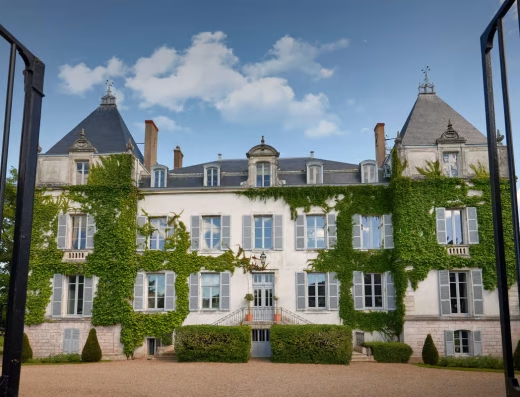
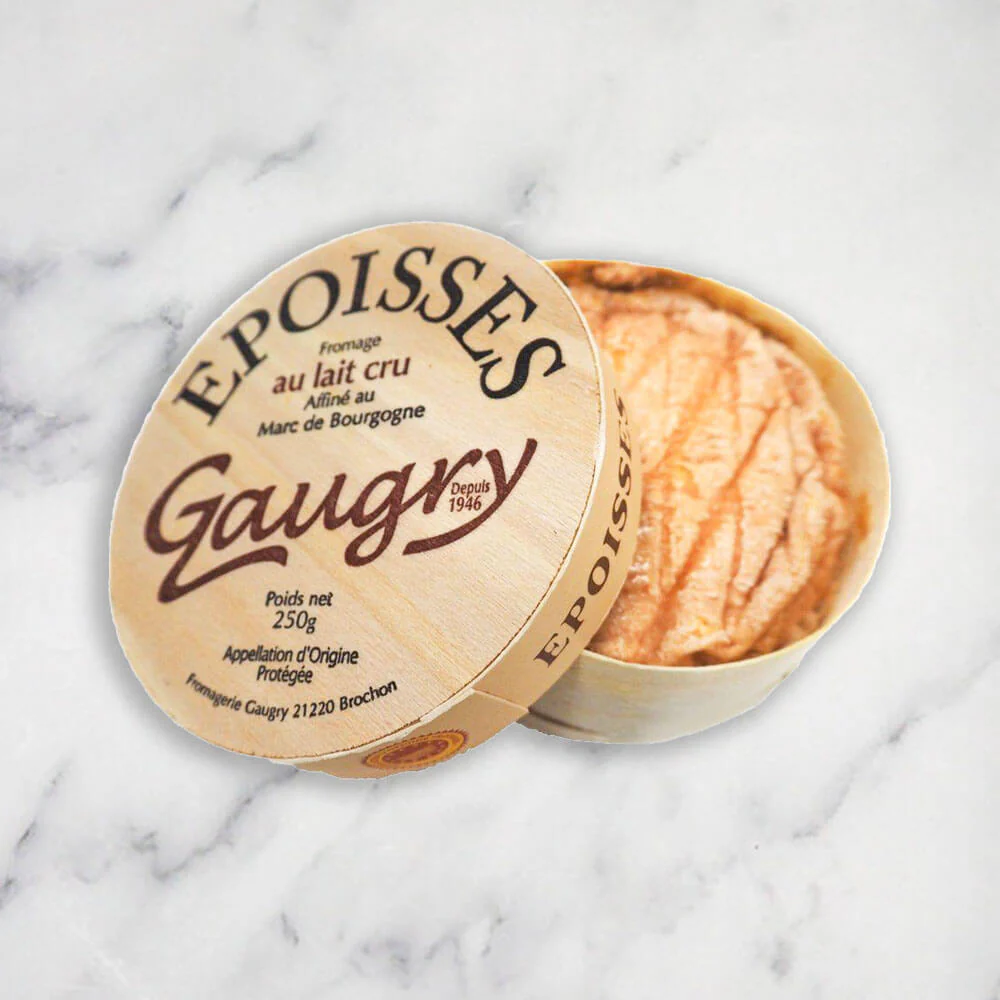
Bouzeron Aligoté and its high acidity slices trough the creamy texture of Epoisses cheese
The Local Terroir: Expressions of the Côte Chalonnaise
White Wines and Local Gastronomy The Luminous Whites of Rully and Montagny
The white wines of the Cote Chalonnaise are celebrated for their purity, elegance, and refreshing limestone character. These wines typically exhibit a bouquet of white flowers, lemon citrus, and often a subtle toasted almond note if aged in oak. On the palate, they are defined by a crisp architectural framework of acidity that provides longevity and focus. These selections are designed for the beginning of a meal or to accompany delicate textures that require a wine with sufficient energy to cleanse the palate without masking subtle flavors.
Gougeres and Rully Premier Cru
The traditional Burgundian cheese puff finds its ideal partner in a Rully Premier Cru. The scientific reasoning for this pairing lies in the high acidity and mineral tension of the Rully, which cuts directly through the rich, savory fats of the pate a choux and the melted Gruyere cheese. This creates a textural contrast where the crispness of the wine highlights the airy lightness of the pastry, ensuring the palate remains refreshed despite the high lipid content of the appetizer.
Escargots de Bourgogne and Montagny:
This classic preparation of snails in garlic and parsley butter requires the structural profile of Montagny. The vibrant pH level of the wine is necessary to emulsify the heavy garlic butter on the tongue. Additionally, the flinty, stony notes inherent in Montagny terroir echo the earthy, herbaceous qualities of the parsley, ensuring the richness of the butter is balanced by the wine’s citrus-driven finish, preventing the dish from feeling overly heavy or greasy.
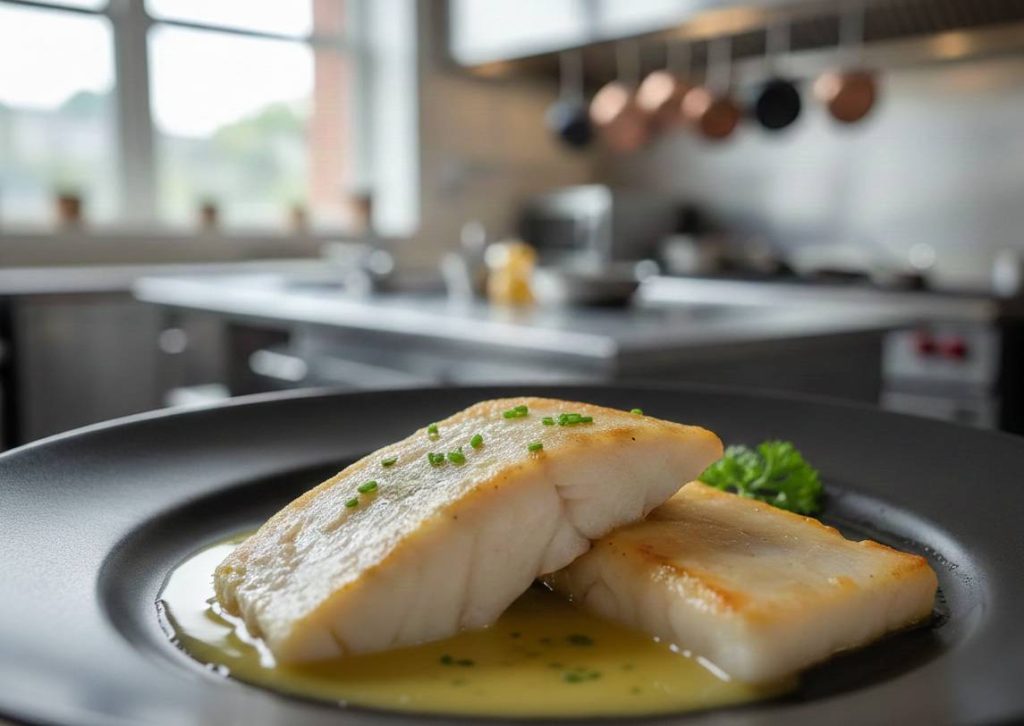
Pike Perch with Beurre Blanc and Givry Blanc:
This delicate freshwater fish is elevated by the textured mouthfeel of a white Givry. The wine possesses enough body to match the weight of the beurre blanc sauce while maintaining a backbone of acidity that prevents the butter from coating the palate too heavily. The subtle floral notes of the Chardonnay variety complement the sweetness of the fish flesh, providing a harmonious and professional culinary experience.
Jambon Persille and Rully Blanc
This marbled ham and parsley terrine is a regional staple that pairs excellently with Rully. The acidity of a Rully Blanc acts as a chemical cleanser for the gelatin and pork fats. The crispness of the wine provides a sharp contrast to the soft texture of the ham, while the mineral notes align with the saline cure of the meat, maintaining a professional and balanced flavor profile.
Trout Meuniere and Montagny Premier Cru:
The brown butter and lemon flavors of Trout Meuniere are mirrored by the citrus and toasted notes of Montagny. The wine’s acidity balances the richness of the butter, while its structured finish holds up against the firm texture of the trout. This pairing relies on the shared aromatic profiles of lemon and hazelnut, ensuring the interaction is scientifically sound and aesthetically pleasing.
Epoisses Cheese and Bouzeron
While red wine often struggles with strong cheeses, the high-acid Aligote from Bouzeron thrives. The wine’s sharpness slices through the pungent, creamy texture of the Epoisses, clearing the palate for the next bite. The mineral backbone of the wine prevents the cheese’s intensity from overwhelming the senses, providing a textbook example of structural balance between food and wine.
Poulet Gaston Gerard and Givry Blanc
This chicken dish with mustard and cream requires a wine with significant weight. A white Givry provides the necessary roundness to match the cream, while its underlying acidity prevents the mustard’s heat from clashing with the wine. The combination creates a luxurious mouthfeel that is both rich and balanced, showcasing the versatility of the Cote Chalonnaise Chardonnay.
Bouzeron Aligoté with Fresh Goat Cheese
The lively acidity and citrus-mineral profile of Bouzeron Aligoté is the natural foil for the tangy, creamy texture of fresh goat cheese. Whether served on a simple baguette or crumbled over a spring salad, the wine’s high-toned fruit cuts through the richness of the cheese, leaving a clean, refreshing finish on the palate.
Côte Chalonnaise Red Wine and Local Food Pairing
The red wines of the Cote Chalonnaise, specifically from Mercurey and Givry, are known for their firm structure and aromatic depth. Mercurey often presents a more tannic and earthy profile, while Givry is prized for its silkiness and vibrant red fruit. These wines offer a rustic elegance suited for hearty poultry and roasted meats, representing the core of southern Burgundian viticulture.
Boeuf Bourguignon and Mercurey Premier Cru
This quintessential slow-cooked beef stew finds its match in the robust tannins of Mercurey. The tannins in the wine bind with the beef proteins, softening the wine’s structure while the wine’s acidity cuts through the richness of the lardons. The earthy notes of the wine complement the mushrooms and carrots, providing a deep, scientifically-aligned interaction of flavors.
Coq au Vin and Givry Rouge:
The elegance of a Givry Rouge, with its notes of raspberry and spice, complements the tender chicken and red wine reduction. The silkier tannins of Givry do not overwhelm the poultry, while the wine’s natural spice notes harmonize with the herbs used in the braising process. This pairing demonstrates how the structural characteristics of Pinot Noir interact with delicate meat proteins.
Pot-au-Feu and Mercurey Rouge:
This classic French boiled beef and vegetable feast finds its perfect structural match in the earthy intensity of a Mercurey. The wine’s firm tannins interact with the dense fibers of the boiled beef, while its acidity refreshes the palate after the rich marrow and savory broth. The rustic fruit profile of the Pinot Noir complements the sweetness of the carrots and leeks, ensuring a balanced gastronomic experience.
Oeufs en Meurette and Givry Rouge:
This traditional dish of poached eggs in a red wine sauce is a masterpiece of Burgundian cuisine. A Givry Rouge provides a silky texture that mirrors the velvety nature of the egg yolk, while its bright acidity cuts through the richness of the sauce and the saltiness of the bacon lardons. The wine’s red fruit profile enhances the savory depth of the reduction without overwhelming the delicate egg.
Wild Boar Terrine and Mercurey:
The gamy, intense flavors of wild boar are best met with the earthy character of Mercurey. The wine’s structure can withstand the dense texture of the terrine, while the dark berry flavors provide a necessary fruit lift to the savory meat. This pairing emphasizes the importance of weight and structural symmetry in successful wine matching.
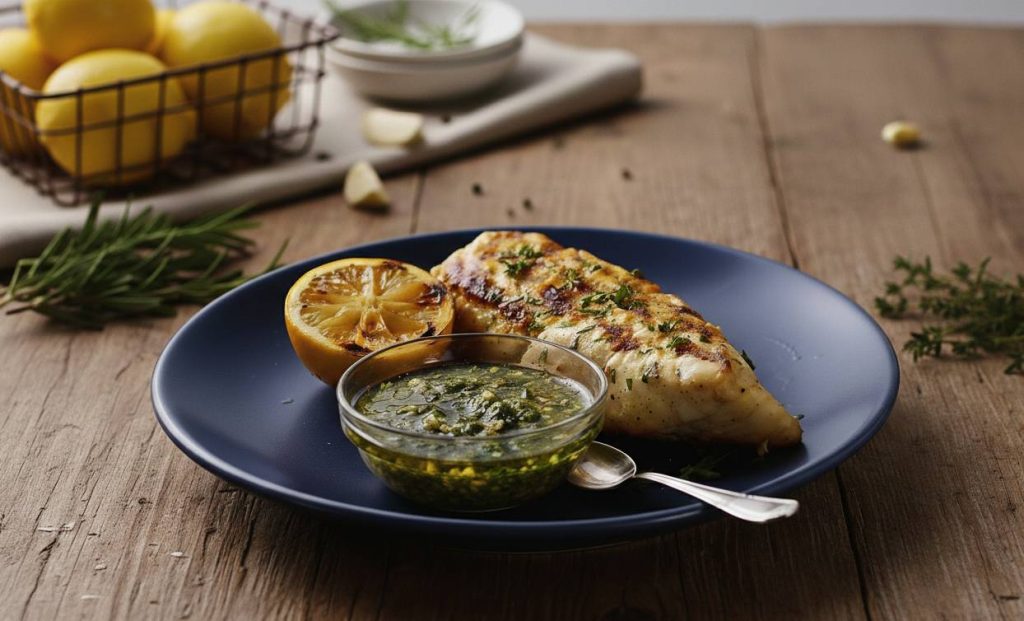
Montagny Wine acidity is important to highlight the citrus seasoning of halibut
International Food pairing with Côte Chalonnaise wines Global Food and Wine Perspective
Mâconais White Wines And International Food
Sashimi and Rully Blanc:
The clean, mineral profile of Rully interacts with the delicate oils of raw fish. The wine’s high pH and acidity cleanse the palate, while its subtle floral notes do not overpower the seafood. This pairing relies on the wine’s ability to act as a structural cleanser, allowing the purity of the fish to emerge.
Thai Green Curry and Bouzeron:
The high acidity of the Aligote grape is crucial for balancing the heat of the green chili. The wine’s citrus notes provide a refreshing contrast to the creamy coconut milk, preventing the spice from dominating the palate or numbing the taste receptors for the duration of the meal.
Grilled Halibut with Lemon and Montagny
This dish relies on the wine’s acidity to highlight the citrus seasoning. The structured body of Montagny matches the firm texture of the halibut, creating a balanced and refreshing dining experience that respects the delicate nature of the white fish and the mineral character of the wine.
Vegetable Tempura and Rully:
The crispness of the fried batter is cut by the vibrant acidity of the Rully. The wine’s mineral finish enhances the natural sweetness of the fried vegetables, ensuring the dish remains light and airy rather than feeling oily, which is a key principle in modern professional pairings
Spicy Shrimp Tacos and Bouzeron
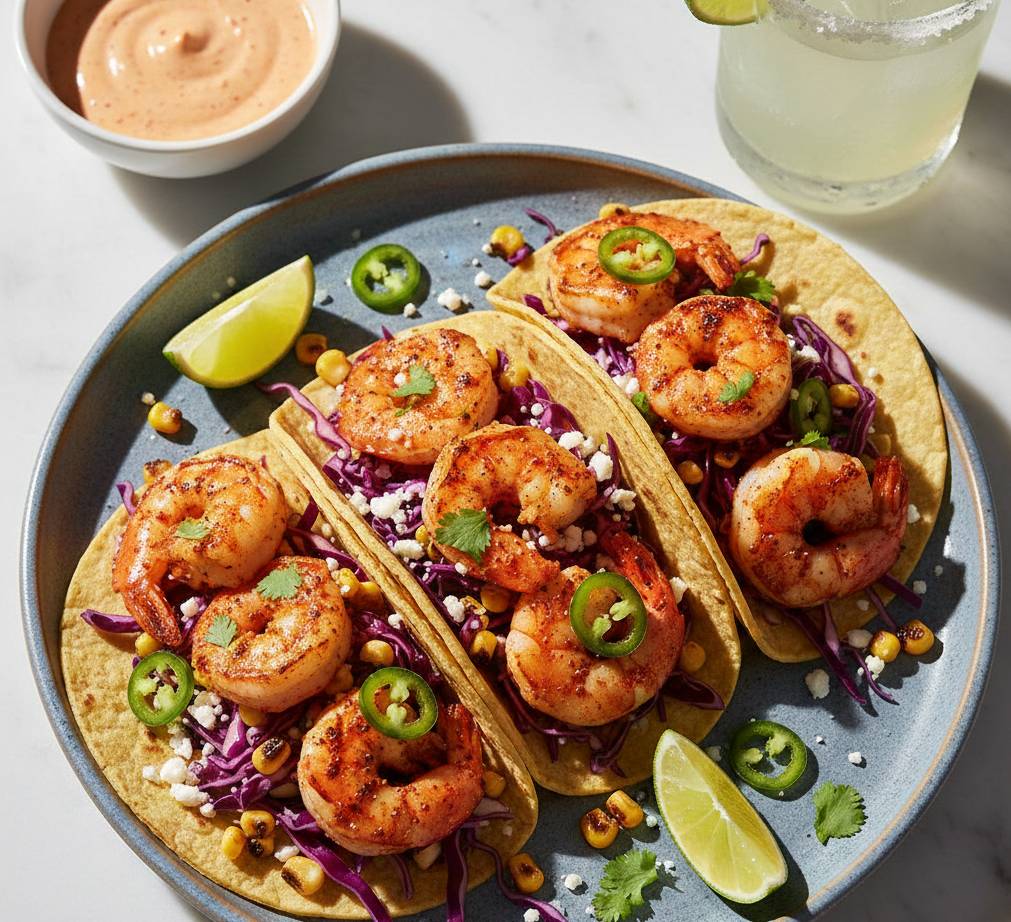
Spicy Shrimp Tacos and Bouzeron
The Aligote’s sharp acidity is the perfect foil for the lime and cilantro. It provides a clean, zesty finish that resets the palate after each spicy bite, making it an ideal companion for vibrant Mexican flavors and high-intensity seasonings found in global coastal cuisines.
Pasta Carbonara and Givry Blanc
The richness of the egg yolk and guanciale requires the roundness and acidity of a white Givry. The wine’s texture matches the creaminess of the sauce while the acidity ensures the fat does not linger on the tongue, creating a professional balance between starch and liquid.
Chicken Tikka Masala and Montagny
The gentle oak influence and fruit density of Montagny can withstand the complex spices. The wine’s acidity provides a necessary lift to the heavy sauce, ensuring the aromatic complexity of the dish is complemented by the wine’s own depth without a clashing of heat.
Goat Cheese Salad and Rully
The high acidity of the Rully matches the tanginess of the goat cheese. The wine’s subtle nutty undertones echo the toasted walnuts, creating a cohesive and elegant flavor bridge that is scientifically grounded in the shared organic acids of the cheese and the wine.
Rully White with Scallops in Lemon Butter
Rully’s white wines often strike a beautiful balance between floral elegance and roundness. When paired with seared sea scallops, the wine’s subtle hazelnut notes and vibrant acidity enhance the sweetness of the shellfish. A light lemon-butter sauce bridges the gap between the wine’s citrus energy and its delicate, buttery texture.
Montagny White with Grilled Sea Bass and Fennel
Montagny is strictly a white wine appellation known for its purity and “steely” character. A grilled sea bass seasoned with fresh fennel and sea salt mirrors the wine’s aromatic profile. The wine’s flinty minerality highlights the delicate flavor of the white fish, while its broad mid-palate ensures it isn’t overshadowed by the char of the grill.
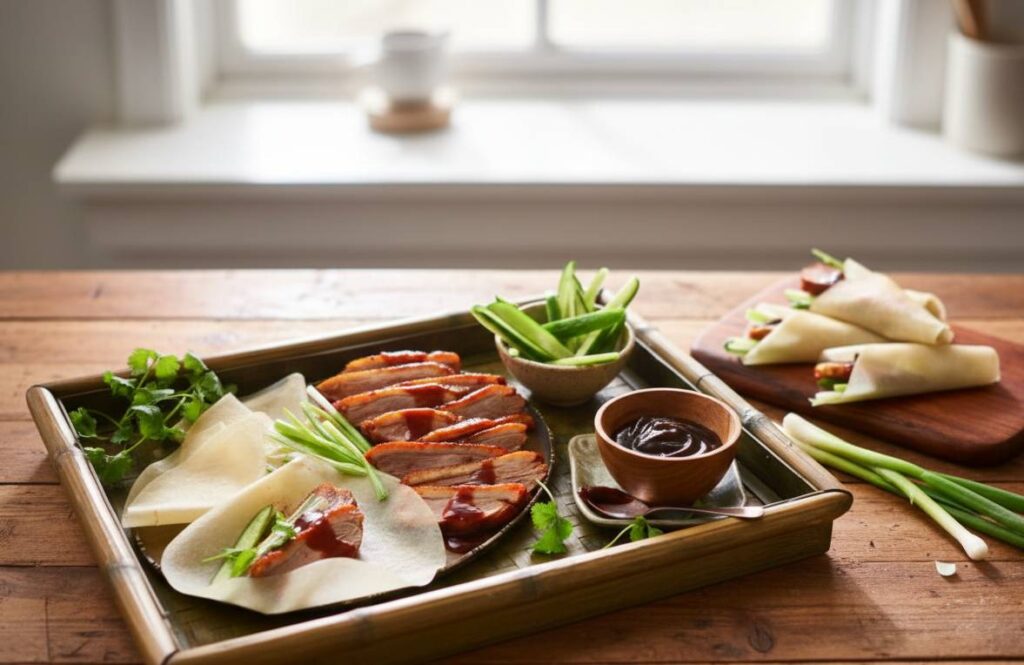
Peking Duck and Givry Red
Côte Chalonnaise Red Wines And International Food
Peking Duck and Givry Rouge
The savory skin of the duck is highlighted by the red fruit and soft tannins of the Givry. The wine’s acidity balances the plum sauce, while its silkiness complements the tender meat without overpowering the delicate spice profile traditionally used in the roasting process.
Givry Red with Roasted Duck Breast
Givry is celebrated for its “silky” red wines that lean toward red fruit and spice. A roasted duck breast (magret de canard) provides the necessary fat and savory depth to match Givry’s fine-grained tannins. The wine’s raspberry and cherry notes act like a natural fruit reduction, elevating the earthy flavors of the game.
Grilled Salmon and Givry Rouge
This pairing works because the Pinot Noir’s tannins are low enough not to clash with the fish oils. The wine’s acidity cuts through the salmon’s fat, providing a balanced and sophisticated match that challenges traditional rules while respecting the chemical composition of the ingredients.
Mushroom Risotto and Mercurey
The earthy profile of the Mercurey is a perfect molecular match for the umami of the mushrooms. The wine’s structure provides a counterpoint to the rice, while its fruit profile adds a layer of complexity to the savory grains and the richness of the parmesan
Lamb Tagine with Apricots and Givry
The subtle spice and dried fruit notes of an aged Givry harmonize with the North African spices. The wine’s acidity prevents the sweetness from becoming cloying, maintaining a professional and balanced relationship between the sweet, savory, and tannic elements of the experience.
Barbecue Pork Ribs and Mercurey:
The smoky flavors of the barbecue sauce are balanced by the earthy, dark fruit character of the Mercurey. The wine’s tannins help to break down the pork fat, resulting in a cleaner finish on the palate after each bite and enhancing the smokiness.
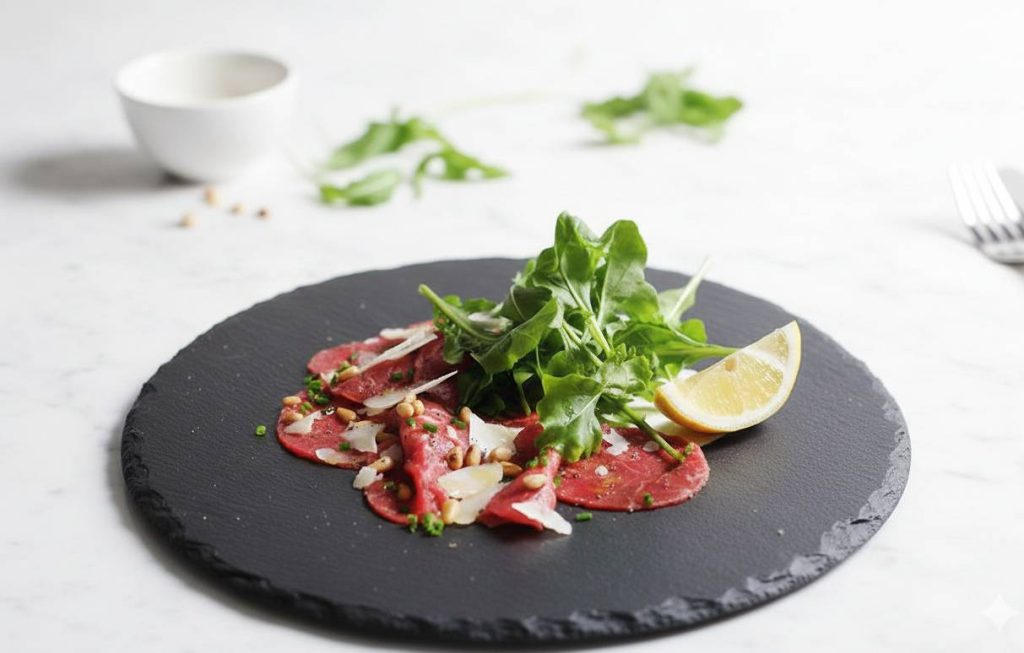
Beef Carpaccio requires soft tannins.
Beef Carpaccio and Givry Rouge
The delicate texture of raw beef requires a wine with soft tannins. A Givry provides the necessary red fruit lift and acidity to enhance the beef without overwhelming the subtle flavors of the olive oil, capers, and lemon dressing used in preparation.
Roasted Eggplant with Miso and Mercurey
The deep umami of the miso glaze finds a partner in the savory notes of the Mercurey. The wine’s acidity provides a refreshing contrast to the eggplant, while its earthy finish mirrors the fermented characteristics of the miso for a modern vegetarian pairing.
Venison Chili and Mercurey
The lean meat and complex spices of the chili are well-supported by the firm tannins of the Mercurey. The wine’s structure ensures that it is not lost amidst bold flavors, providing a sturdy backbone to the spicy and protein-heavy dish without becoming astringent.
A Journey Through the Southern Hills: The Cote Chalonnaise Awaits Discover the Unsung Excellence of Burgundy's Heart
The Cote Chalonnaise represents a unique destination for the discerning traveler and the dedicated oenophile alike. By offering a more intimate and accessible exploration of the Burgundian terroir, this region provides a wealth of gastronomic opportunities that are both traditional and innovative. Whether you are wandering through the limestone cellars of Rully or enjoying a meal in the vibrant squares of Givry, the connection between the land and the glass is unmistakable. We invite you to experience this harmony firsthand and discover why these wines are essential for any modern palate seeking authentic, professional, and scientifically balanced wine and food experiences that celebrate the southern spirit of Burgundy.
Côte Chalonnaise Wines Pairing In a Nutshell
Cote Chalonnaise wine pairing is defined by mineral precision and accessible elegance. To master it, remember these three core interactions:
-
The Acid-Lipid Emulsification (White Wines) Chalonnaise whites, led by the Chardonnay grape in Rully and Montagny, are famous for their vibrant acidity and limestone-driven mineral tension. This acidity is the ultimate weapon against the region’s rich butter-based sauces and cream-heavy dishes. When paired with Escargots de Bourgogne or a rich Poulet Gaston Gerard, the wine’s acidity “cuts” through the fat, effectively emulsifying the lipids on the palate. This refreshes the senses after every bite, preventing the dairy-rich Burgundian meal from feeling overly heavy.
-
The Tannin-Protein Binding (Red Wines) The red wines, particularly from Mercurey, carry a more “robust” and earthy structure compared to their northern neighbors. These wines thrive when paired with Charolais beef or traditional Boeuf Bourguignon. The firm tannins in the Pinot Noir bind to the meat’s proteins through molecular attraction. This process simultaneously softens the perception of the wine’s astringency while highlighting the savory, umami depths of the slow-cooked meat, creating a seamless bridge between the glass and the plate.
-
The Zesty-Saline Contrast (Bouzeron Aligote) For the unique appellation of Bouzeron, the pairing is about sharpness and textural clarity. Its zesty, citrus-forward character and saline finish are designed to balance the pungent, creamy textures of local cheeses like Epoisses or the salt-cured nature of Jambon Persille. The wine acts as a liquid razor, slicing through the heavy, coating nature of the cheese or gelatin, while the saline notes harmonize with the savory salt levels of the charcuterie.
In short:
Mercurey + Red Meat/Game = Structural Balance and Protein Softening.
Givry + Poultry/Rabbit = Silky Fruit Harmony and Texture.
Rully/Montagny + Butter/Cream = Palate Cleansing and Lipid Refreshment.
Bouzeron + Pungent Cheese = Acidic Contrast and Saline Depth.