

The Douro Valley is not merely a place where wine is made; it is a geological miracle of Portugal carved by human hands over two millennia. As one of the world’s oldest demarcated wine region, its steep, terraced slopes of schist rise dramatically from the riverbanks, defying gravity and the scorching Iberian sun. To breathe the air here is to inhale the scent of ripening Touriga Nacional and the river’s humid pulse. This guide serves as your portal into a landscape where tradition is bottled, and every glass of Port or robust Douro Tinto tells a story of survival, elegance, and the timeless rhythm of the harvest.
The Douro’s character is dictated by its geology. The vertical layers of schist rock allow vine roots to plunge deep into the earth, seeking water during the blistering, arid summers. Shielded by the Marão Mountains from the Atlantic’s rain, the region experiences a “Mediterranean-on-Schist” climate. From the cooler, greener Baixo Corgo to the rugged, scorching Douro Superior near the Spanish border, each microclimate creates a distinct profile, ranging from fresh and floral to opulent and concentrated.
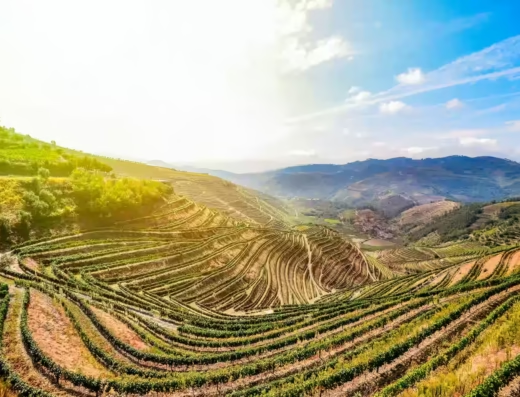
The defining feature of the Douro is its awe-inspiring terraced vineyards, known as socalcos. These narrow stone walls, built by hand over generations without mortar, hug the steep slopes of the river valley, creating a monumental stair-step landscape that defies belief. This unique architecture is not just for aesthetics; it’s a critical part of the winemaking process.
The terraces prevent soil erosion and allow for grape cultivation on gradients that would otherwise be impossible. The sheer physicality required to build and maintain these terraces is immense, and for a long time, grapes could only be harvested by hand. More recently, some modern quintas have created wider, mechanized terraces called patamares, but the historic, hand-built socalcos remain the iconic symbol of the region.
The Douro’s winemaking tradition is built on a stunning diversity of indigenous grapes, with over 80 different varieties authorized for use. Many of these grapes are planted in traditional “field blends,” where multiple varieties are grown and harvested together, adding layers of complexity to the final wine that a single-varietal could never achieve.
While many grapes are used, five main red varieties are considered the noble quintet of the Douro, forming the backbone of both Port and high-quality red table wines:
Touriga Nacional: Widely regarded as Portugal’s finest red grape, it is the star of the show. It brings intense, inky color, a firm tannic structure, and powerful, complex aromas of dark berries, violets, and a subtle herbaceous note.
Touriga Franca: Less tannic than Touriga Nacional, it is highly valued for its elegant aromatic lift. It provides a crucial floral character (wild roses) and soft, silky tannins to the blend, contributing to its approachability and balance.
Tinta Roriz (Tempranillo): Known for its versatility and early ripening, this grape adds a savory quality, ripe red fruit flavors, and a firm tannic structure, contributing to the wine’s longevity. It’s an essential component for both Port and dry reds.
Tinta Barroca: A thick-skinned grape that ripens early and thrives in the heat. It offers plush, ripe fruit flavors and an opulent texture, providing an important counterpoint to the more structured varieties in a blend.
Tinta Cão: An ancient, low-yielding variety that contributes high acidity, fine tannins, and a unique spicy character (sometimes described as black pepper) to the final blend, adding a layer of sophisticated complexity.
While less famous than the reds, Douro’s white wines are a revelation. Produced primarily from a blend of native grapes grown at higher altitudes, they offer a refreshing counterpoint to the region’s powerful reds.
Viosinho: A low-yielding grape that brings a rich texture, aromatic complexity, and notes of stone fruit and citrus. It is a key contributor to the body and weight of many Douro white blends.
Rabigato: The key to freshness in Douro whites. It is known for its high natural acidity and distinct mineral character, ensuring the wines are crisp and vibrant.
Gouveio: It provides structure and weight, with a nutty, apple-like flavor profile. It’s a versatile grape that can be used to create both light and full-bodied wines.
The history of the Douro is a chronicle of pioneering viticulture. While the Romans first planted vines here, the region’s modern identity was forged in 1756 when the Marquis of Pombal established the world’s first formal appellation boundaries to protect the integrity of Port wine. A major milestone occurred in the mid-20th century with the “Douro Revolution,” as producers proved that the region’s rugged terroir could produce world-class dry red wines alongside its legendary fortified treasures. Today, it stands as a UNESCO World Heritage site, preserved in stone and vine
Douro wines are an unmissable experience, reflecting the unique balance of their terroir. They possess a powerful structure that is tempered by a profound elegance.
Douro Reds (DOC): These wines are typically full-bodied, rich, and powerful, but with a surprising finesse. They are characterized by a generous fruit profile of blackberry, plum, and cassis, intertwined with notes of spice, licorice, and a distinct minerality from the schist. A backbone of firm tannins and a lively acidity gives them superb aging potential. With age, they evolve to show notes of leather, tobacco, and dried fruit, becoming incredibly complex.
Douro Whites (DOC): The white wines are a world away from the reds. Grown at higher altitudes where the temperature is cooler, they are fresh, mineral-driven, and aromatic. They offer a delightful complexity with notes of citrus, stone fruit, and sometimes a creamy texture, particularly in those aged in oak. Their high acidity makes them incredibly food-friendly and also ensures they can age for several years.
Port Wines: The heart and soul of the Douro. From the youthful, fruit-forward Ruby to the complex, nutty Tawny and the iconic, age-worthy Vintage Port, these fortified wines showcase the full potential of the region’s grapes and a centuries-old tradition. They range from sweet and approachable to intensely complex and concentrated, with an unmatched ability to age for a lifetime.
While the dry table wines of the Douro are gaining international acclaim, it is Port wine that remains the undisputed king of the region. This iconic fortified wine is a product of centuries of tradition, unique terroir, and a fascinating history. Its creation is a direct result of the Douro’s schist soils, extreme climate, and the ingenuity of its people.
What makes Port so special is its incredible diversity, offering a style for every palate and every occasion. All Port wines begin with the same process: grapes are fermented, but the fermentation is stopped early by adding a neutral grape spirit (brandy). This fortification kills the yeast, leaving residual sugar in the wine and creating a higher alcohol content, resulting in a sweet, rich, and powerful wine.
Douro wines, with their intensity and structure, are a perfect match for rich, savory dishes.
With Douro Red (DOC): Their robust character demands an equally hearty meal. Think slow-roasted lamb, game meats like wild boar, or the region’s famous Feijoada à Transmontana (a hearty bean and meat stew). The tannins in the wine will soften with the fat of the meat, creating a beautiful balance. For something simpler, a well-structured Douro red is a perfect match for a grilled steak or rich aged cheeses.
With Douro White (DOC): Their vibrant acidity and minerality make them a superb partner for seafood and lighter poultry. A bottle of Douro white is a fantastic pairing for grilled sardines, roasted chicken, or a fresh seafood platter. The richer, barrel-aged versions can stand up to creamy seafood dishes or even lighter pork preparations.
With Port: The pairings depend on the style. A youthful Ruby or Vintage Port is a classic match for strong, salty cheeses like Stilton or a decadent chocolate dessert. An aged Tawny is exceptional with nutty desserts, dried fruits, crème brûlée, or simply as a digestif to cap off a wonderful meal.
A trip to the Douro Valley is an unforgettable journey. The breathtaking, terraced landscape is a sight to behold, and the best way to experience it is to immerse yourself in the culture.
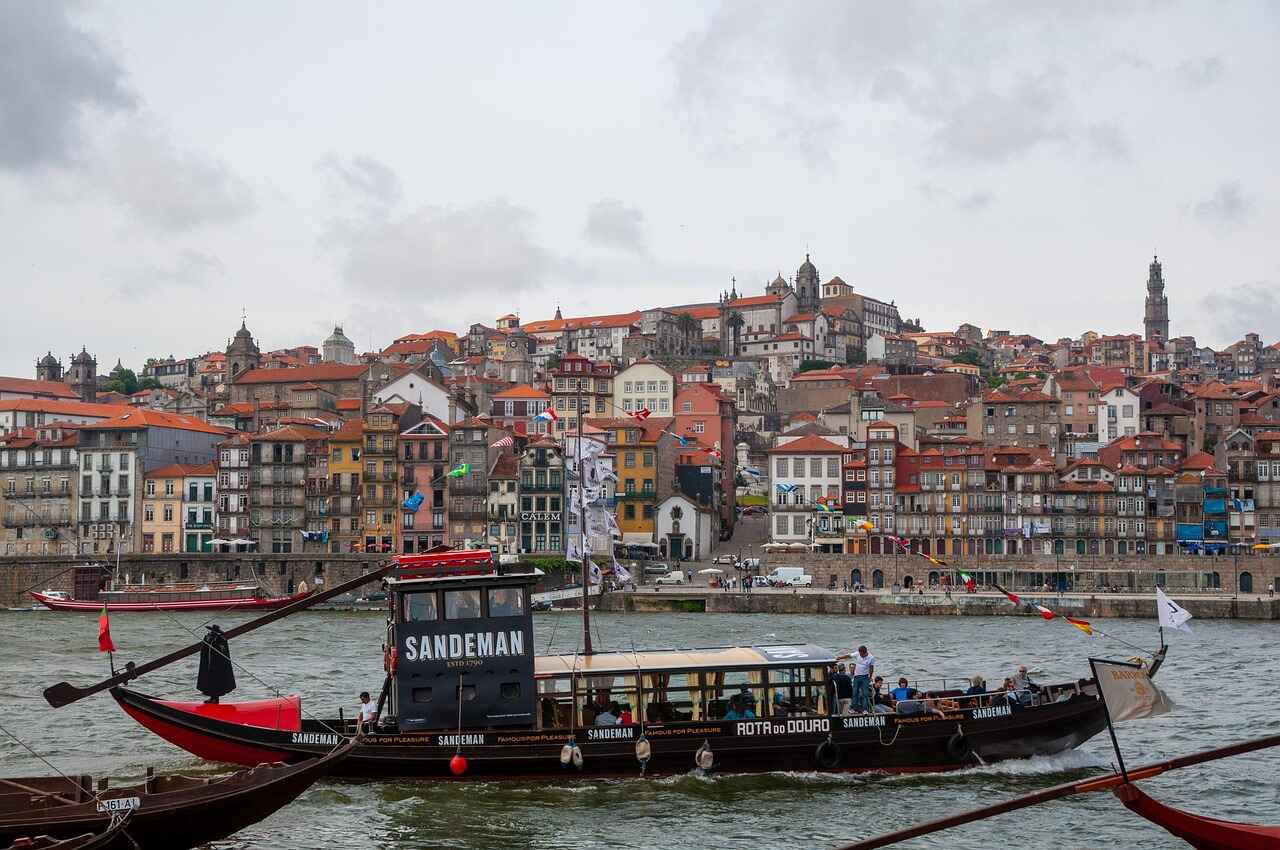
River Cruises: One of the most iconic ways to see the Douro is by a river cruise on a traditional rabelo boat or a modern vessel. This offers unparalleled views of the terraced vineyards and the majestic river itself, allowing you to appreciate the scale and beauty of this UNESCO site.
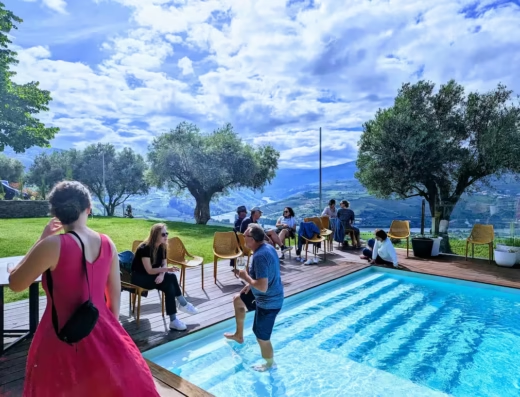
Quinta (Winery) Visits: The Quintas are the soul of the region. Many offer guided tours, tastings, and even luxury accommodations. You can learn about the traditional method of foot-treading grapes in granite tanks (lagares) and see firsthand how the region’s celebrated wines are made. Many Quintas have restaurants offering authentic regional cuisine.
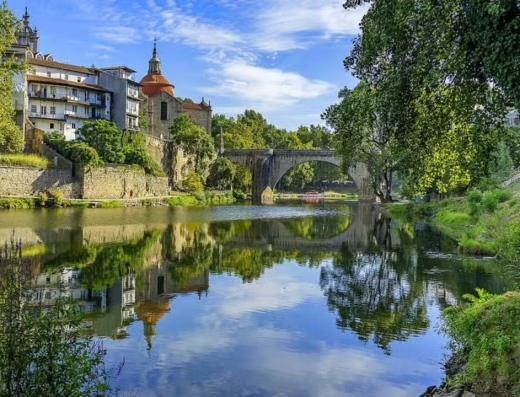
Historic Towns: Explore charming towns like Pinhão, known for its beautiful train station with blue tile murals depicting the history of wine, and Peso da Régua, the commercial center of the valley. These towns serve as a hub for exploring the valley and are filled with local shops, restaurants, and historical sites.
Whether you’re a connoisseur of Port, a lover of powerful red wines, or a traveler in search of a stunning landscape, the Douro offers an experience that is deeply historic, profoundly beautiful, and endlessly rewarding. It’s a journey that will leave a lasting impression on all your senses.
“Most visitors stick to the riverbanks, but for the true magic of the Douro, head to the ‘miradouros’ (viewpoints) in the hills above Pinhão at dawn. The mist rising off the water through the vines is a sight few travelers ever see, and it’s the best time to chat with the local growers as they begin their day”
September for the harvest atmosphere or May for pleasant hiking weather
A scenic train ride from Porto is iconic, but a private driver allows for deeper exploration of the high-altitude Quintas.
While luxury estates exist, the Douro offers incredible value for high-quality dry red wines.
Possible, but staying at least two nights in a local Quinta is recommended to truly feel the region’s pulse
No, over 50% of production is now focused on world-class non-fortified red and white wines.