
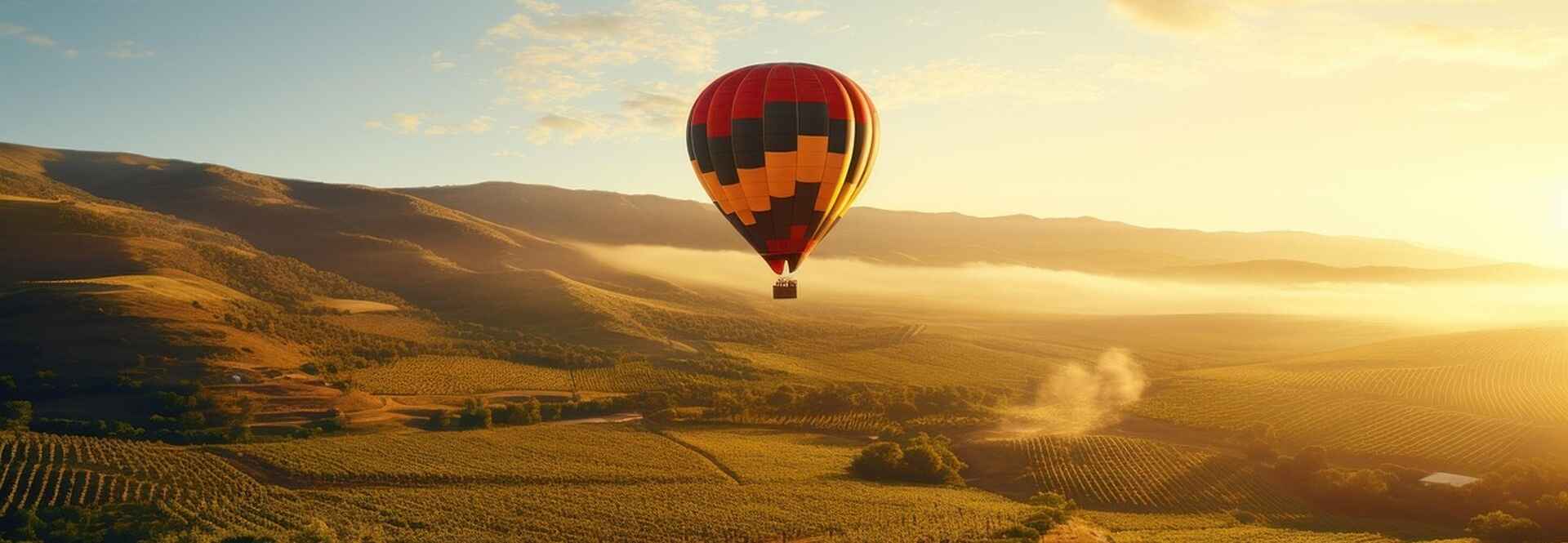
The Alchemy of Portugal: Sun, Soil, and the Art of Winemaking Ultimte guide about Portugal wine country
Portugal, a nation celebrated for its maritime heritage and vibrant culture, is equally renowned as a truly exceptional wine country. Nestled on the Iberian Peninsula, this captivating land boasts a winemaking history stretching back millennia, offering a tapestry of diverse terroirs, indigenous grape varieties, and compelling wine styles that captivate wine lovers globally. From the dramatic, terraced slopes of the Douro Valley to the sun-kissed plains of Alentejo and the refreshing whites of Vinho Verde, Portugal promises an unforgettable journey for the senses.
A Deep Dive into the History of Viticulture in Portugal Echoes of Millennia
The story of Portuguese wine is not merely a chapter but an epic saga, deeply intertwined with the nation’s tumultuous and triumphant history. Its roots delve so far back into antiquity that tracing a single origin point is challenging, but archaeological evidence and historical texts paint a vivid picture of a land long blessed by the vine.
Ancient Origins and Classical Influences (Circa 2000 BC - 5th Century AD):
While evidence suggests viticulture may have existed in the Iberian Peninsula as early as the Bronze Age, the most significant early influences arrived with maritime traders. The Phoenicians, skilled seafarers and merchants, are believed to have introduced sophisticated winemaking techniques and grape varieties around 2000 BC. Following them, the Greeks, from the 7th century BC, further cemented wine’s place, establishing trading posts and undoubtedly sharing their viticultural knowledge.
However, it was the Romans, commencing their conquest of the Iberian Peninsula in the 2nd century BC, who truly revolutionized and codified winemaking in what they called “Lusitania.” They established large-scale vineyards, developed sophisticated infrastructure for production and storage, and integrated wine deeply into their social and economic life. Roman writers like Pliny the Elder praised Lusitanian wines, particularly those from the Lisbon (then Olissipo) region. Roman amphorae found across the empire bear witness to the early export of Portuguese wines
Medieval Endurance and Moorish Interlude (5th - 12th Centuries)
Following the fall of the Roman Empire, the Iberian Peninsula faced successive waves of Germanic invasions (Visigoths, Suebi). Despite the political upheaval, winemaking largely endured, often sustained and developed within monasteries and by the local populace. The arrival of the Moors from North Africa in the 8th century brought a complex period. While Islam generally prohibits alcohol, the pragmatic rulers often tolerated Christian wine production, especially in areas with established viticultural traditions, due to its economic importance and for tax revenue. Some sources even suggest the Moors, with their advanced agricultural techniques, might have introduced new irrigation methods beneficial to viticulture.
The Birth of a Nation and Early Trade (12th - 15th Centuries):
With the Reconquista and the formation of the independent Kingdom of Portugal in the 12th century, winemaking flourished once more under Christian rule. Monasteries continued to be centers of viticultural knowledge and production. By the 14th century, Portugal was actively trading wines with England, a relationship that would become critically important. The Treaty of Windsor in 1386, establishing the Anglo-Portuguese Alliance, provided a foundational agreement for this trade, giving Portuguese wines preferential access to the lucrative English market.
Challenges, Renaissance, and Modernity (19th Century - Present)
The 19th century brought severe challenges, including the devastating phylloxera epidemic which wiped out vast swathes of vineyards. Recovery was slow and arduous, often leading to a focus on quantity over quality, particularly during the mid-20th century under the Estado Novo regime, which favored bulk wine cooperatives.
However, Portugal’s entry into the European Union in 1986 marked a turning point. Significant investment in vineyards, wineries, and technology, coupled with a renewed focus on indigenous grape varieties and modern winemaking techniques, ignited a true renaissance. Winemakers began to rediscover the potential of their unique terroirs and hundreds of native grapes, moving beyond the shadow of Port to produce world-class dry table wines that express the unique character of Portugal. Today, Portugal stands as one of the most exciting and dynamic wine countries, blending its ancient heritage with cutting-edge innovation.
The Age of Discovery and the Rise of Fortified Wines (15th - 18th Centuries)
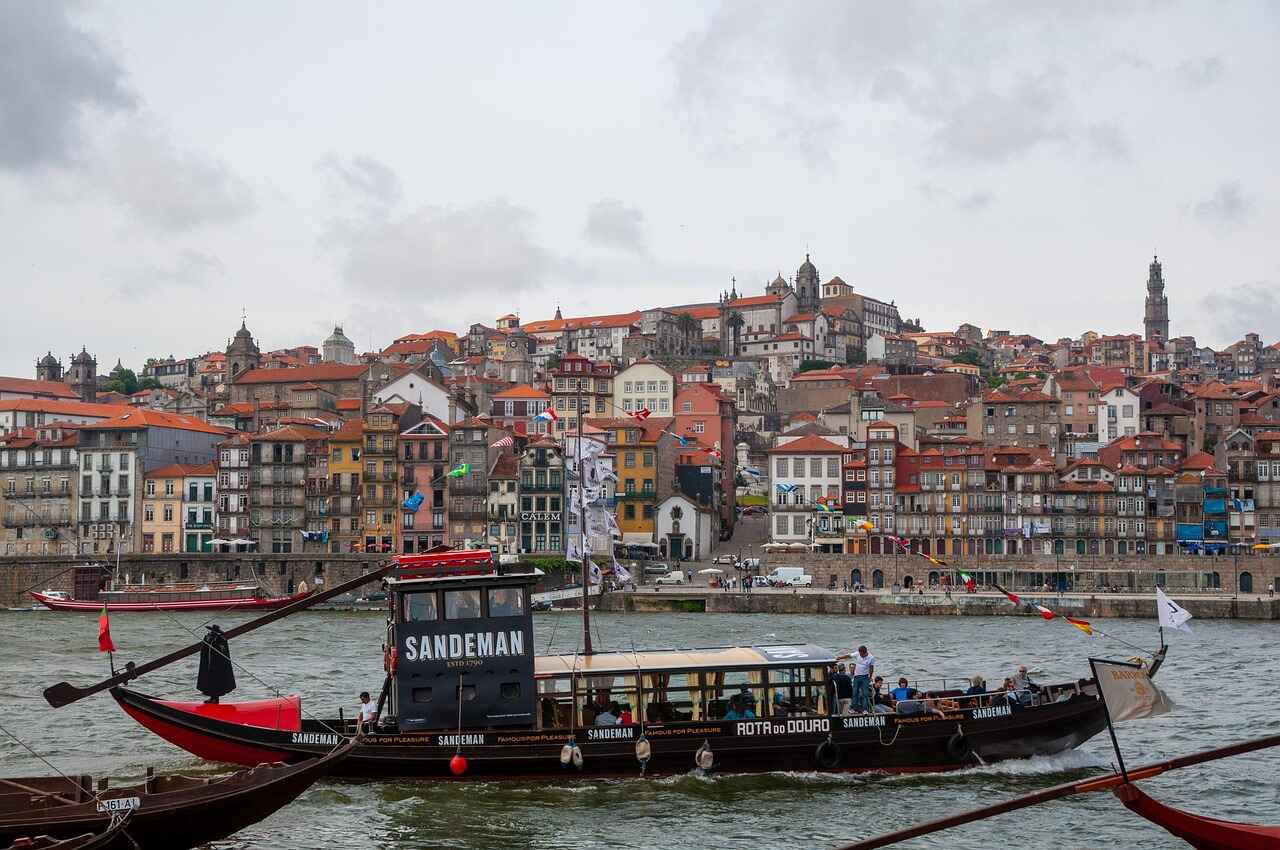
Port is maybe the most iconic wine of Portugal and Porto its birth place
The 15th century ushered in Portugal’s “Age of Discovery,” a period of unparalleled exploration and empire-building. This era, perhaps serendipitously, gave birth to two of Portugal’s most iconic wine styles: Port and Madeira. As long sea voyages became common, winemakers discovered that adding a small amount of brandy to the wine not only prevented spoilage but also preserved residual sugar, creating a more stable, higher-alcohol, and ultimately more complex product. This practice became standard for wines destined for distant markets, particularly England.
The 17th and 18th centuries saw the formalization of the Port wine trade, driven largely by English merchants. In 1756, the Marquês de Pombal famously demarcated the Douro Valley, establishing it as the world’s first officially demarcated wine region, regulating production and ensuring quality, largely to combat fraud. This foresight laid the groundwork for the modern appellation system.
Iconic Wine Regions and Styles: A Kaleidoscope of Flavors and Cultural Tapestry
Portugal’s small size belies its incredible viticultural diversity, boasting 14 demarcated wine regions. This rich mosaic allows for an astonishing array of wine styles, from robust reds to crisp whites and unique fortified treasures. Crucially, each region is not just a geographical area, but a vibrant cultural landscape, shaped by centuries of human endeavor, tradition, and a deep connection to the land.
Douro Valley: The Majestic Heart of Port, Powerful Reds, and Heroic Viticulture
The Douro Valley, a UNESCO World Heritage site since 2001, is perhaps Portugal’s most famous wine region and one of the oldest demarcated wine regions in the world (dating back to 1756). Here, “heroic viticulture” is practiced on breathtakingly steep, terraced vineyards (socalcos or patamares) carved into the schistous hillsides – an awe-inspiring testament to generations of human labor and ingenuity. This dramatic landscape, sculpted by the Douro River, is a living museum. While synonymous with the world-renowned Port wine (Vintage, Tawny, Ruby), the Douro also produces increasingly celebrated full-bodied, structured red table wines, often made from indigenous grapes like Touriga Nacional, Touriga Franca, and Tinta Roriz.
Cultural Insights: Beyond the bottle, the Douro offers an immersion into ancient traditions. Visitors can still witness the practice of foot-treading grapes in traditional granite lagares, a time-honored ritual that connects modern production to a timeless past. The stately quintas (wine estates) themselves are often architectural gems, many with intricate azulejos (painted ceramic tiles) depicting scenes of harvest or daily life, reflecting the region’s rich artistic heritage. River cruises along the Douro provide unparalleled views of this dramatic, vineyard-clad landscape, allowing one to appreciate the sheer scale of human effort involved in shaping this magnificent wine country.
Alentejo: Sun-Soaked Plains, Generous Wines, and Rustic Charm
Stretching across nearly a third of mainland Portugal, Alentejo is a region of rolling plains, cork forests, and sun-drenched vineyards. Known for its warm, welcoming climate, Alentejo produces smooth, fruit-forward red blends, often featuring grape varieties such as Aragonez (Tempranillo), Alicante Bouschet, and Trincadeira. The region has also gained recognition for its commitment to sustainable winemaking practices and its ability to craft distinctive wines from both indigenous and international grape varieties.
Cultural Insights: The Alentejo embodies a rustic, timeless charm. Its vast landscapes are dotted with ancient dolmens, Roman ruins, and charming whitewashed hilltop towns, often crowned by medieval castles. The presence of sprawling cork forests is a unique cultural and economic feature; Portugal is the world’s largest cork producer, and this sustainable industry is deeply intertwined with the region’s identity and its wine. The pace of life here is slower, reflecting a deep connection to the land and its agricultural rhythms. Visitors can enjoy hearty, traditional Alentejan cuisine, often cooked in clay pots, perfectly paired with the region’s generous wines, embodying the warmth of Portuguese hospitality.
Vinho Verde: Youthful Vibrancy, Green Coasts, and Maritime Influences
In the verdant northwest, the Vinho Verde region is named for its “green” or “young” wines. These wines are celebrated for their refreshing acidity, light body, and often a slight effervescence, making them perfect for warmer weather. Primarily white, they are made from grape varieties like Alvarinho, Loureiro, and Arinto, offering bright notes of citrus and green apple.
Cultural Insights: This region is characterized by its lush, Atlantic-influenced landscape, where vines often grow on high trellises to maximize air circulation. The local culture here is vibrant and deeply tied to the coastal and agricultural traditions. Small, family-owned quintas are common, often reflecting generations of winemaking knowledge. The wine itself perfectly complements the region’s famous fresh seafood and light, vibrant cuisine. The cultural experience is one of cool breezes, verdant scenery, and lively, refreshing moments, whether enjoying a glass by the sea or in a bustling local market.
Bairrada: The Boldness of Baga, Sparkling Delights, and Unique Terroire)
Located along a coastal strip with strong Atlantic influence, the Bairrada region is a fascinating study in contrast. It’s the undisputed capital of Portuguese sparkling wine, with roughly two-thirds of the nation’s espumante production originating here. Yet, Bairrada is equally famed for its deep-colored, tannic red wines, predominantly crafted from the formidable Baga grape. When grown on the region’s characteristic clay-limestone soils, Baga can produce wines of remarkable structure and aging potential, often drawing comparisons to Nebbiolo or Pinot Noir. Beyond Baga, you’ll also find Alfrocheiro, Touriga Nacional, and a growing presence of international varieties.
Cultural Insights: Bairrada’s unique terroir, with its specific clay-limestone soils, has fostered a distinct viticultural identity centered around the challenging yet rewarding Baga grape. This region is a testament to the dedication of winemakers who have mastered this indigenous varietal. Culturally, Bairrada is famous for its culinary specialty: leitão assado (roasted suckling pig), a rich and succulent dish that finds its perfect counterpart in a bold, high-acid Baga red or the crisp effervescence of a local sparkling wine. This strong food and wine pairing tradition is a cornerstone of the region’s cultural fabric, highlighting how deeply intertwined gastronomy and viticulture are in Portugal.
Dão: The Heart of Portugal
Nestled among mountains in the center of the country, Dão is often referred to as the “Burgundy of Portugal” for its focus on elegant, structured red wines. Its vineyards, scattered among pine forests, are protected from harsh Atlantic winds, resulting in a temperate climate with hot summers and cold winters. The region’s granitic soils are a key factor in the wines’ character, lending a distinct freshness and mineral edge. While Touriga Nacional is the star red grape, Dão’s wines are often blends with other local varieties like Alfrocheiro and Jaen (the same grape as Spain’s Mencía). The white wines, particularly those made from the Encruzado grape, are highly prized for their complexity and ability to age beautifully.
Lisboa: The Capital's Diverse Terroir
The sprawling Lisboa region, formerly known as Estremadura, is a hub of winemaking that runs north of the capital city. Its proximity to the Atlantic Ocean means a strong maritime influence, creating a wide range of microclimates and soil types. This diversity allows for the production of everything from light, crisp whites from grapes like Arinto and Fernão Pires to robust, full-bodied reds. The region is home to several smaller, quality-focused sub-regions, such as Bucelas, known for its elegant Arinto whites, and Colares, a small, coastal area that produces rare, phylloxera-resistant wines from ungrafted vines planted in sandy soil.
Tejo: The River's Embrace
Located in the heart of Portugal along the Tagus (Tejo) River, this region was once known as Ribatejo. The river is the lifeblood of the area, providing fertile alluvial soils on its banks and shaping the climate. Tejo is a region of great versatility, producing a wide range of easy-drinking and value-driven wines. It’s a land of plenty, where both indigenous grapes like Fernão Pires and Trincadeira thrive alongside international varieties. Today, a new generation of winemakers is focusing on quality and innovation, producing everything from crisp whites to fruit-forward reds and even some rosé wines.
Trás-os-Montes: Beyond the Mountains
Literally meaning “behind the mountains,” this remote region in the northeast of Portugal is, as its name suggests, protected by a series of mountain ranges. The climate here is more continental, with hot, dry summers and cold winters. The vineyards are planted at a range of altitudes on schist and granite soils, producing bold and aromatic wines. While often overlooked, Trás-os-Montes is a region of great potential, known for its powerful red wines from grapes like Touriga Nacional and Bastardo, as well as refreshing whites.
Madeira & The Azores: Island Treasures
Off the mainland coast, Portugal’s island territories offer truly unique wine experiences. The volcanic island of Madeira is world-famous for its namesake fortified wine. Madeira’s winemaking process involves intentionally heating the wine, which gives it its distinct nutty and oxidized character. The style ranges from dry (Sercial) to sweet (Malvasia), and the wines are legendary for their longevity. Further out in the Atlantic, the Azores archipelago is home to several small, windswept wine regions. The vines, often grown in small plots surrounded by volcanic stone walls to protect them from the elements, produce unique and mineral-driven wines, including those from the UNESCO-protected vineyards of Pico Island.
Peninsula of Setubal
This peninsula south of Lisbon is a region of two halves. While it is best known for its sweet, fortified Moscatel de Setúbal wine, it also produces high-quality dry reds from the Castelão grape and other varieties. The wines from the Palmela DOC are particularly celebrated for their complexity and character.
Portugal in Numbers: A Snapshot of a Thriving Wine Industry
Portugal’s wine industry, while not the largest globally, is remarkably vibrant and diverse.
Portugal consistently produces around 6.1 to 6.5 million hectoliters of wine annually.
Vineyard Superficy:
Approximately 190,322 hectares are under vine across the country.
This is where Portugal truly shines! With over 250 indigenous grape varieties, Portugal boasts the greatest diversity of grape varieties per square kilometer in Europe. Many of these, like Touriga Nacional, Baga, and Arinto, are found almost exclusively within Portugal, contributing to the unique character of its wines.
Exports: Italian wine is a beloved export, with significant volumes shipped worldwide. In 2023, Italy’s wine exports reached an impressive $8.73 billion, making it the second-largest wine exporter by value globally. The United States, Germany, and the United Kingdom are key markets, eager for the diverse range of Italian wines, from premium DOCG reds to popular Prosecco..
Global Standing: In recent years, Portugal has steadily climbed the ranks, often placing among the world’s top 10 wine exporting nations.
Appellations and Classifications: Defining Quality and Terroir
Portugal’s wine classification system is a modern framework designed to protect and promote the quality of its wines. The top tier is the Denominação de Origem Controlada (DOC), which mandates strict regulations on grape varieties, yields, and winemaking practices. A level below is the Indicação Geográfica Protegida (IGP), which offers more flexibility, and at the base is the Vinho, a simple table wine. This hierarchy ensures that consumers can trust the authenticity and quality of Portuguese wines, particularly those bearing the DOC seal.
A Guide to Portugal Terroir
Terroir, a concept encompassing the unique combination of climate, soil, and topography, is the defining force behind Portugal’s wines. The country’s varied landscape, from the Atlantic coast to the inland mountains, creates a mosaic of distinct terroirs, each imparting a unique character to the grapes and the resulting wines.
Climate and Its Influence on Wine
Portugal’s climate is predominantly influenced by the Atlantic Ocean, which brings cooling, moist air to the western and northern coastal regions. This maritime influence creates a milder, wetter climate, ideal for producing fresh, high-acid white wines and elegant reds, particularly in regions like the Vinho Verde and Bairrada. In contrast, the interior and southern regions, such as the Douro and Alentejo, experience a continental and Mediterranean climate, characterized by hot, dry summers and cold winters.
The Douro Valley, in particular, is a dramatic example of this, with its deep, narrow river valley acting as a thermal regulator, protecting the vines from the harshest coastal winds. Here, the intense heat ripens grapes to a high degree of concentration, resulting in bold, full-bodied reds and the fortified wines for which the region is famous. The diurnal shift—the difference between daytime and nighttime temperatures—is also a key factor. In many regions, the significant drop in temperature overnight helps the grapes retain acidity and aromatic complexity, balancing the ripeness achieved during the day. This is crucial for creating well-structured wines that are both powerful and elegant.
Soils and Topography: Terroir in Action
Portugal’s landscape is a testament to its geological diversity, with ancient soils and dramatic topography shaping the character of its wines. The Douro Valley provides a prime example of this interplay. Here, the vineyards are carved into steep, terraced hillsides, often on schist and granite soils. Schist, a dark, layered metamorphic rock, is particularly effective at retaining heat, which helps ripen the grapes in this cooler, more rugged environment. It also allows the vine roots to penetrate deep into the subsoil in search of water, creating concentrated, mineral-driven wines with a distinct, often spicy character.
In contrast, the Bairrada region is defined by its clay-limestone soils. This combination is ideal for the Baga grape, as the limestone helps maintain acidity and structure, while the clay retains moisture, protecting the vines from drought. This terroir produces wines with firm tannins, high acidity, and a notable earthy or mineral quality. Further south, the Alentejo region features a different landscape entirely, with gently rolling plains and a mix of soils, including granite, schist, and limestone. These soils, combined with the hot, arid climate, produce wines that are often rich, ripe, and fruit-forward, with soft tannins and a velvety texture. These regional differences highlight how Portugal’s diverse geological makeup and varied terrain are fundamental to the expression of its wines, providing a powerful sense of place in every bottle.
Portugal's Vinous Tapestry: Weaving a Story of Grapes and Terroir
Portugal’s extraordinary diversity of indigenous grape varieties is arguably its greatest viticultural asset, offering a wealth of unique aromas, flavors, and textures not found anywhere else. These are the grapes that truly define the character of Portuguese wines.
Signature White Grapes and Styles
Alvarinho
A signature grape of the Vinho Verde region, it produces aromatic and crisp wines with vibrant notes of passion fruit, peach, and citrus. These wines are known for their high acidity and subtle salinity.
Encruzado
Predominantly grown in the Dão region, Encruzado offers elegant and structured white wines. It has a notable minerality and can be aged in oak, developing complex notes of toasted nuts, lemon curd, and a creamy texture.
Arinto
Found throughout the country, this versatile grape is prized for its high acidity, even in hot climates. It creates fresh, zesty wines with flavors of green apple, lemon, and a distinctive mineral quality, making it a key blending component.
Verdelho
Thriving in warmer regions like the Azores and Alentejo, Verdelho produces full-bodied white wines with rich texture and a spicy character. The wines often have notes of tropical fruit, grapefruit, and a hint of salinity.
Signature Red Grapes and Styles
Touriga Nacional
Considered Portugal’s most noble red grape, it is the cornerstone of Port and premium red wines from the Douro and Dão. It yields deeply colored, full-bodied wines with intense aromas of dark fruit, floral notes, and firm tannins.
Touriga Franca
A key component of Port and dry red blends in the Douro, this grape adds elegance and fragrance. It provides notes of wild flowers, berries, and spice, contributing finesse and structure to the final wine.
Baga
The dominant grape of the Bairrada region, Baga produces robust and age-worthy wines. With its thick skins and high acidity, it creates wines with powerful tannins, vibrant red fruit flavors, and earthy, rustic notes that soften beautifully with age.
Tinta Roriz (Tempranillo)
Widely planted across Portugal, this versatile grape is known as Tempranillo in Spain. It produces full-bodied, fruit-forward wines with notes of cherry, plum, and strawberry, and is a vital blending grape in many regions, including the Douro.
The Art of Pairing: Portuguese Wine and Gastronomy
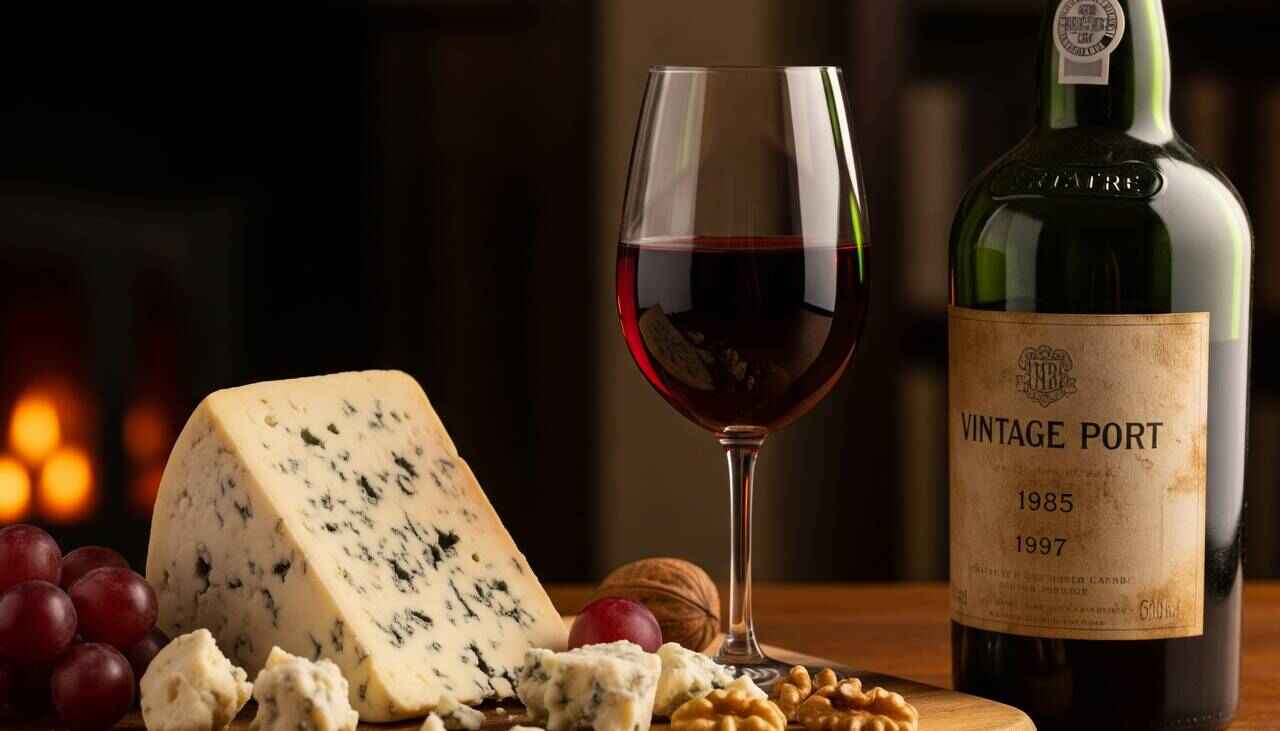
Old port wine is a perfect match with blue cheese
Portuguese Cuisine and Wine Pairings: A Deeper Dive
Portugal’s culinary landscape is as diverse as its wine regions, and understanding these regional connections elevates the food and wine experience.
Seafood and White Wines: Coastal Harmony
Portugal’s vast coastline provides a bounty of fresh seafood, and its white wines are a perfect match. The Vinho Verde region, located in the north, produces wines with a characteristic spritz and high acidity, making them incredibly refreshing. This acidity is a fantastic palate cleanser for a variety of seafood, from simply grilled fish to shellfish like clams (amêijoas) and shrimp (camarão). The Arinto grape, often found in the Bucelas region, yields crisp, citrus-forward wines with great minerality. This mineral quality makes it an excellent partner for oysters or other briny seafood. From the Dão region, mineral-driven whites, often blends of Encruzado and Malvasia Fina, offer a more complex profile that can handle richer seafood preparations, such as a hearty fish stew or bacalhau (salted cod).
Hearty Meats and Red Wines: Inland Delights
The robust reds of Portugal’s inland regions are the ideal foil for the country’s rich meat dishes. The Douro Valley, famous for its Port wine, also produces powerful, full-bodied reds with concentrated dark fruit flavors and firm tannins. These wines are a magnificent counterpoint to roasted meats, like lamb (borrego) or veal (vitela), and are especially well-suited for game dishes. Dão reds, often based on the Touriga Nacional grape, are known for their elegance and structured tannins. They pair beautifully with roasts and can even stand up to more complex dishes like “cozido à portuguesa,” a traditional meat and vegetable stew. Alentejo reds are typically smooth, fruity, and approachable, making them a versatile choice for a range of meat dishes, from pork (carne de porco) to grilled steaks. The bold, high-tannin reds from Bairrada, made from the Baga grape, are legendary for their ability to complement the regional specialty, roast suckling pig (leitão). The wine’s strong tannins cut through the fattiness of the pig, while its high acidity cleanses the palate, creating a perfect balance.
Cheese and Fortified Wines: A Sweet and Savory Symphony
Your text correctly highlights the classic pairing of Port and Moscatel with dessert cheeses. Portugal’s artisanal cheese scene is truly remarkable, offering a wide variety of textures and flavors. Queijo da Serra, a soft, buttery sheep’s cheese from the Serra da Estrela mountains, is a must-try. Its creamy texture and slightly pungent flavor make it a classic partner for a Tawny Port. The wine’s nutty, oxidized character complements the cheese’s richness without overpowering it. Moscatel de Setúbal, a sweet, aromatic fortified wine, is another fantastic choice. Its honey and citrus notes pair wonderfully with hard, nutty cheeses or even with desserts.
Unique and Unexpected Pairings: Breaking the Rules
While classic pairings are a great starting point, don’t be afraid to experiment. The Portuguese culinary landscape is full of surprises. A chilled red Vinho Verde is a fantastic choice for grilled sardines. The wine’s light body and high acidity cut through the oily texture of the fish, while its subtle red fruit notes complement the smoky flavor from the grill. Some of Portugal’s more structured white wines, particularly those with a bit of oak aging, can handle the spice and complexity of Asian-inspired dishes. The refreshing acidity of a Dão red can also be a surprising and delightful match for fattier meats, as it cuts through the richness and cleanses the palate, making each bite as delicious as the last.
Portuguese Wine Terminology: A Glossary for Wine Lovers
Navigating Portuguese wine labels and discussions can be made easier with a few key terms. Here’s a small glossary to enhance your understanding:
- Quinta: (Pronounced: KEEN-tah) This is the most common term for a wine estate, farm, or vineyard. Similar to a “château” in Bordeaux or an “azienda” in Italy.
- DOC (Denominação de Origem Controlada): This is Portugal’s highest classification for wines, ensuring quality and origin. Wines labeled DOC must adhere to strict regulations regarding grape varieties, winemaking practices, and geographical boundaries. This is comparable to France’s AOC or Italy’s DOCG/DOC.
- VR (Vinho Regional): (Pronounced: VEE-nyoo Reh-jyoo-NAHL) This classification is broader than DOC, similar to a “PGI” (Protected Geographical Indication) or “IGP” (Indicação Geográfica Protegida) in other European countries. It offers winemakers more flexibility regarding grape varieties and techniques while still guaranteeing the wine comes from a specific region. Often, some of Portugal’s most innovative wines fall under VR.
- Vinho: (Pronounced: VEE-nyoo) Simply means “wine.”
- Lagar: (Pronounced: Lah-GAHR) A traditional, shallow granite or concrete trough where grapes are foot-trodden (or mechanically pressed) to extract juice for fermentation. Commonly seen in the Douro for Port wine production.
- Garrafeira: (Pronounced: Gah-rah-FAY-rah) This term on a label signifies a wine that has undergone extended aging, usually both in barrel and in bottle, before release. It implies a wine of higher quality and greater aging potential. Regulations for Garrafeira vary by region but generally mandate minimum aging periods.
- Colheita: (Pronounced: Ko-LYAY-tah) Means “harvest” or “vintage.” On a Port label, it refers to a single-vintage Tawny Port that has aged for a considerable time in wood.
- Reserva: (Pronounced: Reh-ZERV-ah) Similar to other wine regions, this indicates a wine of higher quality that has typically undergone specific aging requirements (though these can vary by region and producer). It suggests a wine with more structure and complexity.
- Castas: (Pronounced: KASH-tash) The Portuguese word for “grape varieties.” You’ll often see “castas” followed by a list of grapes used in a blend.
- Adega: (Pronounced: Ah-DAY-gah) Refers to a wine cellar or winery.