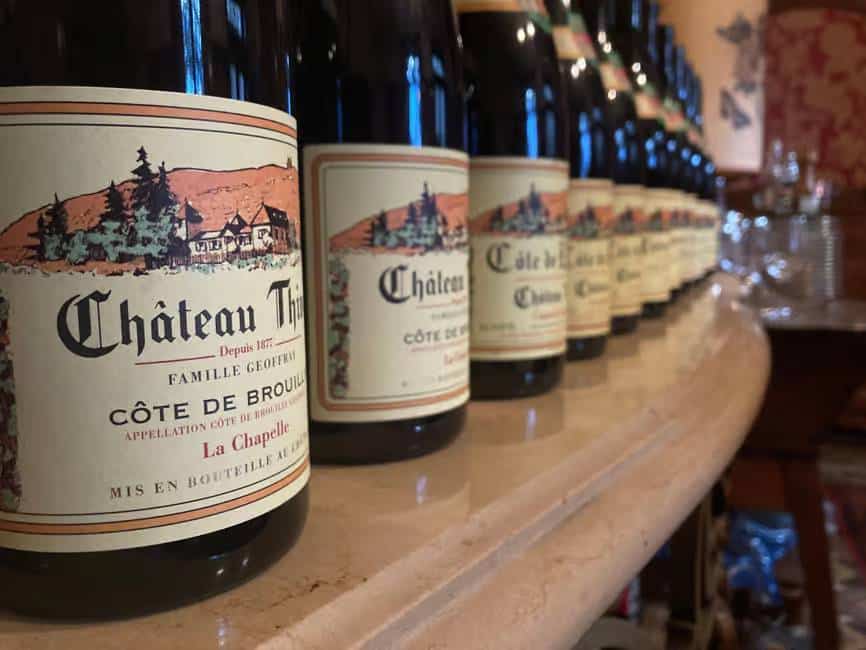
You pour a young Beaujolais, lift the glass, and instead of dark berries or spice, you get banana Runts, bubblegum, and a bright burst of candied fruit. For many wine drinkers, that first encounter raises the same question: carbonic maceration explained – why do some Beaujolais wines taste like banana and bubblegum at all? The answer sits at the meeting point of chemistry, tradition, and a winemaking choice that gives certain wines their famously vivid, cheerful personality.
Carbonic maceration explained: why some Beaujolais wines taste like banana and bubblegum
Beaujolais has long occupied a special place in French wine culture. Just south of Burgundy, it is an historical region built largely on Gamay, a grape that can express itself with remarkable charm when handled for freshness rather than structure. In its most exuberant form, that charm becomes unmistakable: juicy, floral, slightly confectionary, and almost electric in its drinkability.
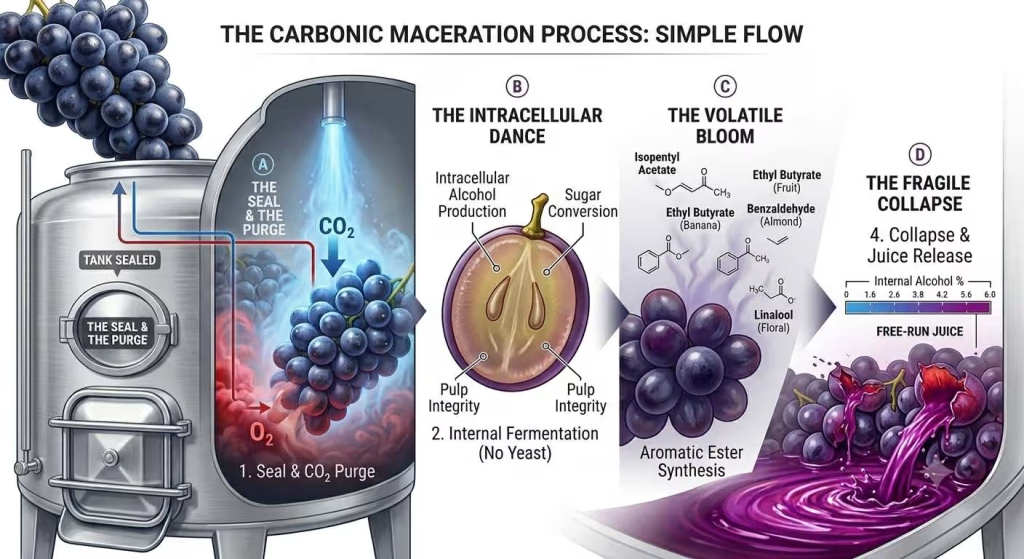
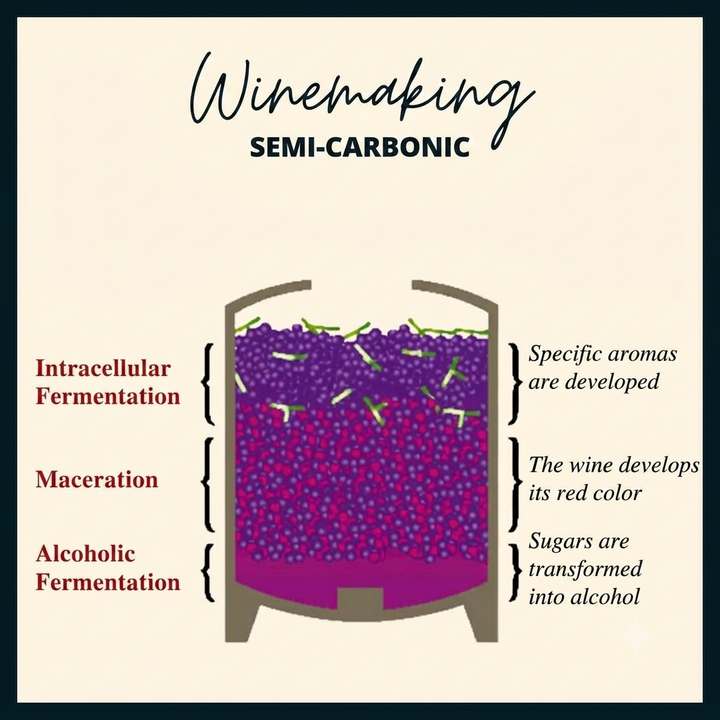
The technique behind that profile is carbonic maceration, or in many cases semi-carbonic maceration, which is more common in Beaujolais cellars. Instead of crushing all the grapes at the start and fermenting them like a classic red wine, winemakers place whole bunches into a tank. The intact berries begin fermenting from the inside out in an oxygen-poor, carbon dioxide-rich environment. This intracellular fermentation produces aromatic compounds that feel very different from the earthier, more tannic profile people often expect from red wine.
That is why the wine can smell less like black cherries and more like kirsch, violet, bubblegum, cinnamon candy, or banana. These notes are not added flavors, and they are not a gimmick in the artificial sense. They are byproducts of the fermentation pathway itself.
What actually happens inside the tank
In a conventional red fermentation, grapes are crushed, yeast consumes sugar, and the winemaker extracts color, tannin, and flavor from skins and seeds over time. Carbonic maceration changes the order and the emphasis. Whole clusters go into a sealed tank, often with carbon dioxide already present or generated naturally by the weight of grapes crushing at the bottom.
Inside the intact berries, enzymes begin converting sugar into alcohol before the grapes are even broken open. This phase does not create a highly alcoholic wine on its own, but it does generate very specific aromatic molecules and softens acidity and tannin perception. After several days, sometimes longer depending on the producer and the style, the grapes are pressed and a more standard fermentation finishes the wine.
In Beaujolais, many producers use semi-carbonic maceration rather than a fully controlled carbonic setup. That means the tank is filled with whole bunches, the fruit at the bottom gets crushed under the weight, and the fermentation there releases carbon dioxide that surrounds the unbroken berries above. The effect is similar, though not identical, and it is part of what gives Beaujolais its recognizable youthful perfume.
Why banana and bubblegum show up
The famous banana note is often linked to isoamyl acetate, an ester that can develop during fermentation. Bubblegum aromas can come from a combination of esters, especially when the wine is made for early release and immediate pleasure. Temperature, yeast behavior, grape ripeness, and the exact fermentation method all influence how strongly these aromas appear.
That matters because not all Beaujolais tastes like a candy shop. Some bottles do lean hard into those playful notes, especially simple, early-drinking examples meant to be enjoyed young. Others show red currant, crushed peony, white pepper, and granite-driven freshness with only a faint hint of confection. The banana-and-bubblegum stereotype is rooted in reality, but it can flatten a region that is much more diverse than many casual drinkers realize.
In other words, carbonic maceration can produce these aromas, but it does not guarantee cartoonish fruit. The final result depends on producer intent. A winery chasing brightness and immediacy may welcome those esters. A grower focused on site expression may use the technique more gently or combine it with traditional methods to keep the fruit vivid without overwhelming the wine’s sense of place.
Why Beaujolais embraced the style
Gamay is naturally high in acidity, relatively low in tannin, and capable of beautiful aromatic lift. Carbonic and semi-carbonic maceration flatter those traits. They make wines softer in texture, less aggressively tannic, and ready to drink earlier than many traditional reds.
That early accessibility became especially important in the story of Beaujolais Nouveau, the famously young wine released just weeks after harvest. Nouveau helped make Beaujolais internationally famous, but it also trained generations of drinkers to associate the region with easy fruit and festive immediacy. The truth is more layered. Beyond Nouveau, the ten Beaujolais crus can produce wines of surprising nuance, age-worthiness, and mineral definition.
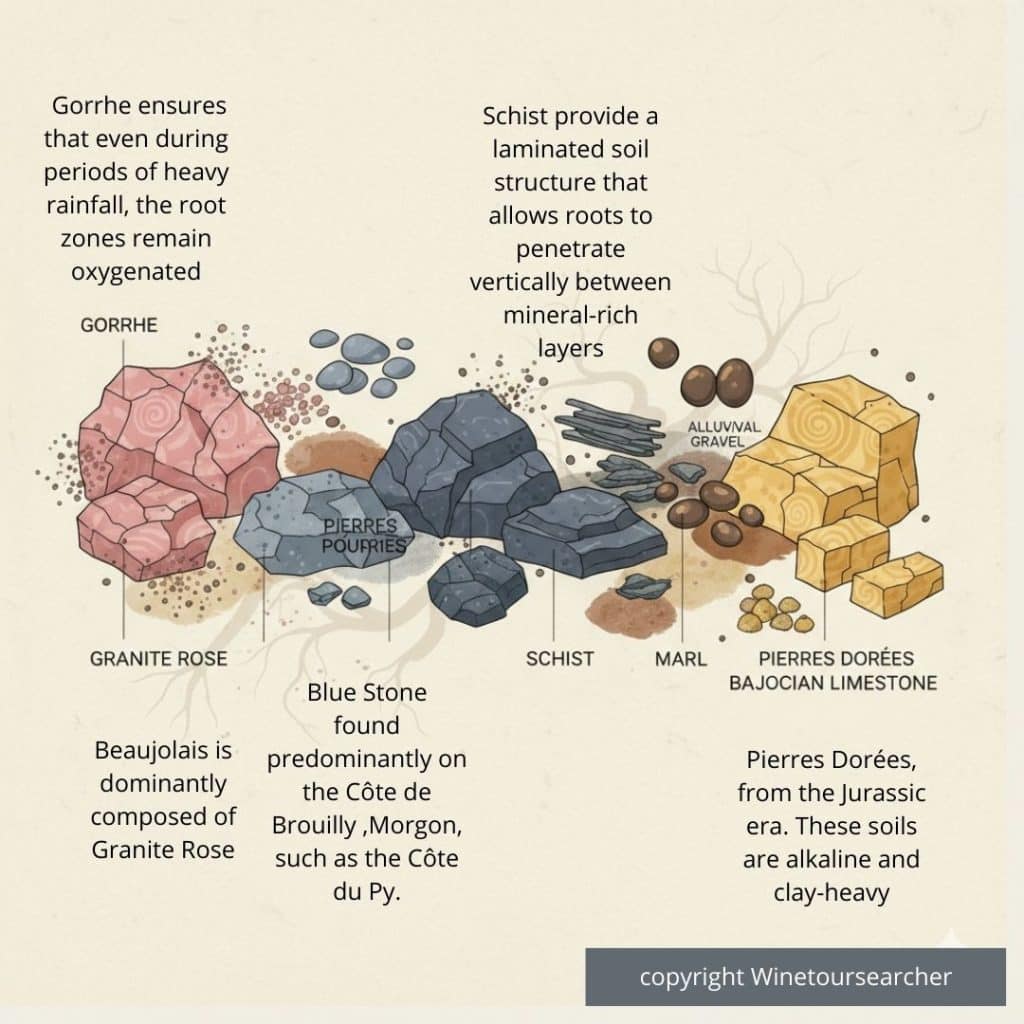
Visit villages like Morgon, Fleurie, Moulin-a-Vent, or Brouilly and you quickly see the difference. The cellar techniques may overlap, but the expressions vary with terroir, altitude, soil, exposure, and grower philosophy. Carbonic maceration is part of the region’s language, not its entire identity.
Is carbonic maceration a good thing?
For the right wine, absolutely. It can create reds that are joyful, fragrant, and remarkably versatile at the table. Slightly chilled Beaujolais with charcuterie, roast chicken, picnic fare, or bistro classics is one of wine travel’s quietly perfect pleasures. These wines often shine when the mood is relaxed and the point is enjoyment rather than contemplation.
Still, there are trade-offs. If the technique is pushed too far, the wine can feel one-dimensional, all candied fruit and no depth. Some drinkers love that easy exuberance. Others find it masks terroir and makes wines from different vineyards taste too similar. This is where producer choice becomes decisive.
The best examples strike a balance. They preserve perfume and energy while still allowing Gamay’s floral delicacy, savory edge, and stony backbone to come through. That balance is often what separates a merely fun Beaujolais from a genuinely memorable one.
How to taste for it
If you want to recognize carbonic influence in the glass, start with aroma before structure. Look for banana, bubblegum, strawberry candy, cherry drops, rose petals, and sometimes a faint cinnamon or kirsch note. Then pay attention to texture. These wines are often silky, low in harsh tannin, and immediately open, with a juicy finish that invites another sip.
But keep your expectations flexible. A cru Beaujolais from an ambitious grower may show carbonic lift without obvious banana. You might get violets, raspberry, blood orange, and crushed stone instead. The technique can be loud or discreet.
That is part of the pleasure when traveling through the region or tasting thoughtfully at home. You start to notice that winemaking is not just about what grape is in the bottle. It is also about how the producer wants the wine to move across the palate, what mood it should create, and whether it is meant for a lively lunch, a cellar, or both.
Carbonic maceration explained beyond Beaujolais
Although Beaujolais is the classic reference point, carbonic maceration appears in other wine regions too. Winemakers in Spain, parts of Italy, Oregon, Australia, and South Africa have used it for fresh, aromatic reds and occasionally for experimental styles. Its appeal is obvious: it can capture fruit purity, tame tannin, and make wines feel approachable very young.
Yet outside Beaujolais, the technique often plays a supporting role rather than starring one. A producer might use partial whole-cluster fermentation or a short carbonic phase to add lift and fragrance without making the wine taste overtly bubblegummy. In contemporary cellars, it has become one more stylistic tool rather than a rigid category.
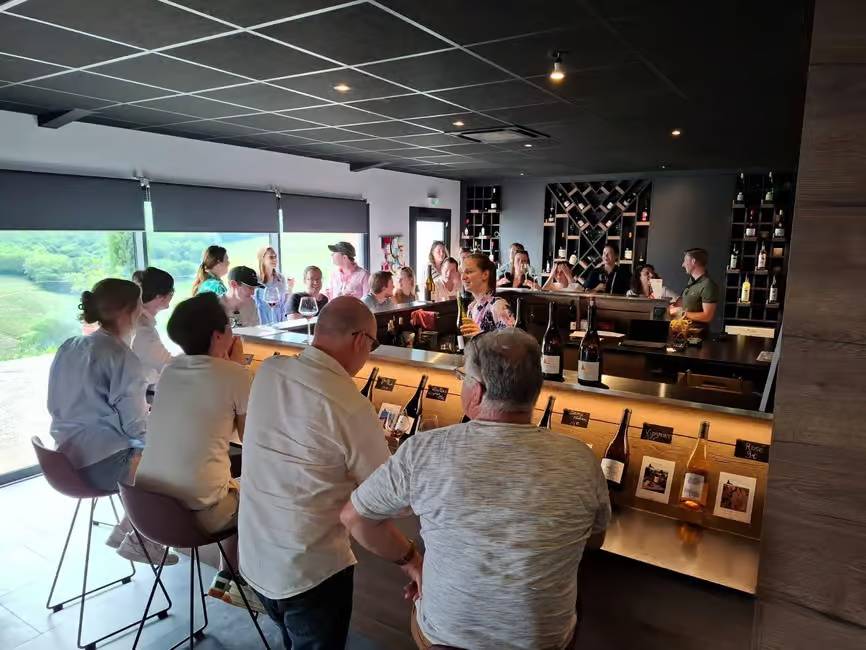
For wine travelers, that makes it a fascinating conversation to have in tasting rooms. Ask a winemaker whether they use whole bunches, semi-carbonic fermentation, or classic extraction, and the answer often reveals as much about their philosophy as the wine itself.
Why this matters when you visit Beaujolais
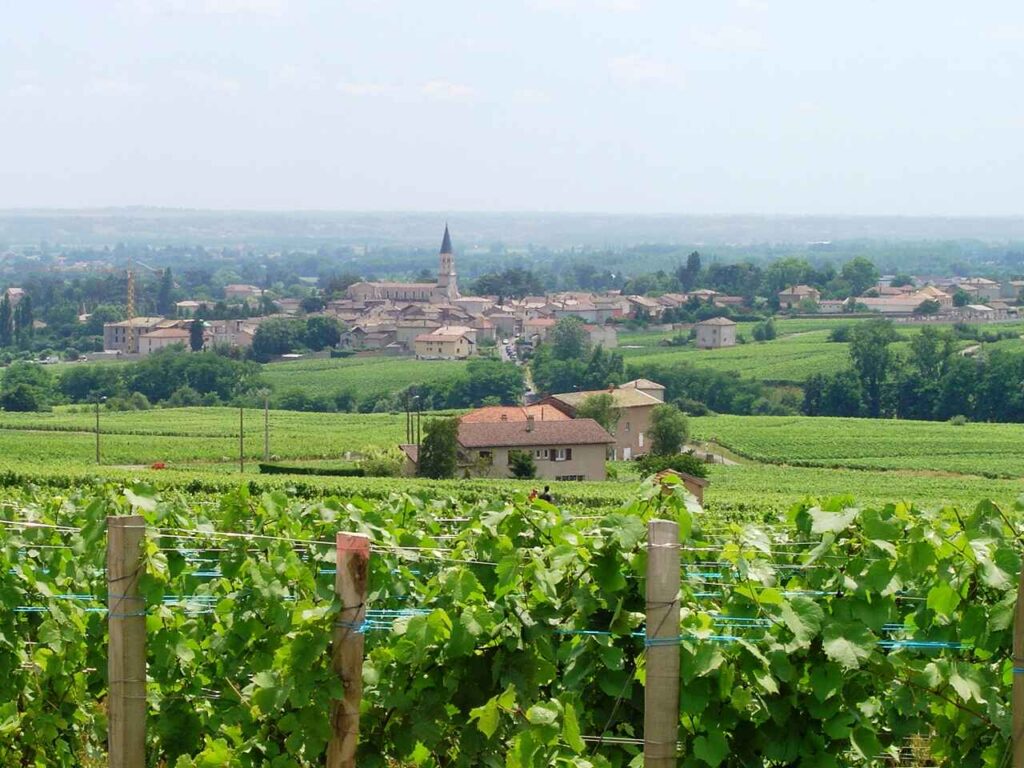
Beaujolais is one of the most rewarding regions for anyone who loves wines that are expressive without being heavy. Understanding carbonic maceration helps you taste with more confidence, but it also deepens the experience of the place. You begin to see why one cellar pours a vibrant, candy-scented Beaujolais-Villages while another offers a Fleurie with haunting floral precision and almost Burgundian grace.
That difference is exactly what makes regional wine travel so compelling. Technique, grape, and landscape are all in conversation. On a thoughtfully planned visit, whether through an independent itinerary or a curated platform like Wine Tour Searcher, those details become part of the pleasure rather than technical background noise.
The next time a glass of Beaujolais gives you banana, bubblegum, and a grin you did not expect, treat it as an invitation rather than a flaw. Sometimes wine’s most playful aromas are also the doorway into a deeper understanding of how a region speaks.
"Understanding Gamay: Winemaking Techniques and Profiles
| Winemaking Method | Dominant Profile | Wine Category |
|---|---|---|
| Carbonic Maceration | Banana, Bubblegum, Candied Fruit | Beaujolais Nouveau / Experimental |
| Semi-Carbonic Maceration | Fresh Red Fruit, Subtle Confectionary | Village Beaujolais / Youthful Cru |
| Classic Fermentation | Dark Berries, Spice, Tannic Depth | Serious Cru / Age-worthy Gamay |