

Table of Contents
Europe is the cradle of viticulture, a continent where the history of wine is inextricably linked to the ebb and flow of civilizations. From the ancient Greeks and Romans who spread winemaking across the continent to the monastic orders that preserved and refined techniques through the Middle Ages, wine is a central pillar of European culture, economy, and identity. This rich heritage has created a mosaic of wine styles, from the classic structured reds of Bordeaux to the crisp, modern whites of the Mosel, each a unique reflection of its specific terroir.
Europe’s wine landscape is a tapestry woven from diverse climates, ancient traditions, and modern innovation. The continent is home to the world’s most renowned wine regions, with a viticultural history that traces back millennia. While Western Europe is celebrated for its classic wines and historical prominence, Central and Eastern Europe are emerging with unique indigenous grape varieties. Southeastern Europe and the Balkans showcase a rich heritage and Mediterranean influence, while Northern and Eastern regions are pioneers adapting to new climatic conditions. This complex mosaic of terroirs and traditions makes European wine a fascinating and endless journey of discovery.
Plan your wine tour in Europe Browse wine tours by region
Top 12 Wine Regions to visit in Europe
Western Europe: a journey into history, culture and terroir
An introduction to the diverse and captivating world of Western European wine regions is a journey into history, culture, and terroir. From the iconic, time-honored traditions of France, Germany, and Austria to the stunning alpine terraces of Switzerland and Liechtenstein, and the burgeoning cool-climate vineyards of Belgium, the Netherlands, and Luxembourg, this corner of the world offers an unparalleled array of experiences for wine enthusiasts. Discover picturesque landscapes, ancient cellars, and world-class culinary pairings, all while sipping on some of the globe’s most revered wines. Wine tourism in this region is about more than just tasting; it’s an immersive experience that connects you to the land and its people.
Western Europe’s winemaking heritage stretches back thousands of years, with vines first cultivated by ancient civilizations. The Romans, in particular, were instrumental in spreading viticulture across the continent, laying the groundwork for the wine regions we know and love today. This deep-rooted history is palpable in every vineyard, from the grand châteaux of Bordeaux to the historic, slate-slope estates along the Rhine and Moselle rivers.
Each country has developed its own unique style and traditions, shaped by centuries of innovation, cultural shifts, and a profound respect for the land. As you travel from the sun-drenched valleys of France to the steep river valleys and pristine cool-climate terroirs of Central and Northern Europe, you’ll witness firsthand how climate, soil, and human ingenuity have combined to create some of the world’s most iconic and diverse wines. This journey through Western Europe is a passport to a world where every bottle tells a story of a place and its people.
Central and Eastern Europe: A Dynamic Wine Renaissance
Central and Eastern Europe is a dynamic region in the world of wine. While its viticultural history is ancient—stretching from the historic valleys of Central Europe to the very cradle of wine in the Caucasus—a modern renaissance is bringing its diverse terroirs and unique grape varieties to the global stage. Once overshadowed, countries from Hungary and Poland to the Czech Republic, Slovakia, Ukraine, and Moldova, alongside the ancient terroirs of Georgia, Armenia, Azerbaijan, Belarus, and Russia, are now celebrated for their innovative winemakers and quality. From legendary volcanic sweet wines to bold, indigenous reds and crisp cool-climate whites, these countries offer a rich tapestry of flavors for the adventurous wine tourist.
Many of these nations have long traditions of winemaking that predate Western European viticulture, with archaeological evidence of the world’s first vintages rooted deeply in this soil. Through centuries of shifting borders and political transitions, a wave of freedom and modern investment has allowed wineries to embrace state-of-the-art techniques while passionately reviving their ancestral grapes. This has led to an exciting blend of old and new, where thousand-year-old clay amphorae and historic cellars coexist with contemporary facilities. The region’s climate and geography vary widely, from Central Europe to the the Black Sea and the dramatic landscapes of the Caucasus. Wine tourism here is characterized by its deep authenticity and warm hospitality. Visitors can explore lesser-known wine routes, stay in charming family guesthouses, and connect with traditions unchanged for generations, making it a must-visit for anyone looking to go beyond the usual wine destinations.
Southern Europe: The Cradle of Wine
Southern Europe stands as the definitive heartland and a timeless testament to the global origins of winemaking. This region is a true cradle of viticulture, where archaeological evidence of winemaking dates back millennia, shaping the very fabric of Mediterranean culture. The idyllic Mediterranean climate, dramatic coastal topographies, and centuries of maritime and cultural exchange have created the world’s most iconic and compelling wine scene. From the historic, world-renowned powerhouses of Italy, Spain, and Portugal to the legendary, sun-drenched terroirs of Greece and Cyprus, alongside the boutique island estates of Malta and the exclusive, historic enclaves of Andorra, Monaco, San Marino, and the Vatican, this region offers an unparalleled array of experiences for wine enthusiasts.
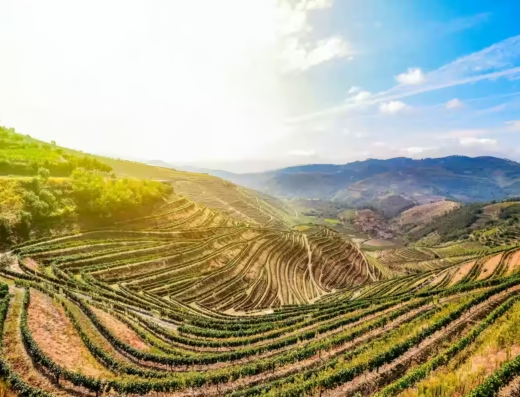
The winemaking traditions here are deeply interwoven with the history of Western civilization, preserving ancestral grape varieties and cultural practices that have influenced the entire world. This deep-rooted heritage is palpable in every corner, whether you are wandering through the grand estates of Tuscany and La Rioja, exploring ancient terraced slopes in the Douro Valley, or discovering indigenous grapes on the volcanic islands of the Aegean. The region’s hot, sun-soaked summers and gentle sea breezes are ideal for cultivating an extraordinary spectrum of grapes, yielding everything from bold, robust reds and crisp, mineral-driven whites to historic, globally revered sweet and fortified wines.
Wine tourism in this zone offers an immersive, deeply authentic experience that connects you directly to the land and its people. Visitors can explore ancient underground cellars, dine in vineyards overlooking the azure sea, and enjoy the legendary warmth and world-class culinary pairings of Southern European hospitality. The region remains the ultimate destination for those seeking to connect with the raw roots of winemaking, brought to life by dedicated communities that continue to define the pinnacle of global wine culture.
Northern and Eastern Europe: A Frontier of Winemaking
Northern and Eastern Europe & the Baltics represents the exciting, modern frontier of the global wine world. While this region is traditionally celebrated for its historic brewing and distilling heritages, a modern renaissance—driven by shifting climates, innovative viticultural techniques, and pioneering winemakers—is bringing its unique terroirs to the international stage. From the fast-growing, award-winning vineyards of the United Kingdom and Ireland to the pioneering cool-climate estates of Sweden, Denmark, and Norway, and the boutique, resilient projects across Finland, Estonia, Latvia, and Lithuania, this region offers a completely fresh narrative for the adventurous wine tourist.
The winemaking scene here is characterized by a bold, forward-thinking spirit that embraces the challenges and rewards of cold-climate viticulture. Freed from the rigid regulations of older wine regions, these nations are experimenting with hearty hybrid varieties and innovative cool-climate techniques, crafting vibrant white wines, exceptional sparkling profiles, and unique fruit and ice wines. The stunning landscapes—ranging from the iconic chalk downs of southern England to the dramatic Nordic coastlines and pristine Baltic countryside—provide a breathtaking backdrop for a new era of wine tourism.
Wine tourism in this zone offers a deeply authentic, avant-garde experience. Visitors can explore state-of-the-art eco-wineries, taste rare cool-climate expressions that cannot be found anywhere else, and experience the warmth and sleek design of Nordic and Baltic hospitality. The region is a true hidden gem for those looking to look beyond traditional wine destinations and witness firsthand the fascinating evolution of where and how world-class wine is made.
Southeastern Europe and the Balkans: The Cradle of Wine
The Balkans & Southeastern Europe stand as a testament to the ancient origins of winemaking. This region is a true crossroads of viticulture, with archaeological evidence of winemaking dating back thousands of years. The favorable microclimates, diverse topography ranging from alpine foothills to sun-drenched coastlines, and a long history of cultural exchange have created a unique and compelling wine scene. While some of these countries are well-known historical benchmarks, others are emerging from periods of isolation, rediscovering their unique terroirs and indigenous grape varieties. This blend of ancient tradition and modern ambition makes the region a fascinating destination for wine lovers.
The winemaking traditions here are deeply interwoven with history, with influences from ancient empires that laid the groundwork for European wine culture. Nations like Romania, Croatia, Slovenia, and Bulgaria boast a profound, deep-rooted winemaking heritage that has survived through centuries of changing borders. The region’s ideal climate conditions are perfect for cultivating an incredible spectrum of grapes, from the robust, deep reds of Serbia, Bosnia and Herzegovina, Montenegro, and North Macedonia, to the elegant, expressive whites and coastal varietals found in Albania and Slovenia.
Wine tourism in this zone offers an authentic, off-the-beaten-path experience. Visitors can explore historic estates, taste unique wines made from legendary indigenous grapes like Vranac, Plavac Mali, and Fetească, and enjoy the profound warmth of Balkan hospitality. The region is a true hidden gem for those seeking to connect directly with the roots of winemaking, showcased by dedicated communities that bring this incredible diversity to life.
Choose Your Perfect Wine Journey in Europe
Swap the tour bus for fresh air and rolling hills. Explore Europe’s most beautiful wine regions at your own pace on a premium e-bike. Glide effortlessly over scenic hillside vineyards, enjoy guided estate visits, and reward your ride with exclusive, sommelier-led winery tastings
Step inside the most legendary estates. Experience the dedication and history behind the world’s highest-scoring vintages. Tour prestigious cellars, walk through Grand Cru vineyards, and masterfully guided tastings of iconic wines in beautiful, historic settings at renowned European wineries.
Savor unforgettable fine dining where culinary artistry meets the world of wine. Enjoy masterfully crafted menus, exquisite local ingredients, and flawless pairings designed to elevate your palate in beautiful, intimate vineyard settings at Europe’s premier boutique estates.
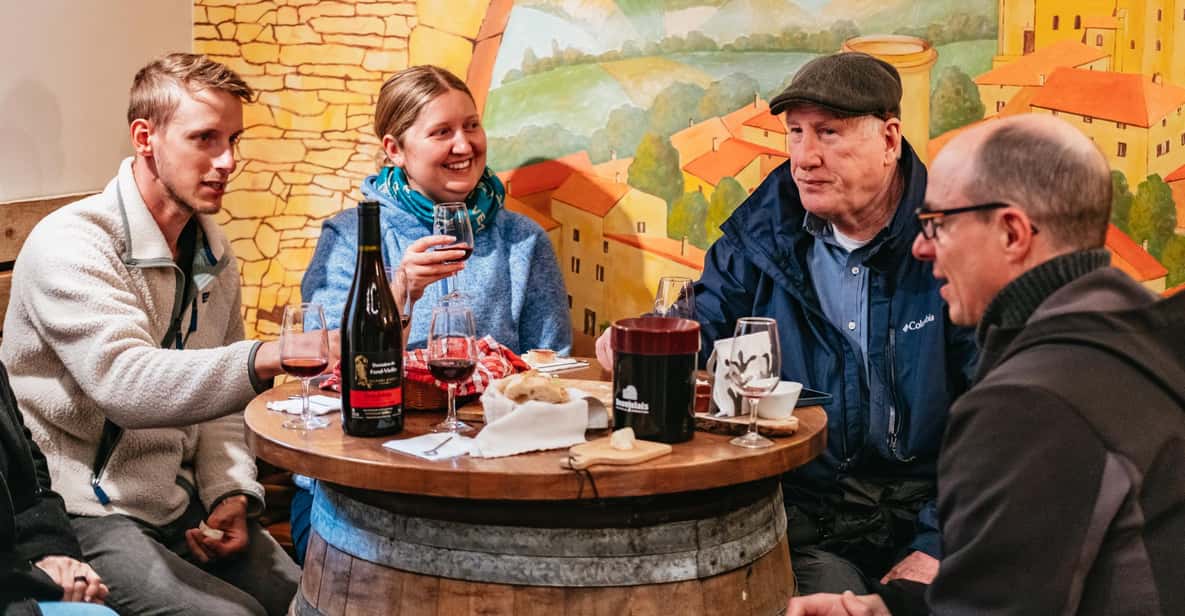
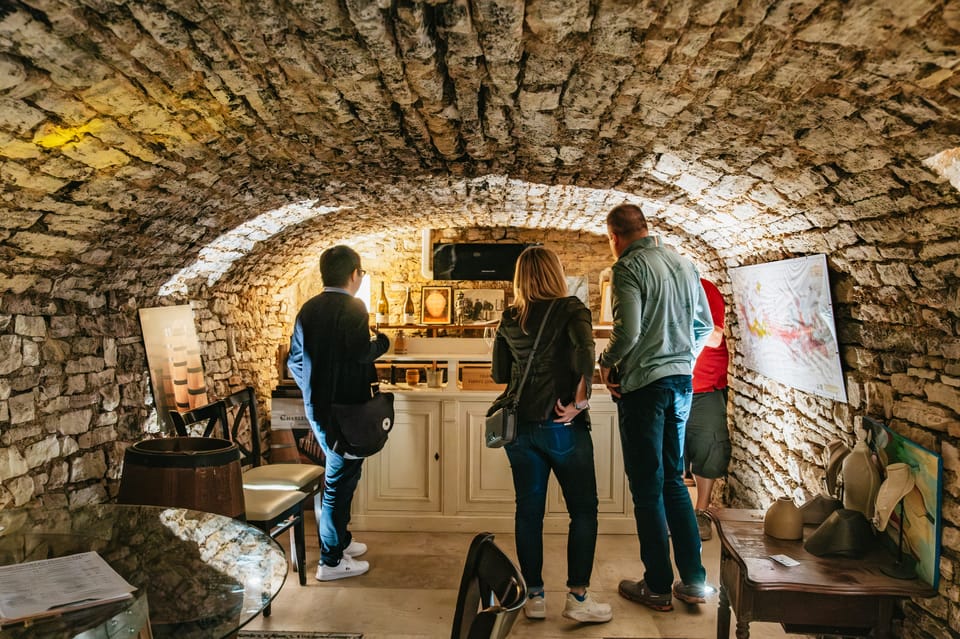
Explore Europe’s historic cities and villages through their vibrant wine culture. Join guided urban wine tours to step inside hidden underground cellars, visit historic wine bars, and taste regional heritage labels, all within walking distance of famous cultural landmarks.
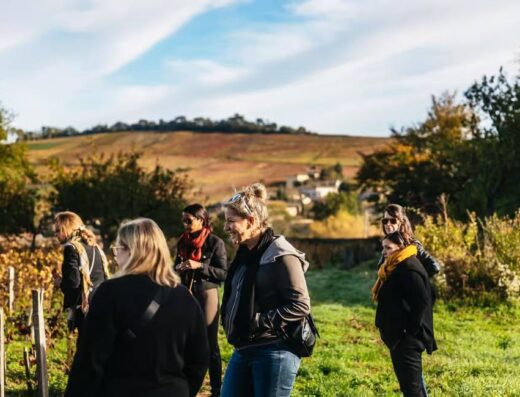
Combine stunning landscapes with incredible flavors. Enjoy guided sightseeing wine tours through Europe’s most picturesque regions. Travel in comfort to panoramic viewpoints, marvel at sweeping hillside vineyards, and capture postcard-perfect photos before stopping for iconic estate tastings.
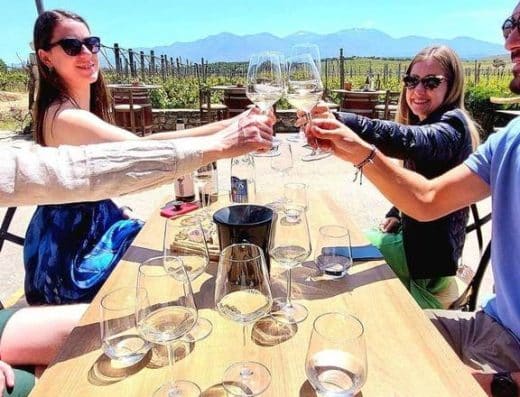
Elevate your tasting journey with professional expertise. Join exclusive wine tours led by certified sommeliers who unlock the secrets of complex terroirs. Learn technical tasting methods, decipher complex labels, and dive deep into vintage history during deeply educational cellar sessions.
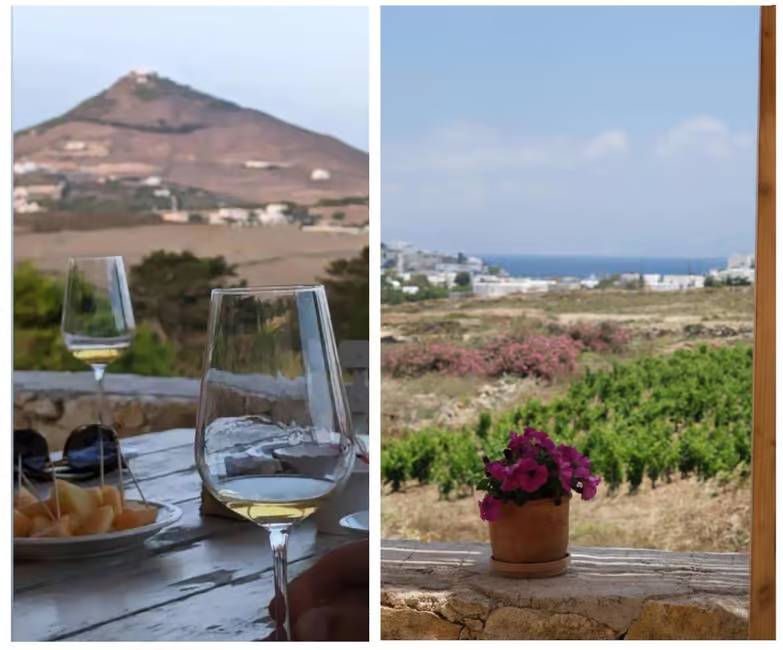
Create unforgettable memories together. Escape the crowds and enjoy a private lunch nestled among the vines. Share a gourmet local hamper filled with regional delicacies, perfectly paired with a premium bottle of estate wine, all while soaking in spectacular vineyard views.
Discover estates dedicated to the earth. Explore beautiful European vineyards utilizing organic and biodynamic farming methods to let the true terroir shine. Meet passionate, eco-conscious winemakers and enjoy guided tastings of certified sustainable and low-intervention wines.
Learn to cook like a local in the heart of the vineyard. Book an authentic winery cooking class to master regional European recipes, enjoy hands-on professional chef instruction, and perfect your food and wine pairings before savoring your creations alongside estate vintages.
Watch the vineyards transform under the golden hour light. Experience the magic of Europe’s wine regions as the sun dips below the horizon. Enjoy guided evening tours through the vines, culminating in an exclusive outdoor tasting of premium estate wines during a breathtaking sunset.
Enjoy the ultimate flexibility and comfort with a fully personalized itinerary. Escape the crowds on a private wine tour tailored to your unique palate. Travel at your own pace with a dedicated guide, giving you exclusive, behind-the-scenes access to Europe’s finest boutique estates.
Immerse yourself in the twin pillars of Mediterranean gastronomy. Join guided tours that combine world-class vineyards with ancient, sun-drenched groves. Discover the secrets of traditional pressings, taste exceptional extra virgin olive oils, and savor premium local wine pairings.
Main grape varietals in Europe
Europe is the historic heartland of viticulture, shaped by thousands of unique indigenous varieties and world-famous noble grapes that define the continent’s iconic wine regions. In the vineyards of France, Cabernet Sauvignon and Merlot form the structural, elegant backbone of legendary Bordeaux blends, while Pinot Noir offers unmatched aromatic complexity and finesse in Burgundy. Spain’s flagbearer is Tempranillo, delivering deep, age-worthy, and savory profiles across Rioja and Ribera del Duero. Italy counters with its own masters of terroir: Sangiovese, the rustic soul of Chianti, and the powerful, highly tannic Nebbiolo, which creates the ethereal masterpieces of Barolo. For whites, Chardonnay reigns supreme from the crisp, mineral-driven slopes of Chablis to rich, oak-aged styles. Germany showcases Riesling, celebrated for its piercing acidity, while the sun-drenched Mediterranean basin introduces intensely fresh, mineral, and saline varieties like Greece’s ancient Assyrtiko, proving that Europe’s diverse terroirs hold an endless tapestry of flavor for travelers to explore.
History of Wines in Europe
Europe is the birthplace of many of the world’s most celebrated wine traditions, with a history of winemaking spanning more than 8,000 years. From the ancient civilizations of the Caucasus and the Mediterranean to the vineyards cultivated by the Greeks and Romans, wine has played a central role in European culture, trade, and daily life. Over the centuries, monasteries, noble estates, and generations of winemakers refined viticultural practices, creating many of the renowned wine regions and appellation systems that exist today. This rich heritage continues to shape modern European wines, where centuries-old traditions coexist with innovation, making Europe one of the most diverse and influential wine-producing regions in the world.
Europe terroir
Terroir is one of the defining elements of Europe’s rich wine heritage. It describes the unique combination of soil, climate, topography, altitude, and centuries of local winemaking traditions that shape the character of a wine. From the limestone vineyards of Burgundy and the slate-covered hills of the Mosel to the volcanic soils of Sicily and the granite landscapes of northern Portugal, every wine region expresses its own identity through terroir. Understanding this concept helps explain why the same grape variety can produce remarkably different wines depending on where it is grown, making terroir essential to discovering the diversity of European wines.
The European Origins of Food and Wine Pairing
Discover how Europe’s terroirs, regional cuisines, and centuries-old traditions gave birth to the art of food and wine pairing. Explore the origins of iconic pairings and learn why local food and local wines have evolved together to create some of the world’s greatest culinary experiences.