Table of Contents
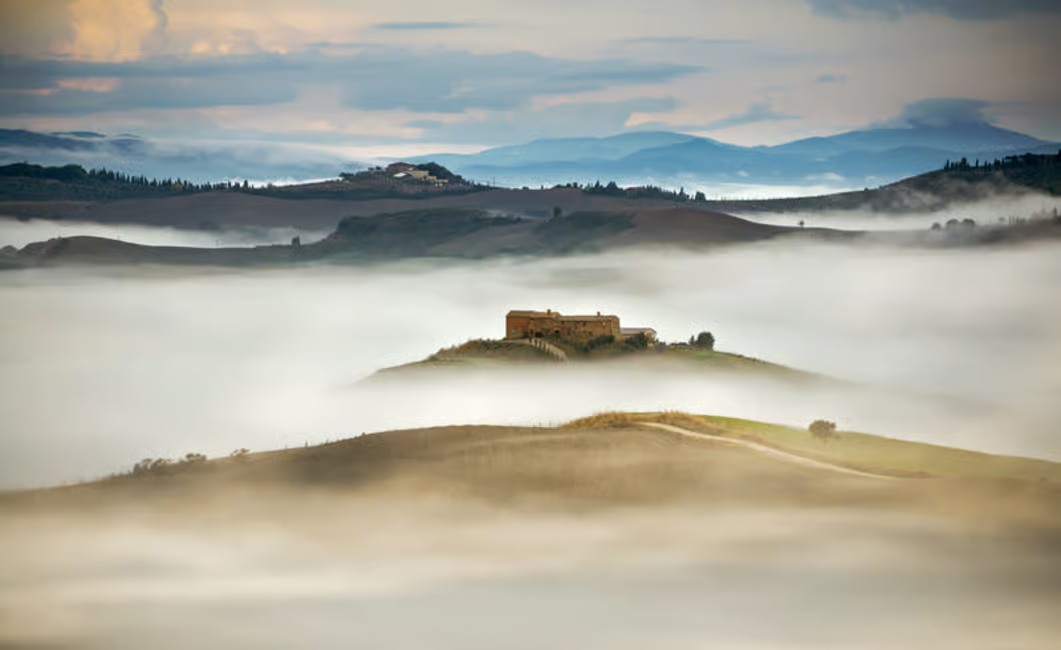
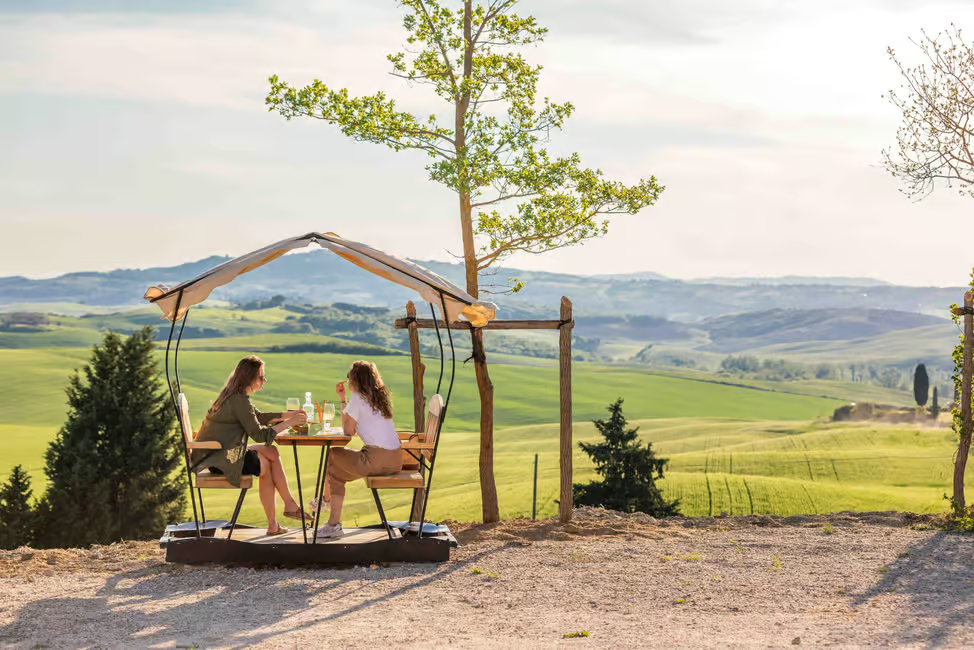
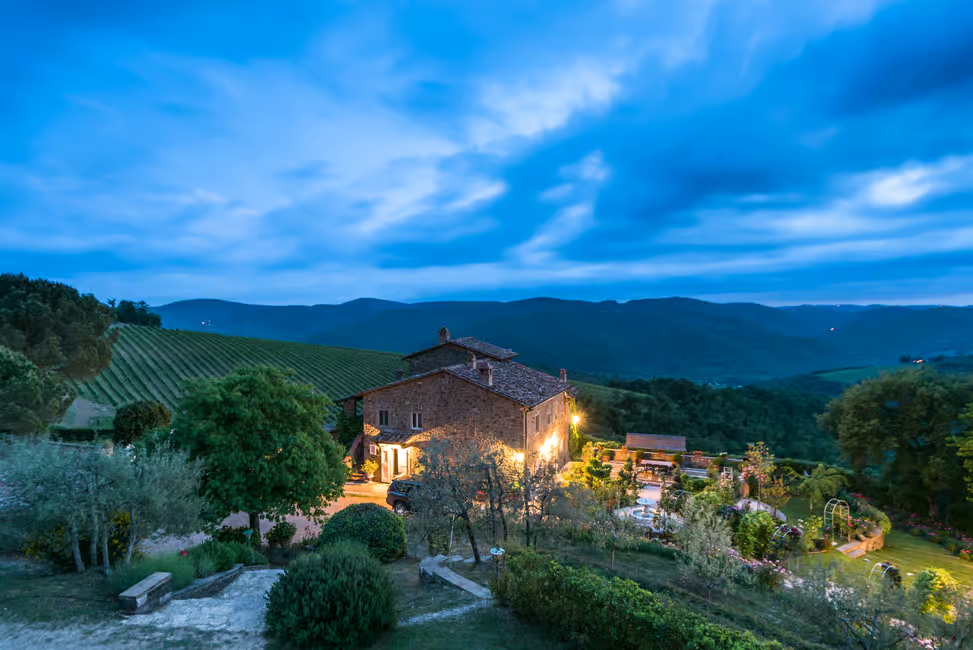
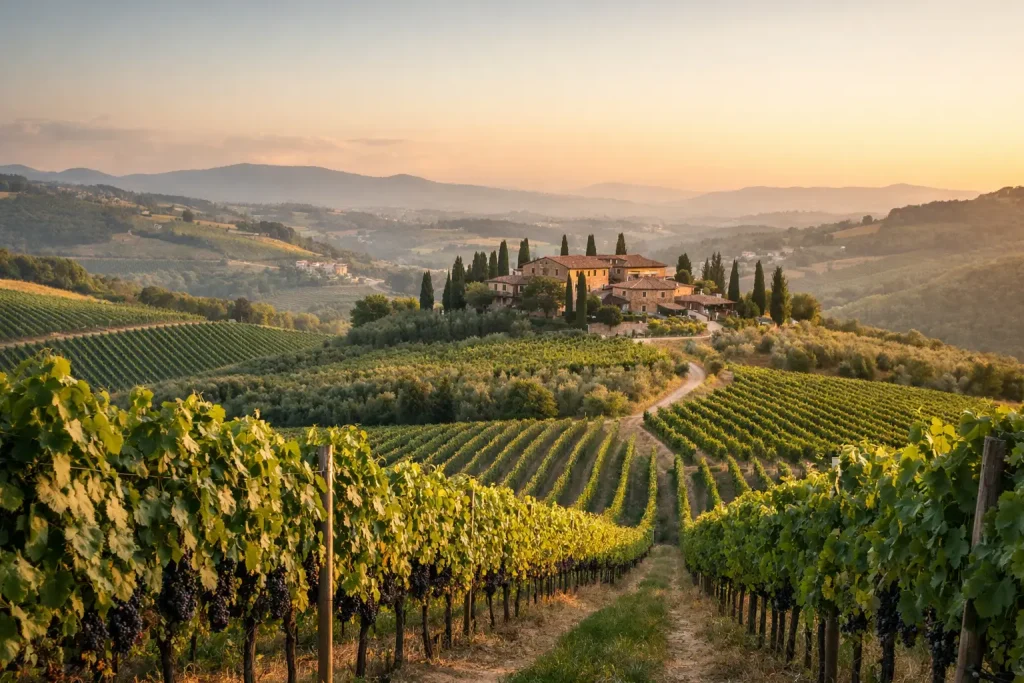
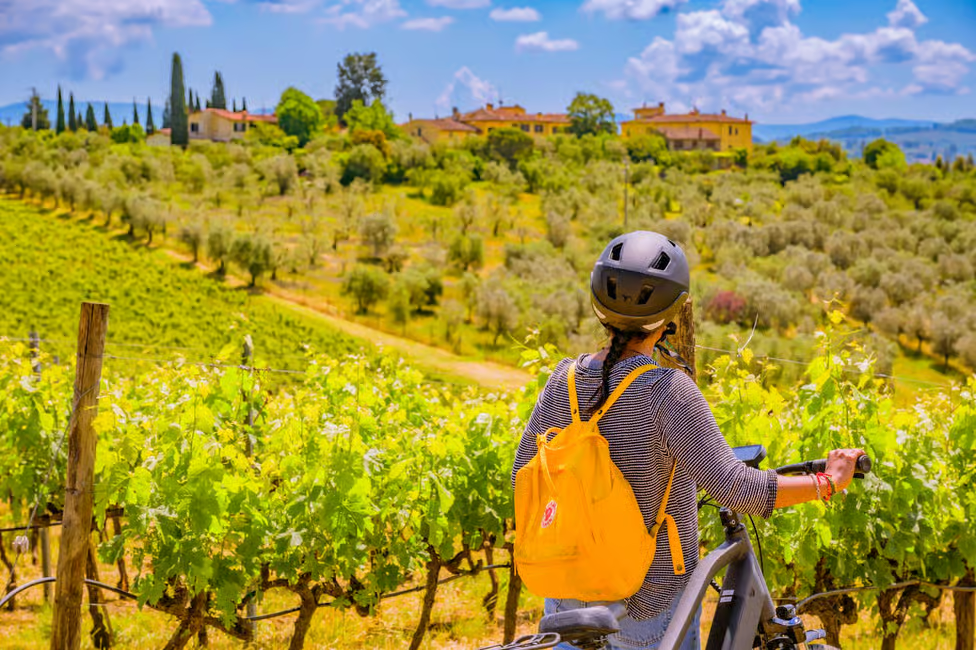
Amidst the rolling hills and sun-kissed valleys of Tuscany lies a landscape that breathes with the rhythm of ancient viticulture. The sensory experience of this region is a profound invitation to travel: from the silvery shimmer of olive groves to the deep, orderly rows of vines that stretch toward the Tyrrhenian Sea, the air carries a heady perfume of rosemary, warm earth, and ripening fruit.
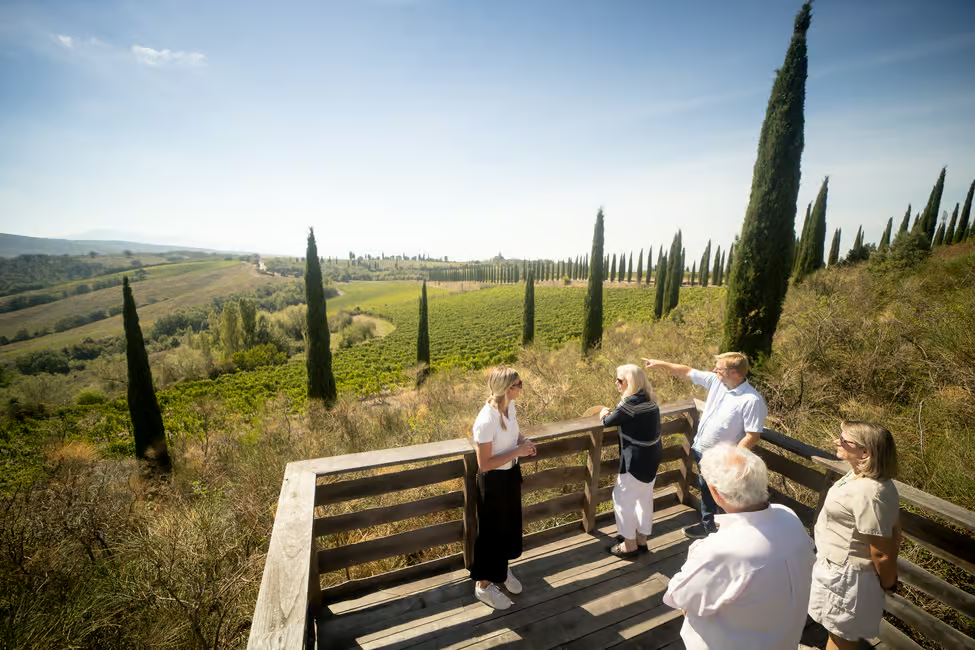
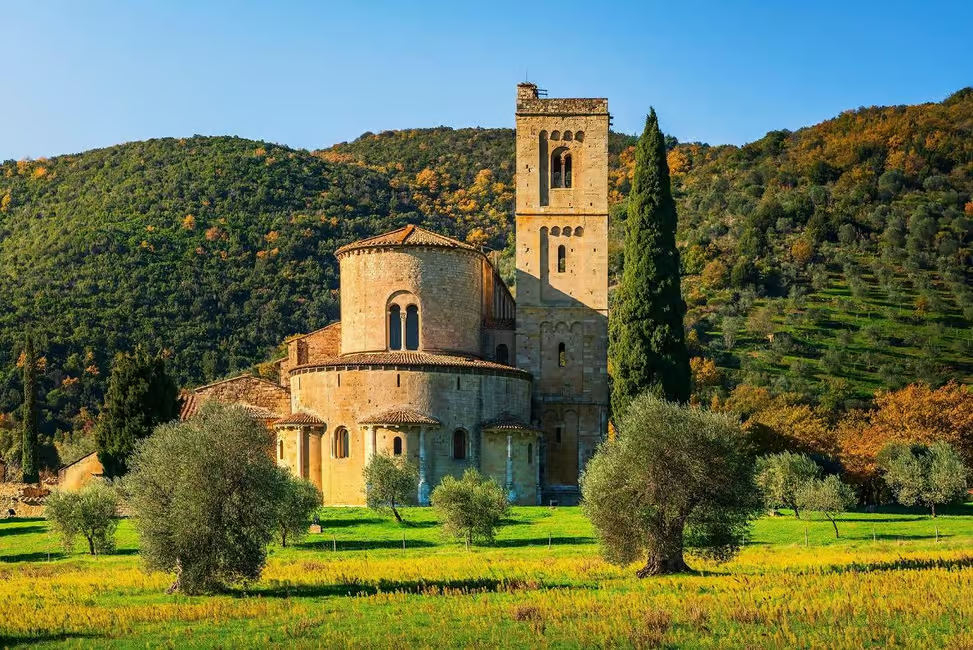
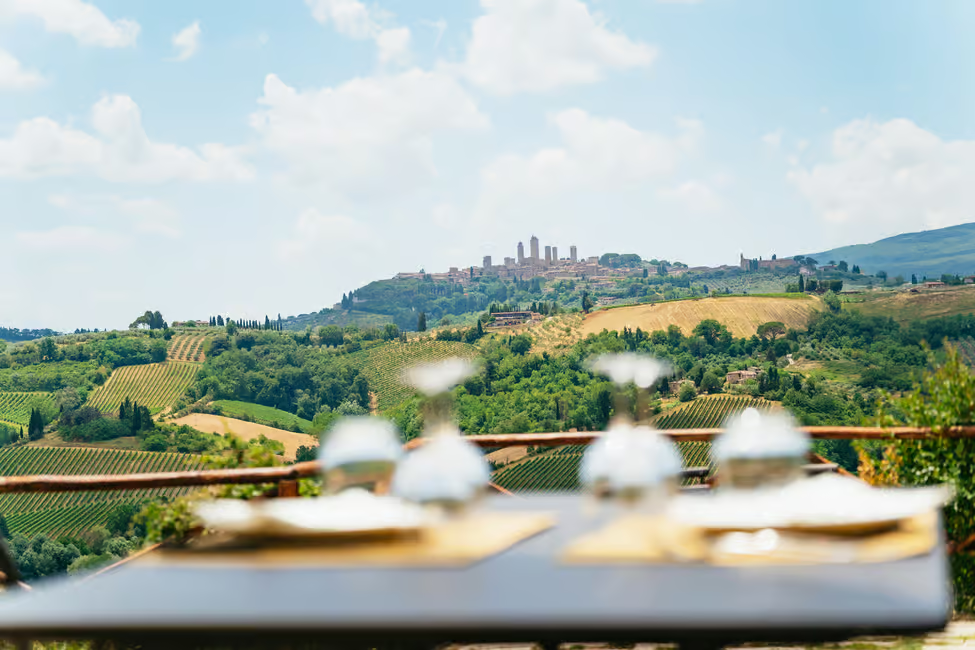
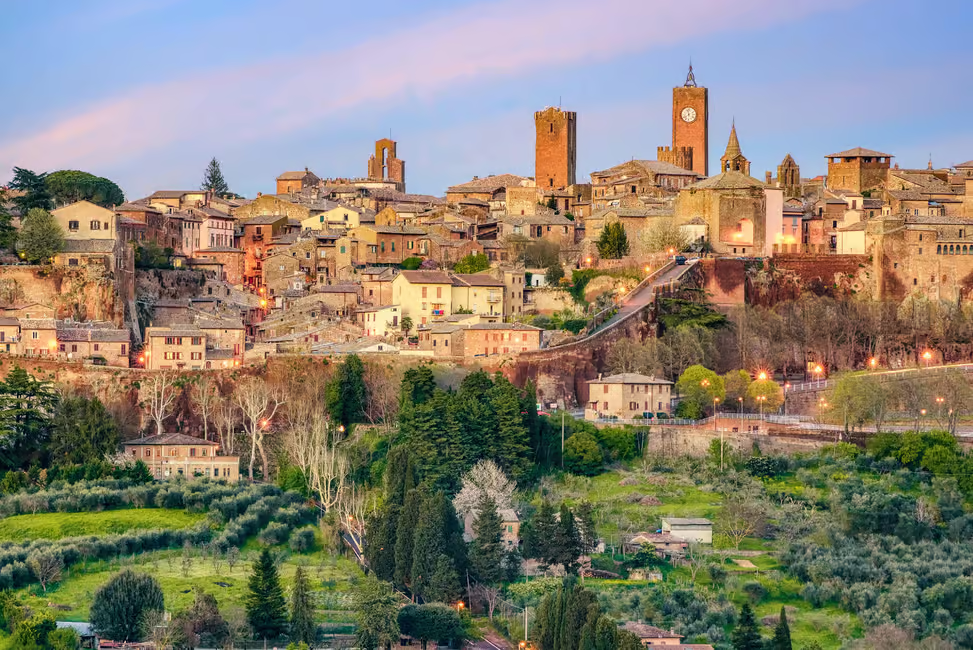
To visit Tuscany is to step into a living canvas where the legacy of the Etruscans meets modern oenological excellence. The visual harmony of cypress-lined avenues and medieval hamlets like San Gimignano and Montalcino creates an atmosphere of timeless elegance. Here, every sip of a structured Sangiovese or a complex Bolgheri blend tells a story of tradition, innovation, and an unbreakable bond with the land. This guide explores the intricate tapestry of Tuscan viticulture, offering an expert look at the grape varieties and technical mastery that define one of the world’s most prestigious wine regions.
Step Out of the History Books and Into the Cellar
The Tuscany Core varietals Predominantly red grapes
Tuscany’s identity is predominantly red, with black grape varieties accounting for a vast majority of its total vineyard area, though its whites maintain a prestigious niche. While Sangiovese remains the undisputed king, a rich diversity of indigenous and international grapes contributes to the region’s complex blending secrets.
The White Varieties in Tuscany
Trebbiano Toscano
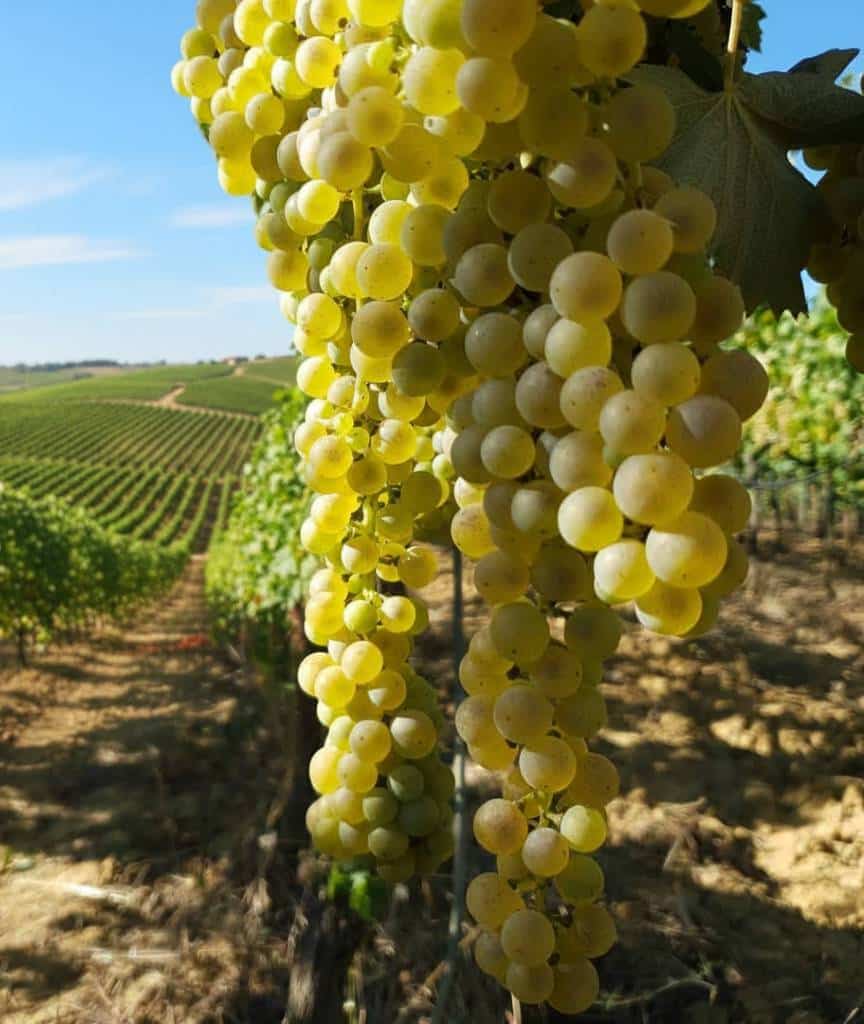
Characteristics: This is the second most cultivated variety in Tuscany and one of the most prolific in Italy. It is a vigorous, late-budding vine that produces large, cylindrical clusters of medium-sized, pale yellow berries. Aromatically, Trebbiano is known for its understated complexity, offering a “blank canvas” of delicate citrus, green apple, and white peach notes. It possesses high natural acidity and a medium-light body, providing a refreshing and crisp profile.
Winemaking and Style: Historically, Trebbiano was a required component in Chianti to add freshness, though it is now more commonly found in white blends. Winemakers often utilize stainless steel fermentation at controlled temperatures to preserve its primary fruit aromas. Its high acidity and sugar concentration when dried make it the essential base for Vin Santo, where it undergoes long aging in small caratelli barrels.
Vernaccia di San Gimignano
Characteristics: Originally from Liguria and brought to Tuscany around 1200, this grape thrives in the Pliocene clay and calcareous sands surrounding San Gimignano. It features medium-sized bunches that produce full-bodied wines with a distinct floral and mineral bouquet, often accented by notes of citrus and yellow apple. It is celebrated for its sapid, persistent palate and a characteristic almond-tinged finish.
Winemaking and Style: It earned Italy’s first DOC in 1966. Most versions undergo gentle pressing and cold pre-fermentation maceration before fermenting in stainless steel to maintain a crisp, mineral character. While most are intended for consumption within 1 to 3 years, some styles are aged in wood to add creaminess and toasty complexity, showcasing surprising aging potential for a white wine.
.
Malvasia Bianca Lunga
Characteristics Malvasia Bianca Lunga is one of the most significant members of the ancient Malvasia family in Tuscany. Ampelographically, it features elongated, loosely packed clusters with thin-skinned berries that turn a deep golden hue when ripe. Unlike the more neutral Trebbiano, Malvasia is highly aromatic, boasting a profile of ripe stone fruits, orange blossom, and a distinct spicy, musky undertone. It provides a necessary aromatic lift and “fatness” to white blends.
Winemaking and Style This grape is rarely bottled as a monovarietal in Tuscany; instead, it serves as the essential aromatic partner to Trebbiano. Its most famous role is in the historic Chianti blend and the production of Vin Santo. During the drying process for Vin Santo, Malvasia develops intense honeyed and floral notes. In dry white wines, winemakers often employ short cold macerations to extract its aromatic precursors before fermenting in stainless steel to preserve its volatile floral compounds.
Vermentino
Characteristics Vermentino is the rising star of coastal Tuscany, particularly in the Maremma and Bolgheri. It is a Mediterranean variety that thrives in the heat and salt-air influence of the Tyrrhenian coast. Ampelographically, it produces medium-to-large bunches with thick, waxy skins. Its aromatic profile is evocative of the seaside: notes of white peach, lime zest, and grapefruit, underscored by a characteristic salty minerality and hints of Mediterranean herbs like wild thyme and rosemary.
Winemaking and Style Winemakers emphasize Vermentino’s freshness through stainless steel fermentation and the avoidance of malolactic fermentation. Some producers utilize extended lees contact (sur lie) and occasional batonnage to build mid-palate weight and a silky texture. While most Vermentino is consumed young for its vibrant acidity, modern interpretations from coastal estates show an impressive ability to develop nutty and honeyed complexities after two to three years in the bottle.
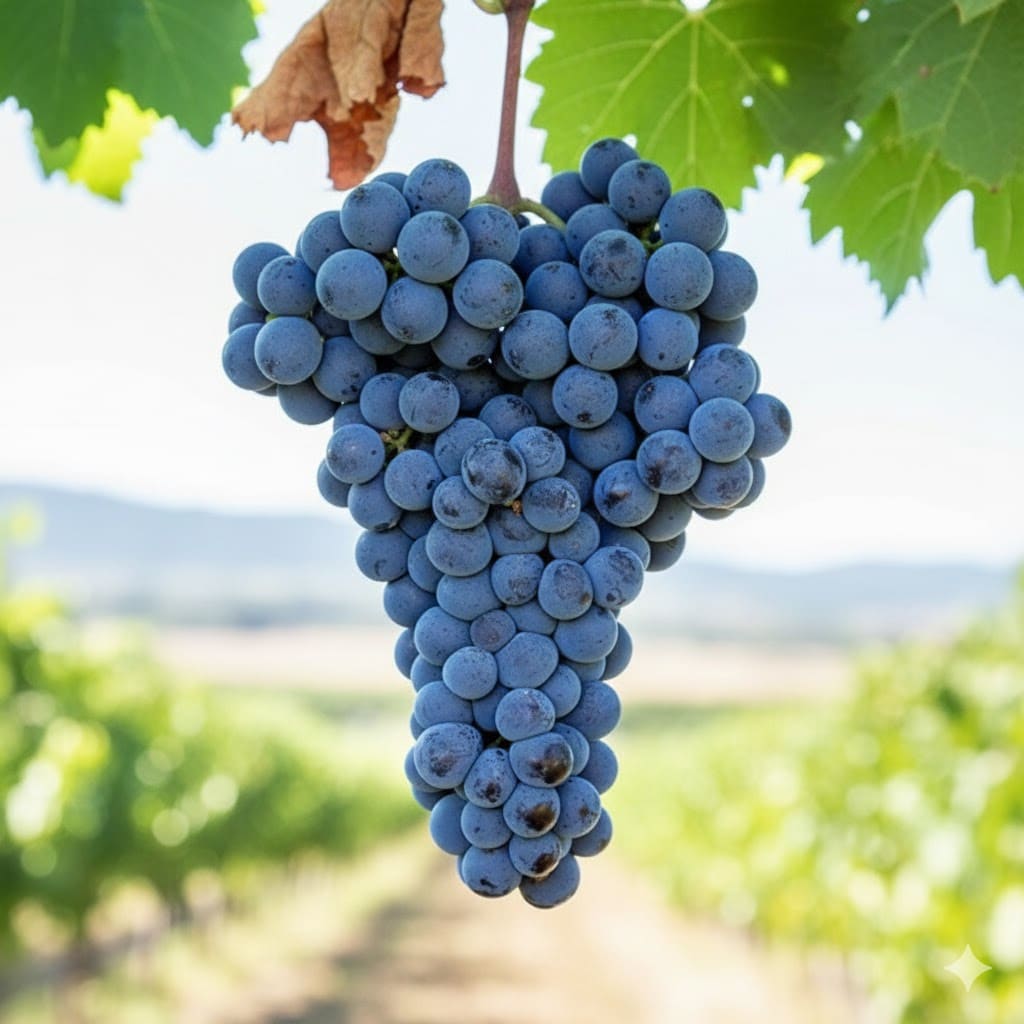
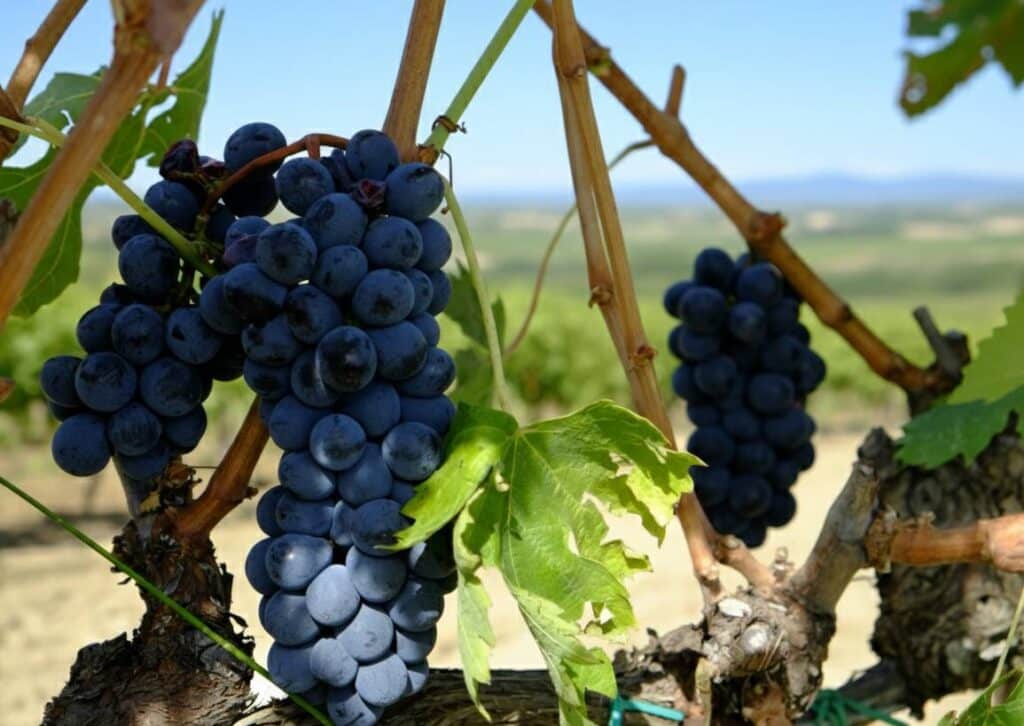
Characteristics: Representing 64% of Tuscan vines, Sangiovese is the region’s signature variety. It is a late-ripening, robust grape characterized by medium-sized berries with a purplish-black skin. Aromatically, it is celebrated for its “blood of Jupiter” profile: vibrant notes of tart cherry, red berries, and violet, often developing complex tertiary scents of leather, tobacco, and black pepper when aged. It is naturally high in both acidity and tannins, providing a firm, elegant structure.
Canaiolo Nero
Characteristics: A historic indigenous variety, Canaiolo features medium-sized, round black berries. It offers a soft, elegant aromatic profile with notes of ripe red cherry, plum, violet, and subtle hints of spice. Its defining physical trait is its discreet softness and lower acidity compared to Sangiovese, which makes it a vital balancing agent in traditional blends.
Winemaking and Style: Once the dominant grape in the region before the 19th century, it is now primarily used as a “minority partner” in Chianti and Vino Nobile di Montepulciano to provide “gentleness” and color. It is rarely vinified as a monovarietal because it requires strict yield control. When it is produced alone, it typically undergoes aging in neutral vessels to preserve its delicate, spicy, and floral nuances.
Colorino
Characteristics As the name suggests, Colorino is prized for the intense pigmentation of its skins. It is a small-berried variety with a deep, inky pulp. While its aromatic profile is somewhat muted—offering simple notes of dark berries and spice—its primary contribution is visual and structural. It provides a deep, ruby-purple hue to wines that might otherwise be translucent, like traditional Sangiovese.
Winemaking and Style Colorino is strictly a blending grape, used in very small percentages (often 2% to 5%) in Chianti and other traditional reds. Winemakers value it not only for color but for the touch of tannic grip it provides. In some cases, winemakers dry a portion of the Colorino grapes before fermentation to further concentrate the color and add a layer of jammy fruit intensity to the final blend.
Cabernet-Sauvignon (Super-Tuscan)
Characteristics: Though international, Cabernet Sauvignon has found a secondary home in Tuscany, particularly in the coastal Bolgheri region. It produces small, thick-skinned berries that result in robust, full-bodied wines with high tannins. Its aromatic profile is dominated by dark fruits like blackcurrant, plum, and black cherry, often accompanied by subtle notes of cedar, tobacco, and leather.
Winemaking and Style: In Tuscany, Cabernet is frequently blended with Merlot and Cabernet Franc in Bordeaux-style blends or with Sangiovese for a “Super Tuscan” profile. These wines are almost universally aged in French oak barriques for a minimum of 24 months, which contributes warming spice and vanilla notes. The goal is typically a “Grand Vin” style with immense aging potential and a polished, powerful mouthfeel.
Merlot (Super-Tuscan)
Characteristics: Merlot is a darling partner in Tuscany, prized for its ability to thrive in clay-heavy soils. It offers a softer, more “plush” profile than Cabernet or Sangiovese, characterized by flavors of ripe plum, black cherry, and chocolate. It has moderate acidity and smoother tannins, providing a velvety texture to any blend.
Winemaking and Style: Merlot is used as a “softener” in many Super Tuscans, rounding out the sharp edges of Sangiovese or the firm tannins of Cabernet Sauvignon. It is also occasionally vinified alone to create opulent, fruit-forward wines. Like its counterparts, it usually sees significant time in oak or large wooden barrels to enhance its depth and complexity, resulting in wines that are approachable in their youth yet capable of long-term cellaring.
Cabernet Franc (Super-Tuscan)
Characteristics While often in the shadow of its relative Cabernet Sauvignon, Cabernet Franc has emerged as a powerhouse in Tuscany’s coastal Bolgheri and Maremma districts. It is characterized by small, dark berries that ripen earlier than Sauvignon. Its aromatic profile is remarkably complex in the Tuscan heat, moving away from herbaceous notes toward dark chocolate, blueberry, red licorice, and a unique graphite or lead-pencil minerality.
Winemaking and Style In Tuscany, Cabernet Franc is often used to add aromatic complexity and elegance to Super Tuscan blends. However, some of the region’s most iconic and expensive wines are now 100% Cabernet Franc. Winemakers use a combination of stainless steel and French oak, focusing on precision and “tension” in the wine. The result is a profile that combines the power of the Tuscan sun with a sophisticated, silk-like tannin structure that is highly sought after by collectors.
Conclusion: The Art of the Experience
The true allure of Tuscany lies in the extraordinary diversity and resilience of its grape varieties. From the noble, high-acid Sangiovese that has defined the region for millennia to the opulent French varietals that sparked a global revolution, these grapes are the true protagonists of the Tuscan story. Each vine tells a tale of adaptation—how an ancient clone evolves to meet the demands of modern palates while retaining the soul of the soil. Understanding the technical nuances of these varietals, from the skin thickness of a Cabernet berry to the unique phenolic ripeness of a coastal Merlot, reveals the profound intelligence behind every blend.
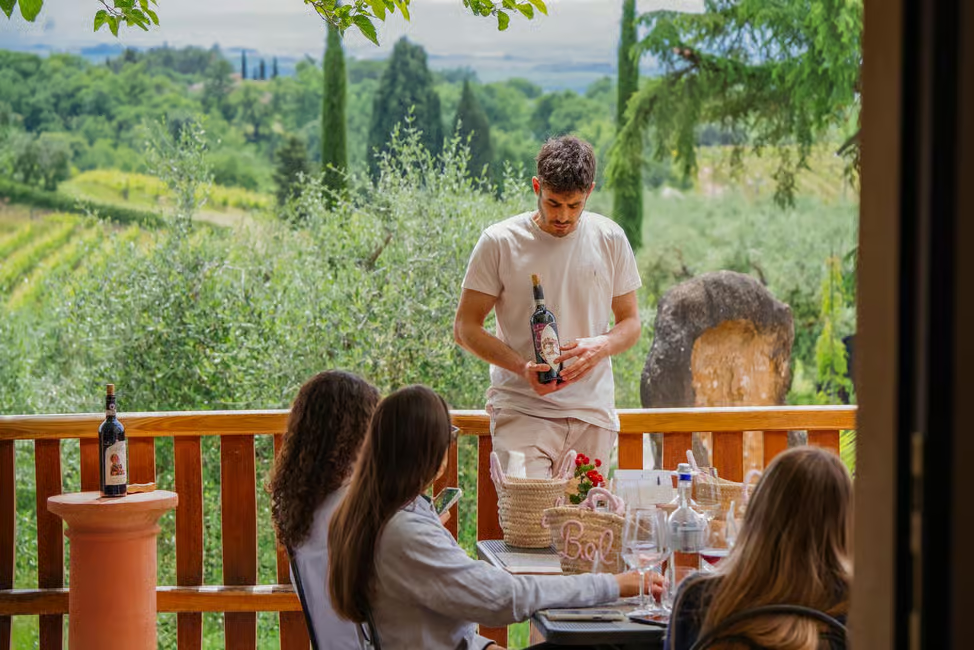
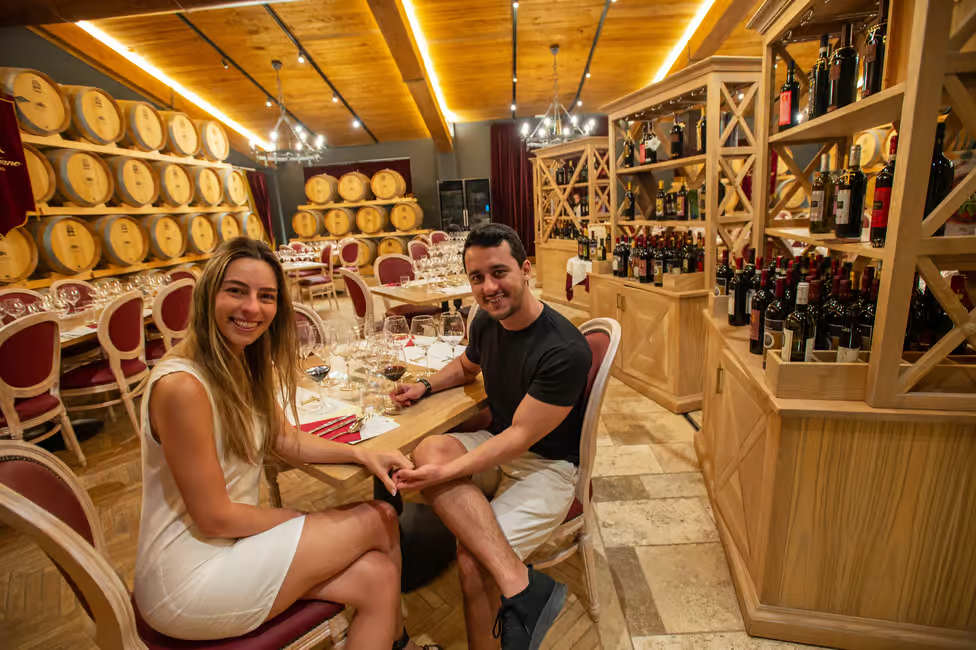
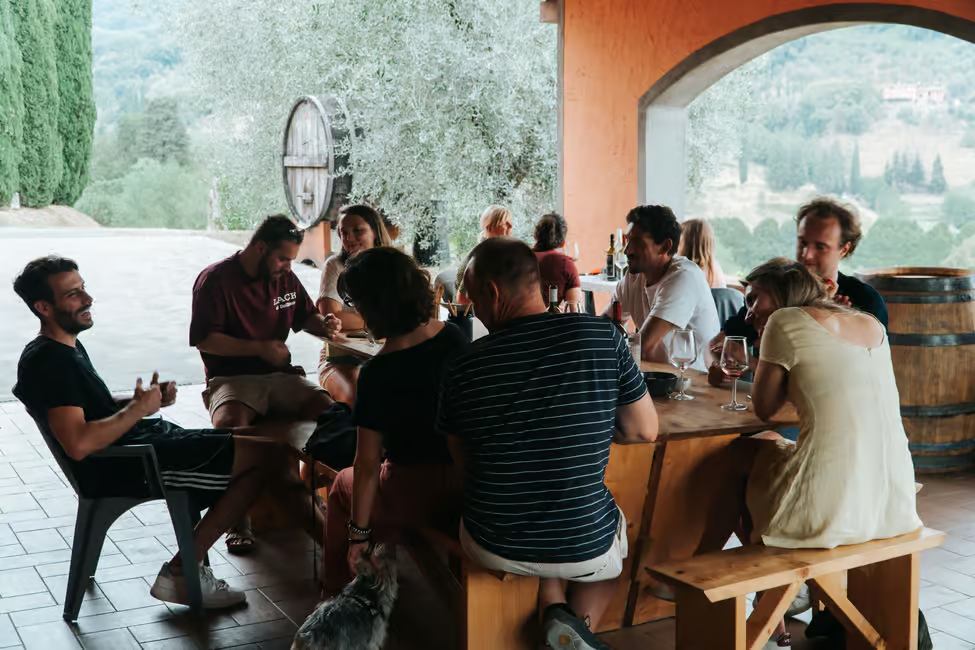
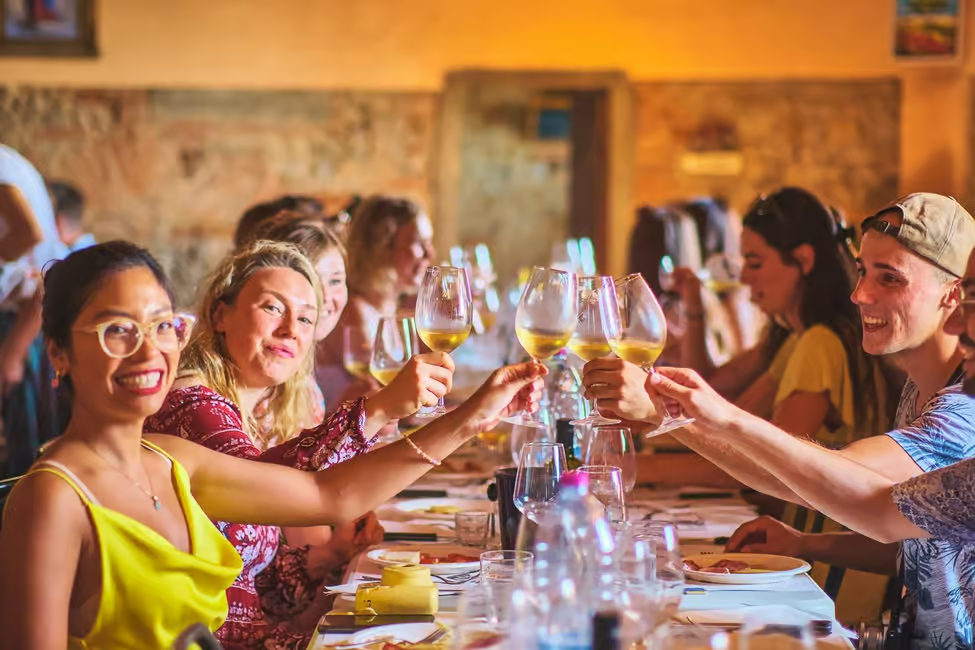
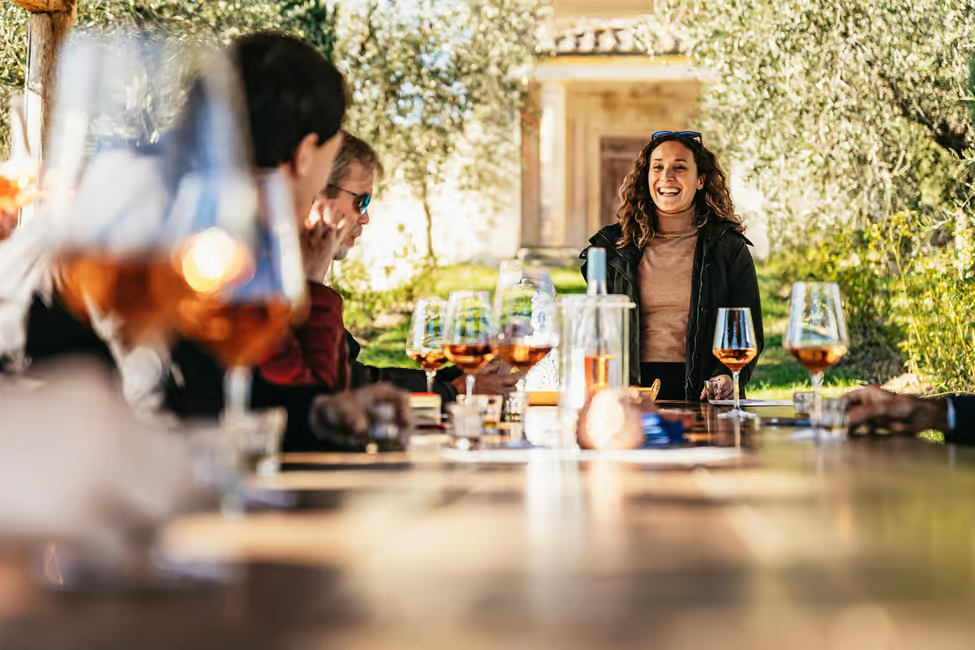
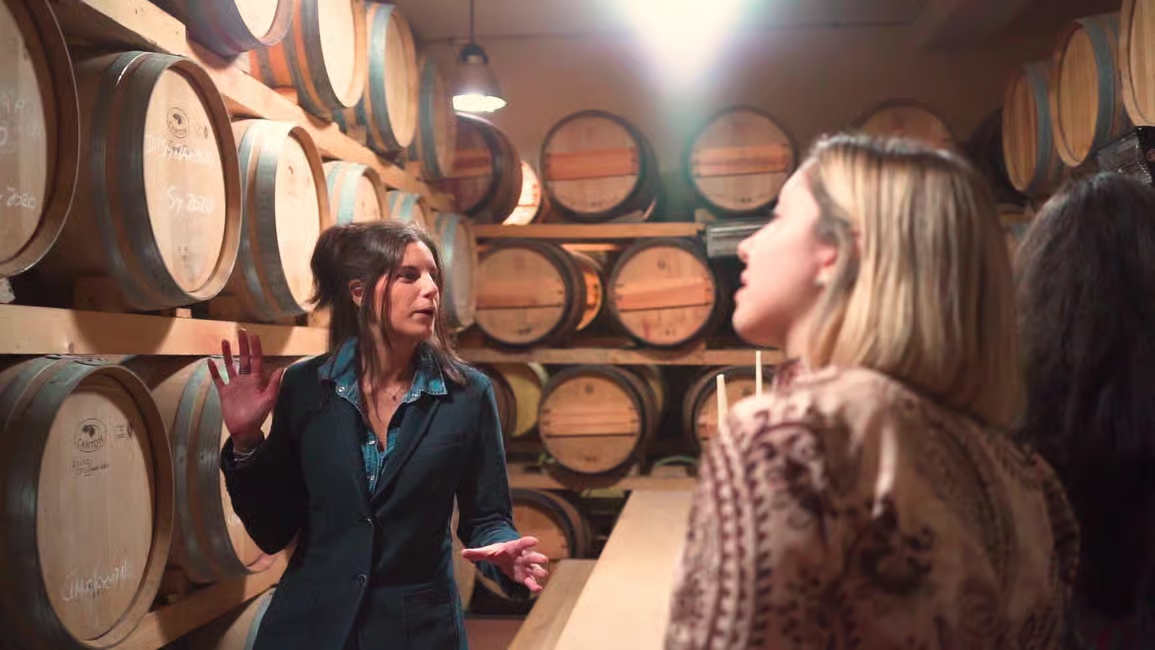
However, the technical profile of the Tuscany wine guide and grape varieties is only one chapter of the experience. The transformation of a raw grape into a legendary vintage is a sensory masterpiece that must be witnessed firsthand. There is no substitute for the experience of standing in a historic cellar, surrounded by the scent of aging oak, and tasting the vibrant acidity of a freshly pressed Sangiovese. We invite you to venture beyond the glass and immerse yourself in the living history of these vines. Professional wine tours offer the unique opportunity to meet the oenologists who decode these varietal secrets daily, turning a scientific understanding into an inspirational journey through one of the world’s most beautiful and bountiful wine landscapes.