Table of Contents
Malvasia Bianca Lunga TThe Aromatic Architect and Tuscan Heritage Star
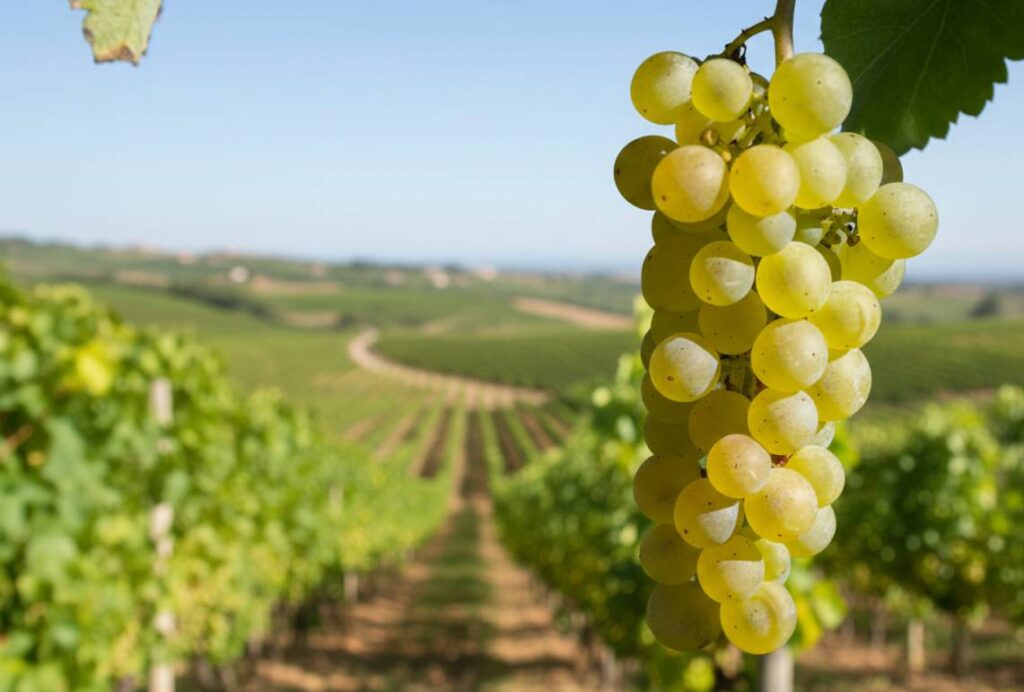
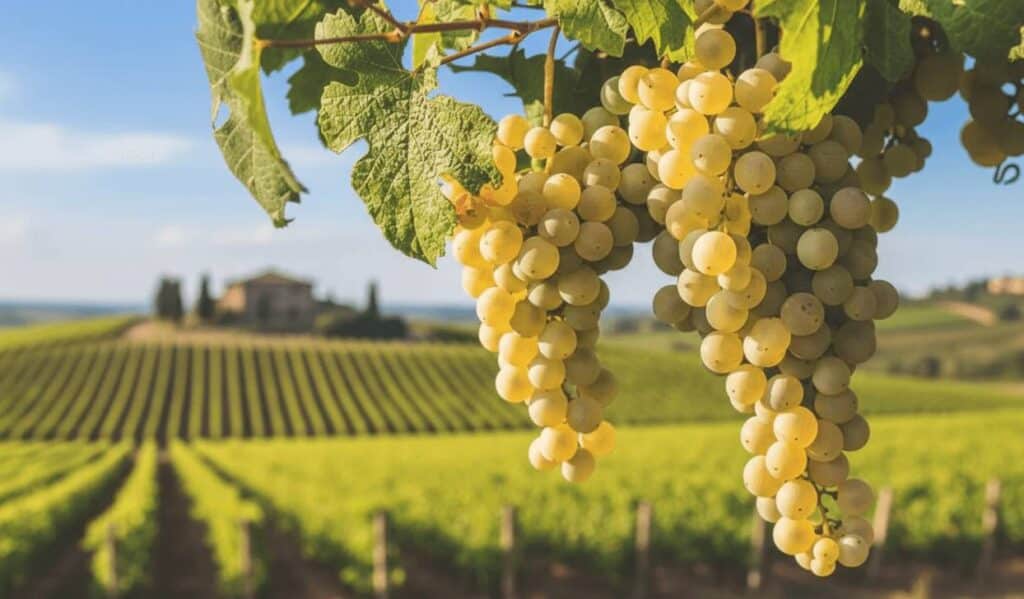
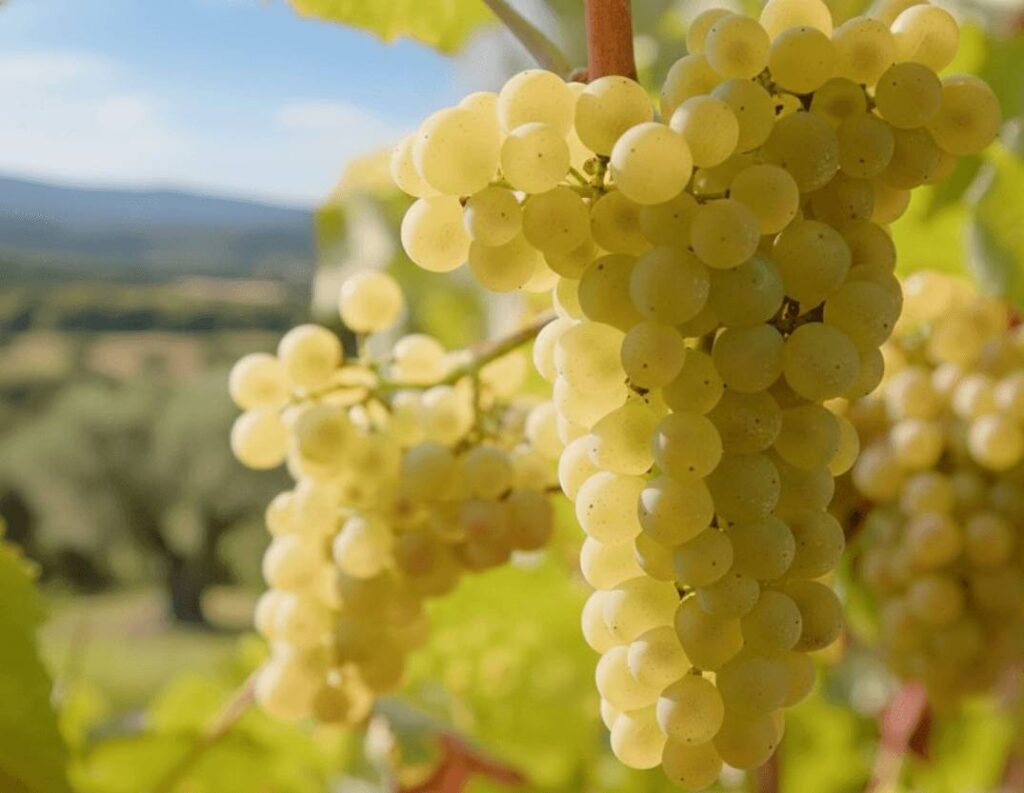
Malvasia Bianca Lunga is a grape of radiant intensity, typically presenting a bright, straw-yellow color that often glints with golden highlights. Celebrated for its expressive aromatics and high natural sugar potential, it offers a medium-to-full body characterized by a signature oily, luscious texture that coats the palate. On the nose, it is a sensory explosion of ripe apricots, orange blossoms, and tropical jasmine, frequently underscored by a sophisticated hint of wild honey and toasted nuts. As the historic aromatic cornerstone of Central Italy, this “Long Malvasia” is the essential soul of the region’s legendary dessert wines and a vital blending partner that provides fragrance and weight to world-class dry whites.
Origin, History and Terroir Italian since Roman Times
Ancient Mediterranean Roots and Name
Malvasia Bianca Lunga belongs to one of the oldest and most diverse families of grapes in the world, with its origins tracing back to ancient Greece and the Peloponnese. The name “Malvasia” is a corruption of the Greek coastal fortress-town of Monemvasia, through which these prized vines were traded by Venetian merchants during the Middle Ages.
The Parentage and Genetic Lineage
DNA analysis has distinguished “Bianca Lunga” as a specific, high-quality variant within the vast Malvasia family. Its genetic makeup is perfectly adapted to the Mediterranean climate, having been a part of the Italian landscape for centuries. Historically, it was a mandatory component of the “Chianti Recipe” established by Baron Ricasoli, used to add a floral lift to the red Sangiovese.
Dominance in Tuscany and Umbria
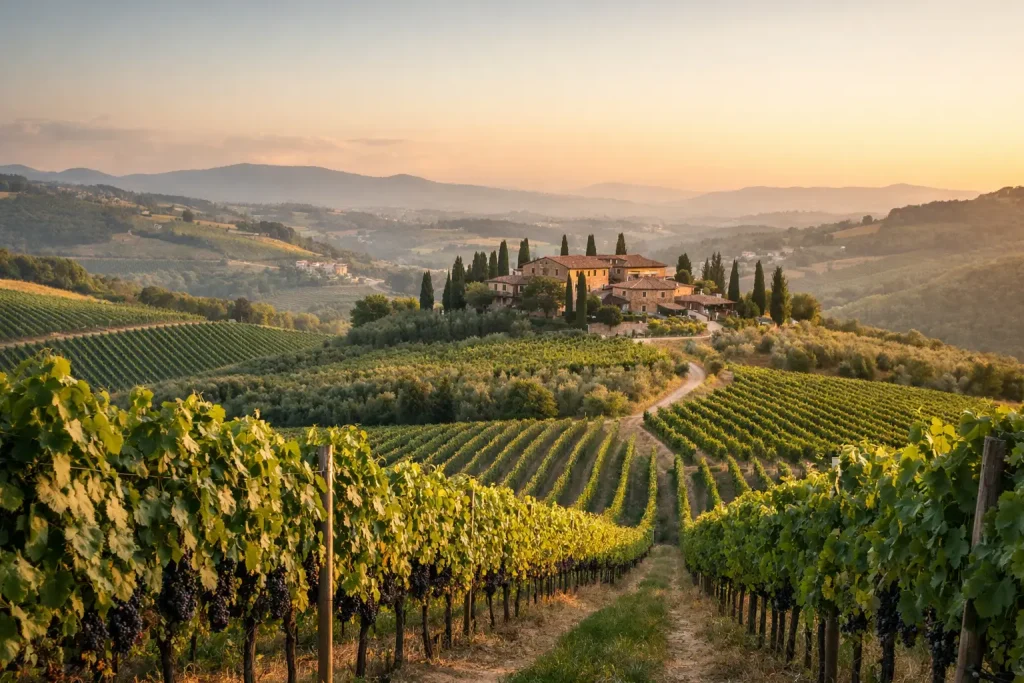
The grape finds its most prestigious expression in Tuscany and Umbria, where it is deeply rooted in the local winemaking tradition. It thrives in marl and limestone-rich soils, which allow the vine to develop its complex aromatic precursors while maintaining enough acidity to balance its natural richness. The well-drained slopes of the Chianti Classico hills are particularly prized for producing berries with concentrated sugars and intense floral perfumes.
Characteristics of Malvasia Bianca Lunga Mid to Late-ripening and delicate skin
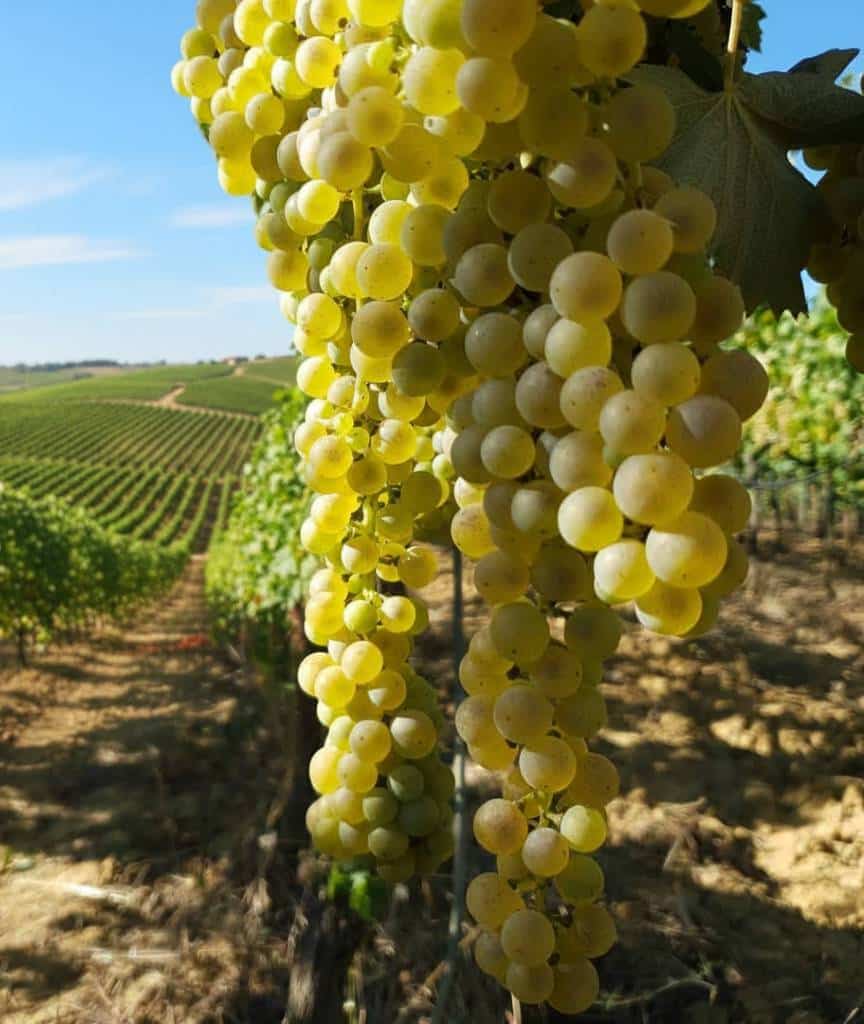
Malvasia Bianca Lunga is a mid-to-late ripening variety that requires significant sunlight to achieve its full aromatic potential. The berries have thin, delicate skins that are highly susceptible to botrytis (noble rot) and powdery mildew. While this thin skin makes the grape vulnerable in damp conditions, it is actually a primary advantage for the production of sweet wines; the skin allows for easy dehydration during the appassimento (air-drying) process, concentrating flavors and sugars into a nectar-like consistency.
Aromatic profile of Malvasia Bianca Lunga Exotic Fruits, White Flower and Stone Fruits
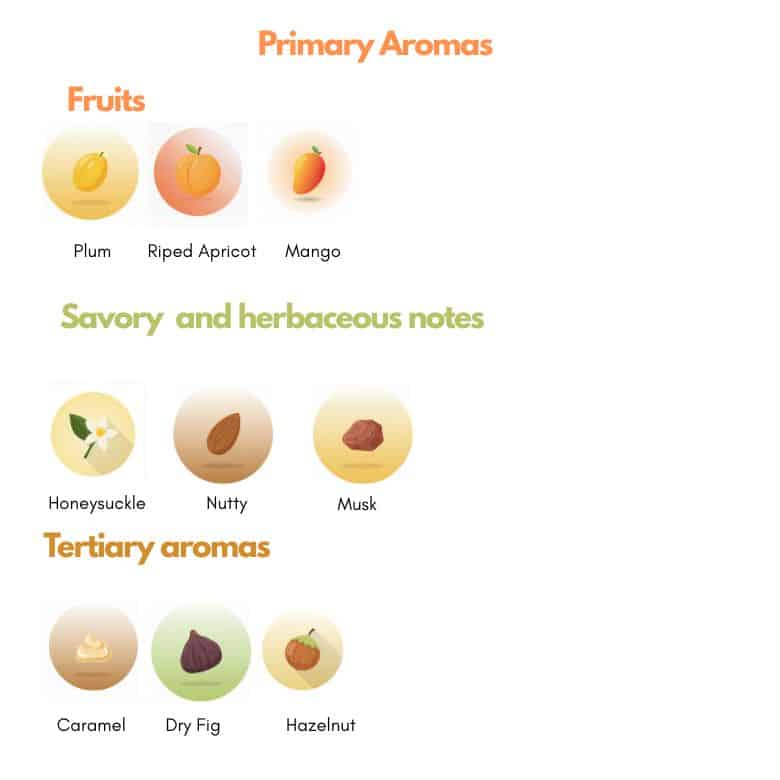
The sensory experience of Malvasia Bianca Lunga is defined by its aromatic generosity.
Primary Aromas
The palate is greeted with primary flavors of ripe apricot, yellow plum, and mango. These are intricately layered with savory and floral notes of honeysuckle, musk, and a distinct “nutty” quality reminiscent of raw almonds.
Structure
Structurally, the wine is medium-to-full bodied with moderate acidity and a velvety, almost creamy texture. In its sweet iterations, it develops tertiary notes of caramel, dried figs, and roasted hazelnuts.
Winemaking and Blending Techniques traditional, modern or blend
Blending Partner and Role
Malvasia Bianca Lunga is the ultimate “aromatic enhancer.” In dry white blends like Orvieto or Galestro, it is paired with Trebbiano to provide the fruitiness and floral perfume that Trebbiano lacks. Historically, it played the “softener” role in red Chianti, though this practice is now rare for high-end red labels.
The Use of Oak and Stylistic Spectrum
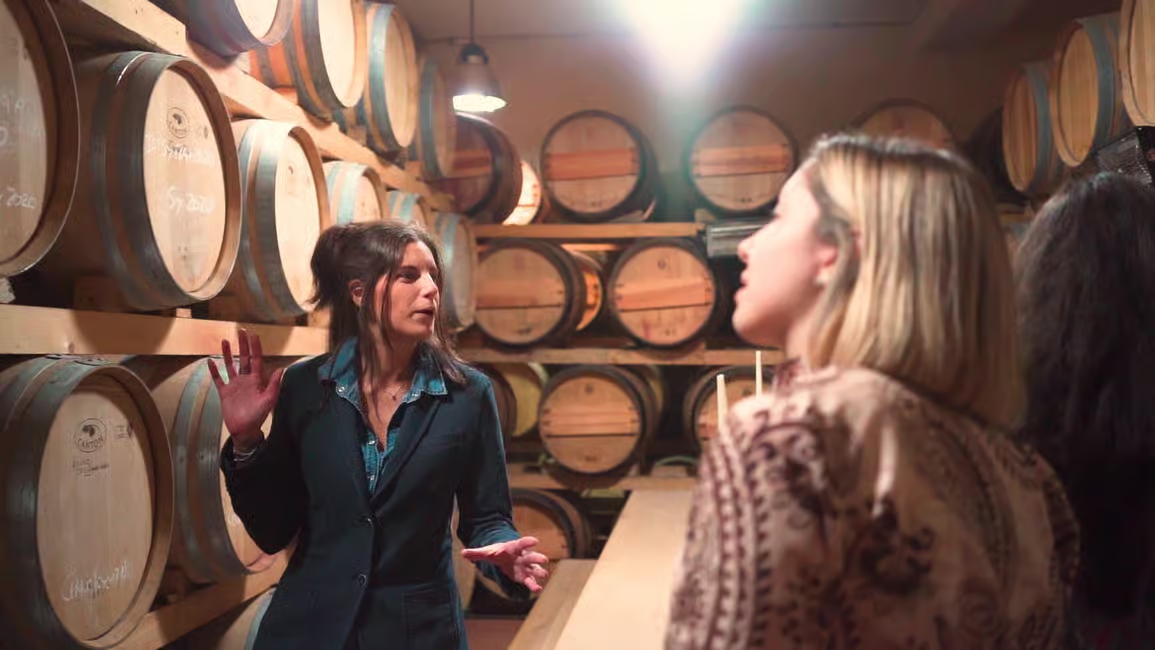
The Dry Modern Style is usually fermented in stainless steel to preserve the delicate primary floral notes. However, the Traditional Sweet Style (Vin Santo) represents the grape’s pinnacle. Here, the grapes are dried on straw mats for months before being fermented and aged in small wooden barrels (caratelli) for 3 to 10 years. This long oxidation in wood transforms the grape into a dark, viscous, and complex elixir of immense longevity.
The Impact of Climate in Style
Cooler/High-Altitude Climate (Northern Tuscany)
In the cooler, more temperate zones of northern Tuscany, Malvasia Bianca Lunga retains a higher level of freshness and a more linear structure. The flavor profile is dominated by white peach, green tea, and a piercing elderflower aroma. These versions are typically found in dry blends, where the grape provides an elegant, perfumed “top note” without overwhelming the wine with weight.
Warmer/Mediterranean Climate (Coastal Tuscany and Maremma)
In the sun-drenched coastal regions, the grape becomes an opulent powerhouse. The sugar levels soar, and the aromatics shift toward dehydrated tropical fruits, honeycomb, and candied orange peel. In this warmer climate, the texture becomes notably viscous and rich, making it the ideal candidate for high-end dessert wines or powerful, sun-kissed dry whites that emphasize mouthfeel and hedonistic fruit.
Regions for Malvasia Bianca Lungano Puglia, Tuscany, Umbria

Italy (Tuscany – Vin Santo del Chianti): The Crown Jewel.
The most famous application of the grape, where it is blended with Trebbiano to create one of the world’s most iconic dessert wines.
Italy (Umbria – Orvieto DOC): The Floral Backbone.
In this historic region, Malvasia Bianca Lunga provides the essential “body” and apricot-scented charm to the local white blends.
Italy (Tuscany – Chianti): The Historic Ghost.
While now largely removed from red blends, it is still used in “Chianti Bianco” labels to produce refreshing, aromatic summer whites.
Italy (Puglia): The Southern Cousin.
In the heel of Italy, it is used to produce riper, more tropical varietal wines that showcase its heat-loving nature.
Food pairing and service of Malvasia Bianca Lunga
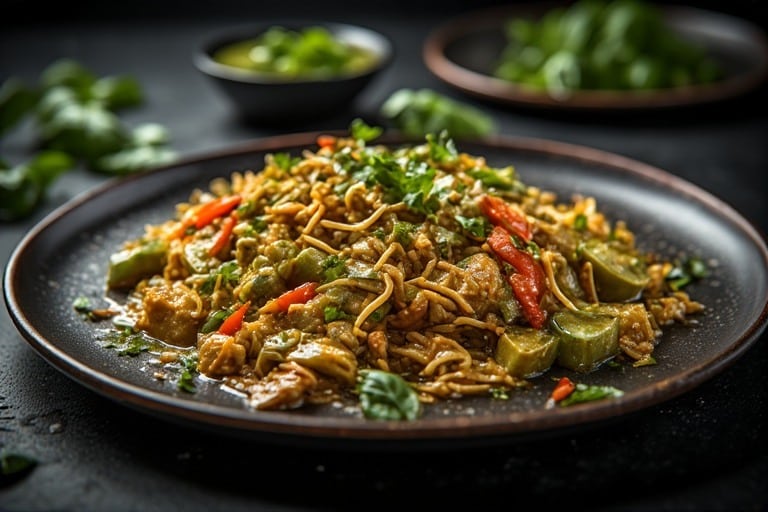
Jasmin and orange blossom aromatics of Malvasia Bianca Lunga harmonize with asian food like green curry
Ideal Food Pairings
Because Malvasia Bianca Lunga spans the spectrum from bone-dry to syrupy sweet, its pairing potential is exceptionally broad. The key is to match the wine’s floral intensity and notable “weight” with dishes that offer aromatic complexity or rich textures.
The Vin Santo Classic:
The absolute gold standard for the sweet style is Cantucci di Prato (Tuscan almond biscotti). The wine’s nutty, honeyed notes mirror the toasted almonds in the biscuit. It is also a spectacular companion for Gorgonzola Dolce or Roquefort; the wine’s residual sugar and viscosity perfectly balance the saltiness and “funk” of blue-veined cheeses.
Fragrant and Spiced Cuisines
Dry versions of Malvasia are secret weapons for Southeast Asian cuisine. Its jasmine and orange blossom aromatics harmonize beautifully with Thai Green Curry, Lemongrass Shrimp, or Ginger-Soy Glazed Fish. The grape’s oily texture acts as a buffer against moderate chili heat, while its fruitiness complements the sweetness of coconut milk.
Rich Seafood and Poultry
Fuller-bodied dry styles pair wonderfully with Scallops seared in brown butter or Chicken Liver Pâté. The wine has enough “fat” on the palate to match these rich proteins, while its stone-fruit flavors provide a bright, acidic contrast to the savory fats.
Vegetarian Delights
Look toward dishes with “sweet” earthy elements, such as Roasted Butternut Squash with Sage or Apricot-Glazed Root Vegetables. The wine’s primary fruit profile bridges the gap between the vegetable’s natural sugars and the savory herbs.
Avoidances:
Steer clear of extremely lean, high-acid dishes like citrus-heavy ceviche or sharp vinaigrettes, which can make Malvasia’s moderate acidity feel “flabby” and its floral notes seem cloying.
Service Temperature
Serve dry styles chilled at 8°C to 10°C (46°F–50°F). For sweet Vin Santo, serve at 12°C to 14°C (54°F–57°F) to allow the caramel and nut aromas to fully expand.
Decanting
Dry versions are approachable immediately. However, an aged Vin Santo benefits from 20 to 30 minutes of air to blow off “bottle funk” and reveal its deep, honeyed core.
Challenges & Future Outlook
The primary challenge for Malvasia Bianca Lunga is the declining global market for sweet wines, leading some growers to favor more “fashionable” varieties. However, the rise of the “Orange Wine” movement has provided a lifeline. Producers are finding that the grape’s thin skins and aromatic precursors make it a perfect candidate for extended skin contact, creating complex, amber-colored dry wines that appeal to a new generation of adventurous drinkers
Ready to Dive into the World of Malvasia Bianca Lunga? Discover Our Tours! Taste the Mediterranean Gold
Malvasia Bianca Lunga is a grape that carries the scent of the Mediterranean in every glass. Whether enjoyed as a crisp, floral dry white or as a legendary, amber-hued Vin Santo, it offers a level of aromatic luxury that few grapes can match. Indulge in a piece of Tuscan history—seek out the honeyed elegance of Malvasia today!