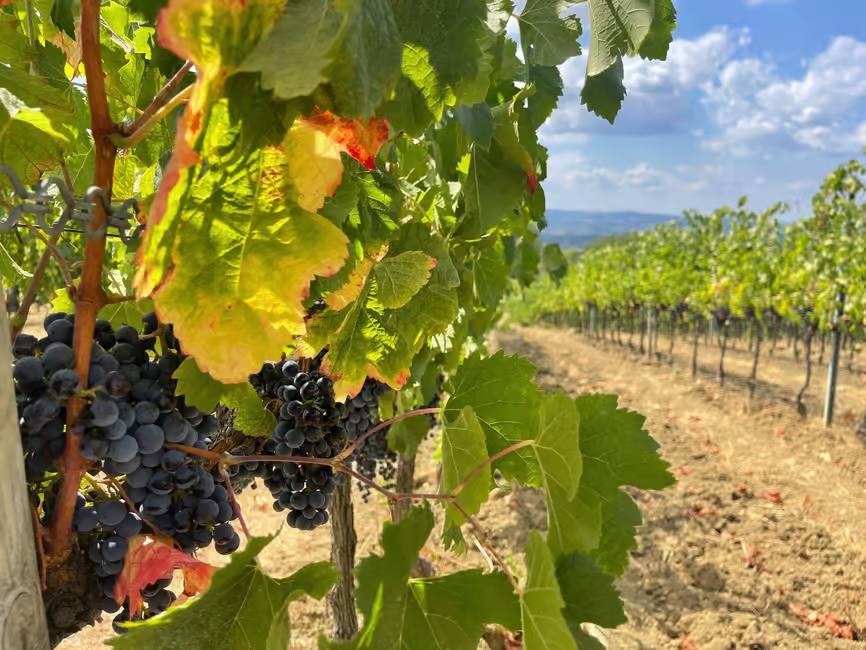
For more than half a century, Super Tuscans have embodied Tuscany’s boldest winemaking spirit. Born from producers willing to challenge rigid regulations, they proved that exceptional wines could be made by blending international grape varieties with Sangiovese—or by ignoring tradition altogether in pursuit of quality. Labels such as Sassicaia, Tignanello, and Ornellaia transformed not only Tuscany’s reputation but also the perception of Italian fine wine around the world.
Today, however, a new chapter is unfolding. The future of Super Tuscans is no longer defined by rebellion. Instead, it is shaped by climate adaptation, sustainability, terroir expression, and a growing desire to produce wines that feel fresher, more balanced, and more authentically Tuscan.
For wine lovers visiting Tuscany, this evolution makes the region more fascinating than ever. Touring a Super Tuscan estate is no longer simply about tasting prestigious reds—it is an opportunity to discover how some of Italy’s most influential wineries are responding to environmental challenges while redefining luxury for a new generation.
What Is a Super Tuscan?
Despite the name, “Super Tuscan” is not an official wine classification. The term was coined in the 1970s to describe premium Tuscan wines that fell outside the strict DOC regulations of the time.Many pioneering producers wanted the freedom to blend Cabernet Sauvignon, Merlot, Cabernet Franc, or Syrah with Sangiovese, or even produce wines entirely from international varieties. Because these wines did not comply with traditional rules, they were initially sold as simple table wines despite their outstanding quality.
Today, most Super Tuscans are bottled under the Toscana IGT designation, which continues to give winemakers exceptional creative freedom.
From Rebellion to Precision
The first generation of Super Tuscans sought to demonstrate that Tuscany could rival Bordeaux and the world’s greatest wine regions. Their success was spectacular. But today’s producers are asking a different question.
Rather than chasing power or international styles, many are focused on expressing individual vineyards, cooler microclimates, and the unique identity of places such as Bolgheri, Chianti Classico, Maremma, Bibbona, and Suvereto.The emphasis is gradually shifting from “Which grape variety?” to “Which site?”That subtle change may define the next fifty years of Super Tuscan winemaking.
Climate Change Is Reshaping Super Tuscans
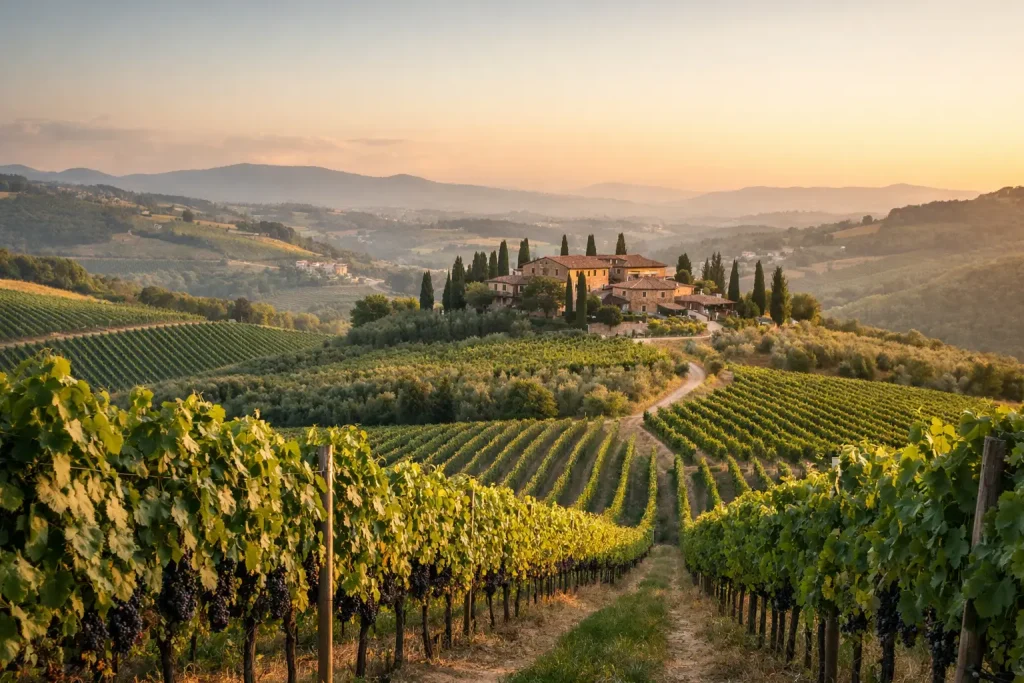
Climate change is perhaps the single biggest factor influencing Tuscany’s most prestigious wines.
Warmer growing seasons accelerate ripening, increase sugar levels, and can reduce the acidity that gives great wines their freshness and longevity. Producers who once sought maximum concentration are now looking for balance.The response extends far beyond harvesting earlier.
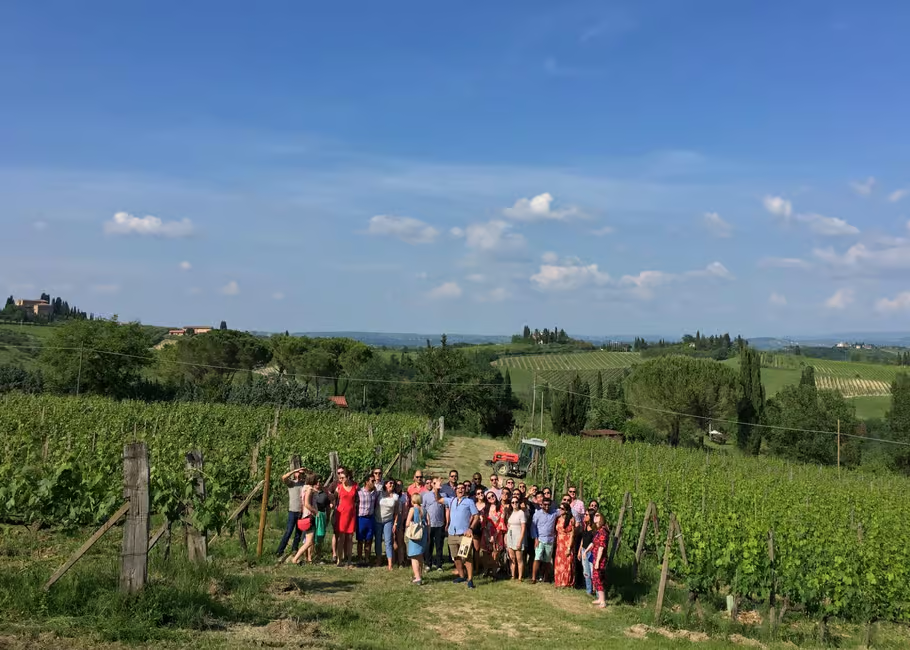
Across Tuscany, wineries are planting vineyards at higher elevations, selecting cooler exposures, improving soil health through cover crops, and investing in water conservation. Vineyard management has become just as important as cellar techniques.
Winemaking itself is evolving too.Many estates are reducing extraction, using less new oak, and favouring longer, gentler fermentations. The objective is not to make lighter wines, but wines with greater energy, precision, and elegance.
The result is a new style of Super Tuscan that remains complex and age-worthy while offering fresher aromatics, more vibrant acidity, and finer tannins.
Cabernet Franc Is Becoming a Rising Star
Cabernet Sauvignon and Merlot remain fundamental to many of Tuscany’s greatest wines. Sassicaia continues to demonstrate the remarkable suitability of Cabernet Sauvignon in Bolgheri, while Masseto has shown how extraordinary Merlot can become in Tuscany’s coastal vineyards.
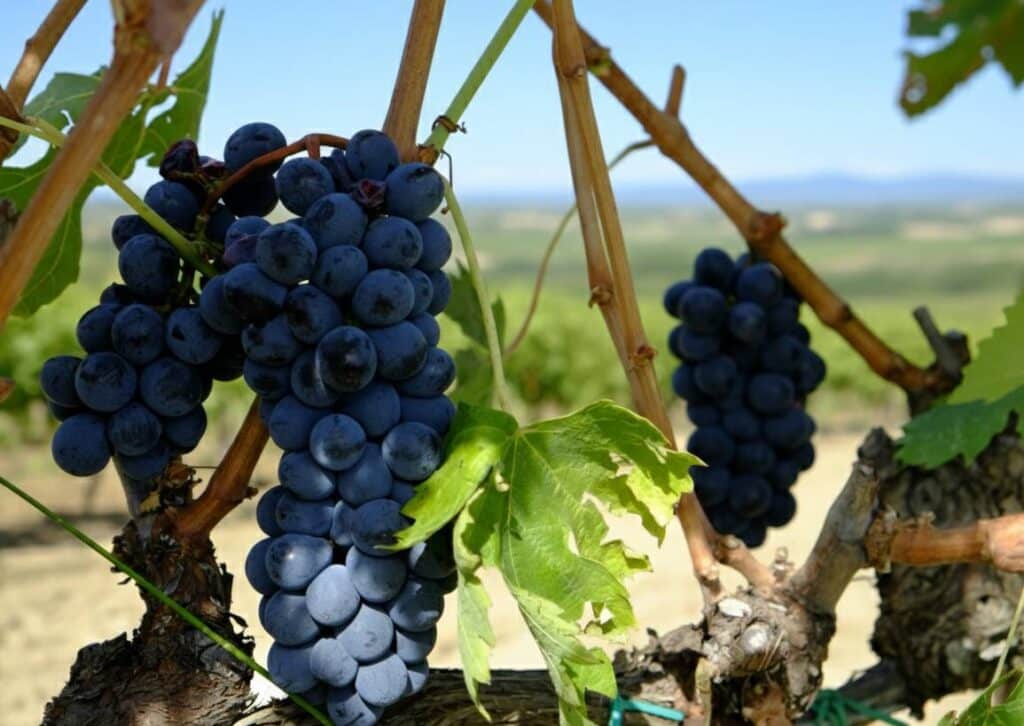
Yet one variety is attracting increasing attention: Cabernet Franc.Naturally aromatic, fresh, and well adapted to warmer conditions, Cabernet Franc allows producers to build structured wines without excessive weight. Its floral notes, herbal complexity and refined tannins fit perfectly with the direction many estates are pursuing.
Wineries such as Le Macchiole have helped establish Cabernet Franc as one of Tuscany’s most exciting grapes, and many younger producers now see it as an essential component of future blends.
Sangiovese Is Back at the Centre
Perhaps the biggest surprise is the renewed confidence in Sangiovese itself. For years, some producers viewed international varieties as the key to creating globally competitive wines. Today, many believe that Sangiovese offers exactly what a warming climate requires: freshness, vibrant acidity, moderate alcohol potential and unmistakable regional character.
Rather than replacing Cabernet or Merlot, Sangiovese is increasingly becoming the backbone of many modern blends. Its sour cherry fruit, herbal nuances and lively structure add energy that international varieties alone sometimes struggle to achieve in hotter vintages. The result is a generation of Super Tuscans that feels unmistakably Tuscan rather than simply international.
Beyond Bolgheri: New Regions Are Emerging
Bolgheri remains the spiritual home of many iconic Super Tuscans, but it is no longer the only area worth watching. Across Alta Maremma, Suvereto, Riparbella, Montecucco, and parts of southern Tuscany, ambitious producers are experimenting with new vineyard sites that offer cooler nights, diverse soils and greater resilience to climate change.
These emerging areas often produce smaller quantities but offer remarkable personality and excellent value compared with the region’s most famous labels. For wine travellers, they also provide a more intimate experience, where tastings often take place with the owner or winemaker rather than in large hospitality centres.
Sustainability Is Becoming Part of Luxury
The next generation of Super Tuscans will likely be defined as much by farming as by blending. Organic certification, biodynamic practices and regenerative viticulture are becoming increasingly common among both established estates and younger wineries.
Many producers are planting biodiversity corridors, reducing synthetic inputs, improving soil microbiology and lowering their carbon footprint through lighter bottles and renewable energy. Increasingly, luxury is no longer measured solely by rarity or price. It is measured by stewardship of the landscape that makes these wines possible.
Hospitality Is Redefining the Super Tuscan Experience
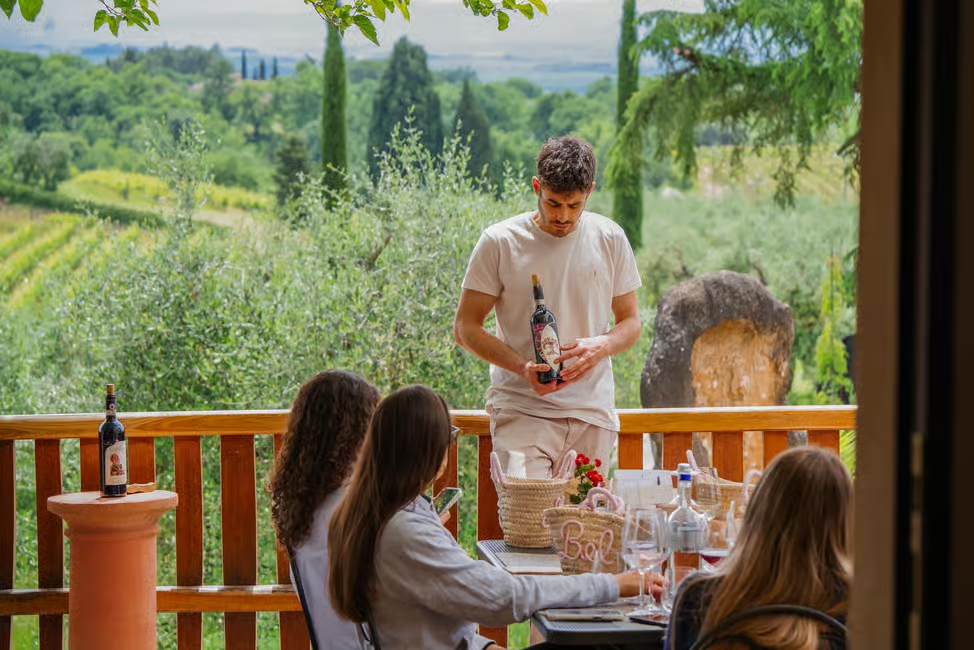
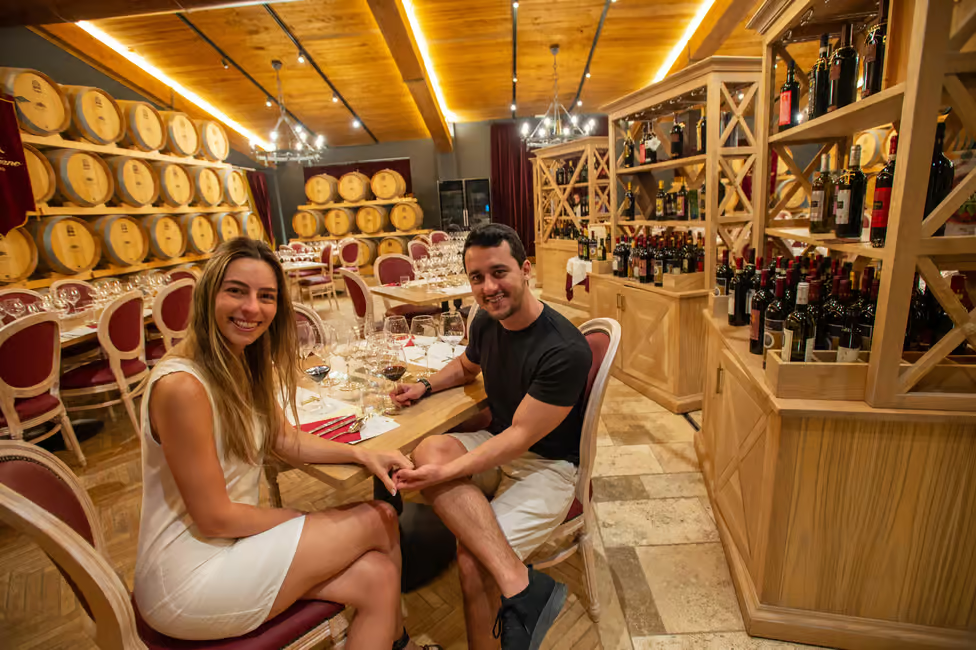
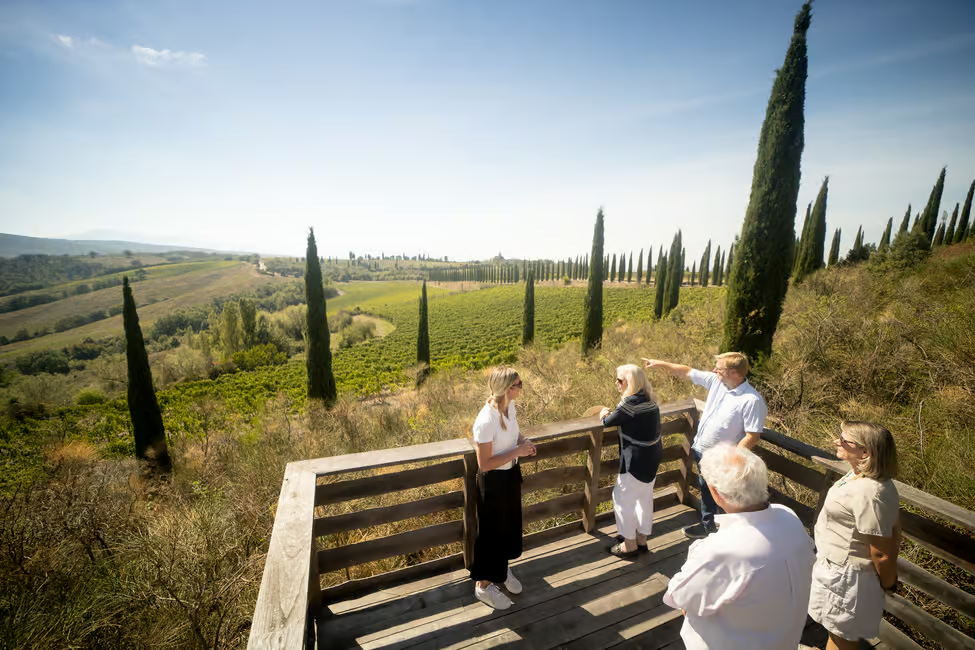
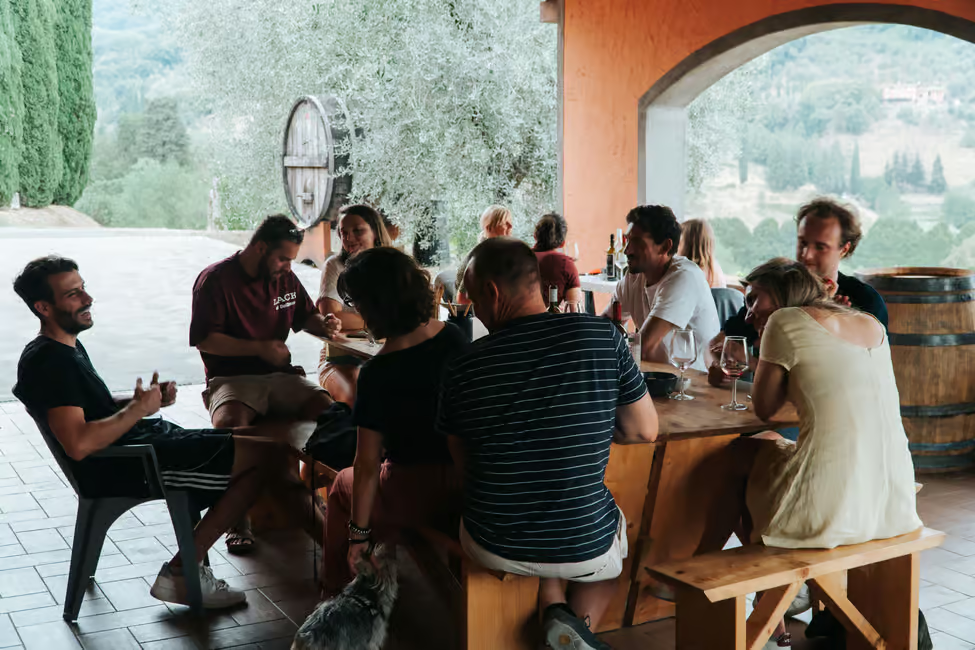
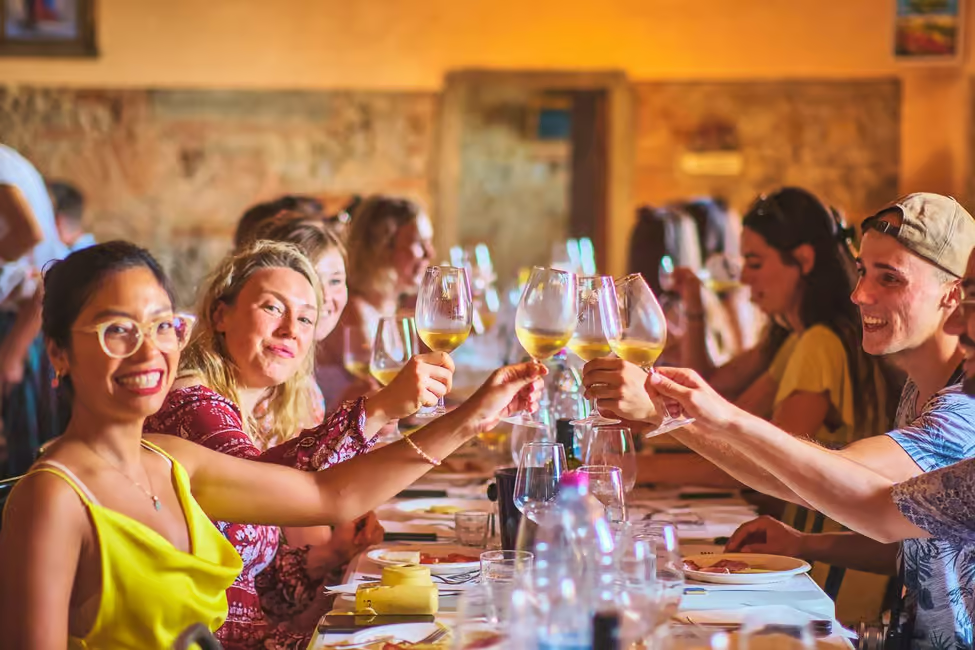
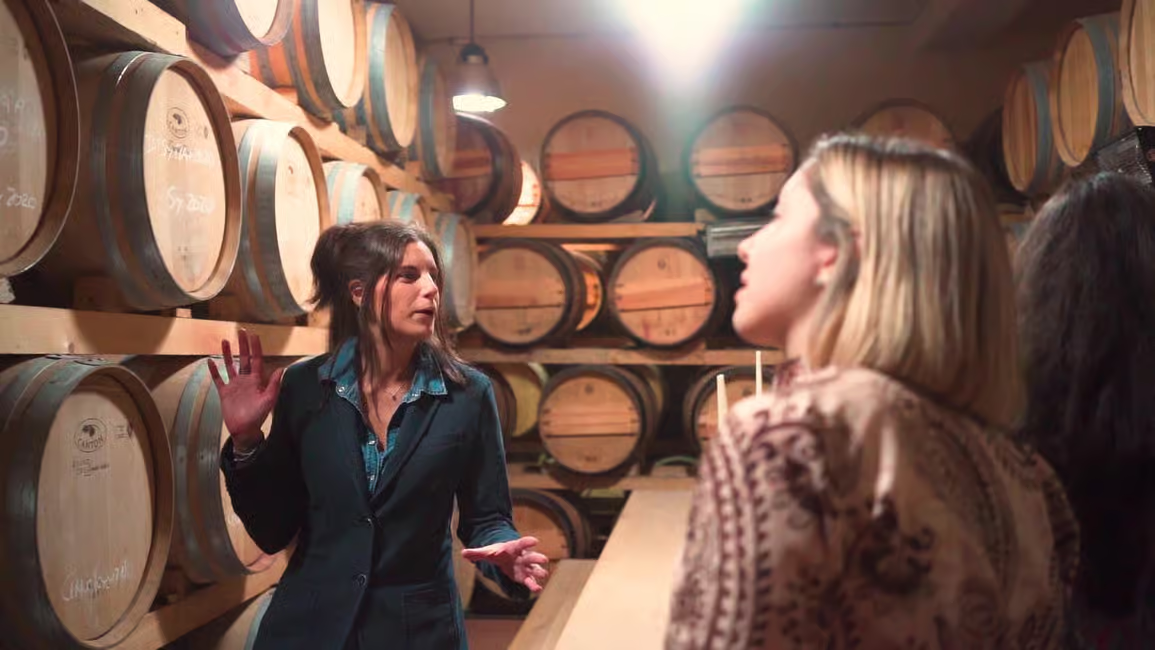
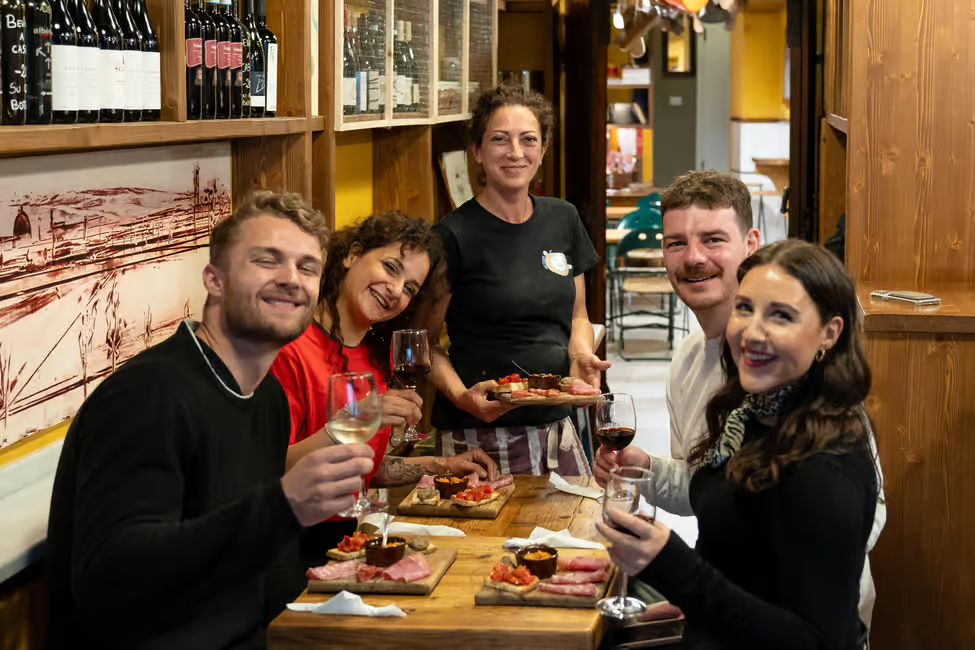
The world’s most successful estates understand that visitors want more than a tasting. Modern wine tourism has become immersive. Guests expect vineyard walks, barrel tastings, food pairings, conversations with winemakers and a deeper understanding of how each wine reflects its landscape.
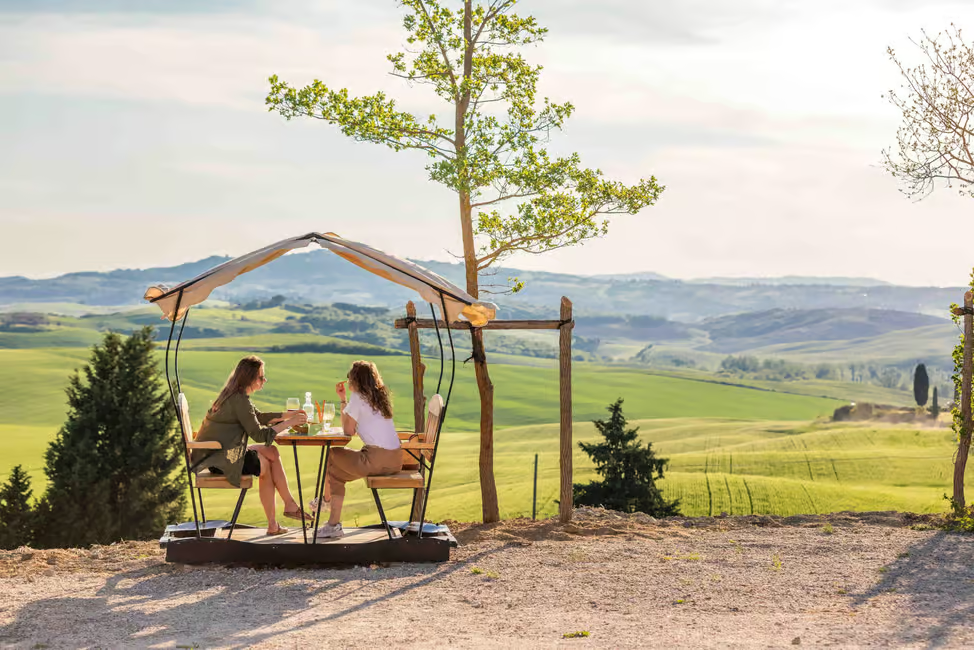
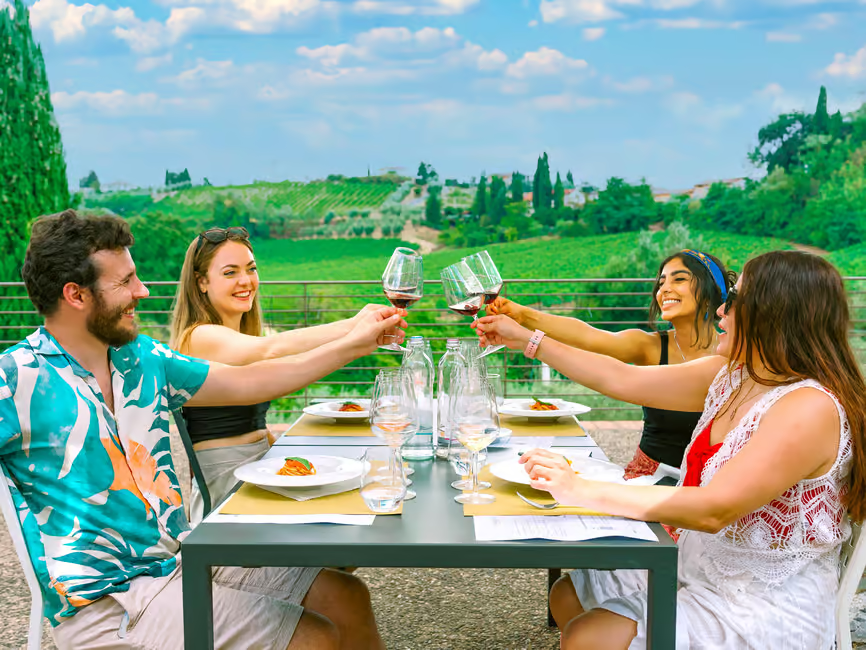
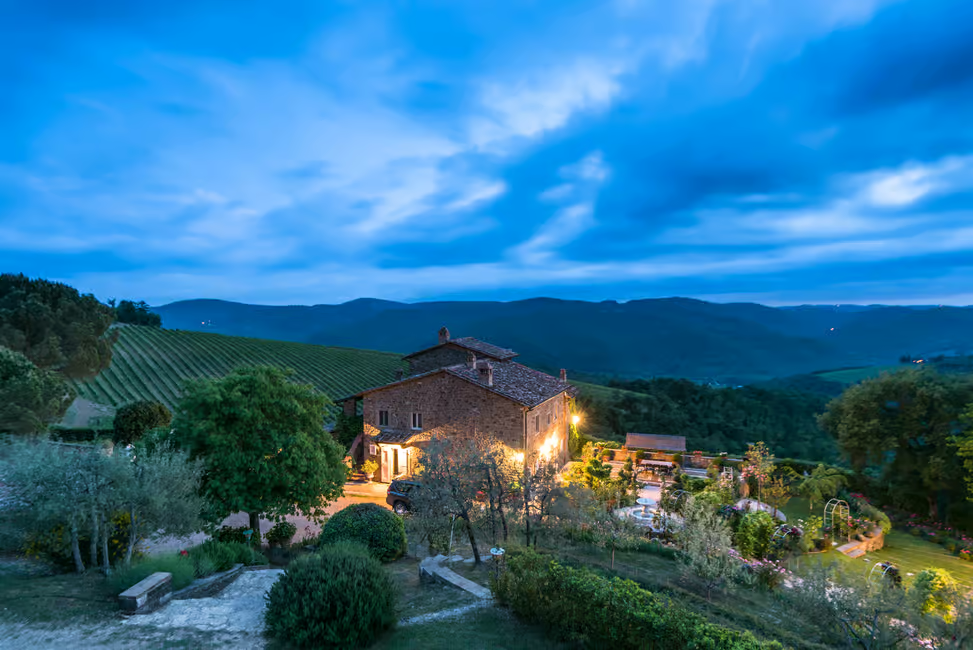
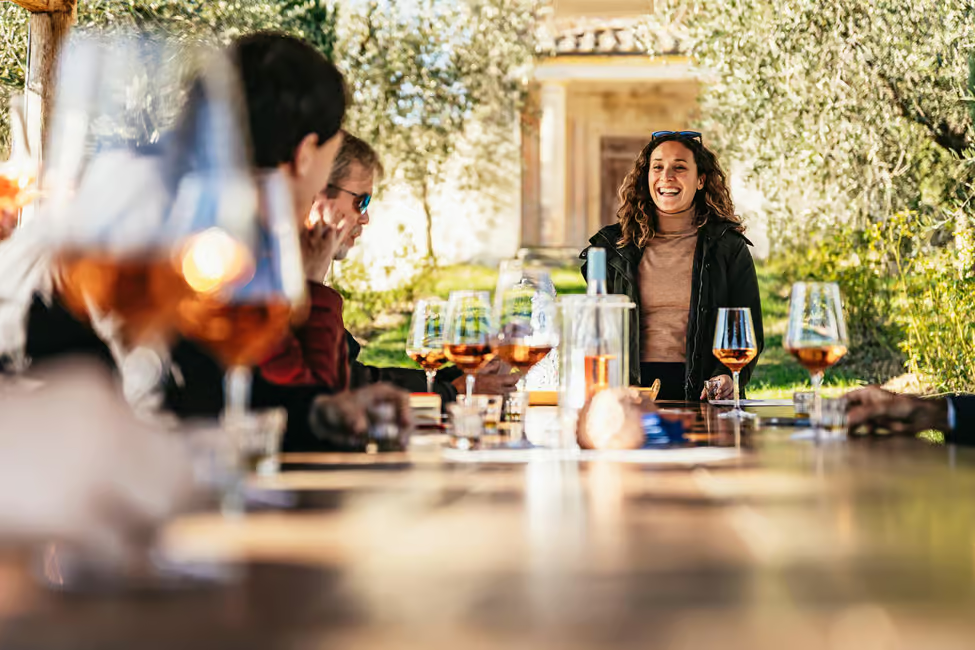
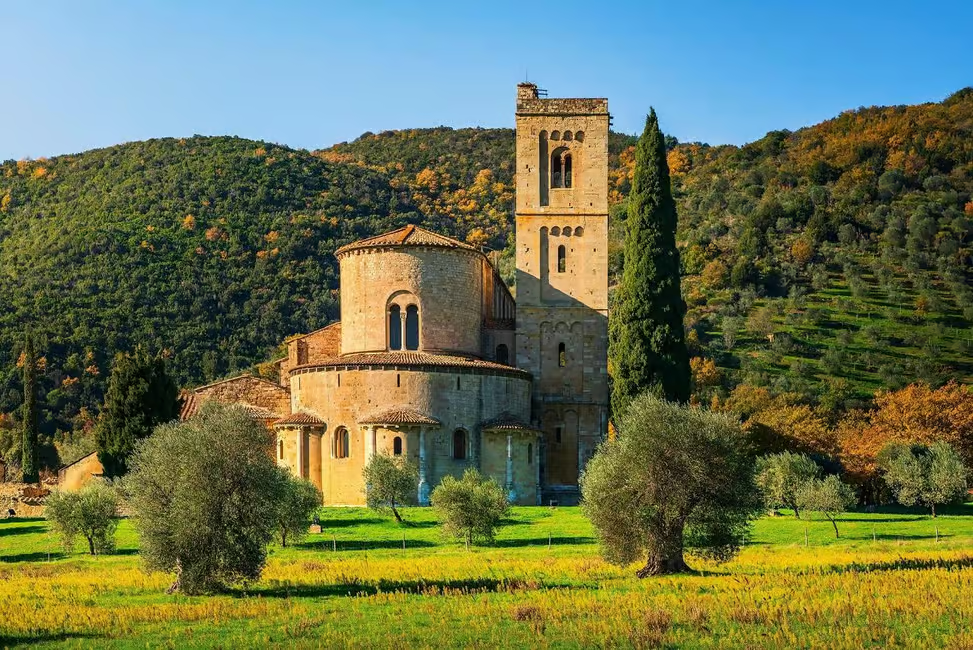
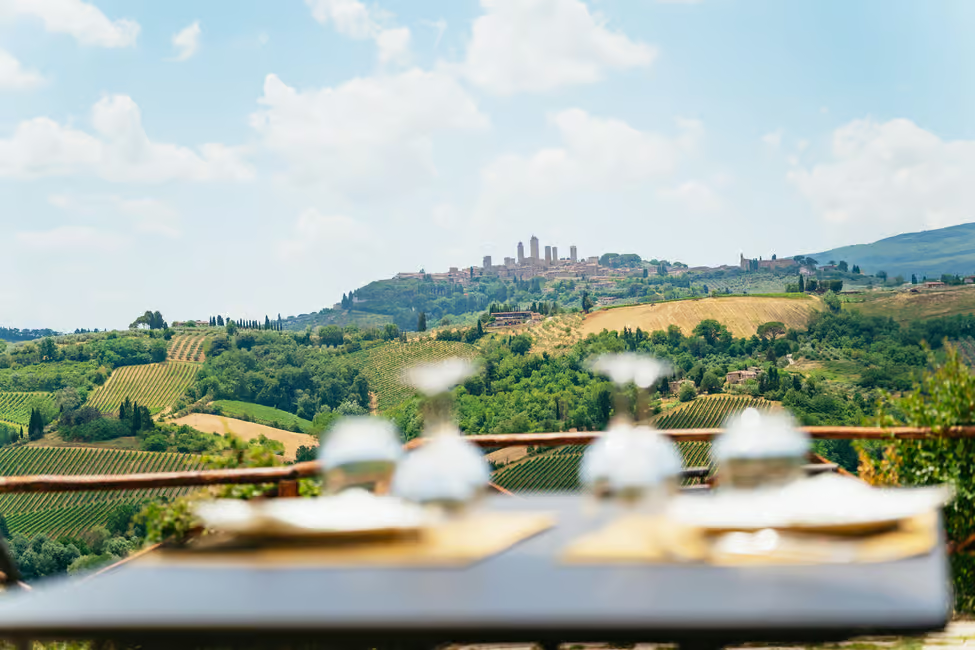
A visit to a Super Tuscan estate might include lunch overlooking olive groves, exploring historic villas, walking through coastal vineyards or comparing multiple vintages in the cellar. These experiences create a stronger emotional connection with the wines than a traditional tasting alone.
For travellers, spring offers lush vineyards and quieter wineries, while September and October provide the excitement of harvest. November is ideal for serious enthusiasts seeking mature wines, seasonal cuisine and more relaxed appointments.
Icons and Rising Stars
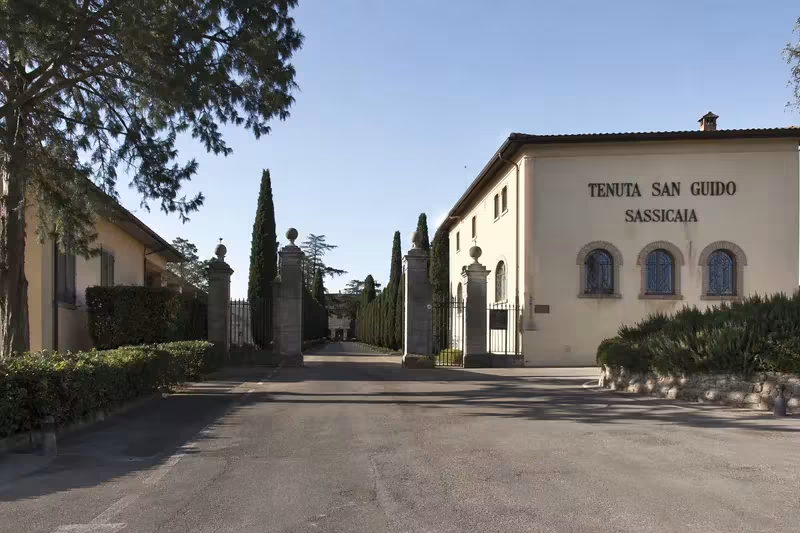
Legendary estates such as Sassicaia, Ornellaia, Masseto, Tignanello, Solaia, and Guado al Tasso will undoubtedly remain benchmarks for collectors worldwide. But some of Tuscany’s most exciting discoveries are increasingly found among smaller producers.
Family-owned estates are experimenting with amphorae, large oak casks, parcel-by-parcel vinification and native grape varieties. Freed from global expectations, they often have greater flexibility to innovate while remaining deeply rooted in their local terroir. For many visitors, these intimate tastings become the highlight of a Tuscan wine journey.
How to Experience the Future of Super Tuscans
A great tasting should go beyond discussing grape varieties and barrel ageing. Ask about vineyard altitude, soil composition, water management, harvest decisions and how blends evolve from one vintage to another. These conversations reveal far more about a winery’s philosophy than technical tasting notes alone.
Also take time to explore second wines and estate labels. They often showcase new ideas long before flagship bottlings evolve, and they frequently offer exceptional value. When planning your itinerary, combine one or two iconic estates with several smaller wineries. The contrast provides a richer understanding of where Super Tuscans have come from—and where they are heading.
Looking Ahead
Super Tuscans were born from the courage to challenge convention. Ironically, their future may depend on rediscovering the very thing their founders never abandoned: the extraordinary diversity of Tuscany itself. The next generation of Super Tuscans will not be defined by bigger wines, more new oak or higher prices. Instead, they will be remembered for expressing individual vineyards, healthier ecosystems and a clearer sense of place.
For wine lovers, there has never been a more exciting time to explore Tuscany. The iconic names still deserve their legendary status, but the future is equally likely to be found in a small hillside vineyard, a thoughtful conversation with a winemaker, and a glass that speaks more of its landscape than its reputation.