Table of Contents
Trebbiano The Prolific Powerhouse and Versatile Backbone
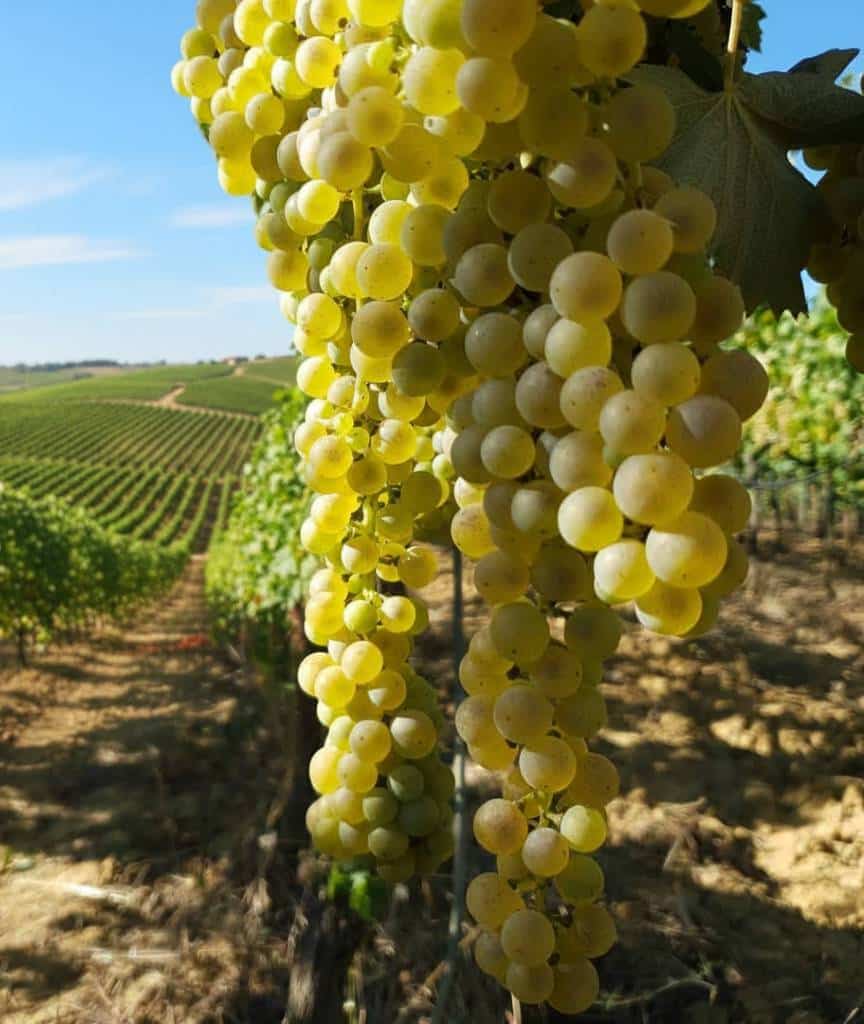
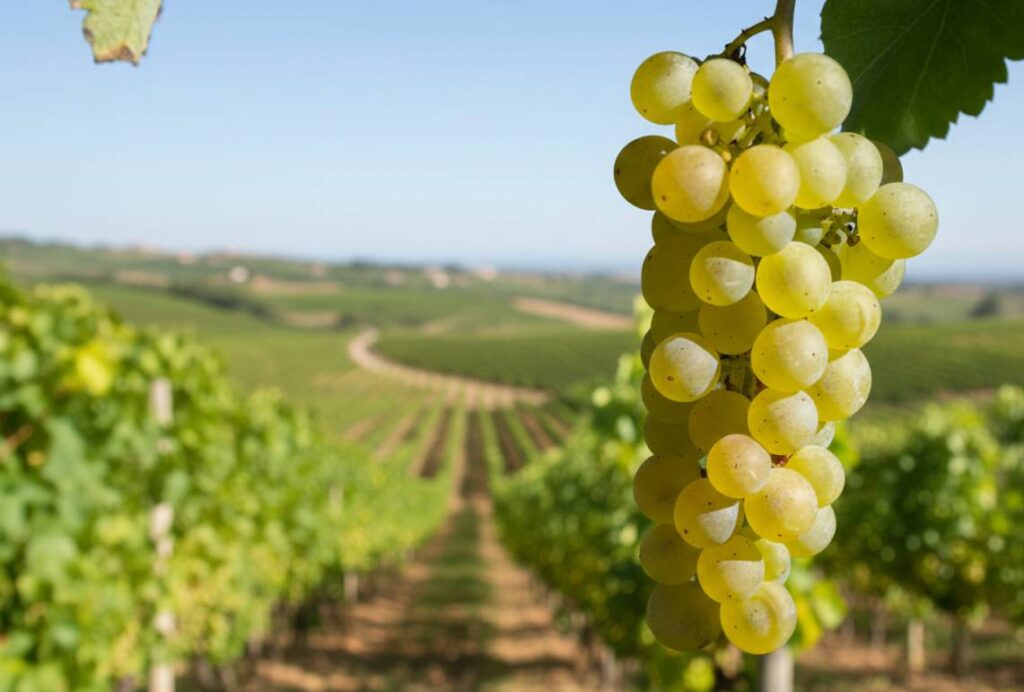
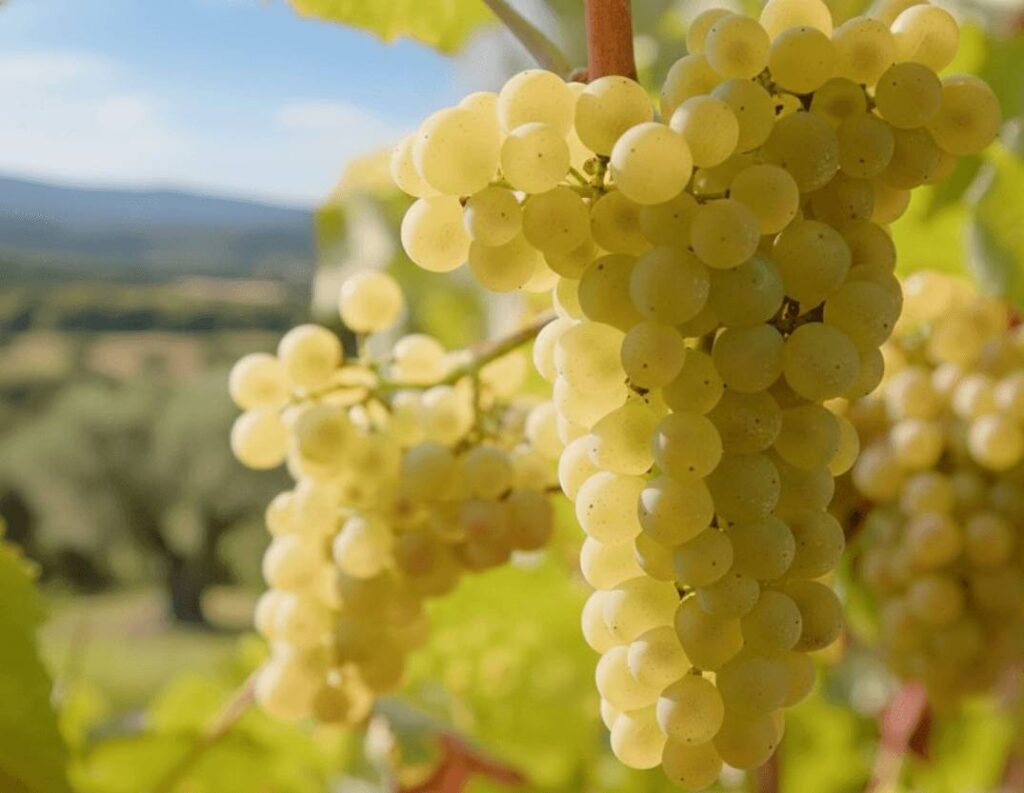
Trebbiano is a grape of immense scale and historical significance, typically presenting a bright, straw-yellow color that can deepen into a rich gold with age. Known for its remarkable structural reliability, it offers a light-to-medium body defined by a crisp, refreshing acidity and a clean, neutral finish. On the nose, it is subtle yet charming, characterized by primary notes of lemon zest, green apple, and white peach, often accompanied by a delicate hint of white blossoms or wet stone. As the most widely planted white grape in Italy and a cornerstone of French brandy production, Trebbiano (or Ugni Blanc) is the ultimate “workhorse” of the wine world—an essential balancing partner that provides the structural skeleton for some of Europe’s most famous liquid exports.
Origin, History and Terroir Italian since Roman Times
Italian Roots and Name
rebbiano is indigenous to the Italian peninsula, with its roots stretching back to the Roman era. The name is believed to derive from the Latin trebula, meaning “farm” or “village,” suggesting its historical status as the quintessential wine of the local people and common countryside.
The Parentage and Genetic Lineage
DNA analysis has identified a complex web of “Trebbiano” varieties, many of which are not closely related, though Trebbiano Toscano is the most famous. Its genetic longevity is legendary; it was exported to France in the 14th century (where it became known as Ugni Blanc), proving its adaptability across diverse European landscapes.
Dominance in Central Italy
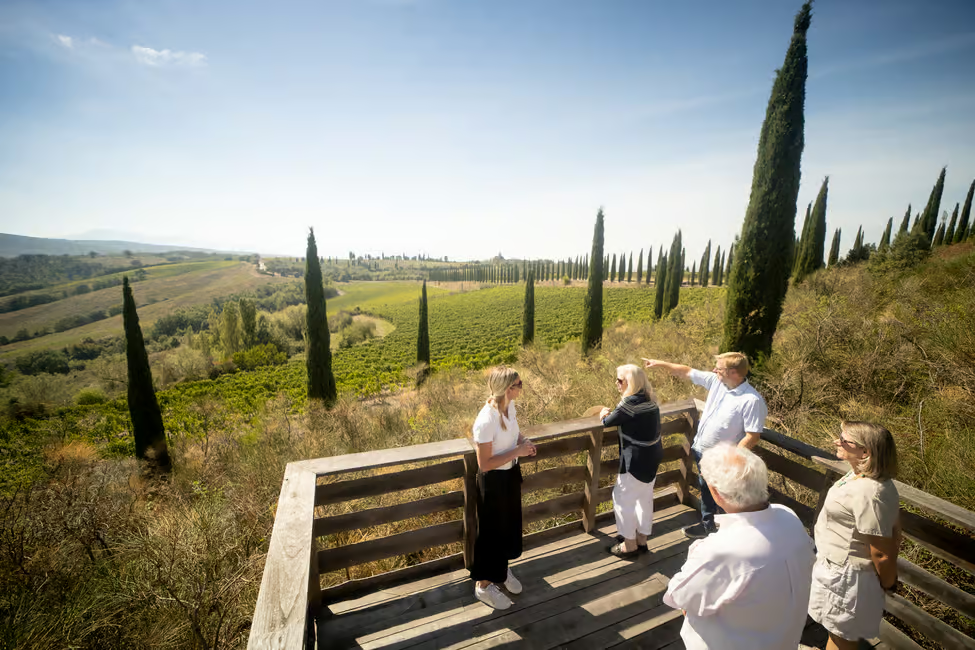
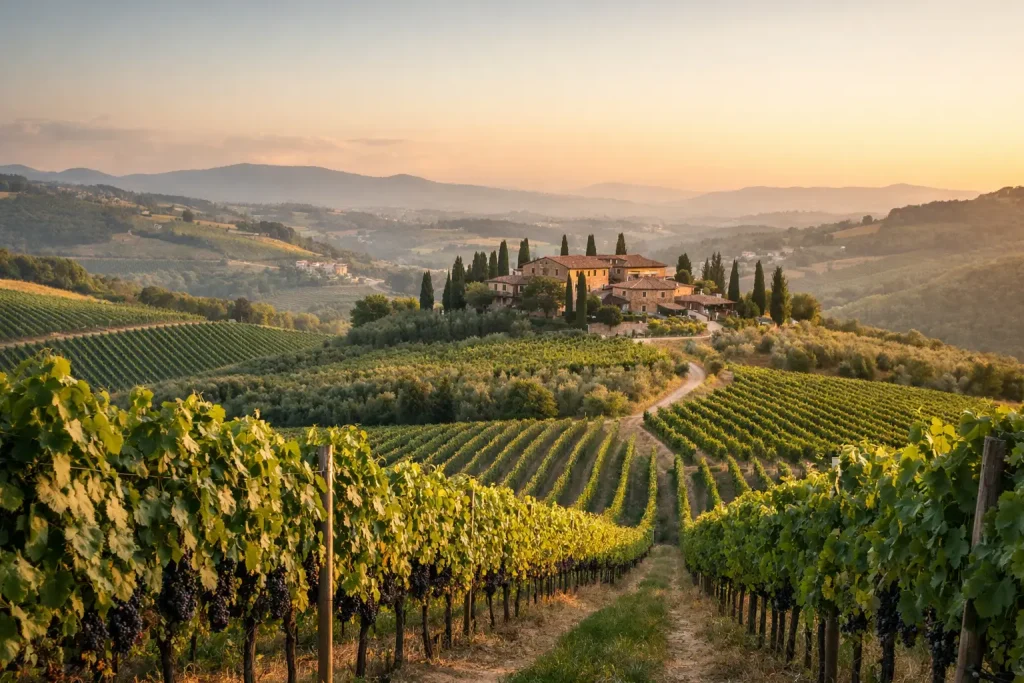
Trebbiano holds its greatest prestige in the sun-baked hills of Tuscany, Umbria, and Abruzzo. It thrives in limestone-rich clay and volcanic soils, which help the vine regulate its high yields. In Abruzzo, the specific “Trebbiano d’Abruzzo” clone finds its peak expression, utilizing the region’s dramatic shifts between mountain air and sea breezes to develop more aromatic complexity than its cousins elsewhere.
Characteristics of Trebbiano Late-ripening and high acidity
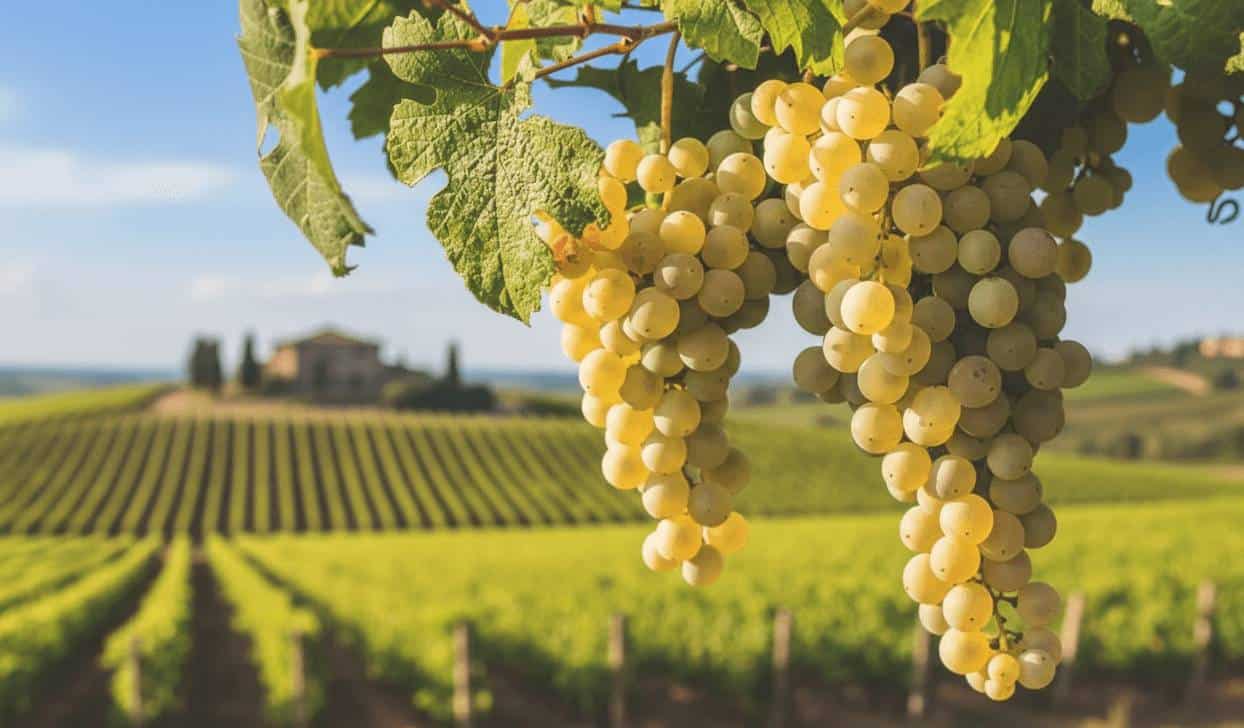
Trebbiano is a famously late-ripening variety, which allows it to maintain its characteristic high acidity even in hot Mediterranean climates. The berries have relatively thick, tough skins, making them naturally resistant to rot and pests. Its primary advantage is its massive vigor and high yields, though this can be a vulnerability for quality-minded producers; if not pruned aggressively, the grape can produce thin, neutral wines. It is also susceptible to downy mildew in particularly damp springs.
Aromatic profile of Trebbiano Citrus, Stone Fruits and bitter almond
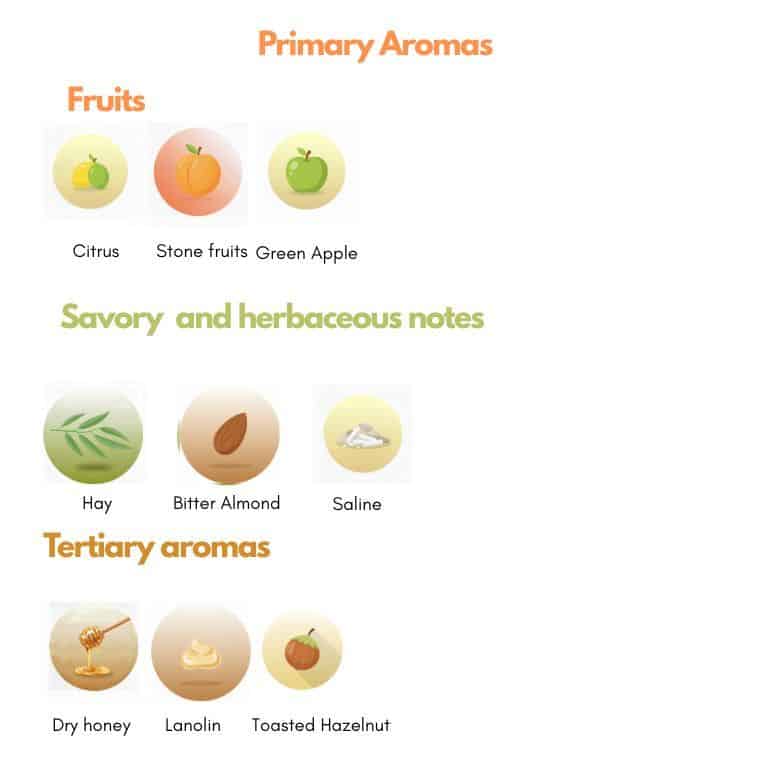
The sensory experience of Trebbiano is defined by its refreshing purity.
The primary flavors
are a crisp medley of lemon, lime, and crunchy Granny Smith apple, often layered with white peach.
Savory notes
are subtle, usually manifesting as bitter almond, saline minerality, or a hint of hay.
Structurally
The wine is light-to-medium bodied with high acidity and virtually no tannins. While most are consumed young, high-end artisanal versions (particularly from Abruzzo) can develop tertiary notes of lanolin, dried honey, and toasted hazelnuts after several years in the bottle.
Winemaking and Blending Techniques traditional, modern or blend
Blending Partner and Role
Trebbiano is the world’s most famous “equalizer.” Its primary role is to add acidity and volume to blends, providing a fresh backbone to more aromatic or lower-acid grapes. In Tuscany, it was historically blended into red Chianti to soften the wine, and it remains a key partner for Malvasia in creating the legendary sweet Vin Santo.
The Use of Oak and Stylistic Spectrum
The Traditional Style of Trebbiano is fermented in stainless steel or concrete to emphasize its clean, zesty fruit. However, a “New Wave” of producers, particularly in the Trebbiano d’Abruzzo region, utilizes large oak barrels or even terracotta amphorae. This Artisanal Style focuses on texture and weight, transforming the grape from a neutral blender into a complex, age-worthy white wine with significant “grip” and depth.
The Impact of Climate in Style
Cooler/Old World Climate (Northern Italy and Cognac)
In cooler regions or northern latitudes, Trebbiano retains a piercing, high acidity and a lean, almost austere structure. The flavor profile is defined by tart citrus, green pear, and a distinct mineral “chalkiness.” In the Charente region of France, this high-acid, low-alcohol profile is prized as the perfect base for distillation, leading to the world’s finest Cognacs.
Warmer/Mediterranean Climate (Southern Italy and Australia)
In the warmth of Central Italy or the Australian interior, Trebbiano develops a softer, more rounded mouthfeel. The acidity remains present but is joined by riper fruit notes of yellow plum, tropical melon, and honey. These styles are much more approachable and “fleshy,” often showing a golden hue and a subtle almond-like richness on the finish.
Regions for Trebbiano Abruzzo, Tuscany, Cognac in France
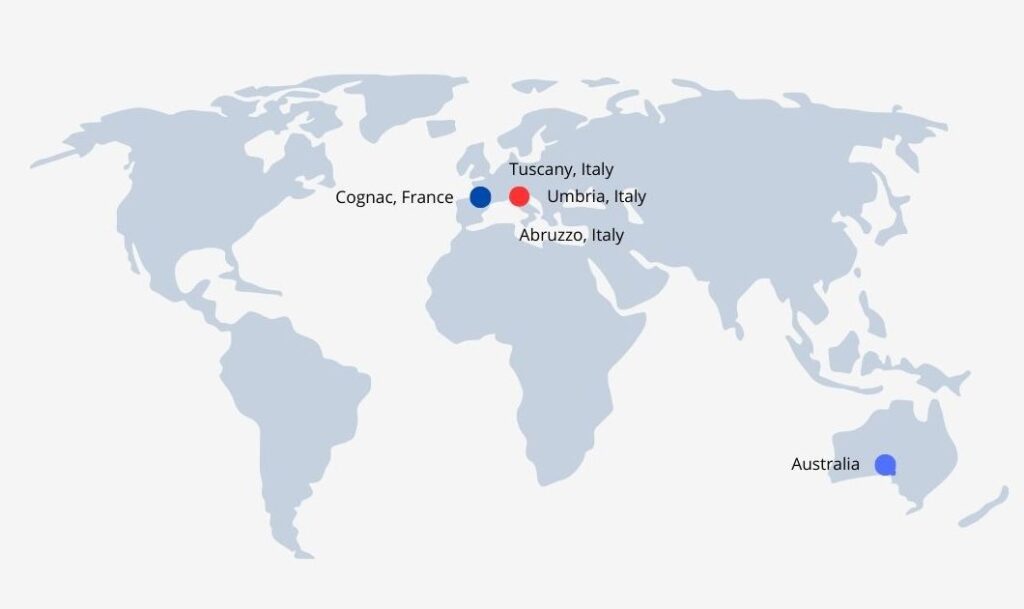
Italy (Abruzzo – Trebbiano d’Abruzzo DOC): The Prestige Leader.
Home to the world’s most serious and long-lived Trebbiano, characterized by extraordinary complexity and texture.
France (Cognac/Armagnac – Ugni Blanc): The Distillation King.
Here, the grape provides the essential high-acid base for the world’s most famous brandies.
Italy (Tuscany – Vin Santo): The Sweet Icon.
Trebbiano is dried on straw mats to concentrate its sugars, creating a luscious, nutty dessert wine.
Australia (Hunter Valley/Riverland): The Resilient Migrant.
Used both for crisp varietal whites and as a component in fortified wine production.
Italy (Umbria – Orvieto): The Classic Blend.
A historic region where Trebbiano is blended with Grechetto to create a floral, stony white wine of great elegance.
Food pairing and service of Trebbiano The Versatile Companion
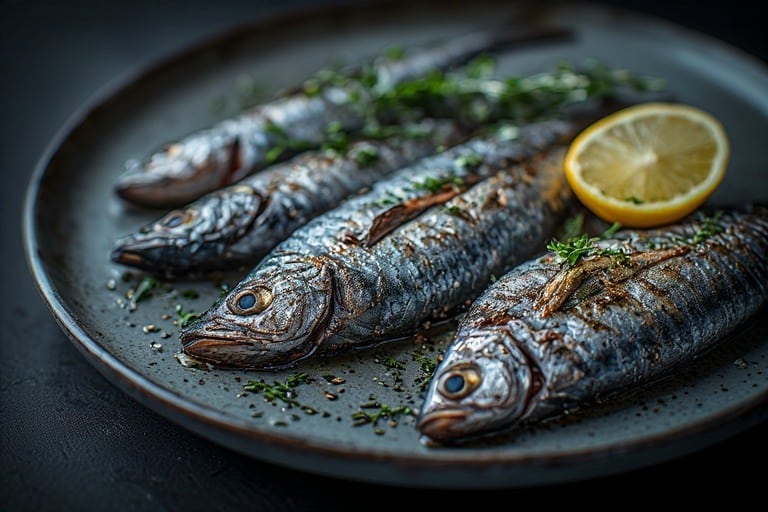
Trebbiano excels with grilled sardines
Ideal Food Pairings
Trebbiano’s high acidity and clean profile make it one of the most versatile food wines in existence, acting as a “palate cleanser” for a variety of cuisines.
Antipasti and Salads:
Its zesty nature is the perfect match for marinated artichokes, fresh buffalo mozzarella, and tomato bruschetta. The acidity in the wine stands up to vinaigrettes that would flatten other whites.
Fresh Seafood:
Like its coastal cousins, Trebbiano excels with faramari fritti (fried calamari) and grilled sardines. The wine’s citrus notes provide a natural lift to the oils in the fish.
Light Pasta Dishes:
It is a classic pairing for Pasta alla Carbonara or Cacio e Pepe. The sharp acidity of the Trebbiano cuts right through the richness of the egg yolk, guanciale, and pecorino cheese.
White Meats:
Simple preparations of veal piccata or roasted chicken with lemon and thyme harmonize beautifully with the wine’s subtle fruit and herbal hints.
Avoidances:
Trebbiano is too delicate for heavy, spice-laden curries or deeply charred red meats, which will make the wine taste thin and metallic.
Service Temperature
To enjoy its crisp, refreshing character, serve Trebbiano well-chilled at 8°C to 10°C (46°F–50°F).
Decanting
Standard Trebbiano does not require decanting; however, an aged Trebbiano d’Abruzzo (from a producer like Valentini or Emidio Pepe) benefits from 30 minutes of air to unlock its complex, waxy aromatics.
Challenges & Future Outlook
Trebbiano’s greatest challenge is its own reputation as a “neutral” or “boring” grape due to decades of overproduction. However, a global movement toward low-intervention winemaking is shining a new light on the variety. Winemakers are finding that when yields are restricted, Trebbiano is a magnificent “blank canvas” that translates the minerality of the soil with startling clarity.
Ready to Dive into the World of Trebbiano? Discover Our Tours! xperience the crisp, revitalizing soul of Italy—uncork a bottle of Trebbiano
Trebbiano is the quiet architect of the wine world, providing the structure and freshness that we often take for granted. From the refreshing carafes of the Italian trattoria to the sophisticated cellars of Abruzzo, it is a grape that rewards those who look past its “workhorse” label.