Table of Contents
Vernaccia di San Gimignano: The Golden Heirloom and Tuscan Icon
Vernaccia di San Gimignano is a grape of singular prestige, traditionally presenting a luminous straw-yellow color that takes on deep, golden amber reflections as it ages. It is celebrated for its distinctive structural power—a white wine with the “soul of a red”—boasting a full body, a firm backbone of acidity, and a legendary mineral grip. The aromatic profile is a sophisticated tapestry of crisp green apple, citrus peel, and white pears, always leading to its unmistakable signature: a hauntingly beautiful finish of bitter almonds and crushed flint. As the first wine in Italy to be granted DOC status in 1966, Vernaccia is not merely a grape; it is a historical monument and the definitive white superstar of the otherwise red-dominated Tuscan landscape.
Origin, History and Terroir indigenous to Tuscany
Italian Roots and Name
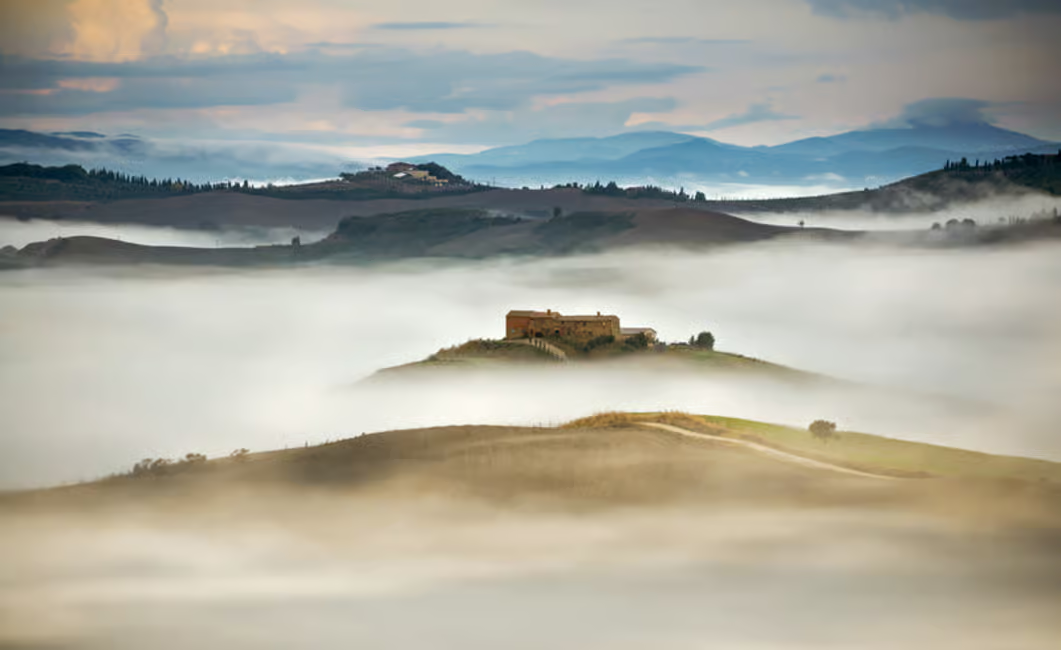
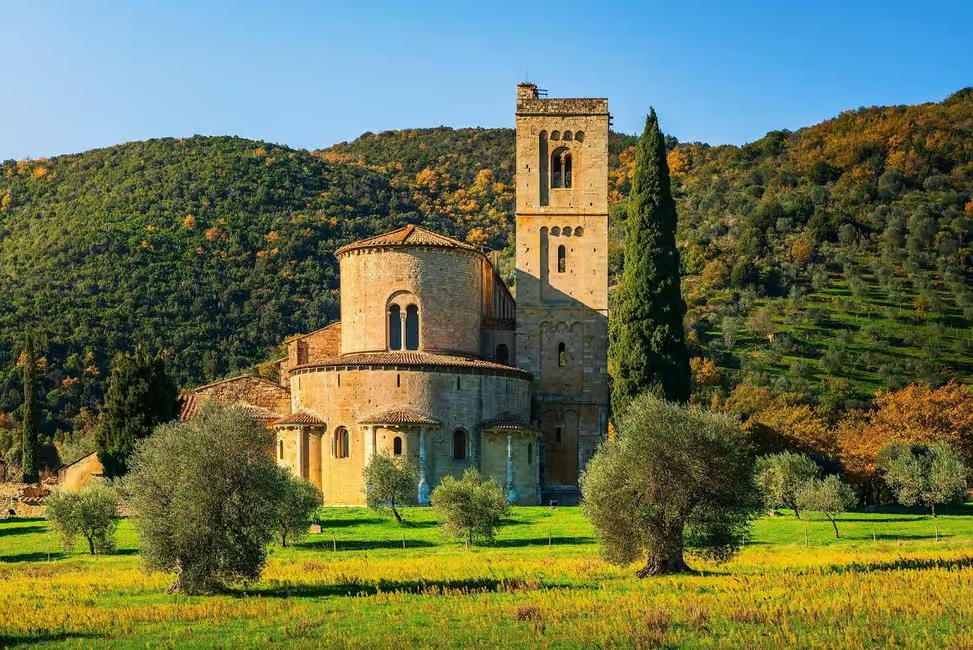
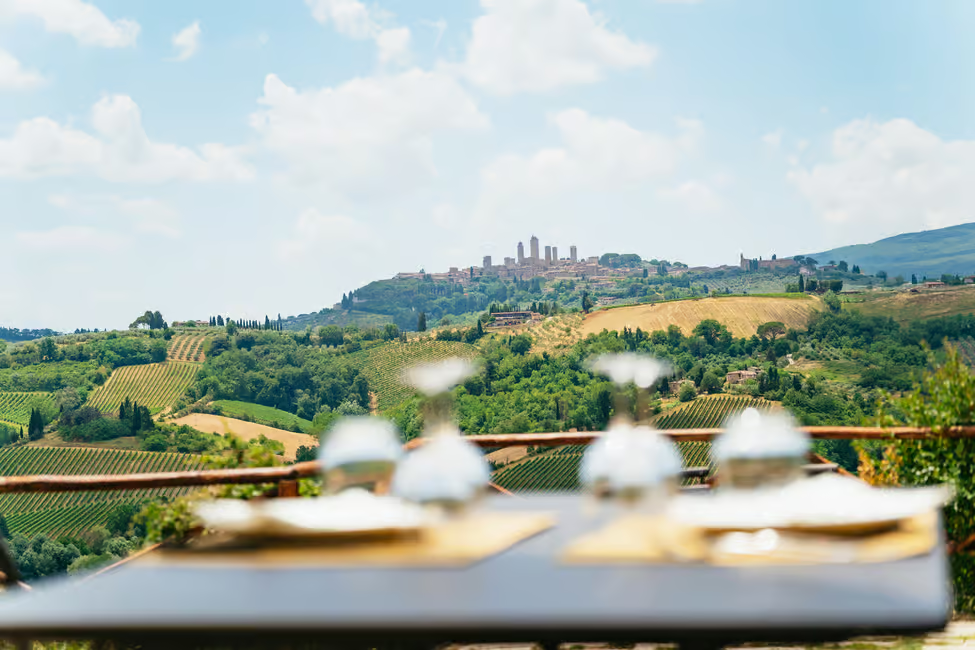
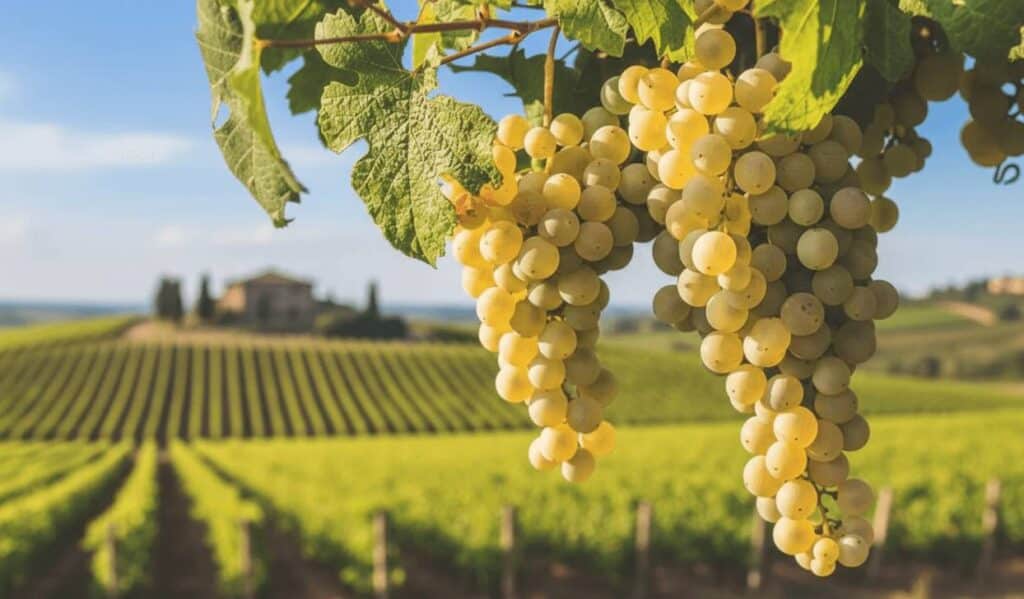
Vernaccia di San Gimignano is indigenous to the fortress-crowned hills of San Gimignano in Tuscany, with records of its cultivation dating back to at least 1276. The name likely derives from the Latin vernaculus, meaning “local” or “of the place,” underscoring its ancient status as the true son of the Tuscan soil.
The Parentage and Genetic Lineage
DNA analysis confirms that Vernaccia di San Gimignano is a distinct variety, unrelated to other “Vernaccias” found throughout Italy (such as those in Sardinia or Trentino). Its genetic isolation within the walls of San Gimignano has allowed it to preserve a unique phenolic structure, which winemakers utilize to create whites with unusual tannic presence and exceptional aging potential.
Dominance in San Gimignano
This grape holds absolute dominance in the San Gimignano commune of Tuscany. It thrives in the region’s unique Pliocene soils, characterized by yellow sands and sandy clays packed with marine fossils. These ancient seabed deposits provide the vine with the specific nutrients required to produce the saline minerality and “savory” depth that distinguish it from any other Italian white.
Characteristics of Vernaccia Mid-ripening and need sun
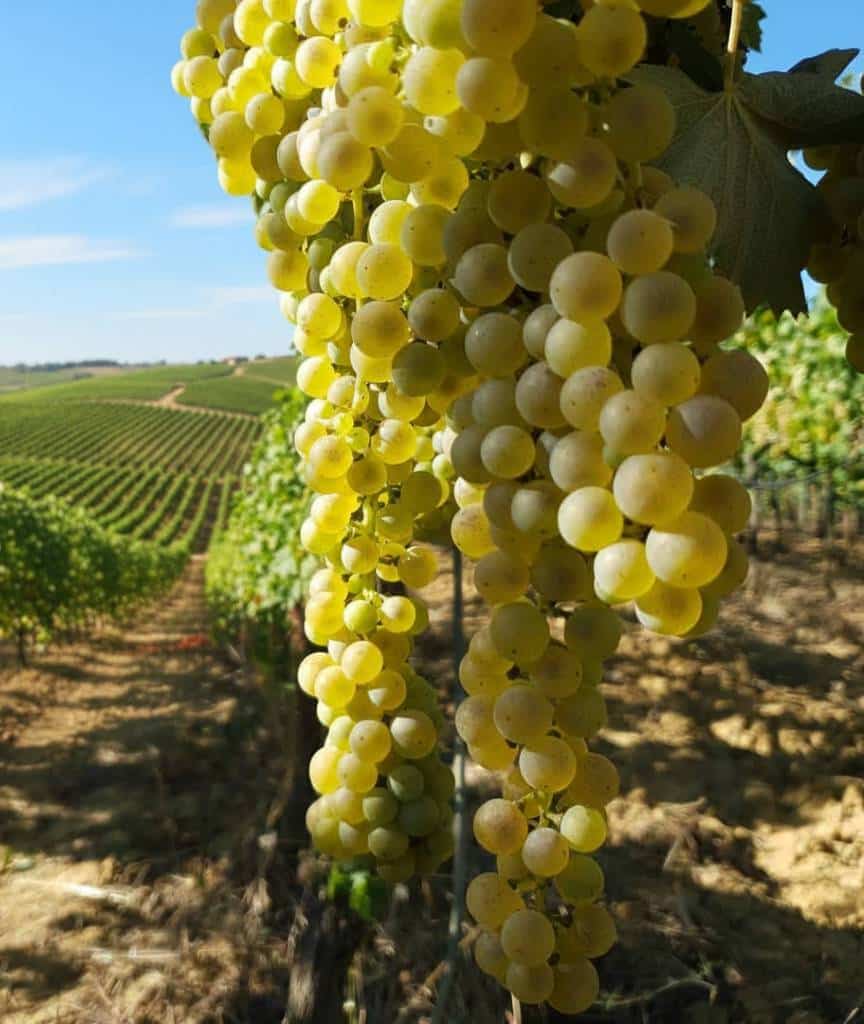
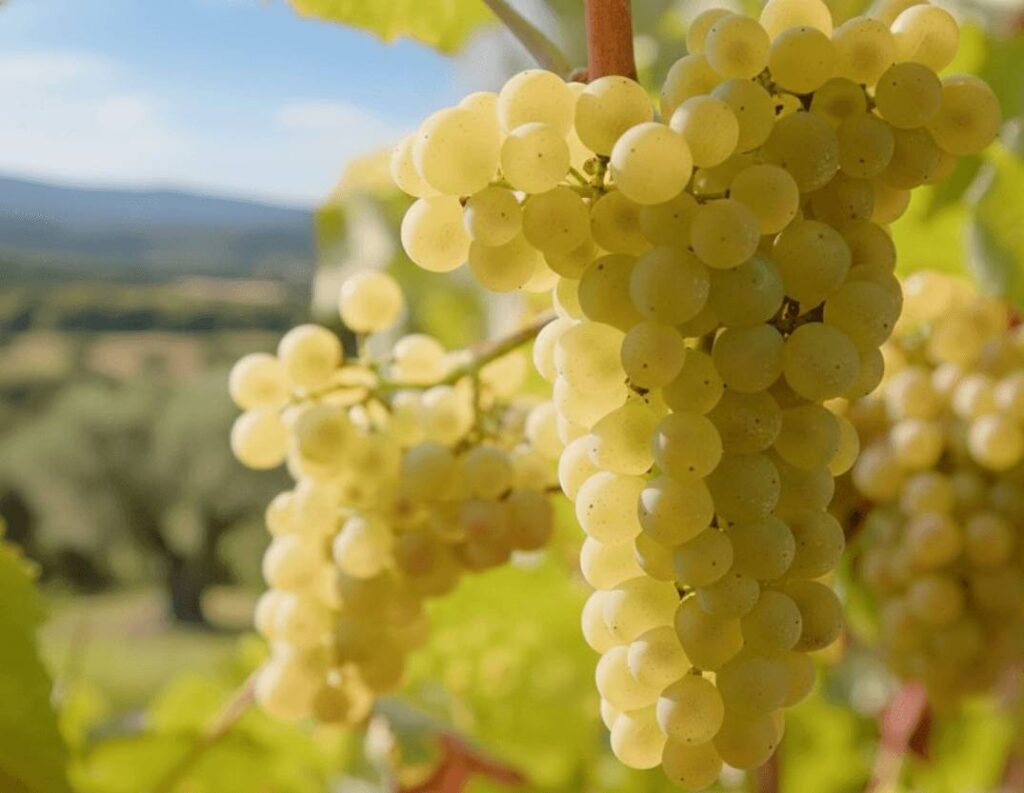
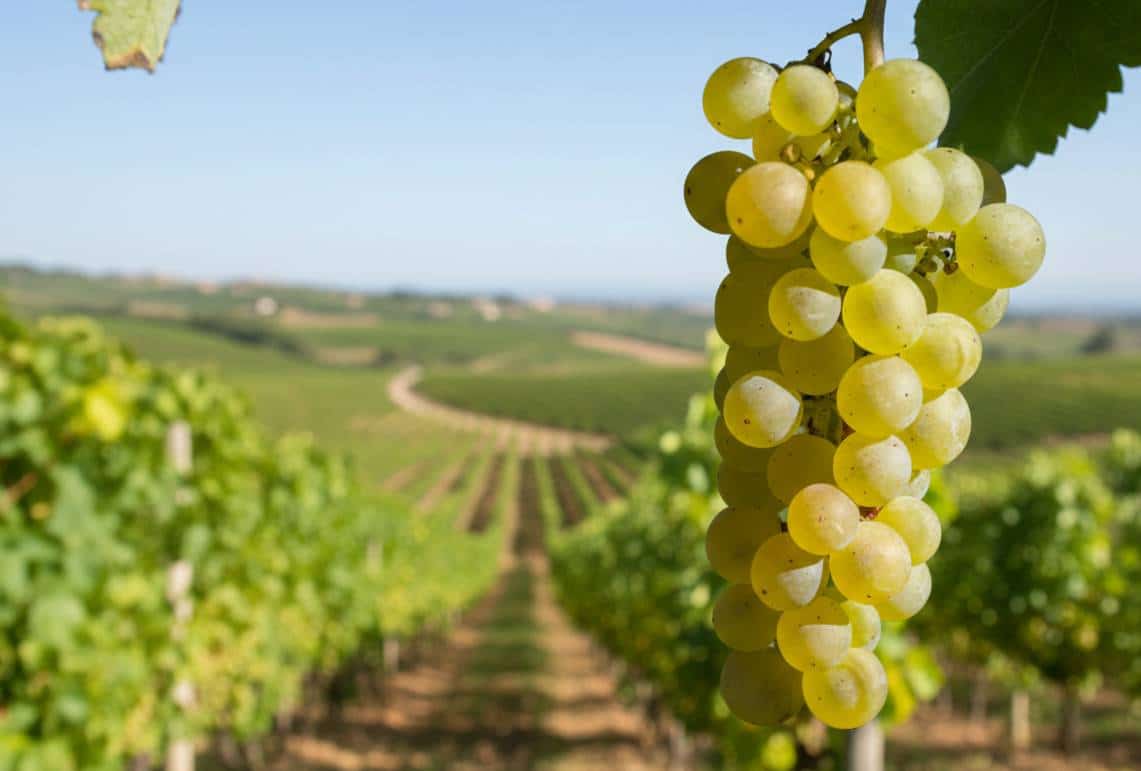
Vernaccia is a mid-to-late ripening variety that requires the intense Tuscan sun to fully develop its signature almond-like precursors. The berries are characterized by relatively thick skins for a white variety, which contribute to the wine’s notable structure and subtle phenolic “bitter” edge. Its primary vulnerability is its sensitivity to oxidative stress and certain vineyard molds; however, its biggest advantage is its resilience in the face of climate change, as it manages to maintain its crucial, bracing acidity even during the hot Tuscan summers.
Aromatic profile of Vernaccia Citrus, Stone Fruits and bitter almond
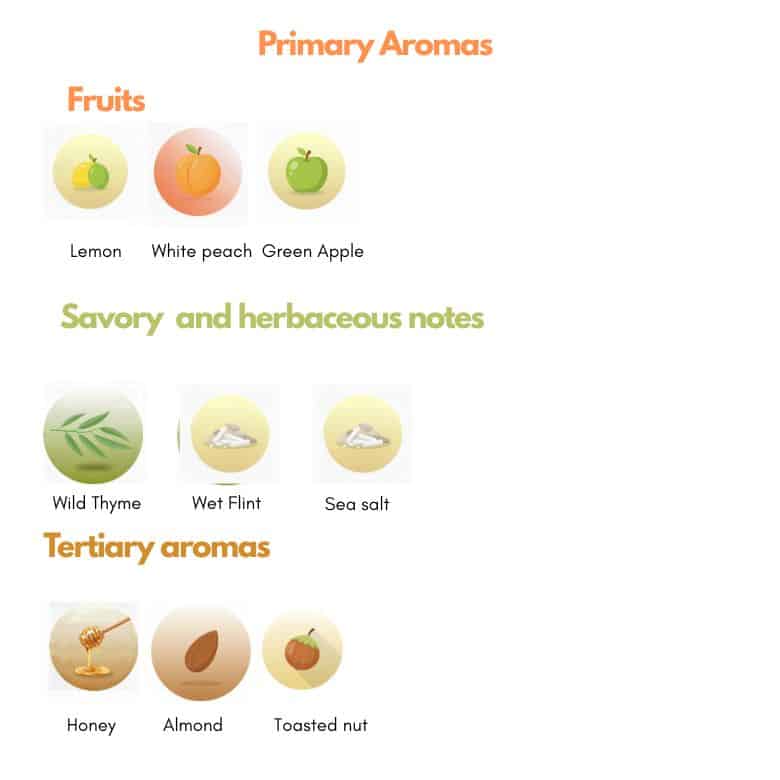
The sensory experience of Vernaccia is a journey through the Tuscan countryside.
Primary Flavors
The palate opens with primary flavors of tart green apple, lemon curd, and white peach.
Savory Notes
As the wine moves across the tongue, savory notes of wild thyme, sea salt, and wet flint emerge.
Structure:
Structurally, it is medium-to-full bodied with a surprising “phenolic” weight—a slight tug on the palate that mimics the texture of light tannins. The finish is famously long and characterized by a “clean” bitterness of raw almonds. With oak contact or bottle age, it develops complex tertiary aromas of saffron, honey, and toasted pine nuts.
Winemaking and Blending Techniques traditional, modern or blend
Blending Partner and Role
While frequently bottled as a varietal wine, Vernaccia di San Gimignano allows for the addition of up to 15% of other non-aromatic white grapes (like Trebbiano or Malvasia). In these blends, Vernaccia acts as the structural anchor, providing the body and acidity, while the partners are used to subtly enhance the aromatic lift.
The Use of Oak and Stylistic Spectrum
The Traditional Style (Annata) is fermented in stainless steel to preserve the “crunchy” fruit and flinty minerals, emphasizing freshness. However, the Riserva Style often involves fermentation or aging in French oak barriques. This modern approach transforms the wine into a powerhouse of concentration, where the vanilla and spice of the wood integrate with the grape’s natural weight to create a white wine capable of aging for a decade or more.
The Impact of Climate in Style
Cooler/Vintage-Driven Climate (High-Altitude Slopes)
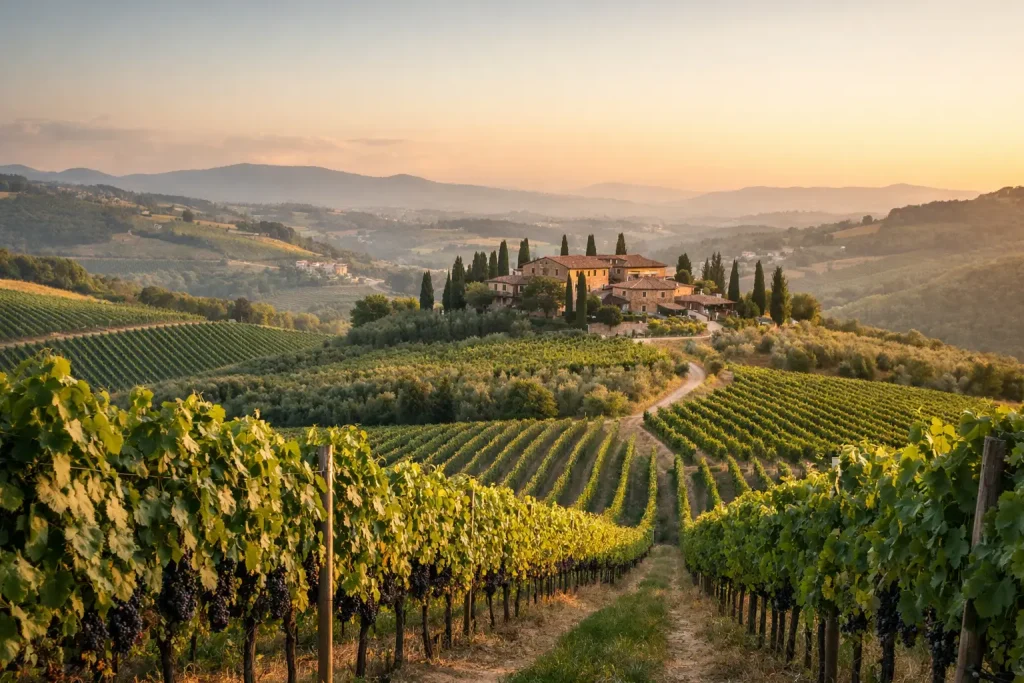
In cooler years or from vineyards situated on the higher, wind-swept ridges surrounding the medieval towers, Vernaccia expresses its most “vertical” and elegant style. These wines are marked by a piercing acidity, lean structure, and a flavor profile dominated by lime zest, grapefruit, and a distinct “stony” sensation. These are the most age-worthy examples, often requiring a year or two in the bottle to soften their vibrant edges.
Warmer/Mediterranean Climate (Low-Lying Valleys)
In warmer vintages or from the sun-soaked lower basins, the grape takes on a much broader, more opulent personality. The acidity feels more integrated, and the flavor profile moves toward ripe yellow peaches, dried apricots, and even tropical floral notes like gardenia. These styles are plush, powerful, and immediately appealing, offering a “sunny” disposition that highlights the grape’s natural weight and golden fruit.
Regions for Vernaccia San Gimigniano, Tuscany
Italy (San Gimignano): The Absolute Pinnacle.
The only region allowed to produce this wine; it is the soul of the “City of Beautiful. While the specific Vernaccia di San Gimignano grape is a true “homebody,, almost never found outside the city walls of its Tuscan fortress, the name “Vernaccia” is used for several other unrelated grapes across Italy.
Food pairing and service of Vernaccia The Versatile Companion
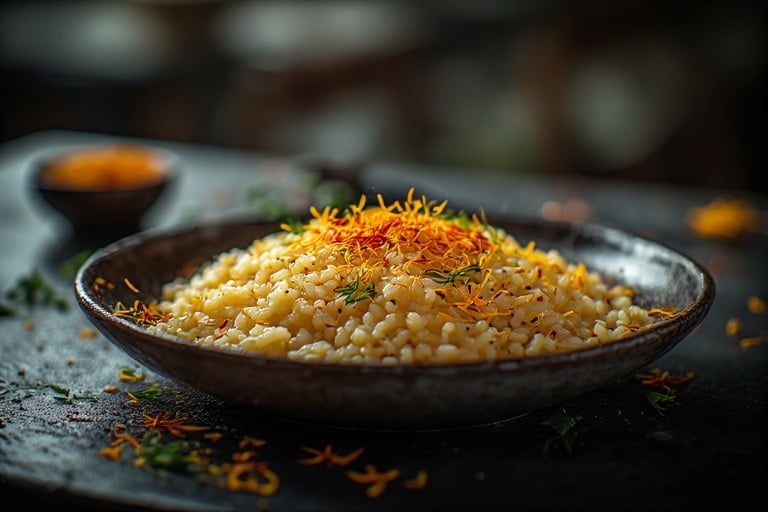
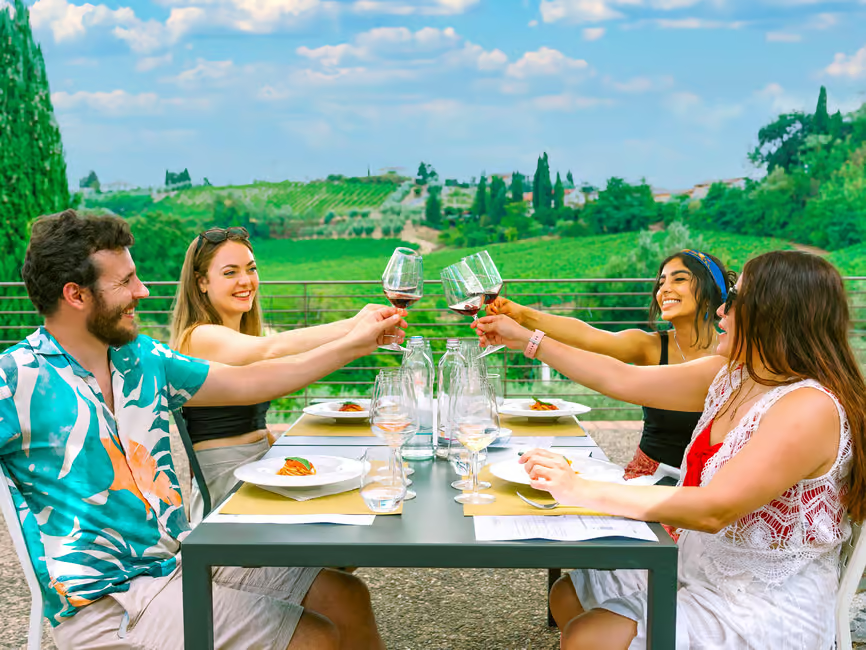
Risotto alla Zafferano match with Vernaccia as the wine floral undertones mirror the spice
Food and Wine Pairing with Verniccia
Ideal Food Pairings
Vernaccia di San Gimignano is a gastronomic powerhouse. Unlike many white wines that disappear when faced with bold flavors, Vernaccia’s “red wine soul”—defined by its phenolic weight and high acidity—allows it to stand toe-to-toe with the rustic, olive oil-rich cuisine of Tuscany.
The Saffron Signature
San Gimignano is as famous for its saffron as its wine. Risotto alla Zafferano is the ultimate pairing; the wine’s honeyed, floral undertones mirror the spice, while the acidity cuts through the creamy rice.
Tuscan “Cucina Povera”
Traditional dishes like Ribollita (kale and bread soup) or Pappa al Pomodoro find their perfect match here. The wine’s medium-to-full body provides enough “chew” to match the texture of the soaked bread, and its savory minerals complement the earthy vegetables.
Meaty Fish and Fritto Misto
Its structural backbone handles grilled swordfish or baccalà (salt cod) with ease. Furthermore, the wine’s piercing acidity makes it the ultimate “fat-cutter” for Fritto Misto (fried seafood and vegetables), cleansing the palate after every crisp bite.
White Meats and Herbs
Pair an oak-aged Riserva with Roasted Rabbit with Rosemary or Chicken Saltimbocca. The wine’s signature bitter almond finish provides a sophisticated counterpoint to the saltiness of prosciutto and the piney aromatics of sage.
Cheese Pairings
It is magnificent with medium-aged Pecorino Toscano. The wine’s stone fruit notes balance the sheep’s milk tang, while the mineral finish echoes the cheese’s salty crystals.
Avoidances
Avoid extremely spicy chili-based dishes or vinegar-heavy salads, which can make the wine’s noble bitterness turn unpleasantly sharp.
Service Temperature
Serve younger bottles at 10°C to 12°C (50°F–54°F). For a complex Riserva, allow it to warm to 12°C to 14°C (54°F–57°F).
Decanting
A young Vernaccia is approachable immediately, but a Riserva or an aged bottle benefits from a 30-minute decant to unlock its golden aromatics.
Challenges & Future Outlook
Vernaccia faces the challenge of being a “white island in a red sea.” However, a recent “Renaissance” among local producers has seen a move toward organic farming and longer lees aging. This has successfully elevated its reputation from a “tourist wine” to a connoisseur’s white.
Ready to Dive into the World of Vernaccia? Discover Our Tours! Rediscover the Golden Legend
Vernaccia di San Gimignano is a taste of history—a wine that was loved by Dante and Renaissance Popes alike. It offers a rare combination of mineral grit and silken power found nowhere else.