Table of Contents
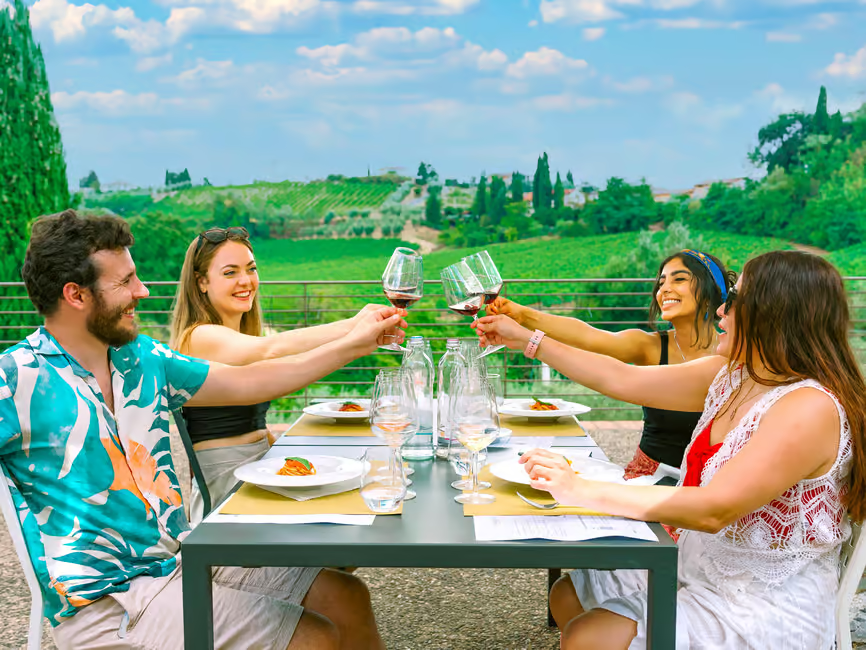
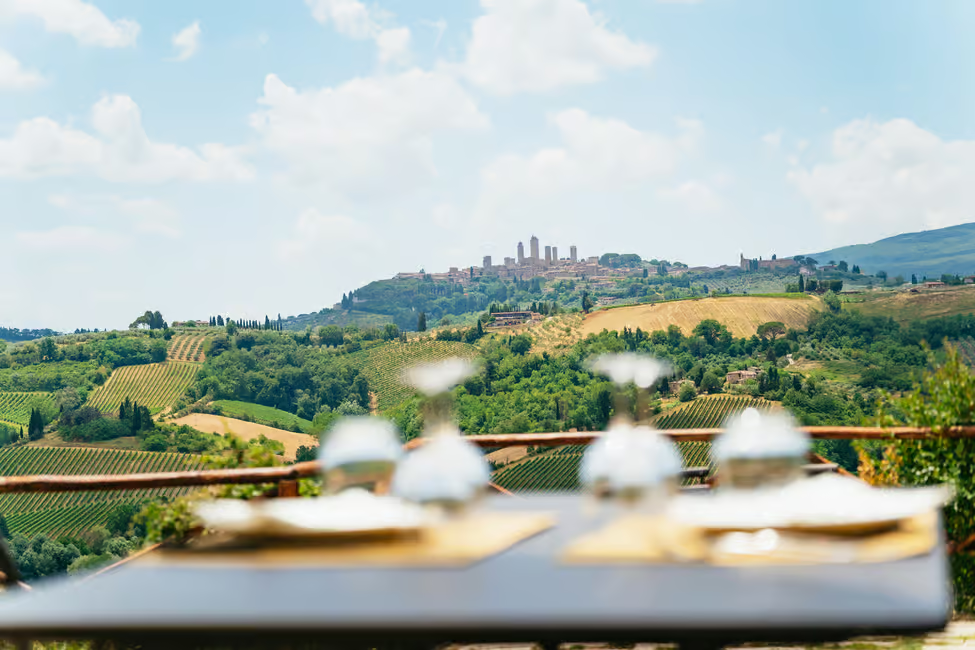
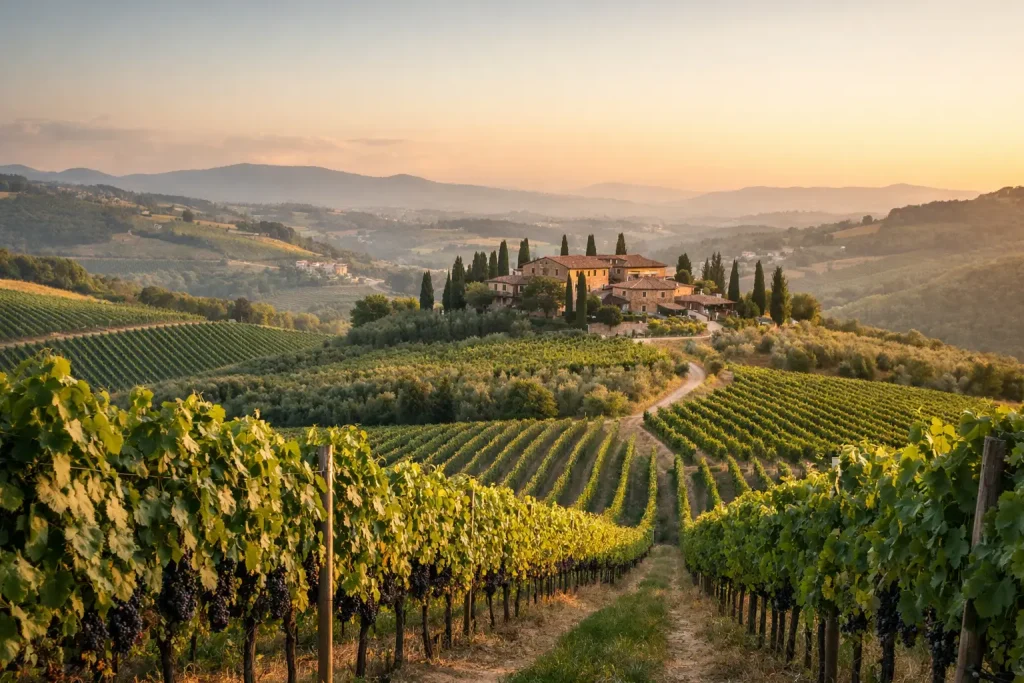
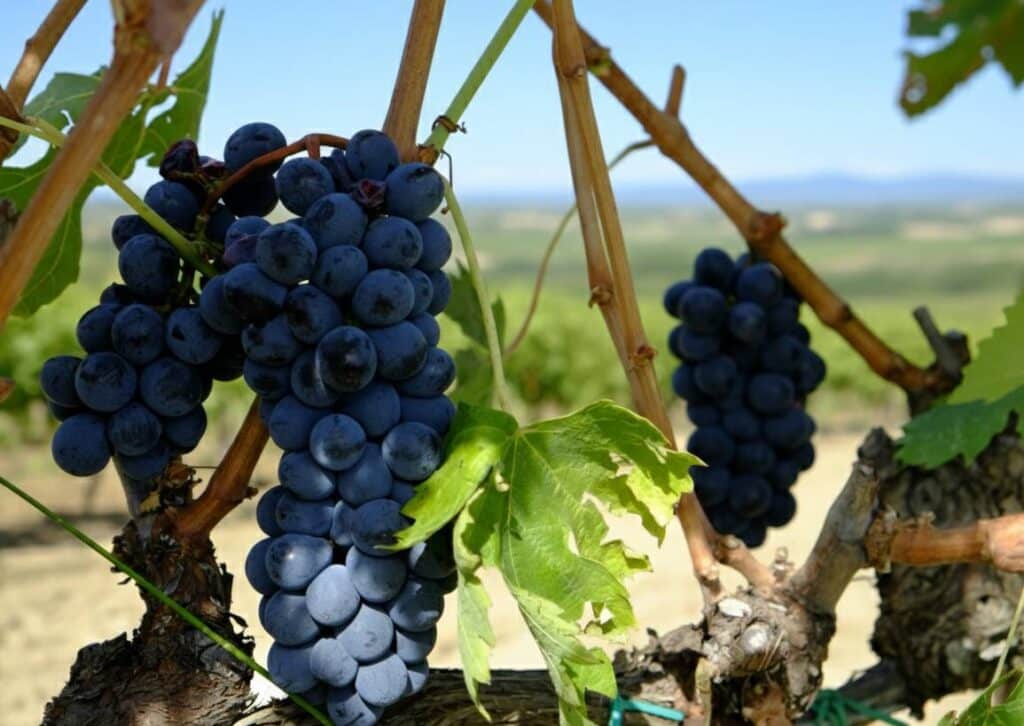
In the rolling landscapes of Tuscany, the relationship between the soil and the plate is a dialogue of centuries, defined by a profound sense of balance. The concept of terroir here is not merely a geological footprint but a culinary imperative where the high-altitude limestone and clay-rich soils produce wines with structural integrity designed for the table. The structural core of Tuscan red wine, primarily driven by the Sangiovese grape, is defined by its high natural acidity and firm tannins.
These chemical characteristics are essential for food pairing; the acidity serves as a molecular “cleanser” that cuts through the rich fats of local olive oils and marbled meats, while the tannins bind with proteins, effectively softening the wine’s mouthfeel and highlighting the savory “umami” notes of the dish. For example, the residual sugars in a Vin Santo or the crisp minerality of a Vernaccia provide a necessary counterpoint to salt-cured proteins or creamy textures, ensuring that neither the wine nor the food overpowers the other. This synergy transforms a simple meal into an integrated sensory experience, where the wine acts as an invisible ingredient that elevates the local cucina povera to a status of global excellence.
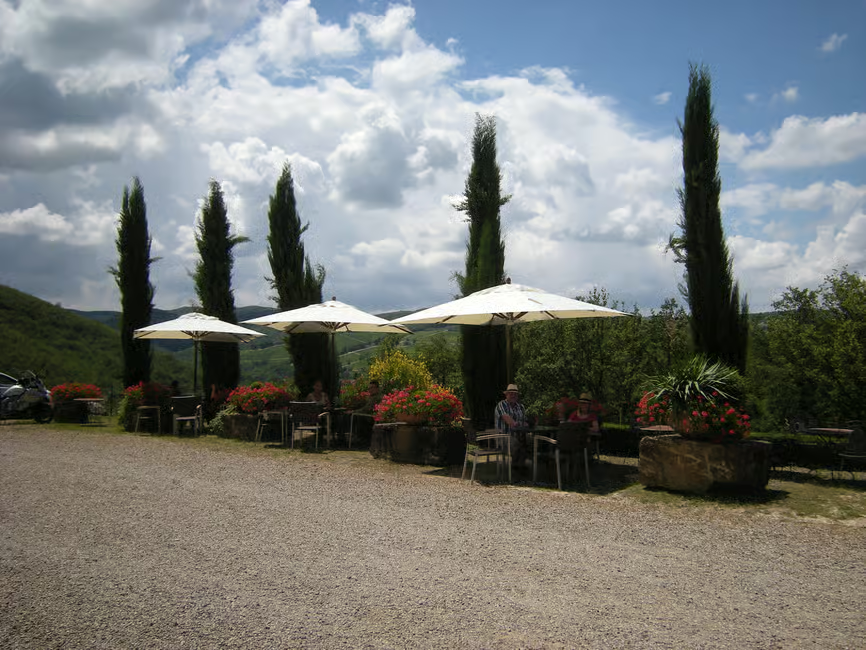
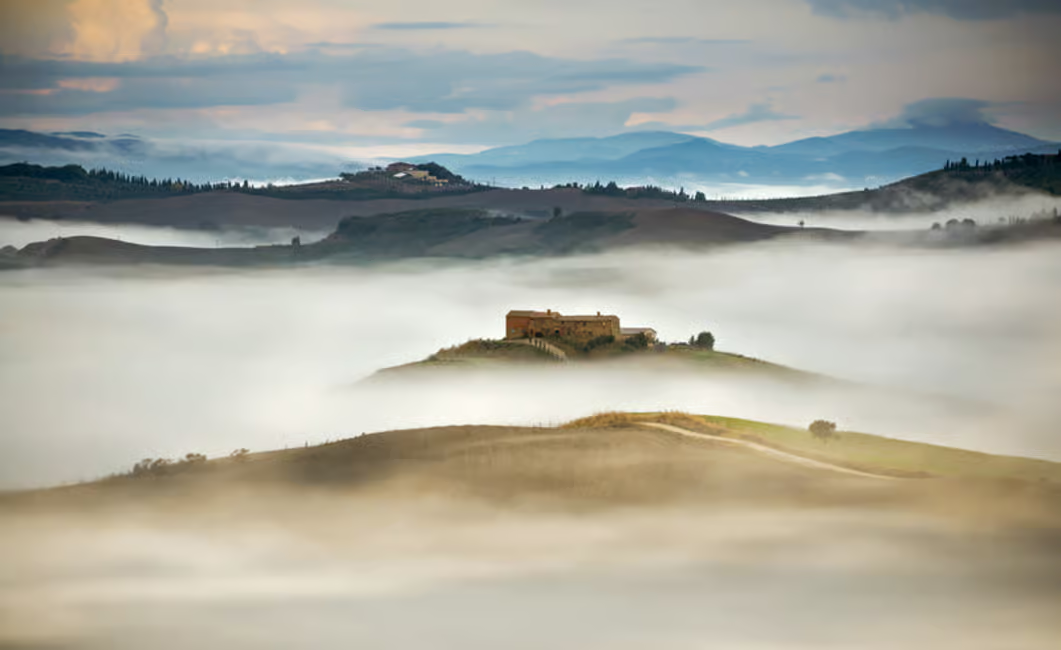
The Local Terroir San Giovese and Brunello
Tuscan wines are traditionally divided into two primary categories that reflect the region’s inland heritage and its coastal innovation.
Central Highlands: The Sangiovese Stronghold
The central heartland, including Chianti and Montalcino, is defined by Sangiovese-based wines that offer a profile of sour cherry, dried herbs, and earthy undertones. These wines are medium to full-bodied with high acidity, making them exceptionally versatile for traditional Tuscan fare.
Bistecca alla Fiorentina and Brunello di Montalcino: This pairing is a classic example of protein-tannin interaction. The intense tannins of a full-bodied Brunello bind chemically with the high protein content of the thick, rare-grilled porterhouse steak, resulting in a significantly softer texture for both the wine and the meat.
La Ribollita and Chianti Classico: The high acidity of the Sangiovese in Chianti Classico is essential to cut through the density of this bread-based bean and kale soup. The wine’s bright red fruit notes provide a refreshing lift to the earthy, savory flavors of the slow-cooked vegetables and local olive oil.
Coastal Maritime: The Supertuscan Frontier
The coastal Bolgheri and Maremma regions utilize international varieties like Cabernet Sauvignon and Merlot to produce “Supertuscan” blends. These wines typically feature riper fruit profiles, polished tannins, and a saline minerality derived from the Mediterranean influence.
Cinghiale in Umido (Stewed Wild Boar) and Bolgheri Rosso: The complex structure and dark fruit profile of a Bolgheri blend can stand up to the robust, gamey flavors of wild boar. The wine’s oak-derived spice notes mirror the slow-braised aromatics of the meat, creating a harmonious savory balance.
Pecorino Toscano and Rosso di Montalcino: The vibrant acidity and red berry flavors of a younger Rosso di Montalcino accentuate the nutty, umami characteristics of an aged sheep’s milk cheese. The wine’s moderate body ensures it does not overwhelm the delicate earthy finish of the cheese.
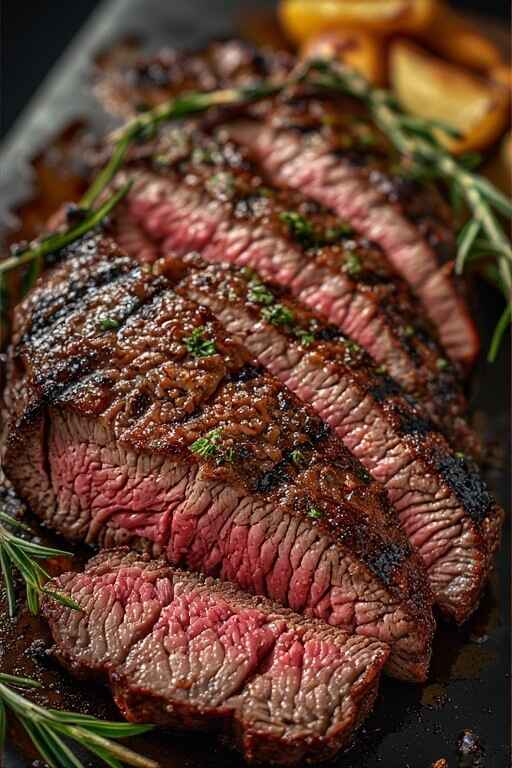
Bisteca alla Fiorentina and Brunello di Montalcino is a classic example of protein-tannin pairing
The Global Perspective Tuscany wines affinity for inetrnational food
Tuscan wines possess a structural versatility that allows them to excel far beyond Italian borders.
International White Wine Affinity
Japanese Shrimp Tempura and Tuscan Vermentino: The mechanical action of the Vermentino’s high total acidity and vibrant citrus profile serves to emulsify the residual oils found in the fried tempura batter. At a molecular level, the acidity “cuts” through the lipid layers on the tongue, refreshing the palate between bites and allowing the delicate, sweet umami of the shellfish to remain the primary sensory focus rather than the frying oil.
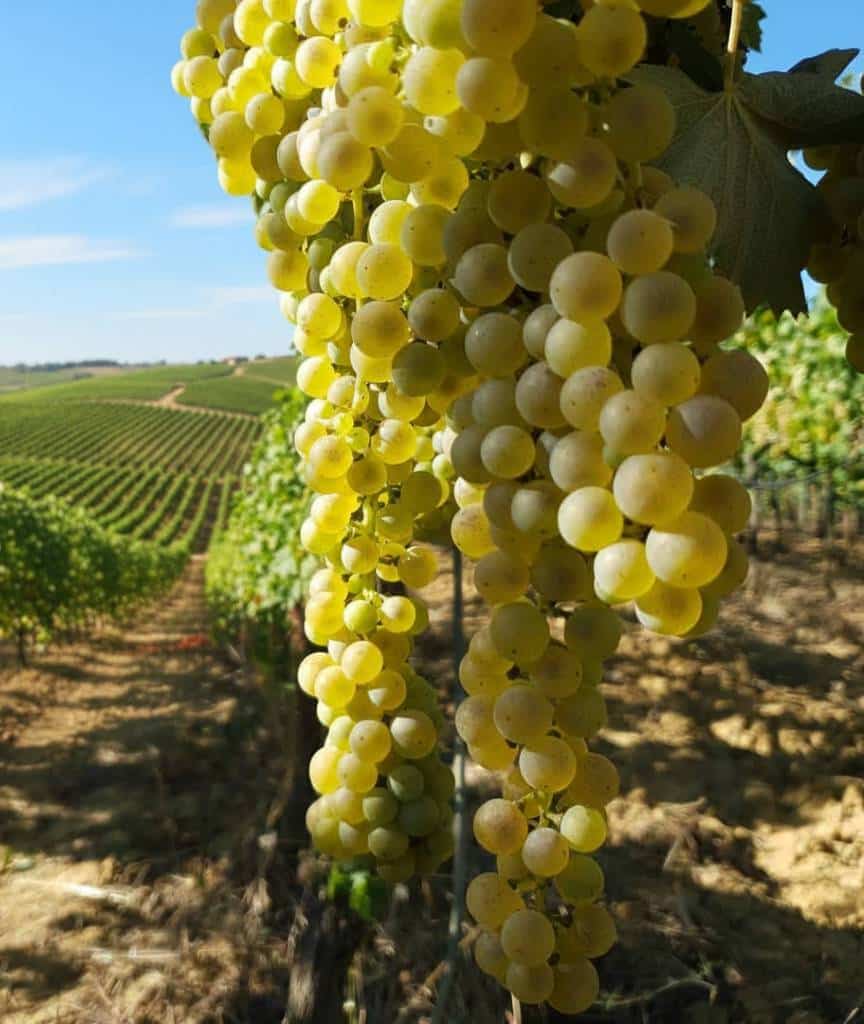
French Goat Cheese Salad and Vernaccia di San Gimignano: The distinct herbal nuances and characteristic flinty minerality of the Vernaccia variety create a mirror effect with the grassy, tangy profile of a classic French Chevre. This structural symmetry ensures that the wine’s crisp finish balances the creamy, mouth-coating texture of the cheese without adding excessive weight or sugar to the starter course.
Thai Green Curry and Tuscan Trebbiano Blend: While not a traditional pairing, a dry Trebbiano blend offers a neutral but high-acid backbone that manages the heat of green chilies. The wine’s lack of heavy oak or high alcohol prevents it from intensifying the capsaicin burn, while its subtle floral notes provide a soft aromatic lift to the lemongrass and galangal used in the curry base.
Peruvian Sea Bass Ceviche and Maremma Vermentino: The saline quality found in Vermentino grown near the Tuscan coast creates a geographic and chemical affinity with the brine of the ocean. The wine’s bright pH levels stand up to the high citric acid of the “leche de tigre” marinade, ensuring the wine does not taste flat or flabby when consumed alongside the sharp acidity of the lime juice.
Greek Spanakopita and San Gimignano Chardonnay: When Tuscan producers utilize Chardonnay, it often retains a leaner, more mineral profile than New World counterparts. This acidity is essential for piercing through the dense layers of buttery phyllo pastry and the salty richness of feta cheese, while the wine’s subtle weight matches the density of the spinach and herb filling.
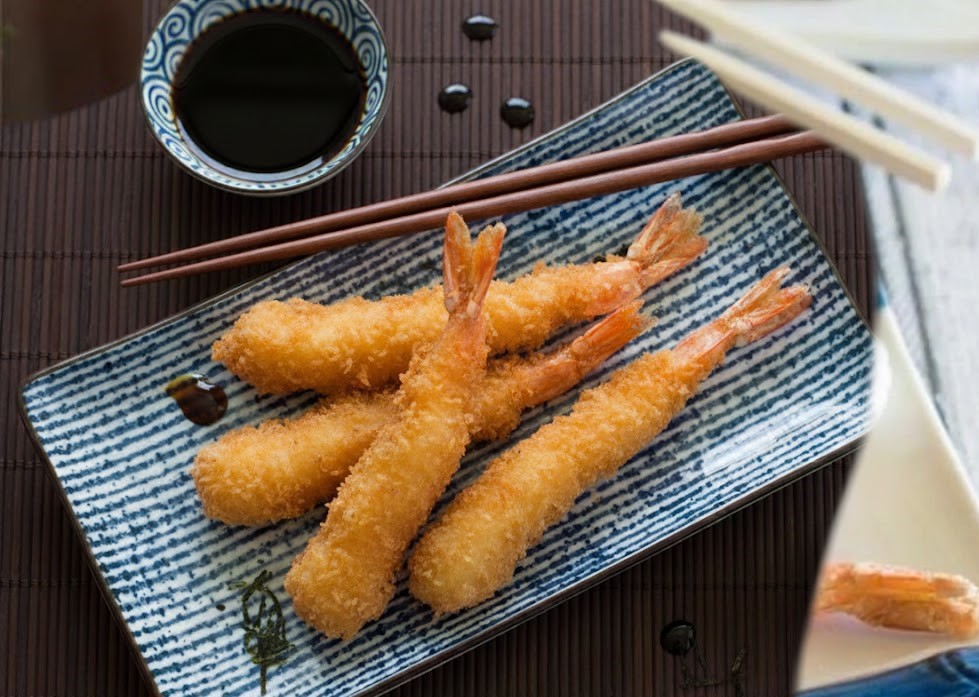
Vermentino’s high acidity cut through the batter’s fat of tempura and refresh palate
International Red Wine Affinity
The tannic structure and savory depth of Tuscan reds, primarily driven by the Sangiovese grape and Bolgheri’s Bordeaux-style blends, make them ideal partners for globally inspired meat dishes and complex sauces.
Argentine Asado with Chimichurri and Vino Nobile di Montepulciano: The firm, structured tannins of this Sangiovese-based wine seek out the heavy proteins and fats of the grilled beef. Through a process of protein-tannin precipitation, the tannins bind to the meat fibers, making the steak feel more tender while the wine simultaneously loses its astringency, revealing hidden notes of dark plum and tobacco that complement the smoky char.
Mexican Mole Poblano and Morellino di Scansano: The earthy, slightly rustic profile of a Morellino from the coastal Maremma provides a unique juxtaposition to the complex, multi-layered sauce of dried chilies and unsweetened cocoa. The wine’s moderate alcohol and bright red fruit acidity prevent the palate from being overwhelmed by the density of the mole, maintaining a refreshing balance throughout the meal.
American Smoked BBQ Brisket and Bolgheri Superiore: The power and concentration of a Cabernet-dominant Supertuscan are required to withstand the intense flavor profile of slow-smoked brisket. The oak-derived vanillin and spice notes in the wine harmonize with the wood-smoke aromatics of the meat, while the wine’s structural intensity ensures it is not “drowned out” by bold, vinegar-based or sweet barbecue sauces.
Spanish Roasted Suckling Pig (Cochinillo) and Chianti Classico Riserva: The high natural acidity of a Riserva-level Chianti is the perfect tool for managing the high fat content and crispy skin of the roasted pork. The wine’s sour cherry and dried oregano notes provide a traditional Mediterranean aromatic link, while the structural acidity cleanses the palate of the rich, gelatinous fats inherent in the dish.
Indian Lamb Rogan Josh and Rosso di Montalcino: A youthful Rosso di Montalcino offers bright red fruit and soft tannins that do not clash with the warm spices of Northern Indian cuisine. The wine’s acidity cuts through the richness of the lamb fat and the yogurt-based gravy, while its earthy undertones bridge the gap between the wine and the savory depth of cloves, cardamom, and ginger.
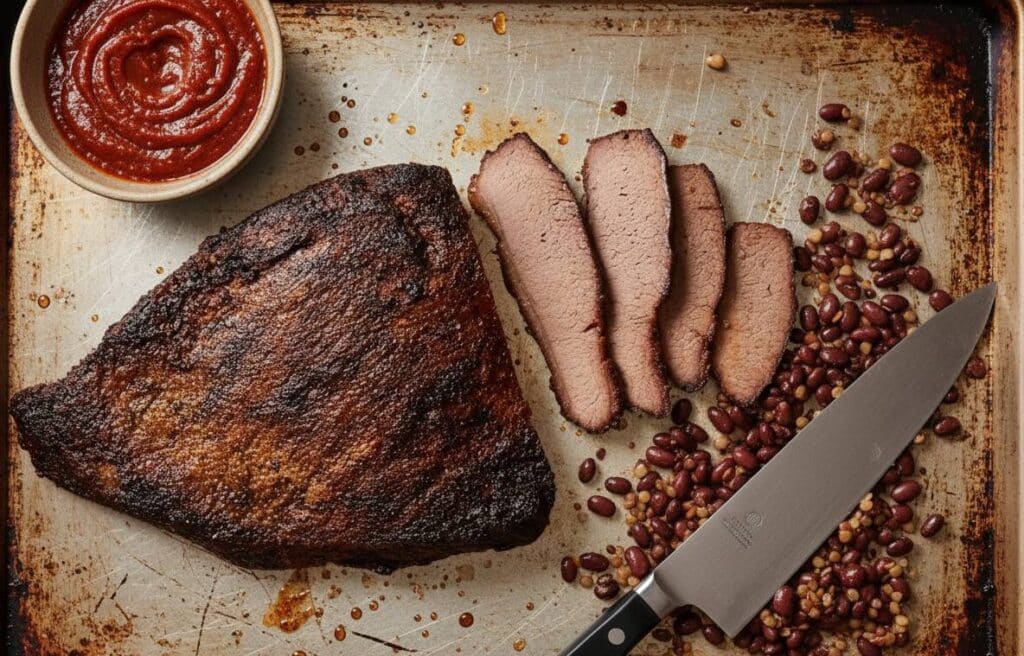
American smoked BBQ Brisket and Bolgheri Superiore with its supertuscan concentration are a nice pairing
A Legacy in Every Glass: The Tuscany Masterclass Discover the Timeless Harmony of Heritage and Science
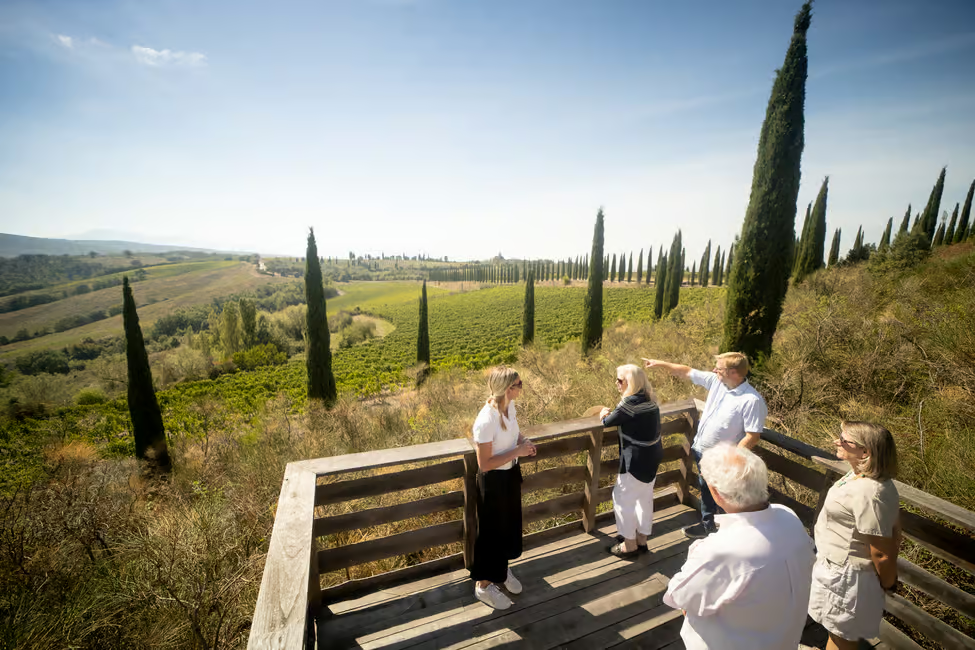
Tuscany is more than a wine region; it is a cultural philosophy where the vine and the kitchen have co-evolved for millennia. From the fog-covered hills of Montalcino to the sun-baked coast of Bolgheri, the diversity of the Tuscan terroir demands a sophisticated approach to pairing.
In this Masterclass, we celebrate the Sangiovese grape in all its forms—from the youthful, cherry-bright vibrancy of a Chianti to the formidable, earth-driven power of an aged Brunello. We also explore the “Super Tuscans,” where international varieties like Cabernet Sauvignon and Merlot find a new expression in Italian soil, offering a bridge between Old World structure and New World fruit.
Understanding Tuscan wine pairing is about embracing the rustic and the refined. It is about how the iron-rich soils of the Chianti Classico imbue a wine with the strength to stand up to aged Pecorino, and how the Mediterranean breezes of the Maremma soften the tannins of a Vermentino to suit fresh seafood.
Let this be your guide to the Italian art of Vivere Bene. Whether you are dining in a hidden trattoria in Siena or hosting a gala in a metropolitan center, Tuscan wine serves as the ultimate catalyst for gastronomic excellence. Embrace the heritage of a region that remains the heartbeat of Italian wine knowledge and travel inspiration.
Tuscany Wines Pairing In a Nutshell
Tuscany wine pairing is defined by structural acidity and rustic elegance. To master it, remember these three core interactions:
1. The Acid-Fat-Salt Trinity (Red Wines) Tuscan reds, led by the Sangiovese grape (Chianti Classico, Brunello di Montalcino), are famous for their high acidity and firm tannins. This acidity is the ultimate weapon against the region’s rich olive oils and salt-cured meats. When paired with a Bistecca alla Fiorentina or a rich wild boar ragù, the wine’s acidity “cuts” through the fat, while the tannins bind to the meat’s proteins. This refreshes the palate after every bite, preventing the meal from feeling overly heavy.
2. The Herbal-Savory Synergy (Herb-Forward Pairings) Tuscan wines often carry “savory” notes—think dried oregano, balsamic, tomato leaf, and sun-drenched earth. These wines thrive when paired with dishes featuring Mediterranean herbs (rosemary, sage, and thyme) and tomato-based sauces. The chemical compounds in the herbs mirror the aromatic profile of the Sangiovese, creating a seamless bridge between the glass and the plate.
3. The Oxidation & Sweetness Balance (Vin Santo) For the legendary Vin Santo, the pairing is about texture and contrast. Its nutty, oxidized character and viscous sweetness are designed to soften dry, crunchy textures like Cantucci (almond biscotti). The wine acts as a liquid cushion, absorbing the crunch of the biscuit while the almond flavors harmonize with the wine’s apricot and caramel notes.
In short:
-
Sangiovese + Fat/Salt = Palate Cleansing and Refreshment.
-
Super Tuscan + Roasted Proteins = Structural Balance and Depth.
-
White (Vernaccia) + Saffron/Herbs = Savory Complexity.
-
Vin Santo + Nutty Sweets = Textural Harmony.