Table of Contents
Colorino The Inky Architect and Tuscan Intensity Star
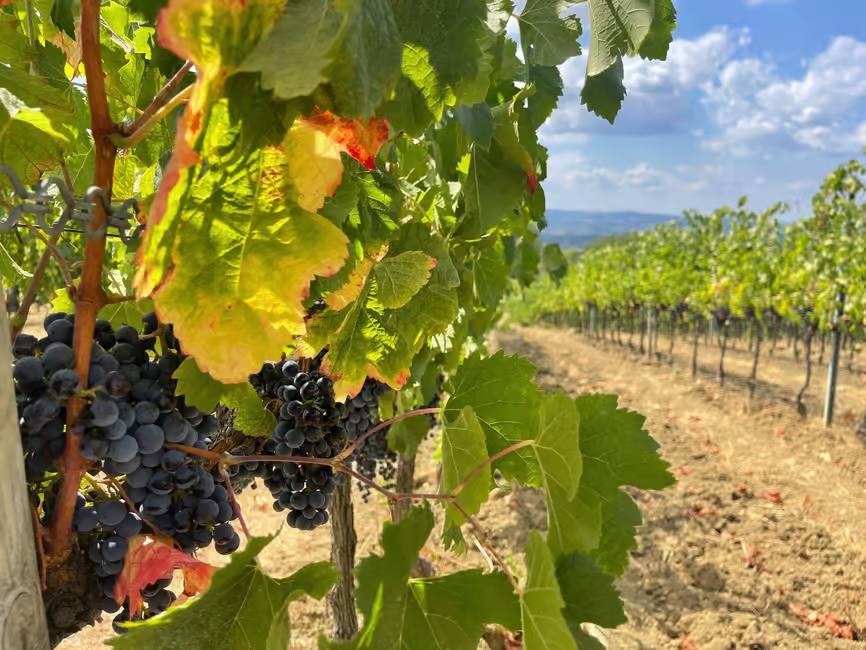
Colorino is a grape of striking visual and structural drama, presenting an almost opaque, midnight-purple color that earns it its descriptive name. Known for its extraordinary concentration of anthocyanins (color pigments), it offers a full-bodied experience characterized by firm, rustic tannins and a dense, chewy texture. On the nose, it is a dark and brooding varietal, dominated by primary notes of wild blackberries, dried plums, and black currants, often underscored by evocative savory hints of woodsmoke, black pepper, and damp earth. As the historic “dye” of Central Italy, Colorino has moved beyond its traditional role as a visual enhancer to become a respected varietal in its own right, prized for adding “muscle,” depth, and a dark-fruited soul to the world’s greatest Tuscan reds.
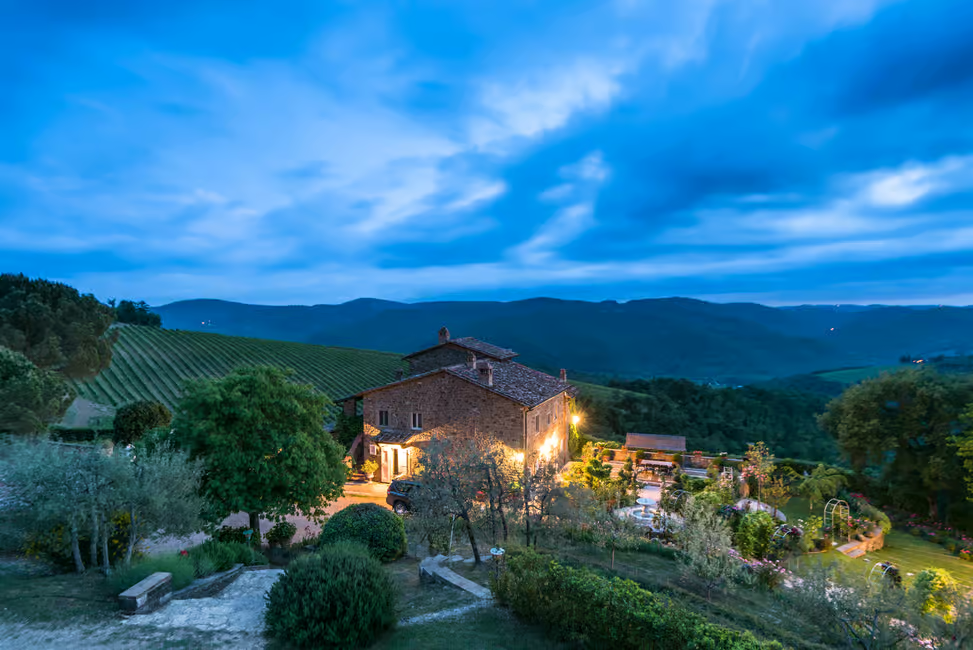
Origin, History and Terroir Indigenous of Tuscany
Italian Roots and Name
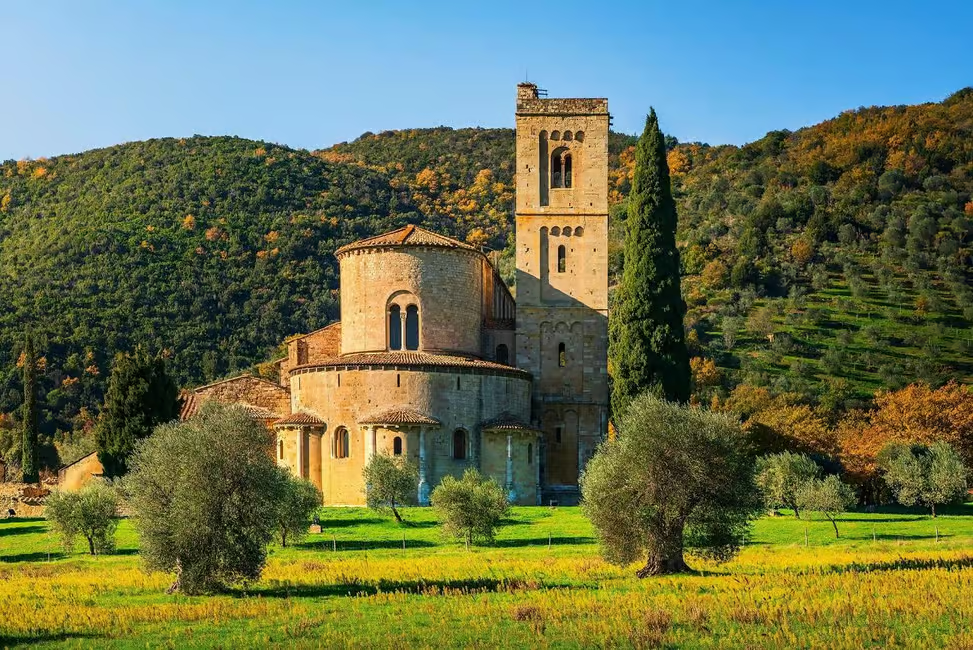
Colorino is indigenous to Tuscany, particularly the Valdarno and Chianti regions. Its name is derived directly from its most famous attribute—the deep, intense “color” (colore) of its skins and juice, which was historically used to darken the pale appearance of early Sangiovese-based wines.
The Parentage and Genetic Lineage
DNA analysis has identified Colorino as a member of the Vitis vinifera family, specifically the Colorino del Valdarno biotype. Unlike many other “teinturier” (red-fleshed) grapes, Colorino has clear juice but incredibly pigment-rich skins. Historically, it was cultivated using the governo technique, where a portion of harvested Colorino grapes was semi-dried to induce a second fermentation, adding richness and stability to the final blend.
Dominance in the Tuscan Interior
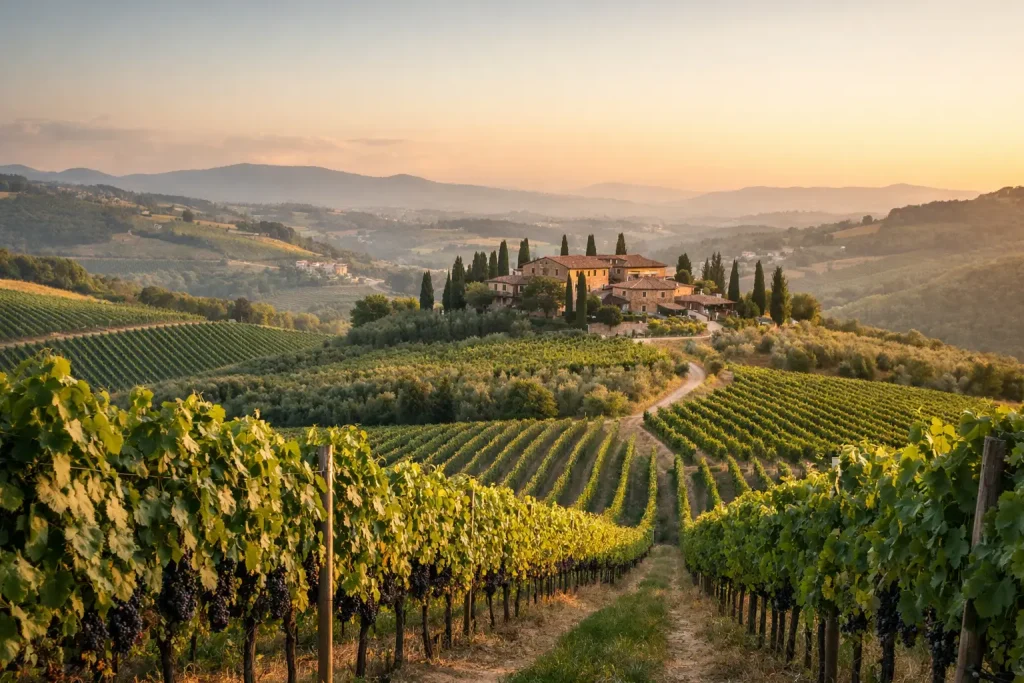
The grape finds its most prestigious expression in the Chianti Classico and Montepulciano zones. It thrives in stony, well-drained soils like galestro (shaly clay), where the vines are forced to struggle, resulting in smaller berries with an even higher skin-to-juice ratio. These conditions are essential for concentrating the grape’s formidable tannins and dark fruit profile.
Characteristics of Colorino Mid to Late-ripening, need heat
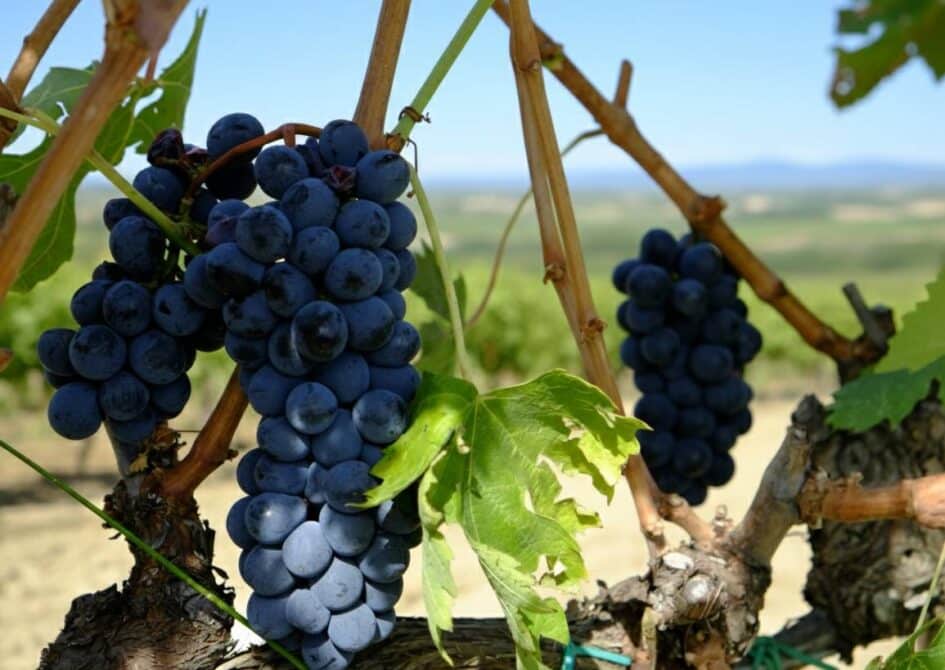
Colorino is a mid-to-late ripening variety that requires ample heat and sunlight to fully polymerize its dense tannins. The berries are small and possess exceptionally thick, dark skins, which provide the wine’s signature opacity and structural grip. Its primary vulnerability is its tendency toward unpredictable yields and a susceptibility to spring frosts due to its early bud-break. However, its thick skins offer a significant advantage in the fall, providing excellent resistance to rot and mildew during damp harvest seasons.
Aromatic profile of Colorino Citrus, Stone Fruits and bitter almond
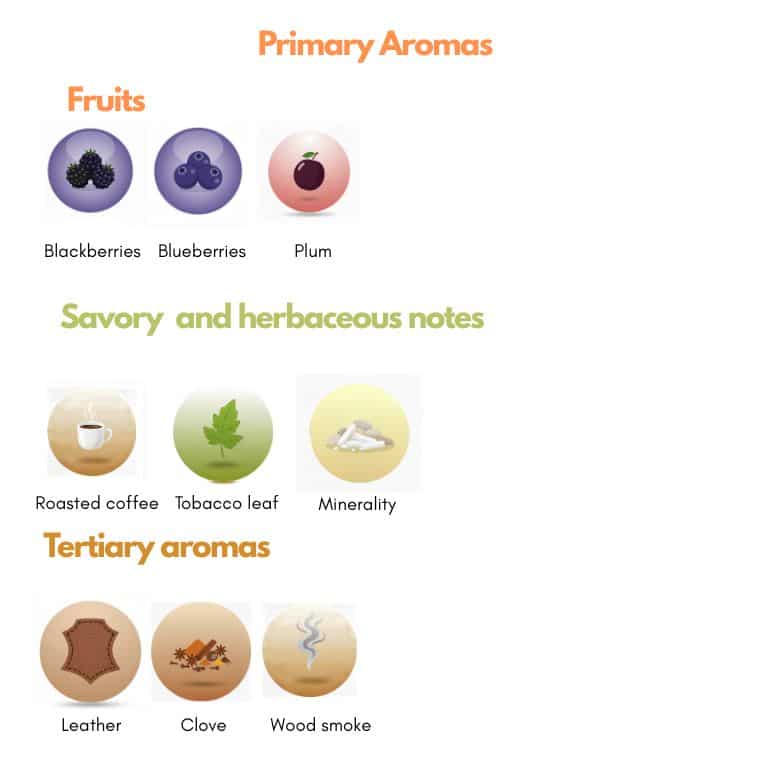
he sensory experience of Colorino is defined by its intensity and “dark” personality.
Aromas
The palate is dominated by primary flavors of blackberries, blueberries, and damson plums. These are layered with complex savory notes of roasted coffee, tobacco leaf, and a distinct “iron-like” minerality.
Structure
Structurally, the wine is full-bodied with high levels of dry, grippy tannins and moderate acidity. When aged in oak, it develops sophisticated tertiary notes of leather, clove, and woodsmoke, while its density ensures the fruit remains vibrant even after years in the cellar.
Winemaking and Blending Techniques traditional, modern or blend
Blending Partner and Role
Colorino’s traditional role is that of the “structural enhancer.” Even in small quantities (5-10%), it is added to Sangiovese to provide a deeper color, increase tannin structure, and add a layer of dark fruit that complements Sangiovese’s red-fruit profile.
The Use of Oak and Stylistic Spectrum
The Traditional Style utilizes large, neutral oak casks to soften the grape’s aggressive tannins without masking its earthy character. However, many modern producers are experimenting with a Varietal Style, using small French barriques. This high-end approach tames the rustic nature of the grape, integrating the dark fruit with toasted vanilla and spice to create a “Super Tuscan” style that is both powerful and polished.
The Impact of Climate in Style
Cooler/High-Altitude Climate (Apennine Foothills)
In the cooler, high-elevation vineyards of Tuscany, Colorino retains a sharp, linear acidity and an almost metallic mineral edge. The flavor profile is leaner, leaning toward tart black cherries, pomegranate, and intense notes of crushed black peppercorns and dried herbs. These styles are structural powerhouses, often used in small percentages to provide a “skeletal” frame and aging potential to lighter blends.
Warmer/Coastal Climate (Maremma and Bolgheri)
In the sun-drenched coastal plains, Colorino transforms into a lush, opulent giant. The tannins become softer and more “velvety,” while the acidity recedes. The flavor profile shifts toward jammy blackberries, dark chocolate, and licorice. In these warmer zones, Colorino is more frequently seen as a varietal wine or a major blending partner, offering a plush, modern profile that emphasizes fruit concentration and power.
Regions for Colorino Tuscany
Italy (Chianti Classico): The Historic Dye.
Essential for providing the deep ruby-purple hue and structural “grip” to the region’s top-tier Riservas.
Italy (Vino Nobile di Montepulciano): The Muscle.
Used to add density and dark-fruited complexity to the elegant Sangiovese of the region.
Italy (Valdarno): The Varietal Home.
A region where a new generation of winemakers is championing 100% Colorino wines to showcase its untapped potential.
Italy (Maremma): The Coastal Powerhouse.
Here, Colorino is used in modern blends to provide a “darker” alternative to Merlot or Cabernet Sauvignon.
Food pairing and service of Colorino The Versatile Companion
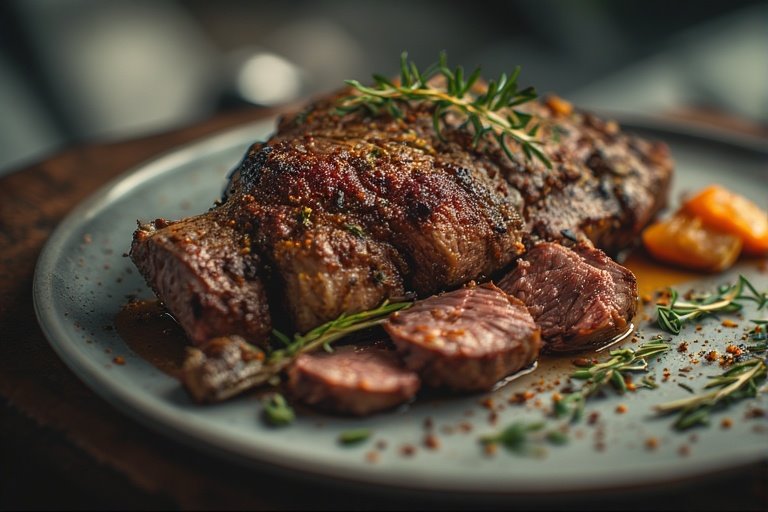
Colorino High tannins are nice matching with lamb in any style
Ideal Food Pairings
Colorino’s formidable tannins and dark, earthy fruit make it a natural match for “heavyweight” dishes that would overpower lighter reds. It is a wine built for protein and fat.
Grilled and Charred Meats
The absolute best pairing is Bistecca alla Fiorentina (charcoal-grilled porterhouse) or grilled lamb chops with rosemary. The wine’s high tannins are “dissolved” by the protein of the meat, while its smoky notes harmonize with the charred crust.
Wild Game
Colorino is a traditional partner for Cinghiale in Umido (wild boar stew). The wine’s intense dark fruit and earthy undertones stand up to the gamy, rich flavors of the boar and its tomato-based sauce.
Rich Pasta Dishes
Pair it with Pappardelle with venison ragù or pasta tossed in a heavy truffle and sausage cream. The wine’s acidity and structure provide a necessary “cut” through the richness of the meat and fat.
Aged Cheeses
For a post-dinner pairing, choose extra-aged Pecorino Toscano or Parmigiano-Reggiano. The crystals in the cheese and its high salt content perfectly balance the wine’s dry tannins.
Avoidances
Avoid delicate fish dishes, light salads, or cream-based vegetarian soups, as the wine’s intensity will completely mask the flavors of the food. Also, be wary of very spicy food, which can make the tannins feel bitter and “hot.”
Service Temperature
To allow the tannins to feel supple and the dark fruit to shine, serve Colorino at 16°C to 18°C (60°F–64°F).
Decanting
Due to its high concentration and firm tannins, a varietal Colorino or a high-percentage blend requires at least 60 minutes of decanting. This aeration rounds out the edges and allows the complex aromas of tobacco and earth to emerge.
Challenges & Future Outlook
Colorino’s greatest challenge has been its reputation as a “secondary” grape used only for color. However, as global palates shift toward “authentic” and indigenous varieties, Colorino is experiencing a revival. Winemakers are discovering that through careful vineyard management and modern tanning management, it can produce world-class, stand-alone wines that offer a unique, “inkier” alternative to the red-fruited Sangiovese.
Ready to Dive into the World of Colorino? Discover Our Tours! Experience the Dark Soul of Tuscany
Colorino is a grape of hidden depths—a varietal that provides the shadow and strength to Italy’s most famous landscapes. Whether you enjoy it as a structural backbone in a Chianti or as a bold, varietal statement, it offers an intensity that is truly unforgettable. Step into the darkness—uncork the powerful elegance of Colorino today!