Table of Contents
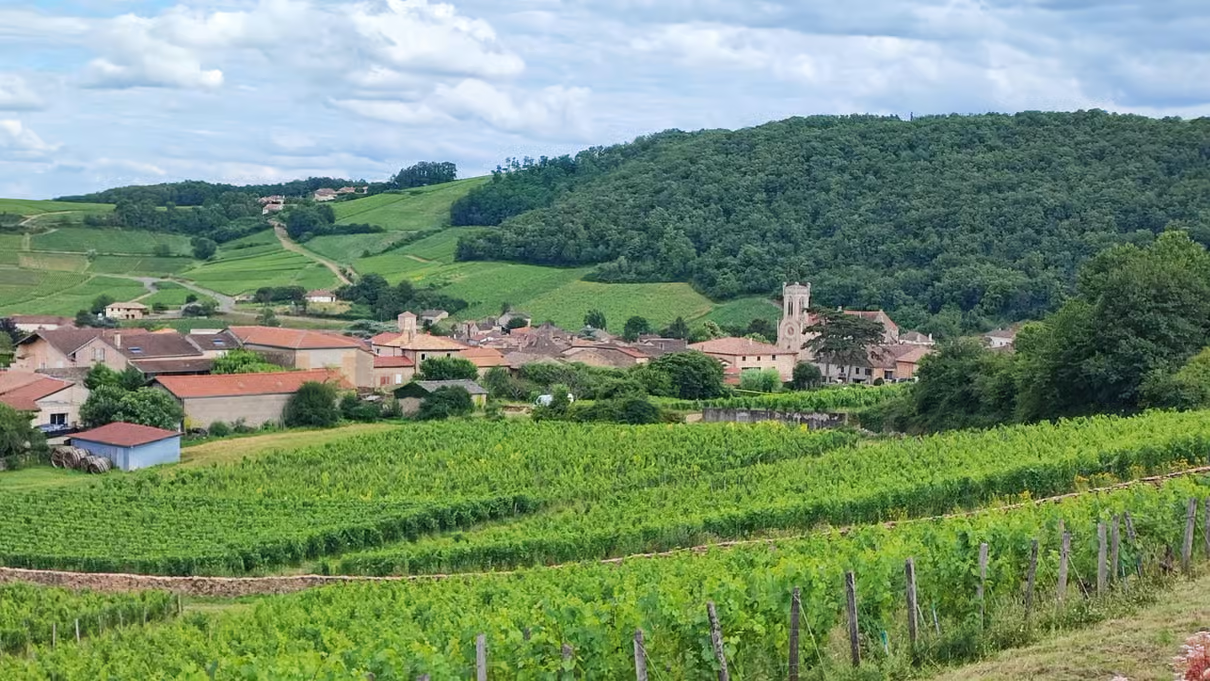
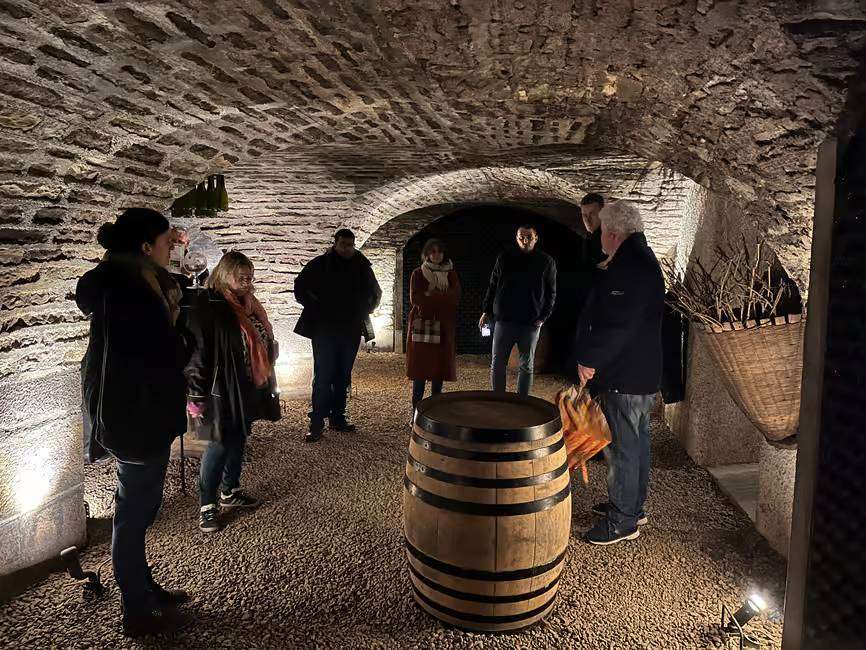
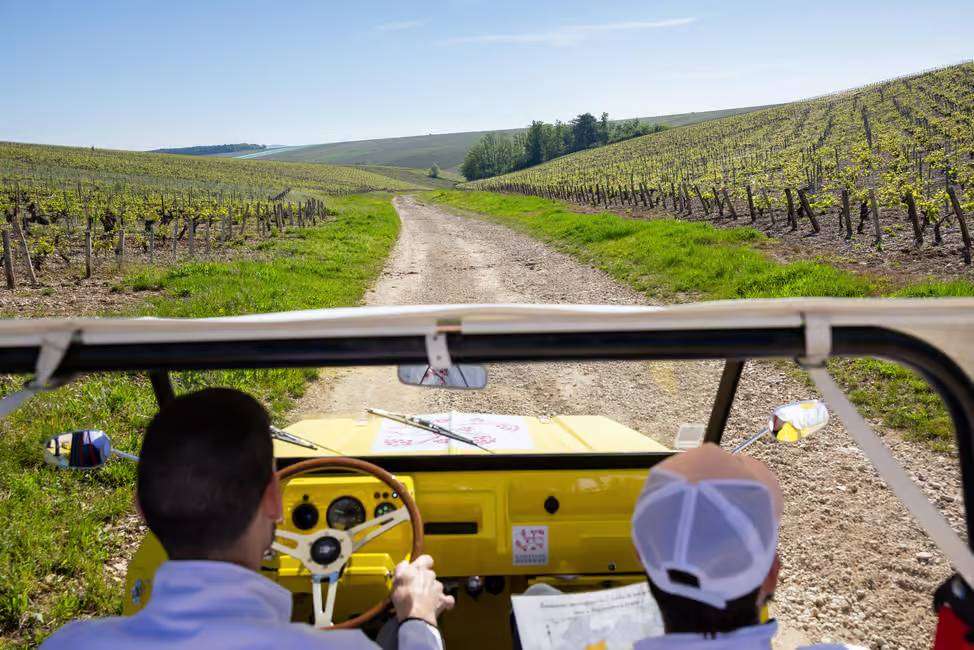
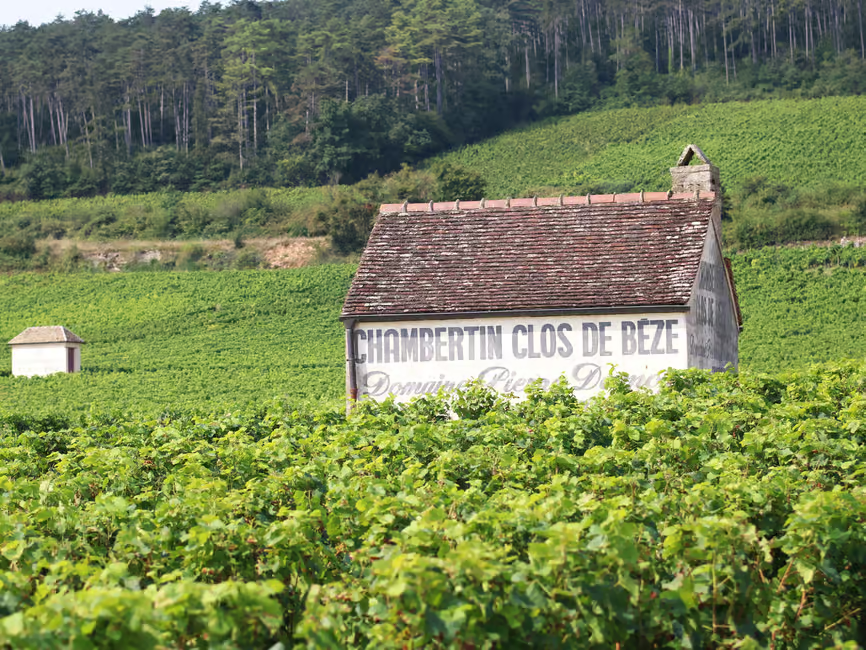
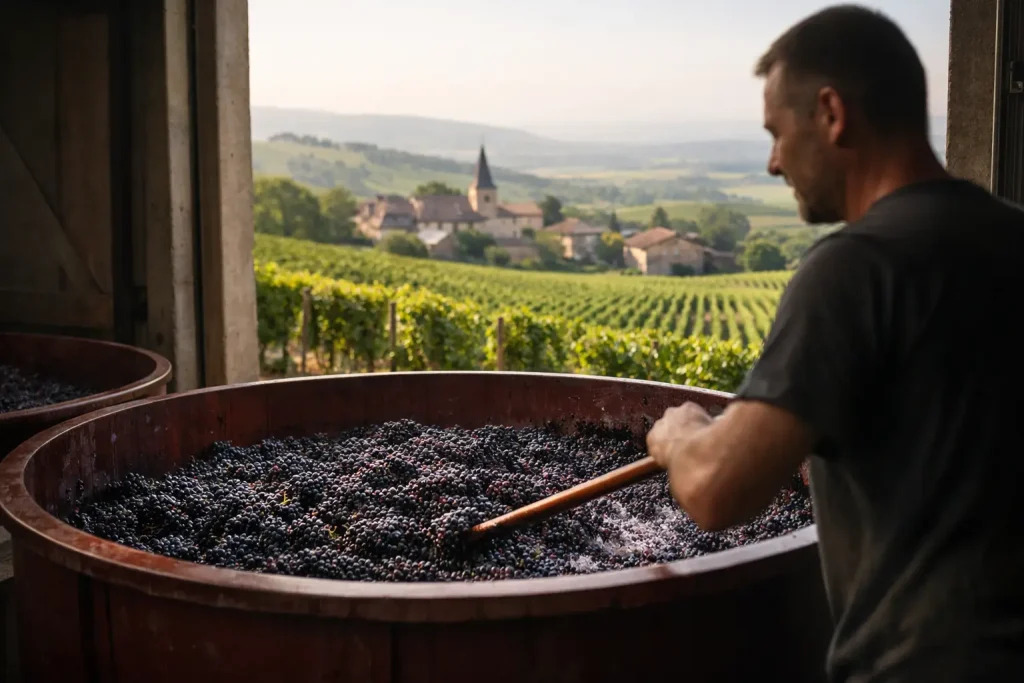
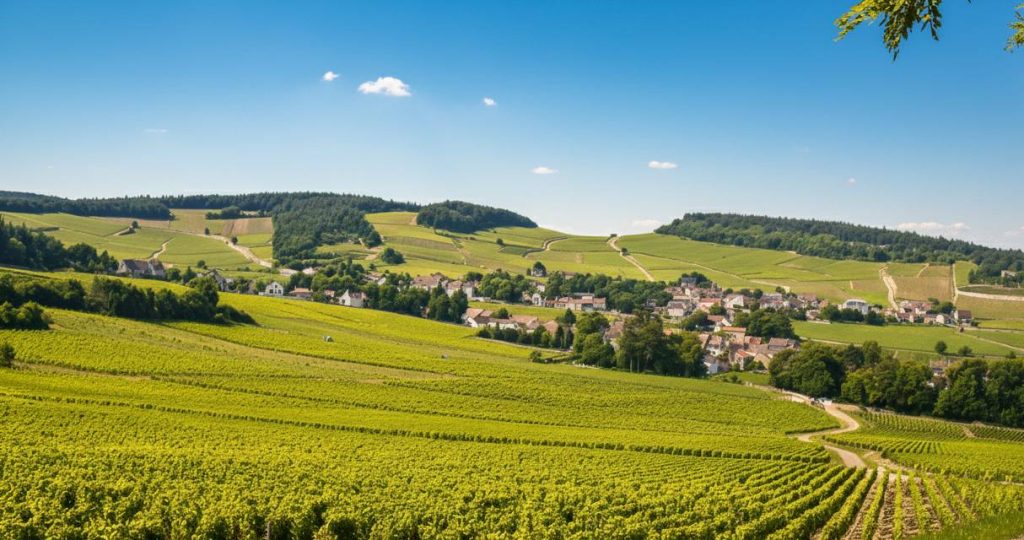
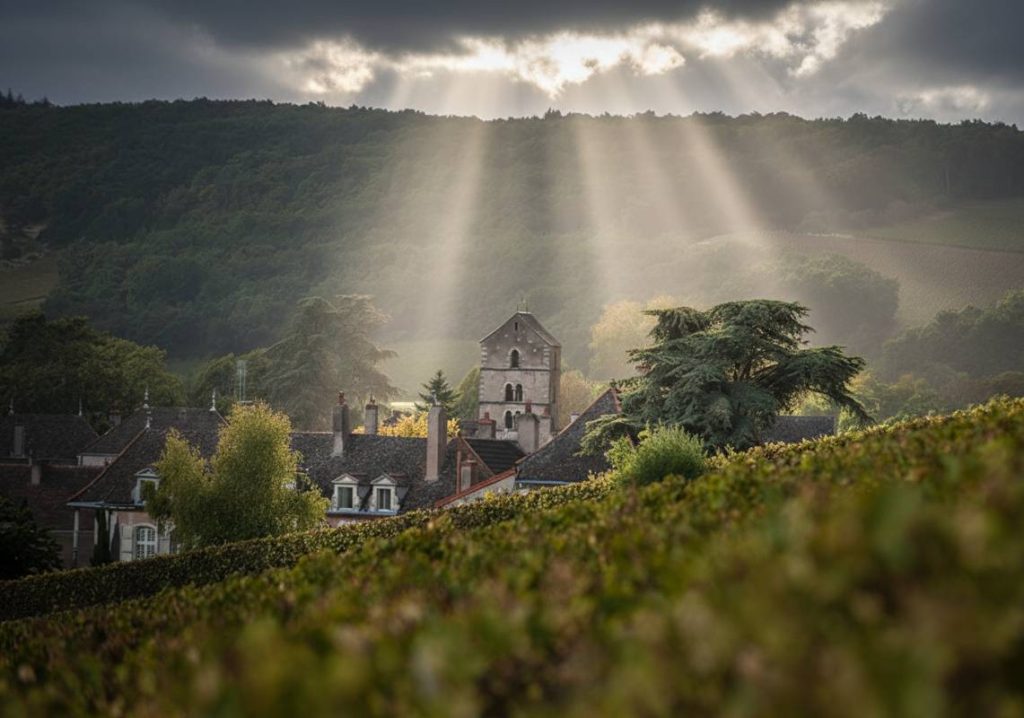
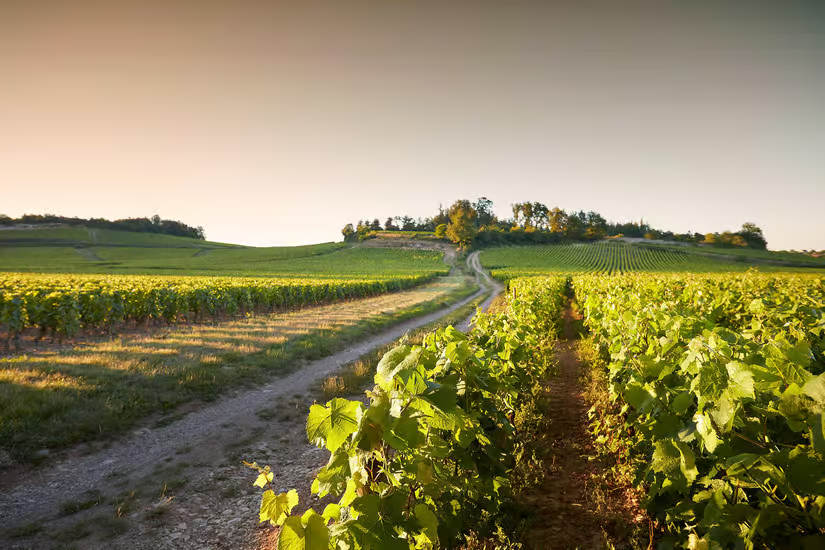
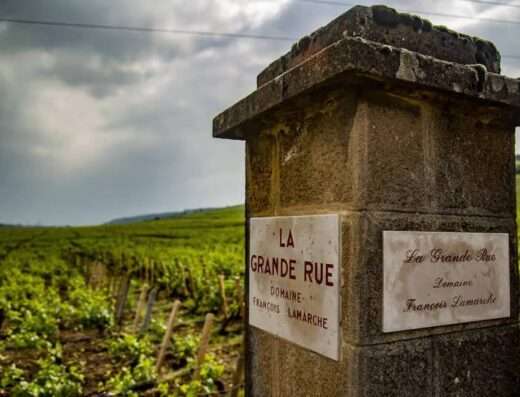
The relationship between the soil, known as terroir, and the local plate is a profound dialogue of chemistry and culture that has been refined over centuries in the heart of Burgundy, this connection is not merely sentimental but is rooted in the distinct geological composition of the limestone and marl slopes that define the region.
The concept of balance serves as the ultimate objective in this gastronomic relationship, ensuring that neither the wine nor the dish overwhelms the other. To achieve this, one must consider the structural characteristics of the wine, specifically its acidity and its tannin profile. The high natural acidity found in Burgundy Pinot Noir and Chardonnay acts as a refreshing counterpoint to the richness of local proteins and fats.
For example, the crisp acidity of a white wine from Chablis can slice through the creamy texture of a butter-based sauce, effectively cleansing the palate and preparing it for the next bite. Conversely, the elegant tannins present in a red wine from the Côte de Nuits interact with the proteins in red meats through a process of molecular binding.
Tannins are polyphenolic compounds that bind to salivary proteins, creating a sensation of astringency. When paired with a succulent piece of beef, these tannins bind instead to the proteins and fats of the meat, softening the perception of the wine while enhancing the savory depth of the dish. This structural harmony creates a symbiotic experience where the mineral-rich soils of the vineyard are expressed through the glass and complemented by the ingredients of the land.
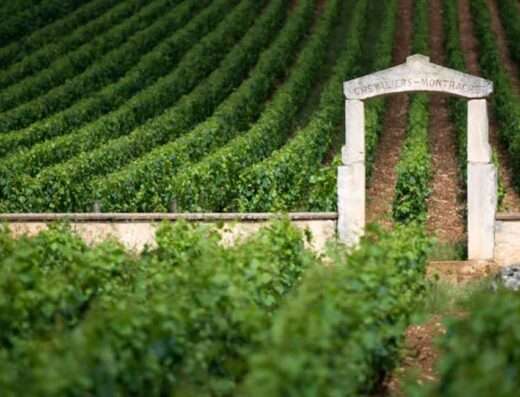
The Local Terroir
The Ethereal Reds of the Côte de Nuits and Côte de Beaune Pairings with local cuisine
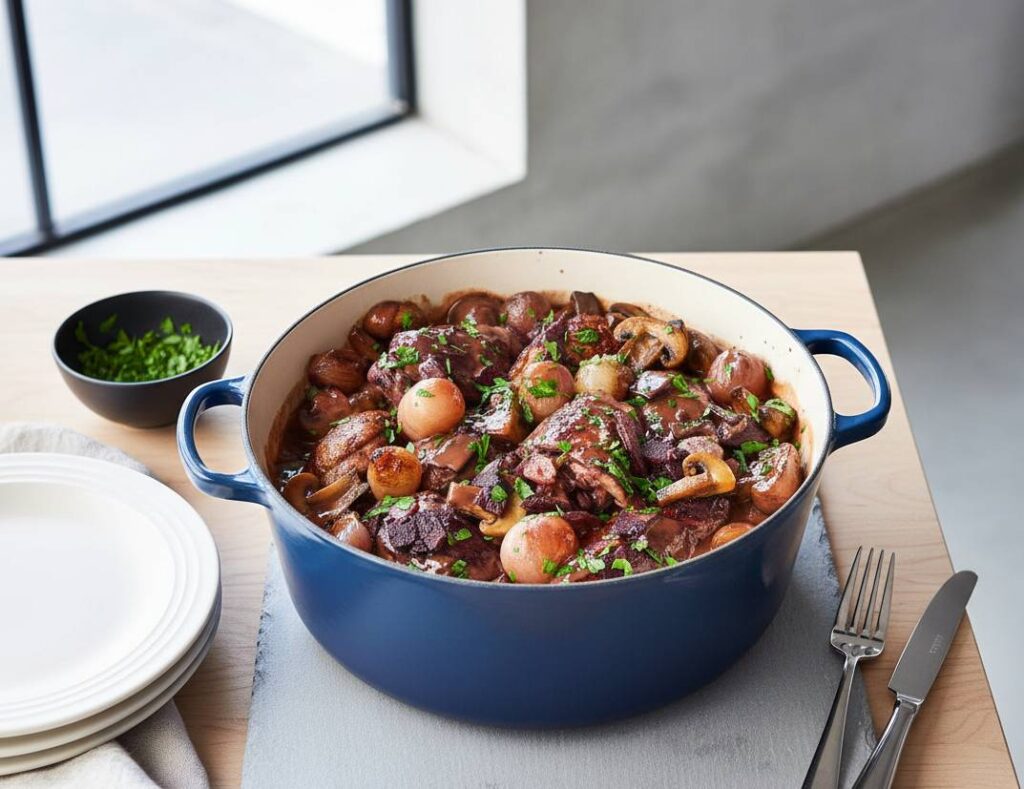
Classic Slow Cooked Coq au Vin requires some Structure: Gevrey Chambertin is a good choice
The red wines of Burgundy, primarily crafted from the Pinot Noir grape, are celebrated for their transparency and elegance. These wines typically exhibit a complex flavor profile that ranges from fresh red berries, such as cherries and raspberries, to more earthy and savory notes of forest floor, mushrooms, and leather as they age. The structure is defined by a delicate balance of vibrant acidity and silky, fine-grained tannins that provide a sophisticated backbone without being aggressive. This aromatic complexity and structural finesse make them exceptionally versatile for a wide range of traditional Burgundian culinary preparations.
Boeuf Bourguignon and Gevrey-Chambertin The classic slow-cooked beef stew requires a wine with significant structure and depth to match its intense flavors. A Gevrey-Chambertin is ideal because its firm tannin structure interacts with the dense muscle fibers and proteins of the braised beef, effectively softening the wine’s mouthfeel. Furthermore, the earthy undertones of the wine mirror the umami-rich flavors of the mushrooms and onions in the sauce, creating a seamless bridge between the glass and the plate.
Coq au Vin and Nuits-Saint-Georges This traditional dish involves chicken braised in red wine, often resulting in a rich and savory profile. A Nuits-Saint-Georges provides the necessary power and dark fruit concentration to stand up to the rustic flavors of the bird and its accompanying lardons. The wine’s acidity ensures that the palate remains refreshed despite the richness of the sauce, while the structural intensity of the appellation matches the weight of the braised poultry.
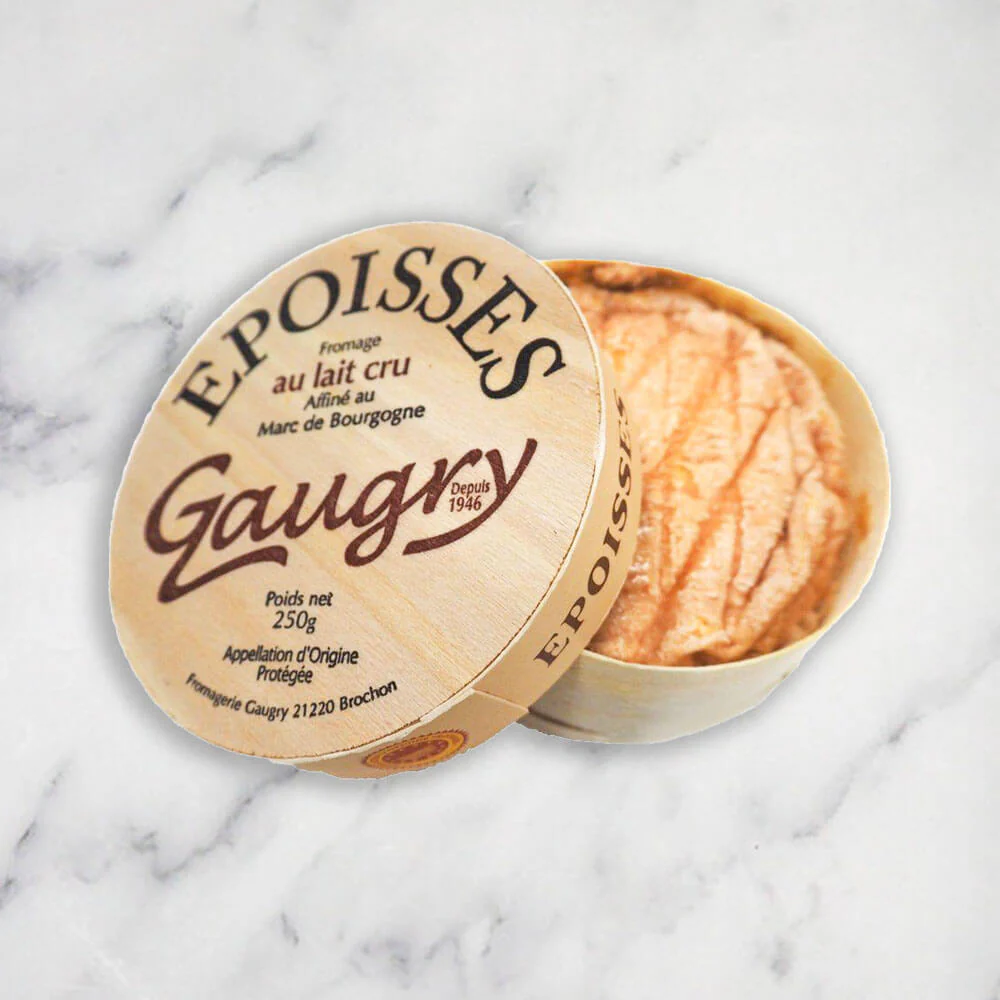
Epoisses de Bourgogne and Pommard Epoisses is a powerful, pungent washed-rind cheese that can easily overwhelm lighter wines. A Pommard, known for its relative muscularity and robust tannins, possesses the aromatic intensity required to compete with the cheese’s strong scent. The wine’s acidity cuts through the high fat content of the creamy cheese, while the iron-like minerality of the Pommard soil finds a savory resonance with the saltiness of the rind.
Oeufs en Meurette and Volnay This dish of poached eggs in a red wine reduction requires a wine that is elegant yet flavorful. A Volnay is chosen for its legendary silkiness and bright red fruit, which provides a graceful contrast to the richness of the egg yolk. The soft tannins of the Volnay do not clash with the delicate texture of the eggs, and its high acidity balances the saltiness of the bacon bits often found in the sauce.
Jambon Persillé and Bourgogne Rouge The terrine of ham and parsley is a staple starter that balances salty meat with fresh herbs. A bright Bourgogne Rouge offers a high level of acidity that cleanses the palate from the gelatinous texture of the ham. The wine’s primary fruit notes complement the saltiness of the pork, while its light body ensures that the freshness of the parsley remains the focal point of the pairing.
Lapin à la Moutarde and Savigny-lès-Beaune Rabbit cooked in a creamy mustard sauce presents a challenge due to the spice of the mustard. A Savigny-lès-Beaune is an excellent choice as it typically exhibits a playful fruitiness and moderate tannins that do not become bitter when meeting the mustard’s heat. The wine’s acidity balances the cream in the sauce, providing a light and lifted finish to a traditionally heavy dish.
Escargots de Bourgogne and Mercurey Snails prepared with garlic and butter require a red wine with enough rusticity to handle the bold seasonings. A Mercurey from the Côte Chalonnaise provides an earthy profile that matches the snails’ forest-like flavors. The tannins are sufficient to stand up to the garlic, while the wine’s structure ensures it is not lost behind the richness of the herb butter.
Poularde de Bresse with Truffles and Vosne-Romanée This high-end pairing involves the finest poultry and aromatic truffles. A Vosne-Romanée is often cited for its “velvet” texture and exotic spice notes, which perfectly mirror the earthy, luxurious aroma of black truffles. The wine’s sophisticated structure supports the delicate flavor of the Bresse chicken without overpowering it, resulting in a pinnacle of aromatic harmony.
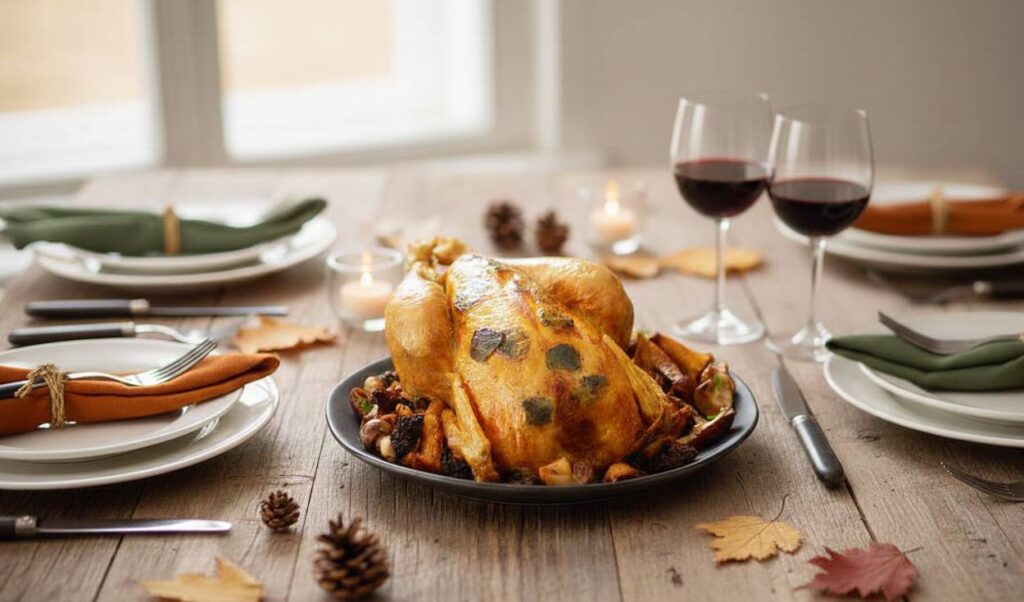
Poularde de Bresse and truffles: high end pairing with best poultry and the velvet texture of Vosne-Romanée
The Luminous Whites of Chablis and the Côte de Beaune Pairings with local cuisine
The white wines of Burgundy, produced from Chardonnay, are benchmarks for complexity and precision. These wines vary from the flinty, high-acid profiles of Chablis to the opulent, buttery, and toasted nut characteristics of Meursault and Montrachet. The primary flavors often include citrus zest, green apple, and white flowers, which evolve into honey and brioche with time. Their defining feature is a structural elegance driven by a firm mineral core and a vibrant acidity that provides exceptional longevity and food-pairing versatility.
Gougères and Crémant de Bourgogne These savory cheese puffs are light and airy, making them a perfect match for the effervescence of a Crémant. The carbon dioxide in the wine acts as a physical cleanser for the palate, lifting the richness of the Gruyère cheese. The crisp acidity of the Chardonnay grapes in the blend provides a sharp contrast to the buttery pastry, making for an invigorating and balanced appetizer.
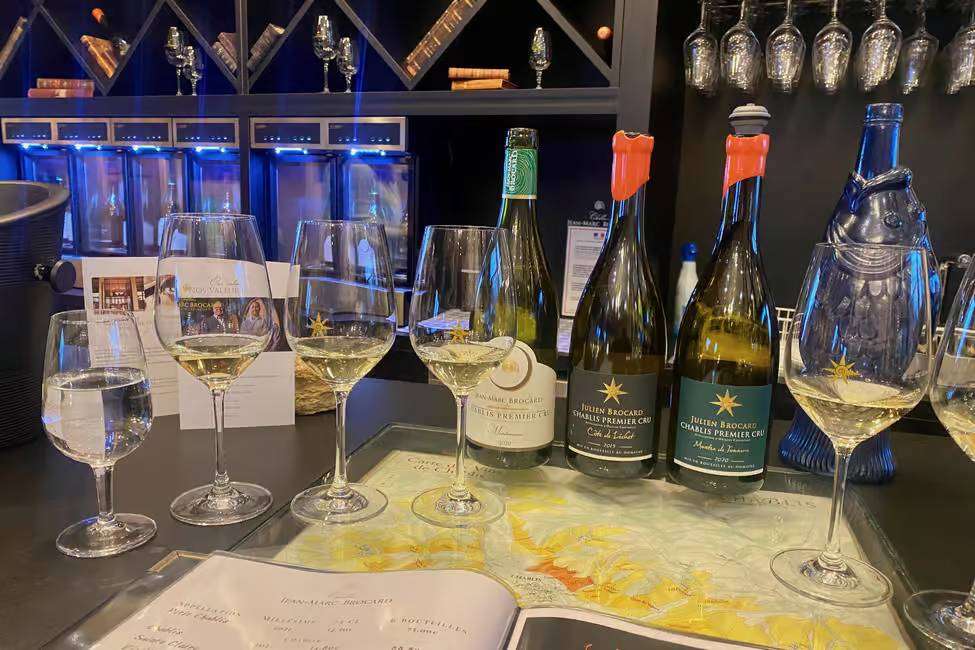
Oysters and Chablis Premier Cru The Kimmeridgian limestone soil of Chablis, containing fossilized oyster shells, provides a unique mineral character to the wine. This saline quality creates a direct flavor link with fresh oysters. The wine’s high acidity and lack of new oak allow the delicate, briny flavors of the seafood to shine, while the wine’s lean structure mimics the clean texture of the raw shellfish.
Sole Meunière and Meursault A classic preparation of fish in brown butter requires a wine with weight and a similar flavor profile. Meursault is famous for its hazelnuts and buttery aromas, which harmonize beautifully with the “beurre noisette” of the dish. The wine’s rounder texture matches the silkiness of the fish, while its underlying acidity prevents the butter from feeling overly heavy on the tongue.
Grilled Lobster and Corton-Charlemagne The intense flavor and firm texture of lobster require a white wine of significant power. Corton-Charlemagne offers a dense, concentrated palate that can match the lobster’s weight. Its high mineral tension and citrus notes highlight the natural sweetness of the lobster meat, while the subtle oak integration provides a toasted note that complements the char from the grill.
Comté Cheese and Saint-Aubin A mature Comté cheese has nutty and salty characteristics that pair wonderfully with the citrus and almond notes of a Saint-Aubin. The wine’s acidity cuts through the dense, semi-hard texture of the cheese. This interaction allows the complex floral and fruity nuances of both the cheese and the wine to be expressed more clearly on the finish.
Quenelles de Brochet and Puligny-Montrachet These delicate pike dumplings in a rich Nantua sauce (crayfish butter) demand a wine of extreme elegance. Puligny-Montrachet is prized for its precision and floral lift, which avoids overwhelming the subtle fish flavors. At the same time, the wine possesses enough structural “grip” and acidity to balance the richness of the crayfish-infused cream sauce.
Sweetbreads with Morels and Chassagne-Montrachet Sweetbreads have a unique, creamy texture that finds a perfect companion in the breadth of a Chassagne-Montrachet. The wine’s hints of stone fruit and white flowers complement the earthiness of the morel mushrooms. The structural weight of the wine ensures a balanced mouthfeel against the richness of the offal, creating a highly sophisticated and layered pairing.
Poires à la Beaujolaise and Mâcon-Villages While typically a red wine dish, poires can be paired with a slightly riper Mâcon-Villages white for a different perspective. The wine’s tropical fruit notes and softer acidity complement the sweetness of the poached pears. This pairing relies on a shared fruit forwardness, where the wine’s cleanliness prevents the dessert from becoming cloying, providing a refreshing end to the meal.
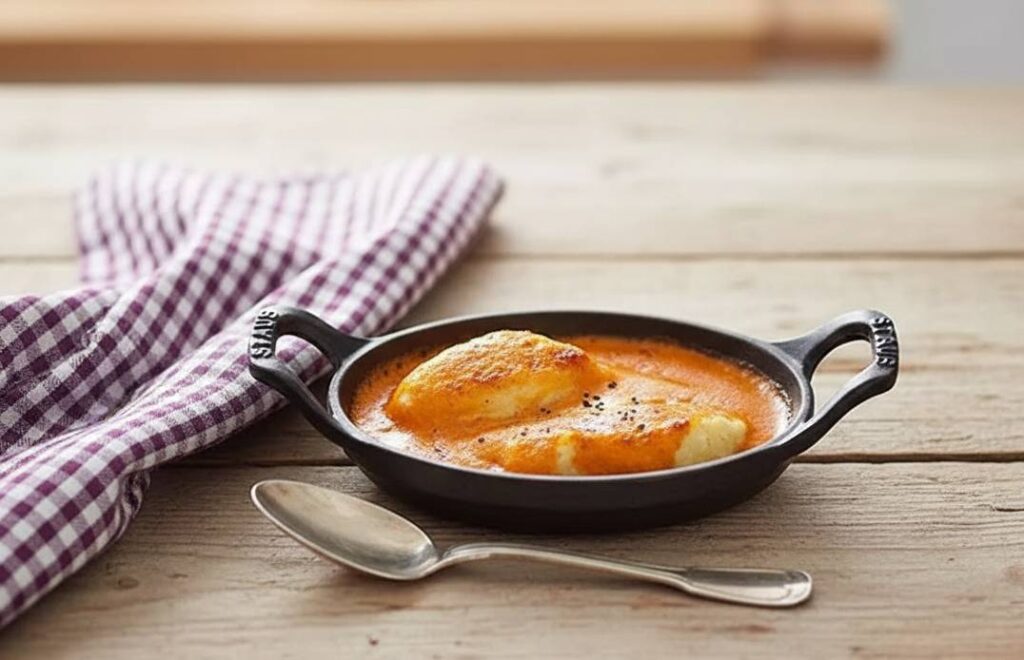
Quenelles de Brochet, this traditional Lyon delicate pike dumplings demand a wine of extreme elegance: Chassagne-Montrachet is great wine pairing
International Food Global Food and Wine Perspective
Burgundy White Wines and International Food Pairing Versatility
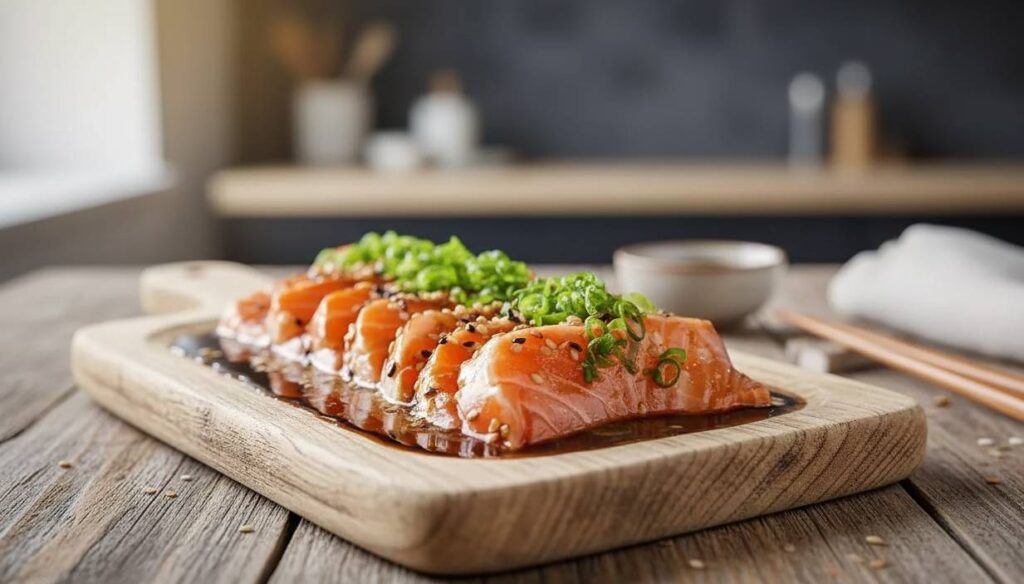
High Chablis acidity interacts very well with Salmon Sashimi
The versatility of Burgundian white varieties allows them to traverse global cuisines, particularly where acidity and minerality are required to enhance fresh ingredients or balance spice.
Sashimi and Chablis The high pH and bracing acidity of Chablis interact with the clean, umami-rich flavors of raw fish. The wine’s mineral backbone acts as a flavor enhancer, much like a squeeze of lemon, without masking the delicate texture of the seafood.
Thai Green Curry and Mâcon-Verzé The riper fruit profile of a wine from the Mâconnais provides a necessary counterweight to the aromatic heat of Thai spices. The wine’s vibrant acidity cuts through the coconut milk, ensuring the palate remains refreshed between bites of spicy curry.
Cantonese Dim Sum and Saint-Veran The balanced structure and stone fruit notes of Saint-Veran complement the variety of textures found in dumplings. The wine’s acidity balances the steamed or fried elements, providing a clean finish that readies the diner for different flavor profiles.
Grilled Sea Bass with Salsa Verde and Pouilly-Fuissé The concentration of Pouilly-Fuissé stands up to the charred flavors of the fish, while its citrus notes harmonize with the herbal acidity of the salsa verde.
Vegetable Tempura and Crémant de Bourgogne The light, sparkling nature of the Crémant provides a physical contrast to the crunchy, oily batter of the tempura. The bubbles scrub the palate, while the wine’s crispness highlights the natural sweetness of the vegetables.
North Indian Malai Kofta and Meursault The creamy, nutty sauce of this vegetarian dish finds a structural mirror in the buttery and toasted oak characteristics of Meursault.
Ceviche and Petit Chablis The sharp citrus marinade of ceviche requires a wine with high acid tension to avoid appearing flat. Petit Chablis provides this essential brightness, echoing the lime juice used in the preparation.
Middle Eastern Hummus and Falafel and Bourgogne Aligoté The herbal and zesty nature of Aligoté provides a refreshing contrast to the dense, earthy texture of chickpeas and tahini.
Burgundy Red Wines and International Food Pairing Structural Elegance
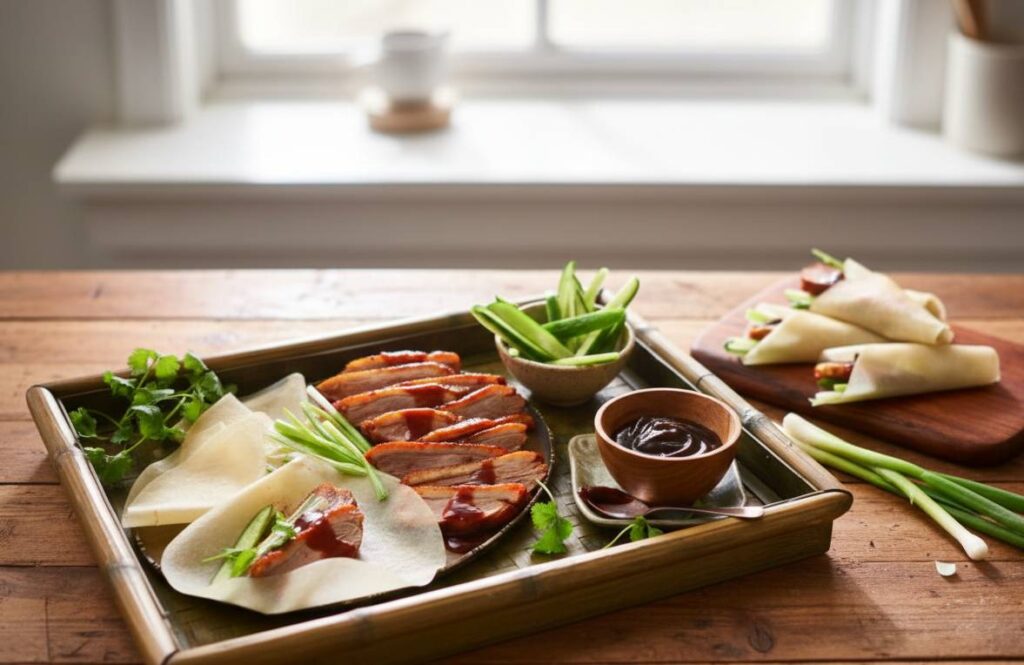
Beaune red Burgundy is fruity and balance well the sweet and savory glaze of Peking Duck
Burgundian reds offer a structural elegance that complements global meat dishes and complex savory preparations without the heaviness of higher-alcohol varieties.
Peking Duck and Beaune Premier Cru The sweet and savory glaze of the duck is perfectly balanced by the bright red fruit and moderate tannins of a Beaune red. The wine’s acidity cuts through the fatty skin, while its earthy finish matches the hoisin sauce.
Grilled Salmon and Marsannay Salmon is a meaty fish that pairs excellently with the light tannins of a Marsannay. The wine’s red berry notes complement the richness of the fish without the metallic clash that heavier reds might produce.
Mushroom Risotto and Morey-Saint-Denis The earthy, forest-floor aromatics of Morey-Saint-Denis are a classic molecular match for the fungal flavors of mushrooms. The wine’s structure provides a sophisticated companion to the creamy texture of the rice.
Lamb Tagine and Gevrey-Chambertin The depth of a Gevrey-Chambertin can handle the aromatic spices of a tagine. Its firm tannins bind with the lamb proteins, creating a smooth and integrated dining experience.
South American Picaña Steak and Pommard The robust tannins of Pommard are essential for binding with the intense proteins and fats of a grilled steak. This interaction softens the wine’s astringency and highlights the meat’s savory char.
French Onion Soup and Mercurey The savory beef broth and melted cheese require a red wine with enough earthiness and acidity to balance the sweetness of the caramelized onions.
Duck Confit and Santenay Santenay provides a rustic charm and firm acidity that is ideal for cutting through the significant fat content of preserved duck legs.
Spanish Manchego Cheese and Givry The nutty and sheep-milk characteristics of the cheese are enhanced by the bright cherry fruit and soft tannins of a Givry, creating a balanced and flavorful snack
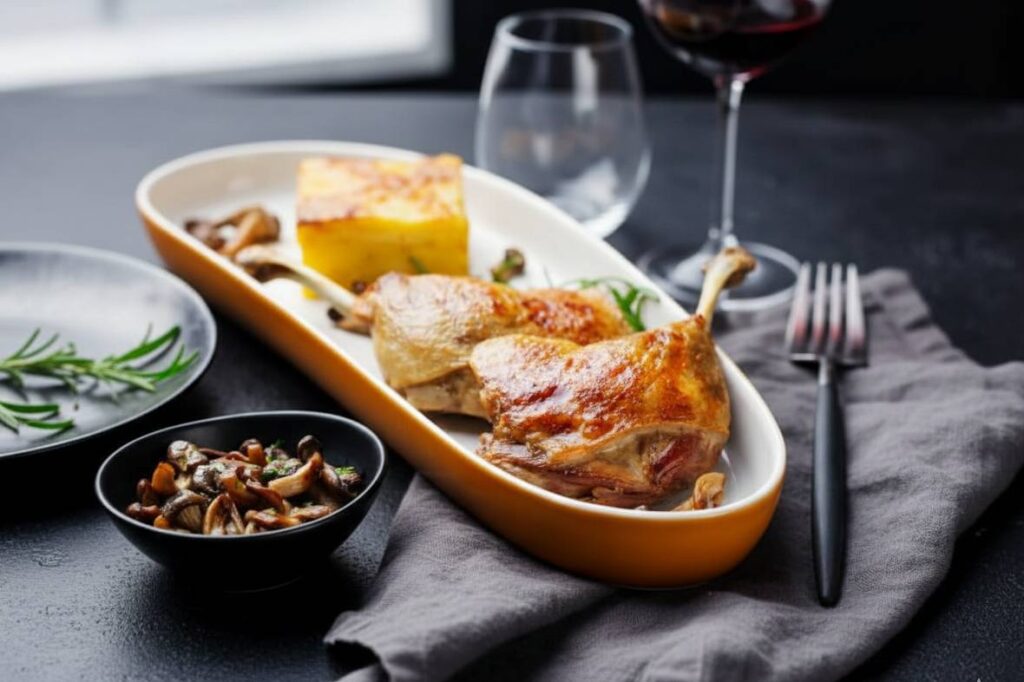
Duck leg ‘confit de Canard”‘s fat is cut by Santenay acidity, and the wine provide the rustic charm to the food
A Journey Through the Senses: The Eternal Allure of Burgundy Discovering the Soul of the Soil in Every Glass
Burgundy remains the ultimate destination for those seeking a profound connection between the land and the table. This region does not merely produce wine; it captures the essence of specific hillsides and translates them into a language of acidity, fruit, and mineral tension. To experience Burgundy is to embark on a journey where every sip tells a story of geological history and artisanal dedication. Whether enjoyed with a local Boeuf Bourguignon or an international delicacy, these wines offer a timeless elegance that elevates any gastronomic occasion to a professional standard of excellence
Burgundy Wines Pairing In a Nutshell
Burgundy wine pairing is defined by precision, elegance, and mineral tension. To master it, remember these three core interactions:
1. The Acid-Fat-Protein Synthesis (White & Red)
Unlike the “cleansing” power of high-tannin reds, Burgundy relies on vibrant natural acidity to achieve balance. In white wines like Meursault or Chablis, the acidity slices through rich butter-based sauces (such as beurre blanc) or creamy cheeses. In reds, the high acidity and fine-grained tannins of Pinot Noir interact with delicate proteins like poultry or rabbit. Instead of just “cutting” through fat, the wine elevates the dish by refreshing the palate and highlighting the primary flavors of the ingredients.
2. The Earthy-Umami Mirror (Terroir Synergy)
Burgundian Pinot Noir is celebrated for its “forest floor” (sous-bois) and earthy aromatics. This creates a molecular bridge with dishes rich in umami, specifically mushrooms and truffles. When a wine like Vosne-Romanée is paired with truffled poultry, or a Morey-Saint-Denis with mushroom risotto, the earthy compounds in the soil (terroir) find a direct aromatic resonance with the ingredients of the land, creating a seamless, savory depth.
3. The Mineral-Saline Connection (Chardonnay & Shellfish)
The specific geological composition of Burgundy, particularly the Kimmeridgian limestone (containing fossilized sea shells), imparts a distinct saline minerality to the wine. This is most evident in Chablis, where the wine acts as a liquid reflection of the sea. The mineral “grip” of the wine provides a structural counterpart to the briny texture of raw oysters or grilled sea bass, acting as a flavor enhancer similar to a pinch of sea salt.
In Short:
Pinot Noir + Earthy Proteins (Duck/Mushroom) = Aromatic Harmony and Silky Texture.
Chardonnay + Creamy/Buttery Textures = Structural Balance and Palate Refreshment.
Chablis + Saline/Raw Seafood = Mineral Precision and Flavor Enhancement.
Crémant + Fried/Rich Appetizers = Physical Cleansing via Effervescence