Table of Contents
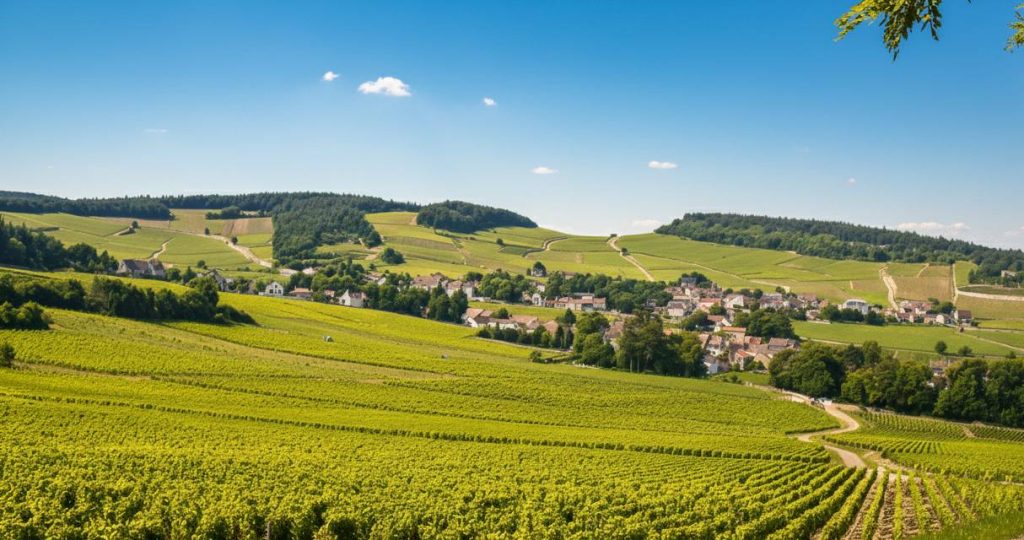
Burgundy—or Bourgogne—is a name that evokes the scent of damp limestone, wild strawberries, and the spiritual quiet of a Cistercian cellar. It is a region where the concept of terroir is not merely a marketing term but a 2,000-year-old obsession with how a few meters of soil can fundamentally alter the soul of a wine. To understand Burgundy is to trace a journey from ancient Roman outposts through the absolute power of medieval dukes to the modern-day stewards of the most celebrated parcelles on Earth
The Heritage of Golden Slopes
The Gallo-Roman Dawn and the Birth of the Vignoble (52 BC – 500 AD)
The viticultural history of Burgundy began with the Roman conquest of Gaul. While indigenous tribes had long inhabited the region, it was the Roman influence that introduced structured viticulture to the sun-drenched slopes of the Côte d’Or. Archaeological evidence of Roman villas and fermentation vessels suggests that by the 1st century AD, the region was already recognized for its unique potential.
During this era, the foundations of the vignoble were laid using Roman engineering. The Romans brought with them advanced pruning techniques and the systematic selection of vine sites, favoring the well-drained, mid-slope elevations that remain the site of every Grand Cru today. This period established the primary trade routes along the Saône River, ensuring that the early wines of Burgundy reached the tables of the Roman elite, cementing an early reputation for excellence.
The Era of the Cross: Monastic Influence and the Rise of the Climats ((910 – 1360)
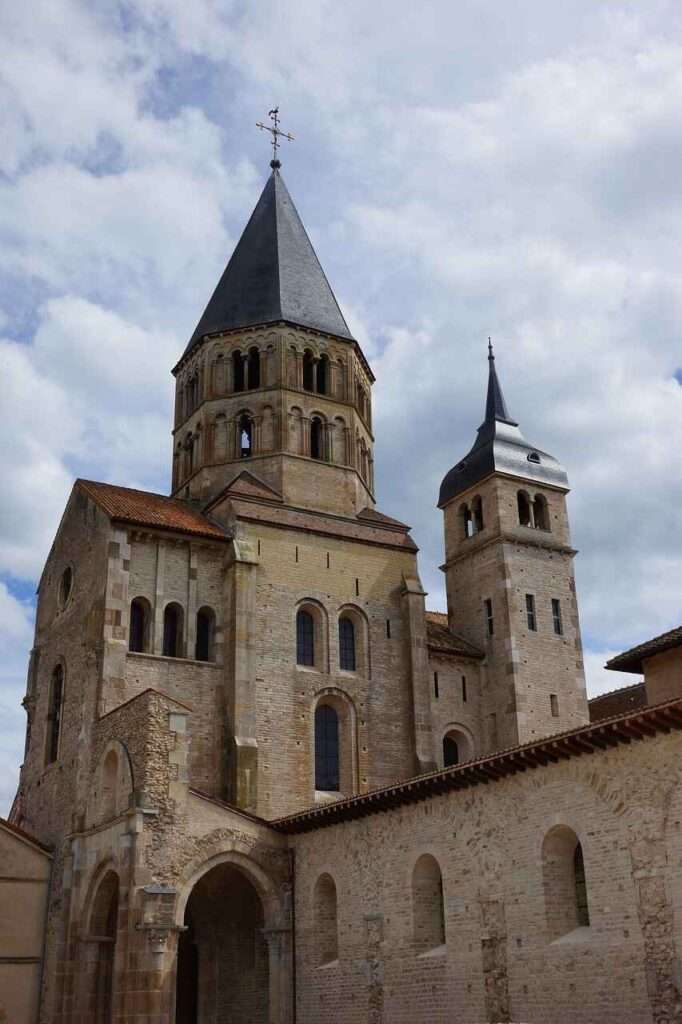
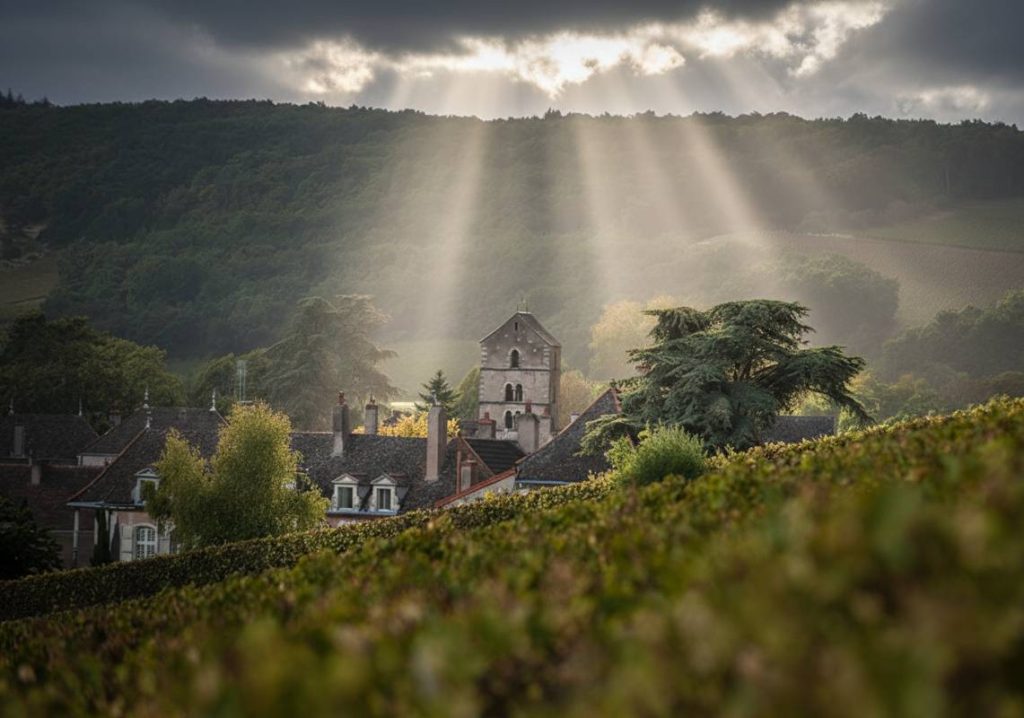
Cluny Abbey in Burgundy
Following the collapse of the Roman Empire, the stewardship of the vine fell to the Church. The Benedictine monks of Cluny and the Cistercian monks of Cîteaux became the most influential viticulturists in history. Driven by a desire to produce the finest wine for the Eucharist, these monks meticulously mapped the hillsides, noting which specific plots—or Climats—produced the most profound fruit.
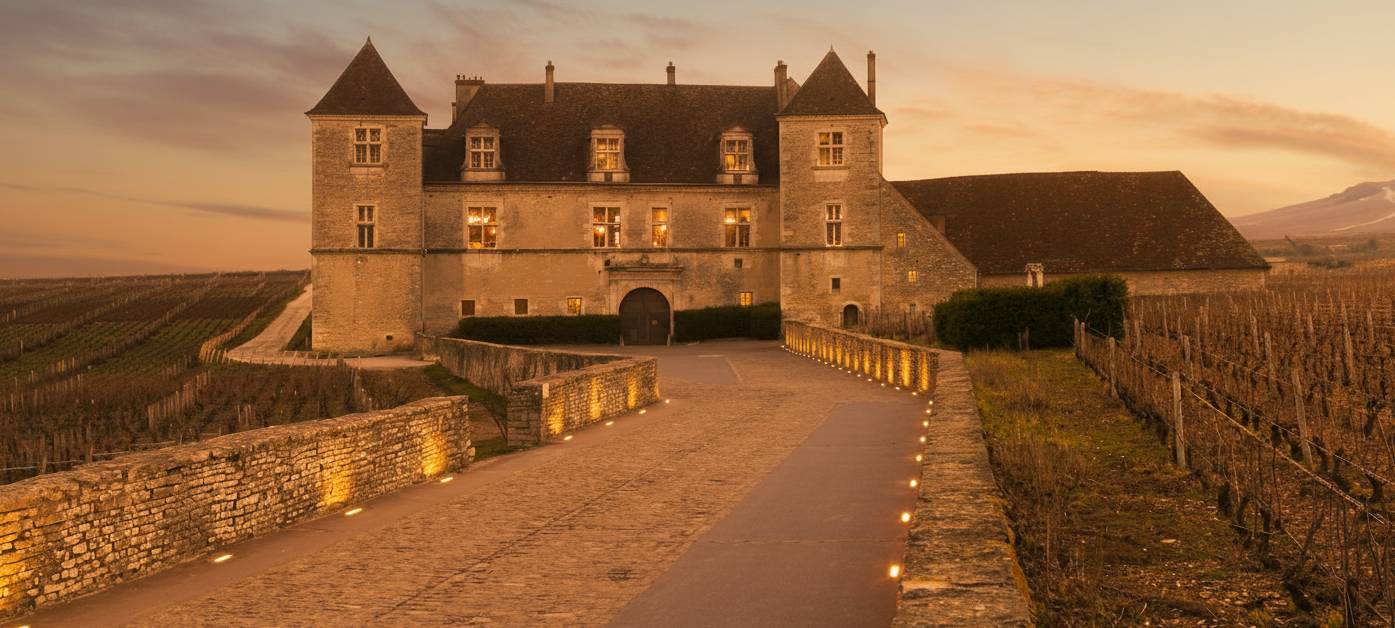
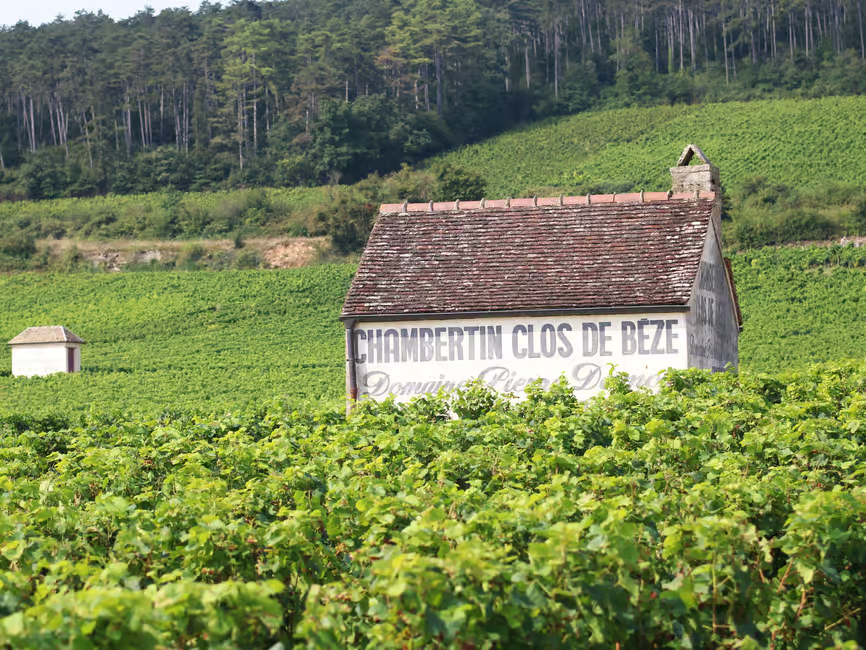
In 1112, the Cistercians founded the Clos de Vougeot, surrounding it with a stone wall that stands to this day. This was the birth of the Clos—the enclosed vineyard—and a technical evolution in soil management. The monks were the first to understand that the limestone-heavy soils of the Côte de Nuits were vastly different from the marl-rich soils of the Côte de Beaune, a distinction that still dictates the regional hierarchy
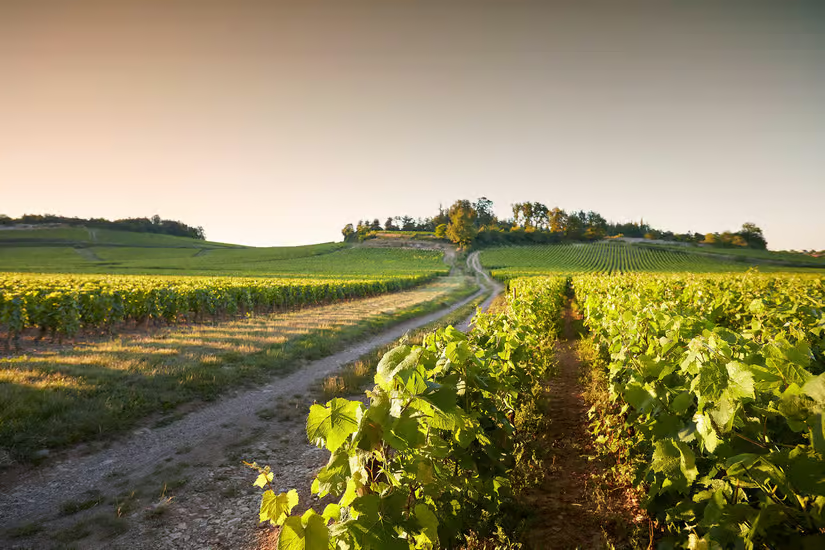
Clos de Vougeot, the oldest “clos” in Burgundy, founded in 1112 by Cistercians monks
The Valois Ambition: The Grand Dukes and the Decree of Pinot Noir (1363 – 1477)
The 14th century marked a period of immense political turmoil and power for Burgundy. The Dukes of Valois, known as the “Grand Dukes of the West,” ruled Burgundy as a virtual sovereign state. In 1395, Philippe le Hardi (Philip the Bold) issued one of the most significant legal milestones in wine history. He famously banned the “disloyal” Gamay grape from the Côte d’Or, ordering it to be uprooted in favor of the more elegant, yet temperamental, Pinot Noir.
This decree was not merely a matter of taste but a strategic branding move. By mandating Pinot Noir for reds and Chardonnay for whites, the Dukes ensured Burgundy would remain a luxury product for the royal courts of Europe. The Dukes used their wine as a tool of diplomacy, serving it at lavish banquets to solidify alliances and outshine the kings of France, effectively creating the first “luxury” wine brand
The Négociant Era: Revolution, Fragmentation, and Royal Favor (1600 – 1850)
By the 17th century, Burgundy had become the preferred wine of the French court, particularly after King Louis XIV was prescribed the wines of Nuits for his health. However, the French Revolution of 1789 brought a radical shift. The vast estates of the Church and the nobility were seized and auctioned off in small fragments. This led to the extreme fragmentation of ownership that defines the region today, where a single vineyard might be shared by dozens of different owners.
In response to this fragmentation, the role of the Négociant-Éleveur emerged. These professional wine merchants would buy grapes or wine from many small growers, aging and blending them in their own cellars. Families like Maison Bouchard Père & Fils and Maison Louis Jadot rose to prominence during this time, providing the logistical bridge between the tiny, fragmented vineyards and the global market.
Codifying the Terroir: The AOC System and the Battle Against Phylloxera (1850 – 1940)
he mid-19th century brought the dual challenge of industrialization and biological disaster. The arrival of Phylloxera, a tiny aphid that destroyed the roots of European vines, forced a total replanting of the region onto American rootstocks. This crisis led to a renewed focus on quality and authenticity. In 1855, Dr. Jules Lavalle published the first unofficial classification of Burgundy’s vineyards, which served as the blueprint for the legal structures to come.
In 1935, Burgundy became a pioneer of the Appellation d’Origine Contrôlée (AOC) system. This legal framework codified centuries of monastic observation, officially recognizing the hierarchy of Grand Cru, Premier Cru, Village, and Regional wines. For the first time, the names of the Climats were protected by law, ensuring that a wine labeled “Montrachet” could only come from that specific, hallowed ground
The Modern Renaissance: Biodynamie and the Carbon-Neutral Future (1945 – Present)
Post-World War II Burgundy saw a shift toward chemical-heavy farming to increase yields, but by the 1980s, a “Modern Renaissance” began. Visionary producers like Anne-Claude Leflaive and Lalou Bize-Leroy led a return to the land, championing Biodynamie and organic viticulture. This movement focused on soil health and the elimination of synthetic pesticides to allow the terroir to speak more clearly through the wine.
Today, the region faces the existential threat of climate change, with earlier harvests and more frequent hail. In response, the Bourgogne wine board has launched an ambitious “Bourgogne 2035” plan, aiming for carbon neutrality through sustainable cellar innovations and lighter packaging. In 2015, the Climats of Burgundy were officially designated a UNESCO World Heritage site, a crowning achievement that recognizes the region not just as a producer of wine, but as a cultural treasure of humanity
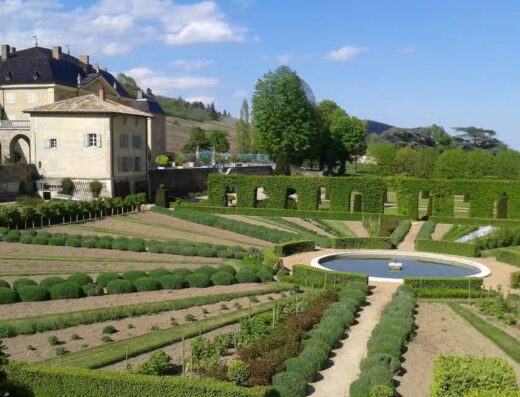
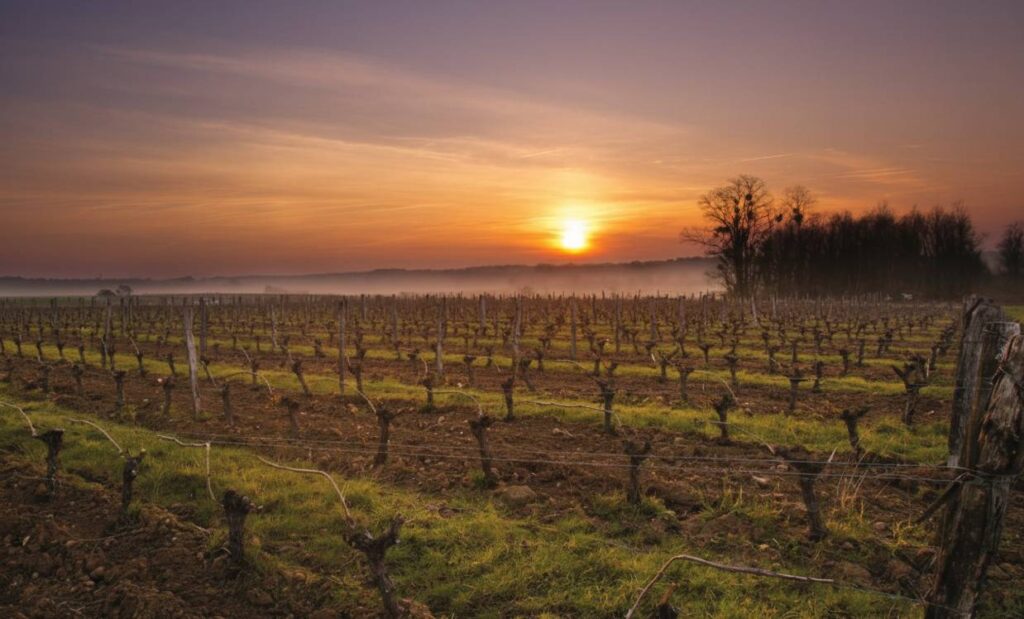
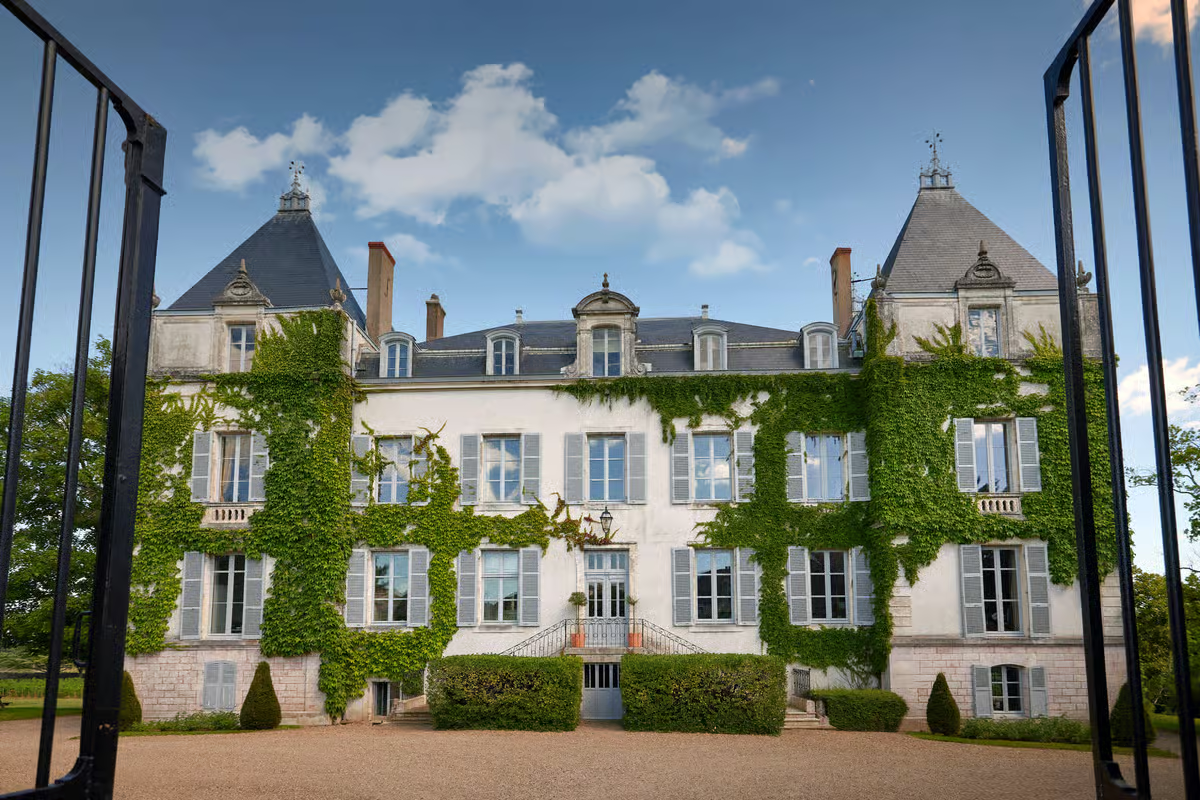
Domaine Leflaive vineyards clau de Nell, Burgundy
Conclusion: The Living Legacy of Burgundy
The history of Burgundy is a testament to the enduring power of place. From the first Roman vines to the high-tech, sustainable cellars of the 21st century, the region has remained remarkably consistent in its devotion to the Climat. While wars, revolutions, and pests have altered the landscape of ownership, the relationship between the Pinot Noir grape and the limestone slopes remains the heartbeat of the vignoble. As Burgundy moves toward its carbon-neutral goal for 2035, it carries with it two millennia of wisdom, ensuring that every bottle remains a liquid map of history, tradition, and the indelible spirit of the land.