Table of Contents
The Silent Pulse of the Earth: Lessons Learned in Burgundy’s Cellars
The first time in Côte de Beaune, I stood atop the hill of Corton at sunrise, watching the mist peel back from the valley floor like a silken veil, I finally understood why this narrow sliver of land is called the Côte d’Or. In the Côte de Beaune, the air itself feels weighted with history—a heady, intoxicating mix of damp limestone, woodsmoke, and the silent, electric pulse of vines that have occupied these slopes since the Cistercian monks first mapped them in the Middle Ages.
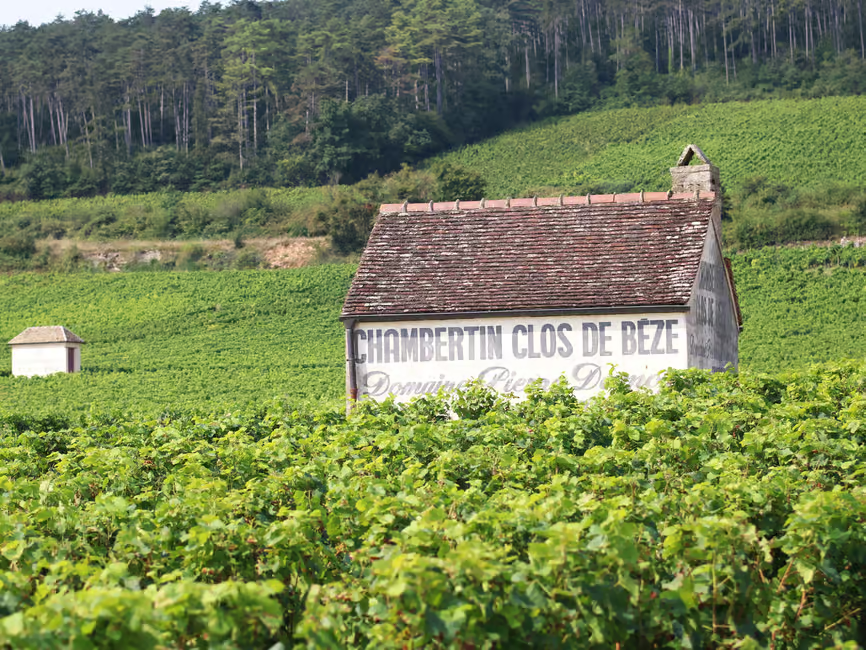
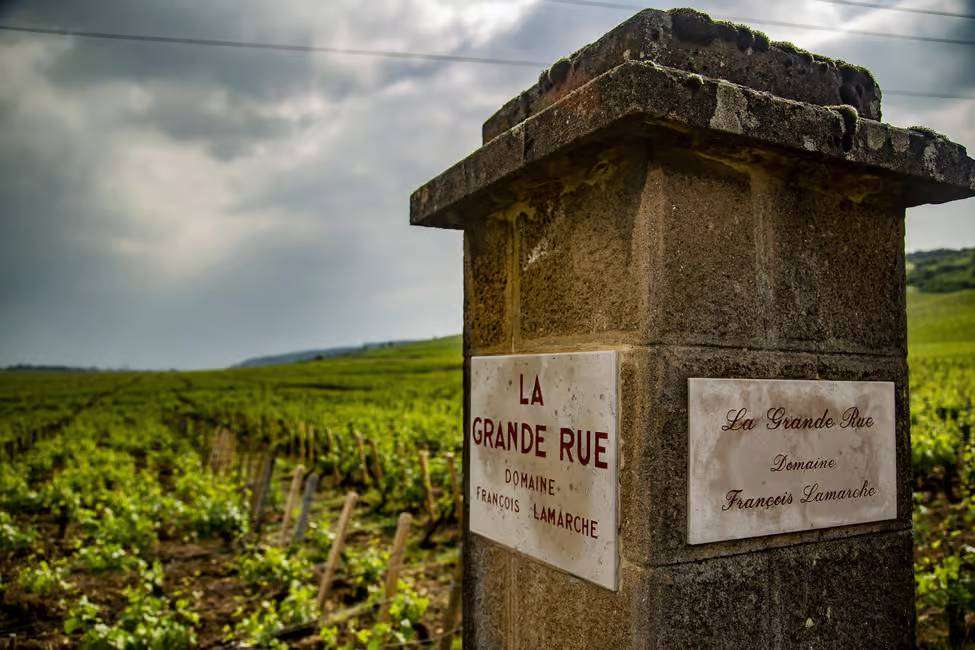
To wander here is to walk a hallowed line where wine isn’t just a luxury commodity, but a profound, multi-generational conversation between the ancient earth and the human hand. It is a place where the “Climat”—that unique Burgundian marriage of soil, slope, and micro-exposure—is defended with a passion bordering on the religious.
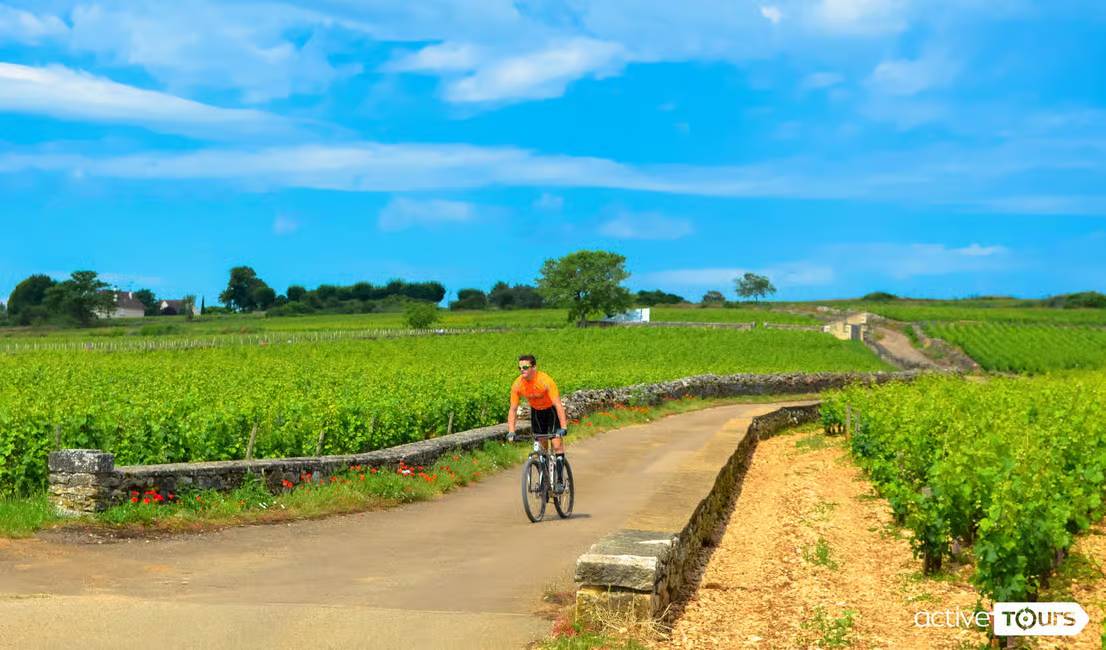
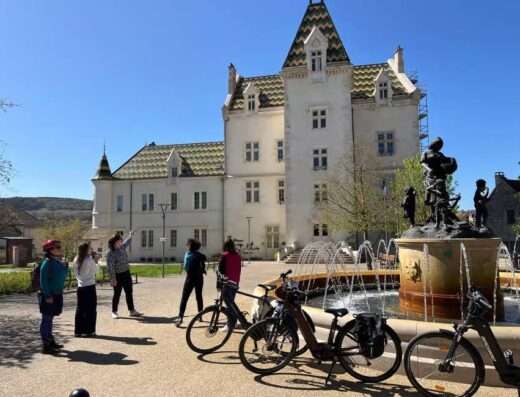
I remember getting lost on a bicycle between the rolling hills of Volnay and the stone gates of Meursault, the smell of ripening Chardonnay thick in the summer heat, only to be invited into a cool, mold-crusted cellar by a winemaker whose hands were still stained with the very soil of his ancestors. That is the soul of this place: it is grand yet intimate, prestigious yet deeply rooted in the mud.
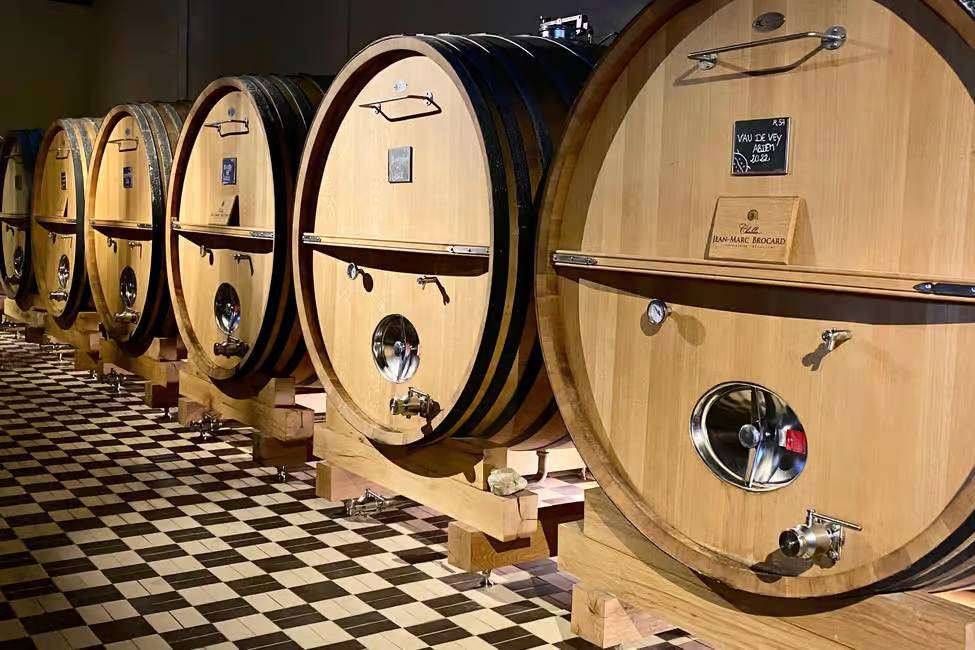
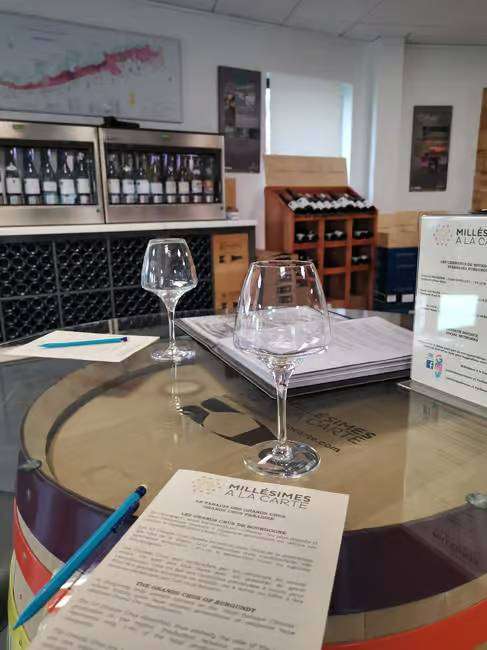
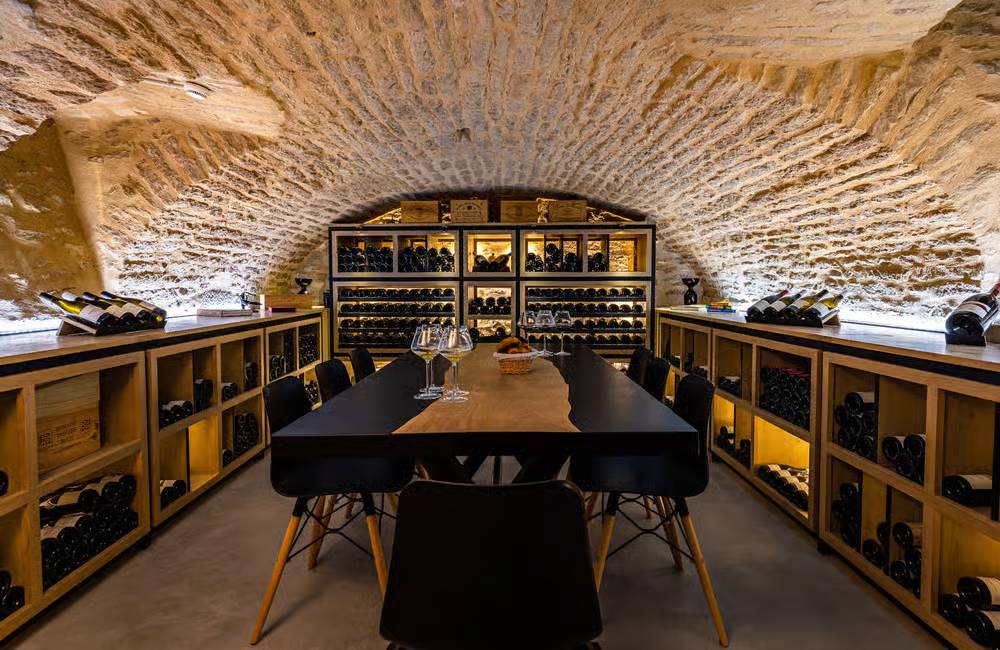
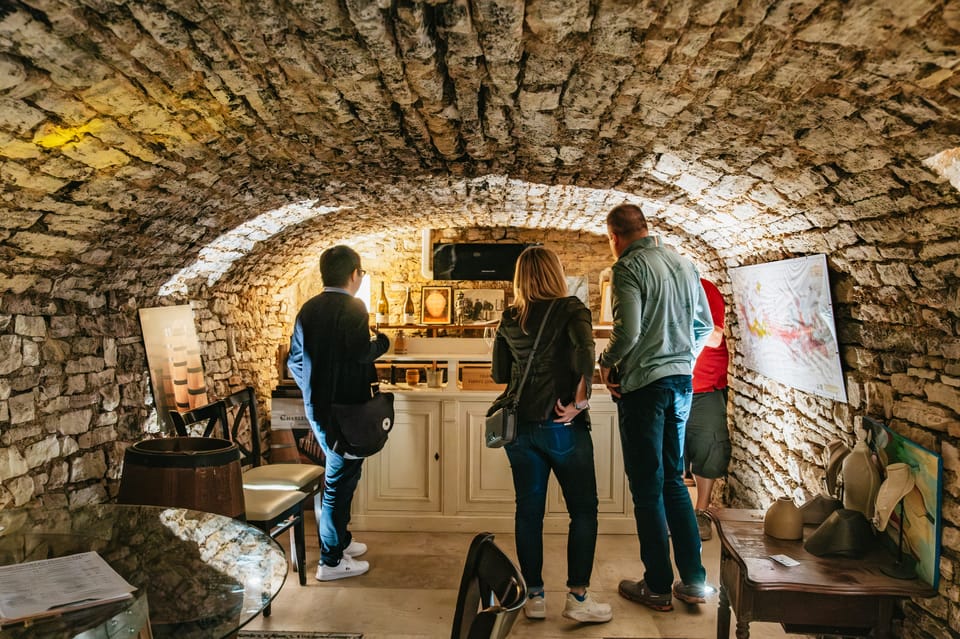
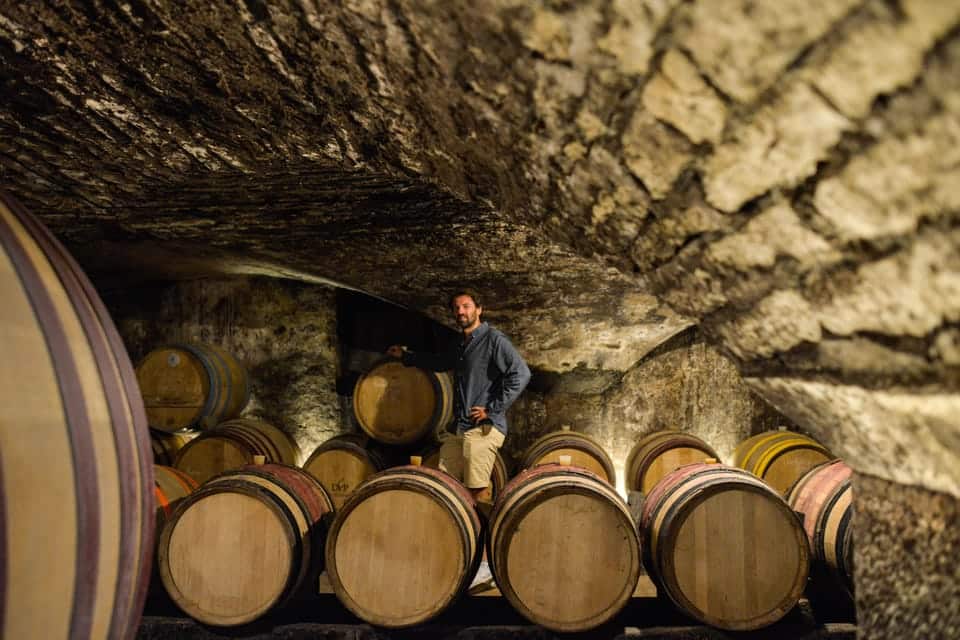
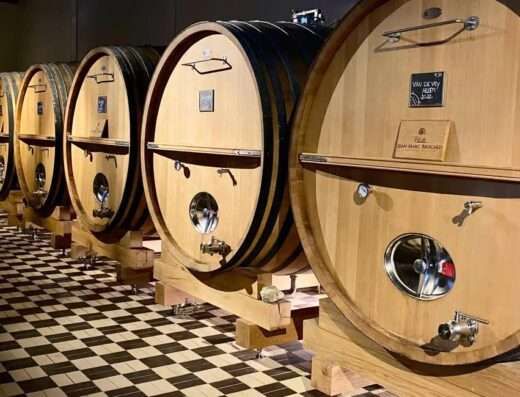
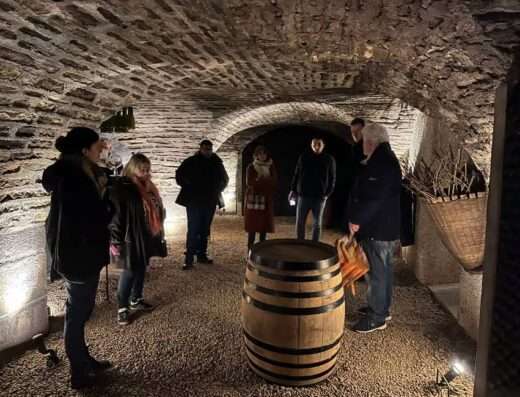
Whether you are cycling past a sun-drenched domain or descending into a centuries-old vault to taste a nascent Grand Cru directly from the barrel, the region offers a sensory intimacy you won’t find anywhere else. This is the spiritual heart of Burgundy, a place that demands you slow down, breathe deeply, and measure your time not in minutes or hours, but in the steady, rhythmic passage of the vintages.
Step into the Grand Cru from Côte de Beaune
Planning a winery Visit or Wine Trip in Côte de Beaune How to go there
Getting to the heart of Burgundy is a journey through the scenic soul of France. While the region feels like a timeless escape, it is remarkably well-connected to major European transit hubs:
-
By Plane: Your primary international gateway is Lyon-Saint Exupéry (LYS), located about 90 minutes south of Beaune. It offers a wide array of international flights and a direct TGV station. Alternatively, Paris Charles de Gaulle (CDG) is the best choice for long-haul travelers; from there, you can catch a high-speed train or enjoy a 3-hour scenic drive through the rolling hills of the Yonne and the Auxerrois. For those flying private or regionally, Dijon-Bourgogne (DIJ) serves smaller craft just 40 minutes north of the main vineyards.
-
By Train: The TGV (Train à Grande Vitesse) is the most romantic and efficient way to arrive. You can zip from Paris Gare de Lyon to Dijon in just 1 hour and 35 minutes. From Dijon, the local TER “wine trains” run frequently, dropping you in the center of Beaune in a mere 20 minutes, passing through the legendary villages of the Côte de Nuits along the way.
-
By Car: For the independent wanderer, the A6 “Autoroute du Soleil” is the main artery connecting Paris and Lyon. However, the true magic lies in the D974. Known as the “Route des Grands Crus,” this narrow, winding road hugs the base of the vineyard slopes, leading you through the gates of the most famous wine estates on the planet.
Booking your Plane or Train Ticket
Rent a Car in Beaune
Distances from Côte de Beaune Main Cities to Key Wine Regions
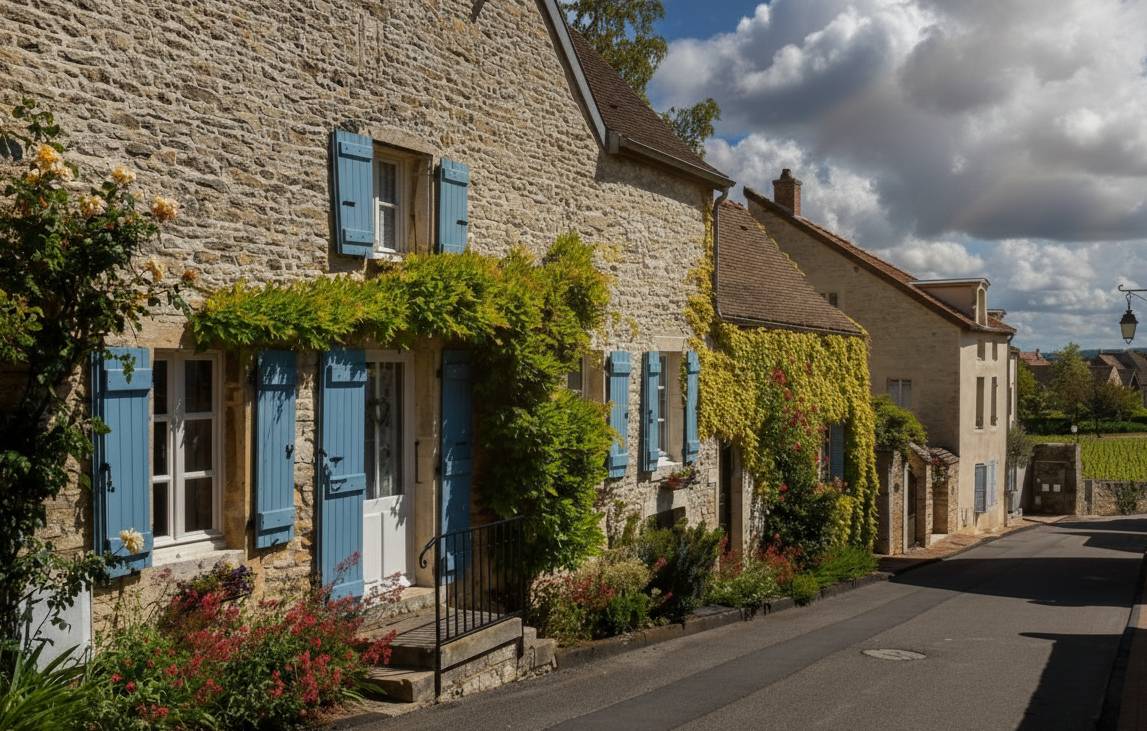
The pretty village of Meursault
From Beaune to Meursault: A mere 10 km (approx. 15 minutes). The drive is a breathtaking stretch of vineyard views, passing through the historic village of Pommard.
From Beaune to Puligny-Montrachet: 12 km (approx. 18 minutes). You will head south through the village of Blagny, reaching the world’s most prestigious white wine real estate in under twenty minutes.
From Dijon to Beaune: 45 km (approx. 40 minutes). If you take the scenic Route des Grands Crus, you’ll pass through the legendary red wine villages of Gevrey-Chambertin and Nuits-Saint-Georges before entering the Côte de Beaune.
From Beaune to Chassagne-Montrachet: 15 km (approx. 20 minutes). This short journey takes you to the southern tip of the “Côte des Blancs,” where the landscape broadens and the wines become increasingly powerful.
Budgeting for Your Côte de Beaune wine trip experience
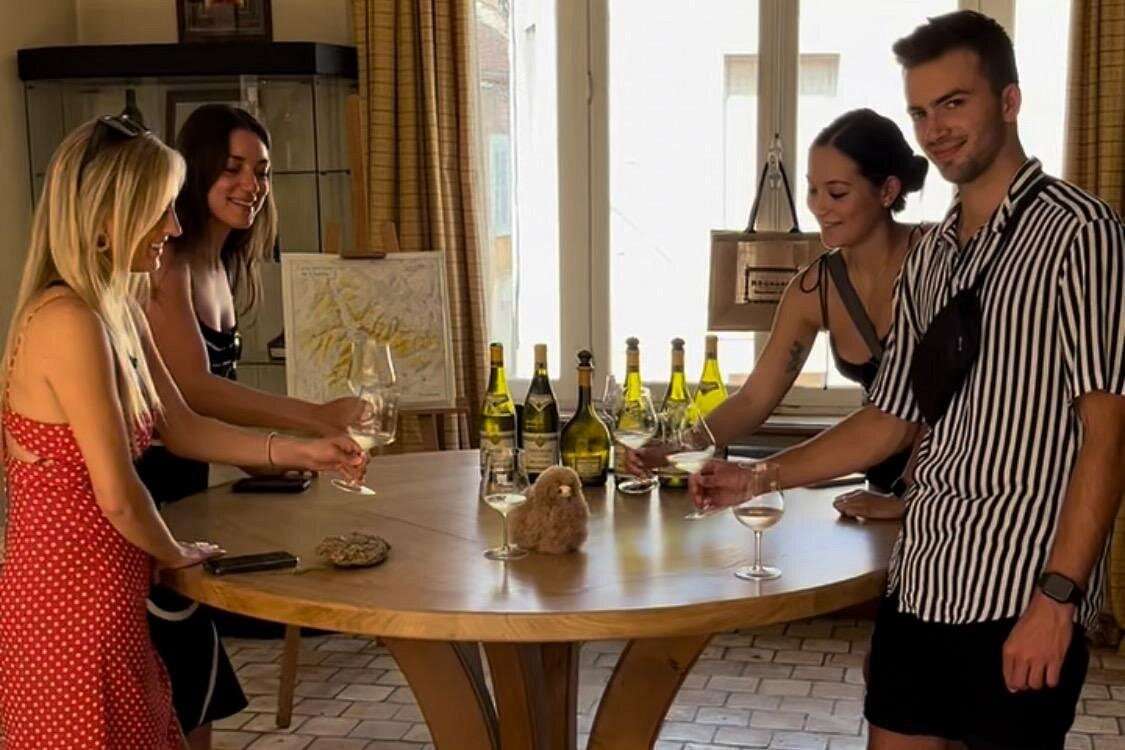
Budget: €120–€180 per day. This allows for staying in charming two-star family-run hotels or local gîtes. You can enjoy “formule” lunches at local bistros, picnic with Epoisses cheese from the Beaune market, and attend a shared Wine tasting at local cooperatives or smaller family estates.
Mid-range: €300–€550 per day. Immerse yourself in the lifestyle by staying at a boutique hotel or a renovated vineyard Château. This budget covers a half-day Private tour, leisurely three-course gastronomic lunches with wine pairings, and dinner at one of Beaune’s trendy wine bars.
Luxury: €900+ per day. For the ultimate indulgence, stay at a five-star Relais & Châteaux estate. This includes a full-day Private tour with a personal sommelier, exclusive access to Grand Cru cellars not open to the public, and multi-course dinners at Michelin-starred temples of gastronomy.
Best Period to Visit Côte de Beaune
Find the Best Place to Stay in Côte de beaune
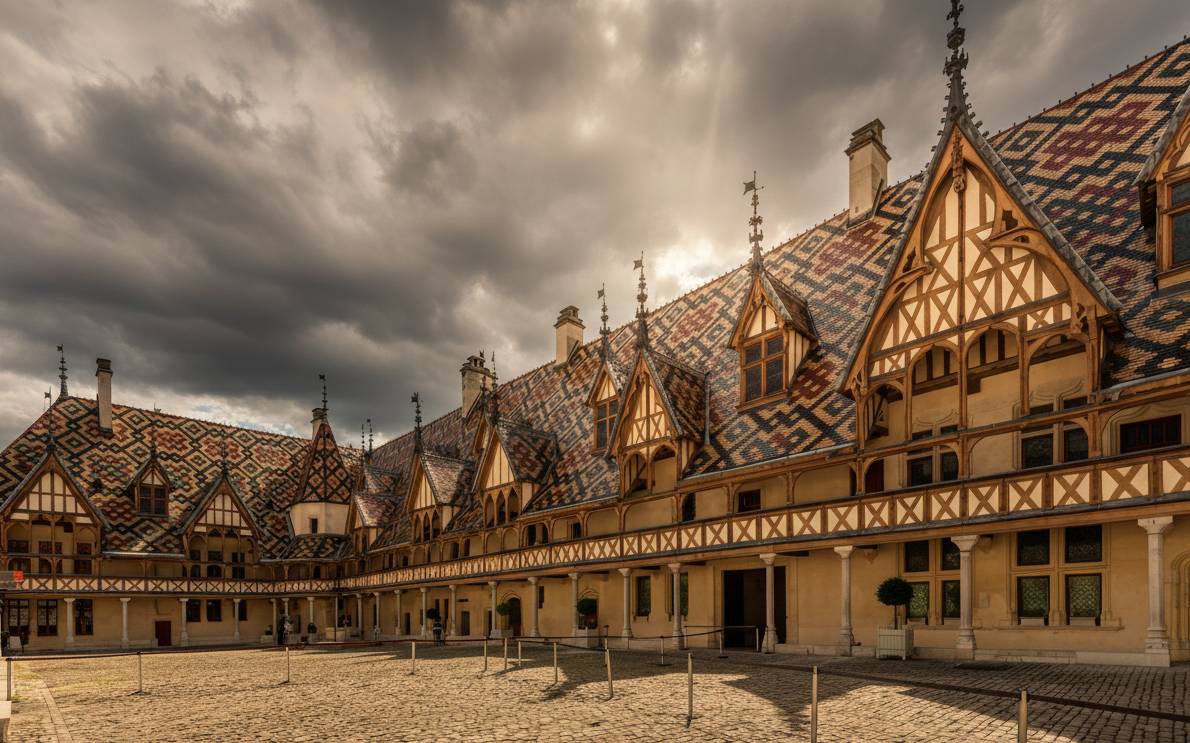
Hospices de Beaune is a Must see
Spring: Rebirth: As the sap rises and tiny green buds appear on the Chardonnay vines, Burgundy awakens from its winter slumber. The villages are quiet, the cherry blossoms are in bloom, and the air is crisp. It is a hopeful time for a Wine tasting where the winemakers, not yet busy with the harvest, are often happy to linger and discuss the nuances of their terroir.
Summer: Peak: The vineyards are a sea of vibrant, lush green under the hot Burgundian sun. The villages bustle with energy, night markets, and outdoor concerts. The long, golden twilight hours are perfect for cycling between estates. This is peak season, so booking your Private tour and restaurant tables months in advance is absolutely essential.
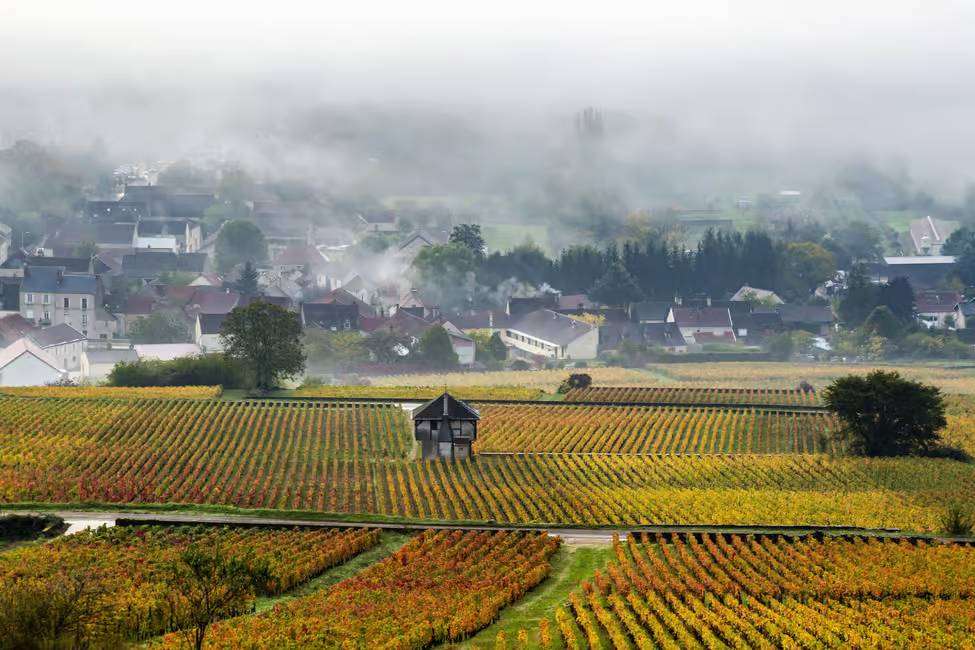
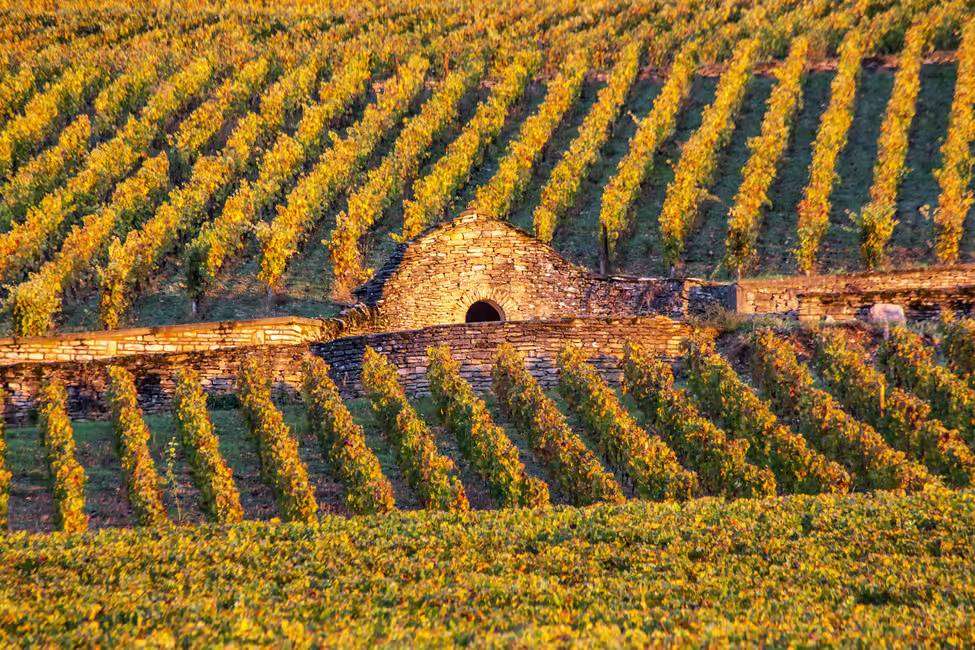
Autumn: Harvest: The Vendange. The landscape erupts into a fiery sea of gold, ochre, and crimson. The air is heavy with the intoxicating scent of fermenting grapes and woodsmoke. While the winemakers are at their most frantic, there is an electric energy in the air that is impossible to replicate. It is the most visually stunning time to visit a Château.
Winter: Quiet: When the mist settles into the valleys and the vines go dormant, Burgundy turns inward. This is the season of wood fires, hearty boeuf bourguignon, and deep cellar dives. Many estates offer a more intimate, focused Wine tasting experience during these months, making it a favorite for the serious collector seeking solitude.
Main towns and places in Côte de Beaune Sanctuaries of Stone: The Towns That Guard the Vines
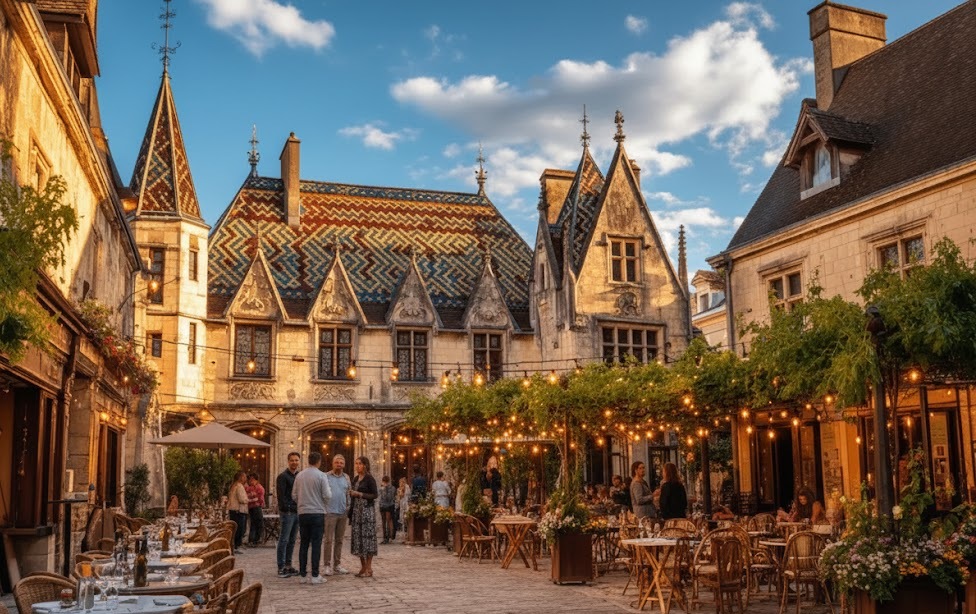
Beaune old city center old center is a real postcard
Beaune & The Red Villages (Pommard & Volnay)
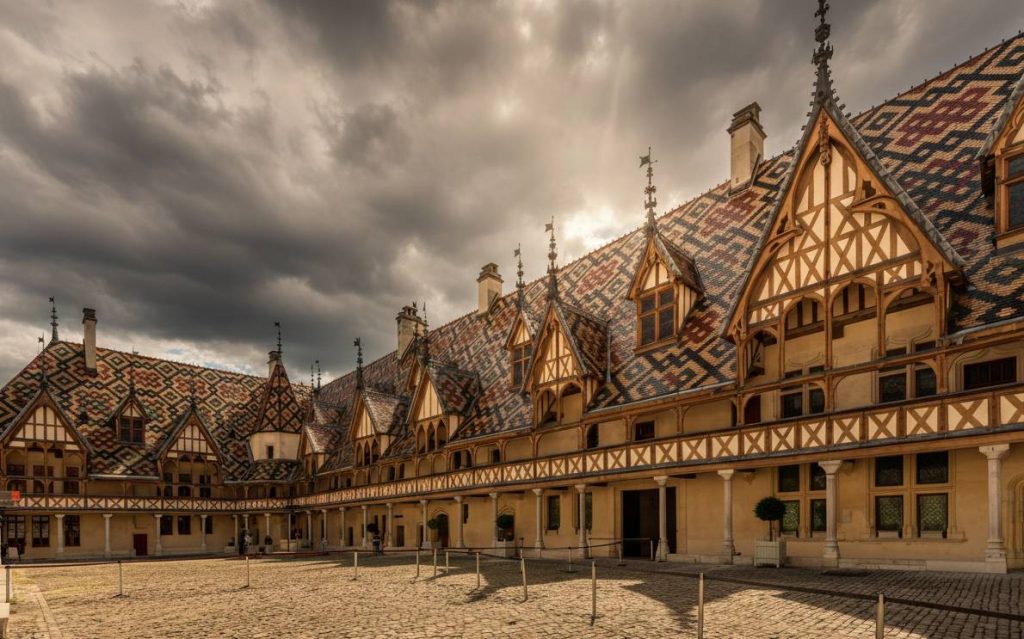
Beaune is the undisputed capital of the Burgundy wine world, a town that feels like a living medieval museum. Encircled by perfectly preserved ramparts, its center is a maze of cobblestone streets, vibrant markets, and hidden underground wine labyrinths. Visitors can expect a unique blend of sophisticated luxury and rustic charm. The must-visit site is the Hospices de Beaune with its colorful roof. It is a vital hub because it serves as the gateway to Pommard, famous for its powerful, tannic reds, and Volnay, known for its elegant, floral Pinot Noir. A Wine tasting in one of Beaune’s historic négociant houses like Bouchard Père & Fils is an essential experience for any wanderer.
Meursault & The Heights (Auxey-Duresses)
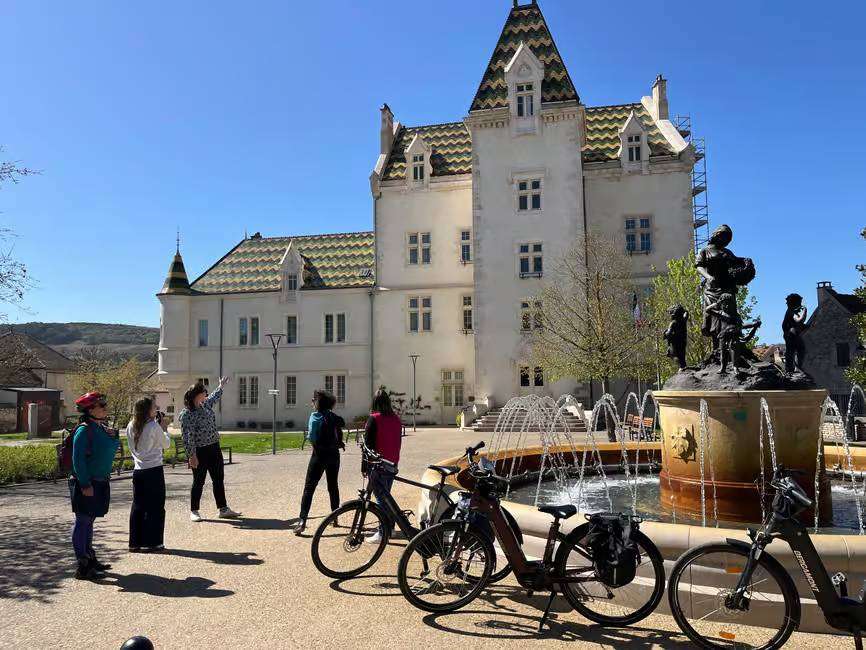
Meursault is a wealthy, stone-carved village that serves as the spiritual home of the world’s greatest white wines. The atmosphere here is studious and quiet, with an obsession for “Climat” and oak aging. Expect an air of understated prestige and a village square that feels pulled from a film set. A must-visit is the village hall and the expansive estates that ring the town. It is a critical hub as it anchors the “Côte des Blancs” and provides access to Auxey-Duresses, a hidden gem village tucked in a side valley that offers excellent value and rustic charm. This area is the heart of Chardonnay mastery.
Puligny-Montrachet & Chassagne-Montrachet
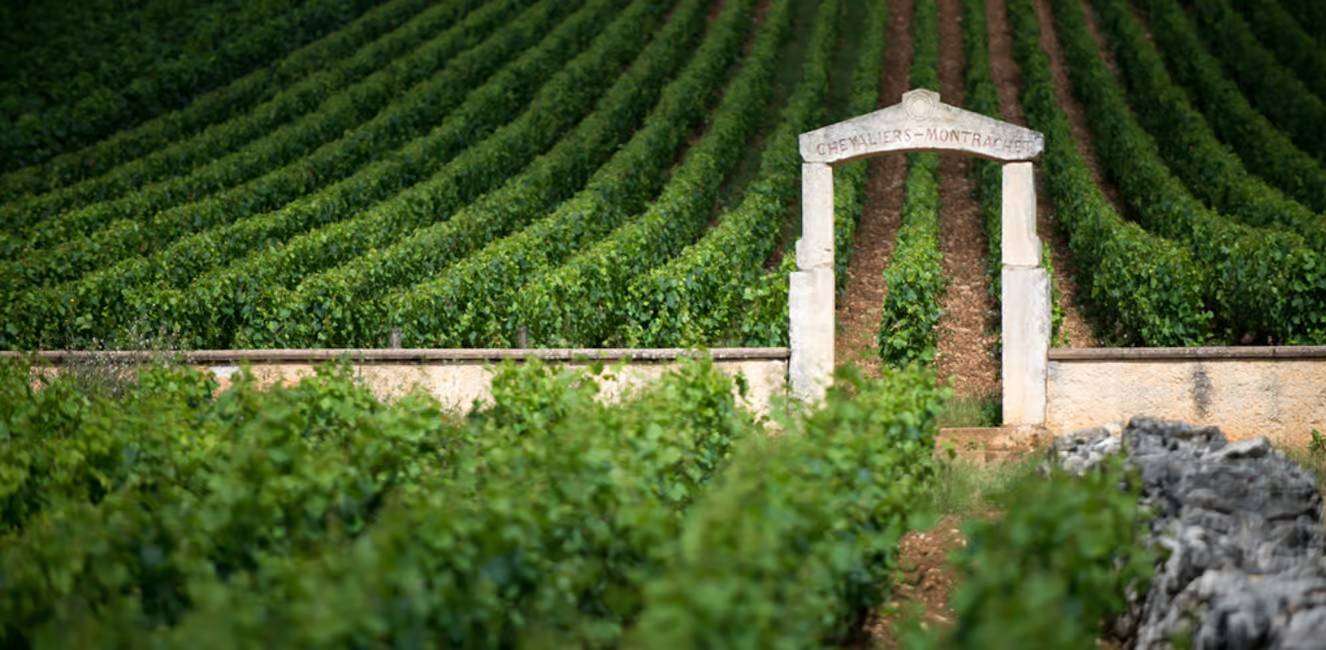
These twin villages represent the pinnacle of white wine excellence. Puligny-Montrachet is formal and precise, mirroring its wines which are known for their laser-like acidity and mineral tension. Just a few minutes south, Chassagne-Montrachet feels slightly more agricultural and robust, producing white wines with greater power and breadth. Visitors can expect to walk among the world’s most famous Grand Cru vineyards, including the legendary Le Montrachet. These villages are important hubs because they represent the “Holy Grail” of Chardonnay. A Private tour through these vines is a pilgrimage for any serious enthusiast.
Santenay & The Southern Gateway
Santenay marks the southern tip of the Côte de Beaune and offers a more relaxed, provincial atmosphere compared to its northern neighbors. Known for its thermal springs and a local windmill (Le Moulin de Sorine), it provides a wonderful sense of discovery for the “off-the-beaten-path” traveler. Visitors can expect more approachable prices and friendly, family-run estates. It is an important hub because it bridges the gap to the Côte Chalonnaise. The subregion is famous for its earthy Pinot Noirs and provides a perfect endpoint for a cycling journey along the Voie Verte.
Places to visit in Côte de Beaune Not to miss
Beyond the cellar doors, the Côte de Beaune is a landscape of architectural grace and quiet, contemplative beauty. To truly understand the region, you must see how the history of the land is etched into its stone.
Hospices de Beaune (Hôtel-Dieu): You cannot leave the region without standing in the courtyard of this 15th-century masterpiece. With its flamboyant Gothic architecture and iconic multi-colored glazed roof tiles, it was originally a hospital for the poor. Today, it remains a symbol of the region’s charity and the site of the world’s most famous wine auction every November.
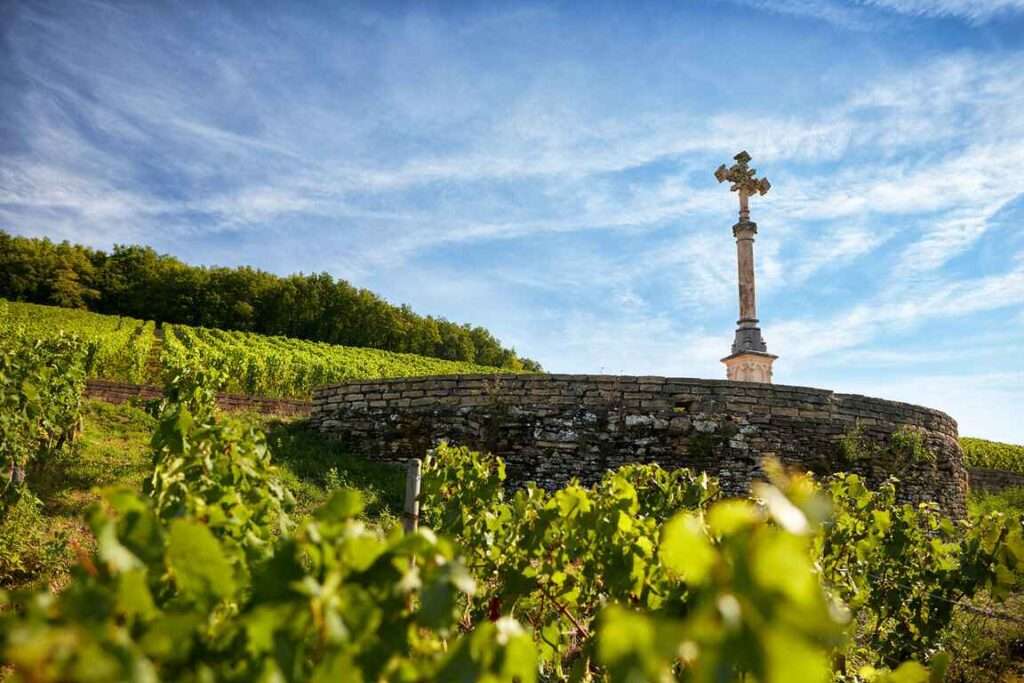
The Hill of Corton: For a breathtaking panoramic view, drive or cycle to the top of the Hill of Corton. Standing among the vines of the only Grand Cru hill in the Côte de Beaune that produces both red and white wine, you can look out across the entire valley and see the patchwork of Climats laid out like a green-and-gold carpet.
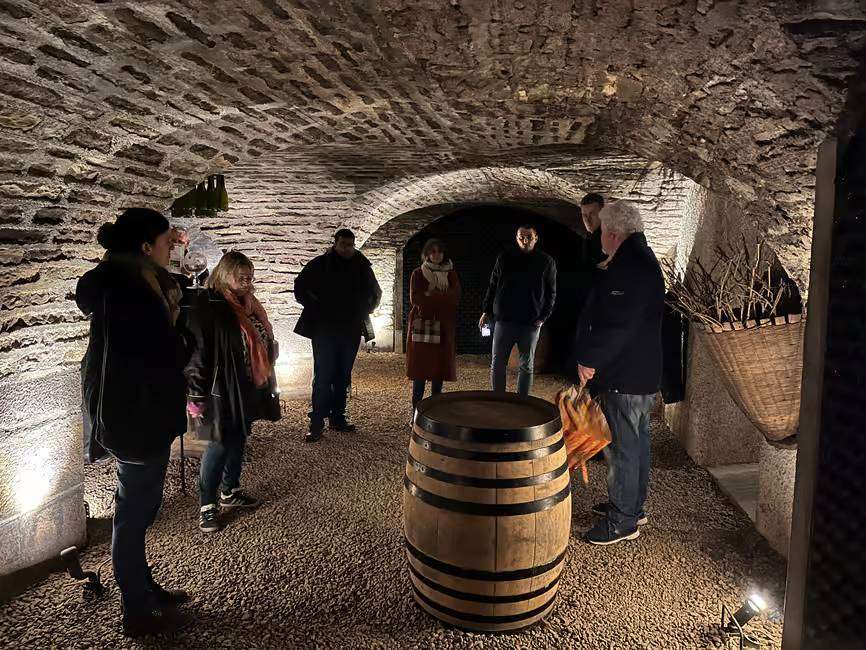
Château de Meursault: A visit to this Château is a journey into the earth itself. Its sprawling 12th-century cellars can hold up to 800,000 bottles and 2,000 barrels. Walking through these silent, humid galleries is a powerful reminder of the patience required to create a great Wine tasting experience.
The Moutier of Saint-Aubin: Tucked away in a side valley, this quiet village offers a peaceful escape from the busier wine routes. Its 10th-century church and the “sentier de la Pierre,” a trail showcasing the limestone that gives the wines their mineral backbone, are perfect for a late afternoon stroll.
Local Gastronomy: What to Taste Absolutely The Gourmet experience
Burgundian cuisine is the definition of “soul food”—rich, earthy, and designed to stand up to the complex structure of Pinot Noir and the buttery depth of Chardonnay. In every bistro and Château kitchen, you will find a devotion to local ingredients that rivals the devotion to the vines.
Boeuf Bourguignon (The Beaunois Way): In the Côte de Beaune, this isn’t just a stew; it is a ritual. Look for it in the bistros of Beaune’s center, where the beef is marinated for 24 hours in a structured local red like Pommard. The sauce should be glossy, deep purple, and rich with the flavor of smoked lardons and button mushrooms. It is the definitive partner for a vertical Wine tasting of regional reds.
Escargots de Bourgogne (with Meursault Butter): While found across France, the version here is elevated by the quality of the butter and garlic. In the village of Meursault, these are often served alongside a glass of the local white; the snails’ earthy richness and the garlic-parsley butter create a seamless bridge to the nutty, buttery notes of a premier cru Chardonnay.
Époisses de Bourgogne: Born in a nearby village but perfected on the cheese boards of Beaune, this is a “must-taste” for any wanderer. This cow’s milk cheese is washed in Marc de Bourgogne (local pomace brandy), giving it a pungent orange rind and a creamy, spoonable center. It is notoriously difficult to pair, but a late-harvest or powerful white from Chassagne-Montrachet handles the salt and cream beautifully.
Gougères (The Vintner’s Welcome): You will encounter these savory, airy choux pastry puffs at almost every Private tour or cellar visit. Infused with aged Comté or Gruyère, they are served warm to awaken the palate. They are the traditional snack of the Côte de Beaune, specifically designed not to overwhelm the delicate aromatics of the wine.
Jambon Persillé: A cornerstone of the “Maison” style, this is a rustic terrine of ham hock and plenty of fresh parsley set in a white wine aspic. Often served as a starter in the winemakers’ homes, its bright, herbal acidity makes it a refreshing counterpart to the richer, oak-aged wines of the region.
Oeufs en Meurette: A classic Burgundian dish of eggs poached in a rich red wine reduction sauce (the meurette), often featuring the same aromatics as the Boeuf Bourguignon. Finding a version made with a local Pinot Noir is a highlight of any food-focused wander through the village squares.
Plan your Transportation The Slow Road to Chablis: Planning Your Pilgrimage
The geography of the Côte de Beaune is a narrow ribbon of perfection, but navigating it requires a thoughtful strategy to balance indulgence with safety. To truly “wander” here is to understand that the distance between a world-class Chardonnay and a legendary Pinot Noir might only be a few hundred meters, yet the logistics of moving between them can be the difference between a stressful day and a transcendent experience.
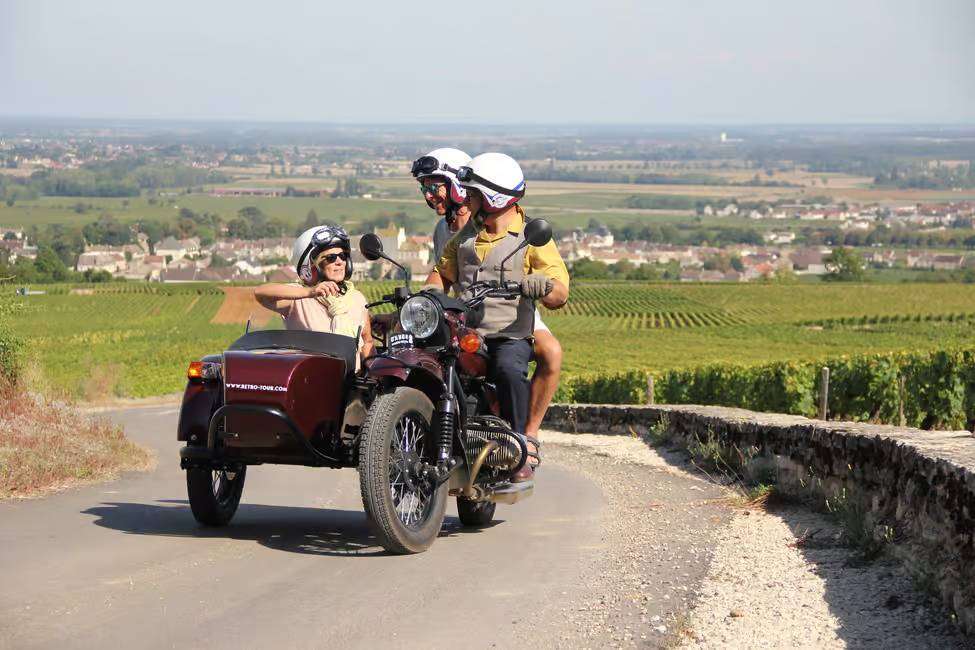
Whether you want the wind in your hair or the luxury of a leather-seated sedan, choosing the right mode of movement is your first step toward the perfect vintage.
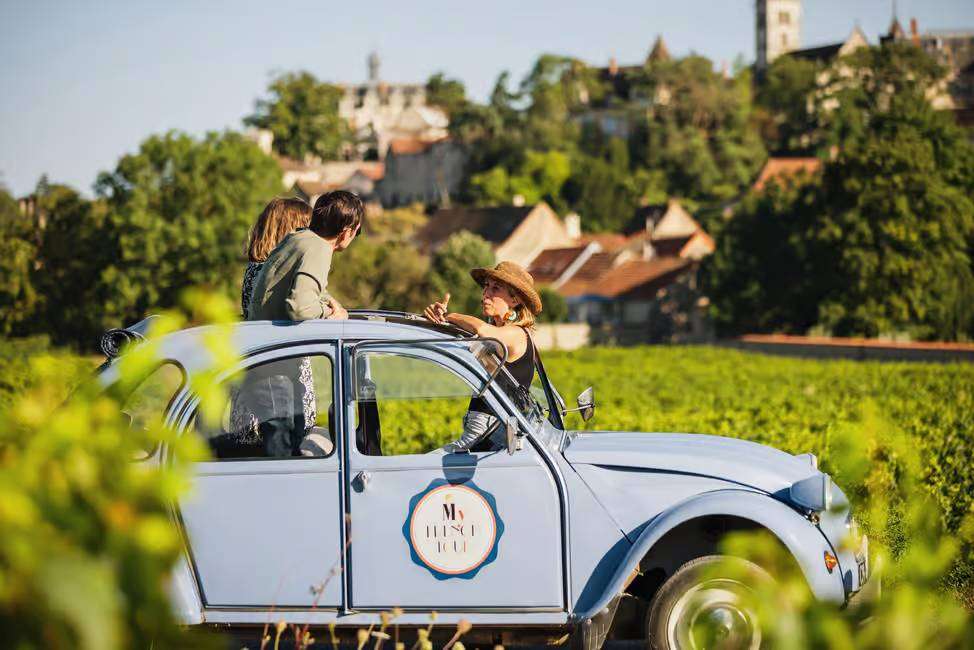
Private Driver: This is the gold standard for the serious collector. To truly enjoy a multi-village Wine tasting without the worry of France’s strict “zero-tolerance” driving laws, hiring a local expert is a must. These drivers often act as “fixers,” possessing the keys to private gates and the cellars of a Château that aren’t listed on any map. A full-day Private tour with a driver allows you to focus entirely on the nuances in your glass rather than the GPS.
Bicycle: For the active wanderer, the “Voie Verte” (Green Way) is a sensory dream. This dedicated, paved path snakes directly through the vines, away from the main road. Pedaling from Beaune to Santenay allows you to feel the temperature changes between different Climats and stop whenever a view captures your heart. Most hotels can arrange high-quality e-bikes, making the gentle slopes of the Côte des Blancs accessible to everyone.
Car Rental: Ideal for the independent traveler staying in a remote vineyard gîte or wanting to explore the “Hautes-Côtes” (the higher, wilder hills behind the main slope). It offers total freedom for early morning photography or late-night drives to quiet village bistros. However, if you choose this route, ensure you use the “crachoir” (spittoon) at every Wine tasting to remain within legal safety limits.
Shipping costs and wine export from Côte de Beaune
EU: €35–€65 per case of 12. Usually arrives within 5-7 business days.
USA: €110–€190 per case. Includes customs clearance, FDA paperwork, and door-to-door delivery.
UK: €60–€100 per case. Subject to post-Brexit duties and VAT.
Canada: €140–€220 per case. Highly dependent on provincial liquor board regulations (LCBO, SAQ, etc.).
Payment methods
Major credit cards like Visa and Mastercard are universally accepted in every Château and restaurant. Smaller family-run domaines may prefer cash or “Carte Bleue” for small purchases. American Express is common in luxury establishments but less common in family-run cellars.