Table of Contents
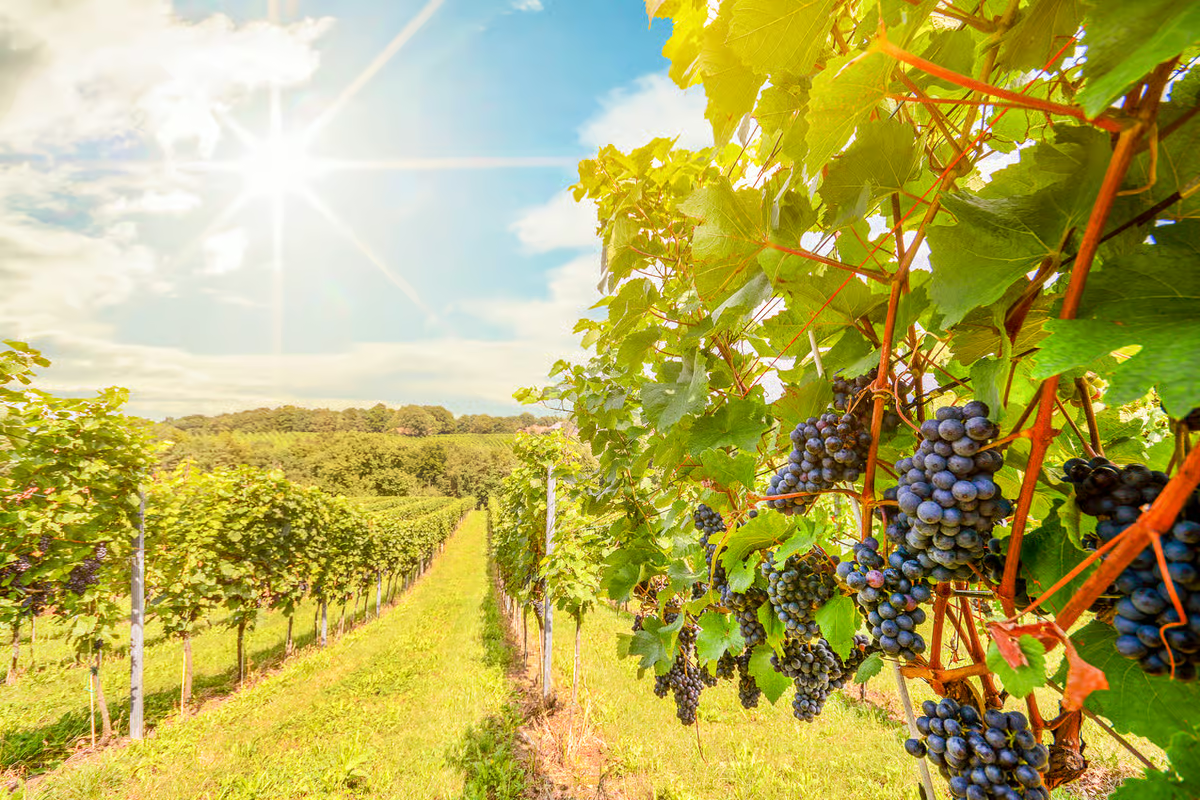
Bordeaux is often described in grand terms—majestic châteaux, legendary classifications, and centuries of history—but to truly know this region, you must experience it through the soles of your shoes and the warmth of a cellar door.
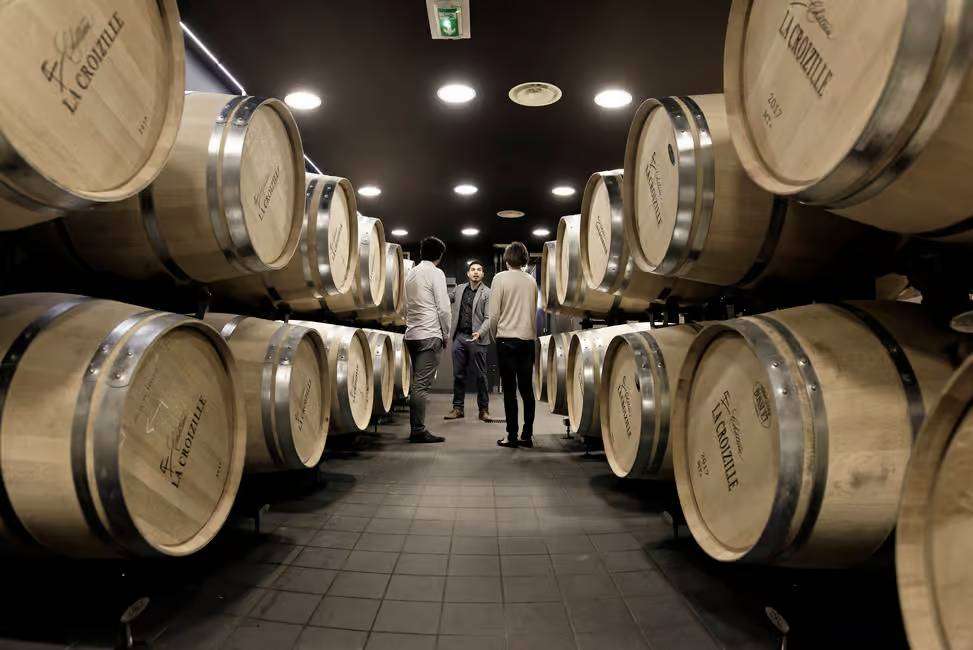
I still remember the morning that changed my perspective on wine forever. Standing on the gravelly plateaus of the Médoc, the air was crisp and smelled of Atlantic salt and damp earth. A local winemaker handed me a glass of young Cabernet, not from a polished tasting room, but directly from the barrel in a dim, quiet chai. As we spoke, it became clear: Bordeaux isn’t just a luxury brand; it is a living, breathing labor of love.
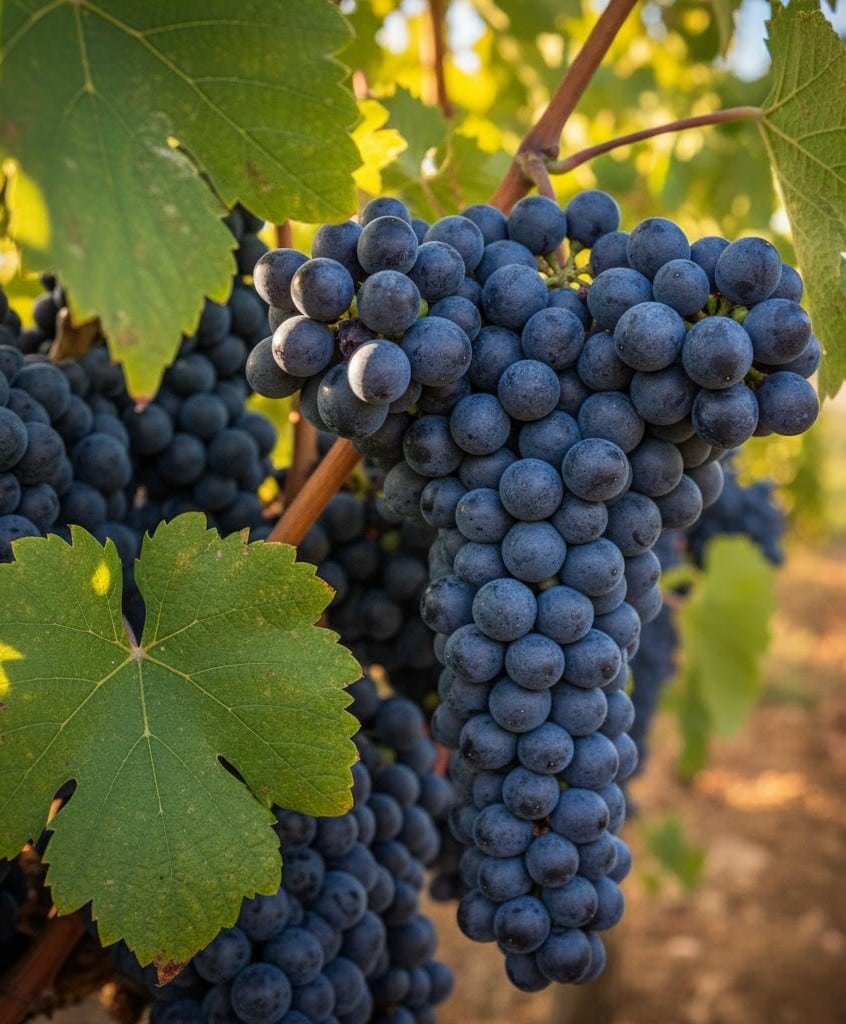
My mission is to take you behind those heavy oak doors. We will traverse the Left Bank, where the structured elegance of Cabernet Sauvignon reigns supreme, and cross the river to the Right Bank, where the limestone slopes of Saint-Émilion produce Merlots of velvet-like softness.
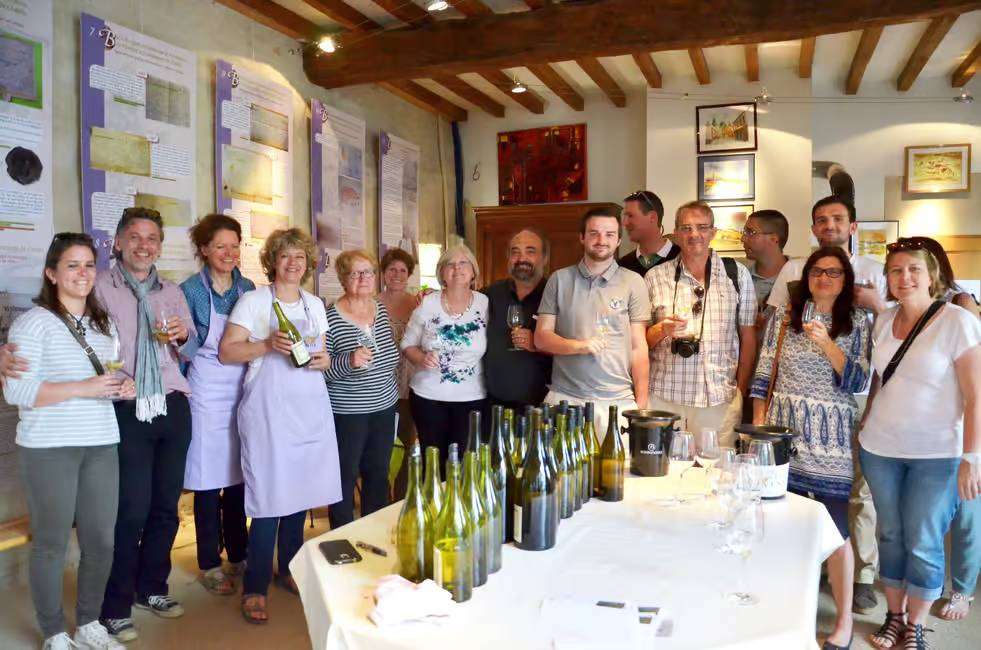
Beyond the famous labels, we will find the “hidden” Bordeaux—the family estates where the owner still drives the tractor and the stories are as rich as the soil. We won’t just talk about tannins and acidity; we will talk about the heritage of the families who have tended these vines for generations.
Step Out of the History Books and Into the Cellar
Wine Trip in Bordeaux How to go there
The primary gateway to the region is Bordeaux-Mérignac Airport (BOD), located just 12 km west of the city center. As of 2026, the airport has fully integrated its sustainability initiatives, offering more efficient connections. For international travelers arriving from outside Europe—specifically from North America or Asia—major hubs like Paris-Charles de Gaulle (CDG), Amsterdam Schiphol (AMS), or Madrid-Barajas (MAD) provide seamless daily connections. Upon arrival, the most efficient transit into the city is the Tram Line A, which now offers a direct link from the terminal to the heart of the historic district in approximately 35 minutes.
Alternatively, many travelers prefer the elegance and speed of the high-speed TGV InOui train. This service connects Paris (Gare Montparnasse) to Bordeaux (Gare Saint-Jean) in a swift 2 hours and 4 minutes. The train station itself is a masterpiece of glass and steel, situated just a short tram ride or a 20-minute walk from the city’s main monuments. For those exploring neighboring regions before arriving in the Gironde, Bergerac Dordogne Périgord Airport (EGC) and Toulouse-Blagnac Airport (TLS) serve as excellent secondary entry points, particularly for those planning a multi-region road trip through Southwest France.
Book your Plane or Train Ticket
Rent a Car in Bordeaux
Distances from Bordeaux region Main Cities to Key Wine Regions
Navigating the sprawling vineyards of the Gironde requires careful timing and a bit of geographic strategy. The region is famously divided by the Garonne and Dordogne rivers, which meet to form the Gironde Estuary. Traffic around the Bordeaux ring road (the Rocade) can be significant during peak commute hours, so it is wise to plan your Private tour departures to avoid the 8:00 AM and 5:00 PM rushes.
From Bordeaux City to the Left Bank and South:
To Pauillac (Médoc): 55 km (approx. 1 hour 10 mins). This legendary drive takes you along the D2, the “Route des Châteaux,” where you will pass the gates of the world’s most famous First Growths.
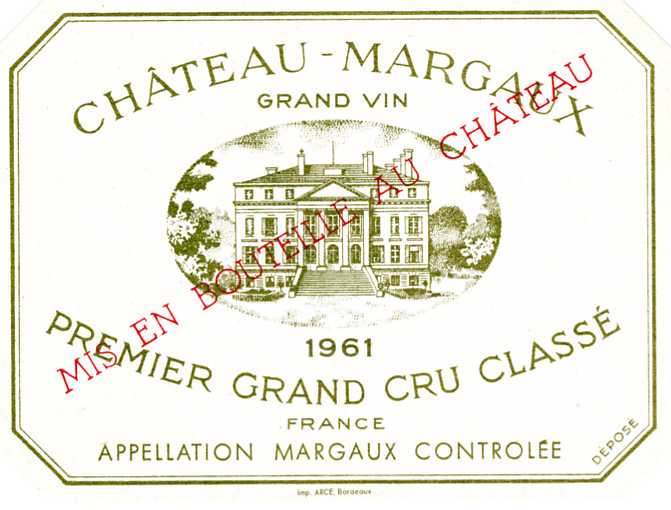
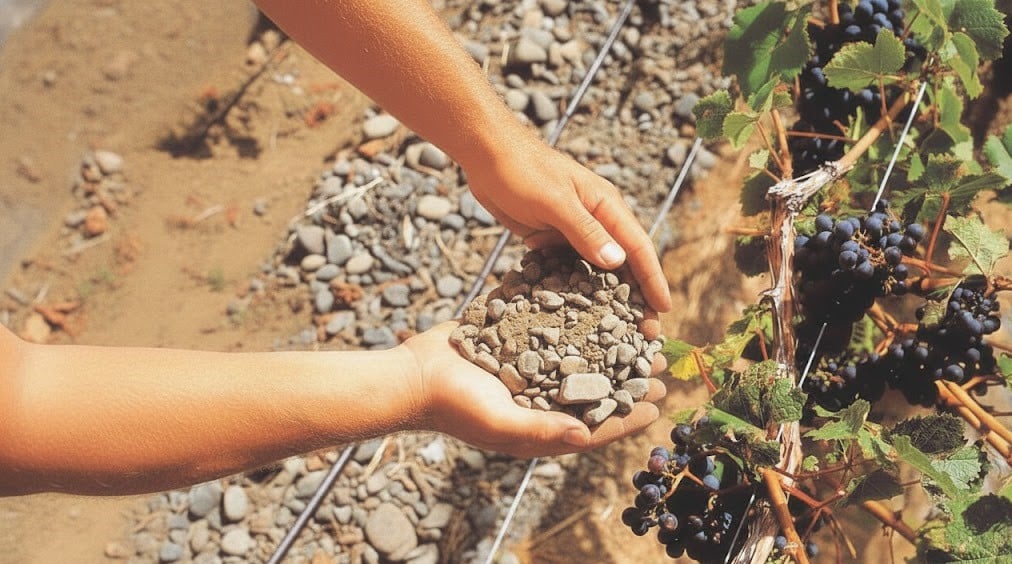
To Margaux: 30 km (approx. 45 mins). A shorter drive north that leads to the refined, gravel-rich soils of the southern Médoc.
To Sauternes: 50 km (approx. 50 mins). Heading south via the A62, the landscape shifts into the misty, forested microclimate essential for noble rot.
From Libourne to the Right Bank:
To Pomerol: 5 km (approx. 10 mins). Libourne acts as the central hub for the Right Bank; from here, you are mere minutes away from the iron-rich clays where Merlot reaches its peak.
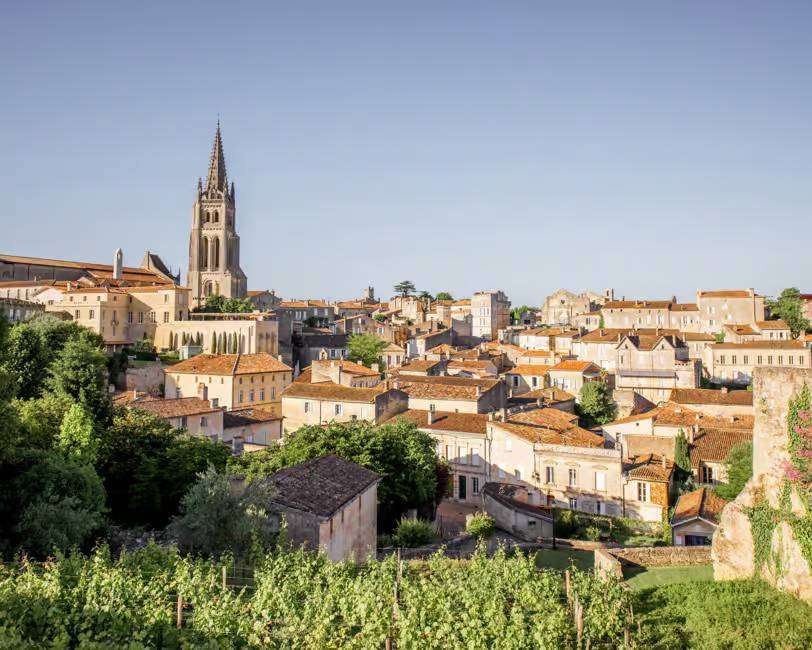
To Saint-Émilion: 10 km (approx. 15 mins). A brief and beautiful drive through the UNESCO-protected limestone plateau and its ancient monolithic church.
To Saint-Estèphe: 85 km (approx. 1 hour 45 mins). Crossing from the Right Bank to the northernmost tip of the Médoc is a longer journey that often requires crossing the Gironde via the Blaye-Lamarque ferry or the Pont d’Aquitaine.
Find the Best Places to Stay in Bordeaux
Bordeaux wine trip: Average Price Estimates
Bordeaux caters to a diverse spectrum of travelers, from the backpacker seeking a glass of Clairet to the high-net-worth collector seeking a rare vertical Wine tasting. For the 2026 season, we have updated our budget projections to reflect local economic trends and the premium nature of the region.
Budget Level: Expect to spend between €90 and €140 per night for accommodation, which typically includes stylish city-center hostels or charming Agriturismo-style guesthouses in the Entre-Deux-Mers countryside. Dining costs average €40 to €60 per day, focusing on local boulangeries and traditional bistros. Wine tasting fees at smaller, family-run estates generally range from €15 to €25.
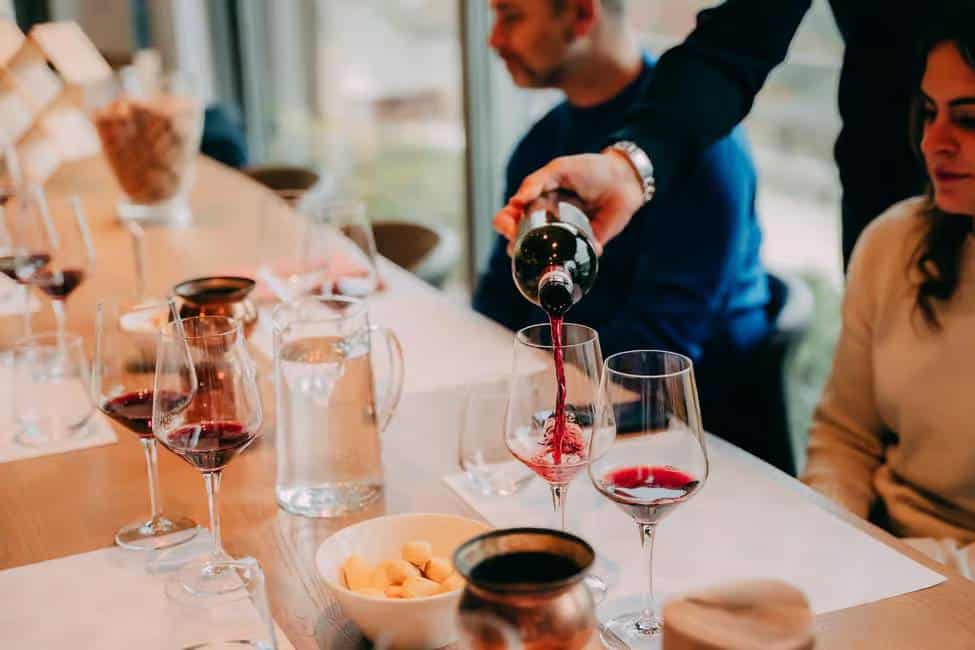
Mid-Range Level: For a more comfortable experience, plan for €180 to €350 per night for 4-star boutique hotels or renovated manor houses. Daily dining will range from €80 to €130, allowing for a mix of classic brasseries and one Michelin-starred lunch. Wine tasting sessions at Cru Classé estates in this bracket typically cost between €30 and €60 per person.
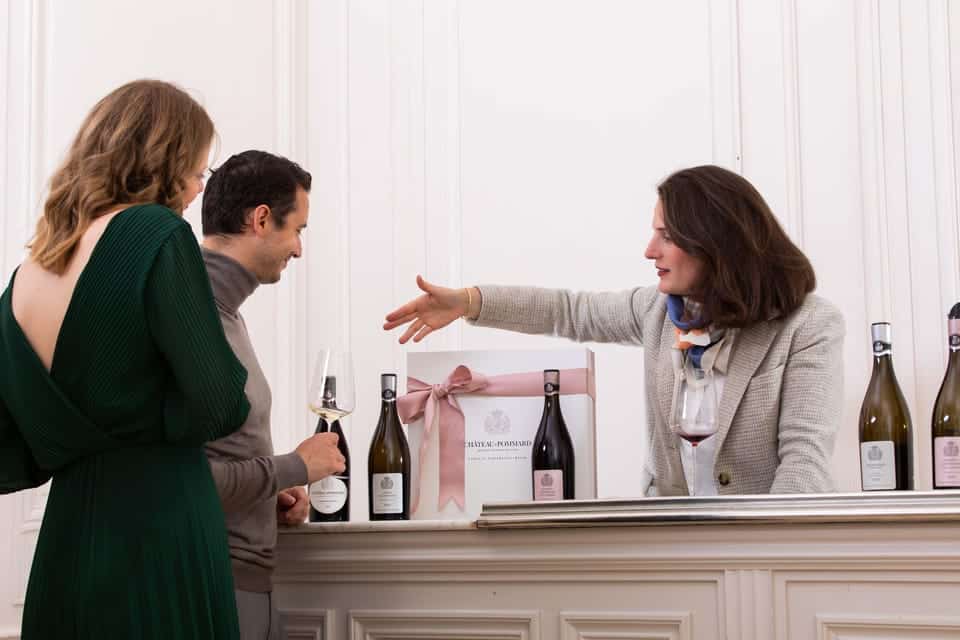
Luxury Level: The sky is the limit in Bordeaux. Five-star Château hotels and palace-grade city hotels range from €500 to over €1,200 per night. High-end dining, including multi-course tasting menus at three-Michelin-star establishments, will cost €200 to €450 per day. Exclusive, private Wine tastings at First Growth estates or “Library” tastings of older vintages can range from €75 to €150 or more.
Best period to visit Bordeaux
Spring: Rebirth. Throughout April and May, the vineyards undergo a dramatic transformation as the first buds appear. This is the prestigious season of En Primeur, a week when the global wine trade descends upon the city to taste the previous year’s vintage still in the barrel. The weather is pleasantly cool, the gardens of the Château estates are in full bloom, and the city feels vibrant yet not yet overcrowded.
Summer: Peak. From June through August, Bordeaux basks in golden sunlight and warm Atlantic breezes. This is the time of the Bordeaux Wine Festival (Bordeaux Fête le Vin), where the quays are lined with tasting pavilions. The days are exceptionally long, allowing for late-evening walks through the vineyards. However, this is peak tourist season; securing a Private tour at a top-tier estate requires booking at least three to four months in advance.
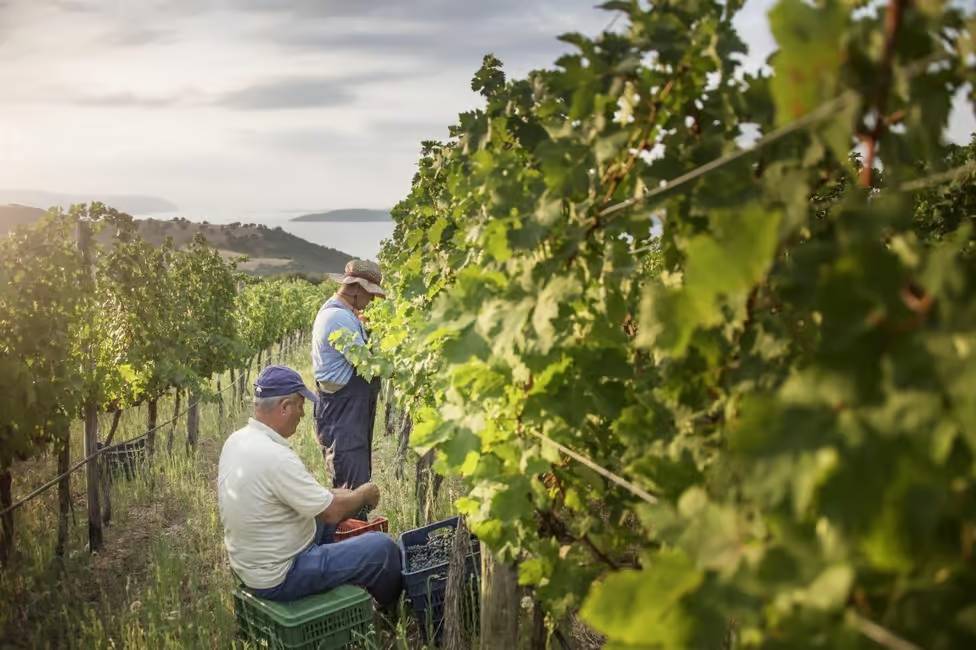
Autumn: Harvest. September and October represent the most electric and aromatic time to visit. The vendanges (harvest) is in full swing, and the energy in the cellars is palpable. You will witness the meticulous sorting of grapes and the beginning of fermentation. The landscape turns into a tapestry of ochre and crimson. It is a busy time for winemakers, so tours may be more technical and fast-paced, offering a true “behind-the-scenes” look at production.
Winter: Quiet. From November to March, the region enters a period of rest and reflection. While the vines are dormant and the weather can be damp, the city of Bordeaux is beautifully illuminated for the holidays. Many Château estates offer more intimate, fireside Wine tastings that aren’t possible during the frantic harvest. This is the best time for those seeking solitude and the lowest possible rates on luxury accommodation.
Major Towns of the Region for a Bordeaux wine trip
To truly understand the heartbeat of the Gironde, one must venture beyond the vineyard gates and into the historic towns that serve as the region’s cultural and commercial anchors.
Bordeaux City
The “Port of the Moon” offers a sophisticated, limestone-carved atmosphere that bridges the gap between 18th-century grandeur and modern vibrancy. It is the essential wine hub because it houses the Cité du Vin, a world-class interactive museum, and the CIVB (Wine Council), where you can find the best-value Wine tasting in the city.
Must Visit: The Place de la Bourse for its “Miroir d’Eau” and the historic Chartrons district—once the exclusive domain of wine merchants.
Proximity: It is the central hub for the Pessac-Léognan subregion (20 minutes) and the primary departure point for trains to the Médoc.
Saint-Émilion
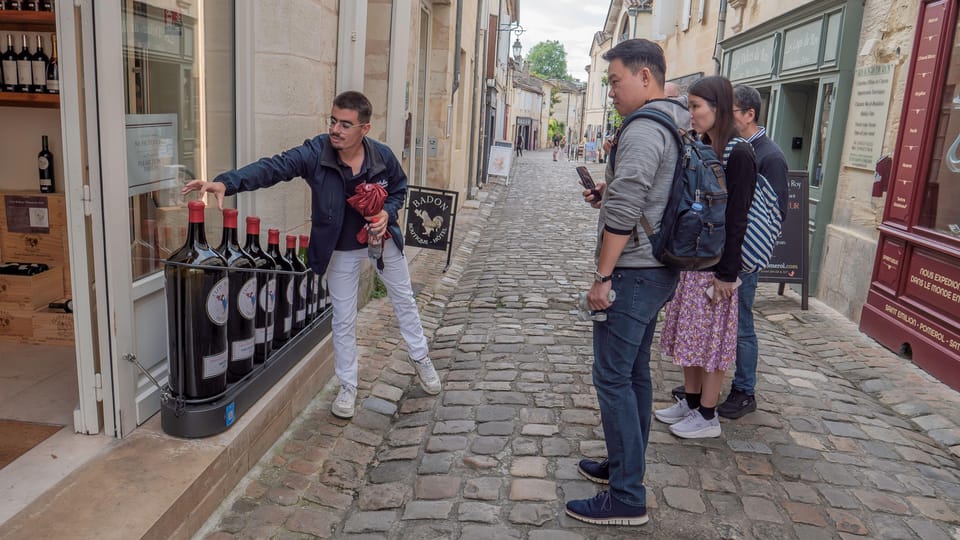
A medieval jewel and UNESCO World Heritage site, this village is carved directly into the limestone plateau. The atmosphere is evocative and busy, characterized by steep cobblestone alleys and hidden monolithic wonders. It is an important wine hub because it manages its own unique classification system and represents the pinnacle of Merlot-based wines.
Must Visit: The Monolithic Church (the largest in Europe) and the Tour du Roy for panoramic views.
Proximity: It is the gateway to the “Satellite” appellations and the prestigious estates of Pomerol.
Pauillac
Located on the edge of the Gironde estuary, Pauillac is the “glamorous celebrity” of the Médoc. The atmosphere is that of a quiet port town with a palpable past elegance, where the long riverfront serves as a promenade for wine enthusiasts. It is an unparalleled hub because it is home to three of the world’s five First Growth Château (Lafite Rothschild, Latour, and Mouton Rothschild).
Must Visit: The Maison du Tourisme et du Vin for local insights and the Eglise Saint-Martin, which features unique nautical “ex-voto” offerings.
Proximity: It sits perfectly between Saint-Julien to the south and Saint-Estèphe to the north.
Libourne
Known as “the other wine capital,” Libourne is a bastide port town sitting at the confluence of the Isle and Dordogne rivers. It offers a more authentic, “working-class” French atmosphere compared to the polished streets of Bordeaux. It is a critical hub for the Right Bank commerce and logistics.
Must Visit: The bustling open-air market at Place Abel Surchamp (Tuesday, Friday, Sunday) to sample local truffles and cheeses.
Proximity: It is virtually surrounded by the legendary vines of Pomerol, Fronsac, and Lalande-de-Pomerol.
Sauternes & Barsac
These neighboring villages are the heart of the “Liquid Gold” country. The atmosphere here is mistier and more rural, defined by the unique microclimate created by the Ciron river. This area is the world hub for botrytized sweet wines, producing labels that can age for a century.
Must Visit: The village of Sauternes for its specialized wine bars and Château d’Yquem, the only Superior First Growth in existence.
Proximity: This region is at the southern tip of the Graves area, famous for its forest-fringed estates and white wines
Bordeaux and Gastronomy What to Taste from Local Terroir
In Bordeaux, the glass is only half the story. To truly understand the “Art de Vivre” of the Southwest, you must follow the locals to the bustling markets and riverside bistros where gastronomy is treated with the same reverence as a Grand Cru.
The pulse of the city’s food scene beats loudest at the Marché des Capucins, affectionately known as the “Belly of Bordeaux.” Here, the morning ritual is sacred: a dozen briny Arcachon Bay oysters served with a spicy crépinette (a small flat sausage) and a chilled glass of Entre-deux-Mers white wine. It is a pairing that defies tradition but defines the region.
The Savory Essentials
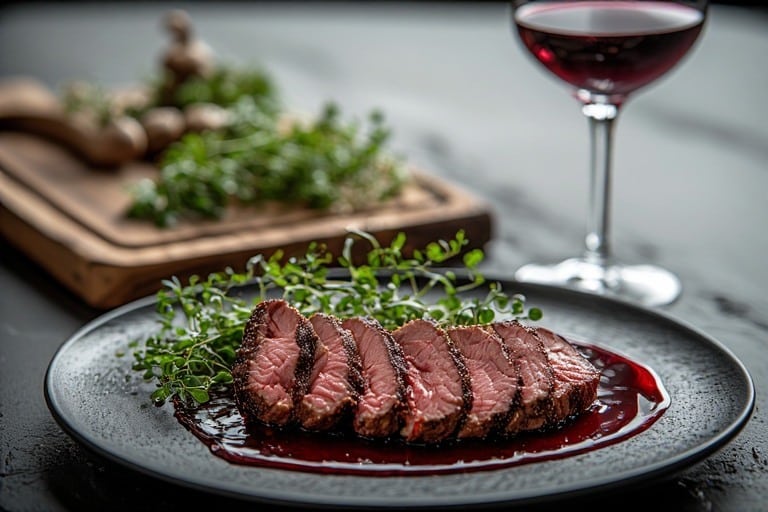
No culinary tour is complete without tasting the Entrecôte à la Bordelaise. This ribeye steak is traditionally seared over dried vine shoots, giving the meat a smoky, soul-warming aroma, then finished with a rich reduction of shallots and red wine. For those seeking the heart of the terroir, the Magret de Canard (duck breast) and the tender Pauillac lamb—raised on the salt-rich grasses of the estuary—are absolute non-negotiables.
A Sweet Legacy
Walking through the city, the scent of caramelized sugar often leads you to the Canelé. This small, fluted pastry, with its dark, crunchy shell and custardy heart flavored with rum and vanilla, was born from the wine industry itself; historically, winemakers used egg whites to fine their wine, leaving the yolks for local nuns to create this iconic treat.
What Not to Miss:
Dunes Blanches: Light-as-air cream puffs from Cap-Ferret that have become a modern Bordeaux obsession.
Saint-Émilion Macarons: Forget the colorful Parisian variety; these are rustic, almond-rich cookies based on a 1620 recipe.
Aquitaine Caviar: Discover why the region is the premier producer of French “black gold.”
The Cheese Board: Seek out a wedge of Ossau-Iraty (sheep’s cheese) or a pungent Roquefort to pair with a sweet Sauternes
Wine trip in Bordeaux: Plan your transportation
Public Transit and City Travel: Within the city center, the tram system is world-class. Use Tram Line C to reach the Cité du Vin, the city’s high-tech wine museum. For those without a car, the TER regional trains are a fantastic resource, running frequently from Gare Saint-Jean to the villages of Saint-Émilion, Margaux, and Langon (for Sauternes).
Driving and Car Rentals: To truly reach the heart of the “Hidden Bordeaux,” a car is necessary. Rental agencies are conveniently located at both the airport and the train station. Note that manual cars are still common, so specify an automatic if required.
Private and Guided Tours: For the ultimate luxury and safety, hiring a driver for a Private tour is highly recommended. This allows you to fully engage in multiple Wine tastings without navigating the strict French drink-driving laws (which have a limit of 0.5 g/l). Many guides offer “Right Bank” or “Left Bank” specific days that include pick-up and drop-off at your hotel.
Informations about shipping costs and wine export from Bordeaux
Shipping wine from France involves a complex set of regulations, duties, and logistics that vary significantly by destination. Most professional estates work with specialized couriers such as Mail Boxes Etc., Hillebrand, or Côte d’Or Imports to manage the paperwork.
USA: For a standard 12-bottle case, shipping costs generally fall between €120 and €180. This price includes specialized packaging, insurance, and door-to-door delivery. Transit times are usually 3 to 5 weeks. It is important to remember that direct-to-consumer shipping is prohibited in a few “dry” or highly regulated states, so always verify your local laws before purchasing.
UK: In the post-Brexit landscape, shipping to the UK includes a delivery fee of €70 to €100 per case, plus the mandatory UK Excise Duty (approximately £2.67 per bottle for still wine) and 20% VAT. While the process is now more administrative, most major shippers handle the customs clearance on your behalf.
Canada: Shipping to Canada remains the most challenging and expensive option. Due to the provincial monopolies of the LCBO and SAQ, shipping costs can exceed €200 per case once federal taxes and provincial markups are applied. It is often recommended to check if your desired wine has a local agent in your province first.
European Union: Shipping within the EU is highly efficient and cost-effective, typically costing between €30 and €50 per case. Since there are no customs borders for personal goods, you can also legally transport up to 90 liters of wine in your own vehicle across borders without additional tax.
Wine trip in Bordeaux: payments methods
Bordeaux is a highly digitized economy. Major credit cards like Visa and Mastercard are the standard and are accepted at almost every Château, restaurant, and boutique. Mobile payment platforms like Apple Pay and Google Pay are also ubiquitous for small purchases. American Express is widely accepted in high-end hotels and Michelin-starred restaurants, but smaller Agriturismo properties or family-owned estates in more rural areas may still prefer Visa or cash. While most Wine tastings are paid for digitally, carrying a small amount of cash (Euros) is useful for visiting local farmers’ markets or paying for small café snacks in the villages.