
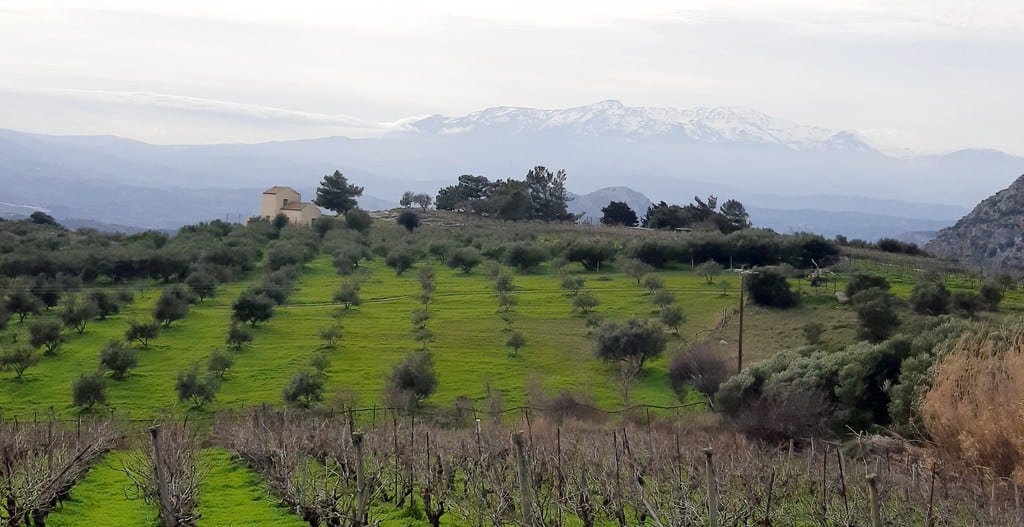
Introduction & Soul: The Eternal Vine of Minos
In Crete, the vine is far more than a commercial crop; it is a member of the family. The Cretan philosophy of wine is deeply rooted in the concept of Philoxenia (hospitality) and the rugged resilience of the islanders themselves. For a Cretan, a meal without wine is not a meal, and a guest without a glass is a failure of character. There is an emotional, almost visceral connection to the land. When a farmer prunes his vines in the shadow of Mount Ida, he is performing a dance choreographed by his grandfathers. This isn’t just agriculture; it is an act of preservation.
The island’s isolation has fostered a fierce pride in its indigenous varieties. While the rest of the world planted Cabernet and Chardonnay in the 1980s, Cretan growers eventually realized that their true strength lay in their unique DNA—grapes like Vidiano, Liatiko, and Kotsifali. This shift represents a philosophical homecoming. It is a rejection of globalized homogeneity in favor of a “territorial truth.” To drink Cretan wine today is to consume the history, the struggle, and the sun-drenched spirit of a people who have refused to let their heritage wither under the pressure of modernity.
Don’t just pour a glass—sip the liquid history of an island carved by gods and sea breezes. From the rugged heights of Psiloritis to the sun-kissed slopes of Archanes, the ancient Malvasia and Vidiano grapes are waiting to share their 4,000-year-old secrets. Experience the wild, untamed elegance of Crete in every drop.
Some of our Popular Tours in Crete Explore our handpicked selection of Cretan wine experiences
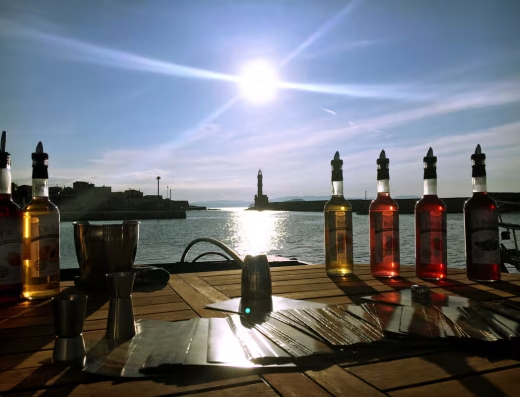

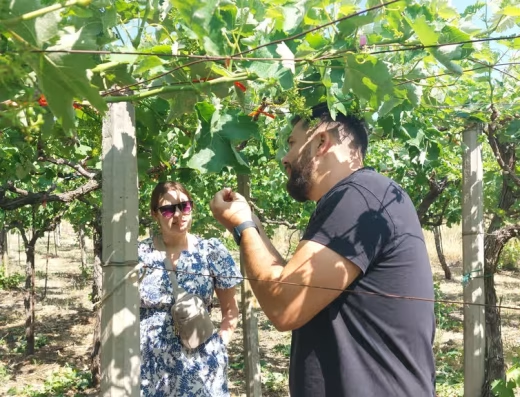
Geology & Climate: The Alchemy of Mountain and Sea
The geological foundation of Crete is a complex mosaic that dictates the character of its wines. The island’s backbone is formed by a massive mountain range, primarily composed of limestone, schist, and phyllite. In the key wine-growing regions of Central Crete, the soil stratigraphy is dominated by calcium-rich limestone mixed with clay. This combination is vital for quality viticulture; limestone provides the necessary drainage and mineral tension, while clay retains just enough moisture to sustain the vines during the scorching Mediterranean summers.
Climate-wise, Crete is defined by its dramatic thermal amplitude and the influence of the Aegean Sea. While the coastal areas enjoy a classic Mediterranean climate, the vineyards are often situated at significant altitudes, sometimes reaching 800 to 1,000 meters above sea level. This elevation is crucial as it lowers the average temperature and ensures a long, slow ripening process, preserving the acidity and aromatic precursors in the grapes.
Furthermore, the island is blessed with the Meltemi—the cooling Etesian winds that blow from the north during the summer. These winds act as a natural air conditioner, preventing heat stress and reducing the risk of fungal diseases. The interaction between these maritime currents and the rugged topography creates a multitude of micro-climates, allowing for a diverse range of wine styles to coexist within a relatively small geographic area.
HERITAGE: 4,000 YEARS OF THE VINE From Minoan Palaces to the Venetian Renaissance
Crete is the true cradle of European viticulture, boasting a vinous heartbeat measured in millennia rather than centuries. Archeological wonders at Knossos and Vathypetro have revealed the world’s oldest functioning wine presses, dating back over 3,500 years to the Bronze Age.
The viticultural soul of Crete is not merely a modern industry; it is a continuous narrative stretching back over 4,000 years, making it one of the oldest wine-producing regions in the world. The Minoan civilization, which flourished on this island, viewed the vine as a sacred bridge between the earthly and the divine. Archaeological excavations at sites like Vathypetro have revealed the world’s oldest wine press, proving that the Cretan people were masters of vinification long before the concept of “Old World” wine was even established in Western Europe.
Throughout the centuries—from the Roman occupation to the Venetian era, when the legendary “Malvasia di Candia” was exported across the globe—Crete has remained a bastion of viticulture. This heritage is etched into the very DNA of the islanders. For a Cretan, the vineyard is not just land; it is a family heirloom, a symbol of resilience, and a central character in every social ritual, from the exuberant glendis to the quiet, reflective moments of rural life.
The modern Cretan wine revolution is characterized by a return to these ancestral roots. After decades of focusing on international varieties, today’s winemakers are championing indigenous grapes like the noble Vidiano and the velvety Liatiko. This shift represents a philosophical reclamation of identity, blending the wisdom of antiquity with sophisticated modern oenology to express a terroir that is unlike any other in the Mediterranean.
A Living Legacy: The Ancient Grapes of Crete
Crete serves as a “wine ark” for the Mediterranean, preserving a genetic treasure trove of 11 indigenous grape varieties that have thrived here for over four millennia. While international grapes are grown worldwide, these native vines exist nowhere else, offering a flavor profile that is purely and authentically Cretan. This is where the ancient Minoan wine press meets modern, visionary viticulture.
The White Varieties: Freshness from the Peaks
The island’s white wines are defined by their aromatic intensity and surprising freshness, born from vineyards tucked into high-altitude mountain folds.
-
Vidiano: The rising star of the island, known for its creamy texture and sophisticated notes of apricot and jasmine.
-
Vilana: The classic refreshing white, offering crisp acidity and citrus-blossom aromas.
-
Rare Gems: Varieties like the herbal Dafni, the mineral-rich Plyto, and the tropical Thrapsathiri offer adventurous palates something truly unique.
The Red Varieties: Sun, Spice, and Earth
Cretan reds are a masterclass in balance, capturing the heat of the island sun without losing their elegant, herbal soul.
-
Liatiko: An ancient variety that produces pale, silky wines with complex layers of sun-dried fruits, sweet spices, and earth.
-
Kotsifali & Mandilaria: The traditional Cretan power-couple; Kotsifali provides the lush, fruity aromas, while Mandilaria adds deep color, structure, and wild tannins.
-
Romeiko: A versatile, historic grape from the west that continues to surprise with its range, from traditional aged styles to modern rosés.
Every bottle of Cretan wine is more than just a drink; it is a 4,000-year-old story of resilience, sunshine, and the rugged beauty of the Aegean landscape.
THE APPELLATION MAP: CRETE’S SEVEN PILLARS A Geographic Hierarchy of Excellence
To navigate Cretan wine is to understand a sophisticated hierarchy of PDO (Protected Designation of Origin) and PGI (Protected Geographical Indication) zones that reflect the island’s extreme topographical diversity. From the wind-battered plateaus of Sitia in the East to the high-altitude schist terraces of Rethymno in the West, Crete is divided into distinct viticultural “kingdoms.” Each appellation is a legal guarantee of tradition, dictating which indigenous grapes—such as the ethereal Liatiko or the robust Kotsifali—can bear the regional seal. This exhaustive directory explores the seven primary PDOs and the emerging PGI micro-terroirs that are currently redefining the Aegean wine landscape.
-
PDO Archanes (Heraklion): The historic heart of red wine production. Nestled in the foothills of Mount Juktas, this region specializes in the classic blend of Kotsifali and Mandilaria, producing structured, age-worthy reds on iron-rich clay soils.
-
PDO Peza (Heraklion): Crete’s most prolific zone. It is the spiritual home of the Vilana grape (whites) and versatile red blends. The rolling limestone hills here produce approachable wines with high aromatic intensity.
-
PDO Dafnes (Heraklion): A high-altitude sanctuary for the Liatiko grape. The calcium-heavy soils and intense sun create pale, aromatic reds that smell of maraschino cherries and sun-dried herbs.
-
PDO Sitia (Lasithi): The “Wild East.” This windswept, arid plateau is famous for both dry and sweet Liatiko, characterized by a distinct volcanic-like minerality and exceptional concentration.
-
PDO Malvasia Sitia & Malvasia Candia: Specialized designations for the resurrection of the historic “Sun-Dried” sweet wines that once ruled European courts.
-
PDO Handakas-Candia (Heraklion): A modern appellation reflecting the “Heraklion Renaissance,” focusing on sophisticated blends that highlight the region’s cooling maritime influence.
-
Rethymno & Chania (PGI Zones): While lacking specific PDOs for dry wines, these western regions are the “Experimental Lab” of Crete, home to the finest Vidiano and Romeiko vines clinging to the slopes of the White Mountains.
The Cretan Symposium: Wine and Gastronomy The Culinary Heritage: Gastronomy and Local Pairing Traditions.
The Alchemical Marriage of Soil and Table Cretan gastronomy is not merely a diet; it is an ancient survival strategy and a sophisticated expression of biodiversity. The relationship between the island’s wine and its food is defined by molecular synergy—the sharp acidity of a high-altitude Vidiano acts as a structural counterpoint to the rich, oleic profile of world-class Cretan extra virgin olive oil. This is a “terroir-to-table” philosophy where the wild herbs (horta) grazed by mountain sheep provide the same aromatic thiols and terpenes found in the indigenous Liatiko or Kotsifali vines. When we speak of pairing here, we are discussing the alignment of phenolic compounds and the balancing of the Mediterranean’s intense solar energy with the refreshing bitterness of the island’s wild flora.
Iconic Pairings: An Organoleptic Analysis
-
The Sea & The Stone (Grilled Octopus with Vidiano): This pairing relies on a complex texture-acid interaction. The charred, smoky proteins of the octopus provide a Maillard-reaction richness that requires the “fatness” of a Vidiano. As the wine’s stone-fruit aromatics coat the tongue, its hidden saline minerality bridges the gap to the sea, while the natural acidity cuts through the olive oil dressing, resetting the palate for every bite.
-
The Mountain & The Vine (Antikristo Lamb with Liatiko): The Liatiko grape, often pale and deceptively delicate, carries a high concentration of red-fruit esters and spice notes (cinnamon and clove). When paired with Antikristo (lamb slow-roasted across from the fire), the wine’s fine-grained tannins bind with the lamb’s fats. The “forest floor” aromatics of an aged Liatiko mirror the wild thyme and oregano that characterize the Cretan highlands.
-
The Earth & The Rusk (Dakos with Mandilaria Blend): The salt-crusted barley rusk and acidic tomato of a Dakos demand a wine with structural “grip.” A Kotsifali-Mandilaria blend provides the necessary tannins to compete with the dry rusk, while the wine’s bright red-berry profile enhances the sweetness of the sun-ripened tomatoes and the tang of the mizithra cheese.
The Immersive Estate Experience
To step into a Cretan winery is to leave the modern world behind and enter a realm where time is measured by the slow maturation of oak and the rhythmic breath of the sea. The experience begins not in the glass, but in the atmosphere—the scent of sun-drenched wild thyme and dried sage carried on the Meltemi winds, which naturally cool the high-altitude vineyards. As you move from the bright, limestone-reflecting heat of the terrace into the subterranean cool of the cellar, the air shifts to a heavy, evocative perfume of damp stone and aging wood.
The tasting itself is a deep narrative analysis of the island’s geology. When a glass of Vidiano is poured, the visual clarity reflects the crystalline light of the Aegean, while the initial swirl releases an organoleptic bouquet of apricot and peach. On the palate, the wine reveals its “soul”—a complex mineral tension derived from roots that have fought through layers of schist and clay.
As you move to a deep red Liatiko, the experience becomes more emotional. The wine’s pale, brick-red hue belies its power, offering a texture that is both silky and structured. Each sip is an immersion into the Cretan philosophy of resilience: a taste of “Old World” heritage that has survived from antiquity to modern times. Without the distraction of a full meal, the focus remains entirely on the liquid’s evolution in the glass—how it opens with oxygen, shifting from primary fruit to complex notes of leather, earth, and the unique terroir of the island. This is more than a simple sampling; it is a technical and spiritual communion with a landscape that has been perfecting the art of the vine for four millennia.
Tips from Insiders
When visiting, look for the "Wines of Crete" seal. This indicates the winery is part of the regional collective dedicated to quality and tourism excellence. Also, many of the best small-batch wines are "Vin de Table" simply because the winemakers choose to experiment outside of rigid PDO laws.
Qualifications and Trust: the quality pyramid
The Cretan wine system follows the European Union standards but with a local twist. At the top are the PDO (Protected Designation of Origin) wines, which are strictly regulated regarding grape varieties and geographic boundaries (e.g., PDO Dafnes). Below this are the PGI (Protected Geographical Indication) wines, which allow winemakers more freedom to experiment with blends and international grapes. For the “insider” traveler, the best value often lies in the “Varietal Wines” produced by boutique estates that choose to declassify their top-tier fruit to avoid bureaucratic hurdles, focusing instead on pure expression.
The Cretan Cellar: 10 Essential Truths 10 frequently asked questions about cretan wines
What is the most famous white grape in Crete?
Vidiano is a survival story. Vidiano is widely considered the “Diva” of Cretan grapes. It produces full-bodied whites with aromas of apricot and jasmine, often compared to Viognier but with better acidityVidiano is widely considered the “Diva” of Cretan grapes. It produces full-bodied whites with aromas of apricot and jasmine, often compared to Viognier but with better acidity
What makes Vidiano the "Star" of Crete?
Vidiano is a survival story. Nearly extinct 20th century, it was saved by a handful of growers in Rethymno. It offers a rare combination of full-bodied “apricot” richness and high acidity, making it incredibly versatile for aging and food pairing.
Are Cretan wines high in alcohol?
Due to the intense sun, Cretan wines naturally lean towards higher ABV (13.5%-14.5%). However, modern canopy management and high-altitude planting ensure these wines remain balanced by high acidity and mineral structure, avoiding a “jammy” profile.
Can I age Cretan red wines?
Absolutely. While Kotsifali is usually for early consumption, blends containing Mandilaria or monovarietal Liatiko have surprising longevity. Liatiko, in particular, develops complex earthy and forest-floor notes after 5–10 years in the bottle.
Is organic viticulture common in Crete?
Yes, it is the norm rather than the exception. The dry climate and the “Meltemi” winds provide a natural defense against pests, allowing many Cretan estates to maintain organic or “low-intervention” certifications with minimal effort compared to Northern Europe.
How do Cretan wines differ from Santorini wines
While Santorini is famous for the “fire and brimstone” acidity of Assyrtiko, Crete offers more aromatic diversity and “fleshier” textures. Crete is the place for those who seek soulful, herb-inflected wines with a deep sense of place.
What makes Cretan wine unique compared to the rest of Greece?
Crete is home to 11 indigenous grape varieties found nowhere else in the world. Its winemaking tradition is over 4,000 years old, dating back to the Minoan civilization, which hosted the oldest known vineyard in Europe.
Which are the main wine regions (PDOs) in Crete?
The island features four primary Protected Designation of Origin (PDO) zones, mostly clustered in the Heraklion region:
-
Peza: The largest zone, famous for both red and white blends.
-
Archanes: Specialized in structured red wines.
-
Dafnes: Known specifically for high-quality Liatiko production.
-
Sitia: Located in eastern Crete, renowned for its sweet dessert wines.
When is the best time for wine tasting in Crete?
Late spring (May) and early autumn (September–October) are considered ideal. September is particularly popular as the harvest season is in full swing, and the intense summer heat has subsided.
Where is the majority of Crete's wine produced?
Approximately 70% of Crete’s wine is produced in the Heraklion region, particularly in the valleys south of Knossos. However, significant quality wine is also produced in the mountains of Chania and the arid plateaus of Sitia.