
Table of Contents
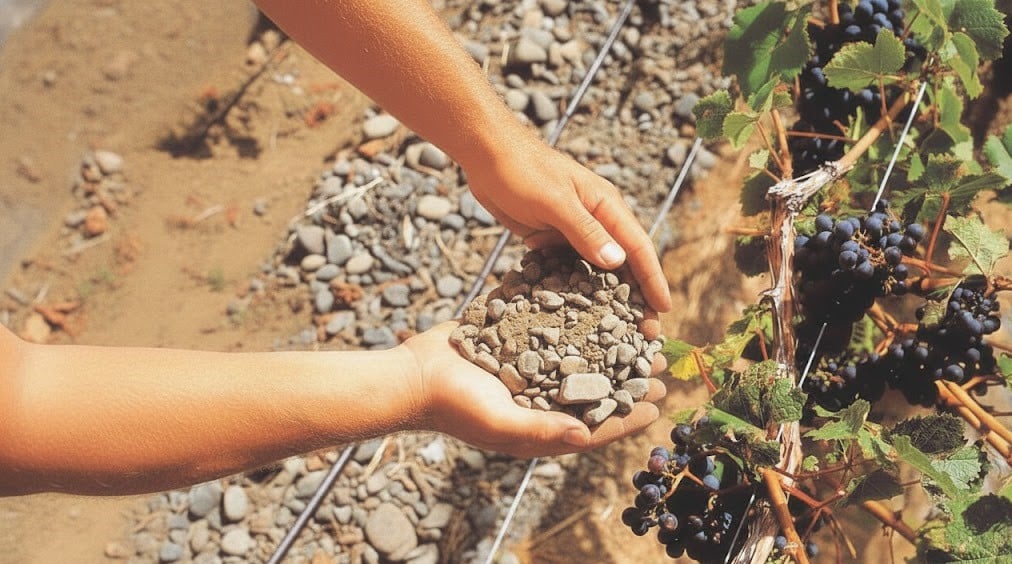
The profound relationship between the soil, or terroir, and the local plate in Bordeaux is a testament to centuries of viticultural and culinary evolution. In this region, the concept of balance is not merely an aesthetic goal but a chemical necessity driven by the unique geological composition of the land. The gravelly terraces of the Left Bank and the limestone-heavy clay of the Right Bank produce wines with distinct structural characteristics that demand specific culinary partners. At the heart of this interaction is the interplay between the wine’s acidity and tannins and the textures of the food, such as fats and proteins.
Acidity in Bordeaux wines, particularly in the crisp whites and structured reds, serves as a molecular “degreaser”. For example, the vibrant acidity found in a Sauvignon Blanc from Entre-Deux-Mers interacts with the lipid structures of seafood, cutting through the richness to refresh the palate. Conversely, the tannins—polyphenolic compounds derived from grape skins and seeds—provide the structural backbone of the reds. These tannins have a natural affinity for proteins; when a tannic Cabernet Sauvignon meets a protein-rich ribeye, the tannins bind to the meat’s proteins and fats rather than the proteins in the taster’s saliva. This chemical reaction softens the perceived astringency of the wine while enhancing the umami flavors of the dish, creating a harmonious and balanced sensory experience that is foundational to Bordeaux gastronomy.
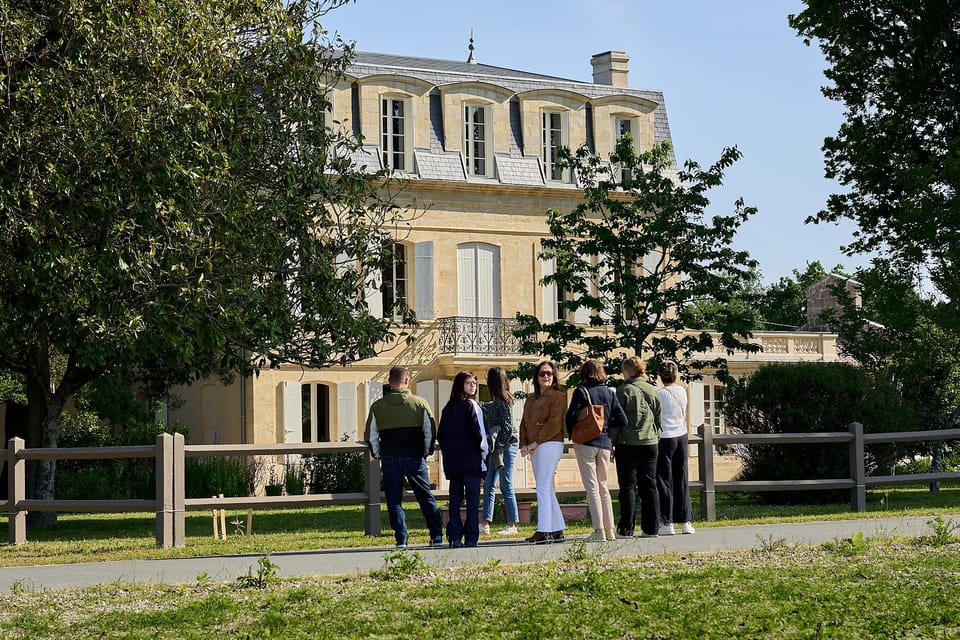
Beyond the Châteaux Gates Lies a Feast for the Senses
The Local Terroir Structured Red Wines and Cris Whites with local Bordeaux Food
Structured Red Wines: The Left Bank and Right Bank Powerhouses
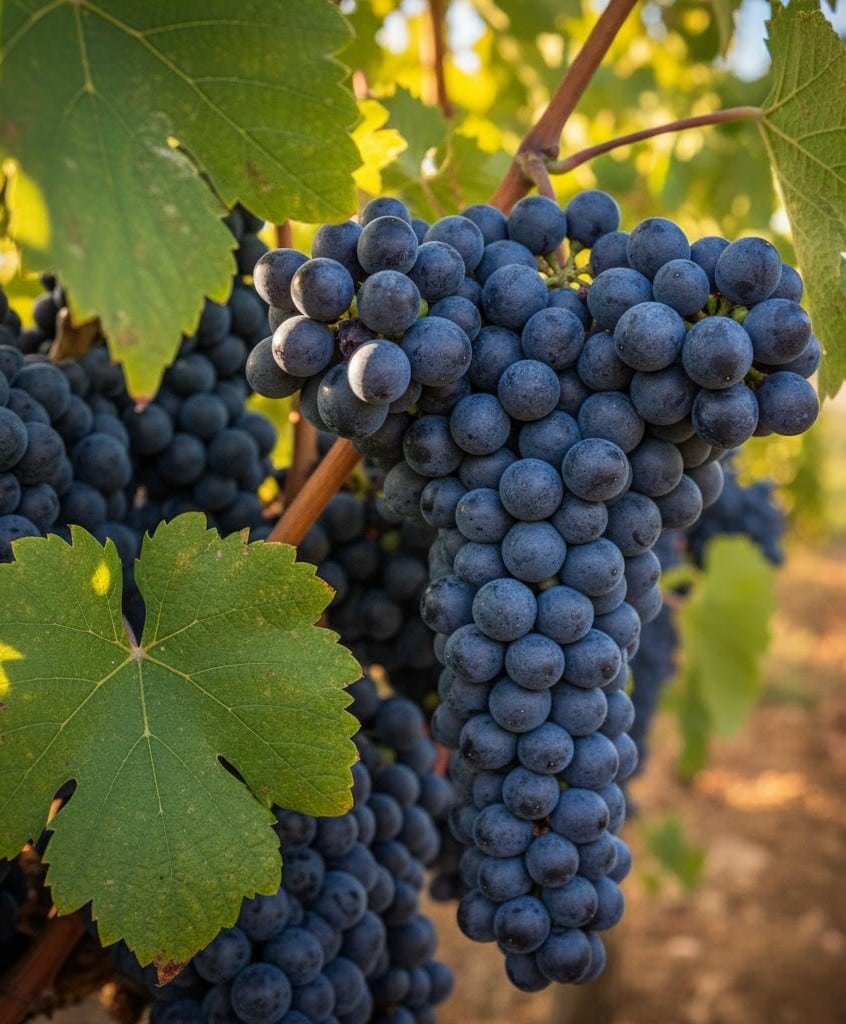
These red wines are characterized by their deep complexity and aging potential. Left Bank blends, dominated by Cabernet Sauvignon, offer firm tannins and notes of blackcurrant and graphite. Right Bank wines, led by Merlot, provide a suppler, velvety texture with flavors of plum and chocolate. Together, they represent a spectrum of power and elegance that defines the region.
Pauillac Lamb with Pauillac Appellation: The high concentration of tannins in Pauillac wine reacts with the dense protein fibers of the local salt-marsh lamb, neutralizing astringency for a smoother finish.
Entrecôte à la Bordelaise with Saint-Julien: The richness of the bone marrow sauce provides ample lipids to coat the palate, allowing the structured tannins of Saint-Julien to feel velvety rather than harsh.
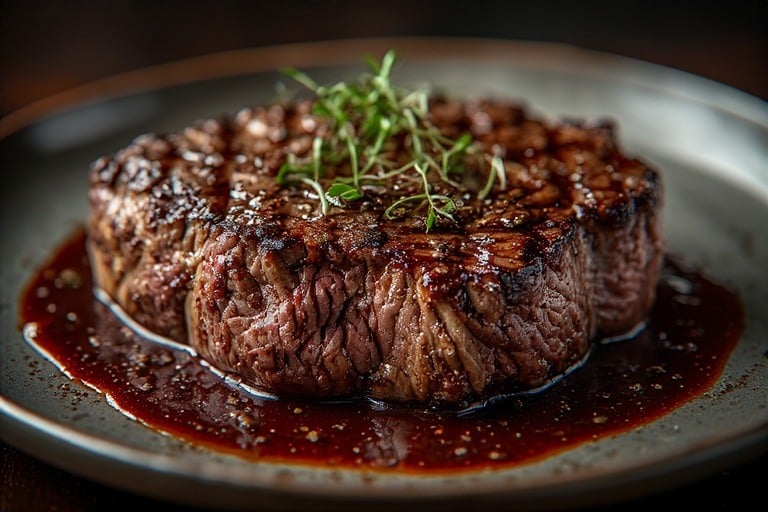
Lamprey à la Bordelaise with Saint-Émilion: The iron-rich, chocolatey sauce of this river fish dish matches the earthy, dark fruit profile and soft tannins of a Merlot-heavy Saint-Émilion.
Magret de Canard with Pomerol: The significant fat content of the duck breast serves as a buffer for the plush tannins of Pomerol, while the wine’s plum notes complement the gamey meat.
Bazas Beef Rib with Saint-Estèphe: The robust, rustic structure of Saint-Estèphe requires the intense marbling of Bazas beef to balance its powerful polyphenolic content.
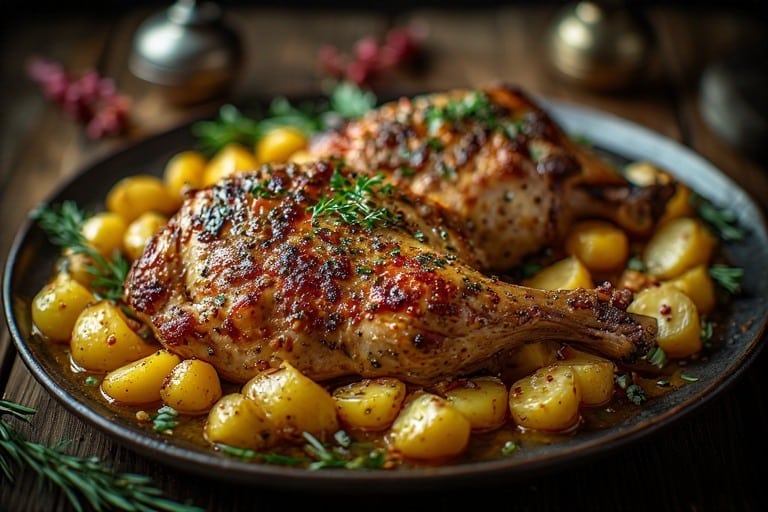
Confit de Canard with Listrac-Médoc: The salt-cured, fatty nature of the duck leg offsets the firm acidity and tannins of Listrac wines, creating a balanced, savory interaction.
Wild Boar Stew with Haut-Médoc: The intense umami and wild flavors of the game are mirrored by the forest floor and cedar tertiary aromas of an aged Haut-Médoc.
Grilled Porcini Mushrooms with Pessac-Léognan Red: The smoky, earthy characteristics of the mushrooms harmonize with the tobacco and mineral notes typical of the Graves soil.
Luminous White and Sweet Wines: From Crisp Dry to Liquid Gold
Bordeaux whites range from the bone-dry, aromatic blends of Sauvignon Blanc and Sémillon to the world-renowned botrytized sweet wines. Dry whites offer zesty acidity and citrus notes, while the sweet wines of Sauternes provide a rich, honeyed texture balanced by a surprising vein of freshness.
Arcachon Oysters with Entre-Deux-Mers: The high salinity of the oysters is perfectly countered by the racy acidity and citrus zest of the Sauvignon Blanc, cleansing the palate.
Butter-Poached Lobster with Pessac-Léognan White: The subtle oak influence and creamy texture of the Sémillon in this wine complement the sweetness of the lobster and its rich butter sauce.
Foie Gras with Sauternes: The residual sugar and high viscosity of Sauternes provide a luxurious weight that mirrors the fatty texture of the foie gras, while acidity prevents cloying.
Roquefort Cheese with Barsac: The intense saltiness of the blue cheese creates a classic “salty-sweet” contrast with the honeyed, noble rot flavors of the wine.
Grilled Red Mullet with Bordeaux Blanc: The delicate oils of the fish are cut by the wine’s acidity, while its herbal notes enhance the Mediterranean flavors of the grill.
Scallops with Leek Fondue and Graves White: The mineral-driven profile of Graves white wine highlights the sweetness of the scallops and the vegetal sweetness of the leeks.
Poulet à la Comtoise with Cérons: The semi-sweet nature of Cérons provides a delicate balance to the creamy, slightly salty Comté sauce used in this chicken dish.
Apricot Tart with Sainte-Croix-du-Mont: The stone fruit aromas of the wine find a direct aromatic bridge with the cooked apricots, while the wine’s acidity lifts the pastry.
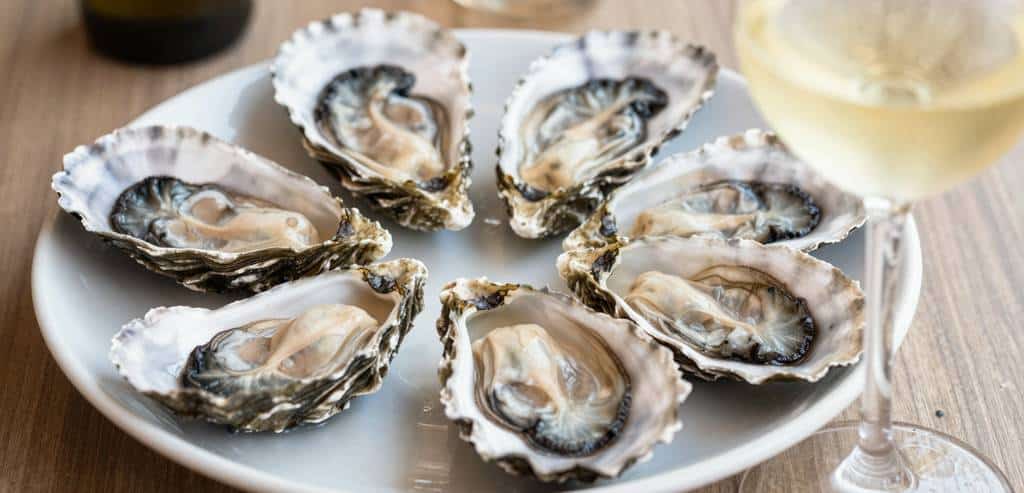
Arcachon oysters high salinity match with Entre Deux-Mers acidity and lemon zesty caracter
The Global Perspective Bordeaux wines affinity for inernational food
International White Wine Affinity
-
-
Japanese Sushi and Graves White: The crisp acidity of the Sauvignon Blanc cuts through the fatty texture of tuna, while the wine’s minerality enhances the seaweed’s salinity.
-
Thai Green Curry and Entre-Deux-Mers: The aromatic profile and refreshing acidity of the wine provide a cooling contrast to the spicy heat and coconut milk richness.
-
Peruvian Ceviche and Bordeaux Blanc: The wine’s citrus notes and high acidity act as a bridge to the “leche de tigre” marinade, creating a vibrant, high-acid harmony.
-
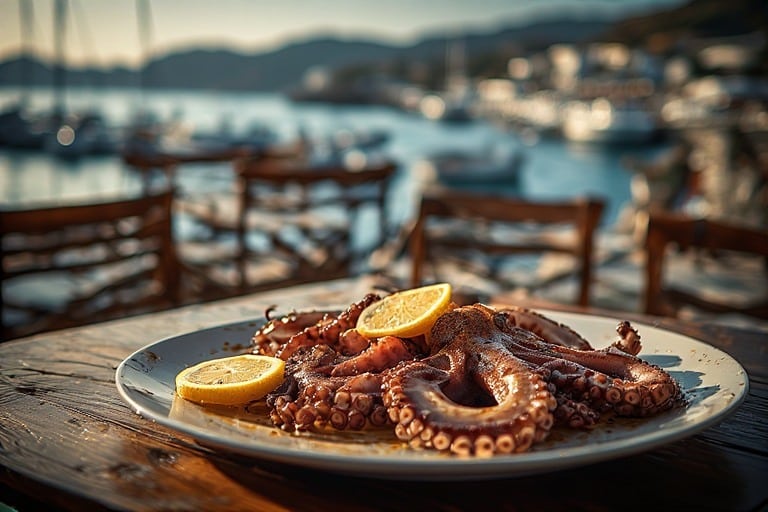
Greek Grilled Octopus and Pessac-Léognan White: The wine’s body and light oak notes stand up to the charred texture of the octopus, while acidity cleanses the palate.
-
Indian Prawn Curry and Sauternes: The residual sugar in the wine effectively tames the capsaicin heat of the curry, while the fruitiness complements the prawns.
-
French Camembert and Graves White: The sharp acidity of the dry white wine cuts through the creamy, coating fat of the ripened cheese, preventing palate fatigue.
-
New England Lobster Roll and Bordeaux Blanc: The refreshing citrus profile of the wine provides a necessary counterpoint to the heavy mayo or butter used in the roll.
-
Italian Risotto Primavera and Entre-Deux-Mers: The herbal, grassy notes of the Sauvignon Blanc find a natural aromatic affinity with the fresh green vegetables and herbs.
-
The grilled octopus are matching with wine body and light oak of white Pessac-Léognan
International Red Wine Affinity
American Ribeye Steak and Pauillac: The wine’s firm tannins bind with the beef’s proteins, while its acidity cuts through the heavy fat for a balanced mouthfeel.
Argentine Chimichurri Beef and Saint-Estèphe: The robust structure of the wine holds up against the garlic and herb intensity of the sauce, with tannins softening against the meat.
Chinese Peking Duck and Saint-Émilion: The wine’s plum and spice notes complement the hoisin sauce, while its supple tannins handle the duck’s crispy skin and fat.
French Beef Bourguignon and Pomerol: The earthy, mushroom-inflected sauce of the stew harmonizes with the tertiary aromas and velvety texture of the Merlot-dominant blend.
Spanish Manchego Cheese and Haut-Médoc: The high protein and fat content of the aged cheese provides the perfect substrate for the wine’s tannins to latch onto.
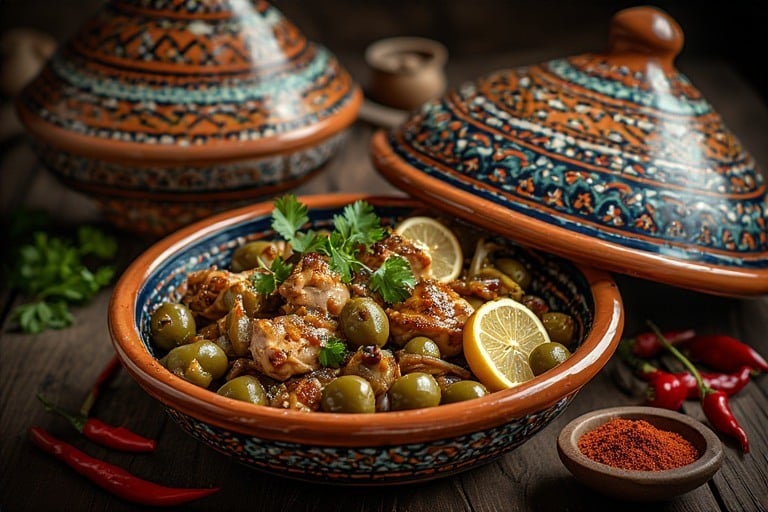
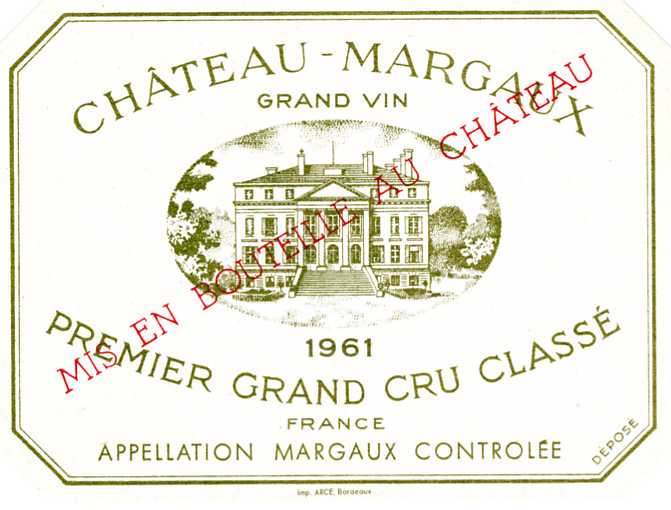
Moroccan Lamb Tagine and Margaux: The elegance and floral notes of Margaux balance the sweet spices of the tagine, while its structure supports the tender lamb.
American Wagyu Burger and Pessac-Léognan Red: The extreme fat content of Wagyu beef requires the firm tannins and acidity of this wine to cleanse the palate between bites.
Dark Chocolate Torte and Saint-Émilion: The dark fruit and cocoa notes of the Merlot-dominant wine find a congruent aromatic match with the bitterness of high-quality dark chocolate.
Margaux elegance balance perfectly the spices of Moroccan food
A Legacy in Every Glass: The Bordeaux Masterclass Discover the Timeless Harmony of Heritage and Science
The journey through Bordeaux’s vineyards reveals a sophisticated ecosystem where geology and chemistry meet the culinary arts. From the structured elegance of the Médoc to the golden sweetness of Sauternes, every bottle tells a story of balance, shaped by the unique terroir of the Garonne and Dordogne. This mastery of pairing ensures that whether you are enjoying a local classic or an international delicacy, the wine serves as the ultimate catalyst for gastronomic excellence. Embrace the heritage of a region that continues to set the global standard for professional wine knowledge and travel inspiration.
Bordeaux Wines Pairing In a Nutshell
Bordeaux wine pairing is defined by structural chemistry. To master it, remember these three core interactions:
1. The Protein-Tannin Bond (Red Wines) Red Bordeaux, like Cabernet Sauvignon and Merlot, is rich in tannins. These compounds seek out proteins. When you eat red meat (like steak or lamb), the tannins bind to the meat’s proteins and fats instead of the proteins in your mouth. This “neutralizes” the wine’s astringency, making it feel velvety while the wine cuts through the heavy fat.
2. The Acid-Fat Balance (White Wines) Dry Bordeaux whites are high in acidity. This acid acts as a molecular “cleanser.” In fatty or oily dishes—such as salmon, oysters, or cream sauces—the acidity slices through the lipids, stripping the fat from your palate and keeping each bite tasting fresh rather than heavy.
3. The Sugar-Salt Contrast (Sweet Wines) For Sauternes, the residual sugar provides weight that matches rich textures like foie gras. However, its most famous reaction is with salt (such as Roquefort cheese). The salt enhances the fruit flavors of the wine while the sugar mellows the sharp saltiness, creating a perfect sensory loop.
In short: * Red + Protein/Fat = Softens Tannins.
White + Fat/Salt = Palate Cleansing.
Sweet + Salt/Fat = Flavor Harmony.