Table of Contents
The Origin of Classification of Bordeaux Wines A Convergence of Geography and Geology
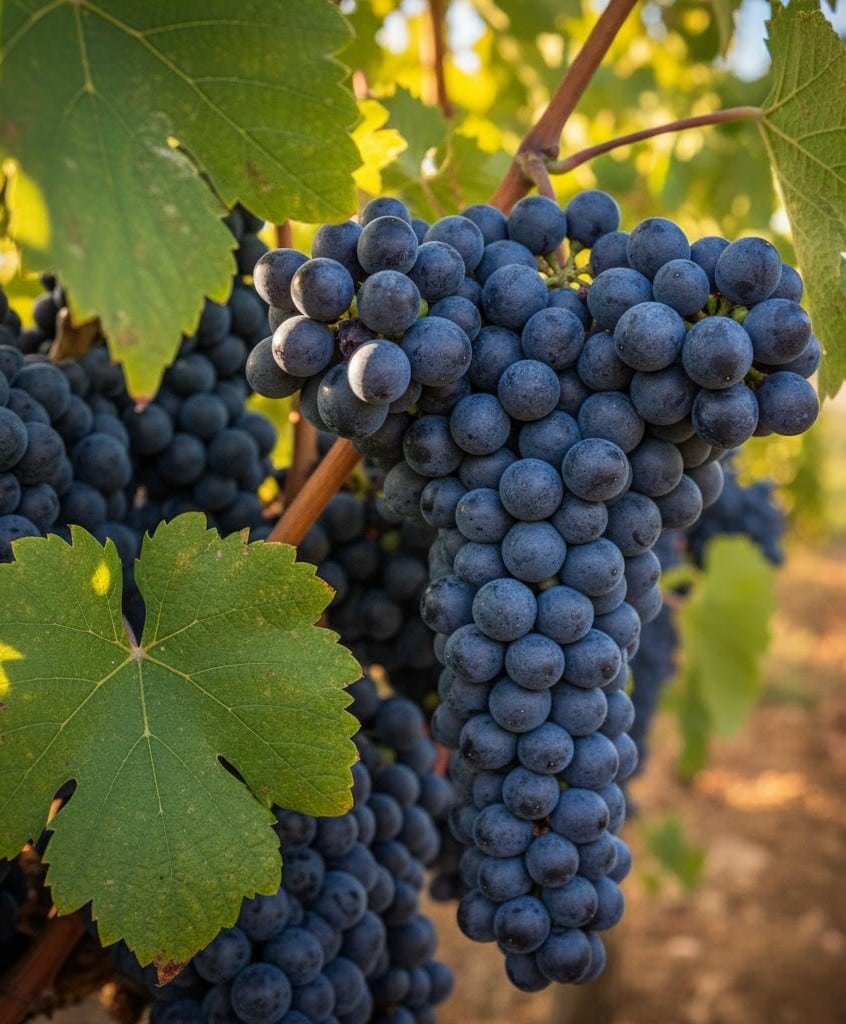
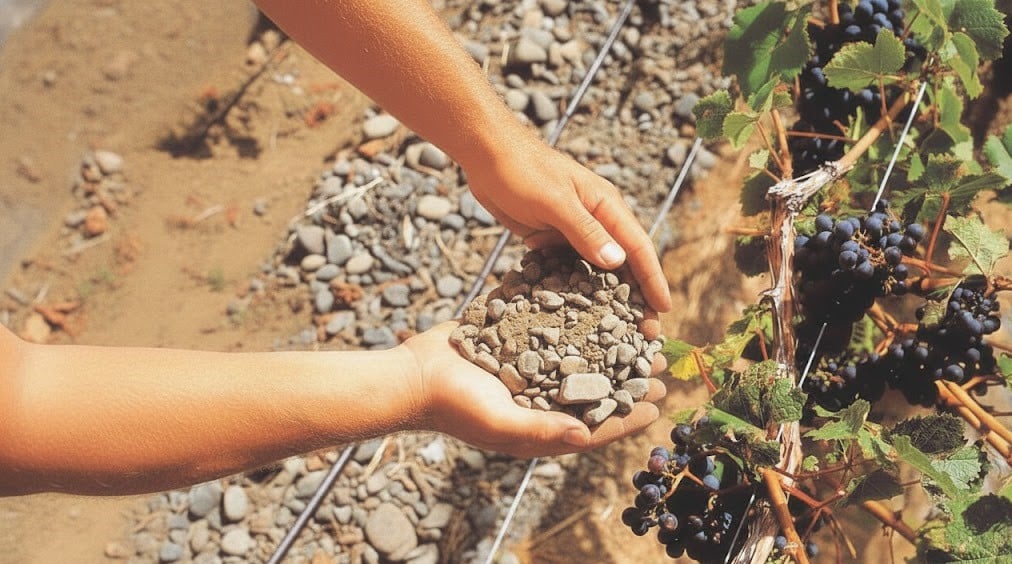
The hierarchy of Bordeaux was not an overnight invention but a slow distillation of centuries of trade. The “Left Bank” of the Gironde estuary—comprising the Médoc, Graves, and Sauternes—possesses a unique geological fingerprint. Millions of years ago, receding glaciers deposited thick layers of white gravel and quartz.
In the Médoc, these gravel mounds, known as croupes, provide two things essential for elite Cabernet Sauvignon: perfect drainage (forcing vines to struggle) and heat retention (stones radiate warmth at night).
Further south in Sauternes, the geography adds a magical, atmospheric element: the confluence of the cold Ciron River and the warmer Garonne River. This temperature mismatch creates a unique autumn fog that promotes Botrytis cinerea, or “Noble Rot.” This fungus shrivels the grapes, concentrating sugars and acidity to create the world’s most complex sweet wines. By the 1700s, merchants already knew that the “best” wines came from these specific mounds and microclimates, creating an informal ranking long before a pen ever touched pape

Step Out of the History Books and Into the Cellar
The History of Bordeaux Wine Classification: Napoleon III and the 1855 Mandate
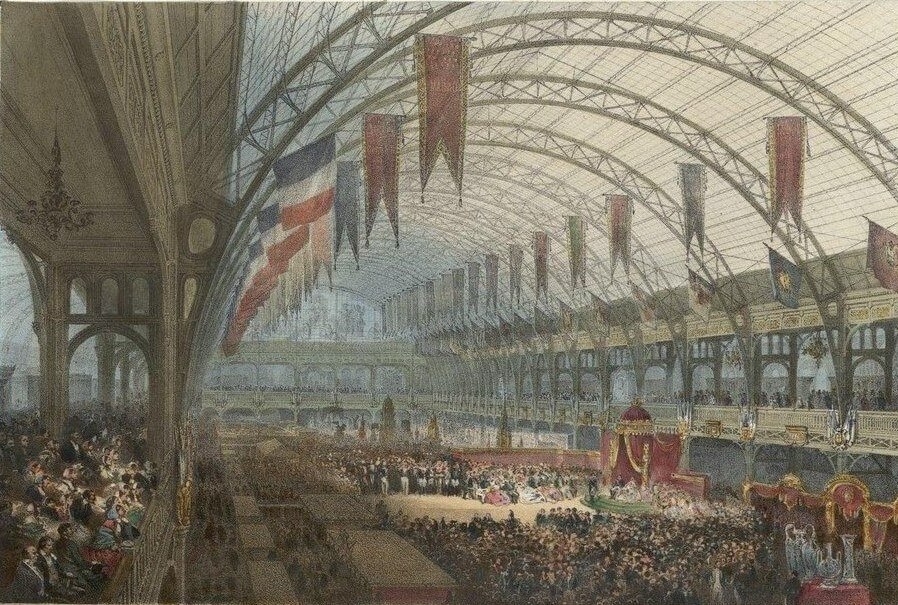
The 1855 “Exposition Universelle of Paris” by Napoleon III. Painting from Louis-Jules Arnout (1814-1882) Comon Wikimedia Public Rights
The formalization of this hierarchy occurred in 1855, driven by the political ambitions of Emperor Napoleon III. For the Exposition Universelle de Paris, the Emperor wanted a system to rank France’s best wines for international visitors.
He delegated the task to the Syndicat des Courtiers (the guild of wine brokers). These brokers avoided the subjectivity of a tasting panel. Instead, they looked at 100 years of sales records. Their logic was that the market is the ultimate judge: the wines that consistently commanded the highest prices over a century must, by definition, be the best.
On April 18, 1855, they produced two distinct lists:
The Red Wines: 61 estates from the Médoc (and one from Graves).
The White Wines: 27 estates from Sauternes and Barsac.
The 1855 Bordeaux hierarchy is a 5-tier ranking of Left Bank estates based on their 19th-century market value.
The Hierarchy
First Growths: The 5 “superstars” (Lafite, Latour, Margaux, Haut-Brion, and Mouton).
2nd to 5th Growths: 56 other estates ranked in descending order of prestige.
Sauternes: A separate 2-tier rank for sweet wines, topped by the unique Premier Cru Supérieur (Château d’Yquem).
The “New” Rules The 1855 list almost never changes (only one major promotion since 1855). Because it’s so rigid, other regions created their own “new” laws: Saint-Émilion re-ranks its wines every 10 years to stay current, while the Cru Bourgeois level allows smaller Médoc estates to earn a quality seal that they must renew periodically.
The Bordeaux Red Wine Hierarchy:
The First Growths (Les Premiers Crus)
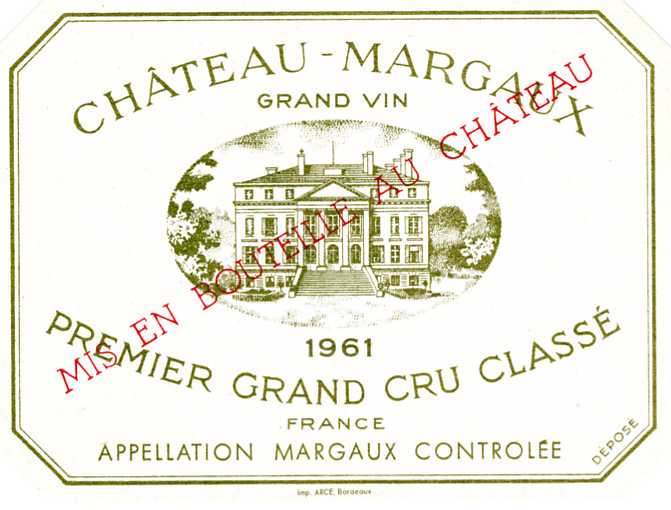
The First Growths are the absolute sovereigns of Bordeaux. They are the only estates whose names are recognized by non-drinkers and collectors alike. They represent the peak of prestige, consistency, and investment potential.
Château Lafite Rothschild (Pauillac): Often considered the most famous wine in the world. Lafite is defined by its “aristocratic” character—it is rarely the most powerful wine, but it is always the most elegant, noted for its perfume of cedar, lead pencil, and graphite.
Château Latour (Pauillac): The most powerful of the First Growths. Located on the border of Saint-Julien, its vineyards overlook the Gironde. Latour is famous for its incredible “backbone” and its ability to produce world-class wine even in difficult, rainy vintages.
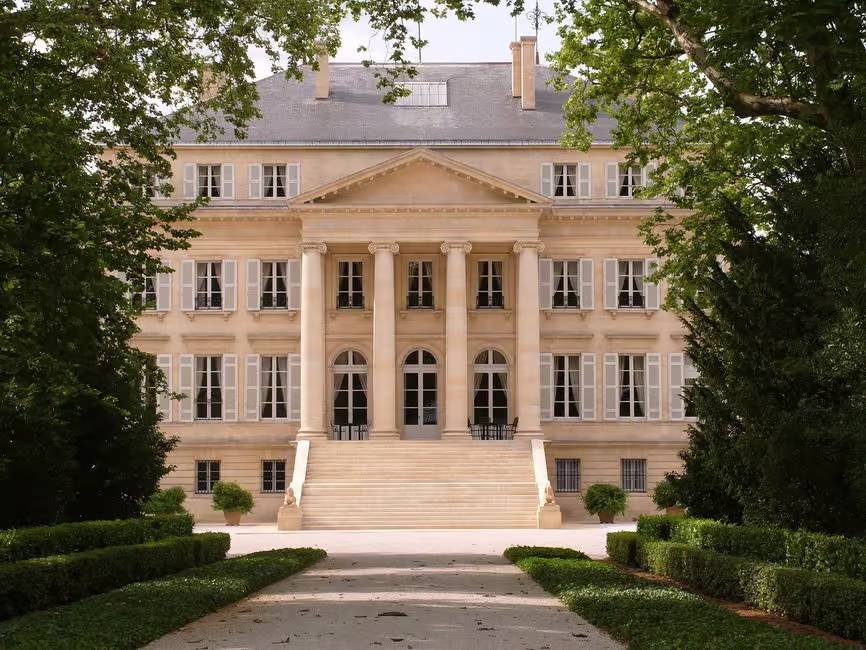
Château Margaux (Margaux): The lone First Growth from the Margaux appellation. It is the most “perfumed” of the group, known for an intoxicating aroma of violets and roses. It balances power with a legendary, silky texture.
Château Haut-Brion (Pessac-Léognan): The historical anomaly. It was the only wine from outside the Médoc included in 1855 because its reputation was simply too great to ignore. It is known for a unique smoky, earthy, and “cigar box” complexity that sets it apart from the Pauillac giants.
Château Mouton Rothschild (Pauillac): The rebel of the group. Originally a Second Growth, it was promoted to First Growth status in 1973 after 118 years of lobbying by Baron Philippe de Rothschild. It is known for its opulent, exotic fruit and its tradition of commissioning world-famous artists (like Picasso and Warhol) to design its labels.
The Second Growths (Les Deuxièmes Crus)
The Second Growths are often the most exciting category for serious collectors. While technically a tier below, many of these “Super Seconds” produce quality that rivals or even surpasses the First Growths in certain years, often at a fraction of the price.
Château Rauzan-Ségla (Margaux): Known for its immense refinement. Under the ownership of Chanel, it has become one of the most meticulously crafted wines in the world.
Château Rauzan-Gassies (Margaux): A neighbor to Ségla, offering a more traditional, robust expression of the Margaux terroir.
Château Léoville-Las Cases (St-Julien): Widely regarded as the “unofficial” sixth First Growth. It is massive, tannic, and requires decades of aging. It shares a border with Château Latour.
Château Léoville-Poyferré (St-Julien): Known for being the most lush and “modern” of the three Léoville estates, often showing ripe, velvety fruit.
Château Léoville-Barton (St-Julien): A bastion of tradition. It is one of the few estates still owned by the same family since the 1820s, producing classic, “old-school” Bordeaux.
Château Durfort-Vivens (Margaux): A pioneer in biodynamics, producing wines with incredible purity and floral lift.
Château Gruaud-Larose (St-Julien): Famous for its “savory” style, often exhibiting notes of leather, spice, and earth.
Château Lascombes (Margaux): One of the largest estates in the Médoc, producing a glamorous, approachable style of wine.
Château Brane-Cantenac (Margaux): Located on a prestigious gravel plateau, it is celebrated for its elegance and complex aromatic profile.
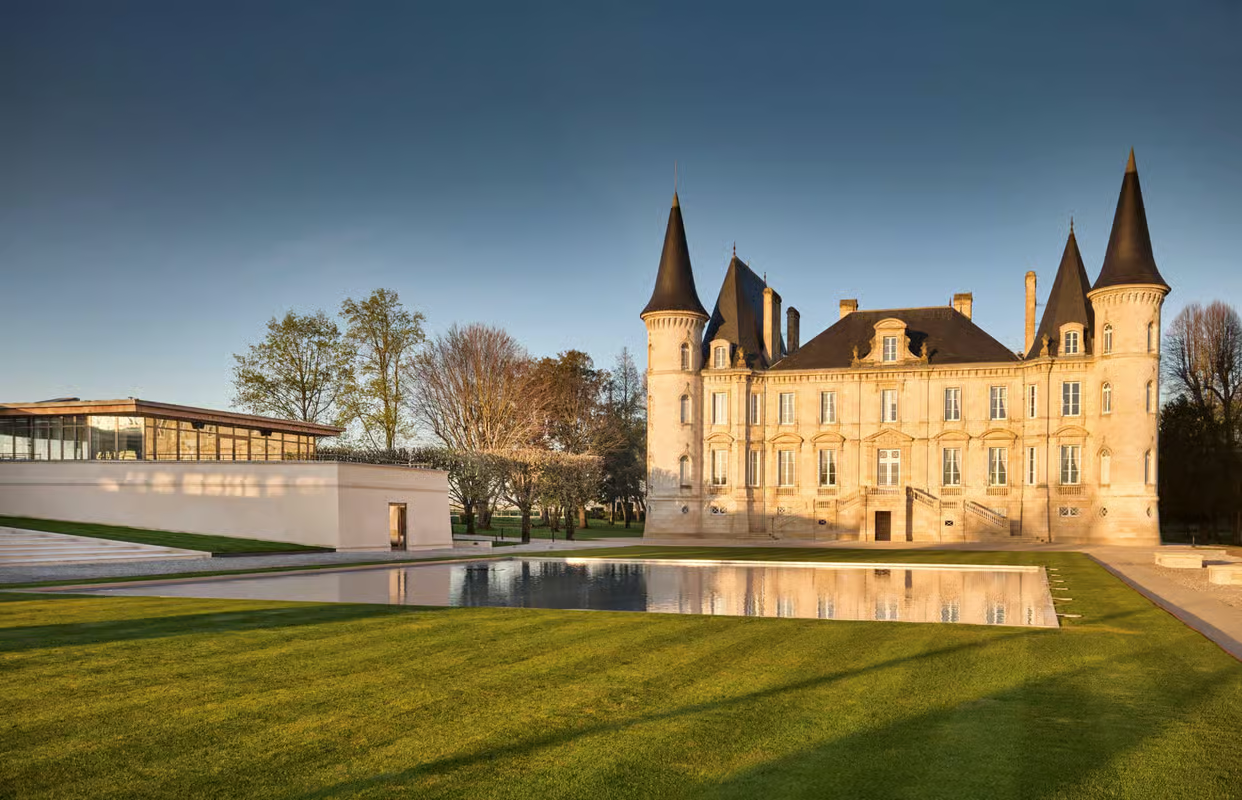
Château Pichon Longueville Baron (Pauillac): Often called “Pichon Baron,” this is a powerful, masculine wine with deep structure and dark fruit.
Château Pichon Longueville Comtesse de Lalande (Pauillac): Often called “Pichon Lalande,” it is known for having a higher percentage of Merlot, making it softer, more voluptuous, and incredibly seductive.
Château Ducru-Beaucaillou (St-Julien): Named for the “beautiful stones” in its soil, it produces a wine of remarkable harmony and crystalline purity.
Château Cos d’Estournel (St-Estèphe): The star of the north. Its exotic, pagoda-style cellar reflects its bold, spicy, and opulent wine style.
Château Montrose (St-Estèphe): Known as the “Latour of St-Estèphe,” it produces powerful, brooding wines that can age for half a century or more.
The 3rd, 4th, and 5th Growths
The hierarchy continues down to the Fifth Growths, but do not let the numbers fool you. Because the list is static, many estates in these tiers have modernized and now perform like Second Growths.
The Third Growths (Troisièmes Crus)
Château Calon-Ségur (St-Estèphe): The northernmost classified estate in the Médoc, famous for the heart on its label. Its legendary owner, the Marquis de Ségur (who also owned Lafite and Latour), famously said: “I make wine at Lafite and Latour, but my heart is at Calon.” Today, under new ownership and massive investment, it produces powerful, deeply structured wines that are considered the benchmark for St-Estèphe.
Château Giscours (Margaux): One of the largest estates in the Médoc, Giscours has undergone a renaissance over the last two decades. It produces a “classic” Margaux style—perfumed, elegant, and silky—but with a richness and density that often places it at the top of blind tastings for its tier.
Château Lagrange (St-Julien): Since being purchased by the Japanese company Suntory in the 1980s, Lagrange has been a model of consistency and technical precision. It is known for its polished, fruit-forward style and is widely considered one of the best value-to-quality ratios in the entire 1855 classification.
The Fourth Growths (Quatrièmes Crus)
Château Talbot (St-Julien): Named after the British general John Talbot, this is one of the most beloved names in Bordeaux. It is the “archetype” of St-Julien: stable, reliable, and capable of aging for decades. It recently modernized its cellars, resulting in even more precision and “energy” in recent vintages like 2019 and 2020.
Château Branaire-Ducru (St-Julien): Often overlooked because it doesn’t shout as loudly as its neighbors, Branaire-Ducru is a favorite of connoisseurs for its purity. It avoids heavy oak or extraction, focusing instead on chocolate, spice, and vibrant fruit notes. It is consistently “punching above its weight class.”
Château Duhart-Milon (Pauillac): Owned by the Rothschild family (of Lafite), this estate benefits from the same winemaking team and expertise as its First Growth sibling. It is a quintessential Pauillac—stern, tannic, and dark—offering a “mini-Lafite” experience at a fraction of the price.
The Fifth Growths (Cinquièmes Crus)
Château Grand-Puy-Lacoste (Pauillac): Known affectionately as “GPL,” this estate is the darling of traditionalist collectors. Located on a high gravel plateau near Mouton Rothschild, it produces a wine that is pure Pauillac: pencil shavings, cedar, and intense cassis. Many critics argue it should have been a Second Growth all along.
Château Clerc Milon (Pauillac): Another member of the Mouton Rothschild stable, Clerc Milon sits in an incredible neighborhood, sandwiched between Mouton and Lafite. It has benefited from the same technological leaps as the First Growths, producing “muscular” yet refined wines that are increasingly sophisticated.
Château d’Armailhac (Pauillac): Also owned by the Mouton team, d’Armailhac is often described as the “prettier” or more “feminine” sibling to Clerc Milon. It offers a more accessible, lush fruit profile while maintaining the gravelly backbone that makes Pauillac famous.
The Golden Exception: Sauternes and Barsac
In 1855, the sweet wines of Sauternes were often more expensive and more highly prized than the red wines. They were given a three-tier classification: Premier Cru Supérieur, Premier Cru, and Deuxième Cru.
The Unique King: Premier Cru Supérieur
Château d’Yquem: This estate sits in a category of its own. It is the only wine in the entire 1855 Classification (red or white) to receive the “Superior” designation. Its painstaking harvest—where workers pick individual shriveled grapes—makes it the most labor-intensive and immortal sweet wine in existence.
The Best of Sauternes (1st Growths)
These 11 estates are the gold standard for botrytized wine:
Château La Tour Blanche (Bommes)
Château Lafaurie-Peyraguey (Bommes)
Château Clos Haut-Peyraguey (Bommes)
Château de Rayne Vigneau (Bommes)
Château Suduiraut (Preignac) – Considered the closest rival to Yquem.
Château Coutet (Barsac) – Known for its vibrant acidity.
Château Climens (Barsac) – The “Lord of Barsac,” famous for its elegance.
Château Guiraud (Sauternes) – A leader in organic farming.
Château Rieussec (Fargues) – Owned by Rothschild (Lafite), known for its power.
Château Rabaud-Promis (Bommes)
Château Sigalas-Rabaud (Bommes)
The Global Impact: A Permanent Luxury Blueprint
The 1855 Classification did more than rank wine; it created a permanent luxury brand for the entire Bordeaux region. By codifying quality based on market price, it established a hierarchy that remains the primary reference point for international trade, transforming agricultural land into a high-yield financial asset.
1. The Engine of Global Finance (En Primeur)
The hierarchy is the bedrock of the En Primeur system (wine futures). Because a “Growth” status acts as a brand guarantee, investors feel secure buying wine while it is still aging in the barrel. This provides the châteaux with immediate cash flow and creates a global market of liquidity. Whether in New York, London, or Hong Kong, these classifications act as a universal currency, dominating auction houses and serving as the gold standard for fine wine investment.
2. The Blueprint for French Terroir Law
Nationally, the 1855 list serves as the spiritual and legal ancestor of the Appellation d’Origine Contrôlée (AOC) system. It proved that a vineyard’s specific geography and name could be its most valuable asset—a concept known as terroir. This blueprint has been exported worldwide, teaching the global market that “where” a wine is grown is just as important as “who” made it.
3. The “Two-Speed” Local Economy
Locally, the classification has created a massive economic divide—a two-speed economy within the Médoc.
The Elite: A Classified Growth has access to massive capital and global distribution. They can afford to reinvest millions into “Star Trek” gravity-fed cellars, optical sorting machines, and world-class hospitality centers.
The Neighbors: Directly across the road, an unclassified neighbor (such as a Cru Bourgeois) might share the same soil but faces much tighter margins. Without the “Growth” branding, they cannot command the same price premiums, making it significantly harder to fund the same level of technological advancement.
4. Cultural Prestige and Soft Power
Ultimately, the 1855 hierarchy is a source of immense French pride. It represents the intersection of history, luxury, and agriculture. It has allowed Bordeaux to maintain its position as the “center of the wine world,” even as competition from the New World increases. The classification ensures that as long as there is an interest in fine wine, Bordeaux will remain at the top of the conversation.
The Right Bank: The Saint-Émilion Classification A Living, Dynalic Hierarchy
The 2022 Saint-Émilion Classification is the most significant update in the region’s history, reflecting a “quality-first” evolution while navigating a period of unprecedented change. Unlike the static 1855 list, this is a living document that forces estates to prove their worth every decade through rigorous blind tastings, terroir analysis, and market influence.
The Origins: Why Saint-Émilion Broke the Mold
While the Left Bank has relied on the 1855 Classification for nearly two centuries, the Right Bank remained largely unclassified for a hundred years longer. It wasn’t until the mid-20th century that the local wine syndicate decided to establish a formal hierarchy to compete with the Médoc.
The 1955 Classification: A Dynamic Vision
Established officially in 1955, this system was designed to be radical. The creators recognized that a vineyard’s quality could change with new ownership, better technology, or shifting climates. By decreeing that the list must be revised approximately every 10 years, they created the world’s most competitive wine ranking.
Since its inception, the classification has been a source of both prestige and intense drama. Because a promotion can double a property’s value and a demotion can be financially devastating, the updates often lead to high-profile lawsuits and heated debates over the criteria used to judge “excellence.”
The 2022 Tiers: A New Era of Excellence
The current classification consists of 85 châteaux divided into three prestigious levels. The 2022 list saw the promotion of historic terroir and the departure of several icons, making the remaining titles even more exclusive.
1. Premier Grand Cru Classé ‘A’ (The Summit)
Only two estates currently hold this supreme rank. They represent the absolute pinnacle of winemaking and global prestige.
Château Figeac: The hero of the 2022 update. After decades of being a “Classé B” that performed like an “A,” it was officially promoted. Its unique gravelly soil (reminiscent of the Médoc) and elegant Cabernet-heavy blend make it one of the most sophisticated wines in the world.
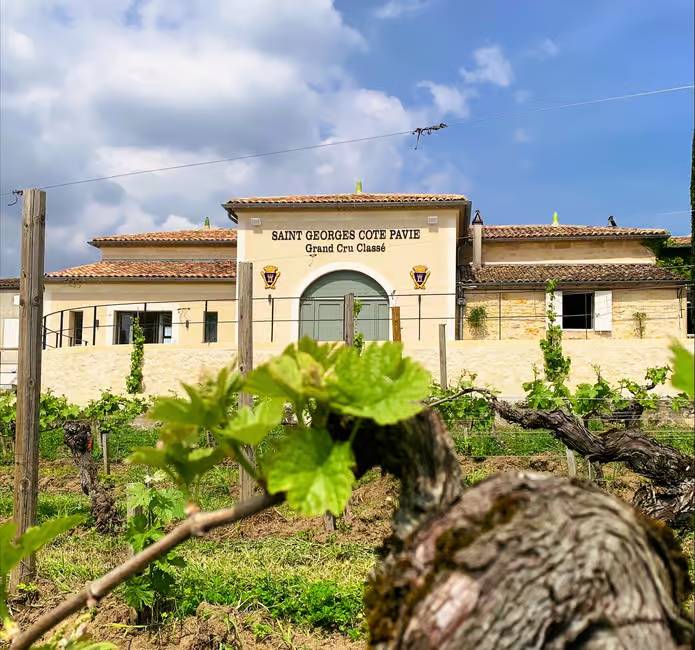
Château Pavie: Known for its spectacular south-facing slopes and bold, concentrated style. It has maintained its “A” status since 2012, representing the “power” and “intensity” of modern Saint-Émilion.
2. Premier Grand Cru Classé ‘B’ (The Elite 12)
These 12 estates are the “Super-Seconds” of the Right Bank. They are world-class wines that often rival the “A” rank in critical scores.
The Modernists: Château Valandraud (the original garage wine) and Château La Mondotte.
The Terroir Icons: Château Canon and Château Clos Fourtet, both famous for their limestone-plateau elegance.
The Powerhouses: Château Troplong Mondot and Château Larcis Ducasse.
The Traditionalists: Château Beau-Séjour Bécot, Beauséjour Duffau-Lagarrosse, Château Belair-Monange, Château Canon-la-Gaffelière, Château Pavie Macquin, and Château TrotteVieille.
3. Grand Cru Classé (The 71)
The largest tier, representing 71 estates that have passed a rigorous quality audit. This group is the “backbone” of the region’s reputation, offering exceptional quality and distinct personality.
Notable Names: Château Fleur Cardinale, Château Grand Corbin-Despagne, and Château Soutard. These estates provide the best “value-to-prestige” ratio for collectors
The “Invisible” Tier: The 2022 Scandal
The most shocking development of the 2022 update was not who was added, but who walked away. The “Big Three”—Château Cheval Blanc, Château Ausone, and Château Angélus—voluntarily withdrew from the classification.
Why did they leave?
The “Social Media” Dispute: The estates argued that the new 2022 criteria put too much weight on “soft” factors like social media presence, tourism facilities, and international PR, rather than strictly focusing on terroir and wine quality.
Brand Independence: These estates have reached such a level of global fame that they no longer “need” the classification to sell their wine. By leaving, they avoided the risk of being judged by a panel every ten years, effectively declaring themselves “above” the system.
While they no longer appear on the official 2022 list, the market still treats them as the undisputed kings of the region, creating a “shadow” top tier of unclassified legends.
Important Distinction: AOC Saint-Émilion Grand Cru
It is vital to distinguish between a “Grand Cru Classé” (the 85 listed above) and “Saint-Émilion Grand Cru.”
Saint-Émilion Grand Cru: This is a geographic AOC with stricter production rules than basic Saint-Émilion. There are hundreds of these properties.
Classified Growth (Classé): Only the 85 estates that have passed the 10-year review can add the word “Classé” to their label. This word is the legal key to their luxury status.