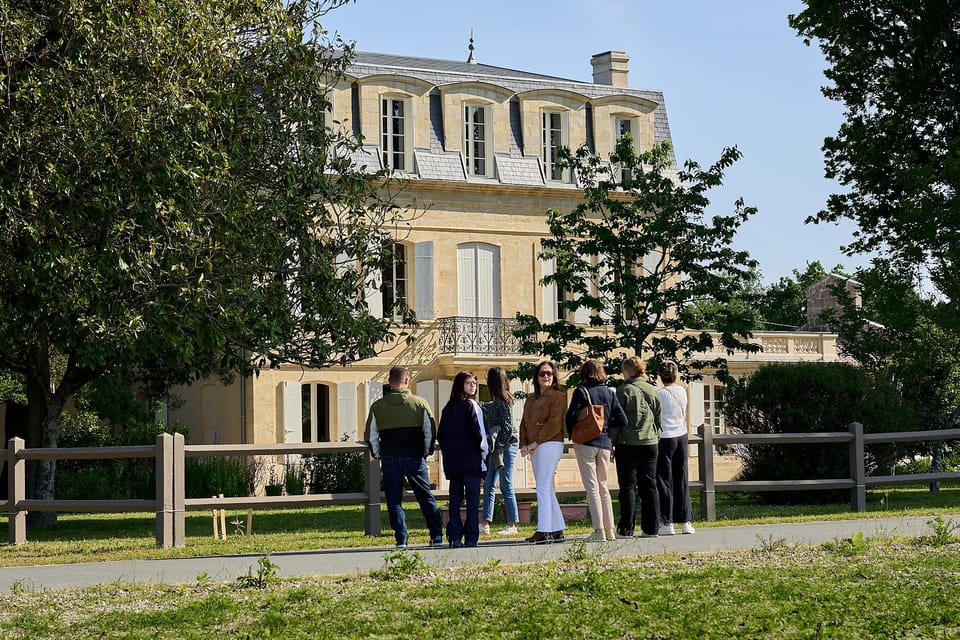
Bordeaux’s most impressive château architecture is not confined to a single style, century, or appellation. A drive through the Médoc, Graves, Saint-Émilion, or Sauternes can move from a neoclassical façade worthy of an English country estate to a crimson contemporary winery, then on to a tower that predates the modern wine trade entirely. For wine travelers, these estates offer more than a beautiful backdrop for a tasting. They reveal how ambition, inheritance, terroir, and design have shaped Bordeaux’s identity.
Why Bordeaux châteaux look so different
The word château can be misleading. In Bordeaux, it usually refers to a wine estate, not necessarily a medieval castle. Some properties have grand residences with landscaped grounds; others began as working farms, monastic holdings, or fortified manors. Their architecture evolved as fortunes changed and wine became an international luxury product.
The 18th and 19th centuries left a particularly dramatic mark. As Bordeaux merchants expanded global trade, leading families rebuilt estates to signal confidence to buyers in London, Amsterdam, and beyond. The result is an extraordinary range of architectural statements: symmetry and restraint in Margaux, fantasy in Saint-Estèphe, old-world fortification in Pessac-Léognan, and bold experimentation in Saint-Émilion.
A château visit is therefore part cellar tour, part cultural history. The best experiences make the connection clear, showing how the property’s buildings support the work in the vineyards and winery rather than treating architecture as a separate attraction.
Bordeaux’s most impressive château architecture, estate by estate
Château Margaux: Palladian poise in the Médoc
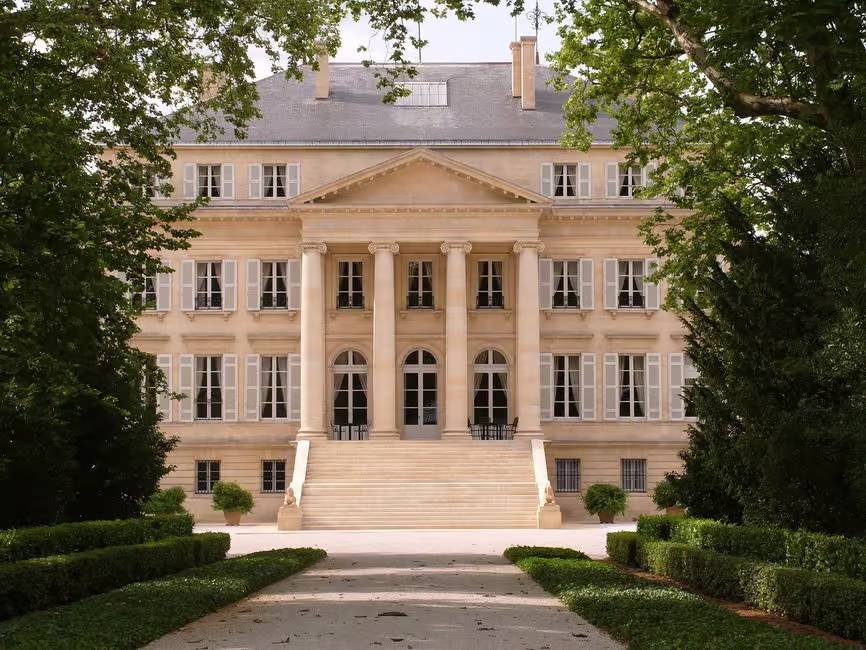
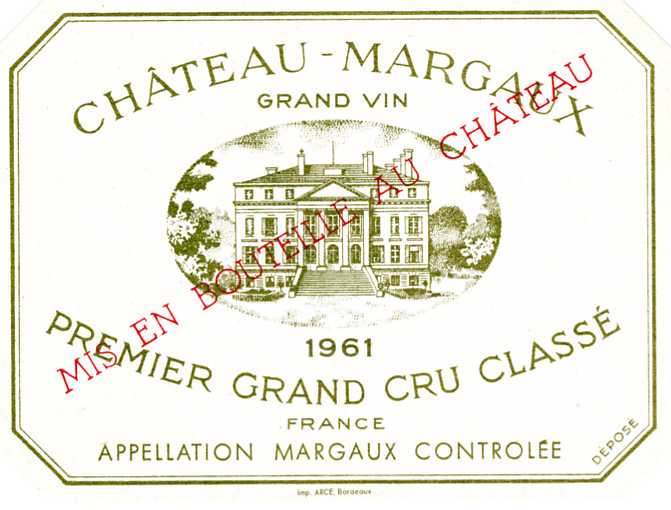
Château Margaux is Bordeaux at its most instantly recognizable. Its graceful, columned residence was designed by Louis Combes in the early 19th century, drawing on the balanced proportions of neo-Palladian architecture. The white façade, broad portico, and formal setting give the estate a composure that feels almost ceremonial.
That visual assurance mirrors the reputation of the wine. In an appellation famed for Cabernet Sauvignon-led blends, Château Margaux has long represented refinement and perfume rather than sheer force. The architecture prepares visitors for that idea before a bottle is ever opened. This is a compelling stop for travelers who want the classic image of a Left Bank first growth, although availability for visits can be limited and advance planning is essential.
Château Pichon Baron: a romantic statement in Pauillac
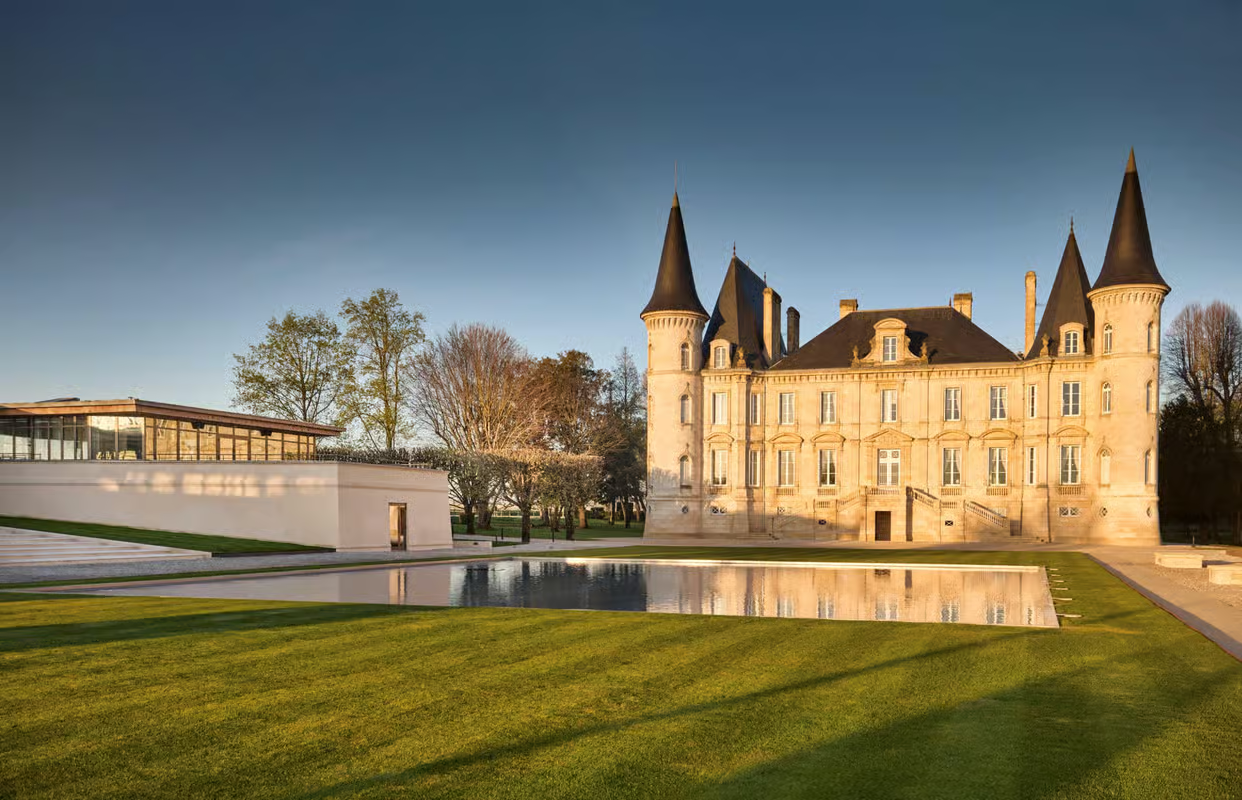
At Château Pichon Baron, the visual language shifts from neoclassical restraint to theatrical romance. The current château, built in the mid-19th century, rises behind a reflective pond with turrets, steep roofs, and a silhouette that feels distinctly storybook. It is one of the most photographed estates in Pauillac for good reason.
Its setting is part of the experience. The building’s reflection in the water gives it a sense of scale, while the surrounding vineyards keep the scene rooted in the Médoc rather than pure fantasy. For travelers comparing Pauillac estates, Pichon Baron offers a memorable contrast to more austere properties. It is an elegant example of how château architecture became a form of brand expression long before modern wine marketing existed.
Château Cos d’Estournel: the exotic vision of Saint-Estèphe
Few Bordeaux estates are as unmistakable as Château Cos d’Estournel. Its pagoda-like towers, carved gates, and ornamental details reflect the fascination with Asian art that surrounded founder Louis-Gaspard d’Estournel in the 19th century. He traded extensively with the East and transformed the property into a personal architectural vision.
The effect is surprising, especially amid the ordered rows and pale stone buildings of the northern Médoc. Yet it is not merely decorative. Cos d’Estournel tells a larger Bordeaux story: this region’s great wines were always connected to global commerce, shipping, and cultural exchange. A visit here suits travelers who enjoy estates with personality and a little visual drama, alongside serious Cabernet-based wines.
Château Haut-Brion: history written in stone
Château Haut-Brion, in Pessac-Léognan just outside Bordeaux city, delivers a different kind of grandeur. Its architecture has the layered, weathered presence of a property whose wine history reaches back centuries. Rather than a single monumental gesture, the estate’s identity rests in its sense of continuity: towers, old stone, formal grounds, and a château that has witnessed Bordeaux’s rise as a world wine capital.
This is an especially meaningful stop for travelers with limited time in the city. It demonstrates that a historic vineyard landscape can exist remarkably close to urban Bordeaux. The estate’s visual character feels more intimate and ancestral than the grandest Médoc showpieces, which is precisely its appeal.
Château d’Yquem: a hilltop icon in Sauternes
Château d’Yquem commands attention before visitors reach the gate. Set high above the surrounding landscape, the estate is marked by its historic tower and elevated position, a visual reminder of why this site is so prized. In Sauternes, the interaction of morning mists, sunshine, and vineyard exposure makes possible the noble rot that defines the region’s celebrated sweet wines.
The architecture does not overwhelm the landscape here. Instead, it frames the view. The estate’s hilltop setting makes terroir tangible: visitors can look outward over the vines and understand that Yquem’s status depends as much on place as on prestige. It is a more contemplative experience than the flamboyant spectacle of Cos d’Estournel, particularly rewarding for guests curious about the making of botrytized wines.
Château Cheval Blanc and Château La Dominique: Saint-Émilion looks forward
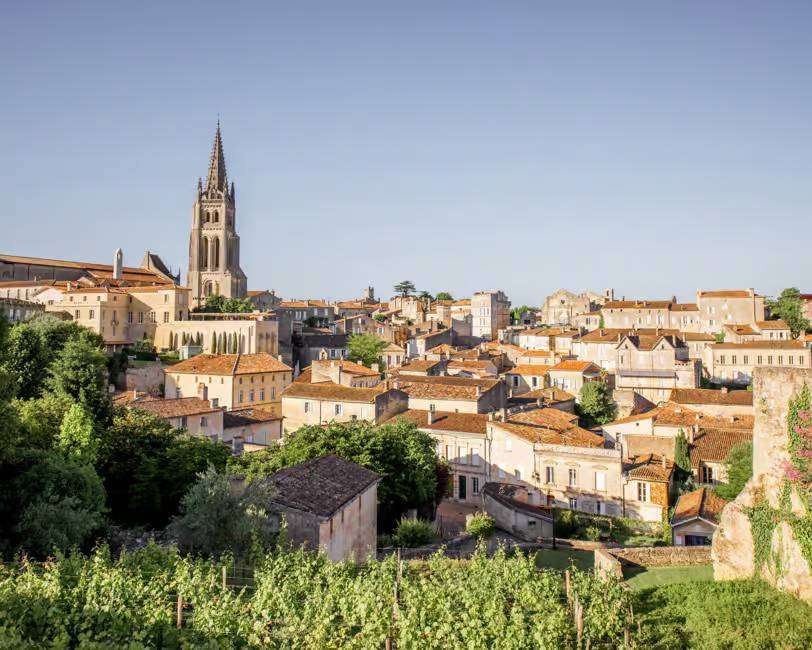
Bordeaux architecture is not frozen in the past. Near Saint-Émilion, Château Cheval Blanc’s winery by architect Christian de Portzamparc has become a landmark of contemporary wine design. Its sweeping white canopy appears to float above the production spaces, bringing softness and movement to a highly technical building. The design is striking, but it also addresses the practical demands of gravity flow, precision winemaking, and careful parcel selection.
Nearby, Château La Dominique makes a wholly different modern statement. Its vivid red winery, designed by Jean Nouvel, is deliberately bold against the vineyard landscape. A mirrored upper level and rooftop terrace create a destination in their own right, with views toward neighboring vines and the village of Saint-Émilion.
These estates are ideal for travelers who want to see Bordeaux as a living design culture, not a museum of aristocratic façades. Modern architecture can feel less romantic to visitors who dream of turrets and antique stone, but it often provides a clearer view of how fine wine is made today.
How to build an architecture-led Bordeaux wine route
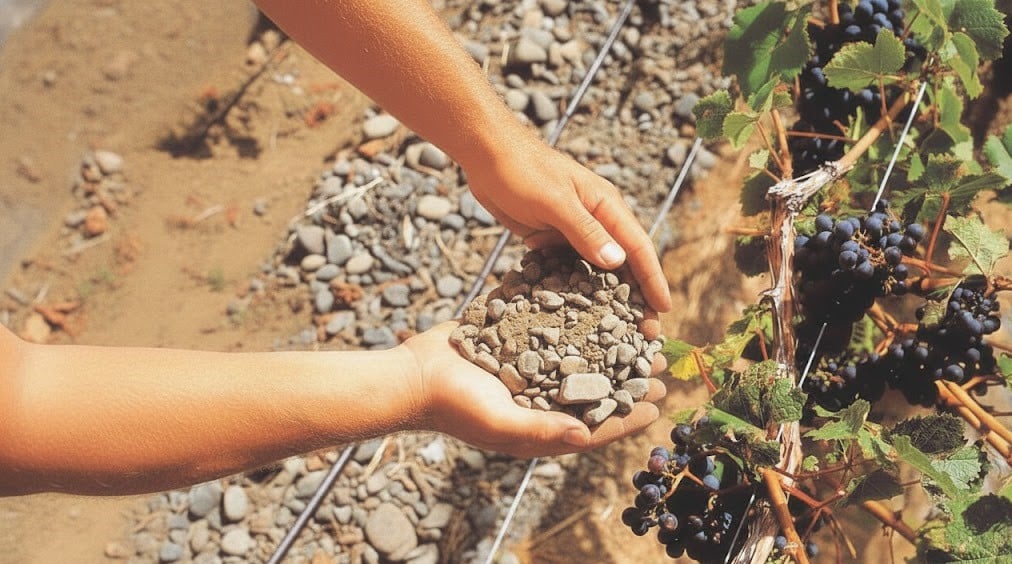
The most satisfying itinerary pairs architectural contrast with regional logic. A day in the Médoc might combine the serenity of Château Margaux, the romantic silhouette of Pichon Baron, and the exuberance of Cos d’Estournel. The drive itself becomes part of the experience, with small villages, gravelly vineyard plots, and a shifting parade of estate gates.
For a route closer to Bordeaux city, pair the historic atmosphere of Haut-Brion with a contemporary Pessac-Léognan winery, then continue east toward Saint-Émilion for Cheval Blanc or La Dominique. Travelers with an extra day should reserve time for Sauternes, where Yquem’s hilltop presence adds another architectural and vinous register.
Access varies widely. Some famous châteaux welcome visitors only through private appointments, while others offer regular tours, tastings, or seasonal experiences. Architecture alone should not determine a booking. Consider the language of the tour, the depth of the vineyard and cellar visit, transportation needs, tasting format, and whether the estate’s wines match your interests. Wine Tour Searcher can help compare experiences across these different styles of visit, from landmark properties to more intimate family-run estates.
Look beyond the postcard façade
The finest Bordeaux château visits reveal an essential truth: appearance and wine are connected, but not in a simplistic way. A grand 19th-century residence may speak to a historic moment of commercial success. A new cellar may show how an estate is responding to climate, precision viticulture, and modern hospitality. An older tower may preserve the memory of a vineyard long before classification systems and global collectors.
Leave room in your itinerary for one château that is famous, one that is architecturally unexpected, and one chosen primarily for the wine in your glass. That combination turns a Bordeaux tasting trip into a richer encounter with the region’s enduring sense of place.
Some Wine Experiences in Bordeaux
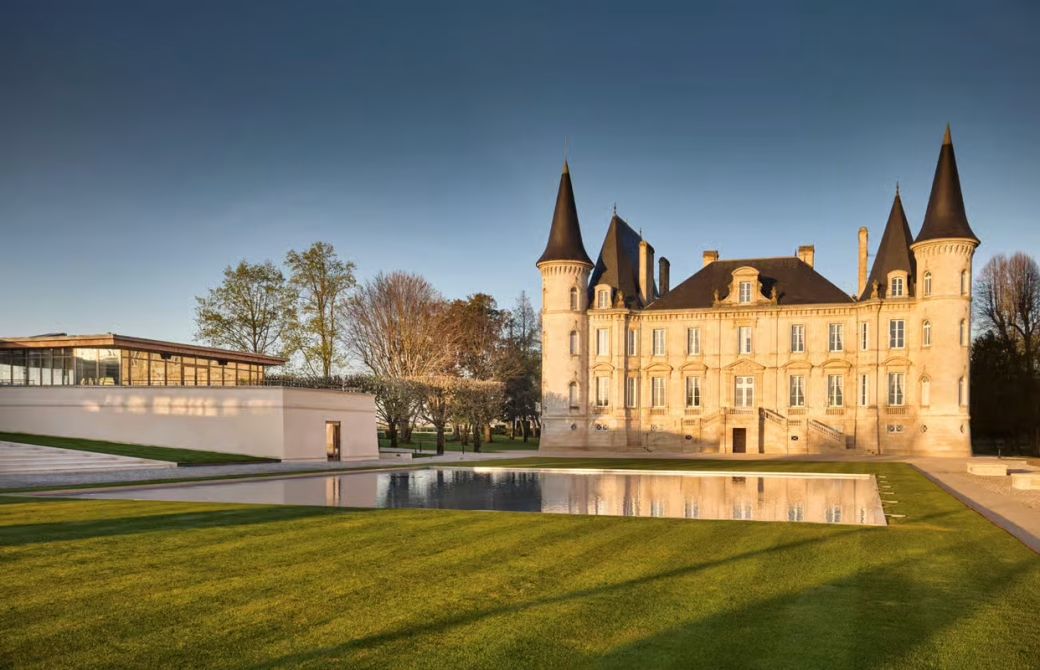
Full Day Private Medoc Wine Tour from Bordeaux
A private Medoc wine tour from Bordeaux. Customize your day with a wine expert guide, visit 3 châteaux of your choice, and enjoy 8 professional tastings. The tour Participate in an exclusive private Medoc wine tour from Bordeaux, a…
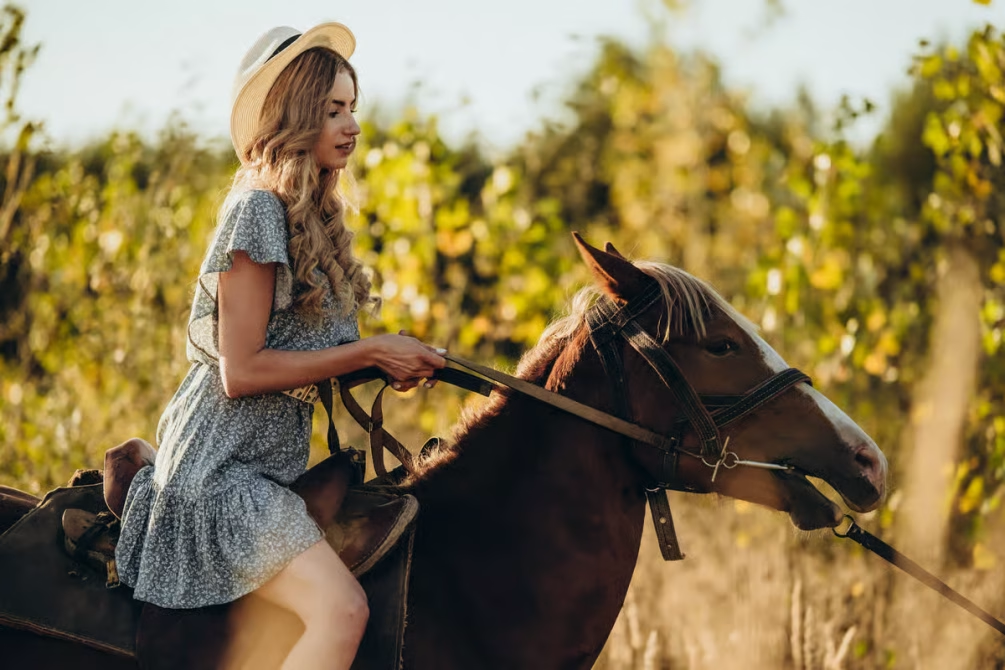
Bordeaux Vineyard Horse Ride with Wine Tasting
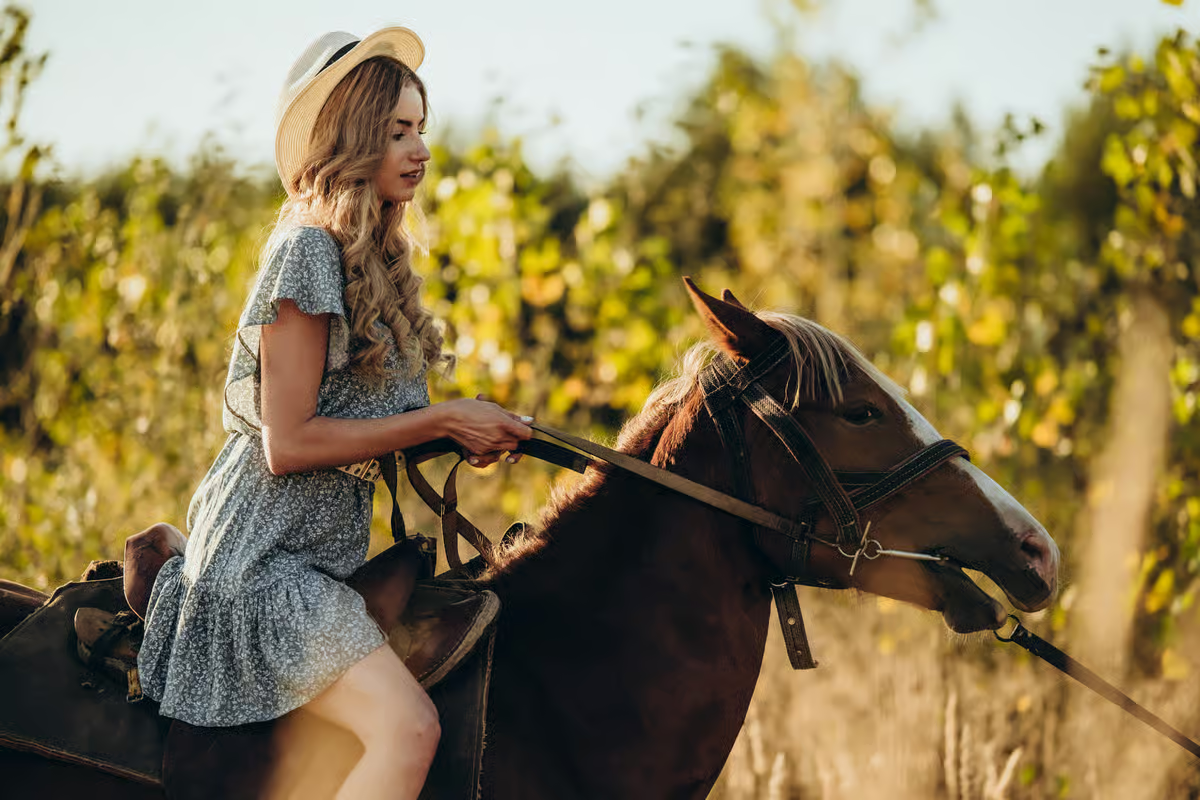
Experience a Bordeaux vineyard horse ride with wine tasting. Enjoy a guided horse trek through Bordeaux vines followed by a château visit and professional tasting The tour Experience the timeless elegance of the French countryside with a Bordeaux vineyard…
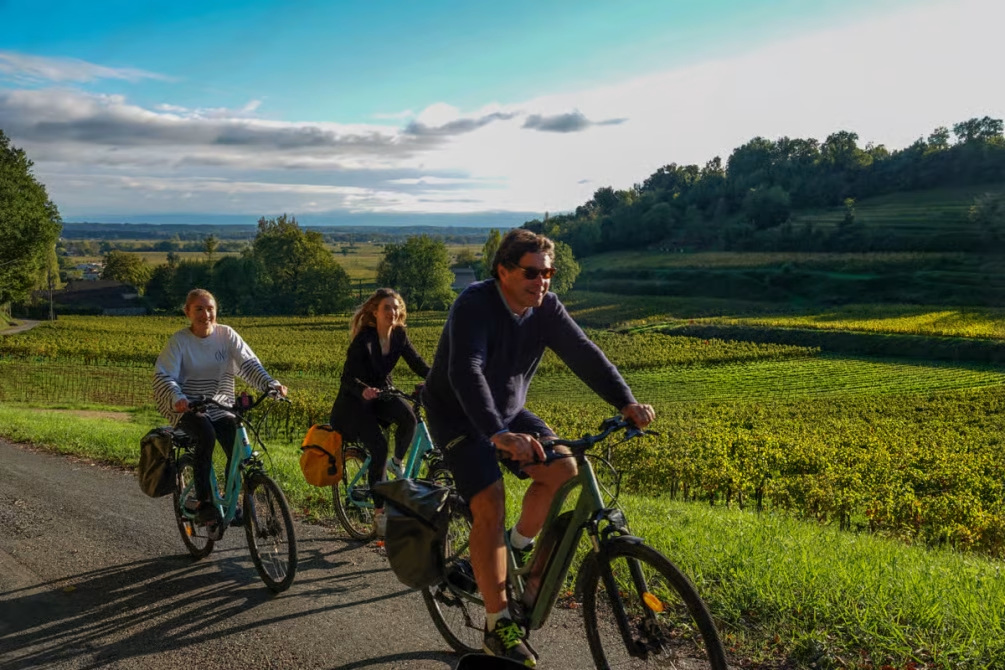
Saint-Émilion Wine E-Bike Tour with Wine Tasting & Picnic Lunch
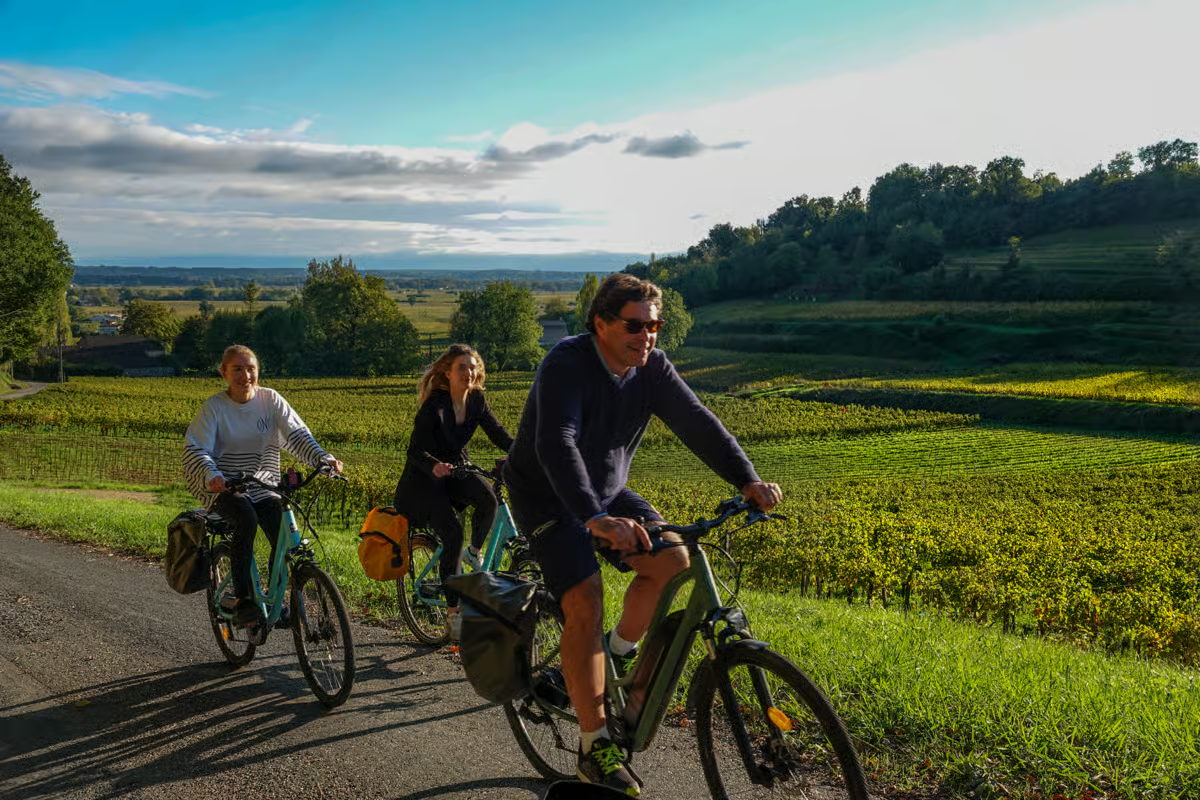
Experience a Saint-Émilion wine e-bike tour with wine tasting. Visit two châteaux, enjoy a gourmet picnic, and sample 10+ premium wines with an expert guide. The tour Participate in a comprehensive Saint-Émilion wine e-bike tour with wine tasting, a…
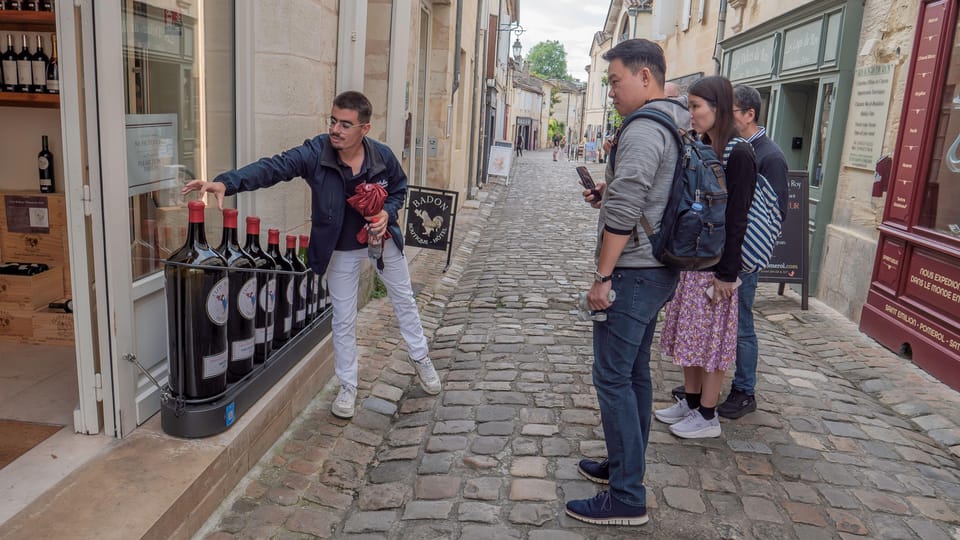
Bordeaux: Saint-Emilion and Medoc Full-Day Wine Experience
About the Tour Embark on the ultimate vinous journey through France’s most celebrated vineyards with a Bordeaux Saint-Émilion and Médoc full-day wine tour. This immersive excursion is expertly designed to showcase the striking contrasts between the Right Bank and…