Table of Contents
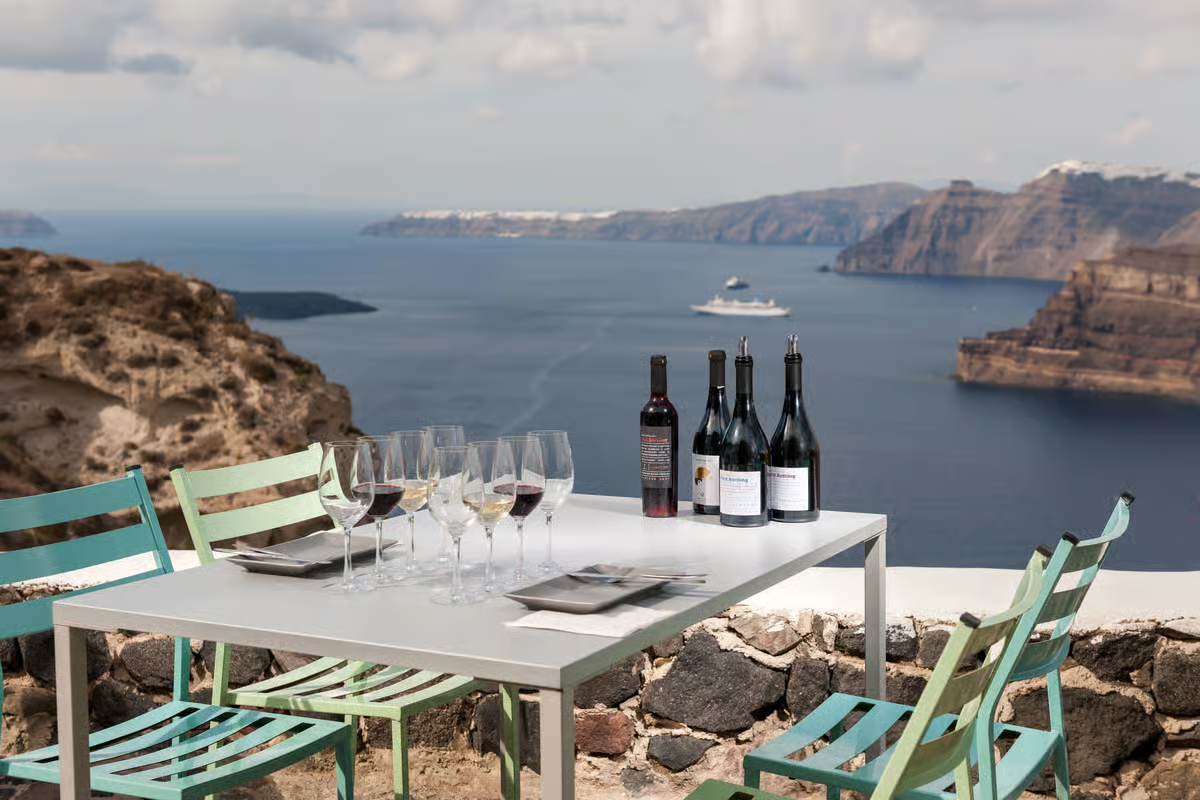
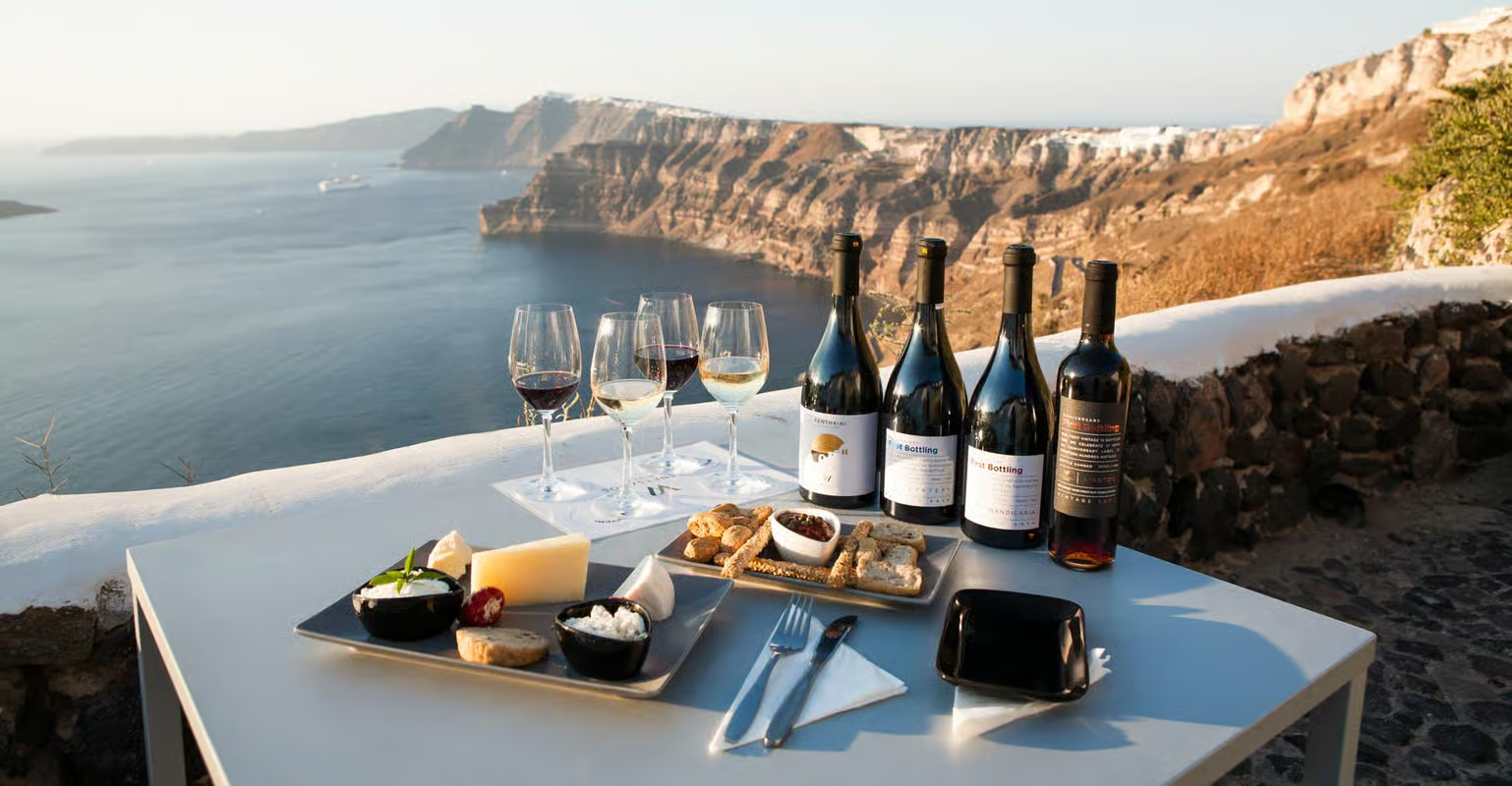
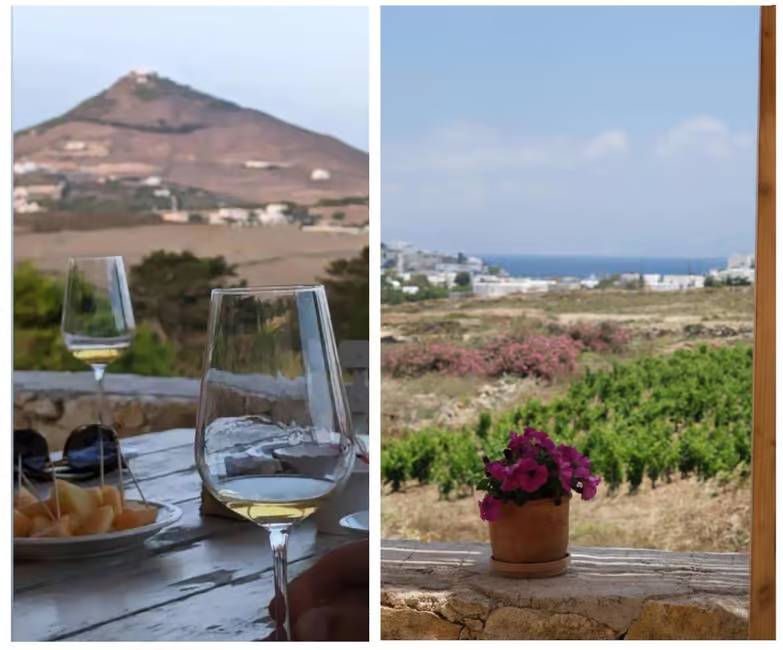
Standing on the sun-drenched terrace of a Ktima in Santorini, with the Aegean Sea shimmering like liquid sapphire below, you realize that Greek wine isn’t just a drink—it’s a 3,000-year-old conversation. My first encounter with a true Wine tour in the Peloponnese changed everything I thought I knew about viticulture. I remember the smell of wild thyme and salty air as a local producer handed me a glass of crisp Assyrtiko. It was sharp, mineral, and utterly alive.
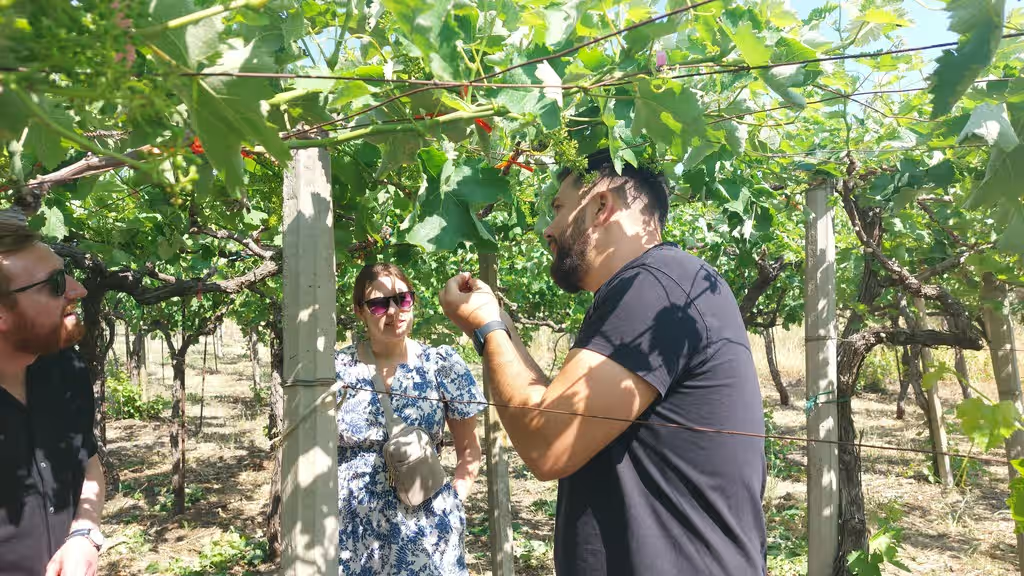
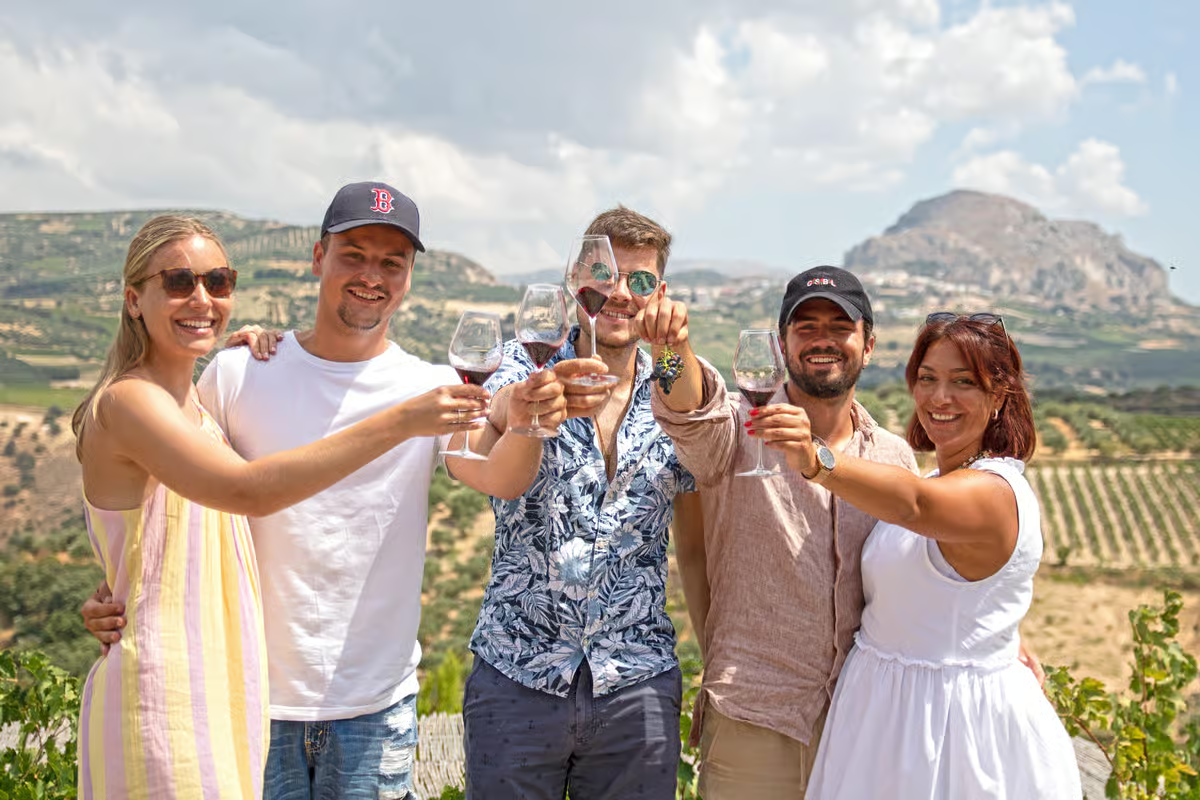
Traveling through Greece’s wine regions is an exercise in “slow travel.” You aren’t just hopping from one Wine tasting to another; you are navigating the soul of a landscape that has survived empires. Whether you are wandering through the high-altitude vineyards of Naoussa or the volcanic craters of the Cyclades, the hospitality (Philoxenia) is as intoxicating as the Xinomavro. For those of us who live for the story behind the bottle, Greece offers a complexity that modern “industrial” wine regions simply cannot replicate. It is raw, elegant, and deeply personal. This guide is born from those dusty roads and late-night symposia, designed to help you navigate the logistics of a country where every vine feels like a monument.


Bred by the Breeze
Planning a wine tour or Winery in Greece How to go there
-
Navigating the Greek wine landscape requires a strategic approach to entry points, as the best estates are often tucked away in rugged highlands or on remote islands.
-
Athens International Airport (ATH): This is your primary hub, offering the most robust connection to the mainland regions of Attica, Nemea, and Mantineia.
-
Thessaloniki Airport (SKG): The essential gateway for Northern Greece; it provides immediate access to the “Xinomavro Route” encompassing Naoussa, Amyndeon, and Drama.
-
Santorini (Thira) International Airport (JTR): While reachable by ferry, flying directly into JTR during the season (April–October) saves vital hours for exploring the island’s unique “Koulara” vine-training systems.
-
Regional Hubs: Consider Patras for Western Peloponnese explorations or Heraklion (HER) for the burgeoning high-altitude wine scene in Crete.
-
Book your Flight Ticket to Greece
Rent a Car in Greece
Distances from Greek Main Cities to Key Wine Regions
Navigating the Greek wine landscape requires a strategic approach to entry points, as the best estates are often tucked away in rugged highlands or on remote islands.
-
Athens International Airport (ATH): This is your primary hub, offering the most robust connection to the mainland regions of Attica, Nemea, and Mantineia.
-
Thessaloniki Airport (SKG): The essential gateway for Northern Greece; it provides immediate access to the “Xinomavro Route” encompassing Naoussa, Amyndeon, and Drama.
-
Santorini (Thira) International Airport (JTR): While reachable by ferry, flying directly into JTR during the season (April–October) saves vital hours for exploring the island’s unique “Koulara” vine-training systems.
-
Regional Hubs: Consider Patras for Western Peloponnese explorations or Heraklion (HER) for the burgeoning high-altitude wine scene in Crete.
| Departure City | Target Wine Region | Distance (km) | Estimated Time |
|---|---|---|---|
| Athens | Nemea | 120 km | 1h 30m |
| Athens | Mantineia | 160 km | 2h 00m |
| Athens | Attica (Mesogaia) | 35 km | 0h 45m |
| Athens | Patras | 215 km | 2h 30m |
| Thessaloniki | Naoussa | 90 km | 1h 15m |
| Thessaloniki | Amyndeon | 140 km | 1h 45m |
| Thessaloniki | Drama | 150 km | 1h 50m |
| Thessaloniki | Epanomi | 30 km | 0h 35m |
| Thessaloniki | Goumenissa | 75 km | 1h 05m |
| Ioannina | Zitsa | 25 km | 0h 30m |
| Heraklion | Peza (Crete) | 20 km | 0h 30m |
| Patras | Slopes of Aigialeia | 40 km | 0h 50m |
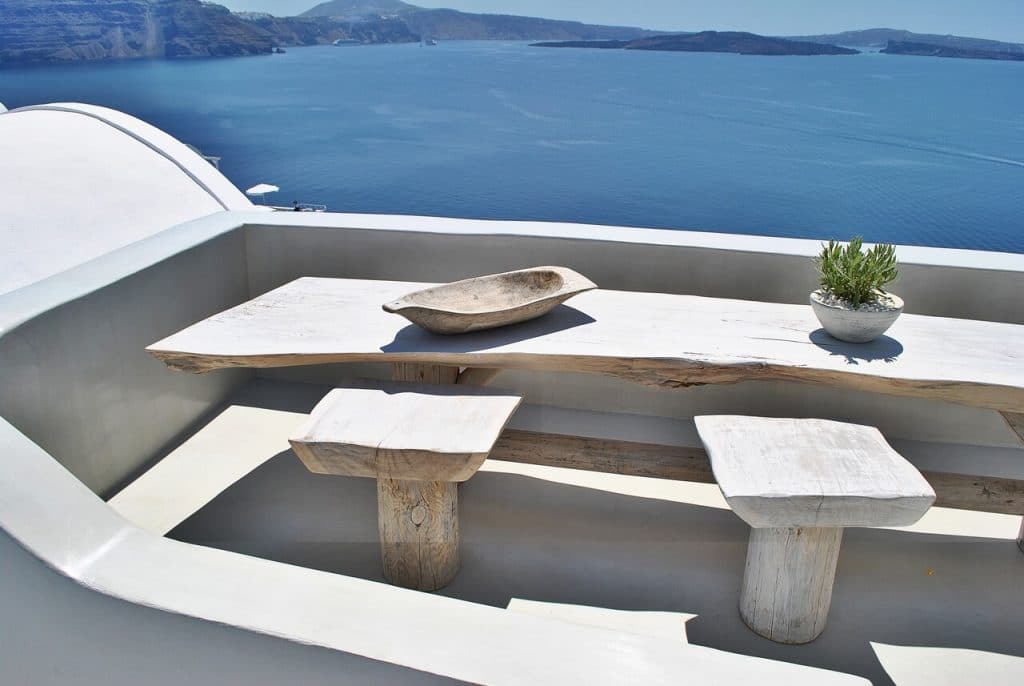
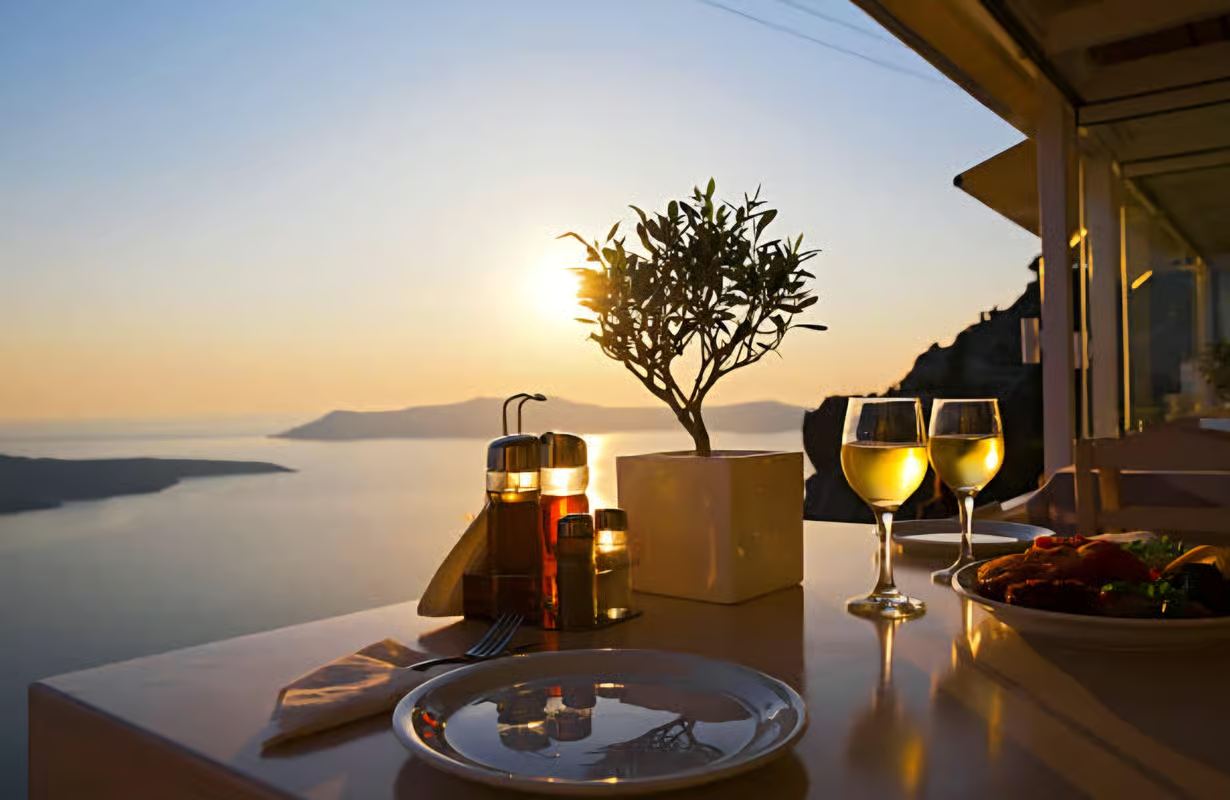
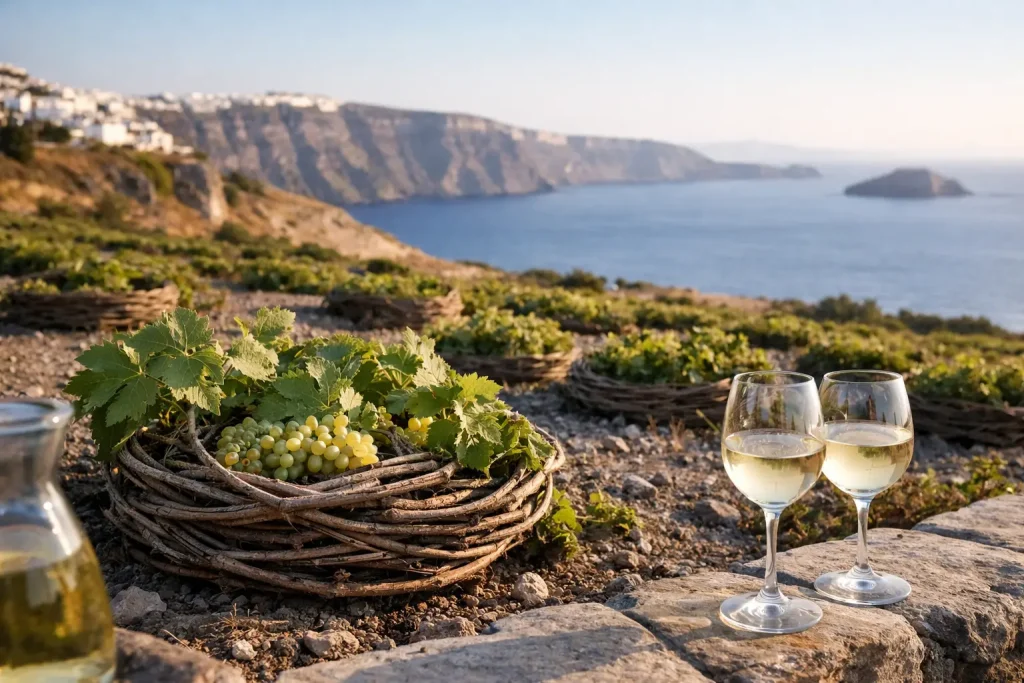
santorini is a great place to sip crispy mineral wite wines of Greece under the blue sky and facing the aegean sea
Budgeting Your Greek wine tour experience
Average Price Estimates
1. Accommodation: From Village Guesthouses to Luxury Estates
The cost of your stay is heavily dictated by the region’s “prestige factor” and the proximity to the vineyards.
-
Budget (45€ – 75€ per night): Located primarily in mainland hubs like Nemea or Naoussa, these are often family-run “Archontika” (traditional mansions) or stone-built guesthouses. They offer authentic charm and localized service but may lack high-end amenities like pools or on-site spas.
-
Mid-Range (120€ – 220€ per night): This tier focuses on boutique wine hotels or specialized Agriturismo-style estates. You can expect modern comforts, vineyard views, and often an inclusive breakfast featuring local organic produce. These are ideal bases for a multi-day Private tour.
-
Luxury (450€ – 1,200€+ per night): Dominating the Santorini caldera and elite mainland estates (Ktima), these accommodations offer “bucket-list” experiences. Expect private plunge pools, 24-hour concierge services, and exclusive access to the estate’s private cellars.
2. Dining: A Gastronomic Spectrum
Greek cuisine offers exceptional “price-to-quality” ratios, though fine dining in wine-centric hubs is rising in price.
-
Budget (20€ – 35€ per person): Dining at traditional Tavernas or Ouzeris. This includes a variety of local mezes, a main meat or vegetable dish, and a liter of high-quality “barrel wine” from the region. It is the most authentic way to experience local food pairings.
-
Mid-Range (50€ – 90€ per person): Modern Greek bistros and upscale wine bars. This allows for a three-course meal paired with specific bottled wines from the estate’s list. The service is more formal, and the wine lists are curated to showcase indigenous varieties.
-
Luxury (150€ – 300€+ per person): High-concept gastronomy or Michelin-starred dining, particularly in Athens or Santorini. These experiences often feature “Degustation” menus specifically designed to pair with “Grand Reserve” labels and rare vertical vintages.
3. Wine Tastings: Accessing the Cellar
Tasting fees vary based on the rarity of the pours and the level of expert guidance provided during the session.
-
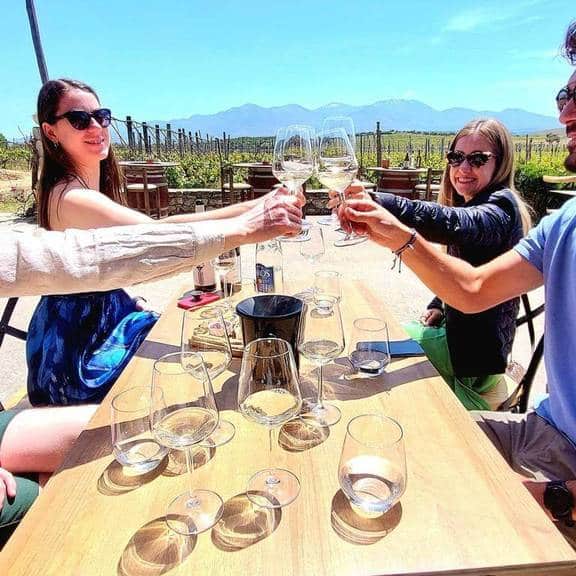
Budget (5€ – 15€ per flight): A standard Wine tasting of 3 to 5 current release labels at a cooperative or a smaller family-run Estate. In many mainland regions, these fees are waived if you purchase two or more bottles.
-
Mid-Range (30€ – 60€ per flight): A more comprehensive session, often including a guided tour of the production facilities and barrel rooms. These tastings usually include premium labels, local cheese pairings, and a more in-depth educational component.
-
Luxury (100€ – 250€+ per person): Exclusive Private tour experiences led by the head winemaker or a senior sommelier. These sessions often feature library releases, vertical tastings of flagship wines (like a 10-year-old Xinomavro), and gourmet food pairings in a private cellar setting.
Find the Best Places to Stay in Greece
Best Period to visit Greece
Spring (Rebirth): April to June
This is arguably the most beautiful time for a Private tour of the Greek countryside.
-
The Landscape: The vineyards are a vibrant, neon green as the “budburst” begins. Wildflowers carpet the rows between the vines, particularly in regions like Nemea and Mantineia.
-
The Experience: Temperatures range from 18°C to 25°C, making it ideal for walking the vineyards without the oppressive heat of summer.
-
Wine Focus: This is the perfect season for tasting the new releases of crisp white wines (like Moschofilero or Malagousia) and fresh rosés. Wineries are less crowded, allowing for longer, more intimate conversations with the winemakers.
Summer (Peak): July to August
The height of the Greek summer is a high-energy period, characterized by intense sun and a festive atmosphere.
-
The Landscape: The sun is relentless, and the vines are working hard to ripen the grapes. In Santorini, the “Koulara” baskets provide essential shade to the fruit as the ground reaches high temperatures.
-
The Experience: It is very hot (often exceeding 35°C). While the islands are buzzing with tourism, the mainland wine regions are quieter. Many estates offer tastings in cool, subterranean cellars.
-
Wine Focus: This is the season for “High-Acid” whites. There is nothing quite like a chilled Assyrtiko or a Robola from Cephalonia enjoyed by the sea. Be aware that prices for accommodation and transport are at their annual peak.
Autumn (Harvest): September to October
For the serious wine enthusiast, the “Trigos” (harvest) is the most vital period to visit.
-
The Landscape: The air is thick with the scent of fermenting must. The leaves begin to turn golden and amber, especially in the cooler northern regions like Naoussa.
-
The Experience: You will see tractors laden with grapes and teams of pickers in the fields. While winemakers are at their busiest, the energy is infectious. It is the most “authentic” time to see the life cycle of a Château.
-
Wine Focus: This is the time to taste “in-progress” wines and participate in harvest festivals. The weather is still warm enough for swimming in the islands, but the nights on the mainland become crisp and comfortable.
Winter (Quiet): November to March
A season often overlooked, winter offers a contemplative and highly specialized wine experience.
-
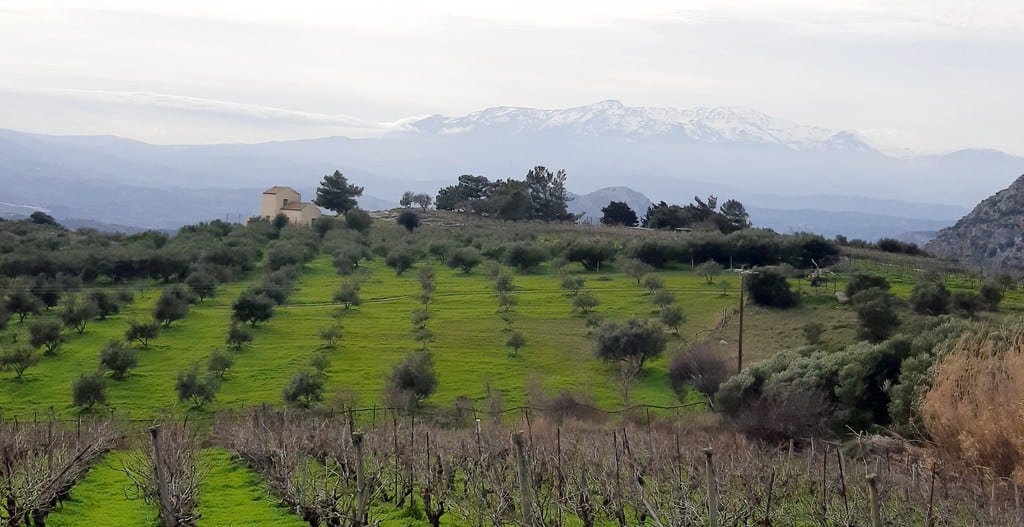
The Landscape: The vines are dormant, and the mountains of Macedonia and Epirus are often dusted with snow.
-
The Experience: Most island wineries close their doors to the public, but the mainland estates in Central and Northern Greece welcome visitors to their tasting rooms with roaring fireplaces.
-
Wine Focus: This is “Red Wine Season.” It is the best time to explore the complex, tannic Xinomavro of Naoussa or the rich, velvety Agiorgitiko of Nemea paired with hearty local stews. It is also the most budget-friendly time to travel, with significantly lower rates for luxury accommodation.
Ancient Earth, Modern Wine
Main towns and places in Greece Sanctuaries of Stone: The Towns That Guard the Vines
Athens & Attica: The Ancient Epicenter
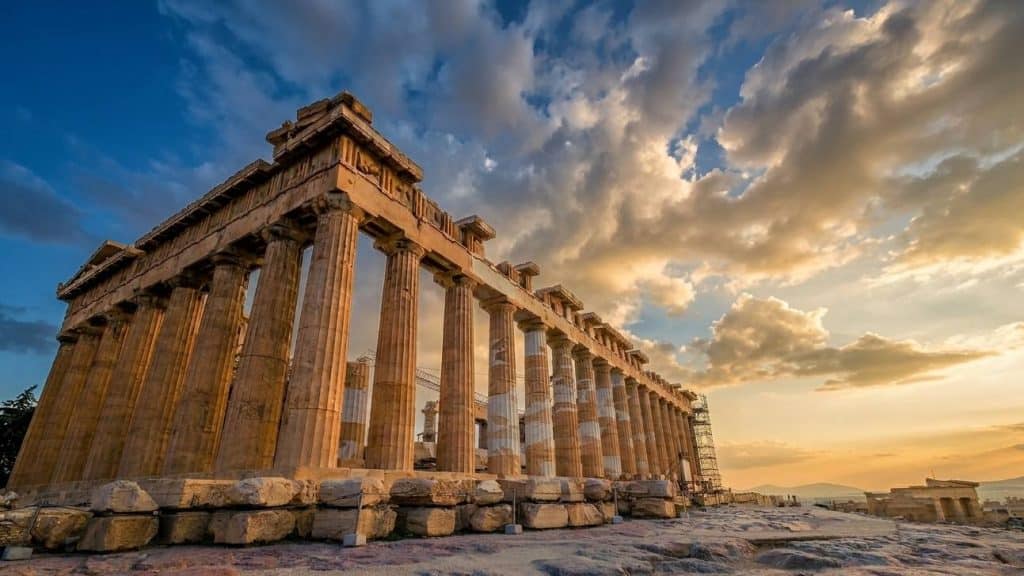
Athens and its numerous open air archeological sites. Acropolis is of course a must see.
Athens is a high-energy blend of ancient ruins and a cutting-edge wine revolution that acts as the primary gateway to the Greek soul. Visitors should expect a sophisticated, fast-paced atmosphere where world-class wine bars in the Plaka and Koukaki districts are revitalizing indigenous varieties like the mineral-driven Savatiano. A stay here is incomplete without a wine tour to the nearby Mesogaia plain and a visit to the National Archaeological Museum to understand the 3,000-year history of the symposium. Athens is essential because it bridges the gap between the monumental past and a future-forward dining scene, making it the perfect starting point for any odyssey into the Peloponnese.
Nafplio: The Gateway to the Peloponnese
Arguablyone of the most romantic city in the Mediterranean, Nafplio serves as a polished, “Old-World” sanctuary of Venetian architecture and neoclassical elegance. Expect a refined pace of life characterized by seaside promenades and boutique hotels that cater specifically to the discerning wine traveler. This city is the strategic nerve center for exploring Nemea, the “Bordeaux of Greece,” located just 30 minutes away and famous for the velvet, deep-red Agiorgitiko grape. A must-visit experience involves climbing the 999 steps of the Palamidi Fortress for a panoramic view of the Argolic Gulf before descending for a Wine tasting in the central Syntagma Square.
Thessaloniki: The Gastronomic Soul
As the “Culinary Capital” of Greece, Thessaloniki offers a gritty, vibrant, and unapologetically authentic energy rooted in its Byzantine and Ottoman heritage. This is a city where food and wine are inseparable; visitors must explore the historic Modiano and Kapani markets to witness the raw ingredients that define the bold, northern terroir. It serves as the vital hub for the “Wines of North Greece,” connecting the coastal Estate locations of Epanomi with the legendary, tannic Xinomavro vineyards of Naoussa. Expect an unparalleled food scene where every meal is an educational pairing.
Heraklion: The Gateway to Ancient Crete
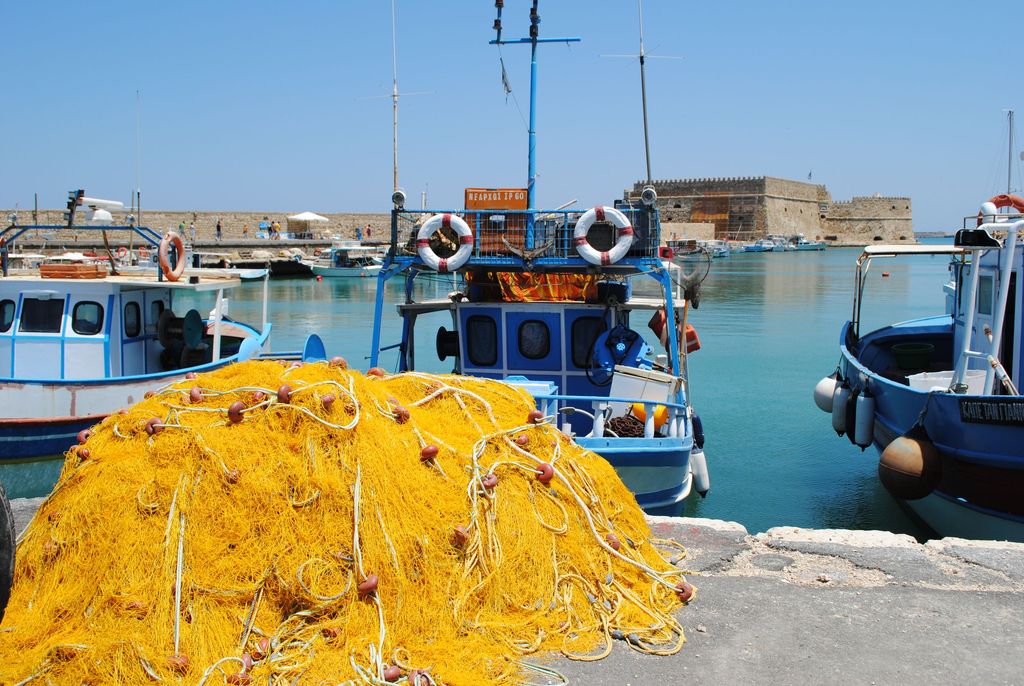
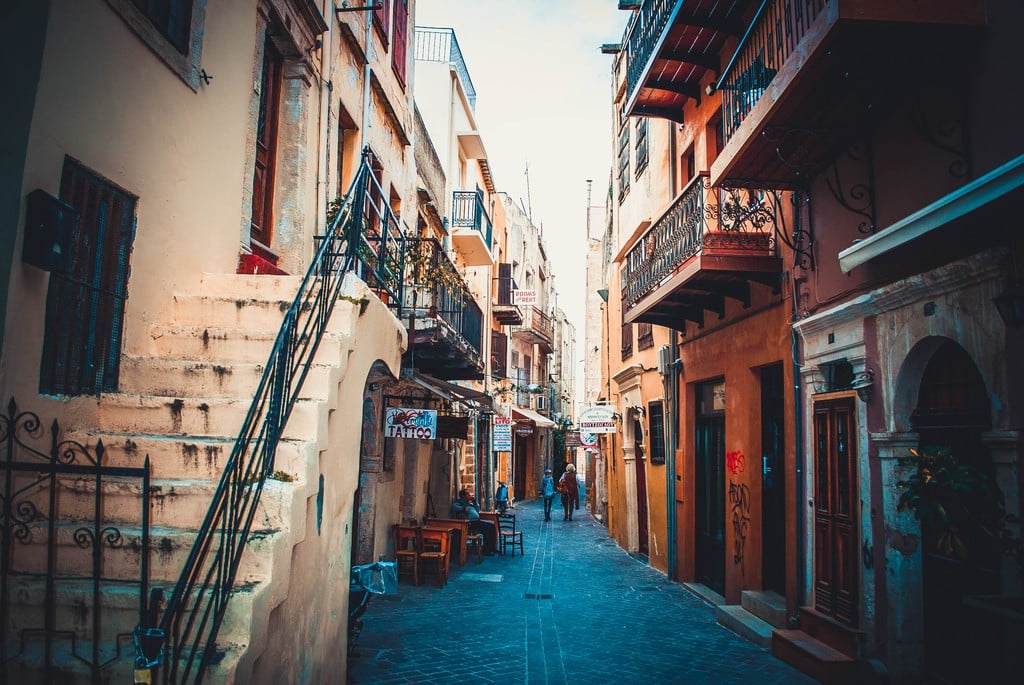
Heraklion, the venetian harbor
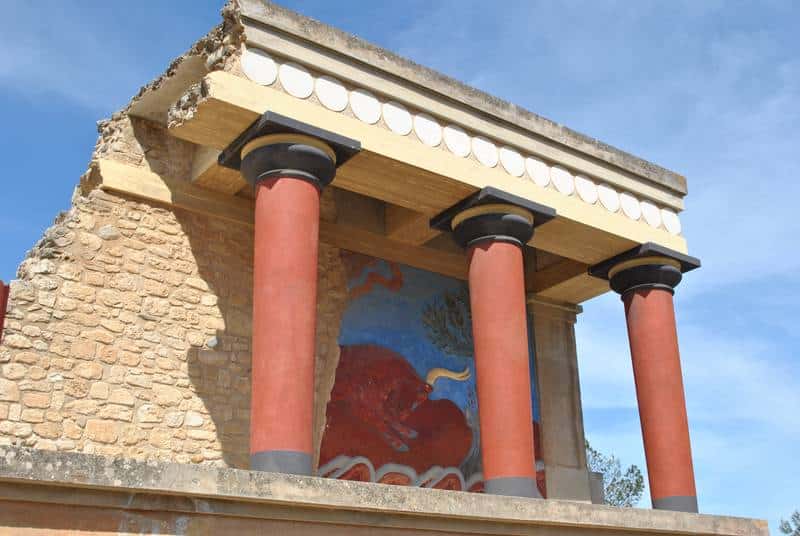
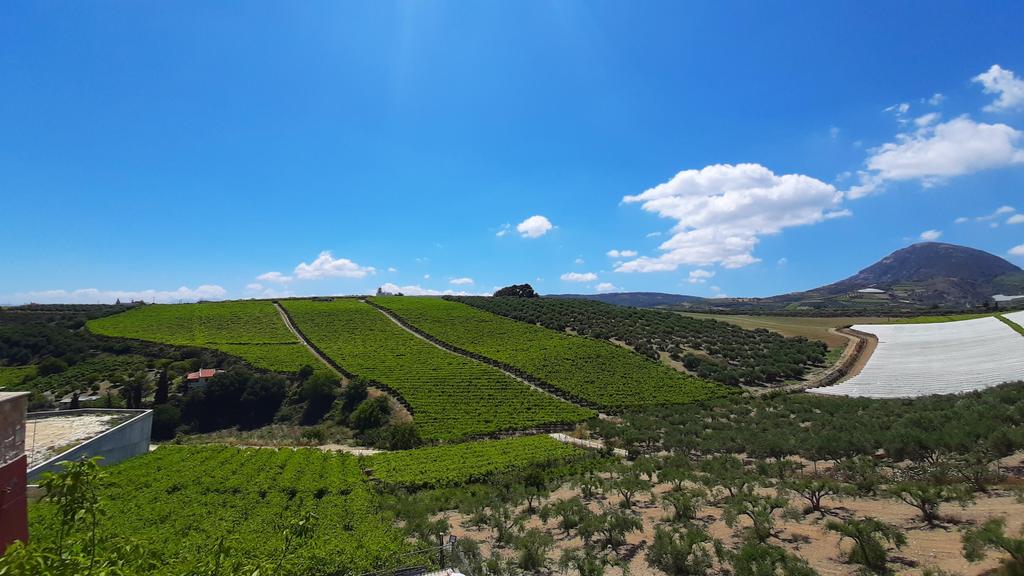
Heraklion is a bustling Mediterranean port that serves as the essential hub for discovering the largest island vineyard in Greece. Visitors will encounter a city that balances modern commerce with a profound sense of Minoan history, serving as the gateway to high-altitude estates where indigenous varieties like Vidiano and Liatiko are being masterfully revived. The city is crucial because it offers immediate access to the Peza and Archanes sub-regions, where some of Europe’s oldest continuous wine-making traditions persist. A visit here must include the Palace of Knossos to see the ancient wine presses before heading into the rugged hinterland for a wine tour of high-elevation vines that produce wines of incredible freshness and longevity.
Oia & Fira: The Volcanic Sentinels
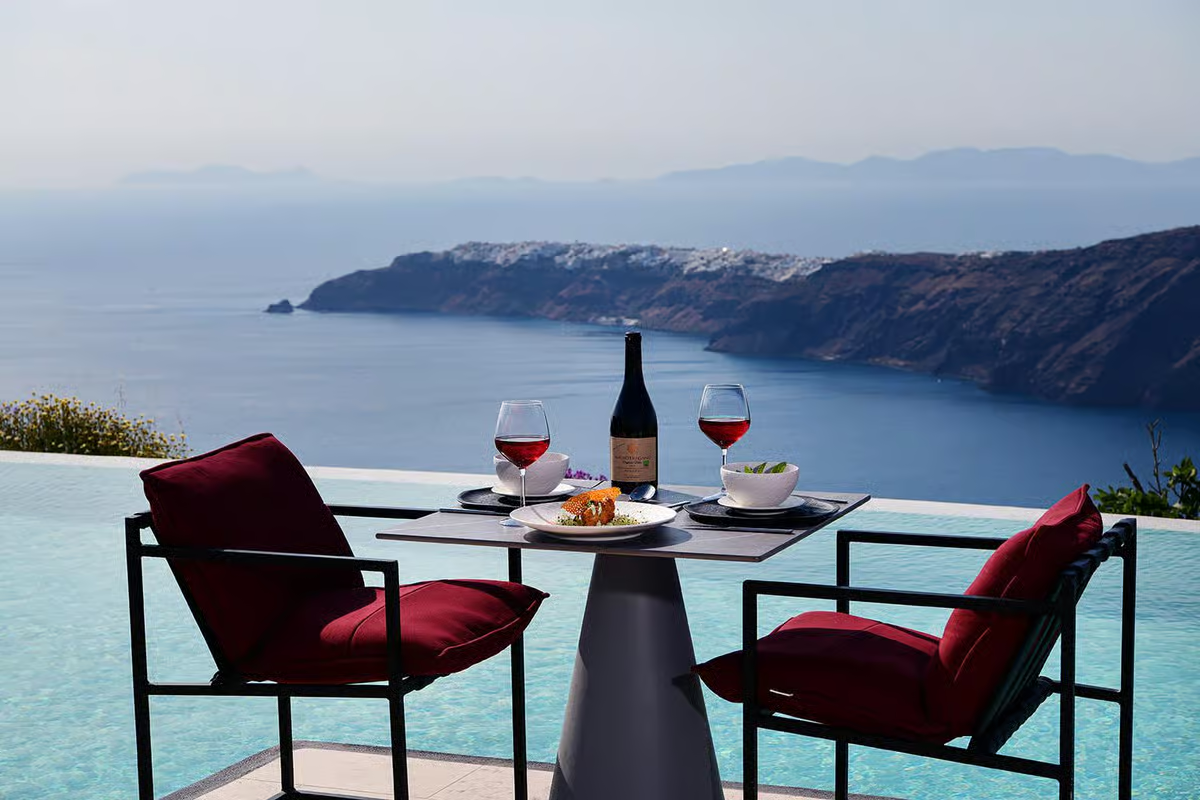
Perched on the edge of a submerged volcanic crater, these towns represent the pinnacle of global wine luxury. Expect white-washed architecture, private infinity pools, and an ultra-premium tourism infrastructure protecting some of the world’s oldest continuously cultivated vines. This hub is essential for its preservation of the Assyrtiko grape, grown in unique “Koulara” baskets to survive the fierce Aegean winds. For the luxury traveler, this is the ultimate destination for exclusive, sommelier-led wine tour experiences overlooking the caldera.
Must Visit wineries in Greece
From the sun-drenched volcanic slopes of Santorini to the rugged, snow-capped peaks of Northern Greece, the Greek landscape is home to one of the world’s most ancient and exciting wine traditions. With over 300 indigenous grape varieties being rediscovered by a new generation of visionary winemakers, Greece has moved far beyond simple table wines to produce world-class bottles defined by distinct minerality and vibrant acidity. Whether you are exploring the “Barolo of the South” in Macedonia or the ancient maritime vineyards of the islands, these 20 wineries represent the gold standard of Greek viticulture and hospitality.
The Peloponnese (Southern Greece)
-
1. Skouras Winery (Argos): A modern landmark where French technique meets Greek soul. It is best known for “Megas Oenos,” a pioneering blend of Agiorgitiko and Cabernet Sauvignon that proved Greek wines could compete on the global stage.
-
2. Semeli Estate (Nemea): Perched at 600 meters, this gravity-fed winery offers breathtaking views of the Nemea valley. It is the premier spot to taste Agiorgitiko, a plush red grape often called the “Blood of Hercules” for its deep color and strength.
-
3. Tselepos Estate (Mantinia): Located on the cold, high-altitude plateau of Arcadia, Tselepos is the master of the Moschofilero grape. Their wines are famous for intense aromas of rose petals and citrus, and they produce some of Greece’s finest traditional-method sparkling wines.
-
4. Mercouri Estate (Ancient Olympia): Established in 1864, this coastal estate feels like a Mediterranean time capsule. With peacocks roaming the grounds and Italian Refosco vines growing alongside Greek varieties, it offers a romantic, historic tasting atmosphere.
-
5. Tetramythos Winery (Aigialeia): An organic pioneer situated on the slopes of the Gulf of Corinth. They are famous for their “Retsina Amphore,” which uses natural resin and clay vessels to elevate a traditional Greek style into a sophisticated, mineral-driven craft wine.
Macedonia & Epirus (Northern Greece)
-
6. Kir-Yianni (Naoussa): Founded by the legendary Yiannis Boutaris, this estate is the temple of Xinomavro. Visitors can explore the “Diaporos” vineyard to see how this temperamental, high-acid red grape creates wines comparable to fine Italian Barolo.
-
7. Alpha Estate (Amyndeo): One of the most technologically advanced wineries in Europe, located in a cool, windy plateau. Their “ecosystem” approach produces powerful, concentrated Syrah and Xinomavro blends that are staples in Michelin-starred restaurants worldwide.
-
8. Ktima Gerovassiliou (Epanomi): This estate single-handedly saved the Malagousia grape from extinction. Beyond the wine, it houses one of the world’s largest private corkscrew and viticulture tool museums, making it a cultural destination as much as a winery.
-
9. Domaine Biblia Chora (Kavala): Situated on the rocky slopes of Mount Pangeon, the soil here is rich in gold and silver history. Their wines are known for a distinct flinty minerality and “Assyrtiko-Semillon” blends that offer incredible aging potential.
-
10. Katogi Strofilia (Metsovo): At an elevation of 1,200 meters, this is Greece’s most mountainous vineyard. The winery is integrated into a traditional stone village, producing robust reds designed to be enjoyed by a fireplace in the Pindus Mountains.
The Aegean Islands (Santorini & Tinos)
-
11. Domaine Sigalas (Santorini): Located in the scenic plains of Oia, Sigalas was a leader in turning the volcanic Assyrtiko grape into a world-class white wine. A tasting here during sunset, paired with local Cycladic cheeses, is a quintessential Santorini experience.
-
12. Estate Argyros (Santorini): This estate manages some of the oldest ungrafted vines in the world, some reaching 200 years of age. Their ultra-modern tasting room is the perfect place to compare crisp, dry whites with their luscious, honey-like Vinsanto dessert wines.
-
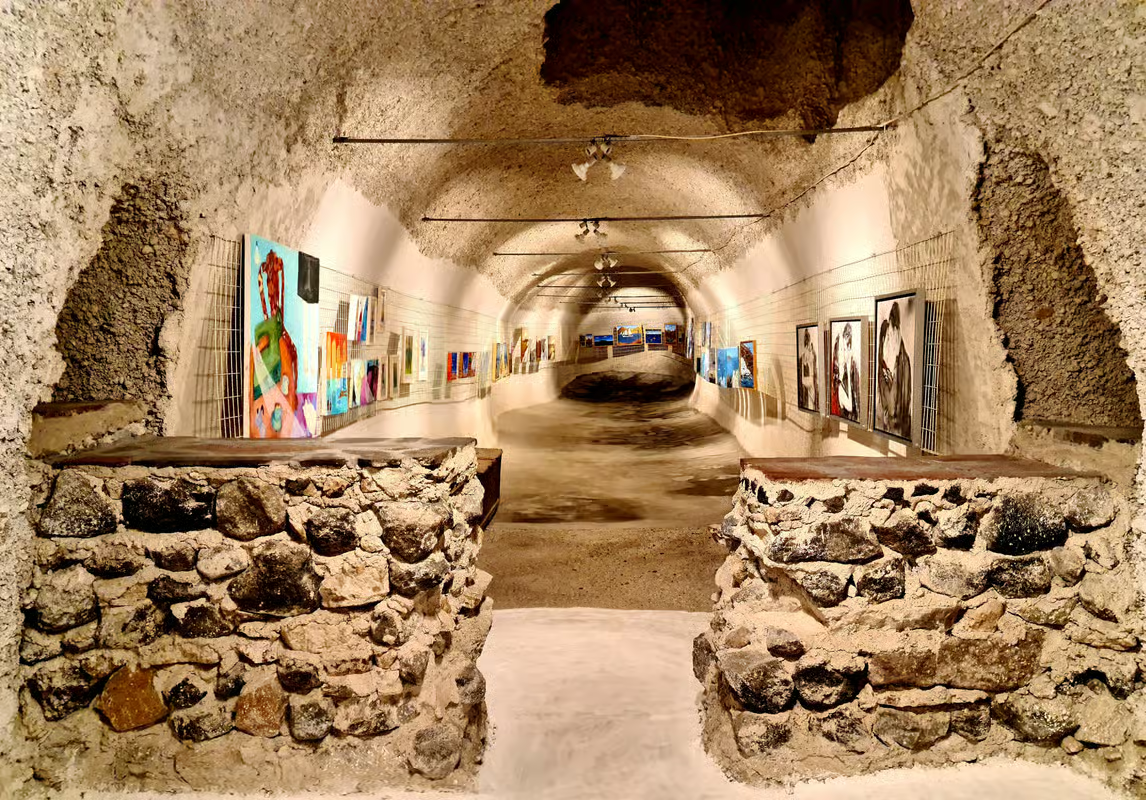
13. Venetsanos Winery (Santorini): Carved directly into the Caldera cliffs in 1947, this winery used a unique vertical design to move wine between floors without pumps. It offers perhaps the most dramatic view of the volcano of any winery in the world.
-
14. Gaia Wines (Santorini): Housed in a charming, industrial-style former tomato factory on the water’s edge. Gaia is known for experimental techniques, including fermenting wines in “wild” yeasts and aging bottles under the sea to maintain freshness.
-
15. T-Oinos (Tinos): A project that has redefined high-end Greek wine. The vines are planted among massive, prehistoric granite boulders, producing rare, high-altitude Assyrtiko and Mavrotragano that have achieved cult status among collectors.
The Crete Selection
-
16. Lyrarakis Winery (Heraklion): A family-run estate dedicated to “vinodiversity.” They are credited with reviving rare Cretan grapes like the herbal Dafni and the elegant Plyto, offering visitors a taste of history that can’t be found anywhere else on Earth.
-
17.Douloufakis Winery (Dafnes): Located in the historic village of Dafnes near Heraklion, this third-generation winery is a leader in high-quality Cretan production.They are famous for mastering the Vidiano grape—often called the “Chardonnay of Greece”—and the red Liatiko variety. A visit here offers a deep dive into the unique microclimate of Central Crete, with tastings held in a beautiful, traditional space that emphasizes the family’s long-standing connection to the land.
Central Greece & Attica
-
18. Domaine Costa Lazaridi (Drama): A massive, state-of-the-art facility that brought a “Bordeaux” sensibility to Northern Greece. They produce a vast range of premium wines and spirits (Ouzo and Tsipouro) and feature a grand cellar that feels like an underground cathedral.
-
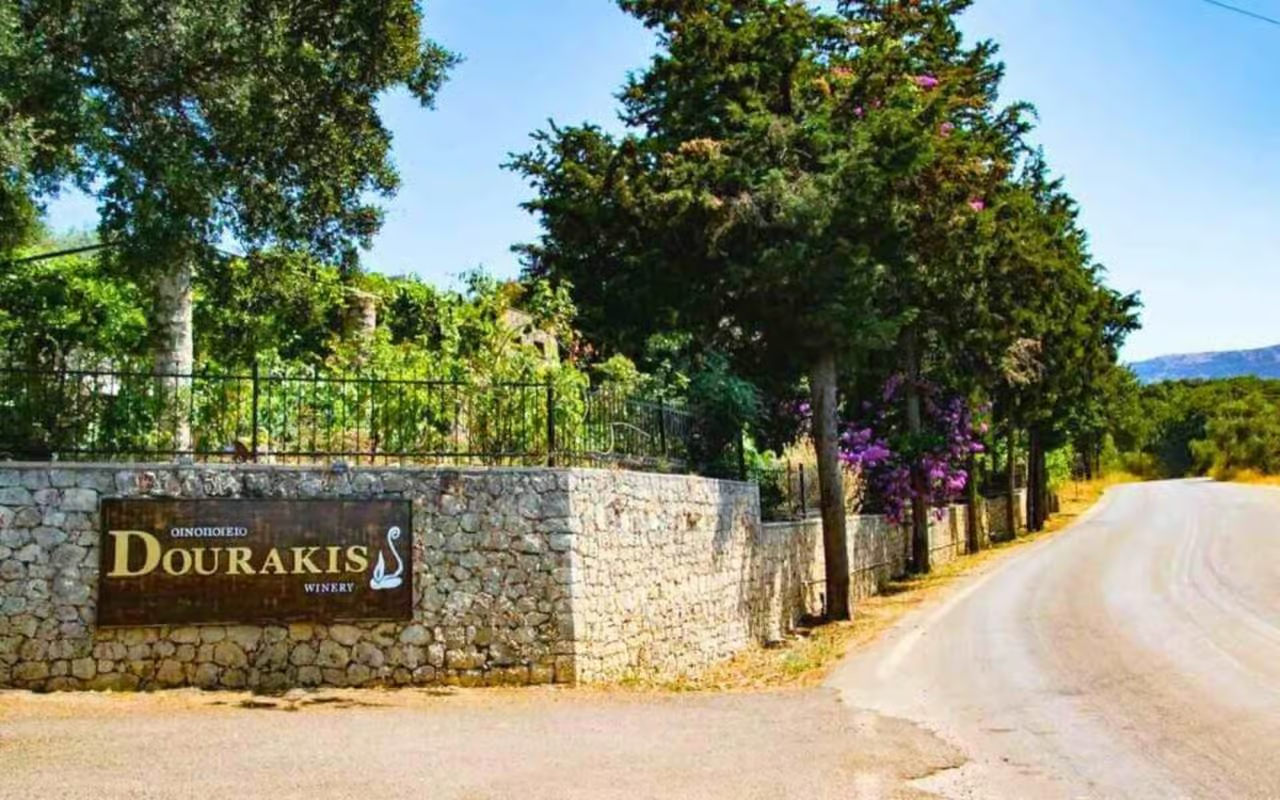
19. Mylonas Winery (Keratea): A boutique winery in the heart of Attica that is leading the “Savatiano Revolution.” They have transformed the region’s most common grape into an award-winning, mineral-rich white that surprises even the most seasoned tasters.
-
20. Avantis Estate (Evia): A family-driven winery on the island of Evia, just north of Athens. While they are masters of the Syrah grape, they also offer a unique lifestyle experience with a professional “Lenga” wine-spa featuring cosmetics derived from their own grape skins.
Not to Miss: Must-Visit Experiences in Greece
To experience Greece is to walk through the layers of time. These are the non-negotiable landmarks that define the identity of the regions you will be traversing. While they provide the cultural backbone of your Greece Wine Trip, they are world-class destinations in their own right.
-
-
The Caldera (Santorini): The 10km trail from Fira to Oia is the most spectacular walk in the Mediterranean. You track along the very edge of the volcanic crater, with the white-washed villages on one side and a 300-meter drop to the sapphire sea on the other. Ending this hike in Oia just as the sun dips into the Aegean is a rite of passage.
-
The Acropolis & The Parthenon (Athens):
You cannot claim to have seen Greece without standing before the Parthenon. It is the architectural pinnacle of the ancient world. My advice: arrive at the South Slope entrance at 8:00 AM sharp to beat the heat and the crowds. The view of the city unfolding toward the Saronic Gulf is the perfect prelude to an evening at an Athenian wine bar.
The Oracle of Delphi:
Perched on the slopes of Mount Parnassus, Delphi was once considered the center of the world. The “Sacred Way” leading up to the Temple of Apollo is hauntingly beautiful. The energy here is palpable, and the surrounding mountain scenery offers a dramatic contrast to the coastal vineyards of the south.
The Palace of Knossos (Crete)
This is the birthplace of Europe’s first advanced civilization, the Minoans. Walking through the labyrinthine ruins, you’ll see the famous “Prince of the Lilies” fresco and ancient storage jars (pithoi) that once held oil and wine. It is a visceral reminder that the people of Crete have been master builders and viticulturists for over 3,500 years.
The Meteora Monasteries
Located in Central Greece, these Byzantine monasteries are perched atop towering natural sandstone rock pillars. It is one of the most surreal landscapes on earth. A visit here is a spiritual experience, regardless of your beliefs, and the nearby town of Kalabaka serves as an excellent gateway to the high-altitude wines of the Pindus Mountains.
The Medieval Old Town of Rhodes
A UNESCO World Heritage site that feels like a film set. Walking through the Gate of Amboise into the Street of the Knights, you are transported back to the era of the Crusades. It is the best-preserved walled city in Europe and a masterclass in Gothic architecture.
The Ancient Theatre of Epidaurus:
Located in the Peloponnese, this is the best-preserved ancient theatre in Greece. The acoustics are so perfect that a coin dropped in the center of the orchestra can be heard from the highest row of seats. It is an essential stop before heading into the rolling hills of Nemea for a wine trip
The Caldera (Santorini)
The 10km trail from Fira to Oia is the most spectacular walk in the Mediterranean. You track along the very edge of the volcanic crater, with the white-washed villages on one side and a 300-meter drop to the sapphire sea on the other. Ending this hike in Oia just as the sun dips into the Aegean is a rite of passage. But no need to be sport fan for that, you can also the Calera from a boat tour.
Local Gastronomy: What to Taste Absolutely The Greek oodie experience
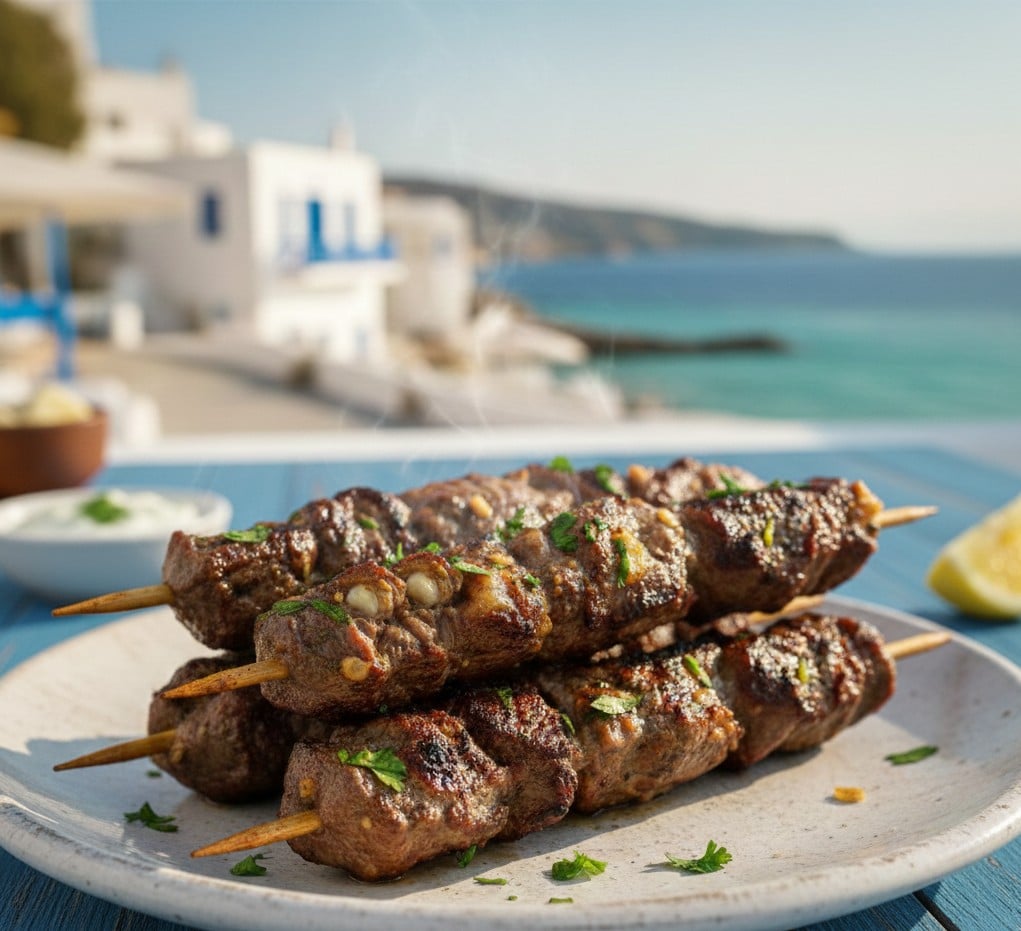
For Foodies, Greece offer a lot of yummy street food, like famous souvlaki, but also gyros
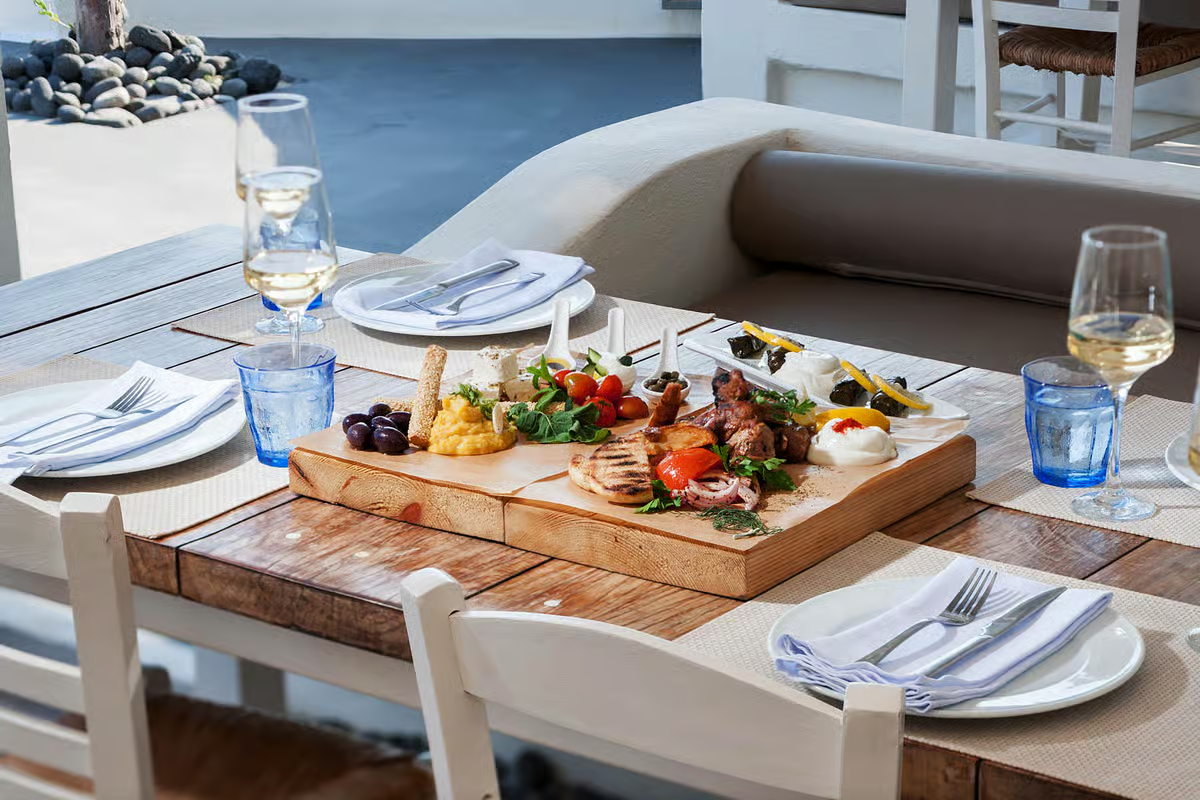
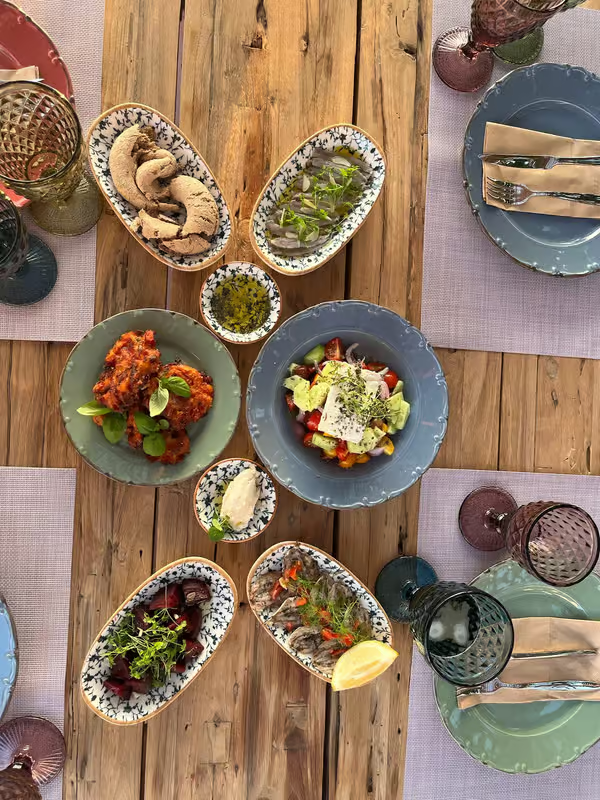
Greek food is the definition of “honest” cooking. It relies on the absolute quality of ingredients—the bite of the olive oil, the sweetness of the tomatoes, and the brine of the sea. On your Greece Wine Trip, these dishes are your constant companions.
-
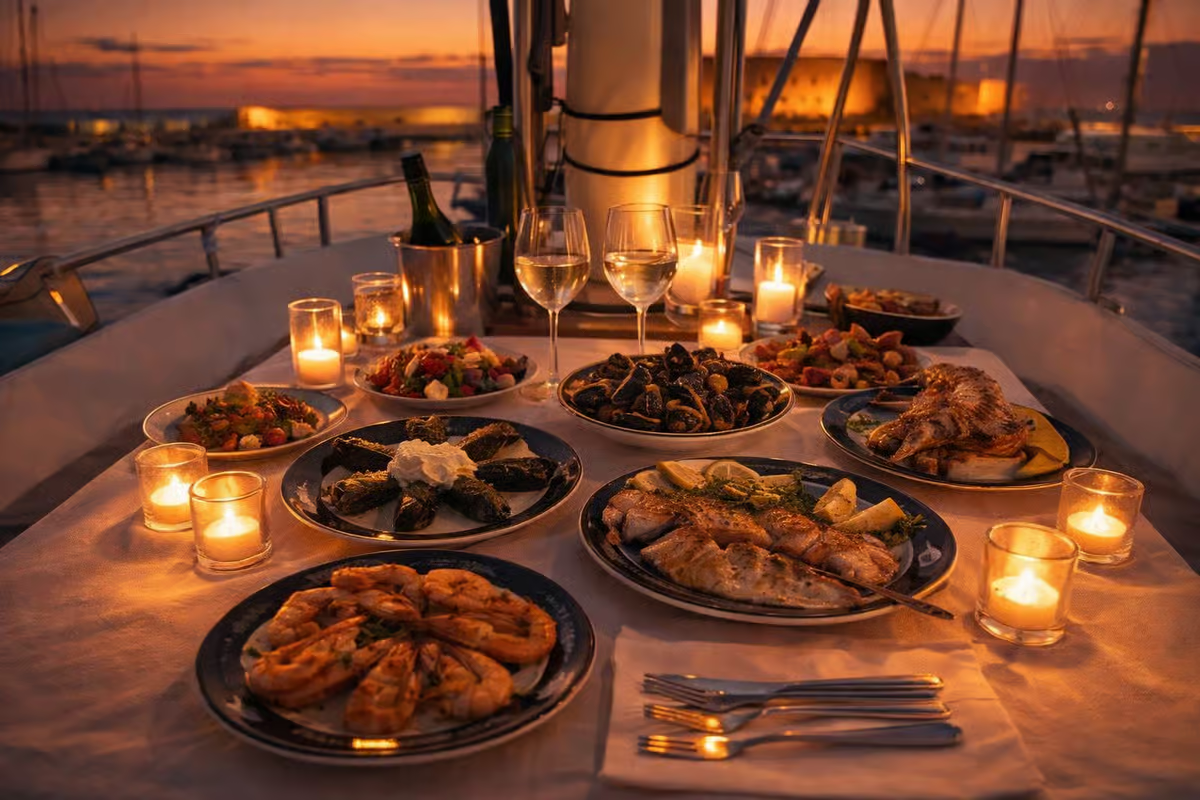
Fresh Grilled Octopus: You will see them hanging on lines to dry in the sun outside seaside tavernas. Charcoal-grilled and drizzled with nothing but lemon and extra virgin olive oil, the smoke and sea-salt flavor profile is the ultimate partner for a mineral, high-acid Assyrtiko or a crisp Vidiano from Crete.
-
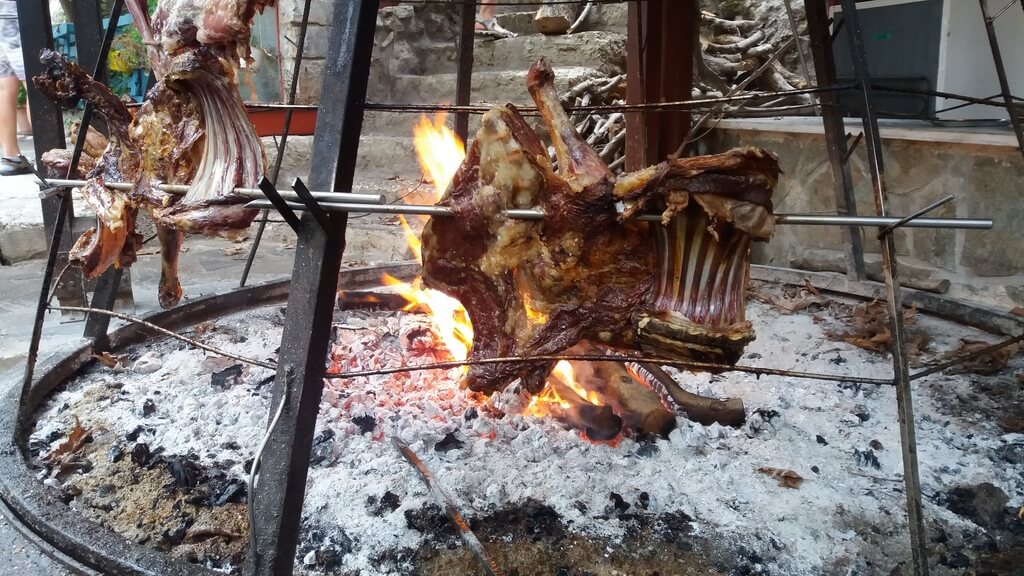
Slow-Roasted Lamb Kleftiko: Traditionally wrapped in parchment paper with garlic, herbs, and lemon, the meat becomes so tender it falls apart. The richness of the fat and the herbal crust is the perfect match for the bold tannins and tomato-leaf notes of a Xinomavro from the north.
-
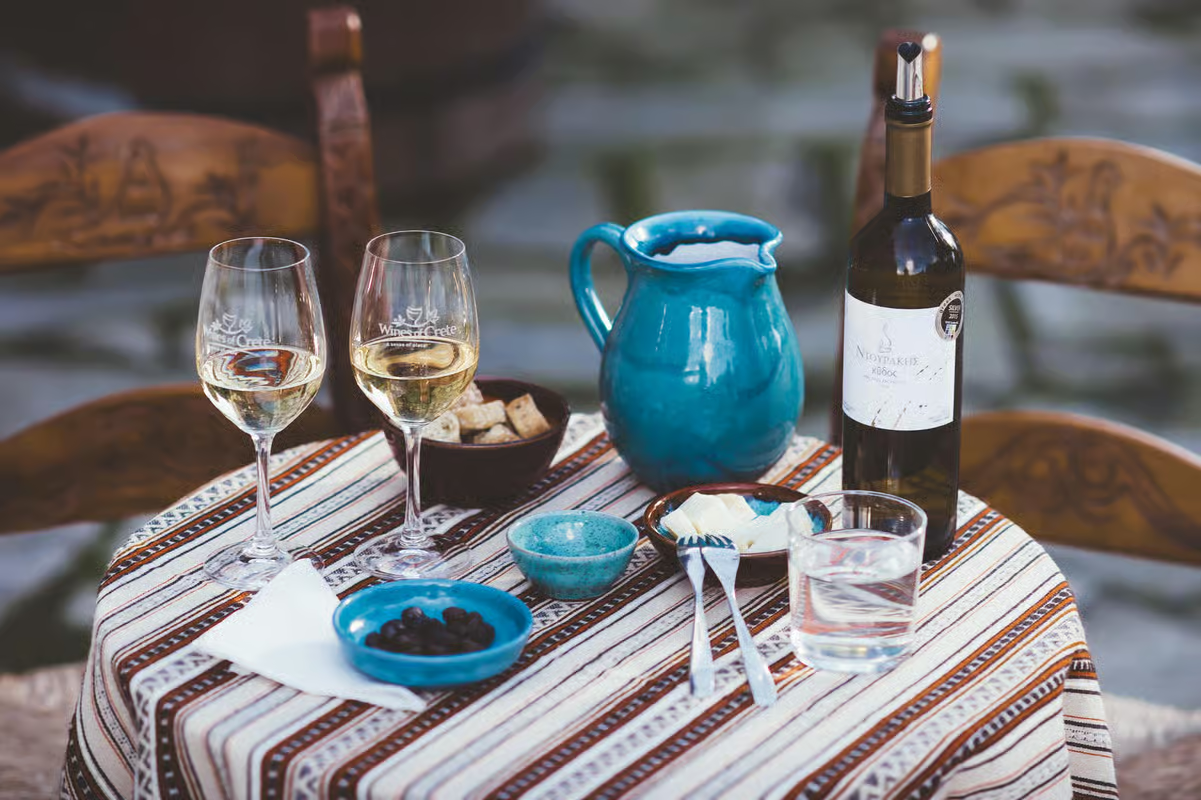
Dakos (The Cretan Staple): A hard barley rusk soaked with a little water and olive oil, then topped with a mountain of grated fresh tomatoes, creamy mizithra cheese, and wild oregano. It’s salty, acidic, and fresh—a dish that demands a chilled glass of local white wine.
-
Fava (Santorini): A velvet-smooth purée made from yellow split peas grown in volcanic soil. Topped with capers and red onions, it has an earthy depth that beautifully balances the sharp acidity of volcanic wines.
-
Spanakopita (Handmade Phyllo): Look for bakeries in mountain villages where the phyllo is rolled by hand (horiatiko). The mix of wild greens, leeks, and sharp feta cheese inside a buttery, crunchy crust is a masterclass in texture.
-
Mastika of Chios: For a digestive experience, try Mastika, a liqueur seasoned with the resin of the mastic tree. It has a unique, pine-like, and herbal flavor that is unlike anything else in the world.
-
Saganaki with Honey and Sesame: A slab of salty graviera cheese fried until bubbling, then drizzled with thyme honey and toasted sesame. The play between salt and sweet is addictive and pairs wonderfully with an aromatic Moschofilero.
If your Greece Wine Trip takes you into the deep winter months (November–March), be aware that many mountain passes in Northern Greece require snow chains. Conversely, in the height of Summer, island traffic can triple your estimated travel times.
Plan your Transportation Planning Your Pilgrimage in Greece
To truly master the logistics of a Greece Wine Trip, you must understand that the journey is as much a part of the terroir as the grapes themselves. Moving between the high-altitude peaks of the north and the sun-bleached islands of the south requires a strategic, multi-modal approach. While the infrastructure has modernized significantly, navigating the “internal rhythm” of Greek travel—balancing ferry schedules with mountain driving—is what separates a tourist from a connoisseur.
For the most up-to-date regional transport schedules, emergency contact numbers for roadside assistance, and specific administrative requirements for local permits, please consult the file “infos pratiques.pdf”.
Plan your transportation
Mastering Greek transportation requires a “hub and spoke” strategy. Use the major urban centers of Athens, Thessaloniki, and Heraklion as your logistical anchors, then branch out into the rural Estate regions using specialized transport methods.
-
Independent Car Rental: This is the primary recommendation for mainland explorations in Nemea, Naoussa, and Central Greece. Having your own vehicle allows for the spontaneous discovery of small Château locations that aren’t serviced by public transit.
-
Pro Tip: Most international agencies (Avis, Hertz, Sixt) are available at major airports. Ensure you request a vehicle with sufficient torque if you are heading into the steep, terraced vineyards of Epirus or the Peloponnese.
-
Licensing: While EU licenses are readily accepted, travelers from the USA, Canada, and Australia should carry an International Driving Permit (IDP) alongside their domestic license to avoid insurance complications.
-
-
Private Chauffeur & Specialized Wine Tours: For days dedicated to intensive Wine tasting, hiring a professional driver is not just a luxury—it is a safety necessity.
-
Customization: A private driver allows you to focus entirely on the organoleptic experience without the stress of navigating winding mountain roads or the strict local “zero-tolerance” drink-driving laws.
-
Cost: Rates typically range from 180€ to 350€ per day depending on the vehicle class and distance traveled. Many high-end agencies in Athens and Santorini offer sommelier-drivers who can add educational depth to your Private tour.
-
-
The Sea Route (Ferry & Hydrofoil): When transiting to the islands like Santorini or Crete, the ferry system is the lifeblood of your itinerary.
-
High-Speed vs. Conventional: High-speed catamarans (like SeaJets) significantly cut travel time but can be prone to cancellations in high “Meltemi” winds. Conventional ferries (like Blue Star) are slower but offer a more poetic, stable experience with deck access to watch the islands approach.
-
Booking: During the peak Summer (July–August) and Harvest (September) seasons, booking ferry tickets and vehicle slots at least 4 weeks in advance is essential.
-
-
Domestic Air Travel: For long-distance transitions—such as moving from the Xinomavro vineyards of Thessaloniki to the Assyrtiko of Santorini—flying is the only logical choice.
-
Hubs: Olympic Air and Aegean Airlines provide frequent, 30–50 minute hops that save you a full day of sea travel.
-
Logistics: Always check the “infos pratiques.pdf” for baggage weight restrictions, especially if you plan on carrying wine-related equipment or heavy samples.
-
-
Public Transit (KTEL): While the intercity bus system (KTEL) is reliable and highly affordable for moving between major towns, it is rarely suitable for reaching the actual vineyard Estate locations, which are often kilometers away from the nearest bus stop. Use KTEL for moving between cities, but rely on taxis or rentals for the “last mile” to the winery.
Shipping Costs, Payments modes How to Bring Your Favorite Wines Home
To ensure your Greece Wine Trip culminates in a well-stocked cellar back home, understanding the intricate logistics of international wine transit is essential. Greece’s position within the EU makes continental transport seamless, but shipping to North America or the UK requires navigating a complex web of excise duties, customs declarations, and state-specific regulations.
Many premium Estate locations and Château properties offer direct shipping services, but the costs can vary significantly based on volume and destination. For a detailed breakdown of current 2026 customs forms and a list of certified “wine-safe” international couriers, please refer to the file “infos pratiques.pdf”.
Informations about shipping costs and logistics
Shipping wine from Greece is a professional undertaking that requires specialized packaging to protect the bottles from thermal shock and physical breakage during transit. Most Greek wineries utilize reinforced, double-walled cardboard with molded inserts or thermal-insulated liners.
-
Shipping within the European Union (EU): As there are no customs borders between Greece and other EU member states, shipping is relatively inexpensive and efficient. Expect to pay between 40€ and 70€ per case of 12 bottles. Delivery typically takes 5 to 10 business days via land-based couriers.
-
Shipping to the United States (USA): Due to the complex “Three-Tier System” and varying state laws, shipping to the US is the most expensive and regulated option. Costs range from 110€ to 160€ per case. You must use a courier with a specialized alcohol license (such as UPS Wine or Hellenic Cargo), and some states (e.g., Utah, Alabama) may have strict prohibitions on direct-to-consumer shipments.
-
Shipping to the United Kingdom (UK): Following Brexit, shipments to the UK are subject to customs declarations and UK Alcohol Duty. Shipping costs generally fall between 90€ and 130€ per case. Be prepared for the courier to collect VAT and excise duties upon arrival before the wine is released for final delivery.
-
Shipping to Canada: Shipping to Canada is governed by provincial liquor boards (e.g., LCBO, SAQ), which can impose significant markups. Costs are roughly 100€ to 140€ per case, excluding provincial taxes. It is often more cost-effective to ship to a licensed import agent rather than a private residence.
-
Consolidation Services: If you are visiting multiple regions—such as Nemea, Santorini, and Crete—it is highly recommended to use a consolidation service in Athens. This allows you to combine purchases from different Estate locations into a single shipment, significantly reducing the “per-bottle” shipping cost.
-
Insurance and Tracking: Always ensure your shipment includes full-value insurance and “Door-to-Door” tracking. The high temperatures in Greek ports during the summer months can be detrimental to wine; therefore, many experts recommend scheduling shipments for the cooler months of Spring or Autumn.