Table of Contents
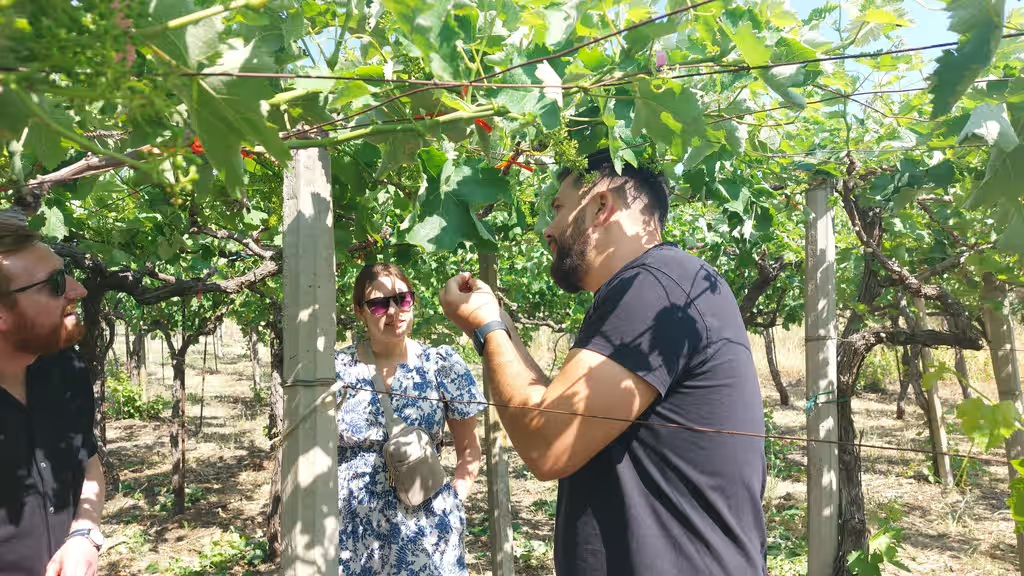
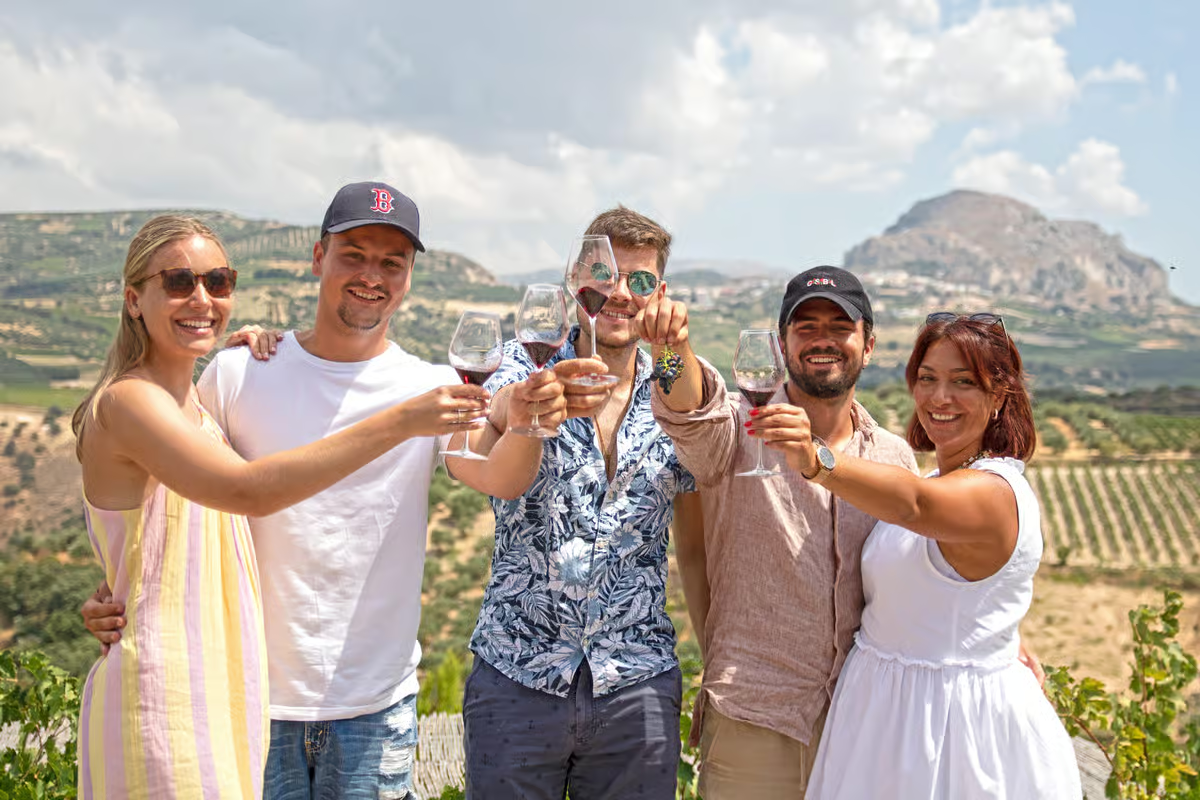
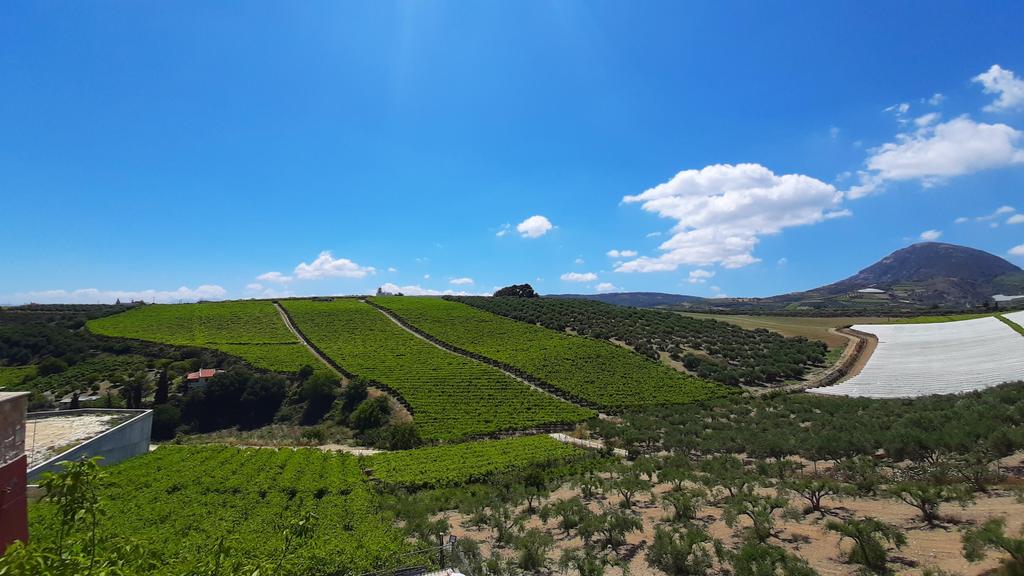
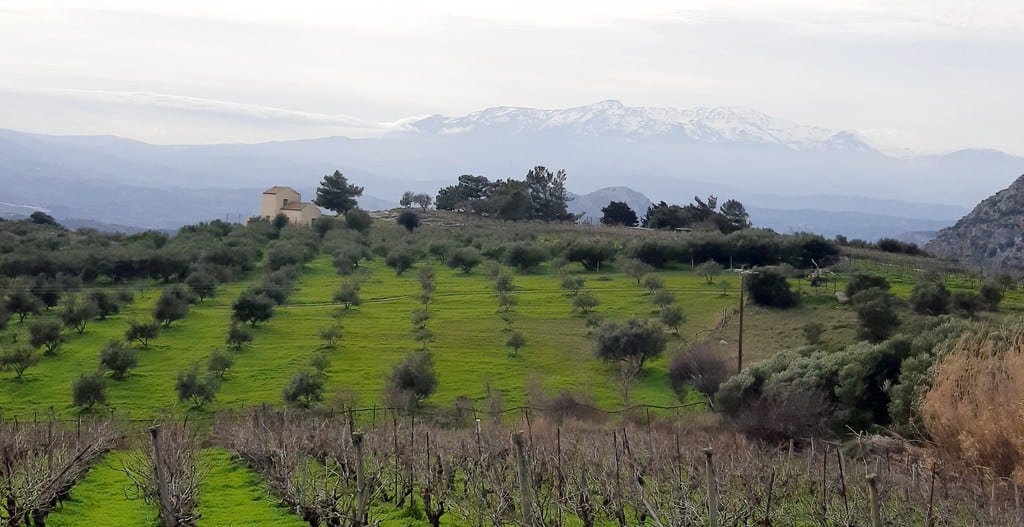
The island of Crete rises from the turquoise embrace of the Mediterranean as a mountainous bastion of viticulture, where the air carries the scent of wild thyme, sage, and the salt spray of the Aegean Sea. To step into a Cretan vineyard is to participate in a sensory pilgrimage that has remained unbroken for over four millennia. The landscape is a dramatic tapestry of silver-green olive groves, jagged limestone peaks, and sun-drenched terraces that cling to high-altitude plateaus. As the morning mist retreats from the slopes of Mount Psiloritis, it reveals a viticultural paradise where the intense Aegean sun is tempered by the cooling Meltemi winds blowing from the north. This thermal dance creates a unique microclimate where grapes ripen with a profound balance of concentrated sugars and vibrant acidity. The visual majesty of the island, from the pink sands of Elafonissi to the deep gorges of the White Mountains, provides a breathtaking backdrop to a wine culture that is as much about the soil as it is about the soul of its people. Every glass of Cretan wine offers an invitation to travel through time and terrain, delivering a bouquet that evokes the warmth of the earth and the freshness of the sea. It is a region where the history of Western winemaking began and where modern innovation is currently breathing new life into ancient, forgotten varietals. This sensory journey is not merely a tasting but a deep immersion into a living heritage, best experienced through the winding wine routes that connect centuries-old villages with state-of-the-art estates, all waiting to reveal the secrets of the Crete wine guide and grape varieties.


The viticultural identity of Crete is defined by a mosaic of indigenous grape varieties that have adapted over millennia to the island’s rugged terrain and intense solar radiation. These varieties represent a biological treasure trove, offering flavors and structural profiles that cannot be replicated anywhere else in the world. The modern Cretan wine industry has moved away from international cultivars to focus on these native “jewels,” which are categorized into distinct white and red families, each contributing a specific element to the island’s complex blending traditions and single-varietal expressions. Greek white varieties, however, have evolved to retain a sharp, crystalline acidity even under the Mediterranean sun. This section explores the grapes that have mastered the art of freshness in extreme conditions.
White Grapes
The white grapes of Crete are celebrated for their ability to maintain surprising freshness and aromatic intensity despite the heat of the Southern Mediterranean. This is largely due to the high-altitude planting strategies and the proximity to the cooling northern winds. These varieties range from the lean and mineral to the lush and highly aromatic, providing a diverse palette for winemakers to craft everything from crisp, sea-salt-tinged aperitifs to complex, barrel-aged whites that rival the great wines of the world.
Vidiano
Characteristics Widely regarded as the “Diva” and flagship white varietal of the island, Vidiano is an indigenous grape that has recently been rescued from near-extinction. This variety is known for its remarkable aromatic complexity and full-bodied structure. On the nose, it typically displays a rich profile of ripe stone fruits, particularly apricot and peach, intertwined with tropical notes and a subtle herbal undertone. Ampelographically, the grape thrives at higher altitudes, where it can maintain its refreshing acidity despite the Mediterranean heat.
Winemaking and Style In the cellar, Vidiano is highly versatile, responding well to a variety of techniques. While many producers opt for stainless steel fermentation to preserve its primary fruit aromas and crisp mineral edge, Vidiano is also one of the few Cretan whites that excels with oak aging. Barrel-fermented versions develop a creamy texture and honeyed complexity, often compared to high-end Viognier or Chardonnay. It is a highly age-worthy variety, with the best examples developing secondary notes of nuts and dried fruits over three to five years.
Vilana
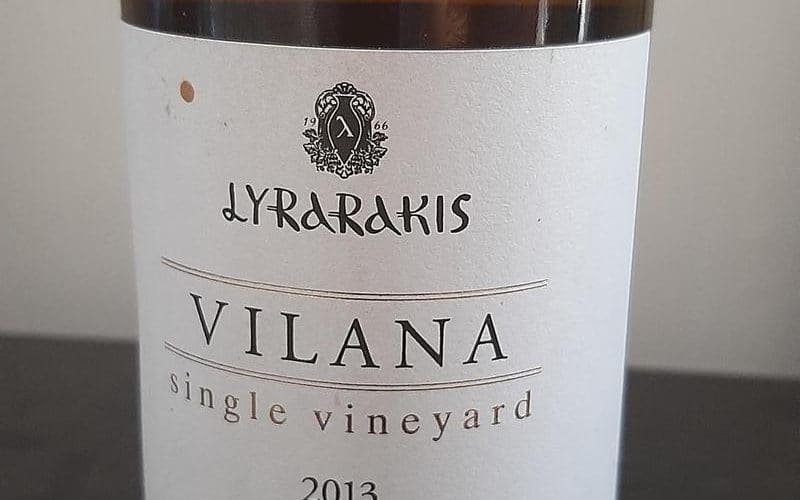
Characteristics Vilana is the most widely planted white grape variety in Crete and serves as the backbone for many of the island’s Protected Designation of Origin wines, such as PDO Peza and PDO Sitia. It is characterized by its bright, yellow-green hue and a delicate aromatic profile dominated by citrus blossoms, lemon, and pear. The grape is relatively easy to cultivate but requires careful management to ensure it does not become generic, favoring the well-drained limestone soils of central Crete.
Winemaking and Style The predominant style for Vilana is a fresh, light-bodied wine fermented at cool temperatures in stainless steel to emphasize its zesty acidity and floral perfumes. Winemakers often use it in blends with other indigenous varieties like Athiri or Thrapsathiri to add aromatic lift and freshness. While meant for early consumption to enjoy its vibrant primary character, some experimental small-batch fermentations with skin contact or short lees aging are beginning to showcase a more structured and gastronomic side of the variety.
Thrapsathiri
Characteristics Thrapsathiri is a remarkably resilient variety that thrives across the entire island, particularly in the warmer, wind-swept regions of Lasithi and Heraklion. Ampelographically, it is recognized for its resistance to drought and its ability to maintain physiological balance even in high temperatures. It produces wines that are typically described as having a rich, oily texture and a balanced aromatic profile of ripe stone fruits, melon, and white flowers. It is frequently compared to Albarino or Semillon due to its unique combination of fruitiness and mineral depth.
Winemaking and Style This variety is highly valued for its versatility in the winery. While it produces excellent, balanced dry wines when fermented in stainless steel, Thrapsathiri is also notable for being very oak-friendly. When fermented or aged in acacia or French oak barrels, it develops a sophisticated structure, creamy mouthfeel, and a long, savory finish. Furthermore, its ability to accumulate sugars while retaining decent acidity makes it a candidate for high-quality sweet wine production. It is often used to add body and flesh to blends featuring more high-acid varieties.
Dafni
Characteristics Dafni is a truly singular variety that derives its name from the Greek word for laurel, a nod to its distinctive aromatic profile. It is one of the ancient varieties rescued by the Lyrarakis family in the 1990s. The wine is immediately recognizable by intense herbal aromas of laurel, rosemary, and sage, backed by citrus and ginger notes. Ampelographically, it is a hardy vine that prefers the cool breezes of high-altitude vineyards.
Winemaking and Style Winemakers typically treat Dafni with a minimal intervention approach to preserve its unique herbal identity. Fermentation usually takes place in stainless steel tanks at controlled temperatures. The resulting wine is medium-bodied with a refreshing acidity and a slightly bitter, botanical finish that makes it an exceptional pairing for herb-forward Mediterranean cuisine. While most are enjoyed young, its structural integrity allows for short-term aging of two to three years.
Plyto
Characteristics Plyto is another rescued variety that was nearly extinct before the recent Cretan wine renaissance. It is characterized by its late ripening and its ability to maintain high acidity even in the warm Cretan climate. The aromatic profile is elegant and understated, featuring green apple, citrus, and a characteristic mineral, stony quality.
Winemaking and Style In the winery, Plyto is prized for its crispness and light-to-medium body. It is almost exclusively fermented in stainless steel to highlight its clean fruit profile and vibrating acidity. Because of its structure, it is often used to bring balance and freshness to blends, though single-varietal Plyto is increasingly popular for those seeking a lean, refreshing, and high-acid white wine.
Muscat Spinas
Characteristics Named after the village of Spinas in the Chania region, this is a distinct clone of the Muscat Blanc à Petits Grains. Unlike many other Muscat clones, Muscat Spinas is characterized by a thinner skin and a highly sophisticated aromatic profile that is floral rather than purely grapey. It offers an explosion of jasmine, rose petals, and citrus zest on the nose.
Winemaking and Style Though Muscat is often associated with sweet wines, Muscat Spinas is frequently vinified as a dry wine in Crete. The winemaking focus is on preserving the volatile thiols and terpenes through cold fermentation. The result is a light, aromatic, and incredibly elegant wine with a crisp finish. It is also used to produce exquisite sweet wines through sun-drying, which concentrates its floral perfumes into a honeyed nectar.
Malvasia di Candia Aromatica
Characteristics This variety is a historic cornerstone of the Crete wine guide and grape varieties, linked to the famous medieval Malvasia trade. It is highly aromatic, featuring a complex bouquet of white peaches, honey, and tropical fruits, underpinned by a distinct musky floral note. It thrives in the sunny hillsides of Central Crete.
Winemaking and Style Malvasia di Candia Aromatica is produced in both dry and sweet styles. Dry versions are often medium-bodied with an oily texture and an intense aromatic persistence. When produced as a sweet wine, often through the traditional method of sun-drying the grapes, it develops deep layers of dried apricot, orange peel, and spices. It is frequently blended with other varieties to enhance the aromatic complexity of white blends.
The Red Grapes of Crete
The red varieties of Crete are the true mirrors of the island’s wild and untamed spirit. These grapes have evolved to withstand the intense UV radiation of the southern sun, developing thick skins and profound phenolic ripeness. Cretan reds are known for their diversity, ranging from the pale, ethereal, and herb-scented Liatiko to the dark, tannic, and structurally immense Mandilaria. The art of the Cretan red lies in the blend, where varieties with complementary characteristics are woven together to create wines of longevity and immense character.
Kotsifali
Characteristics Kotsifali is often referred to as the soul of the Cretan vineyard, serving as the benchmark red variety for the island’s dry reds. It is a quintessentially Mediterranean grape: pale in color but exceptionally high in alcohol and aromatic intensity. The aromatic profile is a complex medley of sweet red fruits, dried plums, and exotic spices like cinnamon and cloves. Its tannins are naturally soft, and its acidity is moderate, making it approachable and round on the palate.
Winemaking and Style Because of its low color intensity and soft tannins, Kotsifali is rarely bottled alone. It is most famously blended with Mandilaria, which provides the deep color and tannic structure that Kotsifali lacks. This classic Cretan blend is the requirement for PDO Peza and Archanes. In terms of winemaking, it benefits from moderate oak aging, which helps integrate its high alcohol and adds a mellow, velvety patina to its flavors.
Mandilaria or Mandilari
Characteristics Mandilaria is the powerhouse of the Aegean, known for its thick, dark skins and aggressive tannins. While it struggles to reach high alcohol levels on its own, it produces wines of deep, almost impenetrable color with aromas of overripe dark berries, leather, and forest floor. It is a rugged variety that perfectly reflects the sun-scorched, wind-beaten landscapes of Crete.
Winemaking and Style The primary role of Mandilaria is to act as the structural anchor in blends. Winemakers must manage its hefty tannins carefully, often using long maceration periods followed by significant aging in oak barrels to soften its wild edges. When blended with softer grapes like Kotsifali or Liatiko, it creates balanced wines with great aging potential. In some regions, Mandilaria is also used to produce deeply colored, flavorful rosés that retain a refreshing mineral grip.
Liatiko
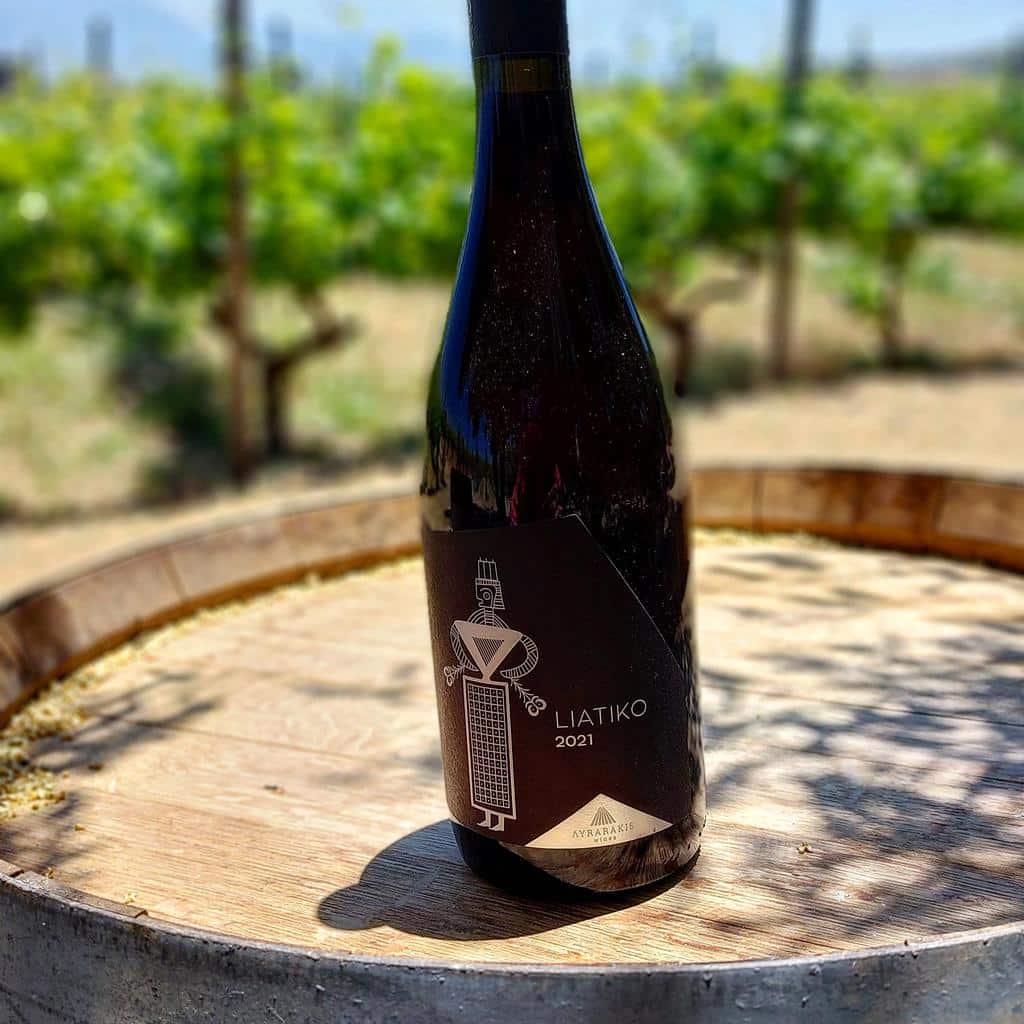
Characteristics Liatiko is one of the oldest and most important red varieties on the island, particularly prevalent in the Heraklion and Lasithi regions. Its name is a derivative of the Greek word for July (Ioulios), reflecting its early ripening. The variety is unique for its pale garnet color and intense aromas of sun-dried red fruits, herbs, and sweet spices.
Winemaking and Style Liatiko excels in both dry and sweet styles. Dry versions are light-bodied and elegant, often drawing comparisons to Pinot Noir due to their aromatic intensity and brick-red hue. However, it reaches its apogee in the sweet wines of PDO Sitia and Dafnes, where the grapes are sun-dried before fermentation. These dessert wines are concentrated and luscious, showing notes of raisins and honeyed fruits, balanced by a firm acidity.
Romaiko
Characteristics Romaiko is a historic and highly traditional variety that is almost exclusively associated with the Chania region of Western Crete. Ampelographically, it is a vigorous and productive vine characterized by its multi-colored berries, which can range from green to pink and red within the same cluster. This genetic diversity results in a unique aromatic profile that features notes of wild red berries, orange peel, and Mediterranean herbs. It is a late-ripening variety that thrives in the varied microclimates of the White Mountains.
Winemaking and Style The variety is most famous for the production of Marouvas, a traditional Cretan wine that undergoes oxidative aging in large, old oak barrels, resulting in a style reminiscent of Sherry or Madeira. In modern winemaking, Romaiko is also being used to create fresh, vibrant rosés and light-bodied reds that showcase its high acidity and distinct fruit character. Because of its oxidative potential, winemakers must handle the grapes with care in the cellar, often utilizing controlled temperatures and neutral vessels to preserve its primary aromatics while exploring its capacity for complex, long-term barrel evolution.
| Grape Variety | Type | Main Characteristics | Primary Regions | Associated PDOs |
|---|---|---|---|---|
| Vidiano | White | Apricot, peach, creamy, complex. | Rethymno, Heraklion | N/A (PGI) |
| Vilana | White | Lemon, citrus blossom, pear. | Heraklion, Lasithi | PDO Peza, Sitia |
| Thrapsathiri | White | Oily, melon, mineral. | All Crete | PDO Candia, Sitia |
| Dafni | White | Laurel, rosemary, sage. | Heraklion | N/A (PGI) |
| Plyto | White | High acid, apple, mineral. | Heraklion | N/A (PGI) |
| Muscat Spinas | White | Jasmine, rose, elegant. | Chania, Heraklion | N/A (PGI) |
| Malvasia Candia | White | Peach, honey, floral. | Central Crete | PDO Malvasia |
| Kotsifali | Red | Red fruit, cinnamon, soft. | Heraklion | PDO Peza |
| Mandilaria | Red | Dark color, tannic, berries. | All Crete | PDO Archanes |
| Liatiko | Red | Dried berries, garnet, herbs. | Heraklion, Lasithi | PDO Sitia, Dafnes |
| Romaiko | Red | High acid, oxidative potential. | Chania | Marouvas style |
From Knowledge to Experience
The science of geology and the precision of oenology provide the framework, but wine is a living liquid that can only be fully understood in situ. While the geology of Greece is written in stone, the experience of it is found in the glass, shared under the same sun that ripened the fruit.
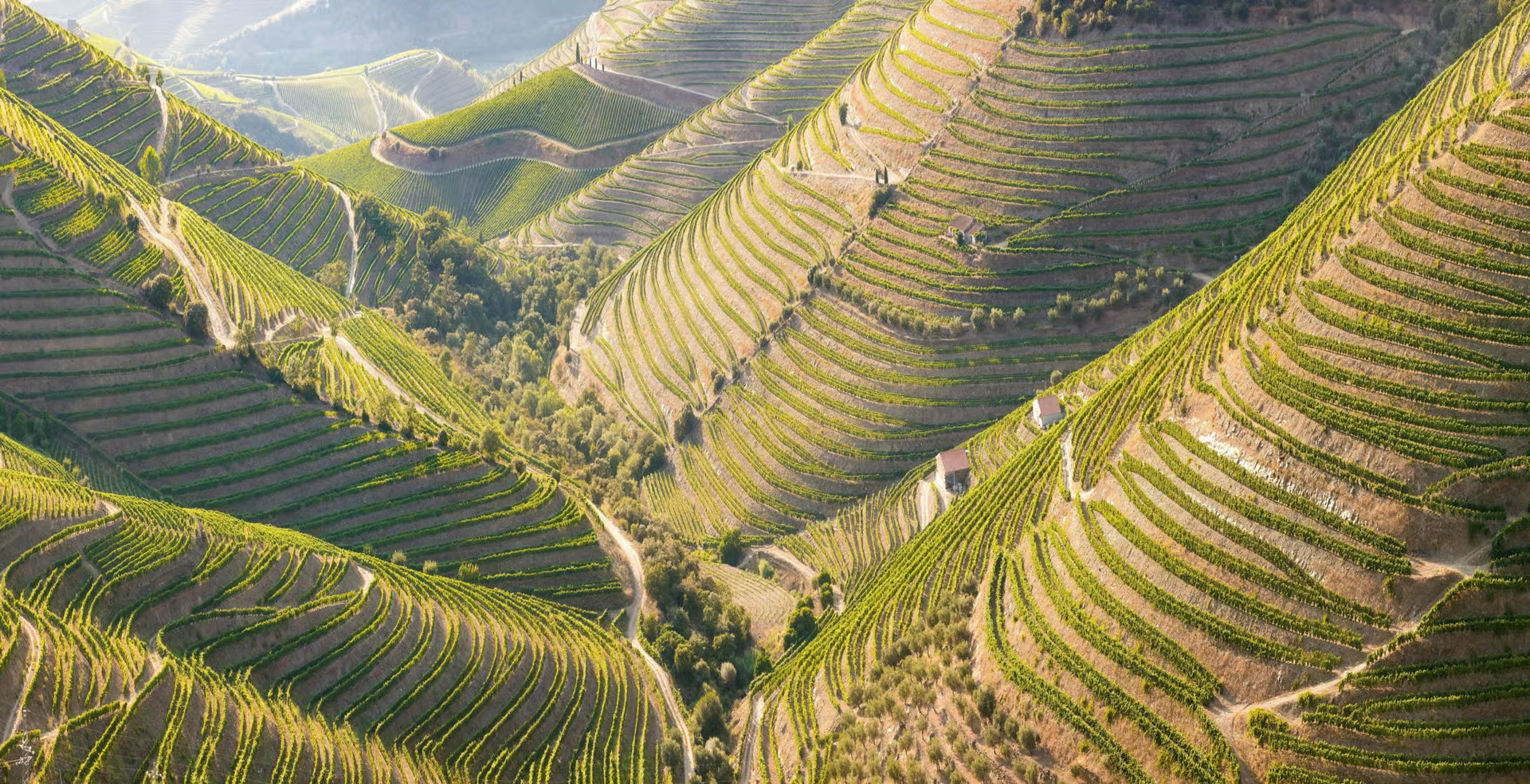
We invite you to move beyond the technical and into the experiential. Join our curated wine tours designed for the discerning palate, where you will walk the very soils—the ancient gravels of Nemea, the fractured limestones of Naoussa, and the white volcanic ashes of Santorini—that give these wines their life. This is a professional, high-end invitation to witness the mastery of Greek viticulture firsthand, guided by experts who will show you how the bedrock beneath your feet becomes the complexity in your glass. Experience the terroir of Greece where it was meant to be discovered: in the heart of the vineyard.