Table of Contents
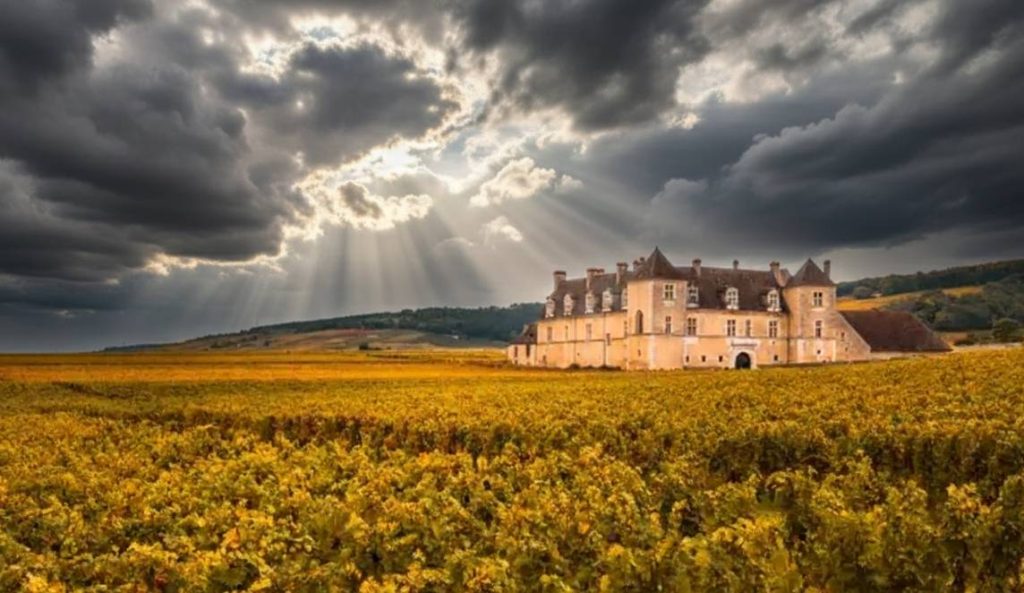
The Côte de Nuits represents the northern narrow strip of the limestone escarpment in Burgundy’s Côte d’Or, serving as the spiritual and technical heart of Pinot Noir production globally. To walk these narrow slopes is to traverse centuries of Benedictine and Cistercian history, where monks meticulously mapped variations of the earth long before modern geology could explain the brilliance of their findings.
This region is a global benchmark because it provides the most precise expression of site-specificity found in viticulture, a concept where the “soul” of the landscape is captured within the glass. While the broader Burgundy region is vast, the Côte de Nuits is where the red wine hierarchy reaches its most profound complexity.
The cultural heritage of this land is defined by the “Climat,” a uniquely Burgundian term describing a specific vineyard plot, precisely delimited and named for centuries. These parcels, often separated by nothing more than a low stone wall or a narrow path, yield wines of startlingly different characters, proving that the terroir is a living heritage. The prestige of the Côte de Nuits is not merely in its history but in the transparency of its fruit; nowhere else does the Pinot Noir grape translate the nuances of Jurassic limestone and marl with such fidelity.
These slopes are a mosaic of geological fragments, each contributing a unique signature to the wine’s aromatic and structural profile. This is a land of verticality and nuance, where the slight shift in altitude or the presence of a specific prehistoric fossil can elevate a wine from a regional village level to the status of a legend.
Journey to the Heart of Côte de Nuits
Pedological Depth: The Complex Chemistry of Soil and Bedrock Soils of Côte de Nuits
To analyze the soil composition of the Côte de Nuits is to study the precise interaction between Jurassic Era sediments and the chemical weathering of rock into fertile, mineral-rich strata. The region is a masterclass in pedology, where the physical and chemical properties of the earth dictate the physiological behavior of the vine and the subsequent phenolic structure of the wine.
The Primacy of Jurassic Limestone Formations
The bedrock of the region is a vertical chronology of the Middle Jurassic (Dogger) and Upper Jurassic (Malm) periods. Comblanchien limestone is the structural titan of the region—a hard, fine-grained, and extremely compact rock that resists erosion. This stone provides the verticality and muscular power found in Gevrey-Chambertin. In contrast, Premeaux limestone, which surfaces prominently in Vosne-Romanée, is often more fractured and porous. This fracturing is vital for hydrology, as it allows the roots of the Pinot Noir to penetrate deep into the mother rock in search of moisture during dry summers.
These limestones are essentially calcium carbonate deposits. In the soil, this manifests as high active lime content. Chemically, this alkalinity influences the vine’s enzymatic processes and its uptake of micro-elements. Oenologically, high limestone concentrations are synonymous with “mineral” tension—a crystalline, vibrating acidity that defines the finish of a Grand Cru.
The Symbiosis of Marl and Clay
Marls—a geological marriage of clay and limestone carbonate—serve as the engine of power and texture. The Bajocian and Bathonian marls are prevalent in the most prestigious mid-slope plots. The clay fraction of the soil is composed of aluminosilicates, which possess a high cation exchange capacity. This allows the soil to hold onto essential nutrients like potassium and magnesium, which the vine requires to produce healthy foliage and concentrated fruit.
In sub-regions like Chambolle-Musigny, the presence of white Oxfordian marl creates a unique soil chemistry. These soils are often lighter and paler, containing a high percentage of small limestone pebbles (lavières). The resulting wines, such as those from Le Musigny, exhibit an ethereal silkiness and high-toned floral aromatics rather than the dark, brooding fruit associated with the heavier, iron-rich clays of the north.
Ferruginous Clays and Alluvial Colluvium
The “red” appearance of many top-tier vineyards in Gevrey-Chambertin or Nuits-Saint-Georges is the result of oxidized iron (ferric oxide) within the clay. This iron content is a significant marker for the sensory profile of the region, often linked to the “gamy,” truffle, or “meaty” nuances that develop as the wines age.
On the surface, the sol is further complicated by eboulis (limestone scree) and alluvial wash. At the mouth of the “combes” (valleys) like the Combe de Lavaux, tectonic activity and glacial erosion have deposited thick fans of gravel and silt. These stony surfaces act as thermal regulators; they reflect heat back into the canopy during the day and provide a porous environment that prevents waterlogging, ensuring that the fruit of Lavaux Saint-Jacques or Clos Saint-Jacques achieves optimal phenolic ripeness even in cooler vintages.
The Breath of the Earth: Climate Dynamics and Topography In Côte de Nuits
The region is governed by a continental climate, characterized by cold winters and warm summers, creating a demanding environment for viticulture. The success of the area is predicated on its unique topography, specifically the fault line that created the eastern-facing slopes. This orientation is vital as it provides the vines with maximum exposure to the morning sun, allowing the grapes to dry quickly after rain or dew, which mitigates the risk of rot and ensures steady ripening.
Altitude and Topography
The altitude of the most prestigious vineyards typically ranges between 250 and 300 meters. At the top of the slope, winds are more aggressive and soils are thinner, which can lead to excessive drainage and vine stress. Conversely, at the base of the slope, the accumulation of silt and water leads to overly vigorous vines and less concentrated fruit. The “golden belt” is found mid-slope, where the combination of solar radiation and natural air drainage prevents frost from settling, a critical factor in a region prone to late spring freezes.
Diurnal Temperature Shifts
One of the most significant factors in aromatic complexity is the diurnal temperature shift. During the ripening period, warm days facilitate the synthesis of sugars and anthocyanins, while the rapid cooling at night preserves natural acidity. This balance gives the wines their characteristic tension and longevity. Without these cool nights, the wines would lose their crystalline freshness and become flabby, failing to express the mineral nuances of the bedrock.
Water and Rainfall Patterns
Rainfall is generally well-distributed throughout the year, but the variability from vintage to vintage defines the region’s reputation. High rainfall during flowering can significantly reduce yields, while excessive rain near harvest can dilute sugars. However, the exceptional drainage provided by the limestone and marl substrates ensures that even in wetter years, the roots of the vines do not sit in standing water. This variability is not a flaw but a testament to the honesty of the terroir.
Climate, Soil, and Geology in Côte de Nuits From Gevrey to Nuits: A Mosaic of Sub-Regions
The geology of the region is primarily defined by the Middle and Upper Jurassic periods. The complex faulting has exposed various layers of limestone and marl, creating a tiered quality system.
Marsannay and Fixin
Located at the northernmost end, these areas often feature more alluvial influence and slightly cooler exposures.
Marsannay
The soils here are a mix of Grés de Chatillon and various limestone scree. The hydrology is characterized by quick drainage in sites like Les Longeroies and Les Grasses Têtes. The sensory link here is one of bright, red-fruit energy; the lack of deep clay prevents the wines from reaching the muscularity of southern neighbors, resulting in a floral profile.
Fixin
Directly south, the soils become more rugged, particularly in the Premier Cru Clos de la Perrière. The presence of Bajocian limestone provides a firm structural backbone. These wines often exhibit a distinctive earthy note in their youth, a direct result of the heavier clay content in the mid-slope soils.
Gevrey-Chambertin
This sub-region is the powerhouse of the north, home to a high concentration of Grand Cru vineyards.
The Grand Crus of Gevrey-Chambertin
The bedrock is primarily Comblanchien limestone, topped with a thin layer of brown calcic soil and limestone scree. In Chambertin and Chambertin-Clos de Bèze, the high proportion of active limestone encourages the vine to produce small, concentrated berries. The deep, iron-rich marls of Latricières-Chambertin yield a forest-floor and truffle character, while the purer limestone of Mazis-Chambertin produces immense verticality. Other legends like Griotte-Chambertin, Charmes-Chambertin, Mazoyères-Chambertin, Ruchottes-Chambertin, and Chapelle-Chambertin reflect shifts in rock fracturing.
Gevrey-Chambertin Premier Crus
Vineyards like Clos Saint-Jacques, Les Cazetiers, and Lavaux Saint-Jacques sit on steep slopes with exceptional exposure. The drainage here is nearly perfect due to the fractured limestone. This results in wines with a mineral tension often described as crushed stone, a reflection of the Bajocian marls found in the Combe de Lavaux.
Morey-Saint-Denis and Chambolle-Musigny
These two communes represent the shift from power to elegance.
Morey-Saint-Denis
This area contains both the structure of Gevrey-Chambertin and the perfume of Chambolle-Musigny. In the Grand Cru Clos de la Roche, the soil is thin and stony, with roots penetrating directly into limestone joints. This leads to intense savory complexity. In contrast, Clos de Tart, Clos des Lambrays, and Clos Saint-Denis feature more marl, providing a richer, more velvety texture.
Chambolle-Musigny
The geology here is famous for high active lime content, particularly in the Grand Cru Le Musigny. The soil is pale and light, allowing for delicate mineral uptake. The sensory link is unmistakable; the wines of Les Amoureuses, Les Charmes, and the Grand Cru Bonnes-Mares are highly aromatic, characterized by notes of violet and red cherry.
Vougeot and Flagey-Echézeaux
This central section is dominated by massive Grand Cru sites.
Clos de Vougeot
This walled Grand Cru is a masterclass in soil diversity. The upper section sits on Bajocian limestone and produces refined wines, while the lower section features more alluvial clay. The best plots yield a dense Pinot Noir with notes of dark chocolate and liquorice.
Flagey-Echézeaux
Home to Echézeaux and Grands-Echézeaux, the soils feature Bathonian limestone. The hydrology of Grands-Echézeaux is superior due to its gentle slope, leading to a consistent mineral expression. These wines are known for silky tannins and exotic spice notes.
Vosne-Romanée and Nuits-Saint-Georges
Here, prestige meets the rugged limestone quarries of the south.
Vosne-Romanée
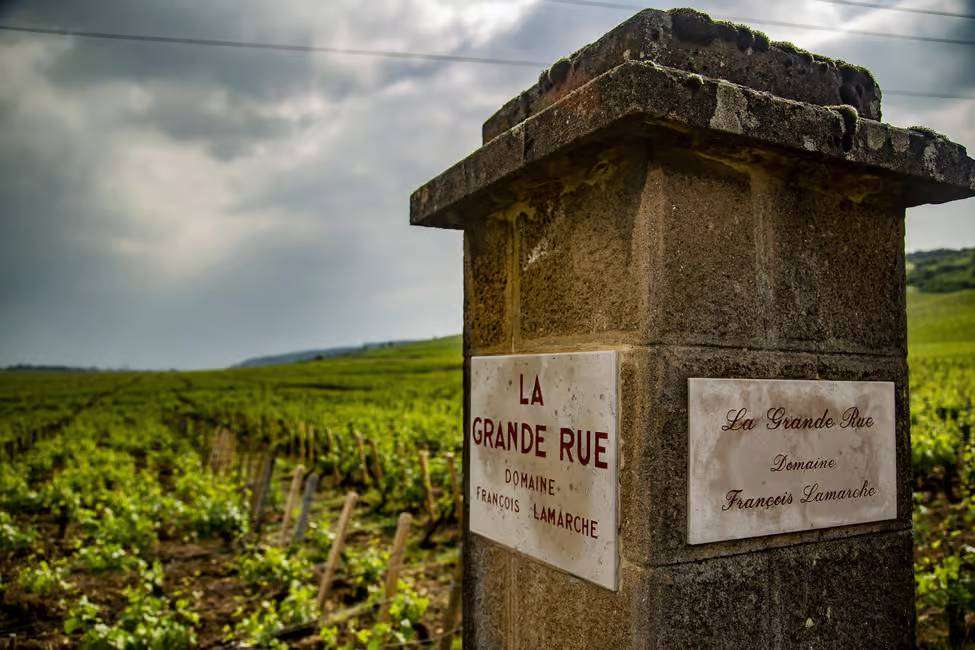
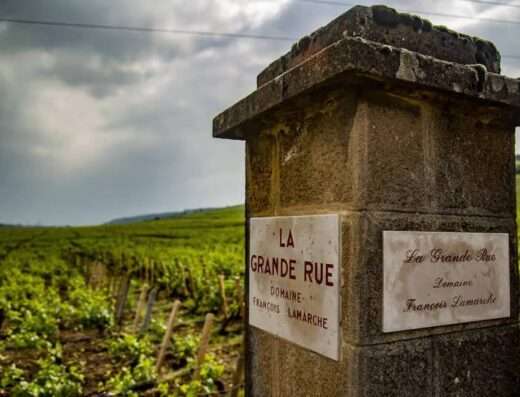
The Grand Cru plots of La Romanée-Conti, La Tâche, La Romanée, La Grande Rue, Richebourg, and Romanée-Saint-Vivant sit on Premeaux limestone and Calhoun marls. The perfect drainage and mineral uptake in Richebourg result in an explosive floral bouquet. Premier Cru sites like Les Beaumonts and Aux Malconsorts share this geological pedigree.
Nuits-Saint-Georges
While lacking Grand Cru vineyards, this area possesses exceptional Premier Cru sites. In the south, near Les Saint-Georges, Les Vaucrains, and Les Cailles, the soil is stony and deep, leading to powerful wines with high tannin. In the north, sites like Aux Boudots and Aux Murgers share the elegant profile of Vosne-Romanée.
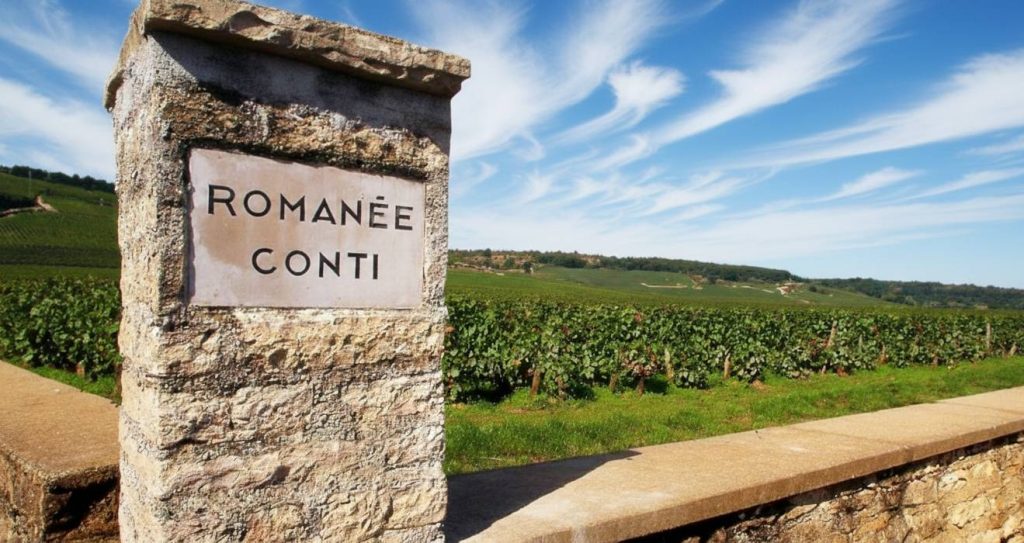
Romanée Conti Iconic domain lay on Premeaux limestone and Calhoun marls
Precision and Adaptation: The Art of Viticultural Mastery
The mastery of the Côte de Nuits lies in the silent, tireless adaptation of human technique to the staggering diversity of Jurassic soils. Because Pinot Noir is an exceptionally transparent and sensitive variety, the vigneron acts as an interpreter, translating the language of the bedrock into the finished wine through thousands of calculated decisions.
Vineyard Architecture and Canopy Management
Row orientation is almost universally designed to follow the natural fall of the slope, an essential strategy for aiding natural drainage and maximizing morning sun exposure. Canopy management is a year-round labor of precision; vignerons practice meticulous leaf thinning to allow optimal airflow around the clusters, which is vital for mitigating the risk of botrytis in the humid continental climate. In prolific years, green harvesting is often employed—a sacrifice of quantity to ensure that the remaining fruit reaches the peak of phenolic ripeness.
Technical Pruning and Yield Control
Pruning remains the most critical tool for controlling the vigor of the vine and directing its energy into the fruit. The Single Guyot method is the standard for the region’s elite sites, effectively limiting yields to ensure each cluster is a concentrated expression of its Climat. In more vigorous, clay-heavy soils, such as the lower sections of Clos de Vougeot, producers may utilize Cordon de Royat to further restrict output and maintain the necessary balance between acidity and sugar.
The Oenologist’s Philosophy: Minimal Intervention vs. Absolute Precision
In the cellar, the modern philosophy has shifted decisively toward “minimal intervention,” a strategic approach designed to keep the voice of the terroir from being muffled by heavy-handed winemaking. This involves the widespread use of ambient yeasts for fermentation and a sophisticated, almost surgical calibration of new French oak. High-end producers use oak as a structural scaffold rather than a flavor additive; excessive wood would mask the subtle mineral differences between a Gevrey-Chambertin and a Chambolle-Musigny. Some masters also utilize whole-cluster fermentation to add “verticality” and freshness to the wine, especially in warmer vintages where the stems can provide a necessary tannic grip and a floral lift that complements the mineral core of the soil
Côte de Nuits terroir: From Knowledge to Experience
The technical study of hydrology and geology provides the framework, but the true essence of the region cannot be captured in a laboratory. The science is written in the Bajocian limestone, but the wine is a living liquid—an ephemeral bridge between the earth and the senses. To truly understand why La Tâche differs from La Romanée, one must stand on the fault lines and feel the cooling breeze of the Combes.
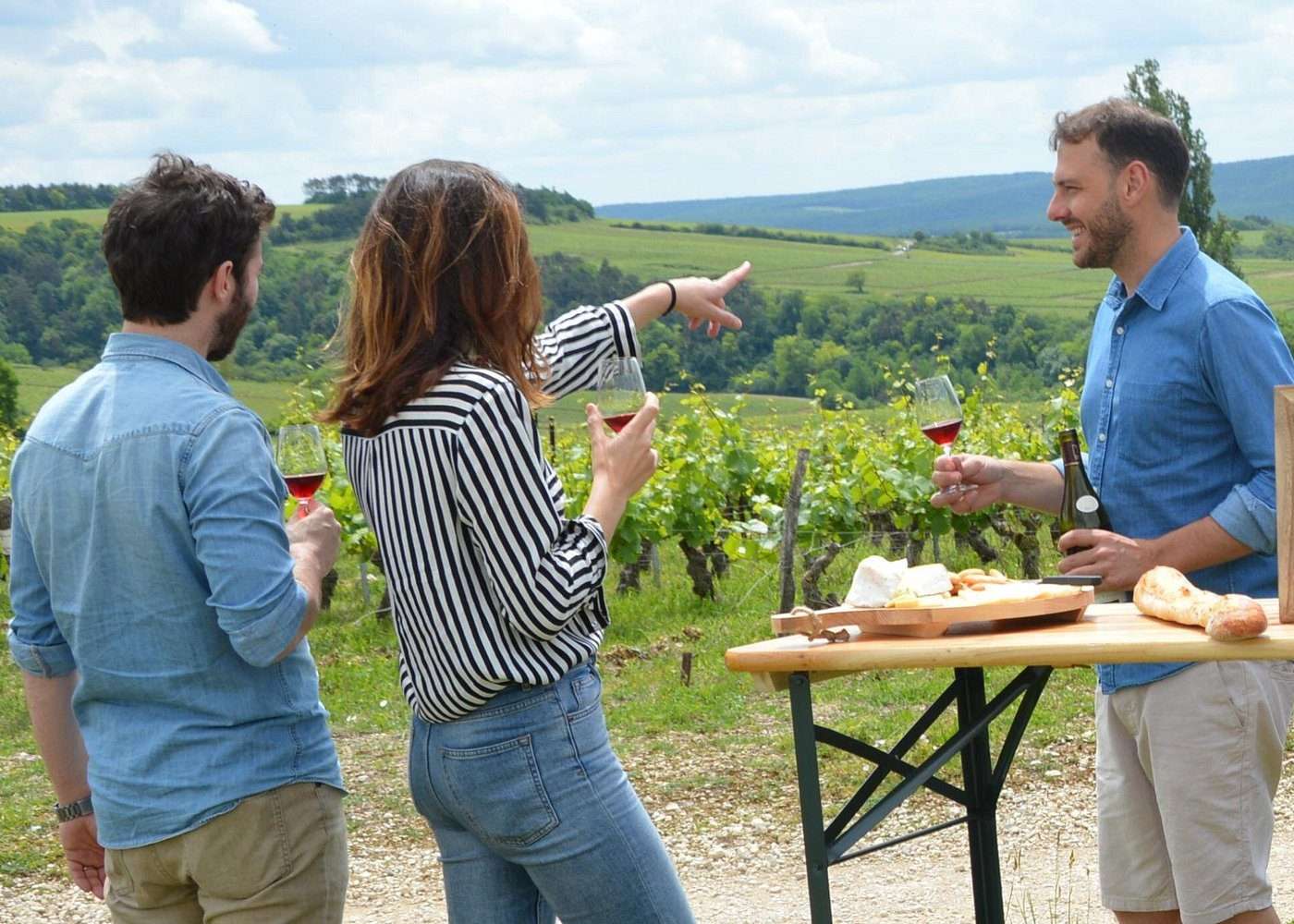
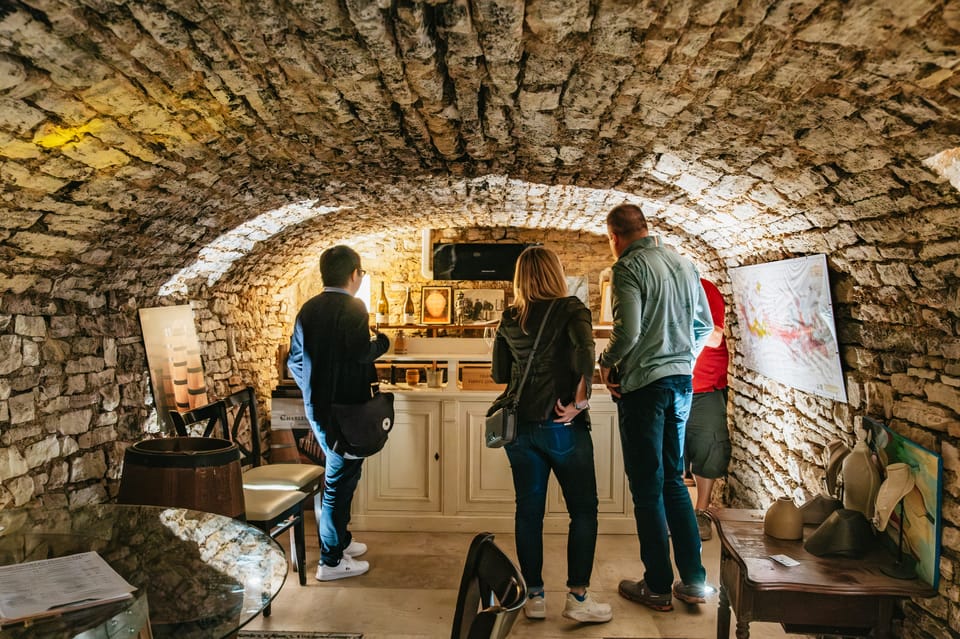
The complexity of these soils is the result of millions of years of geological upheaval, and the wines are the only way to experience that history in liquid form. Move beyond the technical and into the experiential. Join curated wine tours to walk the very soils—the gravels, the limestones, the clays—described in this guide. This is a professional, high-end invitation to touch the stones and taste the liquid history of the region in situ.