Table of Contents
Chasing the Muse in Pinot Noir Champs-Élysées of Burgundy
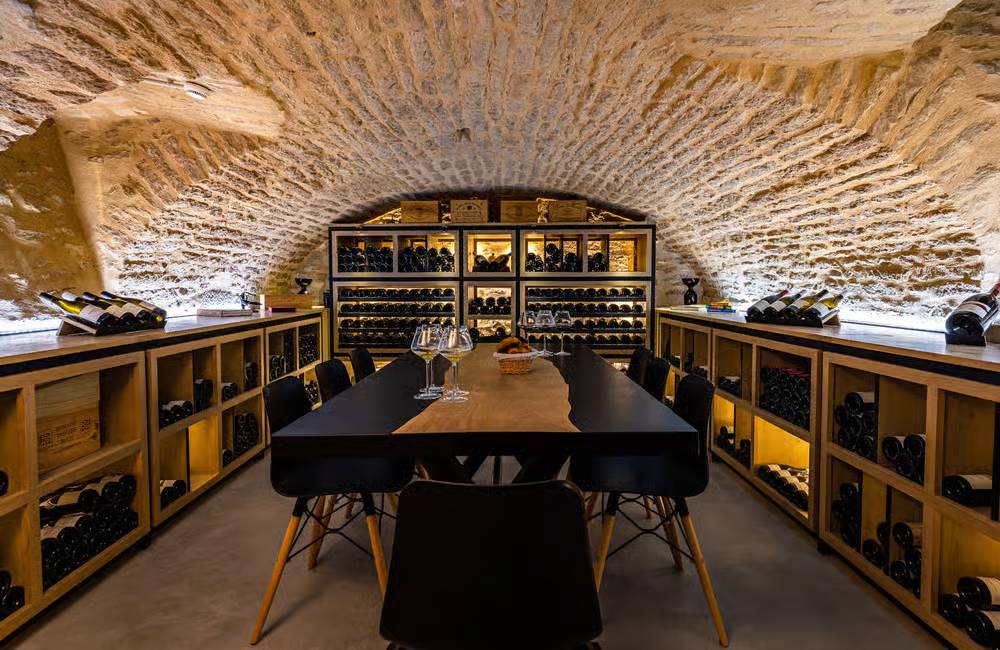
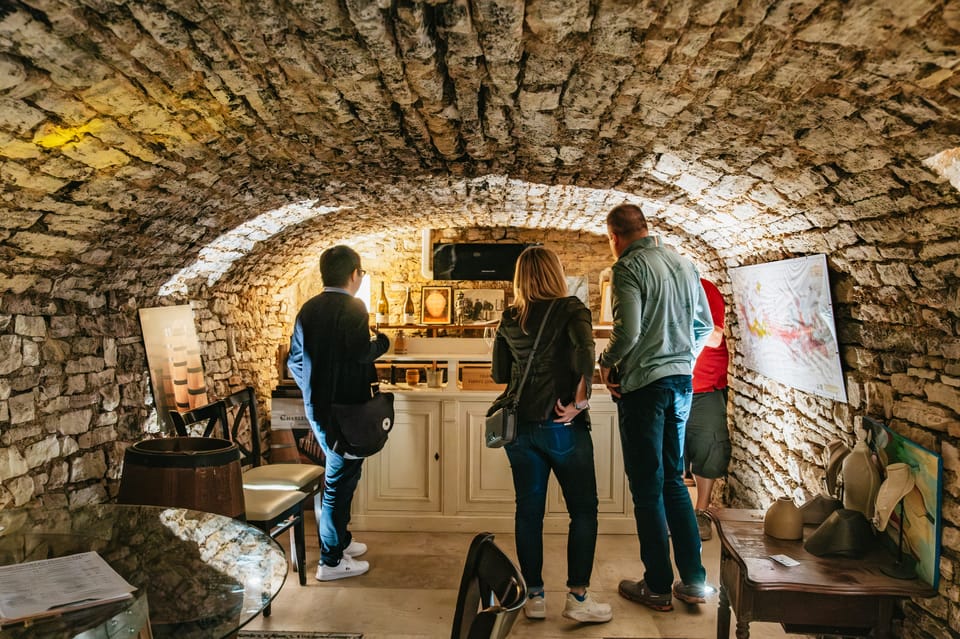
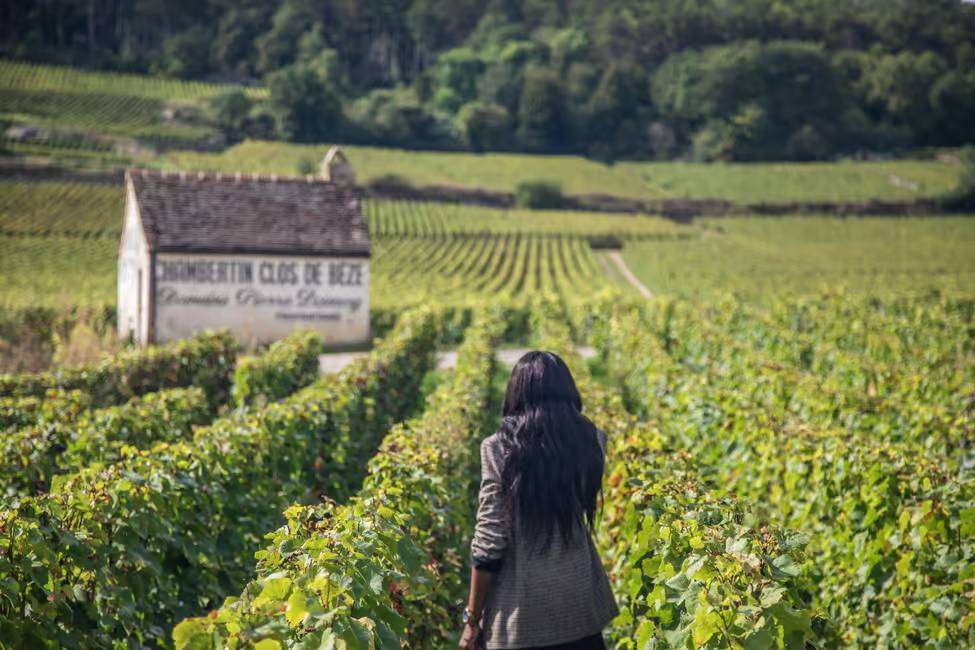
There is a profound, almost spiritual stillness that settles over you when you first navigate the narrow ribbon of the D974, the “Champs-Élysées of Burgundy.” As a long-time wine traveler, I’ve found that while many regions boast architectural grandeur, the Côte de Nuits offers something far more intimate and soul-stirring. It is a place where the soil isn’t just dirt; it is a sacred patchwork of “climats”—meticulously mapped parcels that have been tended by hand for over a thousand years. Walking through the weathered iron gates of a historic Château or descending the steep, cool stone steps into a modest family Estate, you quickly realize that you aren’t just visiting a vineyard; you are stepping into a living library of flavor. Here, the relationship between the vigneron and the vine is palpable; you see it in the calloused hands of the winemakers and the quiet pride with which they present a Private tour of their vaulted cellars.
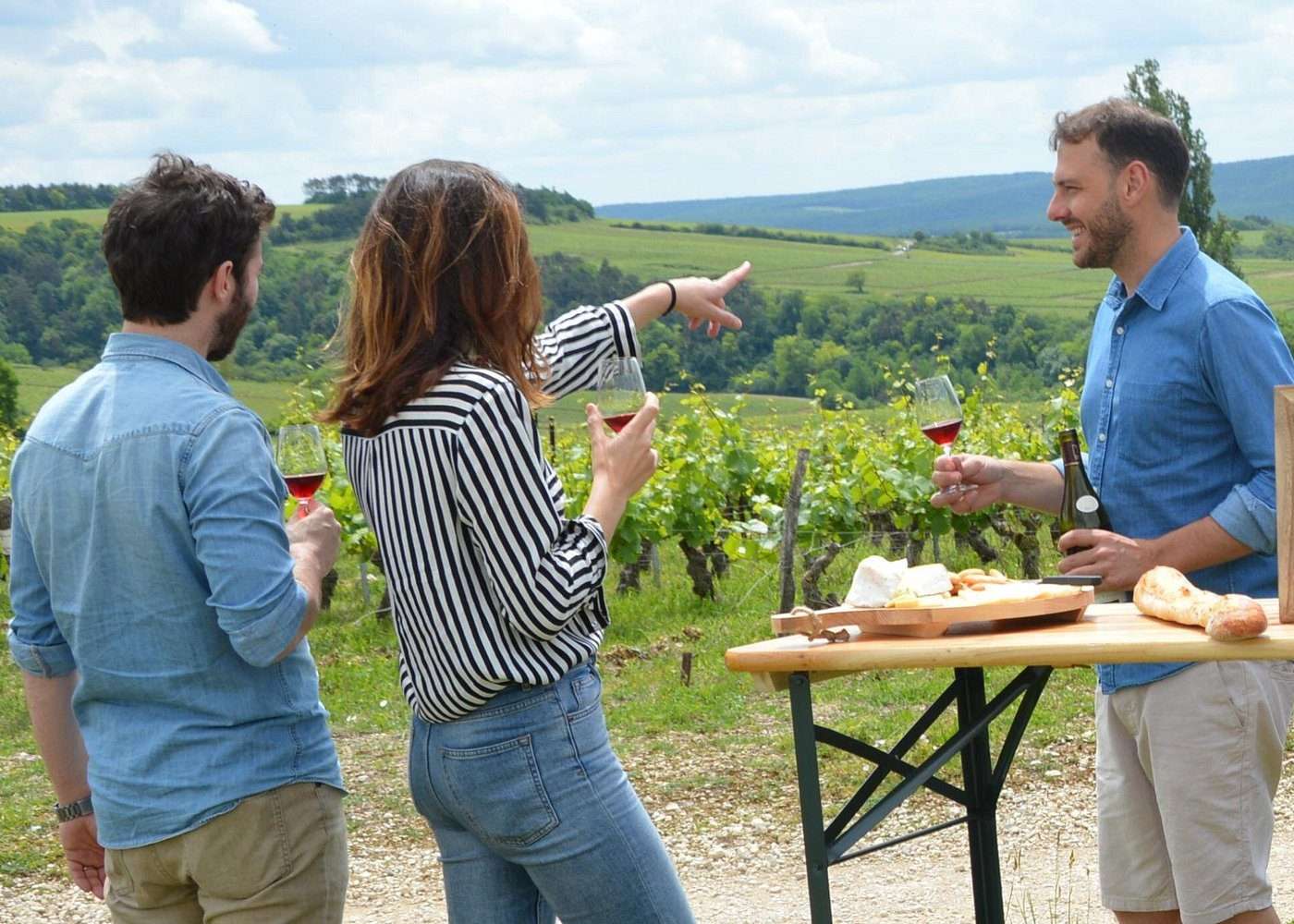
My most recent journey began in the early morning mist of Vosne-Romanée, where the dew still clung to the vines of the world’s most famous vineyards. There is a quiet reverence here that you won’t find in more commercialized wine hubs. Whether you are swirling a glass of ethereal Pinot Noir that seems to defy the laws of physics or sharing a plate of warm gougères with a third-generation producer, the experience is deeply personal. The Côte de Nuits demands that you slow down, breathe in the scent of damp earth and toasted oak, and appreciate the nuance of every single sip. It is a pilgrimage for the senses, where every village tells a story of heritage, every stone wall guards a secret, and every Wine tasting feels like a revelation of the earth’s deepest mysteries. This is a landscape where time is measured not in hours, but in vintages, and to visit is to become part of its enduring legacy.
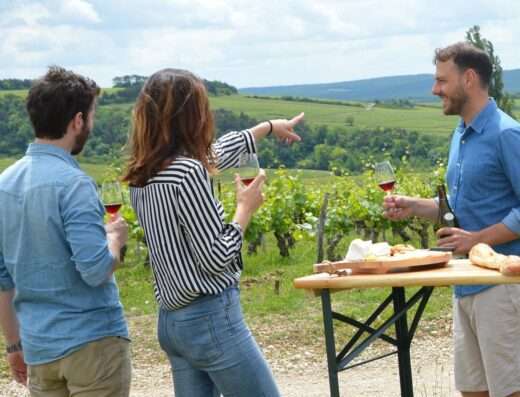
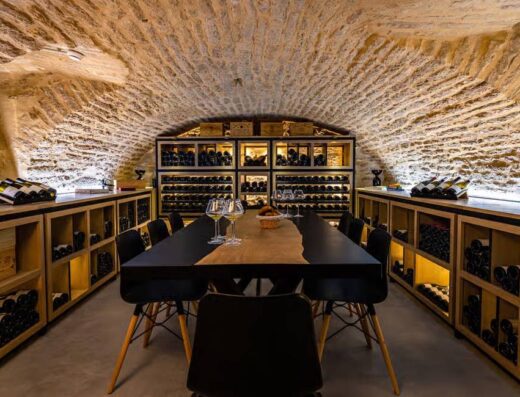
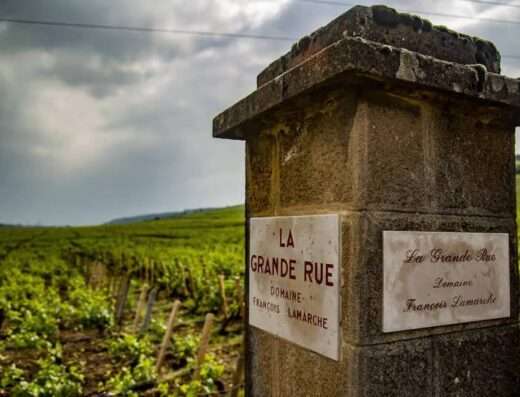
Step into the Grand Cru from Côte de Nuits
Planning a winery Visit or Wine Trip in Côte de Nuits How to go there
-
By Air: Most international travelers arrive at Paris Charles de Gaulle (CDG). A convenient alternative for those coming from the south is Lyon-Saint Exupéry (LYS), which is approximately a two-hour drive from the region.
-
By Train: The TGV is the most efficient route. From Paris, high-speed trains reach Dijon-Ville in just 1 hour and 35 minutes. Local TER trains connect Dijon to smaller stations like Gevrey-Chambertin and Nuits-Saint-Georges.
-
By Car: Renting a vehicle is highly recommended for exploring the “Climats.” The A6 autoroute provides a direct link from Paris and Lyon, while the D974 allows for a scenic drive through the heart of the vines.
Book your train or Airplane Ticket
Rent a Car from Dijon
Distances from Côte de Beaune Main Cities to Key Wine Regions
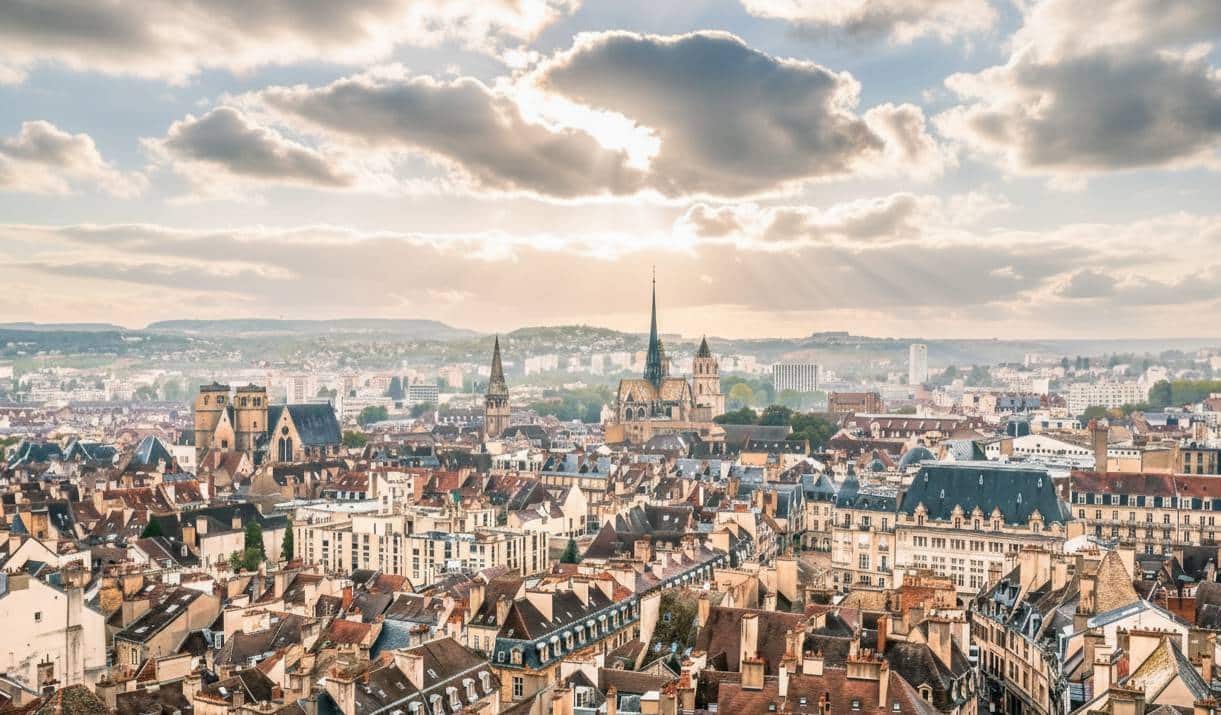
Dijon is the Northern Gateway to Côte de Nuits and the Historical Cpital of Dukes of Burgundy. For sure a town to visit
The Côte de Nuits is a narrow, precious corridor where every few kilometers marks a dramatic shift in soil and style. Understanding the proximity between the two major regional hubs—Dijon to the north and Beaune to the south—is essential for planning your daily Wine tasting circuit.
From Dijon (The Northern Gateway):
To Marsannay-la-Côte: A short 7 km drive (approx. 10 minutes) south of the city limits, this is the first true vineyard stop, famous for being the only village to produce AOC rosé alongside its reds and whites.
To Gevrey-Chambertin: Located 15 km (approx. 20 minutes) via the D974. This village is home to nine Grand Crus, and the drive offers your first glimpse of the dramatic limestone cliffs that define the region.
To Morey-Saint-Denis: Just 18 km (approx. 25 minutes) from Dijon, this village is nestled between Gevrey and Chambolle, offering a quieter, more technical look at the hierarchy of the slopes.
From Beaune (The Southern Hub):
To Nuits-Saint-Georges: A quick 10 km (approx. 15 minutes) drive north. This town serves as the logistical anchor for the southern end of the Côte de Nuits.
To Vosne-Romanée: Located 12 km (approx. 18 minutes) from Beaune. This is the “central nervous system” of the region’s most prestigious vineyards, including the legendary Romanée-Conti.
To Chambolle-Musigny: About 18 km (approx. 25 minutes) from Beaune. The drive takes you through the heart of the “Golden Slope,” where the vines sit right against the edge of the road, providing an immersive experience of the terroir.
Budgeting for Your Côte de Nuits wine trip experience
-
Navigating the financial landscape of the Côte de Nuits requires an understanding that you are in one of the world’s most premium wine regions. Prices vary significantly based on the prestige of the village and the level of the wine being poured.
Budget Experience: For those looking to experience the magic without the Grand Cru price tag, expect to spend €100 – €140 per night on charming local Gîtes or family-run B&Bs. Dining at local village bistros—where the food is authentic and the wine lists are excellent—typically costs €25 – €45 for a three-course menu. A Wine tasting at this level usually focuses on “Bourgogne” or “Village” appellations and ranges from €30 – €50 per person.
Mid-Range Experience: Most travelers opt for this tier, enjoying boutique hotels in Nuits-Saint-Georges or Gevrey-Chambertin at €180 – €350 per night. Meals at sophisticated brasseries or upscale restaurants often fall between €60 – €110, excluding rare bottles. A more specialized Wine tasting or a Private tour that includes Premier Cru selections will typically cost between €60 – €150, often including a visit to the barrel cellars.
Luxury Experience: For the ultimate indulgence, a stay in a 5-star Château or luxury vineyard spa starts at €600 and can exceed €1,200 per night. Gastronomy at this level involves Michelin-starred excellence, with tasting menus starting at €180 and climbing much higher. An exclusive Wine tasting of Grand Crus, library vintages, or a highly personalized Private tour of the most prestigious Estates is a significant investment, often starting at €250 per person and requiring months of prior arrangement.
.
Find the Perfect Stay during your Wine Trip in Côte de Nuits
Best Period to Visit Côte de Beaune
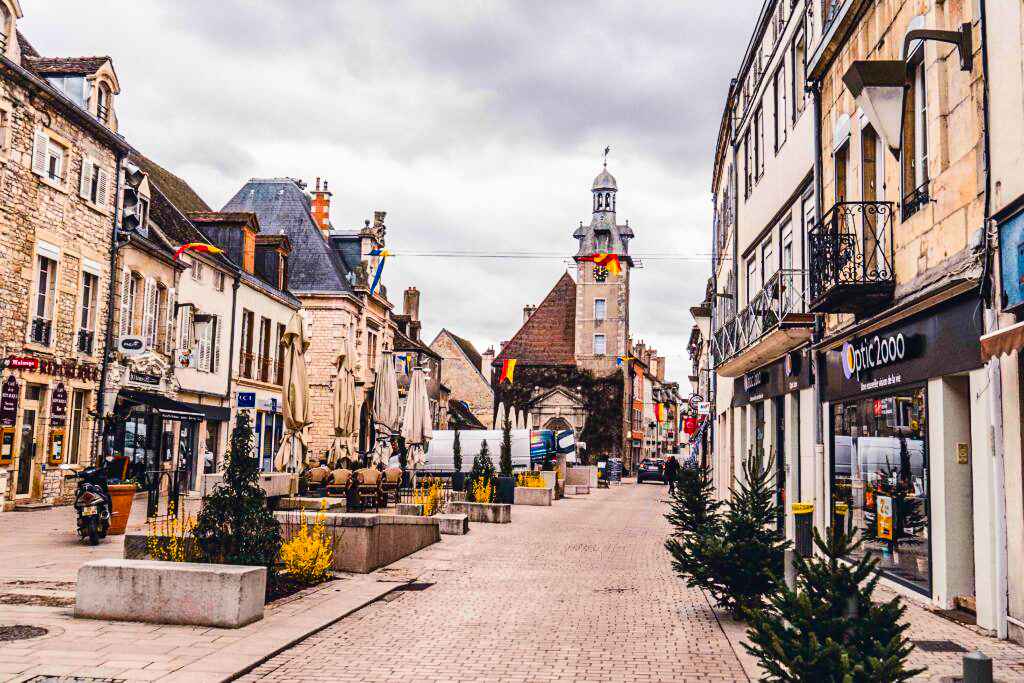
Nuits Saint Georges
The rhythm of life in the Côte de Nuits is dictated by the pulse of the Pinot Noir vine. Each season offers a distinct lens through which to view the “Golden Slope,” and choosing your timing will fundamentally change your interaction with the local Estates.
Spring: Rebirth. From April to June, the Côte de Nuits awakens from its winter slumber. The “climats” transform into a vibrant, electric green as bud break begins. This is arguably the most strategic time for a Private tour. Because the grueling labor of the harvest is months away, winemakers are often more relaxed and willing to spend extra time in the cellar explaining the nuances of their terroir. The weather is crisp and refreshing, perfect for walking the vineyard paths of Gevrey-Chambertin without the summer heat. It is a season of hope and renewed energy across the slope.
Summer: Peak. In July and August, the region is bathed in a soft, golden light that makes the stone walls of the Châteaux glow. The vine canopies are at their most lush, providing a sea of green that stretches as far as the eye can see. The villages are vibrant and full of international energy, with terrace dining at its peak. However, this is the height of the tourism season; you must book every Wine tasting and restaurant table months in advance. The days are long, allowing for late-evening strolls through the Romanée-Conti vines as the sun sets behind the hills.
Autumn: Harvest. Late August through October is the most electric and high-stakes period in the Côte de Nuits. The air is thick with the intoxicating scent of crushed grapes and active fermentation. The hillsides transform into a breathtaking mosaic of burning gold, ochre, and deep crimson. While it is the most visually spectacular time to visit, it is also the most restrictive. During the vendange (harvest), many family Estates are closed to the public as every hand is needed in the vines. If you visit now, you are a witness to the birth of a vintage, though you must be prepared for more limited access to the winemakers themselves.
Winter: Quiet. From November to March, a peaceful, contemplative mist settles over the slopes. The crowds vanish, leaving the villages of Chambolle-Musigny and Vosne-Romanée to their residents. This is a time of pruning and reflection. While the landscape is stark, the hospitality is at its warmest. Fires are lit in local bistros, and the Wine tasting sessions become deeply intimate, often held around a small barrel in a candlelit cellar. For the true connoisseur who wants to talk technical details without distraction, the quiet winter months offer an unparalleled connection to the soul of the region.
Main towns and places in Côte de Nuits Sanctuaries of Stone: The Towns That Guard the Vines
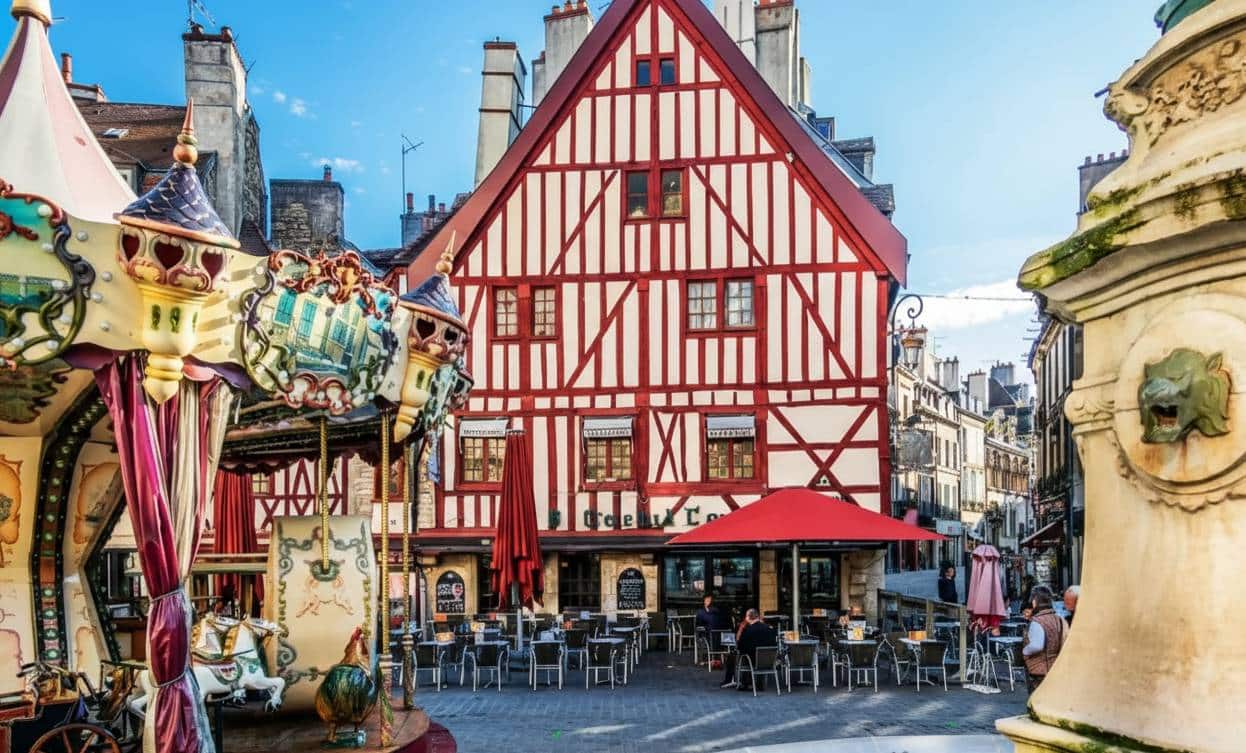
Dijon City Center has a very special Atmosphere
Dijon
As the historic capital of the Dukes of Burgundy, Dijon serves as the grand northern gateway to the vines. Visitors can expect a stunning medieval center filled with half-timbered houses and the famous “Owl’s Trail.” It is a vital wine hub not only for its history but as the primary base for exploring the northern subregions of Marsannay and Fixin. The Cité Internationale de la Gastronomie et du Vin is a must-visit, offering a modern look at the region’s heritage. It is the perfect starting point for any traveler looking to understand the administrative and cultural heart of Burgundian wine.
Nuits-Saint-Georges
This town is the bustling, industrious heart that gives the region its name. Unlike the smaller, sleepy villages, Nuits-Saint-Georges offers a lively atmosphere with numerous boutique shops and Wine tasting cellars lining its pedestrian streets. It is the central hub for the Nuits-Saint-Georges subregion and acts as a bridge between the northern giants and the southern reaches of the Côte. A visit to the historic belfry and the local museum provides a wonderful cultural perspective on how the wine trade has shaped local life and commerce for centuries.
Places to visit in Côte de Nuits Not to miss
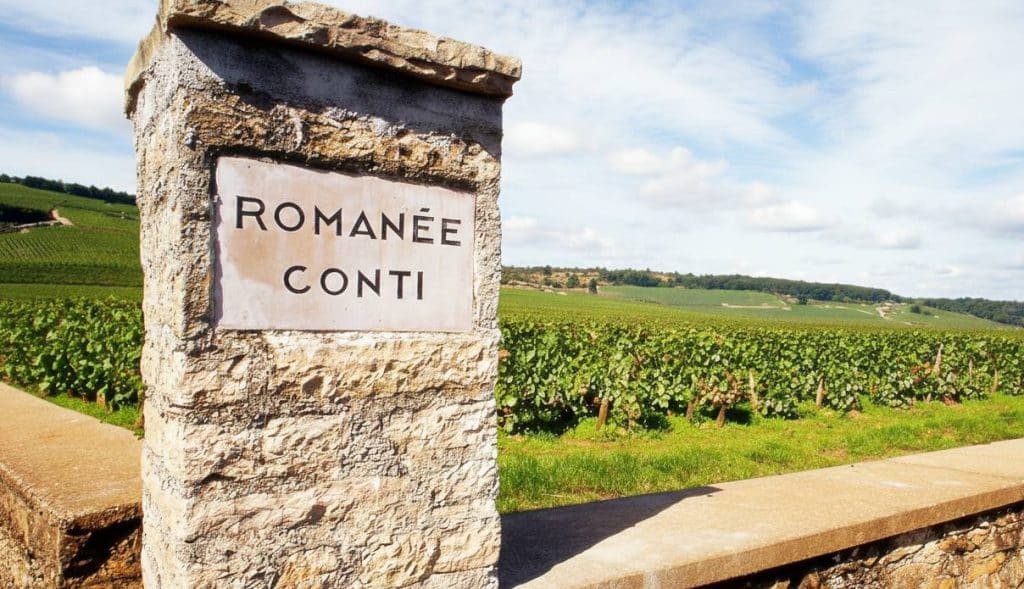
The Iconic Romanée Conti Vineyards.
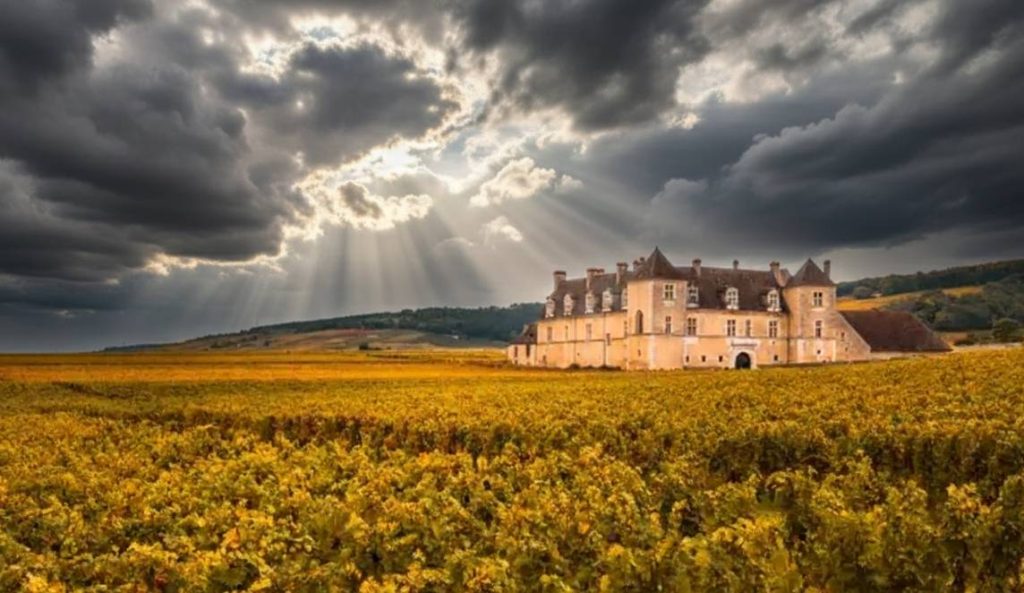
Château du Clos de Vougeot: Rising like a stone ship amidst a sea of Grand Cru vines, this 12th-century masterpiece is the spiritual epicenter of Burgundy. Originally built by Cistercian monks, it now serves as the headquarters for the Brotherhood of the Knights of the Tastevin. A walk through its ancient vat-house, featuring massive wooden wine presses from the Middle Ages, is a profound history lesson in how faith and viticulture intertwined to create the region’s legacy.
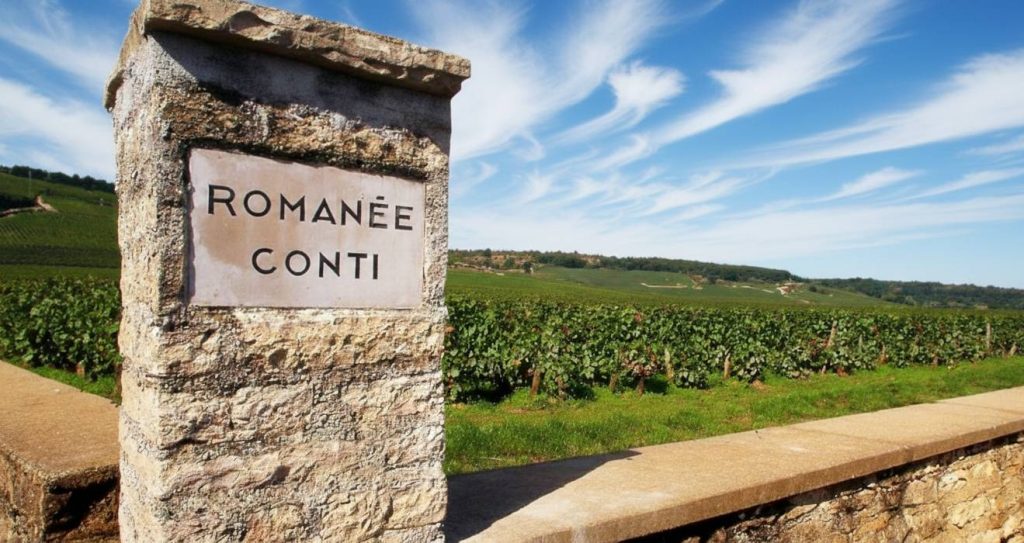
The Vineyard of Romanée-Conti: In the quiet village of Vosne-Romanée, follow the dust-path to a simple stone cross at the corner of a low wall. This marks the most famous six acres of dirt on the planet. Standing here in silence, looking over the hallowed ground of Romanée-Conti, is a rite of passage for every wine lover. It is a place where you can truly feel the weight of history and the incredible precision of the Burgundian “climat.”
The Abbaye de Cîteaux: To understand the wine, one must understand the monks who first classified the land. Located just a short drive into the forest east of the Côte, this active monastery is where the Cistercian order began. Visitors can explore the historic library and purchase the famous Cîteaux cheese made by the monks today.
The Combe de Lavaux Nature Reserve: For a breathtaking perspective of the “Golden Slope,” hike the trails above Gevrey-Chambertin. This geological rift offers a panoramic view of the vineyard hierarchy, showing exactly how the slope’s exposure and drainage dictate the difference between a Village wine and a Grand Cru.
The Imaginarium in Nuits-Saint-Georges: For a more contemporary and interactive experience, this discovery center offers a deep dive into the world of sparkling wines (Crémant de Bourgogne) and the technical tools used in the vineyard. It is a perfect, educational counterpoint to the ancient dusty cellars of the smaller Estates.
Local Gastronomy: What to Taste Absolutely The Gourmet experience
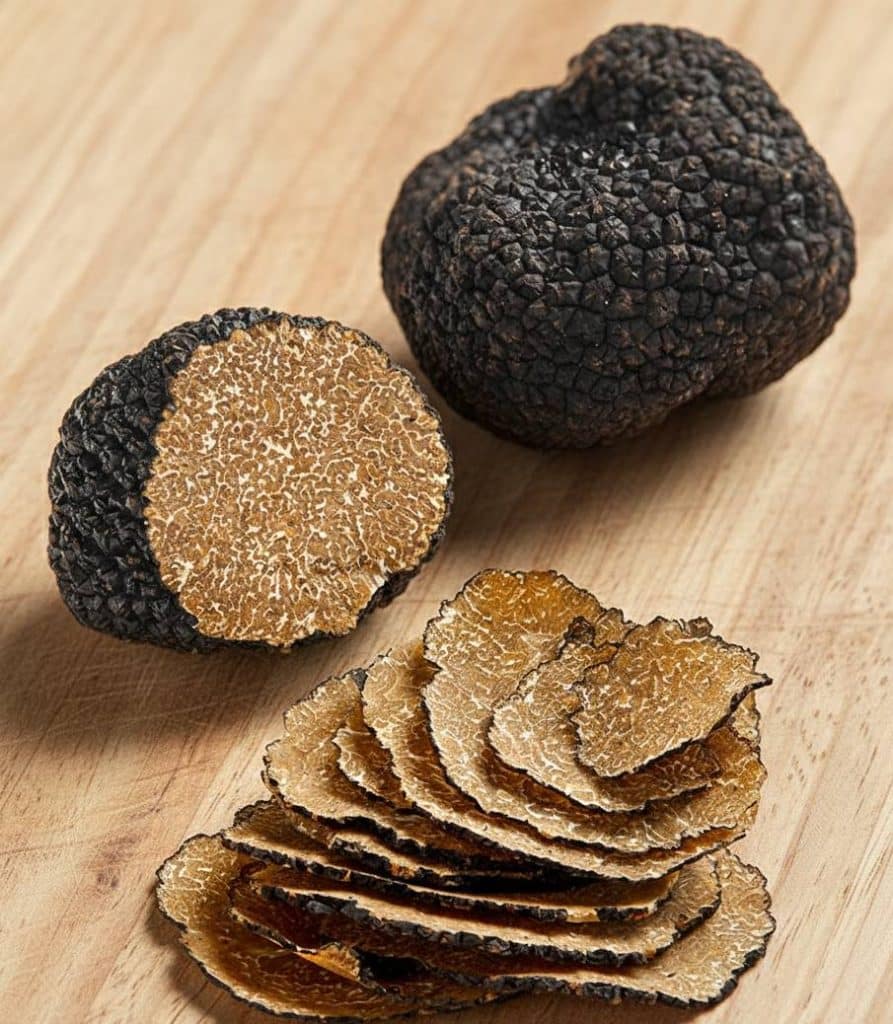
The Truffle of Burgundy (Tuber Uncinatum)
The gastronomy of the Côte de Nuits is inseparable from its wine; the dishes here are structurally designed to complement the power of a Gevrey-Chambertin or the elegance of a Chambolle-Musigny.
The Truffle of Burgundy (Tuber Uncinatum): While the Perigord truffle is famous, the autumn truffle of the Côte de Nuits is a local obsession. Often hunted in the forests above the “Golden Slope,” its hazelnut notes are a sublime match for an aged Estate Pinot Noir. Try it shaved over simple buttery pasta or incorporated into a local terrine.
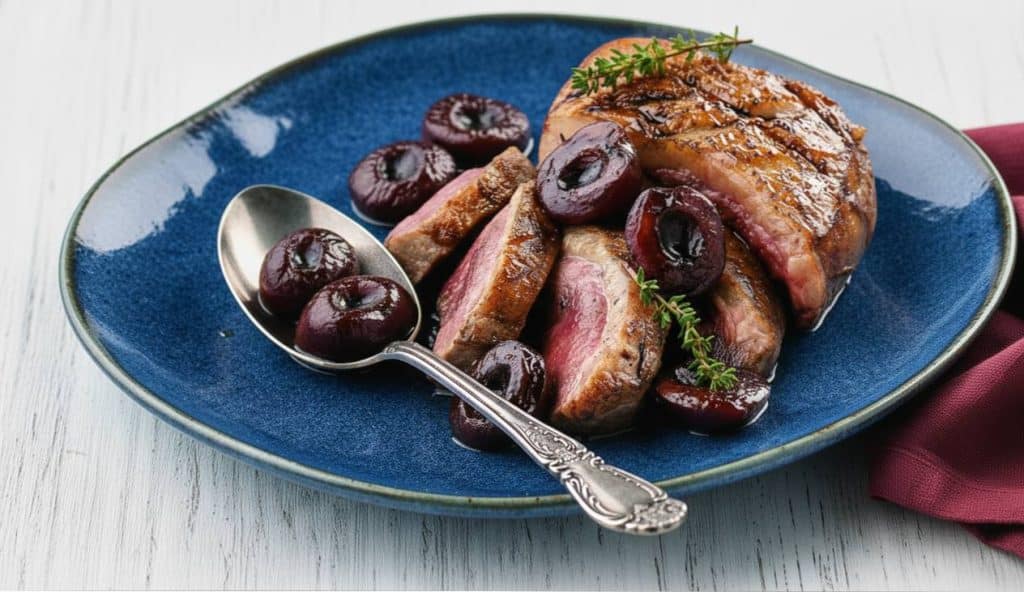
Civet de Lièvre à la Royale: This is the pinnacle of hunter-style gastronomy in the northern Côte. A rich, dark hare stew thickened with blood and flavored with local red wine, it is a dish that demands the most structured Grand Crus the region has to offer.
Époisses de Bourgogne: Born in a nearby village but perfected in the cellars of the Côte, this is perhaps the world’s most pungent cheese. Its rind is washed in Marc de Bourgogne (local brandy), resulting in a creamy, meaty interior. Local custom dictates eating it with a spoon on a slice of crusty baguette after a long Wine tasting.
Jambon Persillé: This marbled ham and parsley terrine is the quintessential starter in every village bistro from Gevrey to Nuits-Saint-Georges. The acidity of the jelly and the saltiness of the ham provide a perfect counterpoint to the bright fruit of a young Village-level wine.
Gougères: These airy, savory cheese puffs made with Comté are more than just a snack; they are a ritual. In almost every Private tour, you will be offered these warm, salty treats. They are the ultimate palate-awakener before diving into a flight of serious reds.
Coeur de Villers: A lesser-known but exquisite local cheese from the Nuits-Saint-Georges area, this soft-ripened cow’s milk cheese is more delicate than Époisses and highlights the floral notes of a Vosne-Romanée.
Plan your Transportation Planning Your Pilgrimage in Côte de Nuits
To fully immerse yourself in the Wine tasting culture of the Côte de Nuits without the stress of logistics, your choice of transport is paramount.
Private Chauffeur: This is undoubtedly the premier way to experience the region. By hiring a local driver-guide, you gain access to insider knowledge of the narrow vineyard roads between Estates. More importantly, it allows everyone in your party to participate fully in the Wine tasting sessions without the safety concerns of driving. Many luxury services offer half-day or full-day itineraries tailored to your specific Grand Cru interests.
Bicycle Rentals: For the active traveler, the “Voie Verte” (Green Way) offers a stunning, eco-friendly route that winds directly through the vines. Many boutique hotels and local shops in Nuits-Saint-Georges and Beaune offer high-quality hybrid or electric bikes. Cycling allows you to feel the micro-climates of the slope—the cool air of the combes and the warmth of the sun-drenched hillsides—at a pace that respects the landscape.
Rental Cars: If you prefer total independence, renting a car from Dijon or Beaune is the most flexible option. It allows you to explore the “Hautes-Côtes” (the higher hills) where the views are expansive and the Estates are often more rugged and traditional. However, be mindful that roads are narrow, parking in villages like Vosne-Romanée is extremely limited, and France has very strict blood-alcohol limits.
Local Taxis and Shuttles: Unlike major cities, there are no ride-sharing apps like Uber operating reliably in the vineyard villages. Taxis are available but are limited in number; they must be booked at least 24 to 48 hours in advance, especially for evening dining. Some high-end hotels also provide private shuttle services to nearby villages for Wine tasting appointments or dinner.
Shipping costs and wine export from Côte de Nuits
- European Union: Shipping is efficient and reliable. A standard case of 12 bottles generally costs between €40 and €75, depending on the destination and insurance coverage.
- USA: Due to complex import regulations, costs are higher, typically ranging from $140 to $220 per case. Many Estates work with specialized consolidation services to manage the three-tier system requirements.
- UK: Following Brexit, additional customs and VAT apply. Shipping and clearance for a case of 12 bottles now averages between £70 and £110.
- Canada: Costs vary by province due to liquor board regulations. Expect to pay between $180 and $300 per case, including the significant taxes applied at the point of entry.
- Payment methods
- Major credit cards such as Visa and Mastercard are accepted in almost all Châteaux, hotels, and restaurants. American Express is less common in smaller villages. It is highly recommended to carry a small amount of Euro (€) cash for local markets, small purchases in family-run shops, or tips for a guide during a Private tour.