Table of Contents
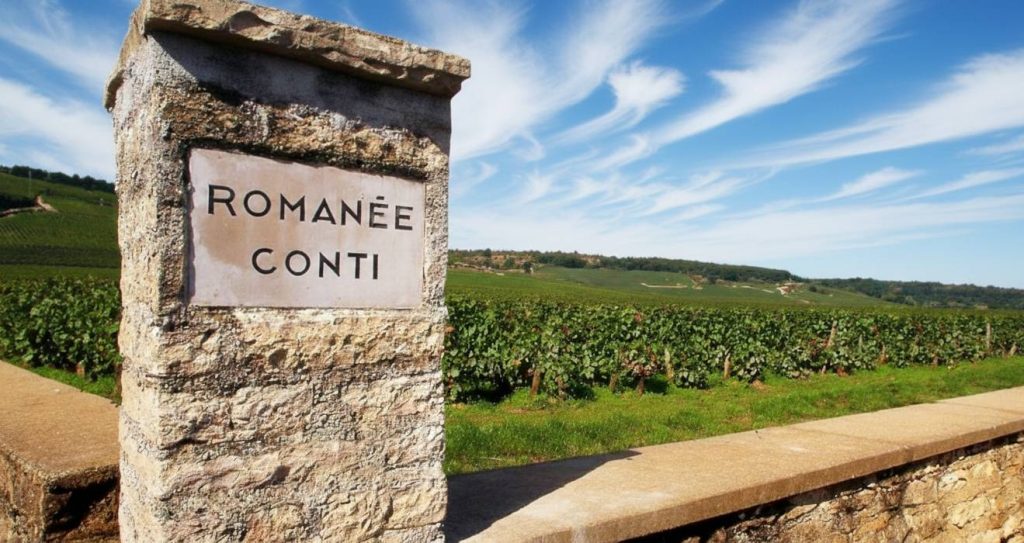
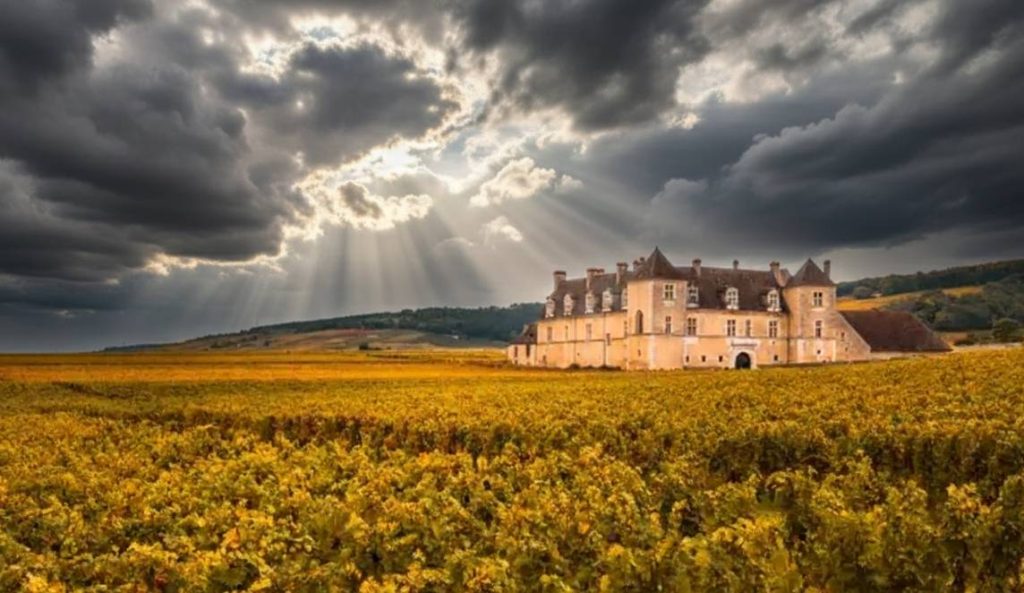
The relationship between the limestone-rich terroir of the Côte de Nuits and the local gastronomy is a profound testament to the concept of geological and culinary balance. In this northern stretch of Burgundy, the soil is primarily composed of brown limestone, marl, and varying concentrations of iron-rich clay, which dictates the structural identity of the Pinot Noir grape. This unique “terroir” produces wines characterized by a delicate yet firm architecture, where the interaction between chemical compounds and food textures creates a perfect sensory equilibrium.
At the heart of this relationship is the scientific interplay of acidity and tannins with the proteins and fats of traditional Burgundian fare. Côte de Nuits wines typically possess medium-high acidity, which acts as a molecular cleanser for the palate. When consumed with rich dishes such as Coq au Vin or Bœuf Bourguignon, this acidity cuts through the heavy lipids, preventing the fats from coating the tongue and dulling the flavors of the meat. Simultaneously, the refined tannins of Pinot Noir—polyphenolic compounds derived from grape skins and seeds—engage in a classical tannin-protein reaction. These tannins bind to the proteins in red meats or aged cheeses, effectively softening the wine’s perceived astringency while the fat in the dish acts as a cushion to smooth out the texture. This chemical synergy ensures that neither the wine nor the food overpowers the other, achieving a structural harmony that is the hallmark of professional sommelier science.
Local Gastronomy and Côte de Nuits wine pairing The Burgundian Heritage
The Côte de Nuits is the spiritual home of Pinot Noir, where the grape achieves its most authoritative expression across diverse village appellations. The northern sector is defined by a higher concentration of Comblanchien limestone, which lends a specific verticality to the wines.
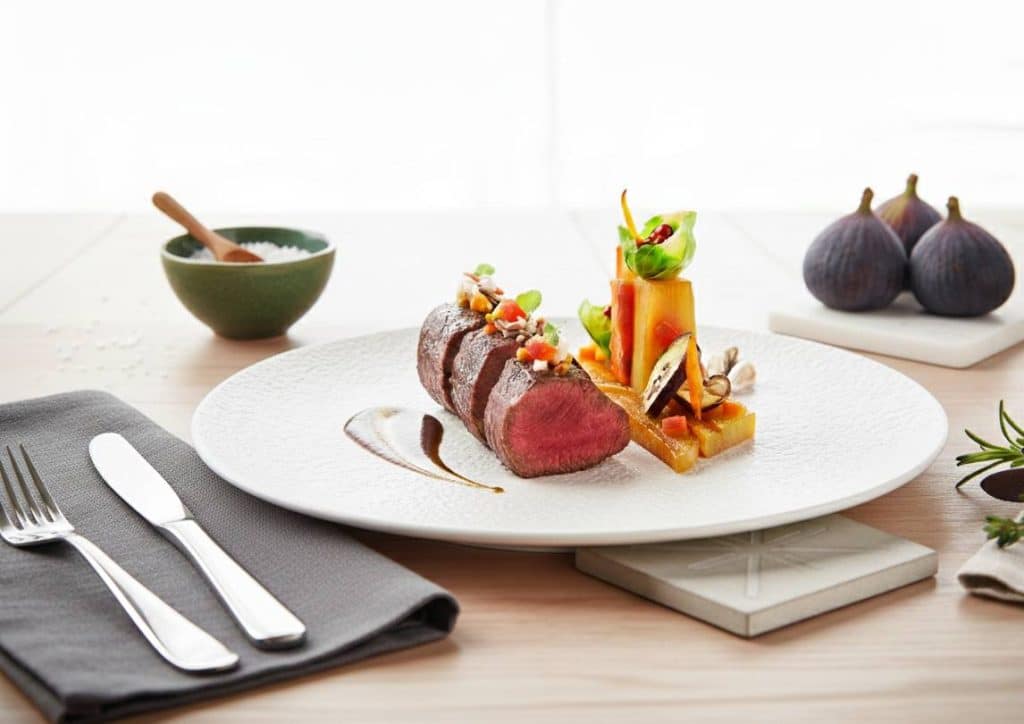
Venison fillet pairs with Furs and Truffles aromas of Nuits-Saint-Georges
The Robust and Structured Reds: Gevrey-Chambertin and Nuits-Saint-Georges
These appellations are celebrated for their power and longevity, often exhibiting deep ruby colors and intense aromas of black cherry, licorice, and spice. The higher clay content in these soils contributes to a more solid tannic structure compared to their neighbors, making them ideal partners for hearty, protein-rich gastronomy.
Bœuf Bourguignon and Gevrey-Chambertin The intense, woody aromas and powerful structure of a Gevrey-Chambertin are essential for standing up to the slow-cooked richness of Bœuf Bourguignon. Scientifically, the concentrated proteins in the braised beef bind with the silky but firm tannins of the Pinot Noir, which prevents the wine from feeling too astringent. The wine’s vibrant acidity simultaneously slices through the gelatinous texture of the sauce, refreshing the palate between every single bite.
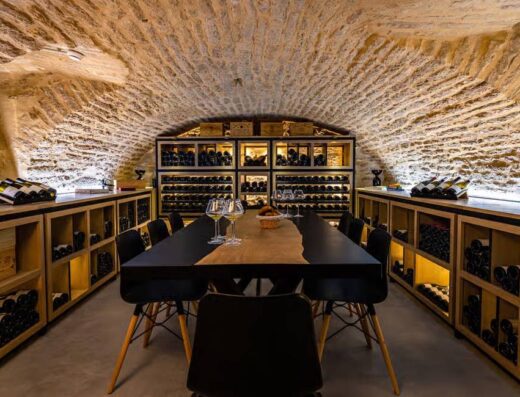
Époisses Cheese and Gevrey-Chambertin The pungent, creamy texture of Époisses, a local washed-rind cheese, requires a wine with enough aromatic intensity to match its bold profile. The complex notes of spice and undergrowth in the wine mirror the earthy characteristics of the cheese. From a culinary perspective, the alcohol and acidity in the Gevrey-Chambertin effectively cut through the high fat content of the cheese, ensuring that the heavy creaminess does not overwhelm the delicate floral nuances of the Pinot Noir.
Roasted Venison and Nuits-Saint-Georges Nuits-Saint-Georges is often described as having furs and truffles on the palate, a profile that finds its perfect scientific match in game animals like venison. The wild, lean proteins of the venison benefit from the wine’s full-bodied and persistent structure. The tannins in the Nuits-Saint-Georges react with the muscle fibers of the game, while the wine’s spice notes enhance the natural umami flavors of the roasted meat.
Coq au Vin and Gevrey-Chambertin Coq au Vin is a regional masterpiece where the bird is braised in the same red wine it is eventually served with. The scientific logic here is concordance of flavors, where the reduction of the wine in the sauce concentrates the red fruit and woody notes. The acidity of the Gevrey-Chambertin balances the richness of the bacon used in the dish, while the wine’s refined tannins provide the necessary structure to support the dark, savory meat of the rooster.
The Elegant and Perfumed Reds: Vosne-Romanée and Chambolle-Musigny Pairings with local cuisine
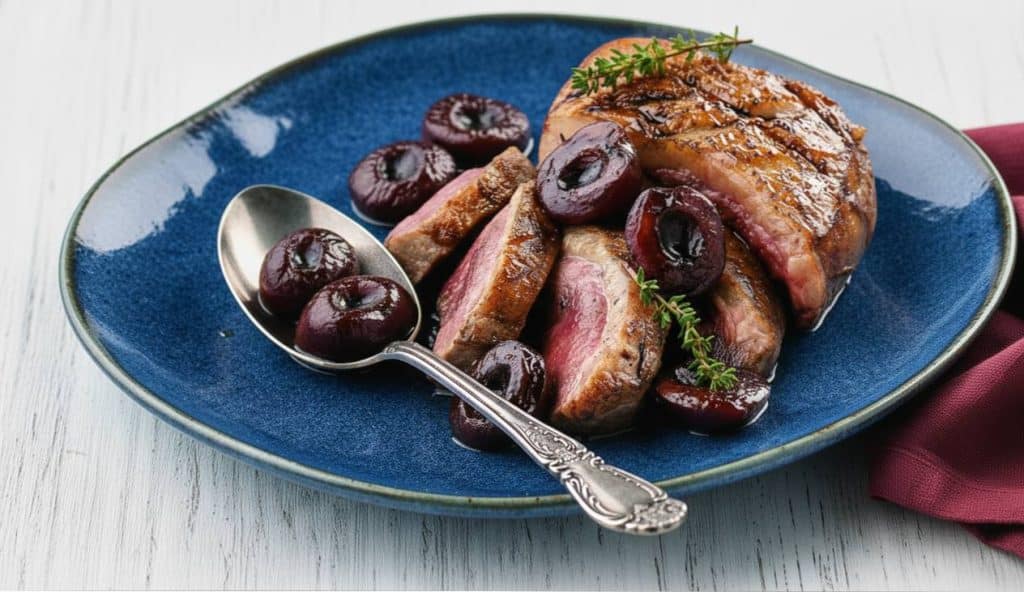
Chambolle-Musigny is a perfect table companion to duck breast with cherries
Often described as the apotheosis of Pinot Noir, these wines are prized for their finesse, floral aromatics, and silky textures. The limestone-heavy plots here yield wines with lighter bodies but incredible aromatic complexity, requiring more delicate culinary pairings to avoid masking their subtle beauty.
Rabbit with Chanterelles and Vosne-Romanée The delicate, lean protein of rabbit is a sophisticated match for the perfumed elegance of Vosne-Romanée. Scientifically, the earthy umami of the chanterelle mushrooms aligns perfectly with the undergrowth and forest floor aromas that develop in aged Vosne-Romanée. Because the wine has finer, micro-grained tannins, it does not overwhelm the tender rabbit meat, instead creating a weightless harmony on the palate that emphasizes the wine’s airy finish.
Duck Breast with Cherries and Chambolle-Musigny Duck breast is naturally fatty and gamey, qualities that are expertly balanced by the high acidity and red-fruit profile of Chambolle-Musigny. The cherry notes often found in these wines create a fruit-on-fruit synergy with the cherry sauce. Chemically, the acidity cuts through the duck fat, while the wine’s legendary finesse ensures that the subtle violet and floral notes are not lost against the richness of the meat.
Wild Mushroom Risotto and Vosne-Romanée The earthy, savory character of a mushroom risotto is a natural laboratory for wine pairing. The umami-rich glutamate in the mushrooms enhances the perceived fruitiness of the Vosne-Romanée. The wine’s silky tannins provide enough structure to handle the creamy texture of the rice without creating a clashing metallic sensation, while the high acidity keeps the palate fresh despite the butter and parmesan.
Saddle of Lamb and Vosne-Romanée Lamb possesses a specific fatty-acid profile that requires a wine with both structural integrity and aromatic lift. The Vosne-Romanée provides a seductive perfume of mocha and blackcurrant that complements the succulent lamb. Scientifically, the fine tannins in the wine bridge the gap between the tender meat fibers and the rich fat, while the wine’s natural saline notes enhance the savory depth of the roasted lamb.
International Food pairing with Côte de Nuits Global Food and Wine Perspective
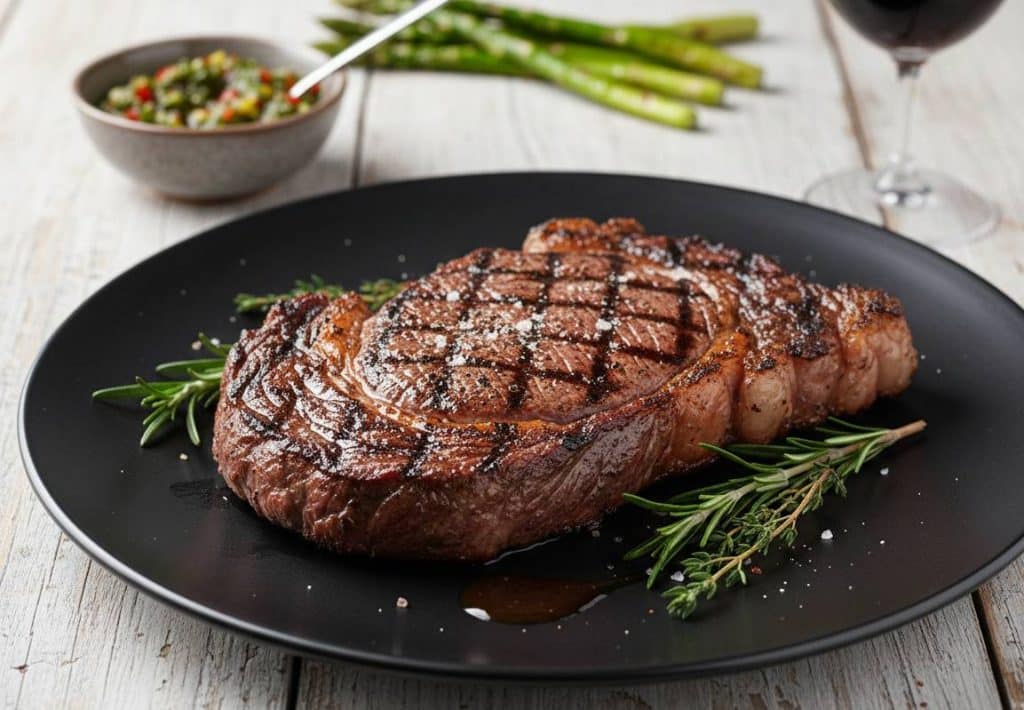
Ribeye steack can be paired with Gevrey-Chambertin to change from usual Malbec wines
Japanese Grilled Eel (Unagi) and Vosne-Romanée The rich, oily texture and sweet soy-based glaze of Unagi require a wine with exceptional aromatic precision and refreshing acidity. Scientifically, the high acidity of Vosne-Romanée acts as a vertical contrast to the horizontal, coating nature of the fatty eel. The wine’s subtle spice notes, such as star anise and clove, harmonize with the caramelized sugars of the glaze, while its fine-grained tannins ensure the delicate fish texture is respected rather than dominated.
Seared Bluefin Tuna and Chambolle-Musigny Seared tuna possesses a dense protein structure and metallic iron notes that often clash with high-tannin red wines. The scientific reason behind this pairing lies in the low phenolic astringency of Chambolle-Musigny, which prevents the development of an unpleasant fishy aftertaste. The wine’s bright red-berry acidity complements the oceanic salinity of the tuna, creating a refreshing and elegant bridge between the sea and the vineyard.
Moroccan Lamb Tagine and Gevrey-Chambertin The complex spice palette of a Moroccan Tagine, featuring cumin, ginger, and saffron, finds a perfect molecular mirror in the spicy aromatic profile of Gevrey-Chambertin. The scientific interaction relies on the wine’s robust tannic structure, which is capable of binding with the succulent fats of the slow-cooked lamb. The wine’s power ensures it is not lost amidst the aromatic intensity of the North African spices, resulting in a balanced and authoritative culinary outcome.
Peking Duck and Nuits-Saint-Georges Peking Duck is defined by its crispy, honey-glazed skin and high fat content. The scientific reason for pairing this with Nuits-Saint-Georges is the wine’s exceptional structural density and high natural acidity. The acidity provides a sharp cleansing effect on the palate, emulsifying the duck fat, while the dark fruit flavors of the wine provide a classic sweet-savory contrast to the hoisin sauce and scallions typically served with the dish.
Argentine Ribeye Steak and Gevrey-Chambertin While often paired with Malbec, a structured Gevrey-Chambertin offers a more sophisticated scientific interaction with the high marbling of an Argentine Ribeye. The wine’s firm tannins engage in a molecular bond with the beef proteins, effectively softening the wine’s grip while the meat’s fat provides a luxurious mouthfeel. The iron-rich minerals found in the Gevrey soils echo the mineral notes of the grilled meat, creating a profound terroir-to-plate connection.
Wild Mushroom Risotto with Truffle Oil and Vosne-Romanée The high glutamate content in wild mushrooms and truffles creates a massive umami impact that can flatten lesser wines. Scientifically, the Vosne-Romanée survives this because its aromatic profile is built on the same molecular precursors found in forest floor environments. The wine’s silkiness matches the creamy texture of the arborio rice, while its vibrant acidity prevents the dish from feeling overly heavy or cloying on the tongue.
Korean Beef Bulgogi and Nuits-Saint-Georges The sweet, garlic, and ginger marinade of Bulgogi requires a red wine with significant fruit concentration and a sturdy backbone. Nuits-Saint-Georges provides the necessary structural weight to match the intensity of the marinade. From a chemical perspective, the wine’s tannins help break down the fibers of the thinly sliced beef, while its black fruit profile, including blackberry and plum, offers a refreshing counterpoint to the fermented notes of the dish.
French Roasted Squab with Truffles and Chambolle-Musigny The gamey, iron-rich flavor of squab is a traditional test for elite Pinot Noir. The scientific reason here is the aromatic resonance between the bird’s lean meat and the violet-inflected bouquet of Chambolle-Musigny. The wine’s ethereal weight ensures that the delicate flavor of the squab is the protagonist, while the wine’s acidity provides the necessary lift to highlight the complex, earthy notes of the accompanying truffles.
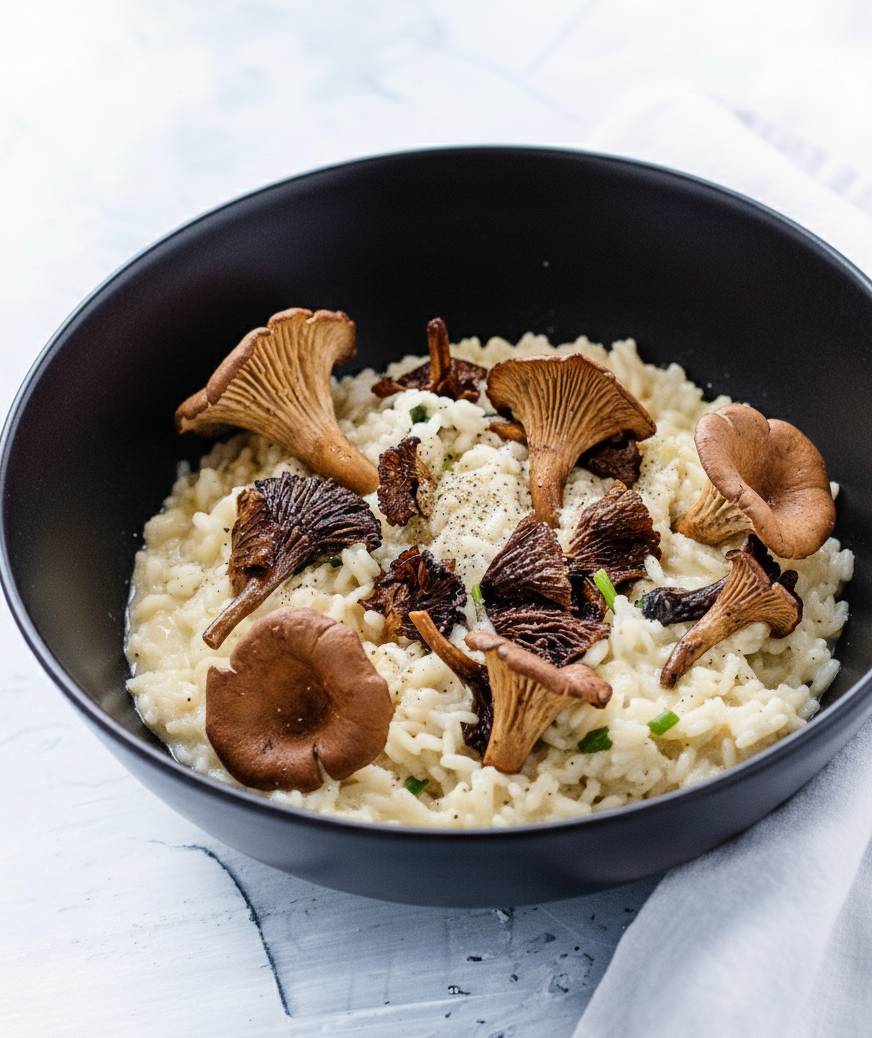
Wild Mushrooms Risotto and its Umami match with Vosne-Romanée forest floor aromas
Peking Duck and its sweet glaze find perfect partner in Volnay
The Côte de Nuits remains the definitive benchmark for how terroir dictates the dinner table. By understanding the chemical relationship between Pinot Noir’s acid-tannin structure and the lipid-protein profiles of world-class cuisine, one can unlock a sensory experience that transcends simple eating. This region proves that the most sophisticated pairings are not merely cultural traditions but are rooted in the physical reality of the soil and the molecular biology of the grape. Whether enjoying a rustic Bœuf Bourguignon in a local cellar or delicate Sashimi in Tokyo, the wines of the Côte de Nuits provide a scientific bridge to culinary excellence.
Côte de Nuits Wines Pairing In a Nutshell
The Protein-Tannin Synthesis: The primary rule for Côte de Nuits red wine pairing is the molecular interaction between the fine-grained tannins of Pinot Noir and animal proteins. In appellations like Gevrey-Chambertin, these tannins are firm enough to bind with the dense collagen of slow-cooked meats, creating a smoother, more integrated mouthfeel.
The Lipid-Acid Equilibrium: High natural acidity is the nervous system of these wines. This acidity serves as a chemical palate cleanser, emulsifying fats in rich dishes like Époisses cheese or duck confit. This prevents the palate from becoming fatigued, allowing the diner to perceive the subtle nuances of the wine throughout the entire meal.
Aromatic Concordance and Contrast: Pairing often relies on aromatic mirroring, where the earthy, forest-floor notes of an aged Nuits-Saint-Georges match the umami of mushrooms or truffles. Conversely, aromatic contrast uses the bright red fruit of a Chambolle-Musigny to provide a refreshing counterpoint to the savory, salty depth of grilled tuna or roasted squab.
The Role of Iron-Rich Terroir: The specific iron and limestone composition of the Côte de Nuits soil imparts a blood-orange or mineral edge to the wine. This mineral profile creates a unique affinity for game meats and iron-rich proteins, making the region the global gold standard for pairing with venison, pigeon, and premium cuts of beef.
Appellation-Specific Strategy:
Gevrey-Chambertin: Power and structure for robust stews and fatty steaks.
Vosne-Romanée: Aromatic complexity and silk for delicate game and mushroom-based dishes.
Chambolle-Musigny: Finesse and high-toned acidity for oily fish and light poultry.
Nuits-Saint-Georges: Earthiness and density for wild game and spicy international cuisines.