Elegance Through the Ages: Traveler’s Historical Guide to Côte de Nuits

The Wine Wanderer Blog

Table of Contents

The Côte de Nuits is a place where history isn’t just kept in books; it’s stored in the cellar and grown in the dirt. When you walk these slopes, you’re treading on a geological masterpiece of Bathonian limestone that has shaped the character of Pinot Noir for two thousand years. This narrow ribbon of land, often called the “Champs-Élysées” of Burgundy, represents the most prestigious stretch of the vignoble. Stretching from the outskirts of Dijon down to Nuits-Saint-Georges, every village here tells a story of survival, transformation, and a relentless pursuit of quality that defines the modern standard for luxury wine.

Step of the History Book
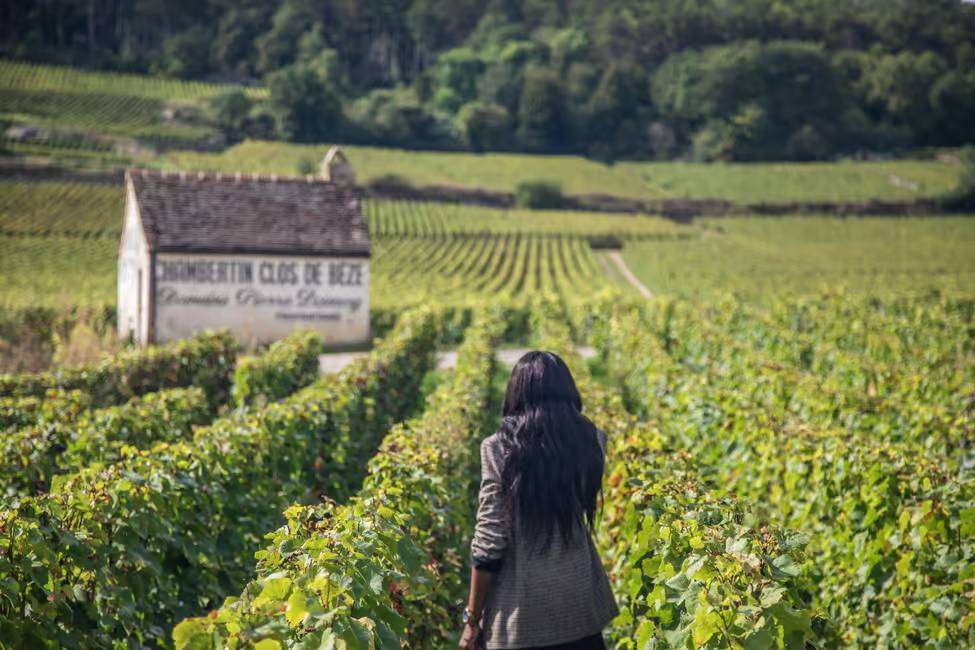
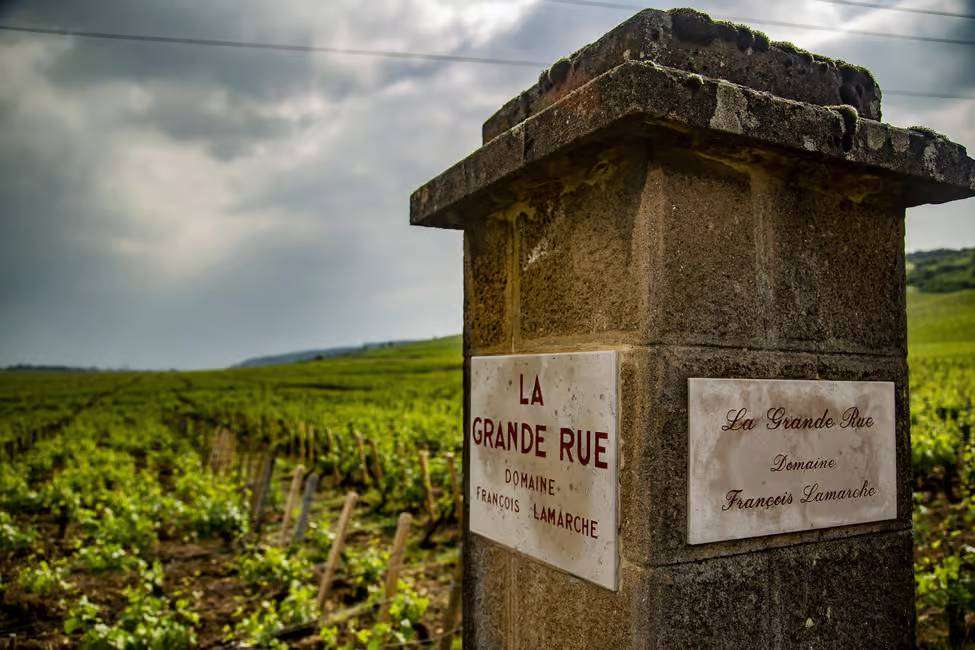
Clot Vougeot and Iconic domains. Discover centuries of winemaking legacy passed by Monks through generations of masters.

Bathonian Origins: The Geological Birth of the Golden Slope (50 BC – 500 AD)

Long before the modern hierarchy of appellations existed, the Romans identified the Côte de Nuits as a superior geographical asset. Utilizing the steep, east-facing slopes of the Côte, early settlers established the first structured vineyards. These ancient cultivators were among the first to realize that the unique geological fault line provided the ideal natural drainage required for high-quality viticulture. They recognized that the water runoff from the Combes (small valleys) and the sun exposure on the mid-slope created a microclimate unlike any other in Gaul.

The Roman occupation introduced a systematic approach to vineyard management that the region had never seen. Archeological evidence from sites like the Gevrey-Chambertin plains suggests that Roman villas were often situated near the mid-slope—what we now call the “belt of excellence”—where the limestone and marl soils are most balanced. During this era, the foundations of the regional identity were laid; the Romans didn’t just plant vines, they integrated them into the social and economic fabric of the region, setting the stage for the religious orders who would eventually map every inch of the soil.

Furthermore, the Roman influence established the early trade routes that would carry these wines toward the northern frontiers of the Empire. The use of wooden barrels, a technology adopted from the Gauls but refined by Roman logistics, allowed for the first long-distance transport of “Nuits” wine. This early commercialization proved that the wines of this specific slope possessed a structural integrity and longevity that set them apart from the more dilute offerings of the surrounding plains.

Sacred Terroir: The Benedictine and Cistercian Influence on Quality (1100–1400)

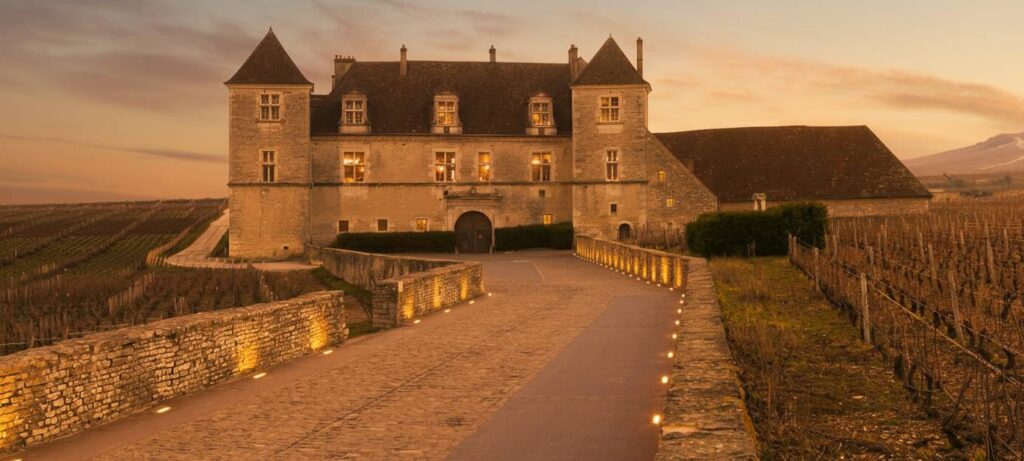
Clos de Vougeot, Burgundy

The legendary Clos Vougeot,  established by Monks

The true identity of the Côte de Nuits was forged by the cross and the plow. The Cistercian Monks of Cîteaux and the Benedictines of Cluny treated viticulture as a form of labor and devotion (Laborare est Orare). They were the first to meticulously document the nuances of specific plots, a practice that eventually gave birth to the uniquely Burgundian concept of Climats—the precise mapping of soil, slope, and microclimate that remains the gold standard for global viticulture today.

It was during this time that the legendary Clos de Vougeot was established. Enclosed by stone walls (Clos) to protect the vines from grazing animals and to signify their special status, these vineyards became a laboratory for technical evolution. The monks pioneered soil drainage techniques and cellar innovations, such as the use of massive vertical presses that could exert enormous pressure without bruising the delicate Pinot Noir skins. Their rigorous record-keeping of weather patterns and harvest dates created the world’s first historical database of wine quality.

The monks’ influence extended to the very genetics of the vines. Through massal selection—replanting only the best-performing vines from their own plots—they effectively “domesticated” the Pinot Noir to thrive in the specific limestone-rich soils of the Côte. By the 14th century, the monasteries held a monopoly on the finest slopes, creating a spiritual and physical map of excellence that we still follow when we look at a modern map of Grand Cru sites.

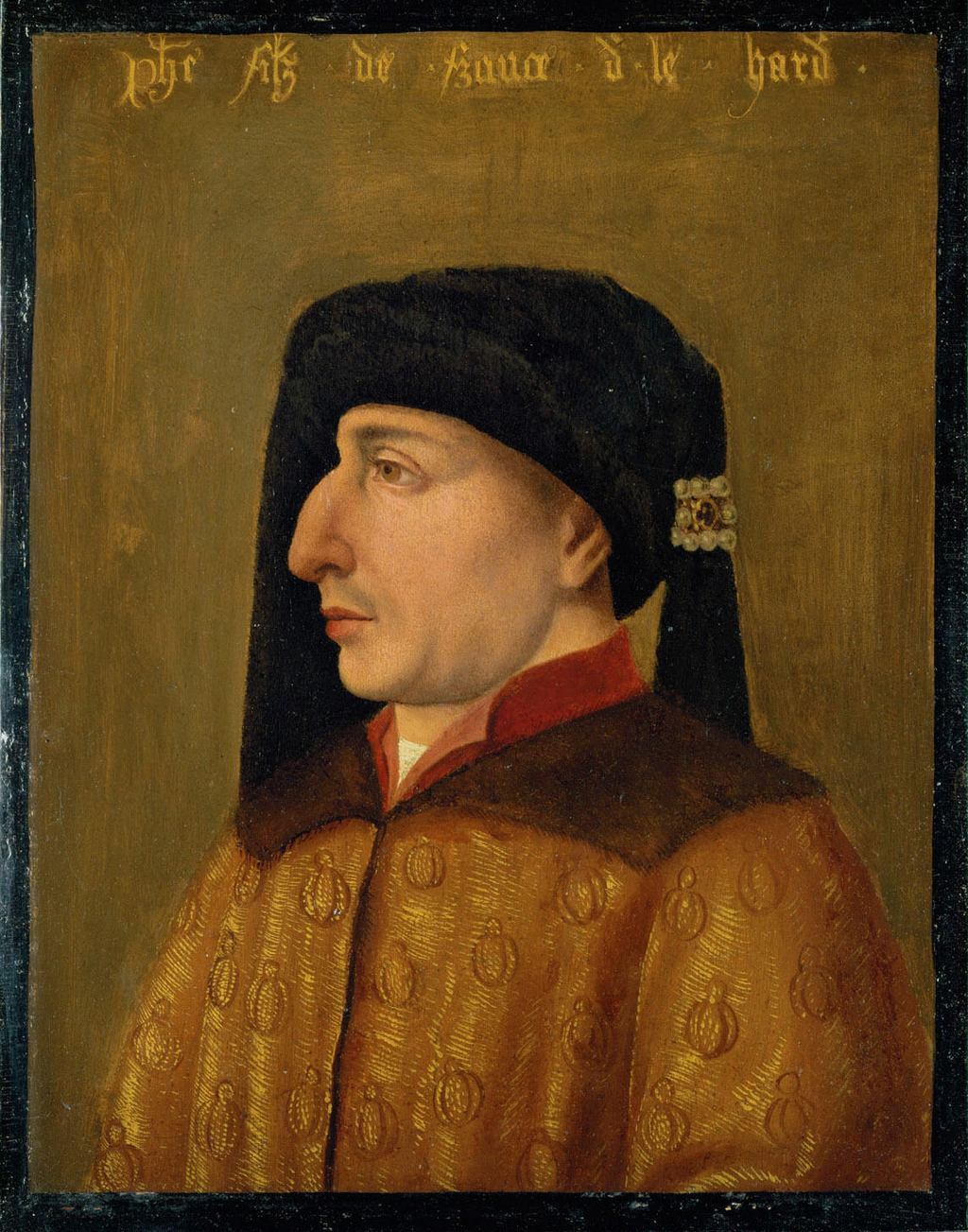
Duke of Burgundy Philip the Bold 
(Kunsthistorisches Museum, Vienna, Austria)

A Princely Pour: How the Dukes of Burgundy Branded the Côte (1360–1477)

The Côte de Nuits became a powerful political tool under the Dukes of Burgundy. The Valois Dukes, particularly Philip the Bold, recognized that the region’s reputation was tied to the quality of its grapes. In a landmark legal milestone in 1395, he issued a famous decree banning the “disloyal” Gamay grape from the Côte, mandating the cultivation of the “noble” Pinot Noir. This was not just an agricultural choice; it was a branding masterstroke that aimed to satisfy the sophisticated tastes of the royal courts in Paris and Avignon.

This era saw the region’s wines become symbols of diplomatic power. Marriages, treaties, and alliances often involved the gifting of prestigious plots in villages like Vosne-Romanée or Chambolle-Musigny. The Dukes used their wine to project an image of wealth and cultural superiority, often hosting lavish banquets where the wines of the “Great Slope” were served to visiting kings and popes, cementing the region’s status as the provider of Europe’s most intellectual and prestigious beverage.

The influence of the Négociants—merchants who bought wine from small farmers to age and trade—began to rise during this time. They created a vital commercial bridge between the rural vignerons and the global aristocracy. These merchants were the first to understand that the “Nuits” name itself carried a premium, and they began the work of standardizing aging processes in the deep, cold cellars of the region to ensure the wines could survive the journey to distant markets in Flanders and England.

From Chaos to Classification: The Legal Shaping of Modern Burgundy (1789–1930) Mapping the Côte: Dr. Jules Lavalle and the 1855 Blueprint

The French Revolution radically altered the landscape of the Côte de Nuits. Church and aristocratic lands were seized and auctioned as Biens Nationaux, leading to the extreme fragmentation of ownership that defines the region today. A single Grand Cru vineyard, once held by a single monastery, could now be split among dozens of different propriétaires. This shift made the reputation of the individual producer just as important as the reputation of the soil itself.

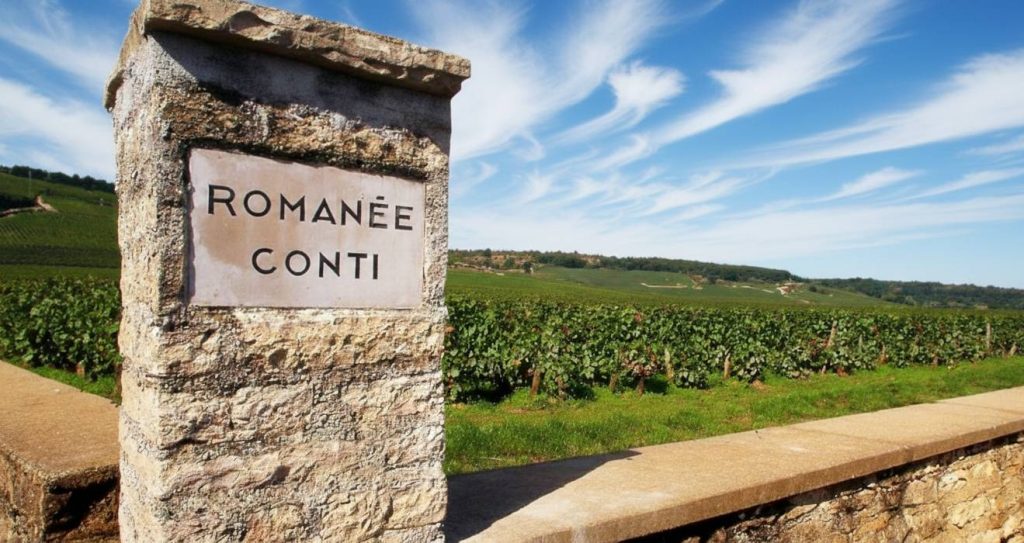
In 1855, while Bordeaux was creating its famous ranking, Dr. Jules Lavalle published the first unofficial classification of these vineyards. He spent years walking the rows, tasting the wines, and consulting local lore to determine which plots were truly superior. This map became the blueprint for the official Appellation d’Origine Contrôlée (AOC) system established in the 1930s. This legal milestone ensured that the names of villages like Gevrey-Chambertin, Morey-Saint-Denis, and Flagey-Échézeaux would be protected as global intellectual property.

The classification also established the strict rules for production that remain in place today: yield limits, minimum alcohol levels, and specific planting densities. This period of legal formalization was a response to widespread wine fraud in the early 20th century. By protecting the name “Côte de Nuits,” the region guaranteed that only wine grown on these specific limestone slopes could carry the prestigious label, effectively creating a “moat” around the region’s economic value.

A New Generation: The Vignerons Reshaping the Côte de Nuits Heritage (1980–Present)

The late 20th century witnessed a return to the purity of the soil. After decades of post-war industrial farming that relied heavily on chemicals, a new generation of vignerons in the Côte de Nuits pioneered a Modern Renaissance. This era is defined by a shift toward Biodynamics, organic viticulture, and regenerative agriculture. Producers began to realize that to express the true terroir of the Côte de Nuits, they had to strip away chemical intervention and allow the vine to find its own balance.

Today, the region faces the prospective challenge of climate adaptation. As temperatures rise, the challenge is to maintain the signature acidity and elegance of the Pinot Noir that the world expects. Traditional methods are being re-examined; canopy management is used to shade the grapes from the afternoon sun, and harvest dates are moving earlier and earlier to preserve freshness. Some producers are even experimenting with different rootstocks to better handle drier summers.

Despite these hurdles, the Côte de Nuits remains a global benchmark. The modern era is one of intense technical precision in the cellar combined with a “hands-off” approach in the vineyard. This balance of a millennium of history with a forward-thinking commitment to environmental stewardship ensures the preservation of its unique Climats. The future of the Côte de Nuits lies in its ability to respect its ancient monastic roots while embracing the scientific realities of a changing world.

Future Horizons and Challenges of Côte de Nuits Preserving Pinot: Adaptation Strategies for a Warming World

The Côte de Nuits currently faces its most significant technical challenge since the phylloxera crisis: climate change. As temperatures rise, the signature profile of Pinot Noir—defined by its delicate acidity and ethereal aromatics—is under threat. Warmer summers lead to higher sugar levels and potentially higher alcohol content, which can mask the subtle nuances of the terroir. Prospective adaptations are now the primary focus for the region’s elite producers.

Strategies for the future include radical changes in canopy management to provide more shade to the grapes and the re-evaluation of harvest dates, which have moved significantly earlier over the last two decades. There is also ongoing research into drought-resistant rootstocks and the preservation of genetic diversity through the selection of clones that can maintain acidity in warmer conditions. Furthermore, the economic challenge of skyrocketing land prices means that the region must work to ensure that local, family-owned Domaines can survive alongside institutional investors.

The prospective outlook remains one of cautious optimism. The Côte de Nuits has survived revolutions, wars, and vine diseases; its future lies in its ability to adapt without losing its soul. By embracing regenerative viticulture and water-management innovations, the region aims to protect its “Golden Slope” for the next millennium. The goal is to ensure that while the climate may change, the “voice” of the limestone remains constant in every bottle.

Côte de Nuits wine history in short: The Timeless Voice of the Golden Slope

The history of the Côte de Nuits is an ongoing dialogue between human dedication and a unique geological landscape. From the Roman pioneers to the Cistercian monks and the modern vignerons, each generation has acted as a guardian of this “Golden Slope.” While climate change and economic shifts pose new challenges, the region’s deep-rooted commitment to its Climats ensures its survival. In every bottle of Pinot Noir, the legacy of two thousand years of history remains vibrant, elegant, and unmistakably Côte de Nuits.

<

Enter your search

Our Post Themes

Search by wine region
Some other Tours

Uncork the Unexpected Let fate guide your glass. Explore handpicked, secret wine tours designed for the curious soul.