Table of Contents
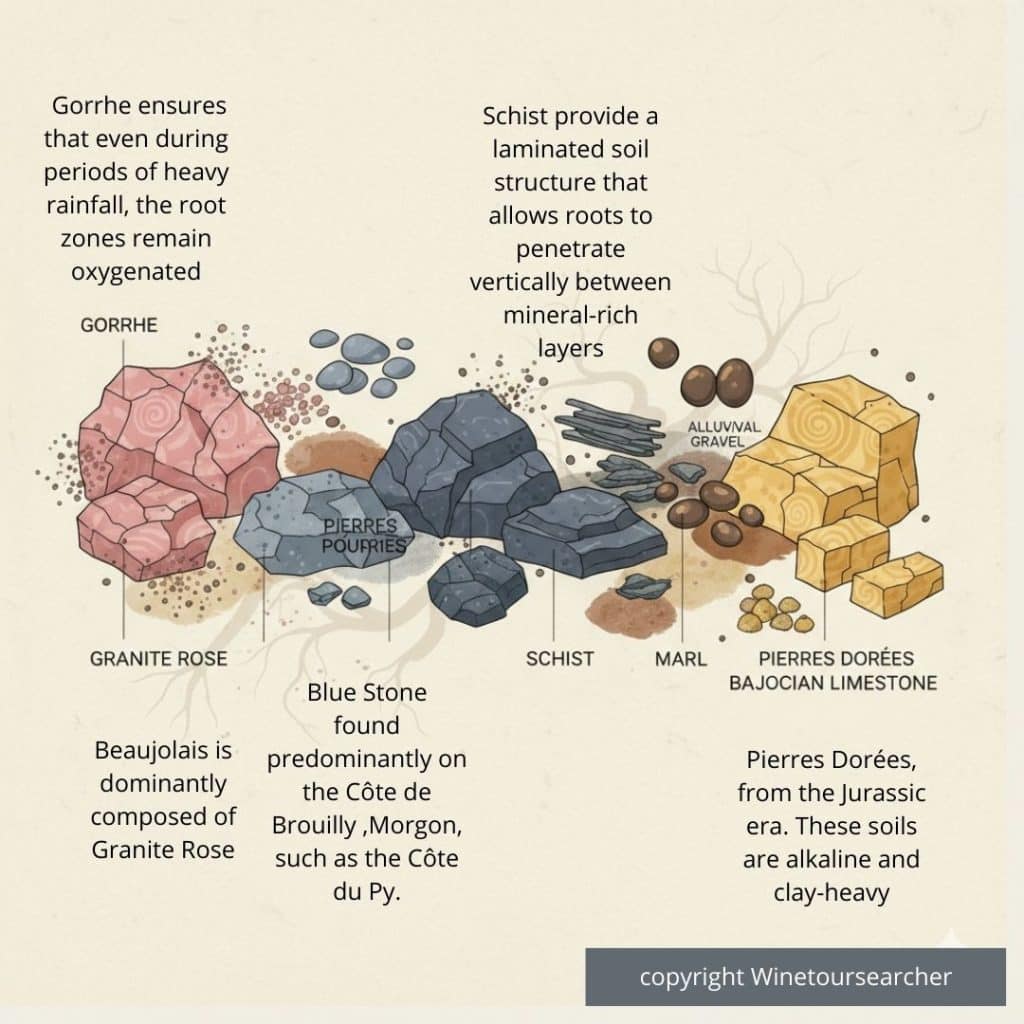
The relationship between the granite-rich soils of the Beaujolais region and the culinary plate is a profound study of structural harmony and aromatic precision. At the heart of this interaction lies the concept of balance, where the geological imprint of the land dictates the molecular behavior of the Gamay Noir grape. Unlike the heavier, more tannic profiles found in neighboring regions, Beaujolais is defined by its distinctive soil composition—predominantly pink granite, schist, and manganese in the north, shifting to clay and limestone in the south.
These mineral-rich substrates impart a high level of natural acidity and a lean tannic structure to the wine, which serves as the primary engine for its gastronomic versatility. The high acidity acts as a chemical cleanser, efficiently slicing through the adipose tissues of fats and the richness of proteins, while the supple tannins ensure that the wine does not overwhelm the delicate textures of the food. From a scientific perspective, the pairing success of Beaujolais relies on the interaction between its tartaric acid content and the savory components of a dish.
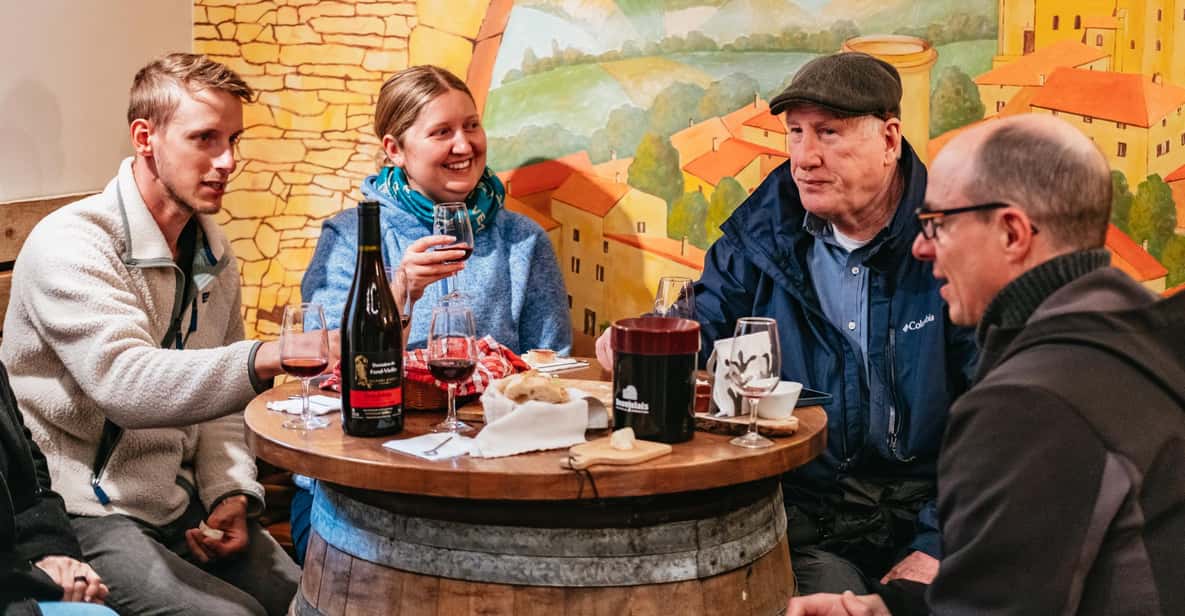
For instance, when a vibrant Beaujolais-Villages meets a traditional charcuterie platter, the wine’s acidity triggers salivation, which neutralizes the salty weight of cured meats and prevents the palate from becoming saturated by fats. Furthermore, the presence of specific aromatic compounds, such as rotundone—responsible for the peppery notes in certain Crus—creates a bridge to spiced or herbal elements in the cuisine.
This chemical synergy ensures that neither the wine nor the food dominates the experience; rather, they exist in a state of mutual enhancement, where the wine provides a refreshing counterpoint to the physical density of the meal. This balance is the hallmark of the region, offering a sophisticated invitation to explore the sensory landscape of one of France’s most misunderstood yet technically brilliant terroirs. The interaction of these elements creates a gastronomic journey where the terroir is not just tasted, but felt through the structural elevation of the meal.
Local Gastronomy and Beaujolais wine pairing high-quality proteins and fats.
The local gastronomy of the Beaujolais and Lyonnais regions is characterized by its heartiness and reliance on high-quality proteins and fats. The wines of the region provide the necessary structural counterpoint to these rich textures, offering a bridge between the rustic culinary traditions and a refined oenological experience.

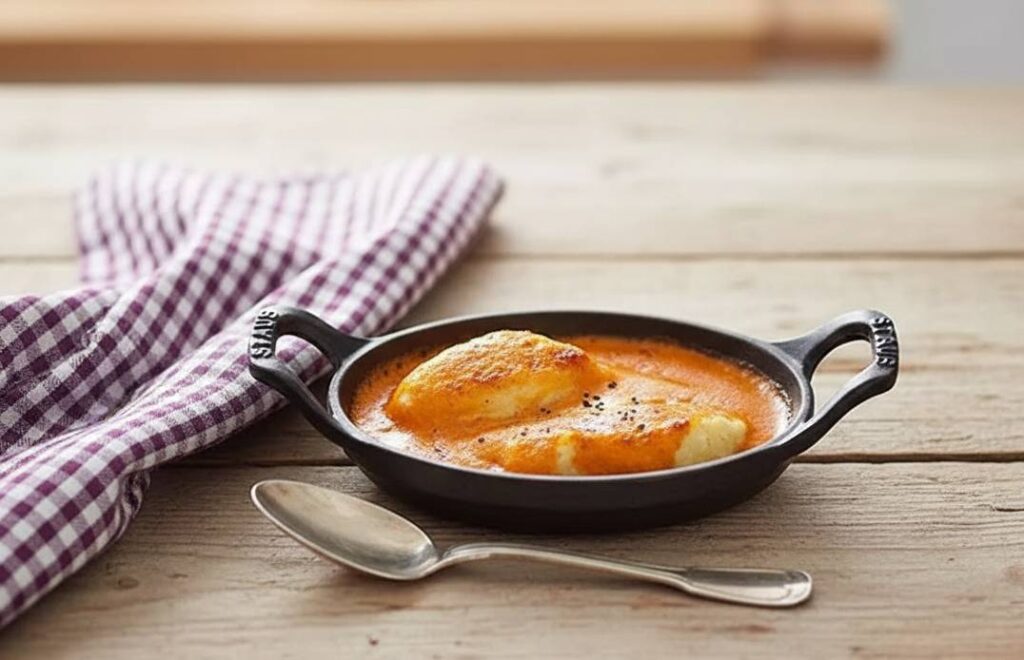
Quenelles de Brochet and White beaujolais’s lift without overpowering: good choice
White Wines and Local Gastronomy
While rare, Beaujolais Blanc, produced from Chardonnay grown on limestone soils, offers a unique profile of white flowers and citrus with a distinct mineral streak. These wines are defined by their crisp acidity and lack of heavy oak, making them ideal for the lighter side of local cuisine.
Cervelle de Canut and Beaujolais Blanc
The scientific reason for this pairing involves the high lactic acid content of the cheese base in Cervelle de Canut. The sharp, citrus-driven acidity of the Beaujolais Blanc acts as a structural parallel to the tanginess of the fromage blanc, while the wine’s mineral finish prevents the garlic and herb infusions from overwhelming the palate. This interaction ensures that the creamy texture of the dish is punctuated by the wine’s freshness, maintaining a clean sensory experience.
Quenelles de Brochet and Beaujolais Blanc
The delicate nature of pike fish used in Quenelles requires a wine that provides lift without overpowering the subtle marine flavors. Beaujolais Blanc possesses a lean body that respects the airy texture of the souffle-like dumplings, while its bright acidity slices through the richness of the accompanying Nantua sauce. The absence of aggressive wood tannins ensures the creamy crayfish base of the sauce remains elegant rather than heavy.
Sautéed Frog Legs with Parsley and Beaujolais Blanc
The lean protein of frog legs sautéed in butter and garlic finds harmony with the crisp profile of Beaujolais Blanc. The wine’s acidity serves as a chemical counter-balance to the residual cooking butter, while the absence of oak allows the fresh herbal notes of the parsley to remain prominent. This interaction preserves the delicate nature of the meat while providing a refreshing mineral finish.
Beaujolais Red Wine and Local Food Pairing Pairings with Charcuterie and Poultry
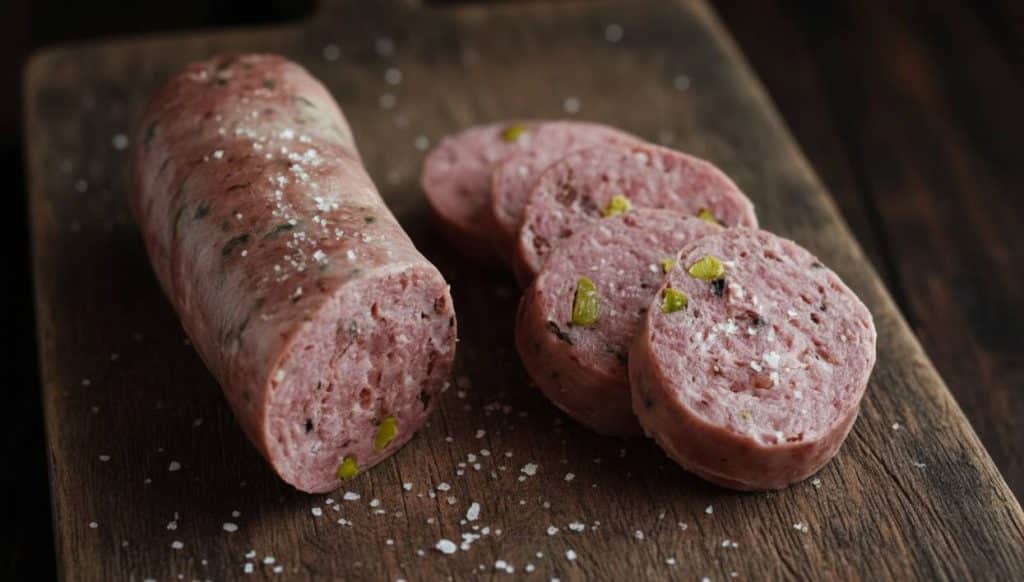
Morgon Tannins match with Saucisson de Lyon without crrating a metallic or bitter aftertaste
Red Beaujolais, ranging from the light-bodied southern styles to the structured northern Crus, is the definitive partner for the region’s famous charcuterie and poultry. The low levels of aggressive tannins and high fruit precision allow the complexity of slow-cooked or cured meats to remain the focal point of the meal.
Saucisson de Lyon and Morgon
Morgon, specifically from the Côte du Py, possesses a meaty structural integrity due to its manganese-rich soils. The scientific synergy here lies in the wine’s moderate tannins, which bind with the proteins of the cured sausage without creating a metallic or bitter aftertaste. The wine’s dark cherry and earthy notes provide an aromatic bridge to the peppercorns within the saucisson, while its natural acidity cleanses the palate of the pork fat.
Poulet de Bresse with Morels and Fleurie
The floral and feminine profile of Fleurie creates a sophisticated aromatic link with the earthy, fungal notes of morel mushrooms. Scientifically, the wine’s silky tannins do not clash with the lean protein of the Bresse chicken, while the high fruit concentration complements the savory depth of the cream sauce. This pairing highlights the wine’s ability to provide a refreshing counter-balance to umami-rich traditional French dishes.
Tablier de Sapeur and Moulin-à-Vent
This breaded and fried tripe dish requires the structural muscles of a Moulin-à-Vent to stand up to its crunchy exterior and rich interior. The wine’s relatively high tannin levels for the region interact with the fried texture of the dish, while its high acidity prevents the oil and butter from becoming cloying. The wine’s dark fruit profile offers a sweet-savory contrast to the gribiche sauce often served alongside.
Andouillette with Mustard Sauce and Chiroubles
The intense, aromatic nature of tripe sausage is best balanced by the highest-altitude Cru of the region, Chiroubles. The wine’s bright raspberry notes and extreme finesse provide a necessary aromatic lift to the savory pungency of the andouillette. Scientifically, the wine’s high acid-to-alcohol ratio cuts through the piquant mustard sauce, ensuring that the heavy spices do not overwhelm the delicate floral nuances of the Gamay.
Pot-au-Feu and Juliénas
The slow-boiled beef and root vegetables of a classic Pot-au-Feu require the spicy and robust character of a Juliénas. The wine’s structural acidity is essential for cutting through the richness of the marrow and the beef broth, while its peppery notes complement the cloves and peppercorns used in the poaching liquid. This creates a deeply savory interaction where the wine provides a bright, fruit-driven lift to the heavy, warm dish.
Gateau de Foies de Volaille and Saint-Amour
The delicate and airy texture of a chicken liver cake requires a red wine with soft, integrated tannins and high fruit precision. Saint-Amour provides a velvet-like mouthfeel that respects the fragile structure of the liver mousse, while its stone-fruit aromatics provide a refreshing counterpoint to the iron-rich flavors of the dish. The wine’s acidity ensures that the accompanying tomato coulis does not taste overly sharp.
Boeuf Bourguignon and Chénas
While often associated with Burgundy, Chénas offers a granite-driven minerality that provides a unique structural match for slow-braised beef. The wine’s structural tannins interact with the denatured proteins of the beef, while its high acidity prevents the reduction sauce from feeling too heavy on the tongue. The wine’s floral notes of peony and rose provide an elegant aromatic lift to the rustic, earthy depth of the stew.
Petit Salé aux Lentilles and Brouilly
Brouilly, with its exuberant red fruit and accessible structure, is the ideal companion for the salt-cured pork and earthy lentils of this local staple. The wine’s acidity cuts through the saltiness of the pork, while its supple tannins provide a textural bridge to the soft legumes. This interaction ensures that the earthy flavors of the lentils are highlighted rather than suppressed by the wine’s fruit-forward profile.
Rosette de Lyon and Régnié
The iconic cured ham of the region finds a perfect structural partner in the youthful and aromatic Régnié. The wine’s bright acidity acts as a palate cleanser for the high fat content of the Rosette, while its notes of red currant and raspberry provide a sweet-tart contrast to the salt. The lack of aggressive wood tannins ensures that the delicate curing spices of the ham remain the focus of the experience.
Civet de Lapin and Morgon
A robust rabbit stew in a red wine reduction requires a wine with significant structural depth, such as a mature Morgon. The wine’s developed tertiary notes of forest floor and dried fruit mirror the savory complexity of the rabbit meat, while its persistent acidity ensures the rich, dark sauce remains balanced. The iron-like minerality of the wine resonates with the deep flavors of the slow-cooked preparation.
International Food pairing with Beaujolais Global Food and Wine Perspective
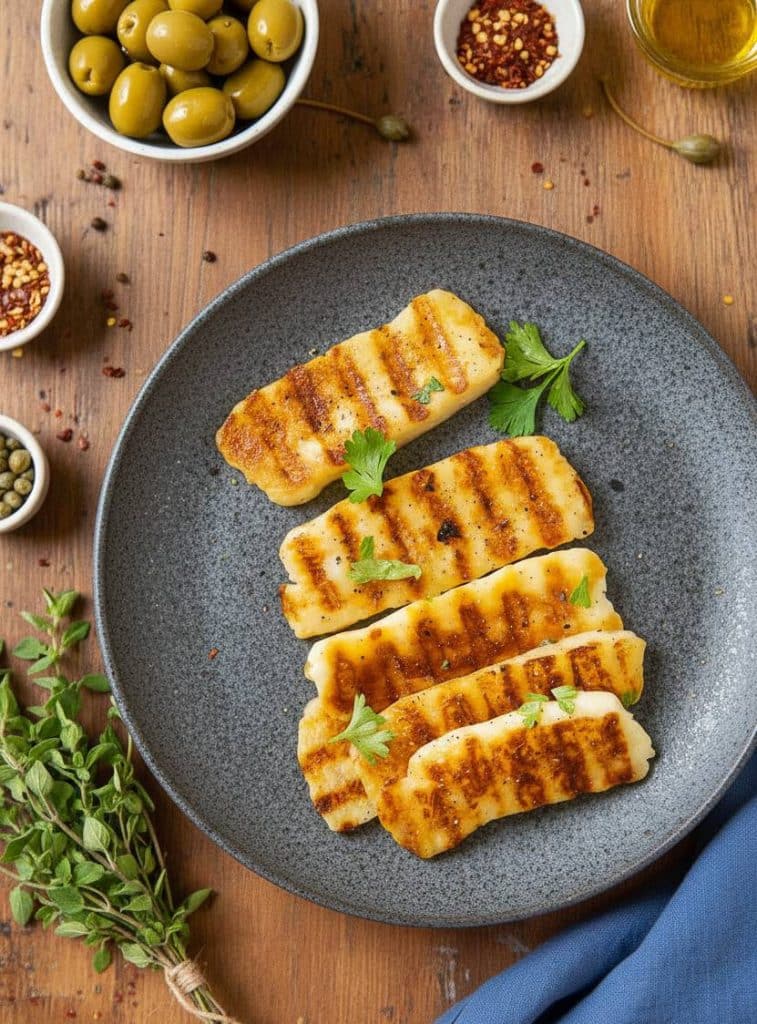
Grilled Haloumi salted texture pairrs with refreshing acidity of Beaujolais Chardonnay
Beaujolais White Wines And International Food
The structural characteristics of Beaujolais wines—specifically their vibrant acidity and fruit-forward profiles—allow them to transcend French borders and harmonize with global culinary techniques.
International white wine pairings for Beaujolais Blanc focus on dishes where citrus notes and mineral tension are required to balance delicate textures or saline flavors.
Peruvian Sea Bass Ceviche and Beaujolais Blanc
The high citric acid content of the leche de tigre marinade necessitates a wine with equal structural tension. Beaujolais Blanc provides a vibrant acid profile that matches the intensity of the lime, while its mineral backbone echoes the salinity of the sea bass. This creates a balanced interaction where the wine enhances the oceanic freshness of the raw fish without introducing conflicting tannins.
Grilled Haloumi and Beaujolais Blanc
The salty and firm texture of grilled haloumi requires the refreshing acidity of a limestone-grown Chardonnay. The wine’s tartaric acid cuts through the rubbery density of the cheese, while its floral aromatics provide a sweet-smelling counterpoint to the charred exterior. This pairing prevents the salt from dominating the palate, maintaining a harmonious flavor profile through scientific acid-fat balance.
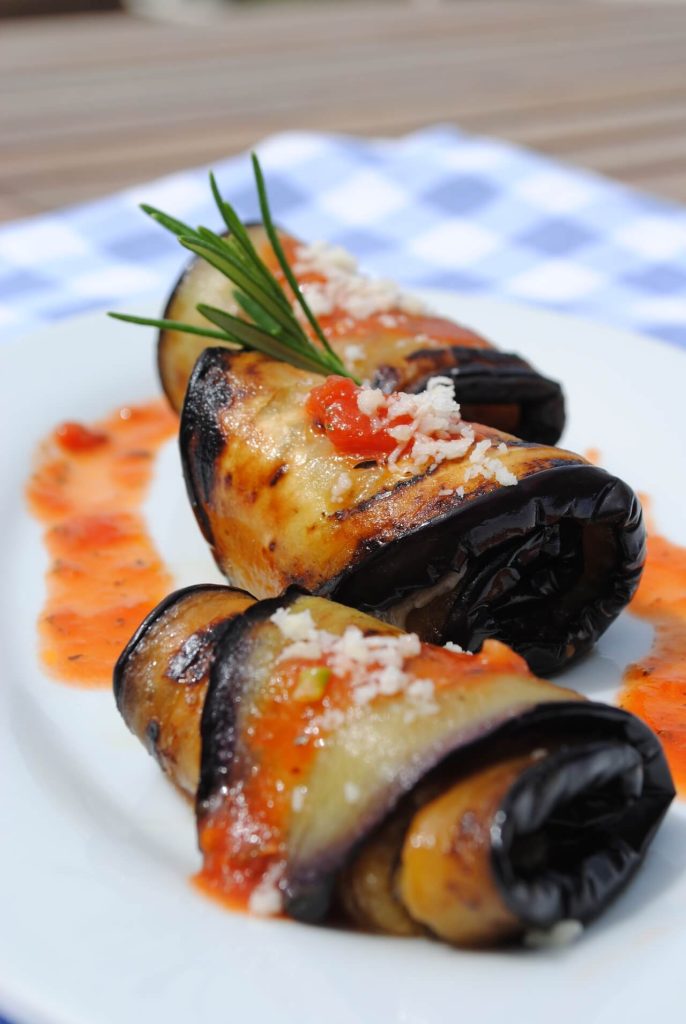
Silky Fleurie is a sophisticated partner of Italian Eggplant Parmigiana
Beaujolais Red Wines And International Food
Vietnamese Bò Kho and Juliénas
This fragrant Vietnamese beef stew, infused with star anise, lemongrass, and cinnamon, finds its structural match in a spicy Juliénas. The scientific logic rests on the wine’s ability to bridge the gap between earthy spices and rich proteins; the natural peppery notes of the wine complement the aromatic cinnamon, while its high acidity cuts through the rendered fat of the beef brisket. This synergy prevents the heavy spices from muting the wine’s fruit, resulting in a vibrant and balanced palate.
Swedish Meatballs with Lingonberry and Brouilly
The creamy gravy and tart lingonberry sauce of Köttbullar require a wine that can handle both fat and acidity. Brouilly, known for its exuberant blue and red fruit profiles, provides a molecular bridge to the berry preserves while its lack of aggressive tannins respects the soft texture of the ground meat. The wine’s natural acidity serves as a structural cleanser for the cream-based sauce, ensuring that each bite remains distinct and flavorful.
Turkish Adana Kebab and Morgon
The smoky, fatty nature of minced lamb grilled over charcoal demands the structural “muscles” of a Morgon. The wine’s manganese-derived iron notes and moderate tannins bind with the lamb proteins and the char of the grill, creating a robust savory interaction. Furthermore, the wine’s dark fruit profile offers a cooling contrast to the heat of the pul biber (chili flakes), while its structural acidity cuts through the richness of the meat and the accompanying yogurt sauce.
South African Ostrich Fillet and Moulin-à-Vent
Ostrich is a remarkably lean red meat that requires a wine with refined tannins to avoid overpowering its delicate texture. Moulin-à-Vent provides the necessary elegance and structural depth; its tannins provide a frame for the protein without causing astringency. The wine’s floral violet notes and dark berry flavors provide a sophisticated aromatic lift to the slightly gamy profile of the bird, while its mineral finish highlights the natural flavors of the meat.
German Venison Sauerbraten and Chénas
The intense, vinegar-marinated depth of Sauerbraten presents a significant challenge that the high acidity of Chénas is uniquely qualified to meet. The wine’s tartaric acid acts as a structural parallel to the vinegar-based marinade, while its spicy, woodsy aromatics echo the juniper and ginger used in the dish. This pairing ensures that the sweetness of the gingersnap-thickened sauce is balanced by the wine’s mineral core, preventing the dish from becoming cloying.
Thai Grilled Pork Jowl (Kor Moo Yang) and Régnié
This dish, characterized by its smoky char and gelatinous fat, pairs beautifully with the youthful, vibrant energy of a Régnié. The wine’s bright acidity acts as a structural solvent for the porcine fats, while its soft tannins do not clash with the chili-heavy dipping sauce (Jaew). The wine’s raspberry and red currant notes provide a sweet-fruit counterpoint to the salt and smoke of the marinade, keeping the experience refreshing and light.
Italian Eggplant Parmigiana and Fleurie
The rich layers of fried eggplant, tomato sauce, and melted cheese find a sophisticated partner in the floral and silky Fleurie. The wine’s high acidity is essential for cutting through the oil and the acidity of the tomatoes, while its velvet tannins respect the soft, layered texture of the vegetable. The aromatic violet notes of the Fleurie create a delicate bridge to the basil and oregano, ensuring the wine provides a refreshing lift to the savory, umami-rich dish.
American Smoked Brisket and Saint-Amour
While often paired with heavy reds, the soft tannins and plush fruit of Saint-Amour offer a surprising and effective contrast to Texas-style smoked brisket. The wine’s peach and raspberry aromatics provide a fruity brightness that cuts through the heavy smoke ring and rendered fat, acting almost like a fruit-based condiment. The scientific synergy lies in the wine’s acidity, which provides a necessary palate-cleansing effect against the salt and spice of the dry rub.
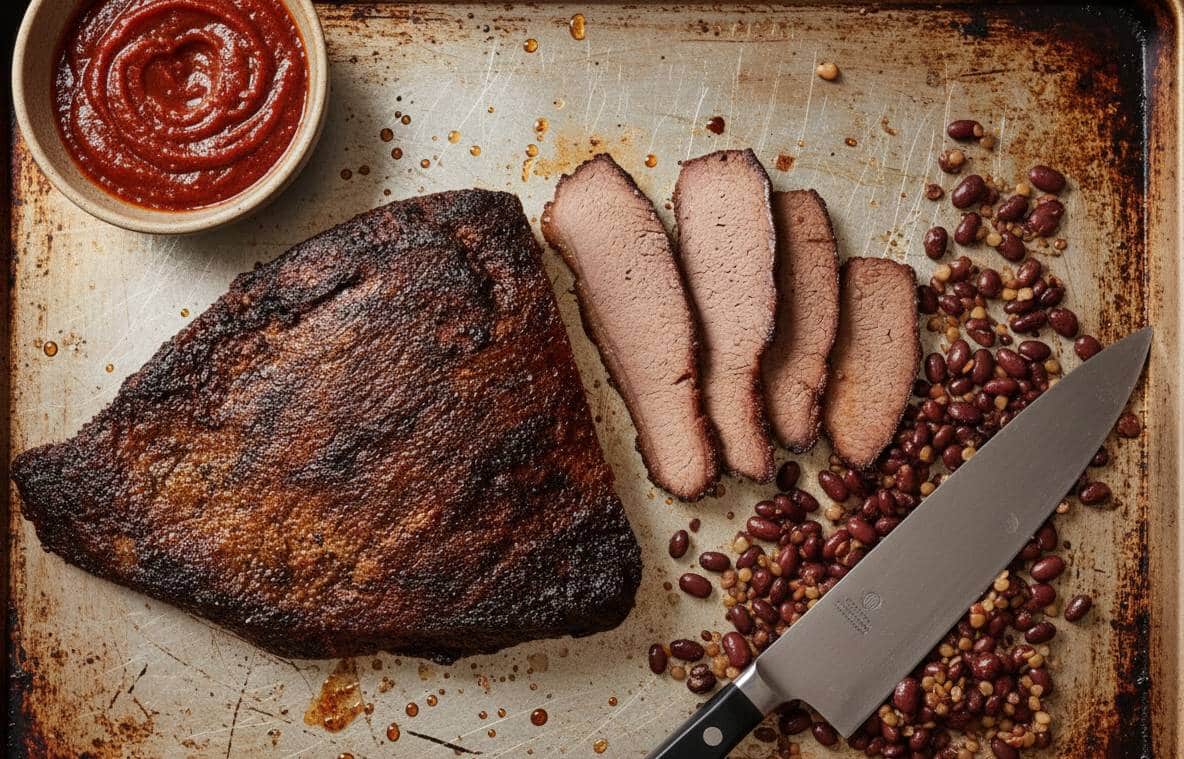
Saint-Amour offers a surprise contrast to Texas-Smoked Brisket
Rediscovering the Versatility of Beaujolais A Symphony of Granite and Grace
The culinary potential of Beaujolais extends far beyond the seasonal celebrations of its youth, offering a sophisticated tapestry of pairings that challenge the conventions of modern gastronomy. By understanding the scientific interplay between Gamay’s vibrant acidity and the varying densities of global cuisines, one discovers a wine region that is as intellectual as it is pleasurable. Whether through the structured elegance of a Cru or the refreshing vivacity of the southern villages, Beaujolais provides a compelling incentive to travel to the heart of France, where every glass is a testament to the enduring balance between the soil and the plate.
Beaujolais Wines Pairing In a Nutshell
Regional Specialties: Focuses on the synergy between Gamay and Lyonnaise Bouchon cuisine, specifically silken pike quenelles, salt-cured meats, and slow-cooked Coq au Vin.
-
-
Molecular Synergy: The high tartaric acid in Beaujolais wines acts as a structural cleanser against animal fats, while the low tannin profile ensures harmony with egg-based dishes and delicate fish proteins.
-
Global Adaptability: Professional pairings extend to umami-rich Asian glazes, spicy North African stews, and the high-acid profiles of Latin American ceviche.
-
Structural Serving Guidelines: Lighter styles should be served at twelve degrees Celsius to accentuate acidity, while structured Crus are best at fourteen degrees Celsius to integrate mineral tannins with proteins.
-
Texture Interaction: The wine’s vibrant acid drive provides a necessary counterpoint to creamy or gelatinous textures, ensuring the palate remains refreshed throughout complex multi-course meals.
-