Table of Contents
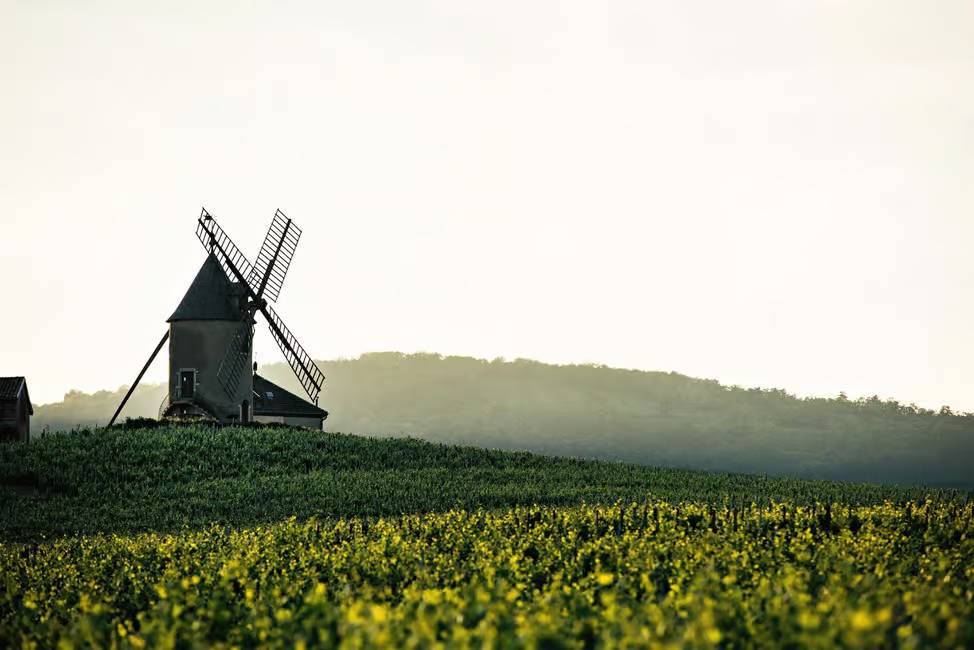
The name Beaujolais immediately evokes the visual of rolling pink granite hills and the intoxicating aroma of crushed wild strawberries, peonies, and subtle hints of terroir-driven graphite. This is a landscape where the Gamay Noir à Jus Blanc grape finds its most profound expression, bridging the gap between the structured elegance of Burgundy and the sun-drenched vitality of the south.
Step of the History Book
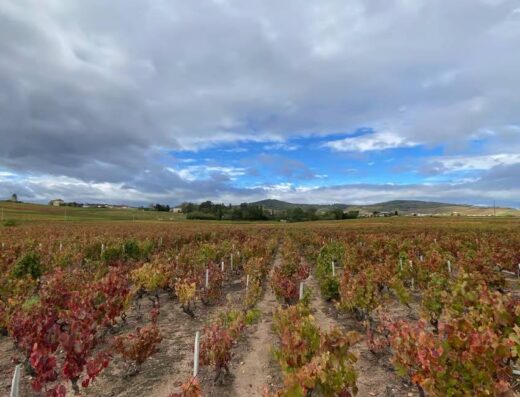
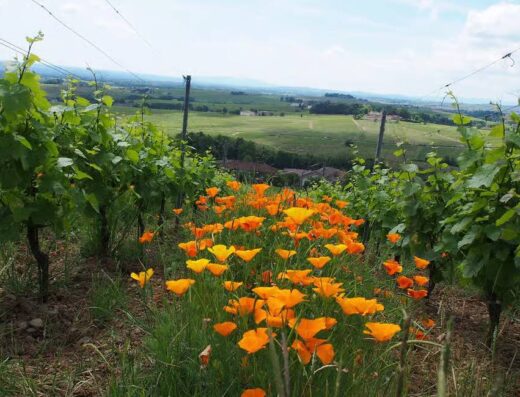
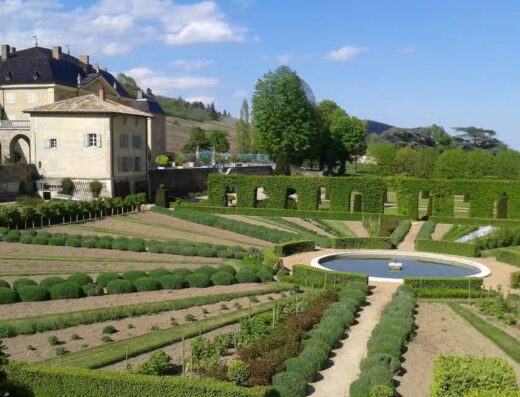
The Roman Legacy: Ancient Foundations and the Gallo-Roman Era (50 BC – 900 AD)
The viticultural soul of Beaujolais was forged under the Roman Empire. As legionaries pushed northward through the Saône Valley, they recognized the strategic value of the steep hillsides for vine cultivation. These early Vignerons established the first formal plantings, primarily to supply the nearby bustling city of Lugdunum (modern-day Lyon), which served as the capital of the Gauls.
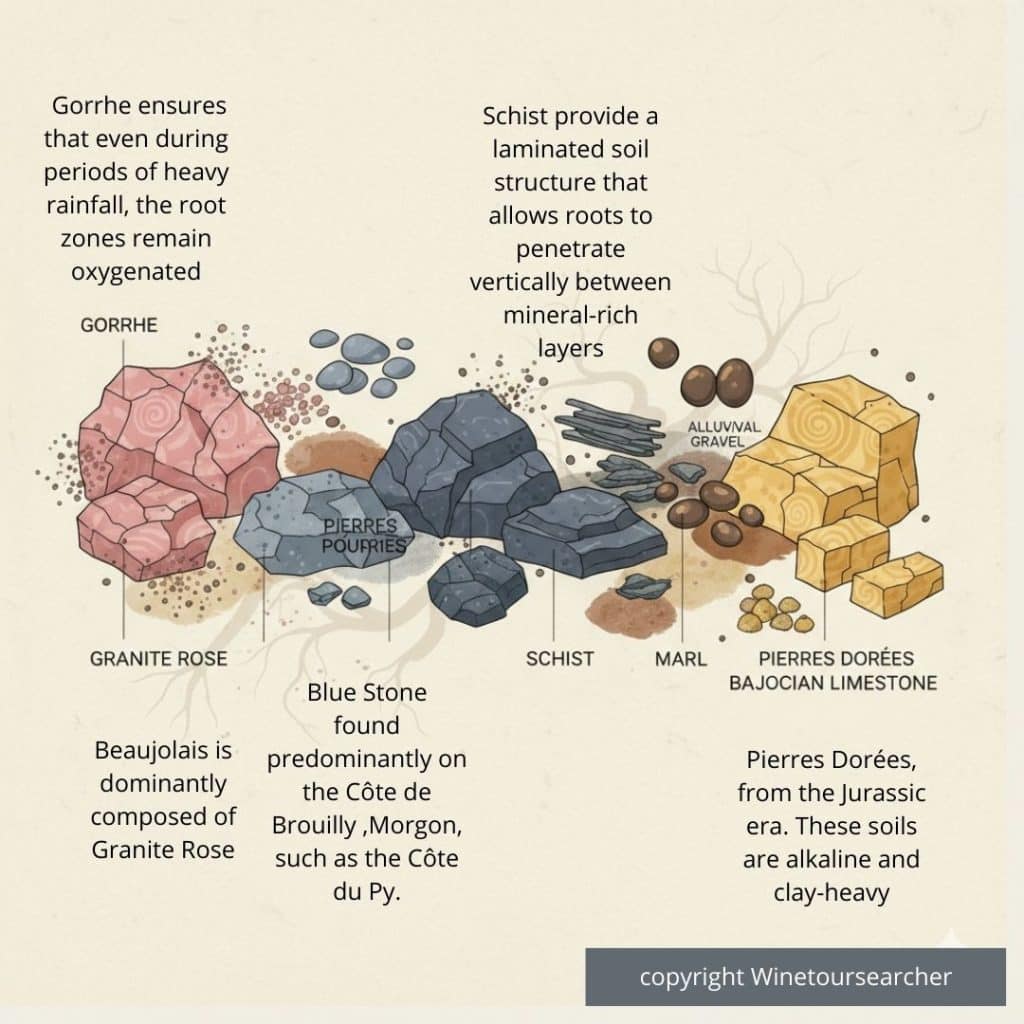
The Romans were pioneers in leveraging the natural drainage of the Granitic soils, particularly in the northern reaches where the inclines are most dramatic. This era saw the introduction of organized pruning and the first rudimentary stone presses, representing early technical evolution in the region. While the wine of this period was often flavored with resin or herbs to survive transport, it successfully established the region as a vital trade hub and the “cellar of Lyon”.
By the time the Empire faded, the vines remained deeply rooted in the landscape. These indigenous plots survived the subsequent centuries of migration and local upheaval, preserved by small-scale farmers who recognized that the local hillsides yielded a fermented juice far superior to that produced on the flat plains of the Saône.
The Rise of the Lords: The Monastic Influence and the House of Beaujeu (900 – 1400)
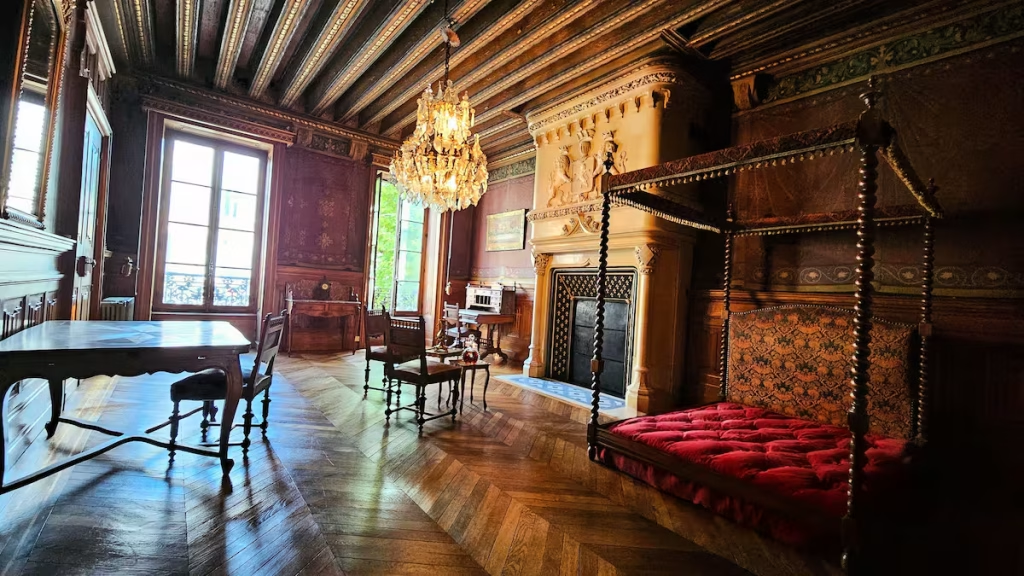
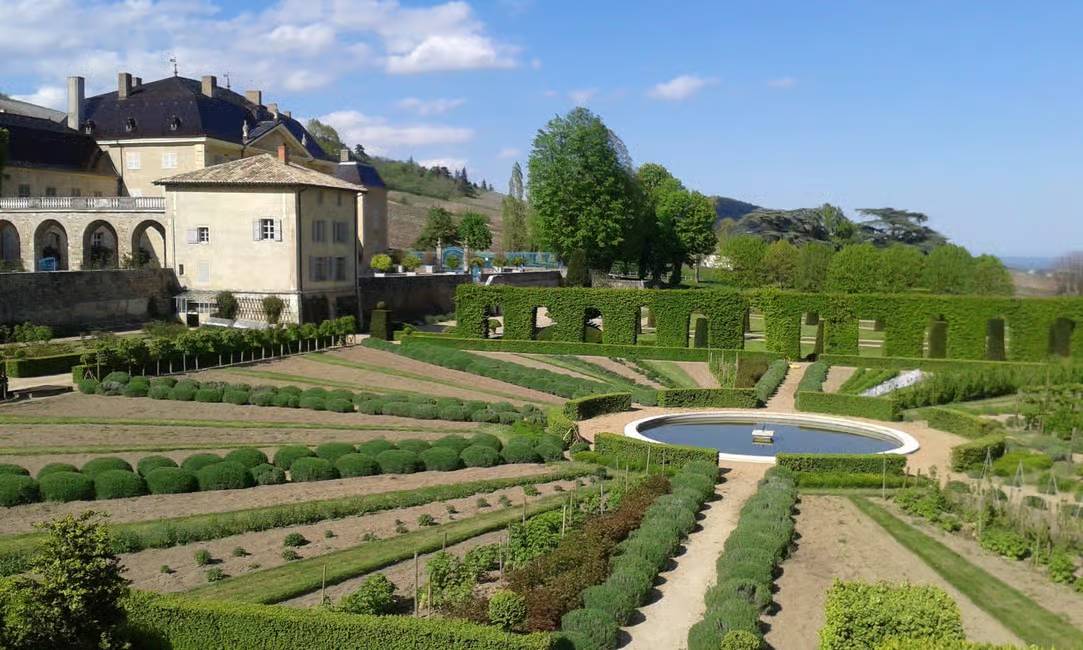
The Roayl suite of Chateau Louis XI in Beaujeu. Now a famous RBNB and hotel adress
The region takes its name from the Lords of Beaujeu, a powerful noble lineage that governed from their stronghold in the town of Beaujeu. During this era, the Vignoble expanded significantly as the Lords granted land rights to local families and influential monastic orders. This period marked the rise of the local power structures that would define the region’s boundaries for centuries.
The influence of the Benedictine and Cistercian monks during the Middle Ages was a cornerstone of the region’s development. These religious scholars were the first to systematically map the specific Lieux-dits (named vineyard sites), noticing that certain plots of Blue Schist or Pink Granite produced wines with distinct aromatic profiles. It was during this period that the geographical and qualitative foundations of the region began to take their modern shape through meticulous monastic labor and record-keeping.
In the 14th century, a pivotal moment in wine history occurred with the Edict of Philip the Bold in 1395. While Philip famously banned the “disloyal” Gamay grape from the Côte d’Or to make way for Pinot Noir, the grape found a permanent, welcoming home in the acidic soils of Beaujolais. This political “exile” effectively defined the regional identity of Beaujolais for the next six centuries, turning a mandate of expulsion into a legacy of excellence
Commercial Expansion: The Rise of Trade and the Lyon Connection (1400 – 1850)
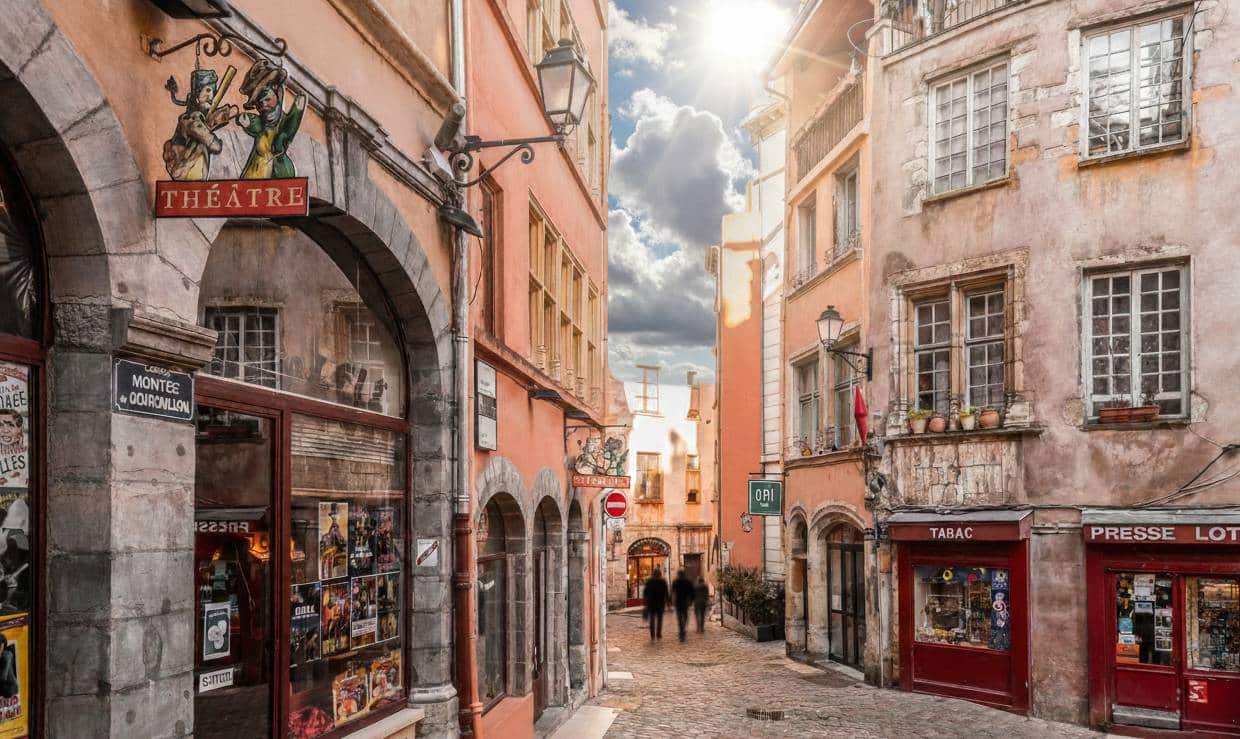
As Lyon grew into a global center for the silk trade, Beaujolais became its official liquid companion. The proximity of the Saône River allowed for the efficient transport of barrels southward, fueling a massive expansion in trade. This gave rise to the influential Négociant houses—merchants who purchased grapes or finished wine from small farmers to blend, age, and sell under their own labels, creating a sophisticated commercial network.
The technical evolution of the 17th and 18th centuries saw the refinement of the Cuvage (vat room) and cellar innovations. Vignerons began experimenting with longer macerations and better wood management, though the “semi-carbonic” style associated with the region today was still evolving. The relentless demand from the Bouchons (traditional Lyonnais eateries) ensured that Beaujolais remained a wine of the people—accessible, vibrant, and fresh.
Following the French Revolution, many of the large estates held by the nobility and the church were broken up. This led to the democratization of land ownership, creating a patchwork of small, family-owned parcels that remains a hallmark of the region today. The identity of the Vigneron transitioned from a tenant farmer to a proud landowner, fostering a culture of hyper-local pride and meticulous attention to small plot
The Era of Appellations: Legal Milestones and the Cru System (1850 – 1950)
The mid-19th century brought both devastation and definition to the region. The arrival of Phylloxera decimated the vineyards, forcing a massive replanting effort using American rootstocks. However, this crisis allowed Vignerons to replant with intent, focusing on the best-performing clones of Gamay and improving technical aspects like soil drainage and vine spacing.
In the 1930s, the formalization of the Appellation d’Origine Contrôlée (AOC) system gave Beaujolais its legal framework and protected its names. While the general “Beaujolais” and “Beaujolais-Villages” titles were established, the most significant milestone was the recognition of the 10 Crus—the elite sites of the region:
-
Moulin-à-Vent
-
Morgon
-
Fleurie
-
Chénas
-
Juliénas
-
Chiroubles
-
Saint-Amour
-
Brouilly
-
Côte de Brouilly
-
Régnié (added in 1988)
Each Cru was recognized for its unique geological signature, from the manganese-rich soils of Moulin-à-Vent to the “rotten rocks” of Morgon. This period cemented the region’s status as a serious contender on the world stage, proving that Gamay was capable of producing wines with profound aging potential.
The Modern Renaissance: Sustainability and Climate Adaptation (1950 – Present) The "Gang of Four" and Natural Wines movment
The Reaction Against Industrialization
The late 20th century was a period of extreme polarization for the region. The “Beaujolais Nouveau” phenomenon of the 1970s and 80s brought unprecedented global fame and commercial success, yet it came at a steep cost to the region’s reputation. The push for early-release wines led to an era of industrialization, characterized by heavy chemical use in the vignoble and standardized lab yeasts in the cellar. By the late 1980s, Beaujolais was often dismissed as a simple, “banana-scented” commodity wine, masking the true character of its diverse terroirs.
The Rise of the Gang of Four and Natural Wine
A quiet but fierce counter-revolution began in the village of Villié-Morgon. Inspired by the traditionalist merchant Jules Chauvet, a small group of vignerons—Marcel Lapierre, Jean Foillard, Guy Breton, and Jean-Paul Thévenet (the “Gang of Four”)—sought to reclaim the soul of the region. They advocated for a return to pre-industrial methods: managing old vines without synthetic pesticides, harvesting by hand, and practicing “minimal intervention” in the cellar. By eschewing sulfur and commercial yeasts, they proved that Gamay could produce wines of immense purity, structure, and elegance. This movement not only saved the region’s prestige but arguably sparked the global natural wine movement.
Marcel Mapierre Domain Label. He Played a Major Role in Natural Wines as known as the “Gang of Four” with Jean Foillard, Guy Breton and Jean-Paul Thévenet
Future Horizons and Challenges of Côte Beaujolais Climate Adaptation and the Legacy of Nouveau
The Existential Threat of Climate Change
Today, the region faces the challenge of a warming climate. High temperatures are causing earlier harvests and higher potential alcohol levels, threatening the signature freshness and “crunchy” acidity that define the region. In response, a new generation of vignerons is pioneering adaptation strategies, such as adjusting canopy management to protect grapes from sunburn, exploring higher-altitude plantings, and emphasizing Biodynamics to improve soil resilience and water retention.
Reimagining Beaujolais Nouveau
Perhaps the most complex challenge is the dual identity of the region. While the Crus have successfully regained their status as serious, age-worthy wines, the legacy of Beaujolais Nouveau remains a double-edged sword. The future of the region depends on balancing this festive, cultural tradition with the growing demand for artisanal quality. Many young producers are now reclaiming the “Nouveau” category, producing small-batch, naturally fermented early-release wines that focus on fruit purity rather than industrial artifice.
A New Era of Terroir Precision
The current era is marked by an obsession with precision. Producers are increasingly bottling single-vineyard Climats—specific plots within the Crus—to showcase the distinct differences between a wine grown on volcanic “Blue Schist” versus one grown on “Pink Granite.” This shift toward sustainability and geological transparency ensures that the legacy of the Roman pioneers continues. Beaujolais is no longer just a festive seasonal pour; it has returned to its rightful place as one of the most intellectually stimulating and environmentally conscious wine regions in the world.
Côte de Nuits wine history in short: The Timeless Voice of the Golden Slope
The history of the Côte de Nuits is an ongoing dialogue between human dedication and a unique geological landscape. From the Roman pioneers to the Cistercian monks and the modern vignerons, each generation has acted as a guardian of this “Golden Slope.” While climate change and economic shifts pose new challenges, the region’s deep-rooted commitment to its Climats ensures its survival. In every bottle of Pinot Noir, the legacy of two thousand years of history remains vibrant, elegant, and unmistakably Côte de Nuits.