Table of Contents
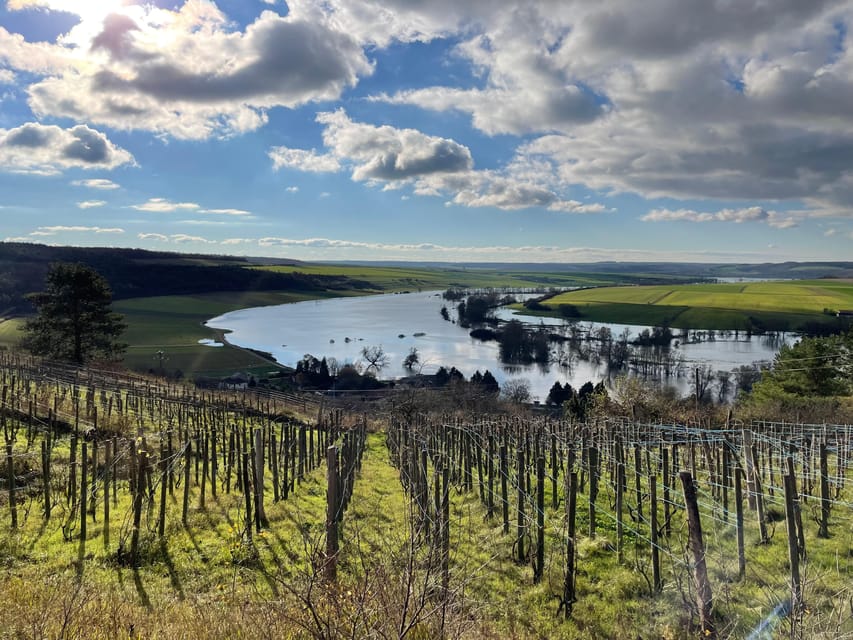
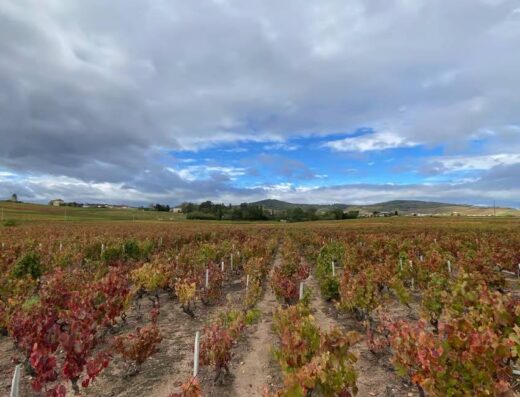
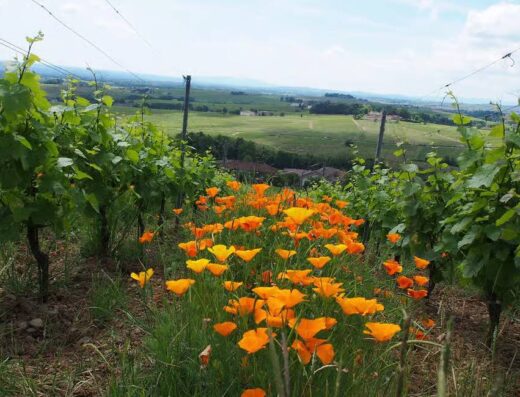
Nestled between the southern tip of Burgundy and the bustling culinary hub of Lyon, Beaujolais is a region of breathtaking rolling hills, ancient granite, and vibrant “Pierres Dorées.” While often famously associated with the festive rush of the third Thursday in November, the true soul of Beaujolais lies in its diverse terroir and the incredible versatility of the Gamay Noir à Jus Blanc grape. From the sun-drenched limestone plains in the south to the high-altitude volcanic slopes of the north, this region offers a spectrum of flavors ranging from crunchy, floral delights to structured, age-worthy masterpieces that rival the world’s finest reds. To truly understand French wine is to master the hierarchy of these slopes, where tradition and innovation meet in every glass.
Dive into the Heart of Beaujolais
The Regional and Sub-Regional Foundations
Beaujolais AOC (The Regional Entry)
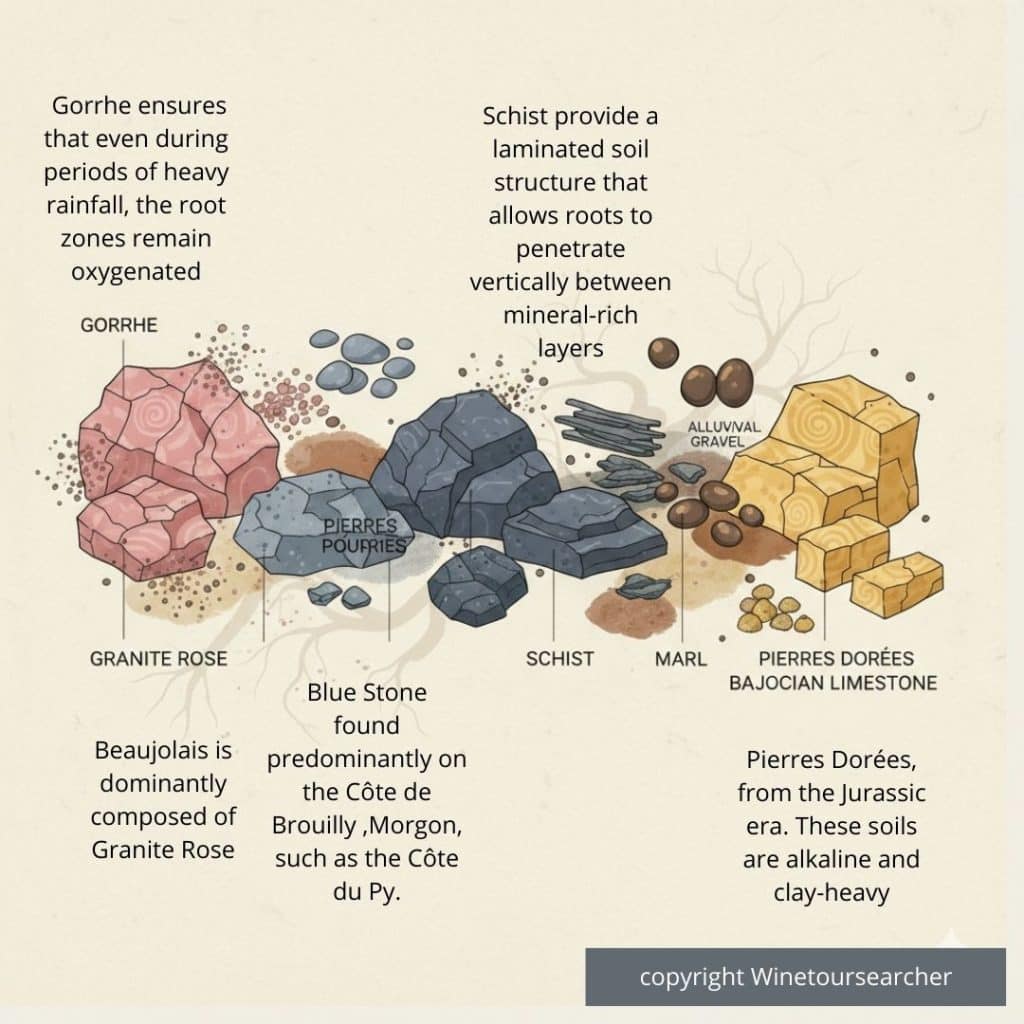
The Beaujolais AOC represents the vast heart of the region, primarily occupying the rolling hills of the south where the “Pierres Dorées” (Golden Stones) provide a limestone-heavy terroir. This appellation is the global benchmark for the Gamay grape, producing wines that are celebrated for their exuberant fruitiness and “joie de vivre.” On the palate, expect a vivid explosion of red berries—predominantly strawberry, raspberry, and red currant—often accented by a faint floral note of violet.
The winemaking style usually favors semi-carbonic maceration to emphasize freshness and minimize tannic grip, resulting in a light-bodied, refreshing red. Regarding aging potential, these wines are at their peak in their absolute youth; they should ideally be consumed within 1 to 2 years to capture their primary fruit energy. While some “Supérieur” versions offer more density, the standard AOC is the ultimate versatile, easy-drinking wine for immediate pleasure.
Beaujolais Villages AOC (The Collective Middle Tier)
Stepping up to the Beaujolais Villages AOC introduces a notable increase in complexity. This classification is reserved for 38 specific communes in the northern half of the region where granite and schist begin to dominate the landscape. Unlike the basic regional AOC, these wines benefit from steeper slopes and better sun exposure. The “Villages” designation serves as a collective bridge between the simple regional wines and the prestigious communal Crus.
The aromatic profile shifts toward darker fruits like black cherry, often with a subtle mineral backbone. These wines offer a more serious expression of Gamay that can handle heartier food pairings like roasted poultry or charcuterie. While they remain approachable upon release, they possess the balance to age gracefully for 3 to 5 years, allowing the initial fruit intensity to mellow into a more integrated, earthy complexity.
Beaujolais + [Name of the commune] AOC (The Specific Village Tier)
It is crucial to distinguish this tier from the 10 famous Crus. While the Crus are independent AOCs (like Morgon), this category refers to a Beaujolais-Villages wine that comes entirely from one of the 38 recognized communes and chooses to put that village name on the label (e.g., Beaujolais-Lantignié). This is a “step up” within the Villages category, highlighting a specific micro-terroir that hasn’t yet reached standalone Cru status.
These wines offer a distinct “sense of place” and are often seen as the “Junior Crus” of the region. The style is typically more focused and persistent, with a clearer mineral definition driven by the specific granite veins of the individual village. This classification is highly regarded by enthusiasts looking for artisanal quality and specific terroir expression at a value price. These wines have a solid aging potential of 4 to 6 years, often rivaling the lighter Crus in complexity.
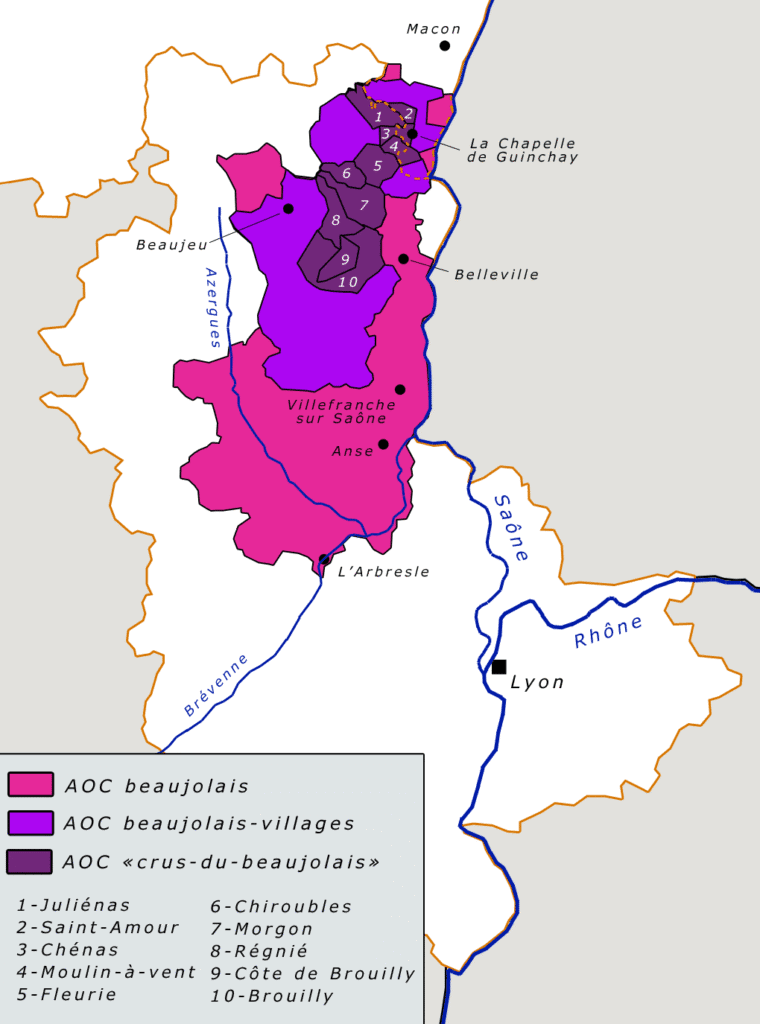
Map of Beaujolais and the Crus of Beaujolais
The Communal 10 Crus of Beaujolais The Northern Granite Slopes)
These 10 appellations are the highest level of the hierarchy. Unlike the “Villages” mentioned above, these are standalone AOCs and do not require the word “Beaujolais” on the label.
Saint-Amour AOC
Saint-Amour, the northernmost Cru, is often divided into two distinct styles based on its complex geology of clay, silica, and granite. One style is light and ethereal, offering delicate aromas of peach and iris, while the other—from heavier clay soils—is surprisingly robust and spicy. This Cru is famous for its romantic associations, but the wine itself is a serious contender in the region. It balances a tender, silky texture with a vibrant acidity that keeps the palate refreshed. In its youth, it is a riot of red fruit and floral elegance.
However, the more structured versions can age beautifully for 5 to 7 years, gaining a spicy, kirsch-like depth. It is a wine of dualities: capable of being a charming, early-drinking delight or a more contemplative, structured bottle with a few years in the cellar. The aging potential is often underestimated, yet the best parcels produce wines that remain vibrant and complex well past their fifth birthday.
Juliénas AOC
Juliénas is a Cru with deep historical roots, named after Julius Caesar and sitting on a diverse patchwork of “blue stone” (metamorphosed volcanic rock) and ancient granite. This varied terroir produces a wine of significant “shoulders” and vigor. Juliénas is characterized by its deep ruby color and an intense aromatic profile of strawberry, violet, cinnamon, and red currant. On the palate, it is one of the more sturdy and tannic Crus, offering a fleshy texture that feels substantial and grounded.
It is a wine that demands food, pairing exceptionally well with grilled meats and stews. While it can be enjoyed after a year of bottle age, it truly shines after 3 to 5 years of cellaring. Its aging potential is impressive, often lasting 8 to 10 years in cooler vintages. As it matures, the floral notes fade into a complex bouquet of dried spices and forest floor, while the tannins become velvety and integrated.
Chénas AOC
Chénas is the smallest and arguably the rarest of the ten Crus, occupying a landscape once dominated by oak forests. The wines produced here are often described as “a bouquet of flowers in a velvet basket.” Chénas is unique for its ability to combine a generous, full-bodied structure with an incredibly fine, floral aromatic profile, often featuring wild rose and peony. The granite soils here are very deep, contributing to a wine that is both powerful and refined.
Because of its scarcity, it is a favorite among collectors and “terroir-hunters.” It is a slow-bloomer that often requires 2 to 3 years to fully open up. Its aging potential is among the best in Beaujolais, comfortably resting in a cellar for 6 to 10 years. With time, it develops a sophisticated “pinotage” character, where the Gamay fruit transforms into something resembling the earthy, silky elegance of a fine Pinot Noir.
Moulin-à-Vent AOC
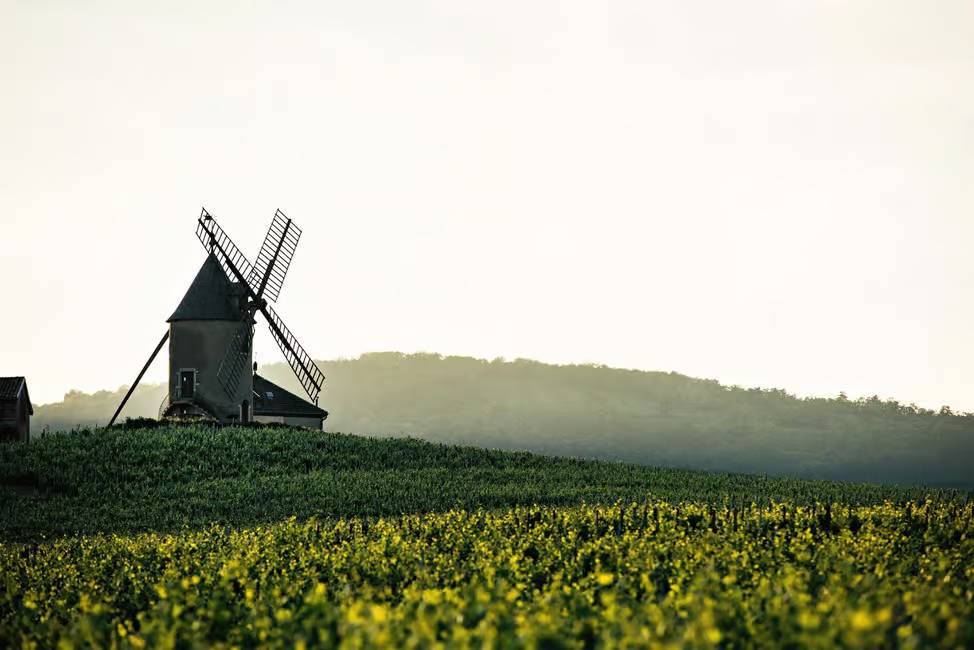
The “King of Beaujolais,” Moulin-à-Vent, is the undisputed heavyweight of the region. The secret to its power lies in the manganese-rich granite soils, which naturally restrict yields and create small, thick-skinned grapes with immense concentration. This results in a wine with a dark, opaque color and a structural grip that is more reminiscent of the Northern Rhône or the Côte d’Or than typical Beaujolais.
Aromas of dark plum, black cherry, iris, and intense spice dominate the profile. This is not a wine for immediate, casual drinking; it is built for the long haul. The aging potential is legendary, often reaching its peak between 10 and 20 years. As it ages, it undergoes a dramatic transformation called “pinotage,” shedding its primary power for a refined, silky texture and complex notes of truffle, leather, and musk. It remains the ultimate authoritative expression of what Gamay can achieve.
Fleurie AOC
Fleurie, the “Queen of Beaujolais,” is the stylistic opposite of Moulin-à-Vent, prized for its supreme elegance and aromatic finesse. The soil is composed of a very thin, sandy pink granite that drains quickly, forcing the vines to struggle and producing a wine of incredible lightness and perfume. The hallmark of Fleurie is its intense floral signature—roses, violets, and iris—intertwined with bright red fruits like raspberry and pomegranate.
The tannins are famously silky, providing a texture that feels like lace on the tongue. While it is undeniably charming in its youth, particularly the versions from the higher-altitude sandy plots, it possesses a surprising ability to age. A well-made Fleurie from a reputable producer can develop beautifully over 5 to 8 years, gaining a subtle spicy and dried-flower complexity while maintaining its characteristic grace. It is the definitive choice for those who value perfume and texture over raw power.
Chiroubles AOC
Chiroubles is the highest-altitude Cru in Beaujolais, nestled in a granite amphitheater where temperatures are consistently cooler than the rest of the region. This altitude results in a longer ripening period, producing the most “refreshing” and delicate of all the Crus. The style is defined by its bright, high-toned acidity and transparent ruby color. Aromas are typically a mix of fresh red berries, peonies, and lilies, with a distinct mineral snap on the finish.
Chiroubles is often described as the most “feminine” Cru because of its fragile, elegant structure and low tannin profile. It is a wine that celebrates the primary fruit and floral charm of Gamay. Consequently, its aging potential is shorter than its neighbors; it is best enjoyed within 3 to 5 years of the harvest to ensure its vibrant, lacy character is not lost. It is a masterclass in precision and mountain freshness, offering a cooling, elegant contrast to the heavier Crus.
Morgon AOC
Morgon is a titan of the region, synonymous with the “roches pourries” (rotten rocks) of the Côte du Py. This unique soil of decomposed schist and volcanic rock gives Morgon a “meaty” and “fleshy” character that is entirely distinct. The wine is famous for its “kirsch” (cherry brandy) aroma, often mingled with stone fruits like apricot and a deep, iron-like minerality. Morgon is a wine of great density and power, often showing a firm tannic structure in its youth that requires time to soften.
It is one of the most age-worthy wines in the world, with the best vintages easily lasting 15 to 20 years. The term “morgonner” was actually coined to describe how the wine evolves with age, moving from primary fruit to a savory, earthy, and velvety complexity. For many critics, Morgon is the purest expression of the relationship between Gamay and granite, providing an authoritative, masculine wine that commands respect in any cellar.
Régnié AOC
Régnié became the tenth and newest Cru in 1988, recognized for its exceptional terroir of pink granite and high-altitude slopes. The style of Régnié is often described as “supple” and “fluid,” sitting comfortably between the elegance of Fleurie and the structure of Brouilly. It is a wine of great aromatic purity, usually bursting with scents of red currant, raspberry, and blackcurrant, often with a hint of spicy mineral tension.
The tannins are fine and well-integrated, making the wine very approachable shortly after bottling. Régnié is the quintessential “bistro” Cru—vibrant, fruit-driven, and incredibly friendly with food. While it is designed for pleasure, it has a respectable aging potential of 3 to 6 years. During this time, the fruit stays remarkably fresh while the spicy undertones become more prominent. It is a modern favorite for those who want a Cru that balances sophistication with high drinkability.
Côte de Brouilly AOC
The Côte de Brouilly sits on the steep, sun-drenched slopes of Mont Brouilly, an extinct volcano. The soil here is the famous “pierres bleues” (blue stones), a hard diorite rock that gives the wine an intense, vibrating minerality. Because of the slope’s drainage and solar exposure, Côte de Brouilly is more concentrated and “nervy” than its neighbor, Brouilly. T
he profile is one of dark, blue-toned fruits—blueberry and plum—with a distinctive floral touch of iris and a salty mineral finish. The structure is tight and precise, offering a leaner but more powerful drive than the flatter Crus. Its aging potential is excellent, typically peaking between 5 and 8 years. As it matures, the volcanic tension relaxes into a complex, savory wine with notes of pepper and graphite. It is a wine of verticality and energy, representing the unique volcanic history of the Beaujolais region.
Brouilly AOC
Brouilly is the largest and southernmost of the Crus, encircling the base of Mont Brouilly. Because it covers such a large area, it features a variety of soils—granite, clay, and limestone—which results in a wine that is famously well-rounded and versatile. Brouilly is the quintessential “crowd-pleaser” Cru, offering a soft, fruity, and accessible profile that is incredibly easy to love. Expect dominant flavors of red berries and plums with a light floral lift.
The tannins are gentle, and the body is medium-light, making it a staple in Parisian bistros for its ability to pair with almost anything. While it is most famous for its youthful charm, a good Brouilly can certainly age for 3 to 5 years, during which time it gains a slightly more earthy and round character. It is the friendly ambassador of the Crus, offering a consistent and reliable expression of high-quality Gamay that is perfect for any occasion.
Transversal and Specific Classifications
Beaujolais Nouveau / Beaujolais Primeur
Beaujolais Nouveau is a marketing mention for regional and village AOCs, released on the third Thursday of November. It is the first taste of the harvest, produced via rapid carbonic maceration to emphasize fruit over tannin. The style is candy-like, featuring notes of banana, bubblegum, and strawberry. It is intended for immediate celebration and must be consumed within 3 to 6 months for the best experience.
Beaujolais Blanc (Chardonnay-based)
Beaujolais Blanc represents a tiny fraction of the region’s output, made from Chardonnay planted on limestone-rich soils. These wines are crisp, energetic, and full of white flower and citrus aromas. They offer a leaner, more mineral alternative to the rounder wines of the Mâconnais. While beautiful when fresh, they have a surprising aging potential of 2 to 4 years.
Beaujolais Rosé AOC
Beaujolais Rosé is a vibrant, 100% Gamay expression that captures the grape’s natural zest. The style is dry, crisp, and bursting with red fruit acidity. It is the perfect summer wine, emphasizing brightness and floral notes. It is strictly a “drink-now” wine, best consumed within 12 months of the harvest to enjoy its fleeting, primary fruit profile.
Beaujolais wine appelations in a nutshell
The Regional Foundations
-
Beaujolais AOC: The broad, fruit-forward regional entry.
-
Beaujolais Villages AOC: Collective quality from the northern granite hills.
-
Beaujolais + [Commune Name] AOC: A “Village” wine from one specific town (e.g., Lantignié).
The 10 Standalone Crus (The Highest Tier)
-
Saint-Amour AOC: Tender, floral, and romantic.
-
Juliénas AOC: Sturdy, spicy, and historical.
-
Chénas AOC: Rare, floral, and age-worthy.
-
Moulin-à-Vent AOC: Powerful, structured, and “King.”
-
Fleurie AOC: Elegant, feminine, and “Queen.”
-
Chiroubles AOC: Light, high-altitude, and refreshing.
-
Morgon AOC: Meaty, dense, and profound.
-
Régnié AOC: Supple, aromatic, and modern.
-
Côte de Brouilly AOC: Volcanic, mineral, and nervy.
-
Brouilly AOC: Friendly, versatile, and approachable.
Specific Expressions
-
Beaujolais Nouveau / Primeur: The festive seasonal release.
-
Beaujolais Blanc: Chardonnay from the limestone soils.
-
Beaujolais Rosé: Crisp, refreshing Gamay pink