
Some wine trips are built around labels. The best ones are built around place – the light on the vines in late afternoon, the lunch that stretches longer than planned, the cellar door that changes how you taste a familiar grape. If you’re deciding among the best wine regions to visit, the right choice is less about prestige alone and more about the style of experience you want once you arrive.
A classic region can deliver instant recognition and polished hospitality. A lesser-known area may offer more intimacy, better value, and a stronger sense of discovery. The sweet spot depends on whether you’re traveling for grand estates, scenic drives, food culture, small producers, or a deeper understanding of terroir. These 12 regions stand out because they offer more than good wine – they create memorable, place-driven journeys.
12 Best Wine Regions to Visit Around the World
Napa Valley, California
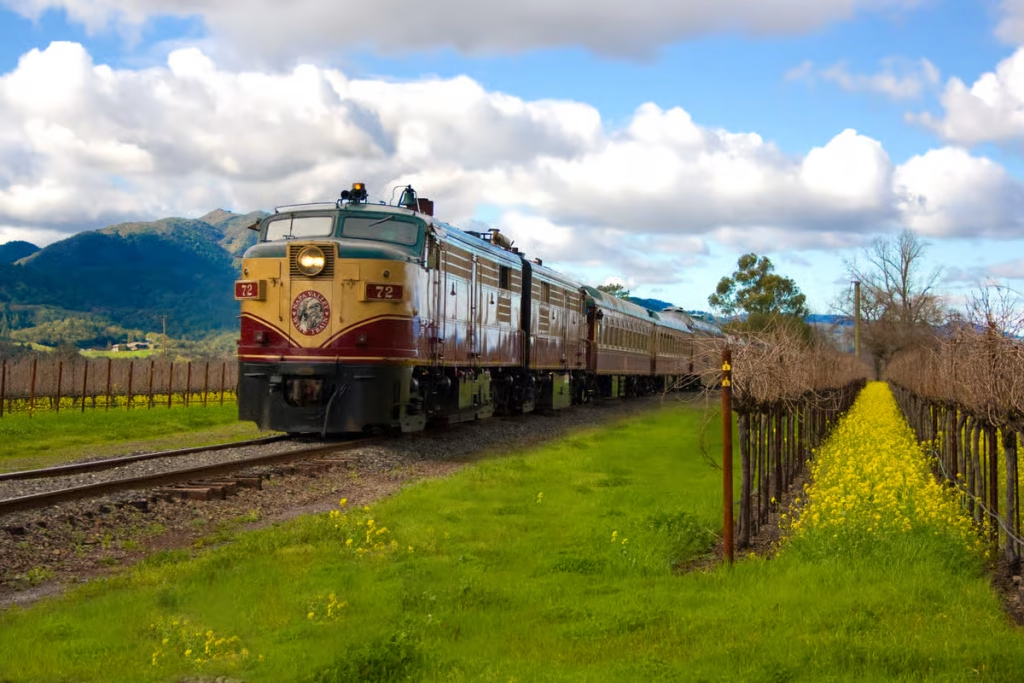
Napa remains one of the easiest, most seamless, and highly rewarding wine destinations for American travelers looking for a world-class escape close to home. Because the valley floor is highly compact and anchored by two primary north-south arteries—Highway 29 and the scenic Silverado Trail—it is exceptionally well organized and effortless to navigate. This concentrated geography is packed with an incredible density of high-quality tasting experiences. Visitors can easily pivot from historic, legacy Cabernet houses with cavernous stone aging cellars to hidden, smaller producers who offer highly personalized, beautifully tailored appointments hosted in private lounges or panoramic hillside terraces. If seamless convenience and premium service matter to your travel style, few global regions can match the sheer operational polish found here.
What truly makes Napa special is this rare, high-concept combination of ambitious, boundary-pushing winemaking and hyper-refined hospitality. The valley is engineered for a flawless daily flow: you can spend a crisp morning tasting single-vineyard plots high up on the rugged slopes of Howell Mountain or Mount Veeder, transition smoothly by afternoon to a multi-course, Michelin-level wine pairing lunch in Yountville, and still have ample time to relax by your hotel pool or enjoy a spa treatment well before sunset. The obvious trade-off for this immaculate level of luxury and curation is price. Napa is rarely, if ever, a budget-conscious choice; tasting fees, accommodations, and dining reflect its elite global status. Furthermore, because of the massive demand for its top-tier estates, the most sought-after, intimate cellar visits have completely abandoned walk-in options, meaning a successful trip requires tight, strategic advance planning weeks before you arrive.
Sonoma County, California
Sonoma offers a significantly broader, more relaxed, and geographically diverse canvas than neighboring Napa Valley. Here, the country roads wind through an expansive terrain that opens into a fascinating patchwork of distinct subregions, each possessing its own unique microclimates and cultural moods. For instance, the chic town of Healdsburg feels highly refined, artistic, and food-forward, serving as a hub for upscale farm-to-table dining. In contrast, the cooler, fog-kissed Russian River Valley is globally beloved for producing delicate, elegant Pinot Noir and crisp, mineral-driven Chardonnay, while the sun-drenched paths of Dry Creek Valley maintain a much more rustic, old-school rhythm shaped by century-old Zinfandel vines and deeply rooted family-run wineries.
For many travelers, Sonoma represents the more balanced, authentic California trip. The style of hospitality here can feel noticeably less formal and more conversational, the natural landscapes are infinitely more varied—stretching from golden oak-studded hillsides all the way to the dramatic Pacific coast—and the daily itinerary is much easier to personalize on the fly. If your ideal wine vacation includes spontaneous roadside farm stands, unpretentious tastings right in the barrel room, driving along quiet scenic backroads, and having plenty of literal and mental room to slow down, Sonoma deserves your serious attention.
Willamette Valley, Oregon
The Willamette Valley has firmly earned its place among the best wine regions to visit for purists and intellectual travelers who care just as much about viticultural nuance and bottle variation as they do about beautiful scenery. While world-class, cool-climate Pinot Noir is undoubtedly the headline grape that put this rainy Pacific Northwest corridor on the global map, the real, lasting appeal of the valley is the region’s calm, unhurried confidence. You won’t find faux-European palaces here; instead, the tasting rooms tend to be deeply thoughtful, architectural, and minimalist rather than flashy or performative. The conversations across the tasting table rarely stick to basic tasting notes; they move quickly into deep dives regarding specific volcanic or sedimentary soils, vineyard elevation, and the heavy impact of unique vintage weather conditions.
This makes the valley a highly compelling destination for visitors who want genuine substance and deep agricultural connection without any administrative stiffness or pretension. The landscape’s rolling green hills, dense Douglas fir borders, and misty mornings are beautiful in a much softer, quieter, and more contemplative way than some of the world’s more commercialized, sun-baked wine routes. If you are traveling in search of high-energy nightlife, urban spectacle, or theatrical tourist attractions, you may want to look toward a different region entirely. But if you want elegant, acid-driven, food-friendly wines and deeply meaningful, educational cellar conversations, Willamette is an absolute standout.
Tuscany, Italy
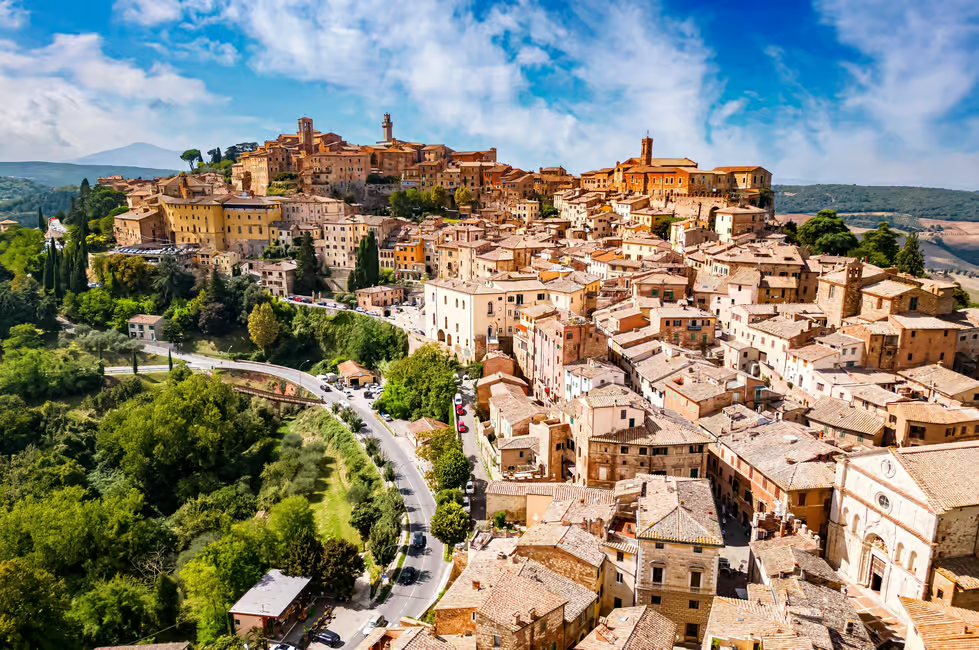
Tuscany is one of those rare, legendary places on Earth that fully satisfies both the romantic postcard dream and the gritty, historic reality of wine travel. The landscapes are exactly as cinematic as you expect them to be, with rolling golden ridges punctuated by perfectly straight lines of spiked cypress trees and ancient stone villas. However, the actual wine experience goes far deeper than mere surface-level beauty. Spanning across the historic woodland hills of Chianti Classico, the sun-baked, high-altitude slopes of Montalcino, and the medieval ridges of Montepulciano, the region offers an extraordinary, diverse range of cellar visits that are profoundly tied to living history, breathtaking renaissance architecture, and deeply rooted agricultural traditions.
Tuscany works especially well for travelers who want wine discovery to be just one harmonious part of a much larger, slow-paced cultural itinerary. Art-filled cities, walled medieval hilltop villages, artisanal olive oil pressings, and long, multi-hour lunches under a shaded pergola all fit completely naturally into a single day’s journey. The one major caution for first-timers is the complex local logistics. Distances on paper can be highly deceiving; travel times feel much longer as you navigate winding, gravel rural roads (strade bianche), meaning that picking the correct base town or central valley for your accommodation matters far more than many visitors realize to avoid spending your entire vacation behind the wheel.
Piedmont, Italy
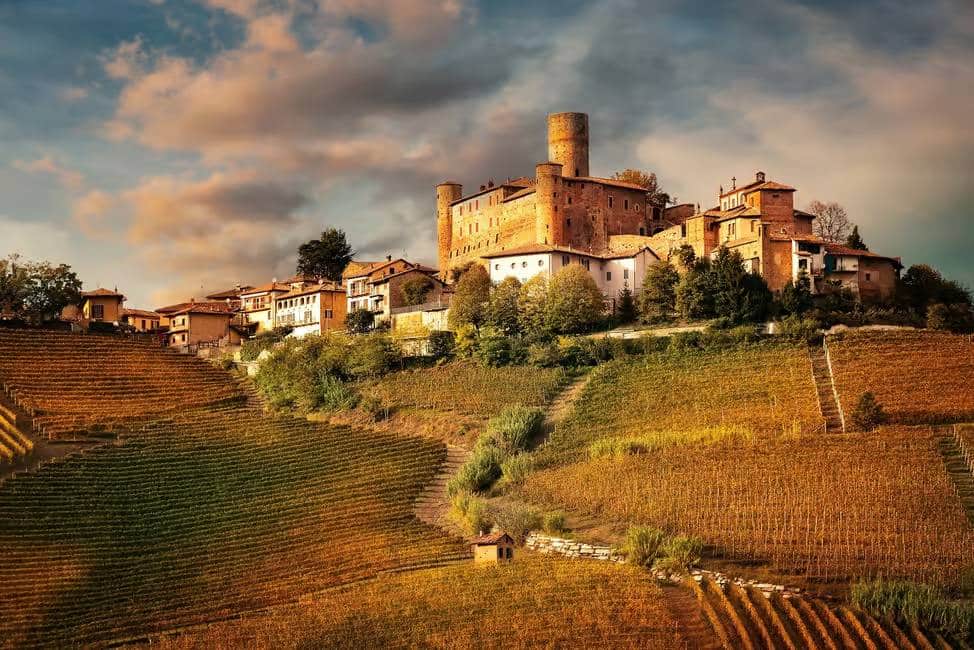
If Tuscany feels sunlit, open, and expansive, the northwestern region of Piedmont feels noticeably more inward, layered, and quietly serious. Tucked directly against the towering, snow-capped arc of the Alps, this is one of Europe’s absolute premier destinations for dedicated wine lovers who want to explore the temperamental Nebbiolo grape in its most complex and expressive forms—most notably within the highly regulated, historic crus of Barolo and Barbaresco. Beyond the cellar, the region is also globally revered as one of Italy’s finest, most uncompromising sanctuaries for pure gastronomy, reaching a fever pitch during the autumn months when regional dishes are paired with the legendary white truffles of Alba.
Piedmont is a region that strictly rewards patience and intellectual curiosity. The tasting style here can be much more traditional and old-school, often requiring prior introductions or formal requests, and the highly tannic, age-worthy wines themselves naturally ask for your undivided attention and focus. That characteristic makes it absolutely ideal for seasoned enthusiasts who genuinely enjoy structural depth, history, and terroir over tourist-centric spectacle. It may not be the easiest or most straightforward choice for someone’s very first wine trip, but for those who value artisanal precision, it almost always becomes the one destination they talk about and romanticize longest afterward.
Bordeaux, France
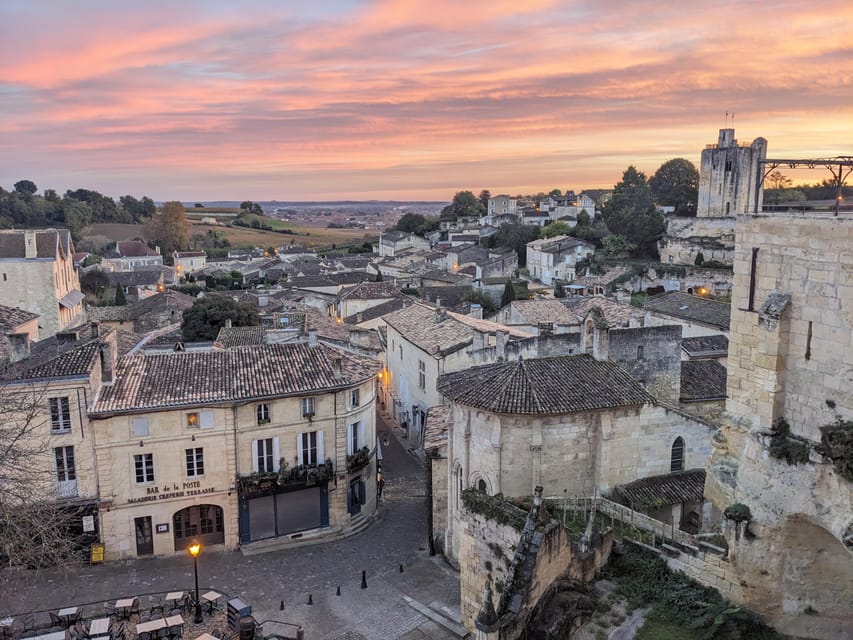
Bordeaux remains the ultimate global benchmark for classic wine tourism because it effortlessly combines unmatched historical prestige with an incredible geographical range. The region allows you to easily split your trip into completely distinct sub-cultures: you can drive down the iconic Route des Châteaux in the Médoc to marvel at legendary classified growths, cross the river to explore the Right Bank’s far more intimate, clay-driven family estates, and then return each evening to the city of Bordeaux itself to enjoy elegant neoclassical architecture, world-class bistros, and vibrant riverside walks. Few places on earth carry this same heavy sense of liquid legacy and institutional importance.
Because of this grandeur, Bordeaux is a destination best approached with meticulous, strategic planning. Walk-ins are virtually nonexistent at the top tier; formal appointments are essential, and the specific style of hospitality can vary wildly from highly personal, family-led tours to incredibly corporate, polished, and formal presentations. For travelers who are genuinely drawn to the history of wine classification, dramatic barrel cellar architecture, and the precise, enduring language of French terroir, Bordeaux offers an incredibly deep and rewarding educational experience that sets the standard for the rest of the world.
Burgundy, France
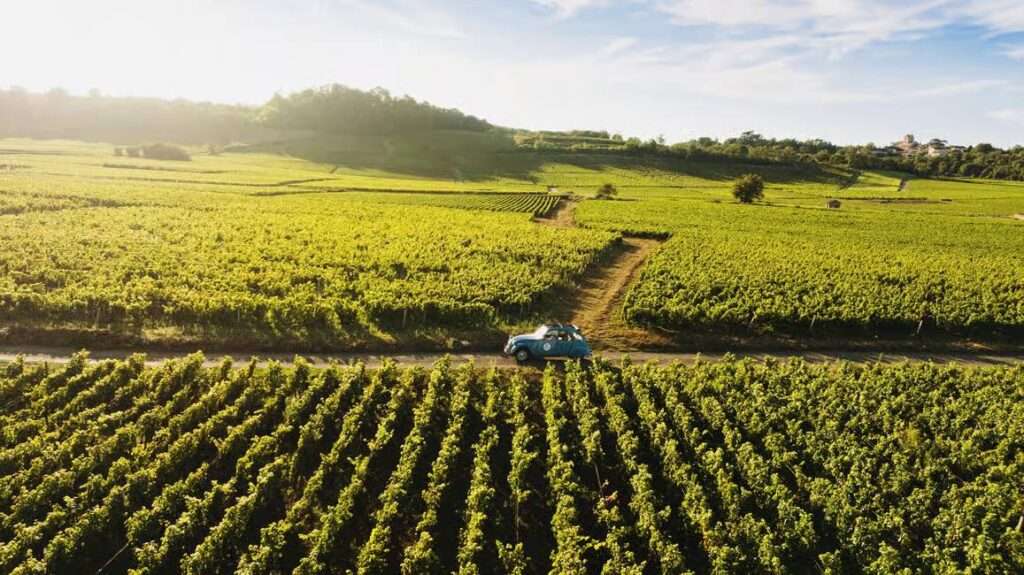
Burgundy (Bourgogne) is notoriously not the easiest or most transparent wine region to visit, and that exact sense of exclusivity and mystery is precisely why it feels so compelling to wine lovers. The vineyards along the narrow Côte d’Or are incredibly fragmented, divided into thousands of tiny, historic plots (climats) separated by low stone walls. Furthermore, the regional classifications are famously intricate, the production volumes are incredibly small, and the top-tier bottles can be prohibitively expensive. Yet, for true disciples of Pinot Noir and Chardonnay, there is simply nowhere else on earth that matches this spiritual home.
The ultimate pleasure of traveling through Burgundy lies entirely in the hyper-local detail. A simple two-minute drive down a dirt path can reveal subtle, microscopic changes in the vineyard slope, limestone soil composition, and drainage that completely reshape how a grape tastes from one row to the next. Visits here often feel like quiet, intimate chemistry lessons rather than theatrical tourism; you are frequently tasting out of a damp, cobwebbed limestone cellar dating back to the Middle Ages, talking directly with the dirty-handed vigneron who personally farmed the plot. If you want a vacation destination that sharpens your palate and challenges your wine knowledge while surrounding you with understated, timeless French beauty, Burgundy is impossible to surpass.
Douro Valley, Portugal

The Douro Valley offers what is undeniably one of the most visually dramatic, jaw-dropping wine landscapes found anywhere on the planet. Here, ancient terraced vineyards rise up at near-vertical, gravity-defying angles directly above the winding Douro River, creating a profound sense of sheer geological grandeur that feels completely distinct from the softer, rolling contours of traditional European wine regions. Historically and deeply associated with the production and aging of Port wine, the Douro has underwent a modern renaissance, now shining just as brightly for its intense, structured dry red wines and increasingly sophisticated, luxury-tier visitor experiences.
This region is an incredibly strong choice for travelers who want maximum scenic impact and rugged natural beauty without making any sacrifices on wine quality or hospitality. Scenic river cruises, immersive stays at historic wine estates (quintas), and long, lazy outdoor lunches overlooking the plunging vineyard valleys make the daily experience intensely memorable. However, the intense basin geography means that summer heat can be incredibly punishing, making the timing of your trip crucial; planning a visit during the cooler spring or the vibrant autumn harvest brings the absolute best balance of outdoor comfort and stunning landscape color.
Rioja, Spain
Rioja stands out as one of the most complete, well-rounded, and satisfying wine destinations in Europe because it offers travelers a flawless balance of deep historical heritage and effortless modern accessibility. The region is highly adaptable to your mood: you can spend one morning tasting traditionally aged, oak-matured Gran Reservas that have slept in subterranean cellars for decades, switch gears to visit sleek, ultra-modern contemporary wineries, and move with absolute ease between vast sea-like expanses of vines, walled historic hilltop towns, and incredible local culinary spots.
The core appeal of this Spanish region lies entirely within its immense flexibility as a travel destination. Rioja works beautifully for wine newcomers because the Tempranillo-based wine styles are inherently approachable, plush, and rewarding, and the general travel rhythm is highly relaxed and manageable. At the exact same time, it works brilliantly for seasoned enthusiasts who want to deeply analyze the philosophical divide between old-school traditionalists and modern, single-vineyard expressions within a single valley. That remarkable breadth, combined with the legendary tapas culture of cities like Logroño, gives Rioja an unusual staying power that makes you want to return year after year.
Mendoza, Argentina
Mendoza possesses a massive physical scale, intense high-altitude brightness, and raw geographic energy that make wine travel feel incredibly expansive and adventurous. Set directly against the jaw-dropping backdrop of the highest peaks of the Andes mountain range, this high-desert oasis delivers a striking, unforgettable mix of stark mountain scenery, bold, sun-drenched Malbec, and incredibly relaxed, outdoor-focused Argentine hospitality. Many of the modern wineries here are architectural marvels, specifically designed with massive glass walls and open concrete structures to completely immerse guests in the surrounding landscape during the tasting experience.
This is a vibrant region that perfectly suits travelers who like their wine journeys served with a grand sense of lifestyle and occasion. Multi-course, open-flame asado lunches that slowly stretch out over three or four hours on a sunlit terrace, vineyard horseback rides alongside gauchos, custom blending sessions, and exploring massive architectural estates all add an active, luxurious dimension to the itinerary. Because the main subregions—like Maipú, Luján de Cuyo, and the high-altitude Uco Valley—are separated by significant physical distances, a well-planned route with dedicated transport makes an enormous difference. Done right, Mendoza feels incredibly generous, warm, and expansive in every single sense.
Stellenbosch, South Africa
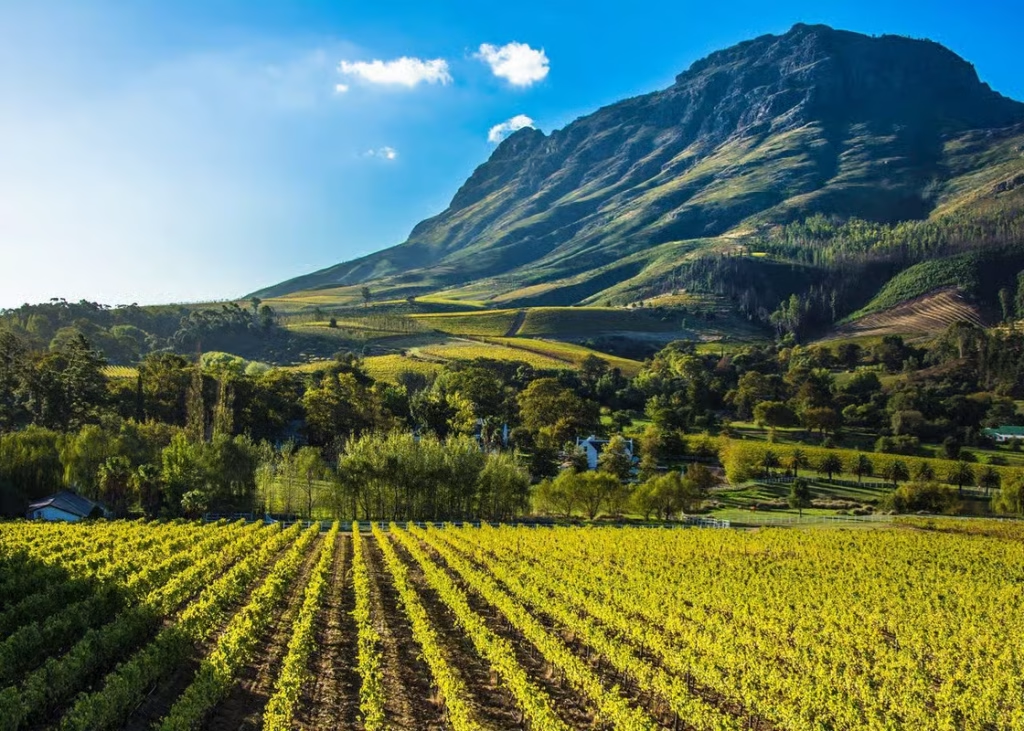
Stellenbosch stands out on the global stage for the exceptional world-class quality of its winemaking, the breathtaking, dramatic beauty of its mountain-framed valleys, and the sheer variety of styles available within a remarkably compact, easy-to-explore area. Heavyweight Cabernet Sauvignon, vibrant and historic Chenin Blanc, and complex, earthy Bordeaux-style blends all show world-class form across this terrain, backed by a hospitality, tasting room, and lodging scene that has become increasingly polished, luxurious, and design-forward.
For international travelers, the extraordinary value proposition here is a massive part of the region’s undeniable charm. High-caliber, educational tastings, award-winning fine dining restaurants, and stunning boutique accommodations can feel infinitely more attainable and accessible here than in almost any other premier wine region globally. Furthermore, its close proximity to Cape Town makes it incredibly easy to seamlessly combine a deep wine vacation with a broader, multi-faceted South African itinerary featuring coastlines, culture, and wildlife safari. The dramatic visual contrast of historic white-walled Cape Dutch architecture sitting directly beneath jagged, imposing granite mountain peaks creates an atmosphere found nowhere else on earth.
Barossa Valley, Australia
The Barossa Valley has long been globally famous for its production of immense, powerful, and ink-rich Shiraz, but the region’s true travel appeal runs infinitely deeper than a single, bold wine style. A unique old-vine heritage preserved by strict biosecurity, a famously warm, unpretentious style of Australian cellar-door hospitality, and a fiercely independent local food culture give this destination a profound sense of historical weight. There is an authentic, relaxed confidence here that feels deeply lived-in, multigenerational, and historical rather than corporate or manufactured.
Barossa is a particularly rewarding destination for travelers who appreciate generous, full-bodied wines and a fierce, proud sense of local identity. A perfect itinerary here balances visits to globally established, historic names with stop-ins at tiny, innovative new-wave producers who bring a highly personal, experimental touch to the cellar door. If your personal palate leans strictly toward cool-climate subtlety and light-bodied wines, other coastal Australian regions might suit your taste buds better. But for pure flavor richness, deep viticultural history, and an incredibly warm, welcoming cellar-door culture, Barossa remains an absolute global classic.
How to Choose Among the Best Wine Regions to Visit
The smartest choice starts with your travel style. If you want polished luxury and minimal friction, Napa is hard to beat. If your trip leans toward countryside romance and long meals, Tuscany or Sonoma may feel more natural. If the goal is to deepen your wine knowledge, Burgundy, Piedmont, and Willamette Valley offer especially rewarding context.
Season also changes the experience. Harvest can be thrilling, but it often brings crowds and tighter winery schedules. Shoulder season usually offers a calmer pace and better availability, especially in regions where top tastings book early. Weather matters too. A summer visit to Douro or Mendoza feels very different from a spring itinerary in Oregon or Bordeaux.
Finally, think about how much structure you want. Some regions are ideal for independent touring, while others are easier to enjoy with curated reservations and transportation built in. That is often where a platform like Wine Tour Searcher becomes useful – not just for finding availability, but for comparing experiences that match your pace, interests, and budget without reducing the trip to a generic tasting list.
The best wine region is rarely the one with the loudest reputation. It’s the one that fits the kind of memory you want to bring home – a cellar conversation you’ll still remember years later, a vineyard lunch that redefines slow travel, or a bottle that tastes forever tied to the place where you first understood it.