Table of Contents
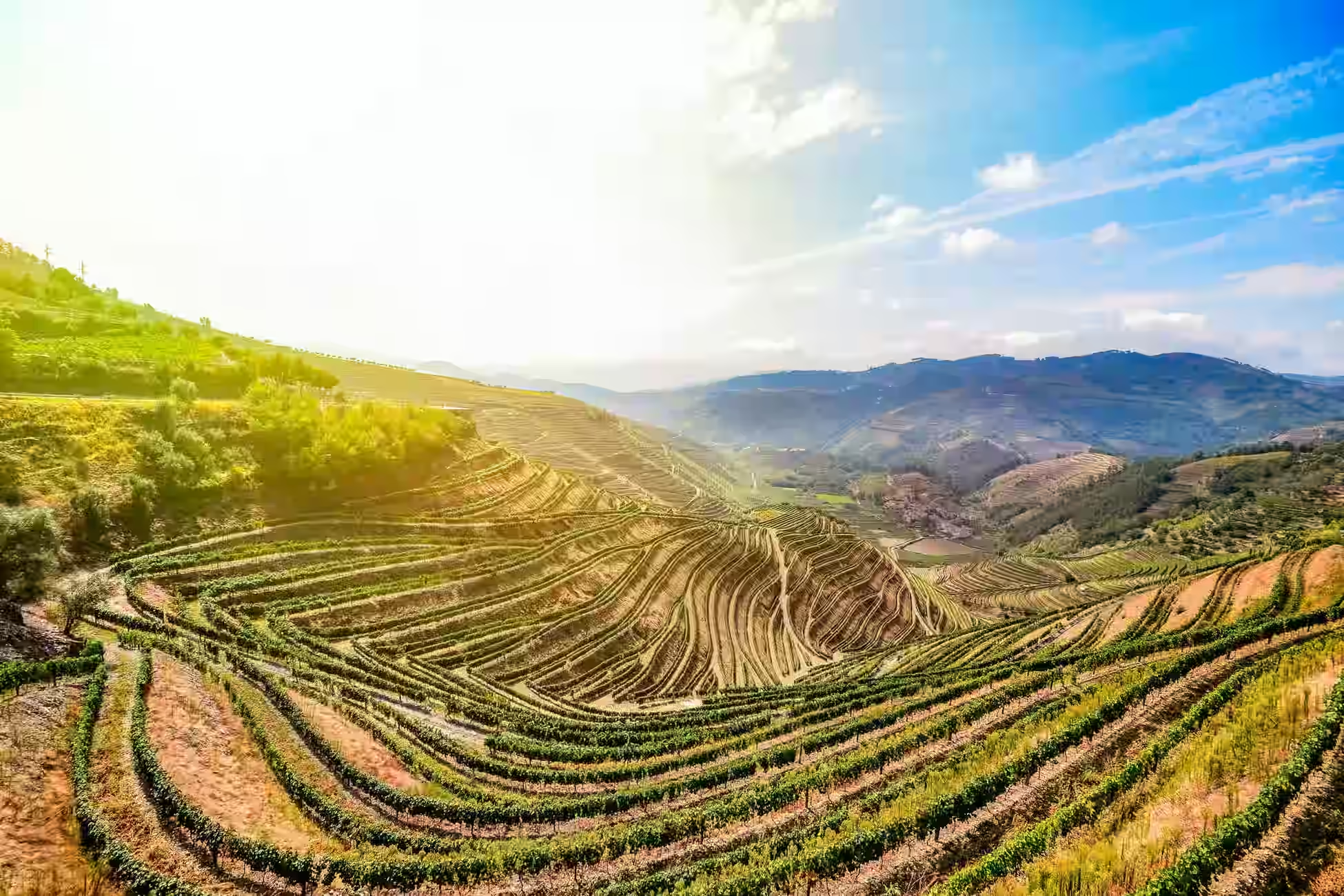
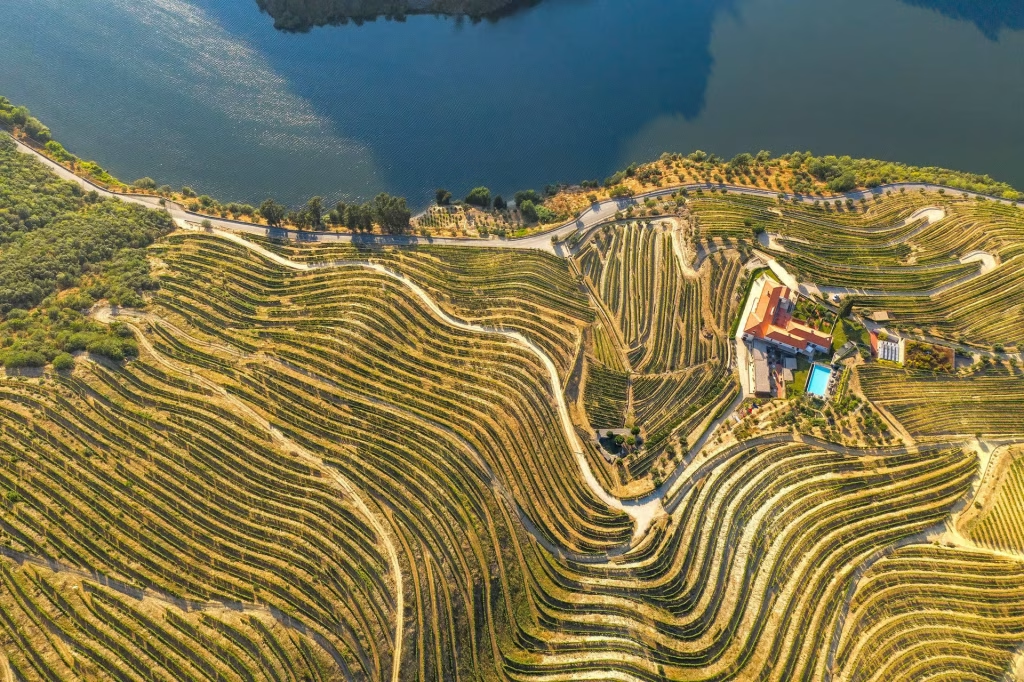
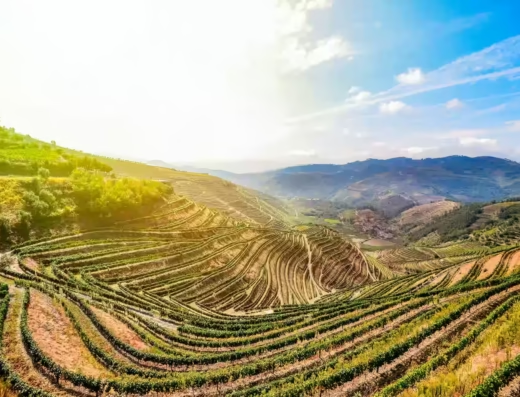
Standing on the edge of a precipitous vineyard in the Cima Corgo, looking down at the river snaking through the valley like a ribbon of hammered silver, you realize that the Douro is not a place you simply visit—it is a place you feel in your bones. As a traveler who has spent years chasing the perfect vintage across the globe, I found that the Douro Valley offers something the more manicured regions of Europe have lost: a raw, rugged honesty. Here, the landscape wasn’t just shaped by nature; it was sculpted by the sheer will of generations of families who broke the stubborn schist rock by hand to plant their vines.
My first morning in Pinhão, the fog was so thick I could barely see the rabelo boats docked at the pier. As the sun began to burn through the mist, the terraces revealed themselves—golden, tiered, and impossibly steep. Walking through these vineyards, the scent of esteva (rockrose) and wild thyme clings to your clothes, and the silence is broken only by the distant chime of a church bell or the hum of a tractor.
There is a profound intimacy in sitting at a heavy wooden table in a centuries-old Estate, listening to a winemaker explain why the 2011 Vintage Port is the pride of their life while the heat of the afternoon sun radiates off the stone walls. It is a region of extremes—bitterly cold winters and scorching summers—yet it produces wines of such elegance and power that they stay with you long after you’ve returned home. The Douro is a pilgrimage of the heart, a testament to the harmony between man and a beautiful, unforgiving earth.

Fall in Love with the Douro
Planning a wine tour or Winery in Douro How to go there
Navigating your way to the world’s oldest demarcated wine region involves a transition from the salty Atlantic breeze of Porto to the protected, Mediterranean microclimate of the valley. While the region feels like a remote sanctuary, it is remarkably accessible if you know which hubs to utilize for your Private tour.
-
Main Airport: Porto Airport (OPO) – Francisco Sá Carneiro. This is the primary gateway for international travelers. It is a modern, efficient hub located just 15 minutes from Porto’s city center. It offers robust connections to major European capitals and direct long-haul flights from New York, Toronto, and Brazil.
-
Alternative Hubs: Lisbon Airport (LIS) is the next best option. While it is roughly 3.5 hours away by car, many travelers land in the capital to enjoy the southern coast before heading north. For those exploring the far eastern Douro Superior, Salamanca (SLM) or Madrid (MAD) in Spain can serve as alternative entry points for a cross-border road trip.
-
Regional Hubs: Vila Real (VRL) features a small regional airfield. While commercial flights are limited, it is a frequent stop for private aviation and small charters, placing you within 20 minutes of some of the region’s most prestigious Estates.
Book your Flight Ticket to Douro
Rent a Car in Douro
Distances from Douro Main Cities to Key Wine Regions
| Departure Point | Destination Sub-Region | Distance | Travel Time |
|---|---|---|---|
| Porto | Peso da Régua (Baixo Corgo) | 120 km | 1h 20m |
| Porto | Pinhão (Cima Corgo) | 130 km | 1h 45m |
| Vila Real | Sabrosa (Cima Corgo) | 25 km | 35m |
| Porto | Vila Nova de Foz Côa (Douro Superior) | 190 km | 2h 20m |
| Lamego | Pinhão (via N222 Scenic Route) | 38 km | 50m |
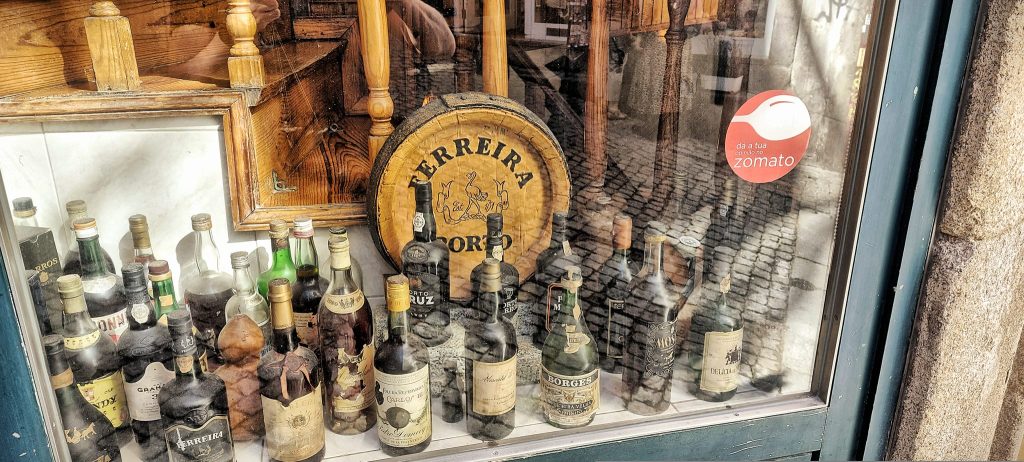
In Porto, Port is never far away. Perfect starting place for Port Lovers, of course
The Douro’s geography is a complex tapestry divided into three distinct sub-regions, each defined by its distance from the ocean and its specific altitude. Understanding these distances is crucial for planning your daily Wine tasting itinerary, as the winding roads of the valley often make short distances take longer than expected.
-
From Porto to Peso da Régua (Baixo Corgo): 120 km | Approx. 1h 20m. This is your primary entry point into the “Lower Corgo.” As the westernmost sub-region, it receives the most rainfall and produces lighter, fruitier styles of Port. The drive is a smooth transition from the urban energy of Porto into the first dramatic slopes of the valley.
-
From Porto to Pinhão (Cima Corgo): 130 km | Approx. 1h 45m. Pinhão sits at the very heart of the Douro. This sub-region is the epicenter of quality, home to the most prestigious “A-rated” vineyards and the world’s greatest Port houses. Expect steep, winding roads that offer breathtaking views of the river’s horseshoe bends.
-
From Vila Real to Sabrosa (Cima Corgo): 25 km | Approx. 35m. Sabrosa offers a different perspective, focusing on high-altitude vineyards. This shorter trip from the city of Vila Real takes you through rugged terrain where the diurnal temperature shifts create wines with exceptional acidity and freshness, perfect for those seeking elegant Douro DOC reds.
-
From Porto to Vila Nova de Foz Côa (Douro Superior): 190 km | Approx. 2h 20m. This is a journey into the “Upper Douro,” the wild, arid frontier near the Spanish border. Because of the distance, the landscape transforms into a desert-like expanse of rock and vine. The wines here are intense, structured, and bold, reflecting the extreme heat of the eastern valley.
-
From Lamego to Pinhão (Cima Corgo via N222): 38 km | Approx. 50m. Traversing the iconic N222, this route connects the historical city of Lamego to the heart of the wine country. It is a drive that demands you slow down, as the road hugs the riverbank, passing through several small, high-quality Estates along the way.
Budgeting Your Douro wine tour experience
| Category | Budget Experience | Mid-Range (Agriturismo) | Luxury / Private |
|---|---|---|---|
| Nightly Stay | €85 - €135 | €180 - €350 | €500 - €1,200+ |
| Lunch / Dinner | €20 - €35 | €50 - €90 | €120 - €250+ |
| Wine Tasting | €20 - €30 | €45 - €75 | €80 - €200+ |
| Daily Transport | €15 (Train) | €40 - €70 (Rental) | €350+ (Private Driver) |
Budgeting for a trip to the Douro requires an understanding that this is a region of vast contrast—where rustic tradition meets world-class luxury. Prices can fluctuate significantly between the more accessible Baixo Corgo and the ultra-exclusive Estates of the Cima Corgo.
-
Accommodation: Expect to pay between €90 and €150 per night for a charming “Turismo Rural” or high-quality guesthouse. For a mid-range experience at a working vineyard Estate, prices typically range from €180 to €350. If you are seeking the pinnacle of luxury, world-renowned resorts and boutique hotels can reach anywhere from €500 to over €1,200 per night during the harvest season.
-
Dining: A traditional lunch at a local “tasca” consisting of a daily special and house wine will cost around €20–€30 per person. Mid-range dining at high-quality winery restaurants—often featuring panoramic terraces—will range from €50 to €90. Fine-dining experiences with multi-course tasting menus often start at €120 and can exceed €250 with premium wine pairings.
-
Wine Tasting & Tours: A standard Wine tasting of 3 to 4 current releases generally costs between €20 and €45. However, the true beauty of the region lies in Private tours and vertical tastings of aged Ports or limited-edition Douro Reds, which usually range from €75 to €200 per person.
-
Activities: Short boat trips in Pinhão start around €20 per person for a shared cruise, whereas a half-day private charter on a luxury yacht or traditional Rabelo boat can cost between €400 and €800.
orkshops.
Find the Best Places to Stay in Douro
Best Period to visit Douro
Choosing the right time to visit the Douro Valley is critical, as the region’s extreme “Mediterranean-meets-Schist” climate dictates the rhythm of life and the availability of experiences.
-
Spring: Rebirth (March–May) The valley awakens in a symphony of green. After the winter rains, the terraced slopes are at their most vibrant, covered in lush cover crops and wild lavender. In the Douro Superior, the almond trees explode into a sea of white and pink blossoms—a phenomenon so beautiful it has its own local festivals. This is the ideal window for hiking the vineyard trails or embarking on a Private tour without the oppressive heat of summer. Expect mild temperatures between 15°C and 22°C, perfect for long outdoor lunches.
-
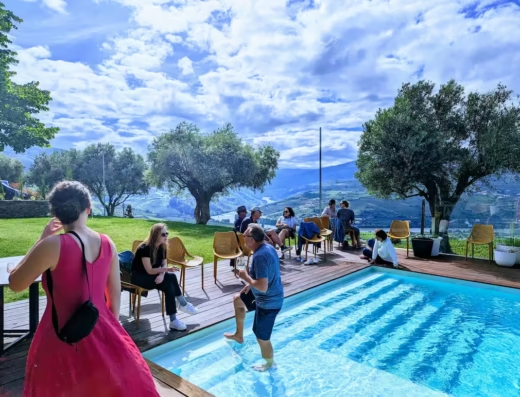
Summer: Peak (June–August) The “Douro Furnace” is in full effect. Temperatures frequently climb above 35°C (often reaching 40°C in the canyon floors). While the heat is intense, this is the time for golden hour sunsets that seem to last forever. Most visitors spend their afternoons by infinity pools at an Agriturismo or taking refuge in the cool, thick-walled stone cellars for a Wine tasting. The river is at its most inviting for kayaking and boat trips. It is the busiest season, so booking your favorite Estate in advance is mandatory.
-
Autumn: Harvest (September–October) The most iconic and electric time to visit. The air is thick with the sweet, heady scent of fermenting must. The hillsides undergo a spectacular transformation, turning from deep green to brilliant ochre, burnt orange, and crimson. This is the only window to participate in the Vindima (harvest). You can witness the rhythmic dance of foot-treading in traditional stone lagares—a visceral, ancient ritual that remains the heartbeat of the region’s finest Ports. It is a time of celebration, hard work, and unparalleled energy.
-
Winter: Quiet (November–February) As the leaves fall and the vines are pruned, a profound silence descends upon the valley. The morning fog (the nevoeiro) clings to the riverbanks, creating a hauntingly beautiful, cinematic landscape. While the temperatures are crisp (5°C–12°C), it is the perfect season for those seeking a soulful, intimate experience. Imagine a Wine tasting of a rare Vintage Port by a roaring fireplace in a secluded Estate. Many luxury hotels offer significantly lower rates, and the popular viewpoints are yours alone to enjoy.
Main towns and places in Douro Sanctuaries of Stone: The Towns That Guard the Vines
Porto
Porto is the historic and vibrant coastal gateway to the valley, where the Douro River meets the Atlantic Ocean. Customers should expect a city of dramatic bridges, medieval riverside districts, and the world-famous Port Wine lodges of Vila Nova de Gaia. A must-visit is the Ribeira district and a crossing to Gaia for a historic Wine tasting in the ancient cellars. Porto is the essential wine hub where Port has been aged and shipped globally for centuries, serving as the commercial and cultural anchor for the entire region.
Lisbon
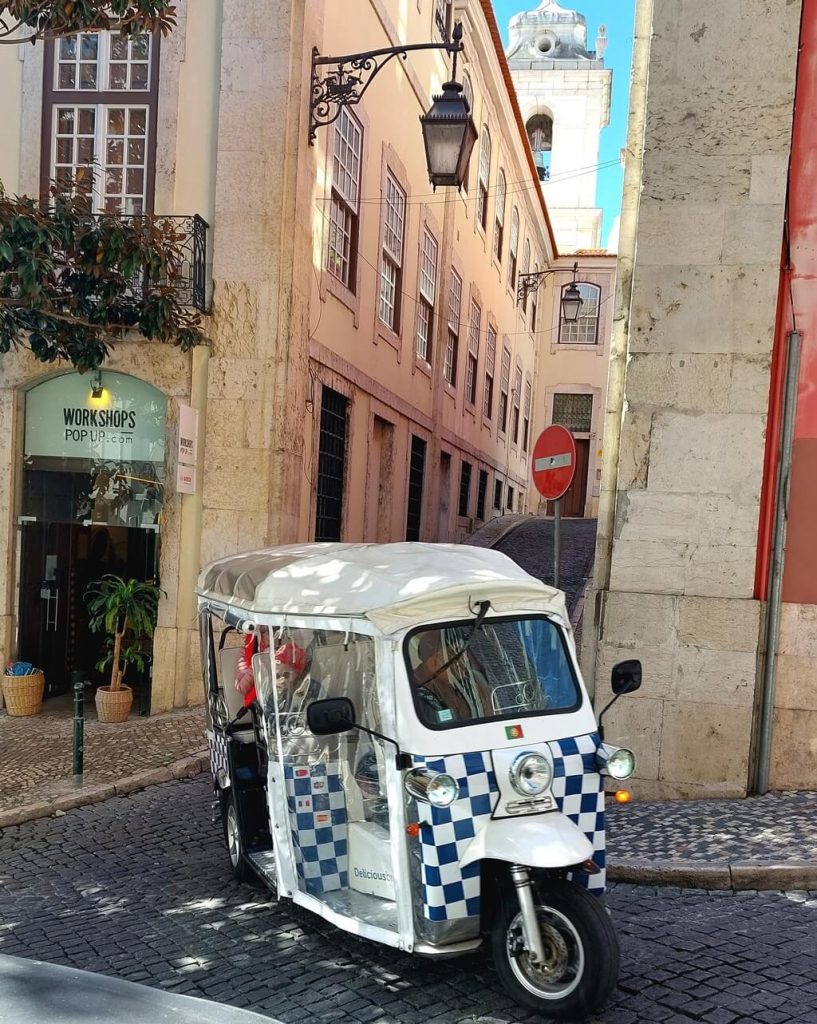
As Portugal’s capital, Lisbon offers a sophisticated, sun-drenched atmosphere that serves as a grand starting point for any national wine journey. Visitors can expect historic yellow trams, tiled facades, and an incredible diversity of wine bars showcasing every Portuguese region. A must-visit is the Alfama district and the Belém Tower. While not in the valley, Lisbon is a vital hub for international travelers and provides high-speed rail and road connections directly into the heart of the Douro.
Peso da Régua
Often referred to as the commercial heartbeat of the valley, Peso da Régua serves as the central logistical hub where the river, the historic rail line, and major roads converge. Historically, this was the critical weighing and taxation point where all Port wine barrels had to be registered before their final journey downriver to Porto. Today, the town offers a bustling, energetic atmosphere filled with wine shops, riverside cafes, and a long promenade perfect for evening strolls.
Visitors can expect a functional but charming town that acts as the primary gateway to the Baixo Corgo subregion. A stay here puts you in close proximity to accessible Estates like Quinta da Pacheca and Quinta do Vallado. The standout must-visit is the Douro Museum, located in a beautifully restored warehouse on the riverbank, which provides essential historical context on the region’s UNESCO status and the human toil that shaped the terraces.
Pinhão
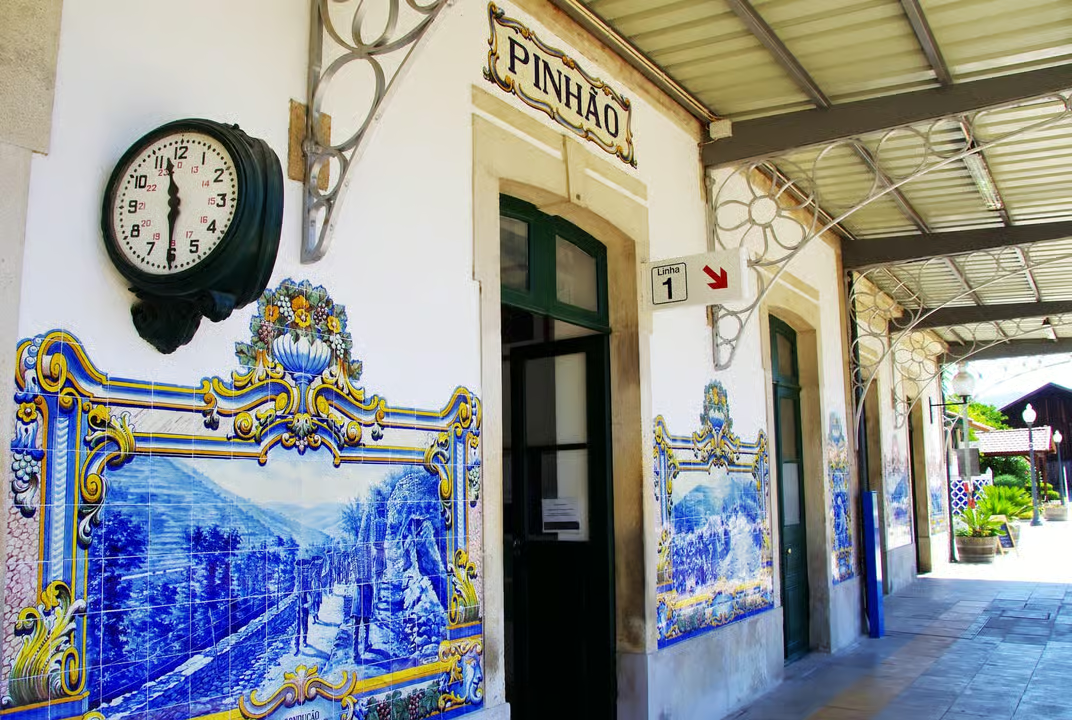
If Régua is the heart of logistics, Pinhão is the spiritual soul of the Douro, located at the breathtaking confluence of the Douro and Pinhão rivers. This small, prestigious village is nestled in the Cima Corgo, the subregion responsible for the valley’s highest-quality “A-rated” vineyards and elite Vintage Ports. The atmosphere here is more intimate, sophisticated, and entirely focused on the vine.
You are literally surrounded by the biggest names in the industry—Graham’s, Taylor’s, and Quinta do Noval all have major holdings visible from the village center. The absolute highlight is the Pinhão Train Station, a masterpiece of 19th-century architecture famous for its 24 large blue-and-white azulejo tile panels that depict the entire traditional vintage cycle, from harvest to river transport. It is also the premier hub for private boat charters, allowing you to see the hidden valley views that are impossible to reach by car.
Vila Nova de Foz Côa
Venturing further east into the Douro Superior brings you to Vila Nova de Foz Côa, a town that offers a rugged, frontier-like atmosphere vastly different from the lush western subregions. This is a land of vast horizons, ancient rock formations, and an arid, Mediterranean climate that produces some of Portugal’s most structured and intense Douro DOC reds. The town serves as the gateway to two major cultural landmarks: the world-famous Côa Valley Archaeological Park, a UNESCO site featuring thousands of Paleolithic open-air carvings, and the modern, architecturally striking Côa Museum, which overlooks the valley’s prehistoric landscape. Visitors should expect a slower pace of life and a deeper connection to the ancient earth. It is an essential stop for wine enthusiasts who want to see the modern “Douro Revolution” in action, as many pioneering winemakers are now focusing their efforts on these high-altitude, sun-baked slopes
Lamego
Situated slightly south of the river, Lamego is a historic and elegant gem that adds a layer of baroque sophistication and cultural depth to your wine trip. Unlike the small riverside villages, Lamego feels like a proper city, complete with medieval narrow alleys, a Gothic cathedral, and a grand boulevard lined with local boutiques. The atmosphere is one of old-world charm and religious importance, dominated by the Sanctuary of Our Lady of Remedies, which sits atop a hill and is reached by a monumental 686-step baroque staircase adorned with statues, fountains, and blue tiles.
For wine lovers, Lamego is a critical hub as it is the center for the production of traditional method sparkling wines, most notably the legendary Raposeira. Its high-elevation vineyards produce crisp whites and base wines for sparkling cuvées that offer a refreshing alternative to the heavy reds of the canyon floor.
Top 20 Must Visit Wineries in Douro And Why
To truly understand the diversity of the Douro, you must visit a mix of historic Port houses and modern table wine innovators. Here are 20 Estates that represent the absolute pinnacle of the region’s viticulture.
-
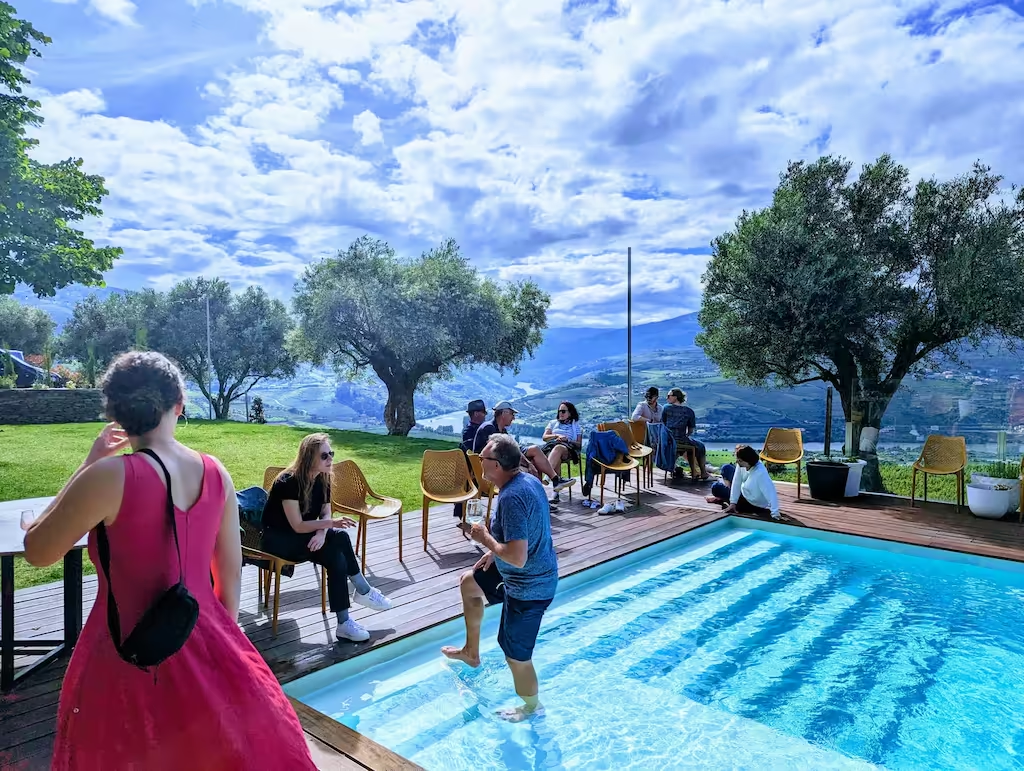
Quinta do Crasto: Perched on a high ridge in the Cima Corgo, this family-owned Estate is world-renowned for its high-altitude table wines and an infinity pool that offers one of the most photographed views in the valley.
-
Quinta do Vallado: Established in 1716, this historic quinta once belonged to the legendary Dona Antónia Adelaide Ferreira. It seamlessly blends 18th-century heritage with award-winning contemporary architecture and a focus on indigenous field blends.
-
Quinta Nova de Nossa Senhora do Carmo: A pioneer in wine tourism, this stunning Estate features a dedicated wine museum and a high-end restaurant. It is famous for its “Mirabilis” range, reflecting the elegance of the Cima Corgo.
-
Quinta da Pacheca: One of the most famous destinations in the region, known for its iconic wine-barrel-shaped suites. It offers an immersive Wine tasting experience and traditional foot-treading during the harvest.
-
Quinta do Bomfim: Owned by the Symington family, this is the home of Dow’s Port. Located just steps from the Pinhão train station, it features a fantastic museum and a terrace perfect for watching the sunset over the river.
-
Quinta do Seixo (Sandeman): Easily recognizable by the “Sandeman Don” silhouette, this Estate offers a futuristic cellar tour and some of the most expansive panoramic views of the Douro river bend.
-
Quinta de la Rosa: A boutique, family-run quinta that hugs the riverbank near Pinhão. It is highly regarded for its distinctive, drier style of Port and its world-class “Cozinha da Clara” restaurant.
-
Quinta das Carvalhas: The “crown jewel” of Real Companhia Velha, this massive Estate offers a unique “Vintage Tour” via 4×4, taking you to the 360-degree viewpoint at the very top of the mountain.
-
Quinta do Noval: One of the most prestigious names in the wine world, famous for the legendary “Nacional” Vintage Port, produced from a small parcel of ungrafted vines that survived the phylloxera plague.
-
Quinta do Tedo: Located at the confluence of the Douro and Tedo rivers, this organic Estate is an ecological reserve offering intimate tours and a bird’s-eye view of the river valleys.
-
Quinta do Vale Meão: Located in the remote Douro Superior, this is the birthplace of the legendary Barca Velha. It is an essential stop for those wanting to taste the power and concentration of the region’s driest sub-zone.
-
Quinta do Infantado: A leader in sustainable viticulture, this quinta was the first to break the monopoly of the Port lodges in Gaia by bottling its wine directly in the Douro Valley.
-
Wine & Soul: Founded by a powerhouse winemaker couple, this boutique winery in Vale de Mendiz is the place to taste “Pintas,” a cult red wine that represents the modern revolution of Douro table wines.
-
Quinta de Ventozelo: One of the largest and oldest properties in the region, recently converted into a “hotel-museum.” Its vast trails allow you to explore the diverse biodiversity that coexists with the vines.
-
Quinta da Gaivosa (Alves de Sousa): A multi-generational family Estate that has twice won “Producer of the Year.” It is essential for understanding the complexity of the Baixo Corgo’s cooler, fresher terroir.
-
Quinta da Roêda (Croft): Known as the “gem of the Douro,” this Croft flagship offers traditional visitor experiences and beautiful views of the stone-walled terraces that have stood for centuries.
-
Quinta do Panascal (Fonseca): One of the first quintas to open to the public, offering an excellent self-guided audio tour that allows you to walk through the vineyards at your own pace.
-
Quinta do Portal: Notable for its award-winning, modernist cellar designed by Alvaro Siza Vieira. This boutique winery specializes in fine Douro DOC wines and sophisticated Moscatels.
-
Quinta do Pôpa: A “younger” winery with a vibrant, modern vibe. They offer creative Wine tasting flights and picnics on a terrace that overlooks some of the most dramatic slopes in the Cima Corgo.
-
Quinta de São Luiz (Kopke): The home of the world’s oldest Port house (Kopke). This Estate is famous for its white-painted stone walls and its exceptional range of Colheita (single-harvest) Tawnies.
Not to Miss: Must-Visit Experiences in Douro
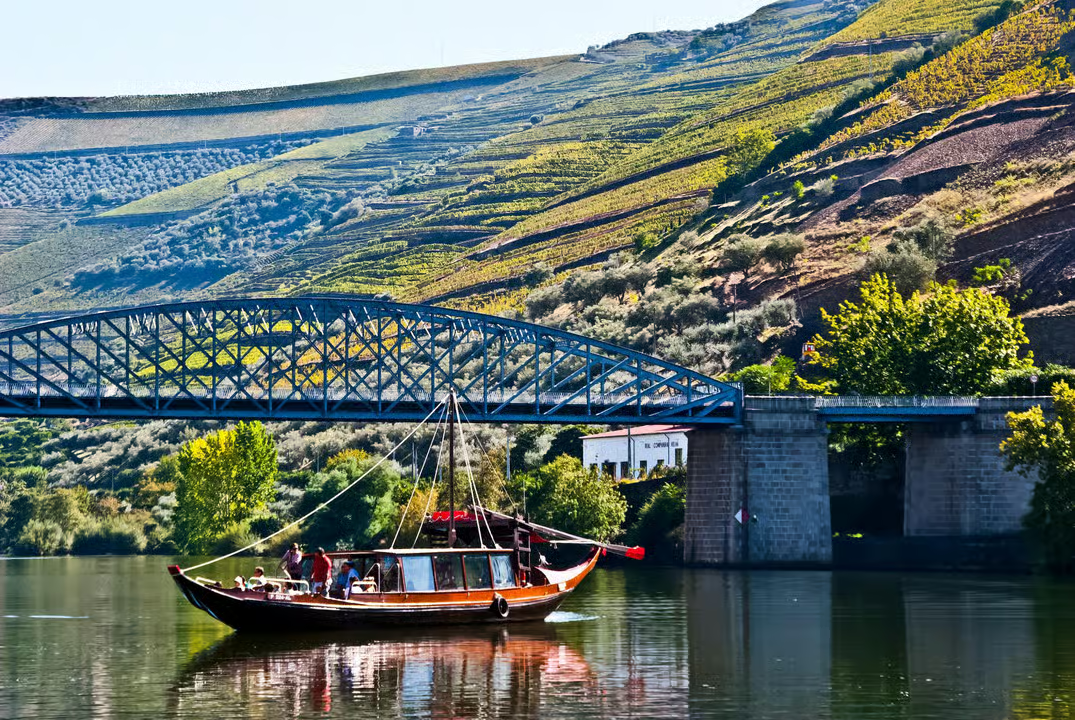
Rabelo Boat cruise
-
Drive the N222: Often voted as one of the most beautiful driving routes in the world, the stretch of the N222 between Peso da Régua and Pinhão is a bucket-list experience. The road hugs the curves of the river at water level, offering constant, intimate views of the terraced Estates on both banks. It is the perfect way to feel the scale and the sheer steepness of the vineyards that define this landscape.
-
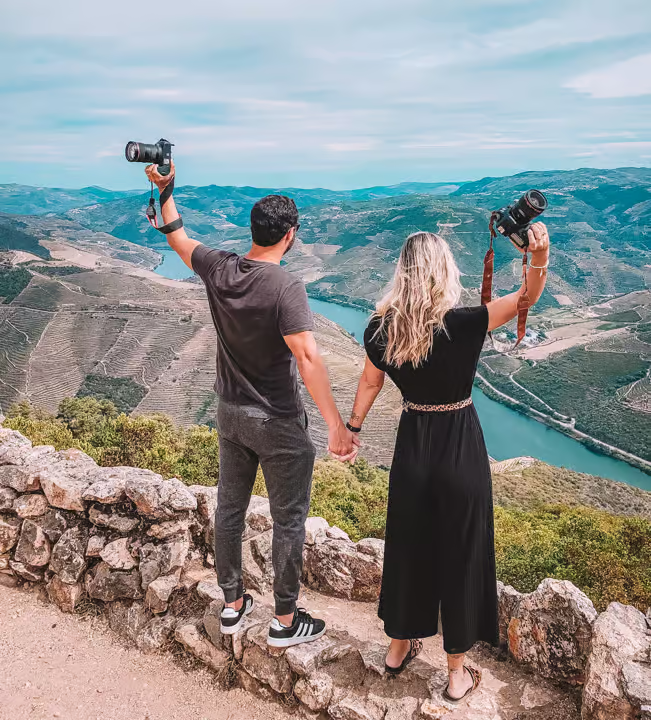
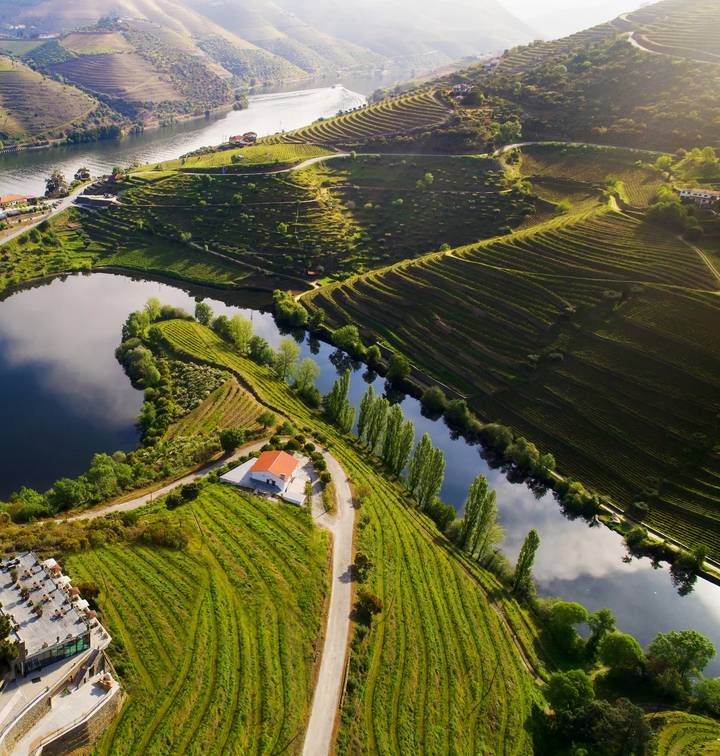
Miradouro de Casal de Loivos: For the definitive panoramic view of the Douro, head up the hill from Pinhão to this small village lookout. From this vantage point, you can see the river’s perfect “S” curve as it snakes through the valley, surrounded by a geometric tapestry of vines. It is widely considered one of the best viewpoints in Europe and is best visited at sunset.
-
Private Rabelo Boat Charter: While large cruise ships are common, a Private tour on a traditional wooden Rabelo boat is an entirely different experience. These boats were once used to transport wine barrels to Porto, and their low profile allows you to navigate into quiet coves and get close-up views of hidden quintas that are completely invisible from the main roads.
-
Traditional Foot-Treading in a Lagar: If you visit during the harvest season (September–October), witnessing or participating in the rhythmic dance of foot-treading is a non-negotiable experience. Many historic Estates still use granite tanks (lagares) to crush their finest grapes, believing the gentle pressure of human feet is the only way to extract color without breaking the seeds. It is a visceral, communal link to 2,000 years of winemaking history.
-
Quinta das Carvalhas Jeep Tour: For those who want to see the vineyards from above without the hike, this historic estate offers specialized 4×4 tours. A guide will take you up the precipitous slopes to the “Round House” at the peak, providing a 360-degree view of the entire Cima Corgo subregion while explaining the complex geology of the schist soil.
-
Mateus Palace (Casa de Mateus): Located just outside Vila Real, this 18th-century baroque masterpiece is one of Portugal’s most iconic landmarks, famously depicted on the labels of Mateus Rosé. Beyond the wine connection, the palace is worth visiting for its exquisite formal gardens, reflecting pools, and carved wooden ceilings that represent the pinnacle of Portuguese aristocratic architecture.
-
The Douro Historical Train: Between June and October, a vintage steam engine and 1925-era wooden carriages run along the riverbank from Régua to Tua. The journey is a nostalgic trip back in time, complete with local musicians, regional sweets, and a glass of Port served on board as you chug slowly past the golden terraces.
Local Gastronomy: What to Taste Absolutely The Douro Foodie experience
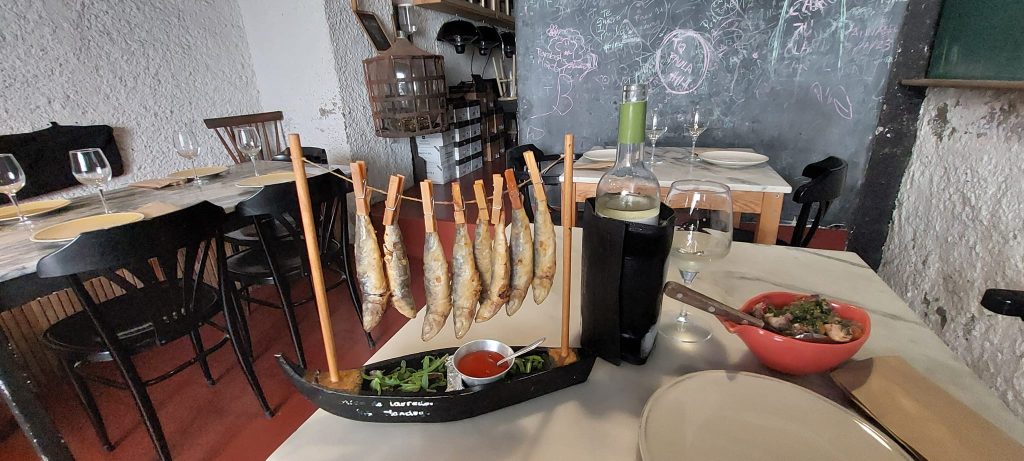
The gastronomy of the Douro is a celebration of a rugged, vertical landscape where mountain traditions meet the bounty of the river. Eating here is an act of cultural immersion, deeply rooted in the heavy, comforting flavors needed to sustain vineyard workers through centuries of breaking schist rock by hand.
-
Bôla de Lamego: A savory, flaky bread stuffed with high-quality ham, smoked meats, or sardines. This is the ultimate regional snack, found in every local bakery and traditionally served to workers during the arduous wine harvests.
-
Roasted Goat (Cabrito Assado): Slow-roasted goat seasoned with local herbs and served with rice cooked in traditional wood-fired ovens. This dish is the centerpiece of local celebrations and Sunday family lunches across the valley.
-
Posta Mirandesa: Thick, tender local beef seasoned only with coarse salt and grilled over an open flame. Representing the peak of regional grilling, it is typically served with “punched” potatoes and seasonal greens.
-
Alheira de Mirandela: A unique smoked sausage originally created by Jews during the Inquisition to avoid pork by using game, poultry, and bread. It is now a beloved regional delicacy usually served fried with a farm-fresh egg.
-
Peixe do Rio (River Fish): Small, crisp fried fish sourced directly from the Douro river. Often served as an appetizer with a glass of chilled white Wine tasting, they provide a fresh, salty contrast to the heavier mountain meats.
-
Milhos Transmontanos: A traditional, hearty corn-based mash often enriched with various cuts of pork, sausages, and local vegetables. This “peasant” dish reflects the resourcefulness of the region, providing immense energy for those working the steep terraces.
-
Douro Almonds: The Douro Superior is famous for its almond blossoms, and the resulting nuts are a staple of local life. They are served toasted as a salty accompaniment to Port or integrated into nearly every regional dessert.
-
Olive Oil of the Douro: Often grown on the same steep terraces as the vines, the local olive oil is exceptionally low in acidity and high in character. It is the foundation of almost every meal and is a must-buy at any Estate you visit.
-
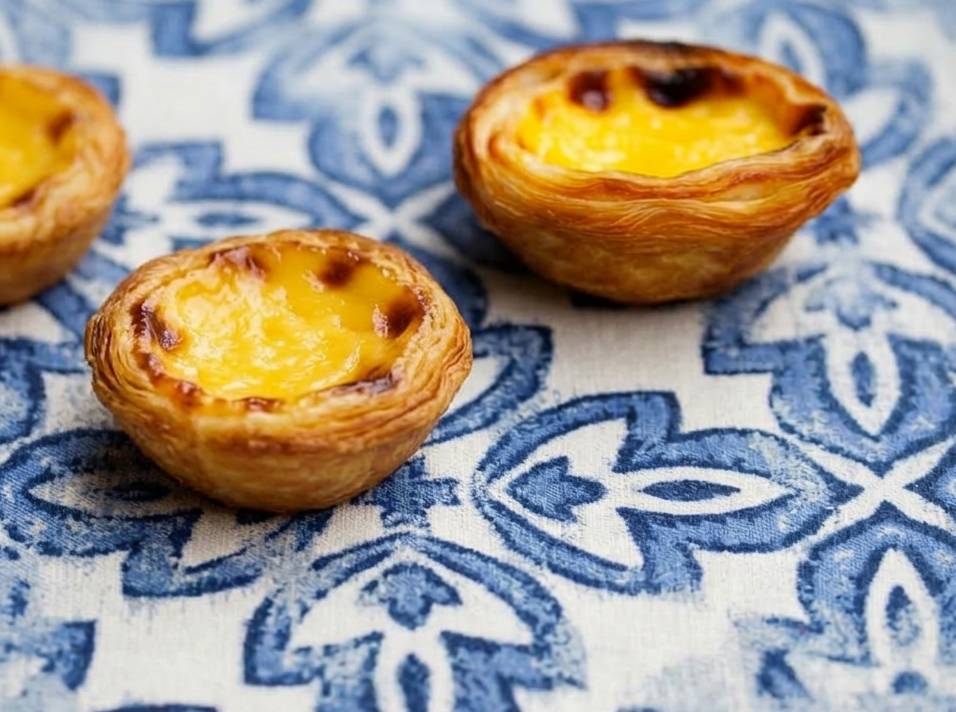
Conventual Sweets: The Douro is famous for its rich, egg-and-almond-based desserts like Toucinho do Céu or Pau de Ló. These recipes were perfected by nuns in local convents and offer a decadent, historical conclusion to any meal.
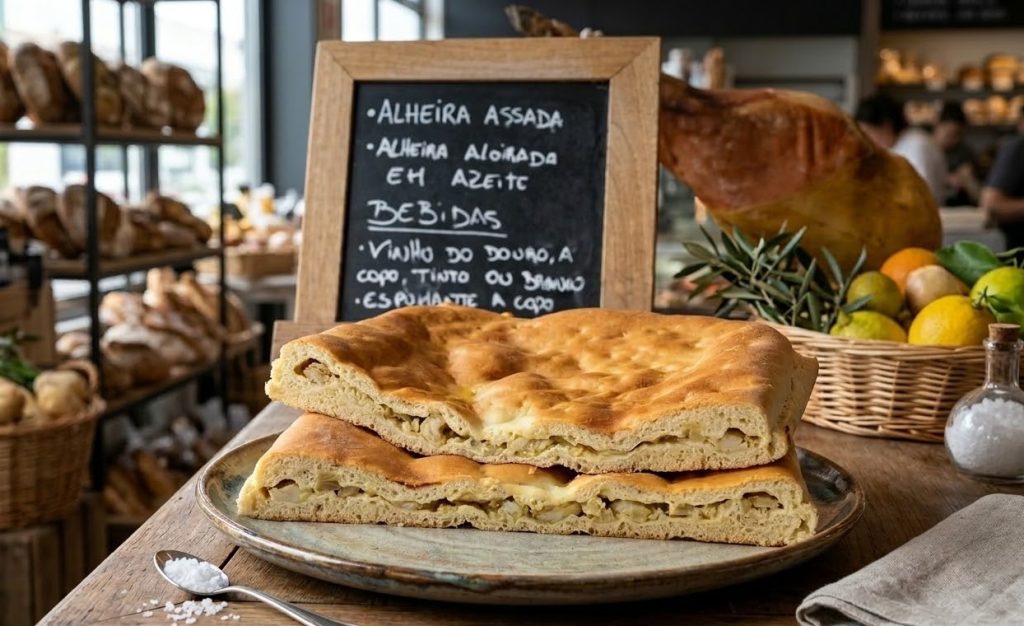
Bola de Lamego
Plan your Transportation Planning Your Pilgrimage in Douro
Navigating the Douro Valley requires a strategic approach, as the region’s dramatic verticality and winding river-side roads mean that distances on a map can be deceptive. Whether you prefer the slow, cinematic pace of the rails or the total autonomy of a private vehicle, your choice of transport will define the rhythm of your Wine tasting journey.
-
By Train (The Linha do Douro): Regarded as one of the most breathtaking rail journeys in the world, the Douro line departs from Porto’s stunning, tile-adorned São Bento Station. For the most immersive experience, ensure you sit on the right side of the train when heading East to maintain a constant view of the river. The journey to Peso da Régua takes approximately 1 hour and 40 minutes, while the stretch to Pinhão adds another 25 minutes of pure scenic bliss as the tracks hug the water’s edge. This is an ideal option for those staying in town centers who wish to visit Estates within walking distance of the stations, such as Quinta do Bomfim or Quinta da Roêda.
-
By Rental Car: For travelers staying at a remote Agriturismo or high-altitude Estate, a car is an absolute necessity. Having your own wheels allows you to conquer the legendary N222—voted one of the best driving roads globally—and reach the secluded viewpoints (miradouros) that tour buses cannot access. Be prepared for narrow, serpentine roads with significant elevation changes; a GPS is essential, but local signage is generally reliable. Note that most vineyard roads are paved, but some “off-the-beaten-path” wineries may require navigating short stretches of well-maintained gravel.
-
By Private Driver & Guide: To truly indulge in a vertical Wine tasting of aged Vintage Ports without the concern of navigating mountain switchbacks, hiring a professional driver is the gold standard of Douro travel. A Private tour with a local expert not only provides door-to-door service between prestigious quintas but also grants you access to “insider” locations and historical anecdotes you won’t find in guidebooks. This is the most efficient way to bridge the gap between the sub-regions of Baixo Corgo and the wilder Douro Superior in a single day.
-
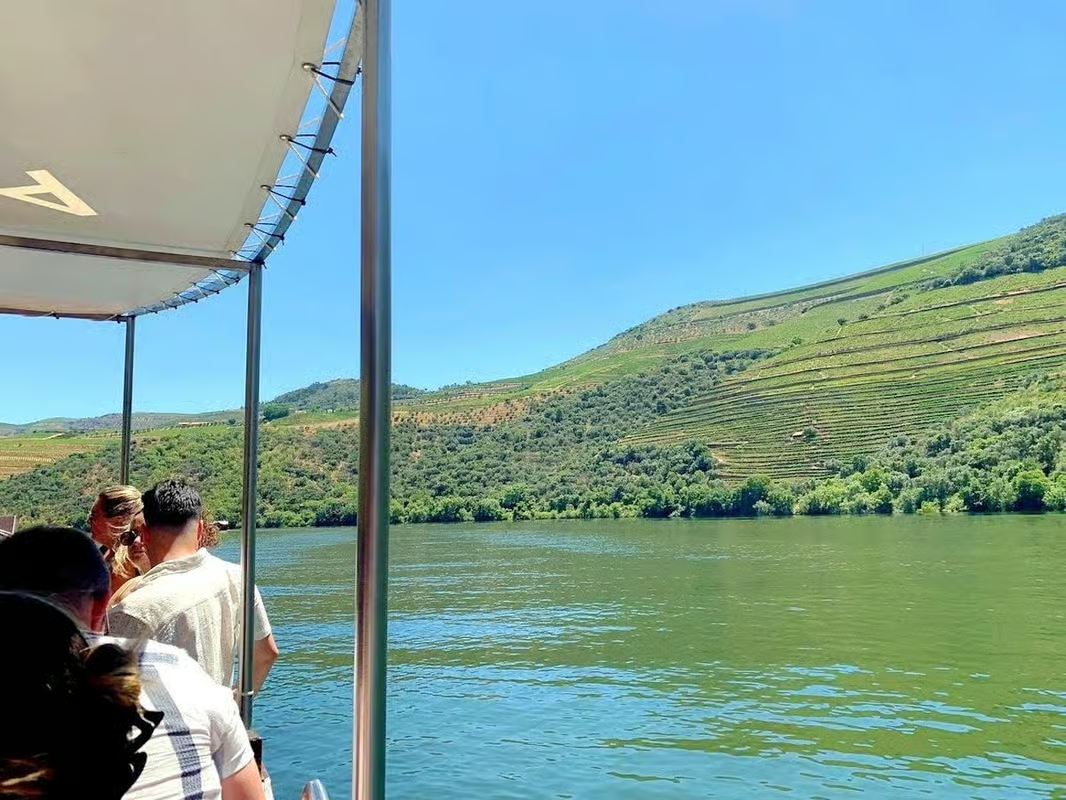
By Boat (River Transfers and Charters): While the train and car offer speed and flexibility, the river offers perspective. Many visitors choose to arrive in the valley via a full-day cruise from Porto, but for a more refined experience, consider booking a short 1-to-2-hour Private tour on a traditional wooden Rabelo boat once you are in Pinhão. Some luxury Estates located directly on the riverbank even offer private pier pick-ups, allowing you to move between tastings by water, bypassing the road traffic entirely.
-
By Helicopter: For the ultimate time-sensitive luxury, private charters operate from Porto Airport (OPO) or Vila Real (VRL), landing directly at the helipads of the valley’s most exclusive five-star resorts and Estates. This 20-minute flight provides a bird’s-eye view of the UNESCO-listed terraces, offering a sense of the region’s scale that is impossible to capture from the ground.
Shipping Costs, Payments modes How to Bring Your Favorite Wines Home
Shipping wine from the Douro Valley involves navigating complex international customs and excise regulations. Most premium Estates work with specialized international carriers who manage the entire door-to-door process, including protective packaging and insurance.
-
European Union (EU): Shipping within the EU is the most straightforward due to the single market. Most carriers offer delivery of 12-bottle cases for approximately €35–€65. There are no additional customs duties, though local VAT is included in the purchase price.
-
United States (USA): Shipping to the US is complex due to state-by-state regulations. Specialized wine shippers must be used to ensure compliance with federal and state laws. Expect to pay between €140–€210 per 12-bottle case, which typically includes customs clearance and delivery. Some “dry” states may have restrictions or require shipping to a licensed receiver.
-
United Kingdom (UK): Post-Brexit, shipping to the UK involves customs declarations and the payment of UK Excise Duty and VAT upon arrival. Shipping costs are approximately €85 per case, but you must factor in these additional taxes, which the carrier will often collect before final delivery.
-
Canada: This is one of the most difficult and expensive regions to ship to because of provincial liquor board monopolies (e.g., LCBO, SAQ). Shipping is possible but involves high provincial markups and administrative fees that can double the cost of the wine. It is often more cost-effective to check your wine as airline luggage if your province allows personal exemptions.
-
Logistic Tips: Always ensure your shipment is insured for its full replacement value. During peak summer (July-August) or winter (January-February), consider “climate-controlled” shipping or delaying your shipment to avoid exposing the wine to extreme temperature fluctuations.
Payment methods
-
-
Cards: Visa and Mastercard are universal; Amex is less common.
-
Cash: Essential for small village cafes, local markets, and rural taxis.
-
ATM: Widely available in towns; avoid “Euronet” machines to minimize fees
-