Table of Contents
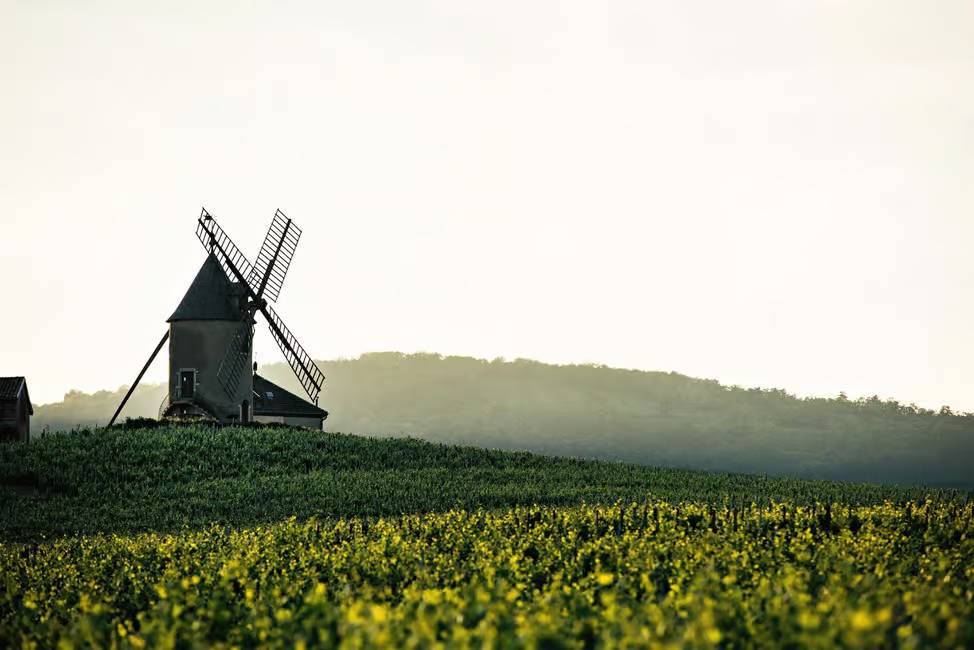
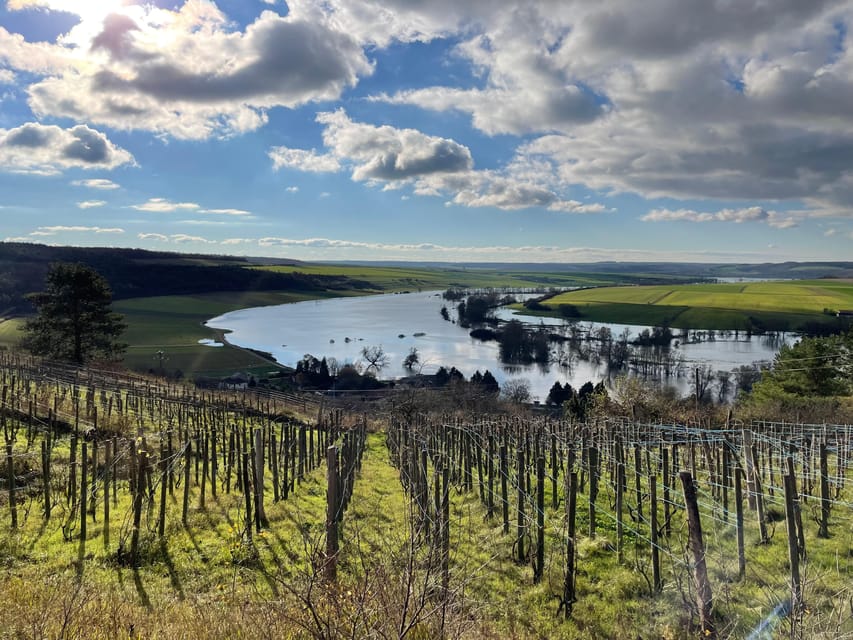
There is a specific kind of magic that happens when you cross the border from the Mâconnais into the rolling, granite-streaked hills of Beaujolais. For years, this region was unfairly tucked away in the shadow of its northern neighbor, Burgundy, but to the true wine lover, Beaujolais is where the soul of French viticulture truly breathes. I remember my first morning in Villié-Morgon; the mist was clinging to the ancient bush-trained Gamay vines, and the air smelled of damp earth and ripening red fruits. It felt less like a commercial wine region and more like a secret garden—a “Little Switzerland” of steep, vine-clad slopes and golden-stone villages that seem to glow even when the sky is overcast.
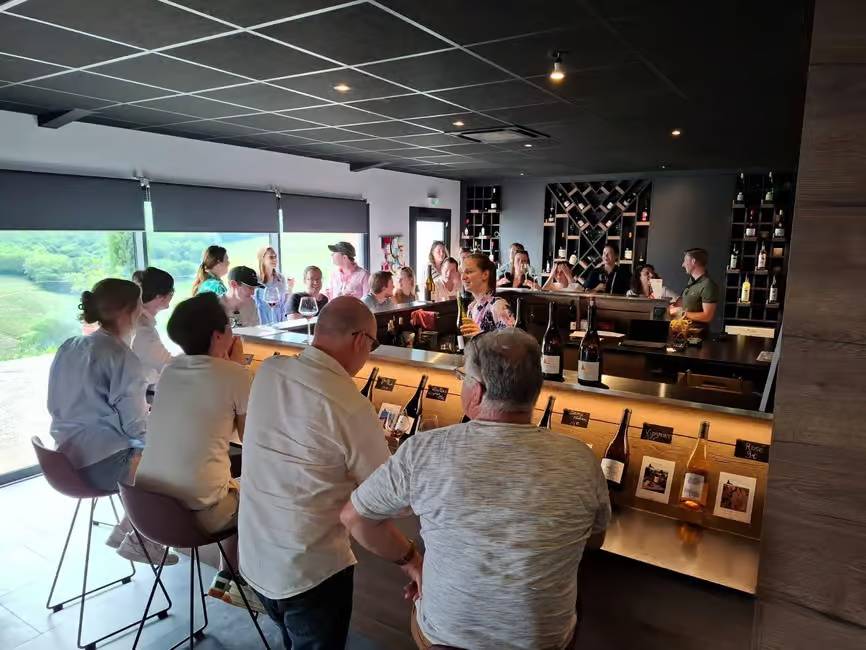
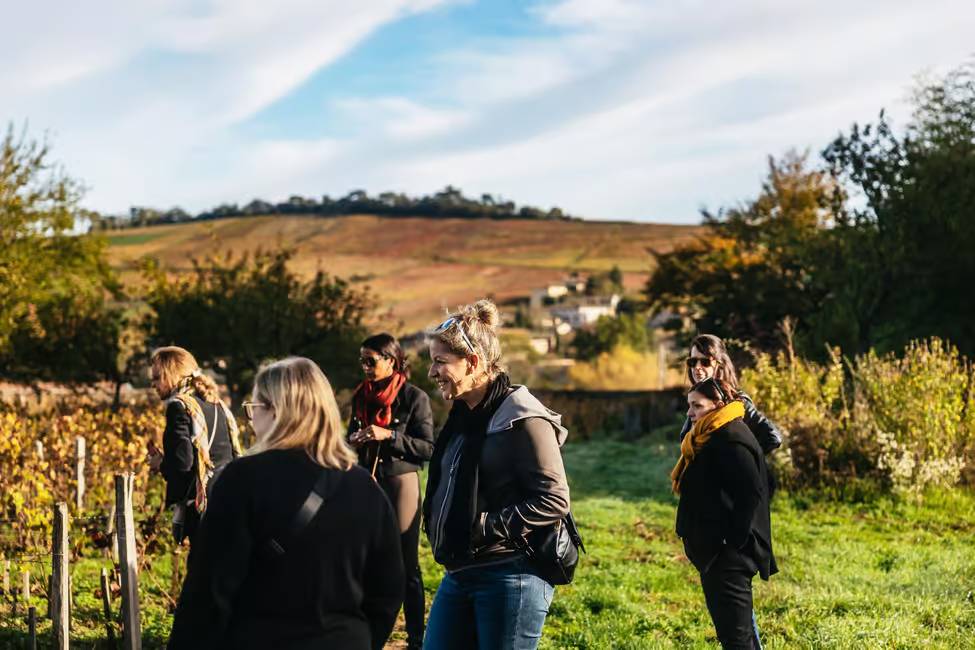
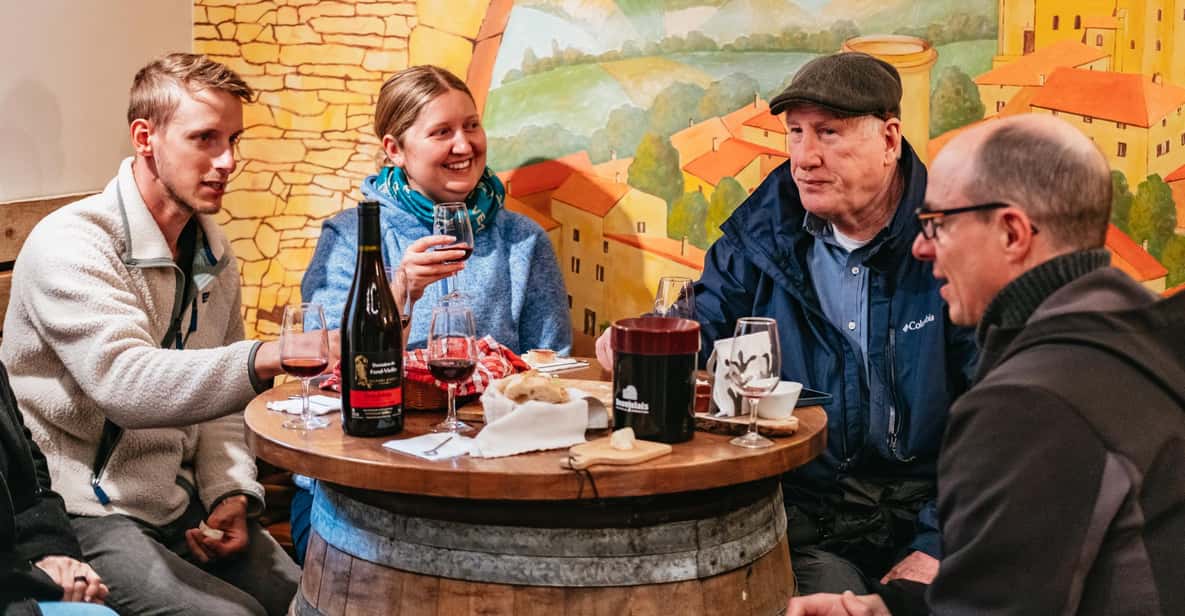
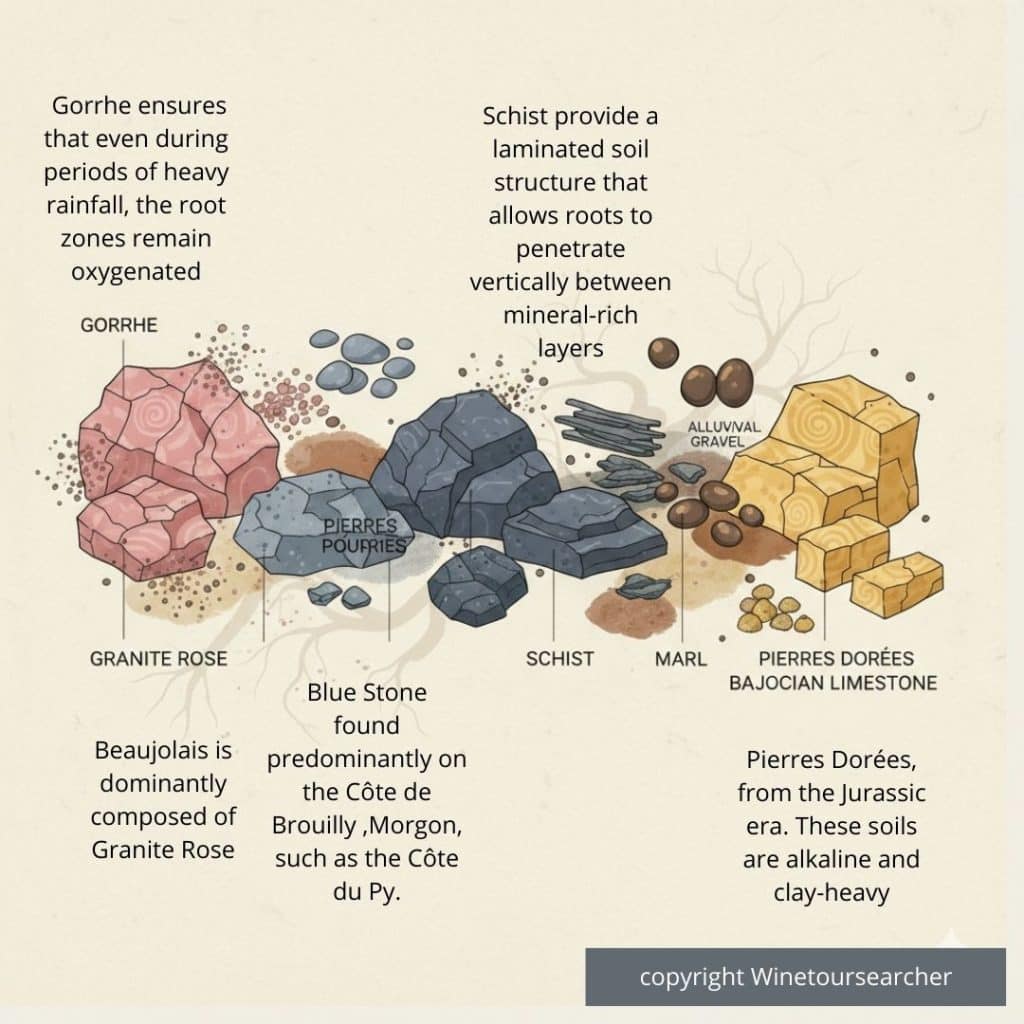
Unlike the formal, often stoic gates of the Côte d’Or, a Beaujolais wine tour feels like an invitation into a family home. Here, the winemakers often greet you with purple-stained hands, eager to explain how the pink granite of Fleurie differs so vastly from the “rotten blue stone” of Côte de Brouilly. I’ve spent afternoons in dusty cellars where the tasting was interrupted by the winemaker’s grandmother bringing out a plate of homemade saucisson brioché, insisting that “wine is not a lecture, it’s a conversation.” This is the spirit of Beaujonomie—the infectious joy of sharing a table, a bottle, and a laugh.
It is a land of incredible nuance. The Gamay grape, often misunderstood as a simple, fruity refreshant, transforms here into a structured, age-worthy masterpiece. I’ve tasted old-vintage Moulin-à-Vent that could easily be mistaken for a grand Pinot Noir, yet it retains that wild, spicy cherry heart that is uniquely Beaujolais. Exploring these ten Crus is more than just a tasting trip; it is a pilgrimage into a region that has reclaimed its identity, moving away from the “cheap and cheerful” shadows of the past to offer some of the most vibrant, juicy, and profoundly complex wines in France.
Beaujolais is Not Just a Wine, It’s a Celebration
Planning a wine tour or Winery in Beaujolais How to go there
Navigating your way to this viticultural paradise is remarkably seamless, as the region serves as a physical and cultural bridge between the gastronomic capital of Lyon and the historic slopes of Southern Burgundy.
-
-
By Plane: Most international travelers find that Lyon-Saint Exupéry Airport (LYS) is the most efficient hub. It is located just 45 minutes south of the region, making it easy to land and be in a vineyard by lunchtime. For those coming from Switzerland or taking an alpine route, Geneva Airport (GVA) is a viable alternative, situated about a two-hour drive away.
-
By Train: The high-speed TGV network is an exceptional way to arrive. You can reach Lyon Part-Dieu or Mâcon-Loché TGV from Paris in under two hours. From these major stations, local TER trains or a rental car will take you into the heart of the vines.
-
By Car: If you prefer the independence of a road trip, the A6 motorway (the famous Autoroute du Soleil) slices through the region. Look for exits at Belleville-en-Beaujolais or Villefranche-sur-Saône for immediate access to the wine routes.
-
Book your Train or Flight Ticket to Beaujolais
Rent a Car in Beaujolais
Distances from Beaujolais Main Cities to Key Wine Regions
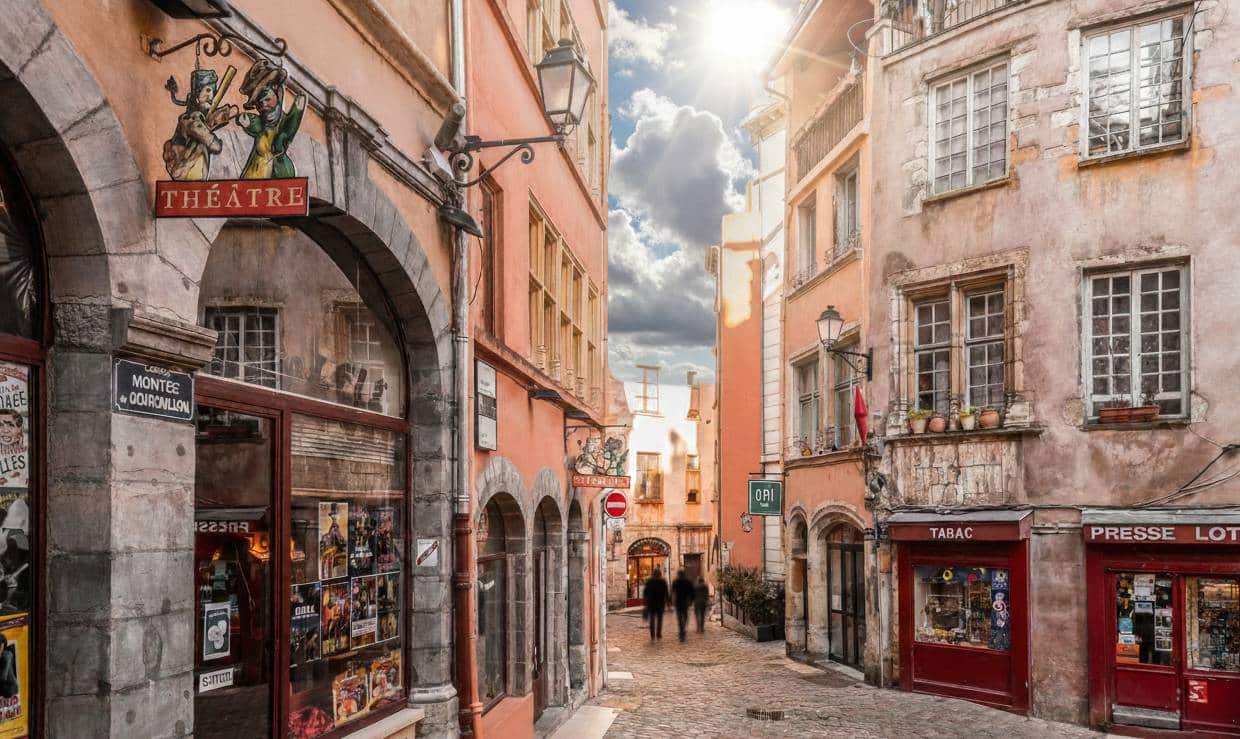
Lyon is the Main Gateway to Beaujolais and for sure a place for Food Lovers
To truly appreciate the terroir, you must understand the geography of the slopes. While the region is compact, the winding, narrow roads through the “thousand hills” mean you should allow plenty of time for scenic stops and spontaneous photography.
-
Lyon to Villefranche-sur-Saône: 35 km (approx. 30–35 mins). This is the essential gateway to the southern “Golden Stones” area. The drive is a quick transition from urban density to the first rolling hills of the Beaujolais-Lantignié area.
-
Lyon to Fleurie (Northern Crus): 55 km (approx. 50–60 mins). This route takes you past the limestone quarries into the heart of the “Cru” territory. The landscape shifts dramatically from rolling hills to steeper, granite-based inclines as you approach the most prestigious appellations.
-
Mâcon to Saint-Amour-Bellevue: 15 km (approx. 15–20 mins). A perfect, short foray for those staying in southern Burgundy. It is a beautiful drive where the Chardonnay-dominant Mâconnais gives way to the first Gamay outposts of the northern Beaujolais.
-
Villefranche to Oingt (Pierres Dorées): 15 km (approx. 20–25 mins). Though the distance is short, the ascent is significant. You move from the Saône river plain into the high, sun-drenched ridges where the golden limestone architecture begins to dominate the horizon.
-
Beaujeu to Morgon/Villié-Morgon: 10 km (approx. 12 mins). A vital link between the historic capital and one of the most powerful Crus in the region, winding through the dense canopy of ancient vines.
Budgeting for Your Beaujolais wine tour experience
Beaujolais remains one of the best-value prestige wine regions in France, offering an approachable entry point for high-level viticulture without the “prestige tax” of neighboring regions.
-
-
Budget Travelers: You can find charming local Gîtes or family-run B&Bs for €80 – €120 per night. For meals, traditional “Bouchons” or village bistros offer three-course menus for €20 – €35. In these smaller Estates, a wine tasting is often free if you purchase a bottle, or carries a nominal fee of €10.
-
Mid-Range Travelers: Staying in a renovated Estate or a boutique hotel in the heart of the vines typically costs between €130 – €250 per night. Dining in high-quality gastropubs or “Bib Gourmand” restaurants will range from €40 – €75 per person. A technical wine tasting or a semi-Private tour in the Northern Crus will generally cost €20 – €40.
-
Luxury Travelers: For those seeking the pinnacle of French hospitality, a stay in a grand Château or a five-star spa resort starts at €300 – €600 per night. Gastronomic dining at Michelin-starred venues like Le Cep often starts at €90 for lunch and can exceed €180 for a full tasting menu. A bespoke, all-day Private tour with a personal sommelier and exclusive cellar access typically begins at €150 per person.
-
Find the Best Places to Stay in Beaujolais
Best Period to visit Beaujolais
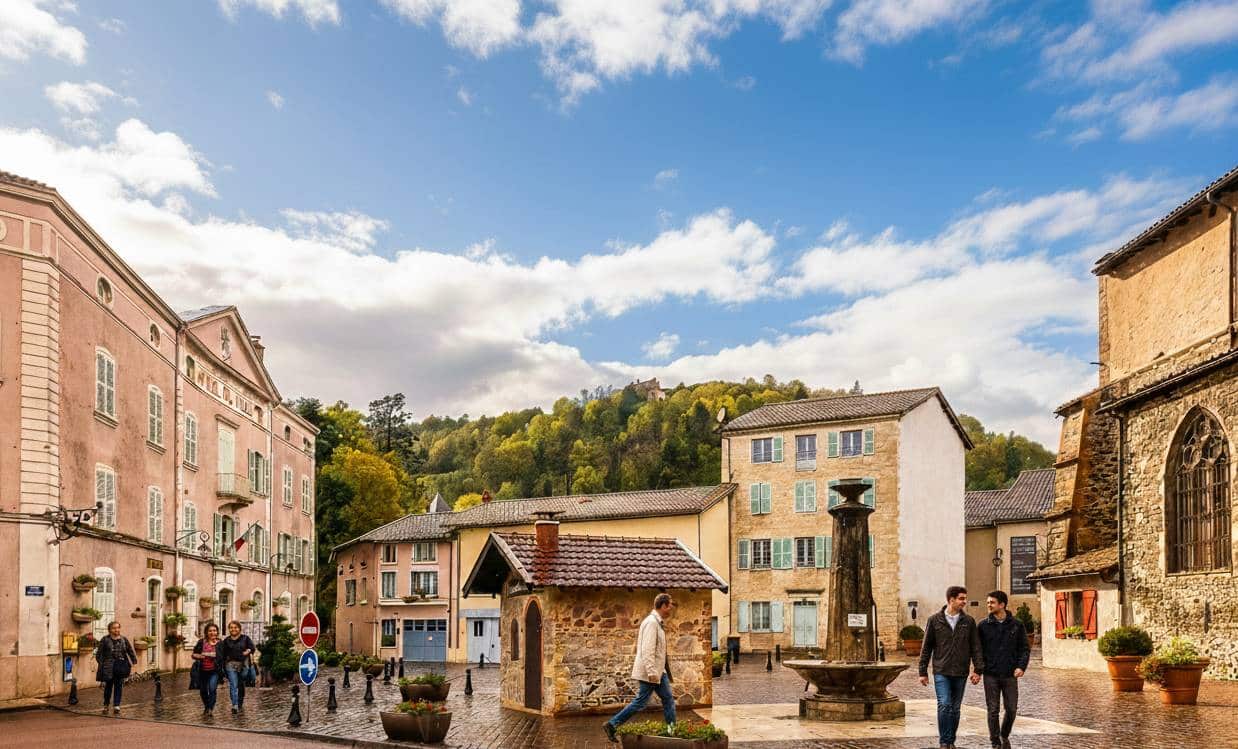
Beaujeu city center
-
-
-
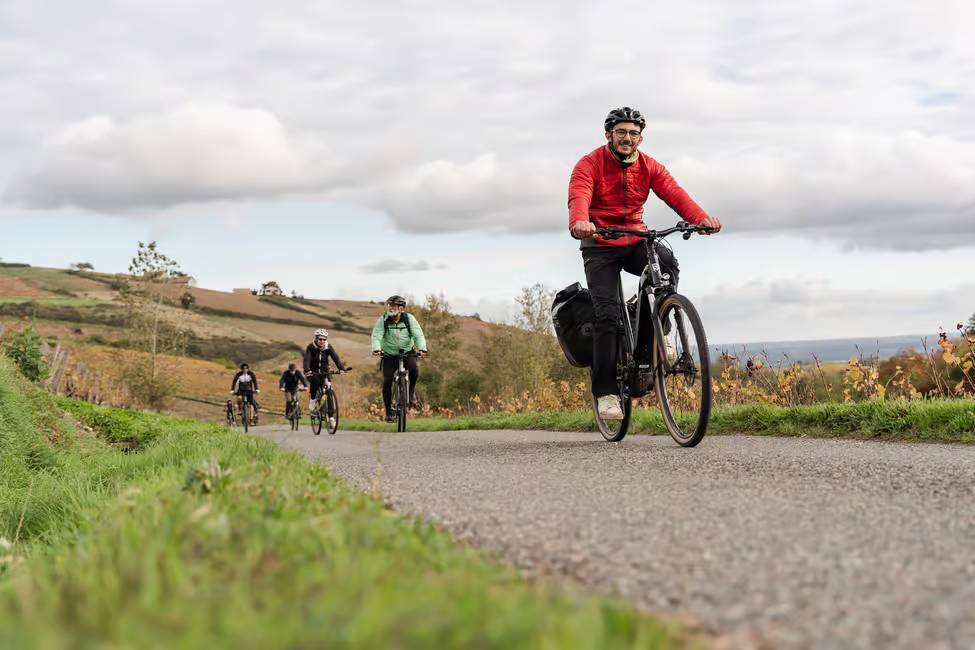
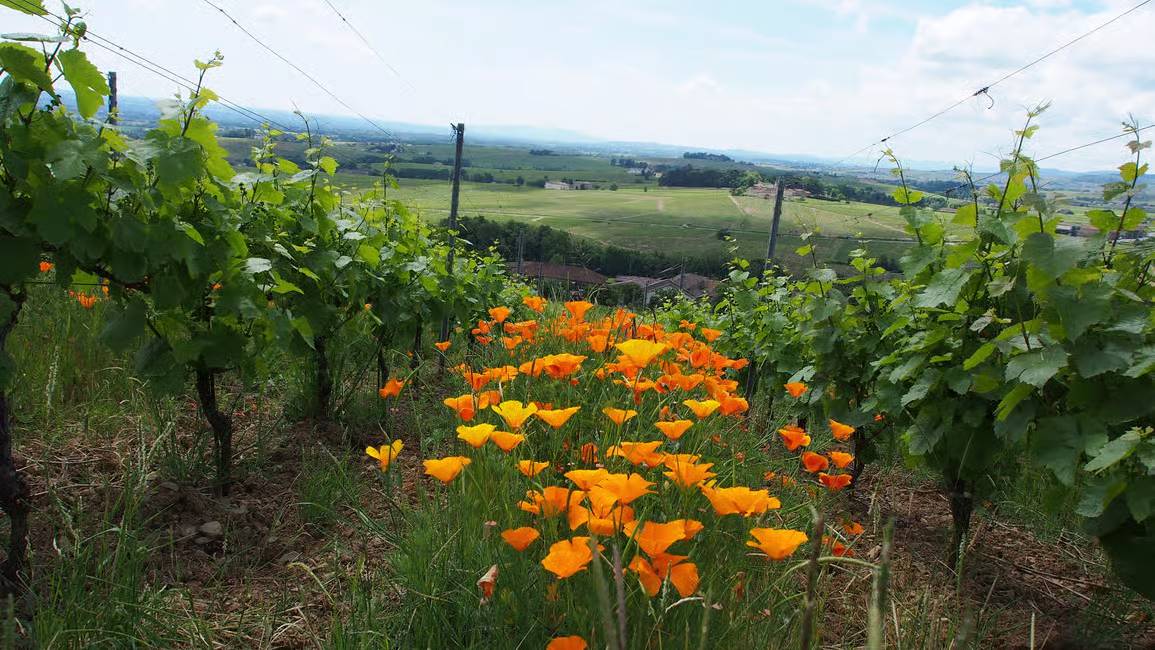
Spring: Rebirth: From late March to May, the vineyards awaken in a carpet of vibrant green and wildflowers. This is the connoisseur’s choice for a Private tour; the winemakers are relaxed, the air is crisp, and the tasting rooms are uncrowded. It is the perfect temperature for hiking the trails of the Mont Brouilly or cycling through the Pierres Dorées without the summer heat.
-
Summer: Peak: June through August brings lush, heavy foliage and long, sun-drenched evenings. The region is alive with outdoor “guinguettes” (riverside cafes) and wine festivals. While it is the busiest time for tourism, the atmosphere is electric. It is the ideal season for an outdoor wine tasting on a terrace overlooking the Saône Valley, though I recommend booking your Château visits at least three weeks in advance.
-
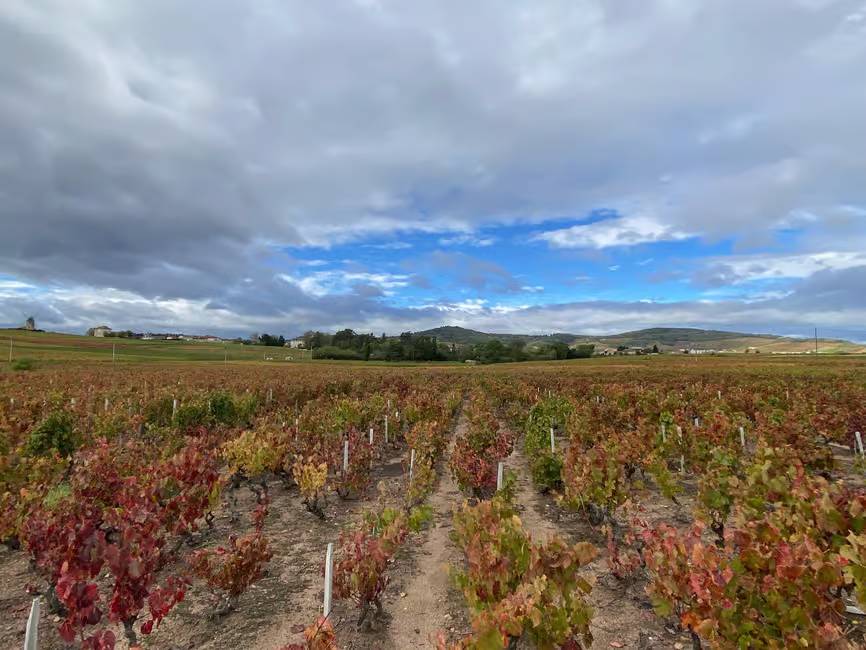
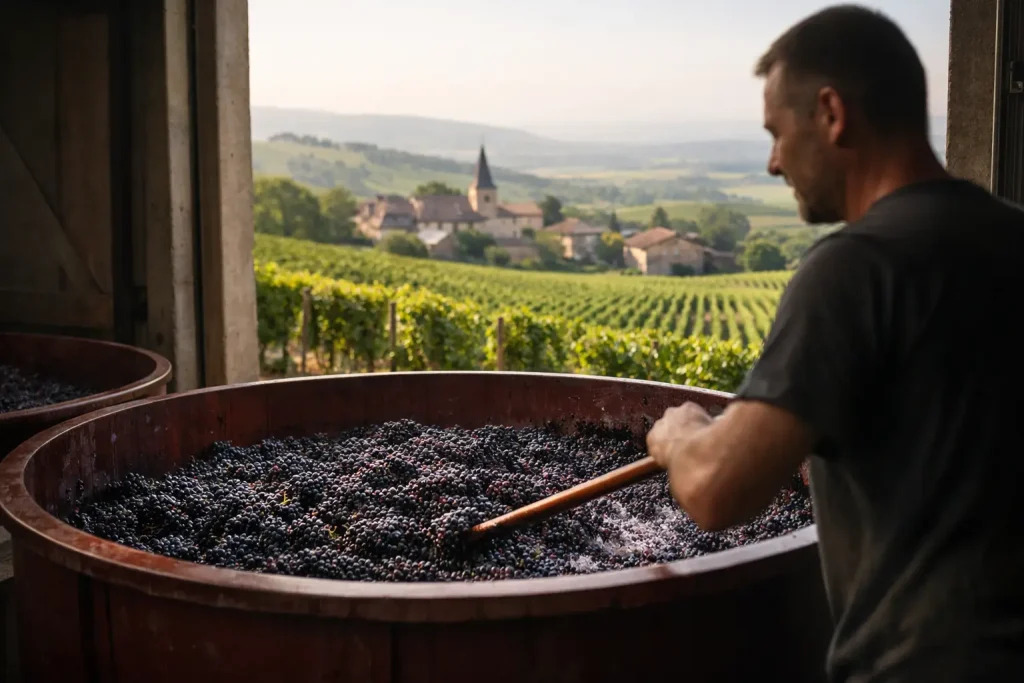
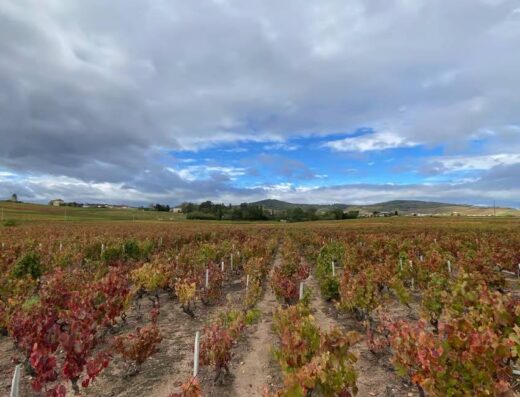
Autumn: Harvest: September and October are the soul of the region. The air is thick with the sweet, heady scent of fermenting grapes. The hills transform into a breathtaking patchwork of gold, ochre, and crimson. This is the most rewarding time for a Beaujolais wine tour, as you witness the theater of the harvest, though be prepared for winemakers to be busy in the vats.
-
Winter: Quiet: From November to February, the region slows down. The landscape becomes stark and architectural, highlighting the ancient shapes of the vines. While the vines sleep, the cellars are warm and inviting. This is the best time for serious technical collectors to have uninterrupted conversations with producers. The “Beaujolais Nouveau” release in mid-November provides a brief, festive explosion of energy in an otherwise peaceful, introspective season.
The landscape of Beaujolais is a chameleon, shifting its personality dramatically through the seasons. Timing your visit depends on whether you seek the energy of the harvest or the quiet solitude of the cellar.
-
-
Main towns and places in Beaujolais Sanctuaries of Stone: The Towns That Guard the Vines
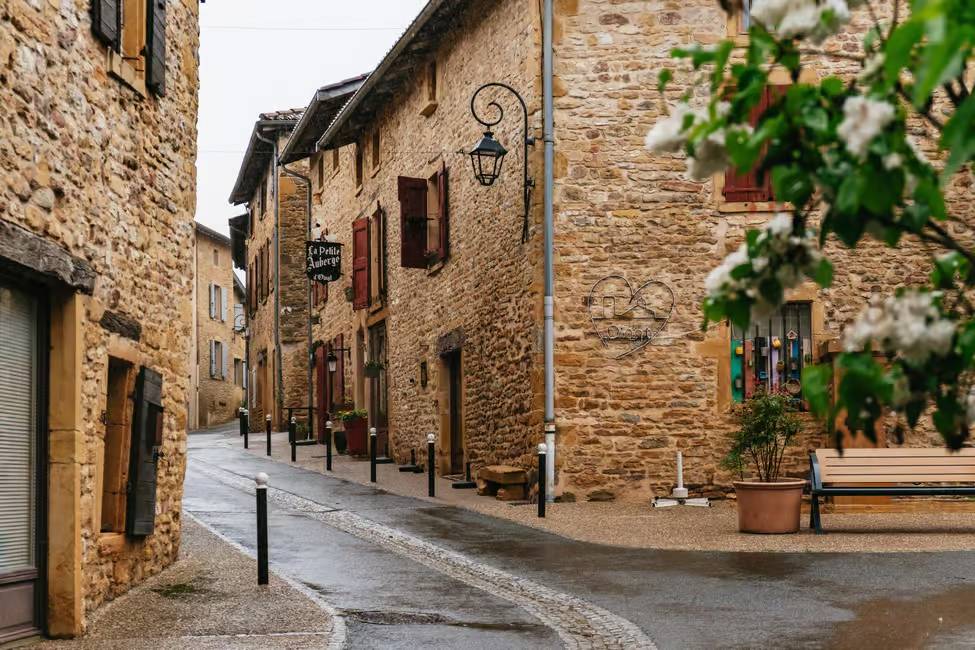
Oingt, classified as one of the most beautiful villages of France
Villefranche-sur-Saône
Often referred to as the “Little Lyon,” Villefranche-sur-Saône serves as the vibrant capital of the region. Visitors are often surprised by its rich architectural heritage; the town is famous for its hidden Renaissance courtyards, which you can discover by stepping through non-descript wooden doors into Italianate arcades. The primary artery, the Rue Nationale, is a shopper’s paradise, but the true soul lies in the Collégiale Notre-Dame des Marais. It is a critical wine hub because it acts as the bridge between the light, limestone-influenced wines of the south and the serious, structured Crus of the north. Any traveler starting their Beaujolais wine tour should base themselves here to experience the transition from urban sophistication to rural viticulture.
Beaujeu
Stepping into Beaujeu is like entering a living history book. As the historic capital of the province that gave Beaujolais its name, it exudes a medieval charm with half-timbered houses and narrow, winding streets. The absolute “must-visit” here is the Maison du Terroir Beaujolais, which offers the most comprehensive geological overview of the region’s complex soils. Beaujeu is a vital wine hub because it sits at the doorstep of the Régnié and Morgon subregions. It is most famous for the Sarmentelles festival—the global epicenter of the Beaujolais Nouveau celebrations—where the town square becomes a theater of wine, fire, and local pride.
Oingt
Perched majestically atop a ridge, Oingt is classified as one of the “Most Beautiful Villages in France” and is the crown jewel of the Pierres Dorées (Golden Stones) subregion. The entire village is constructed from local limestone that contains iron oxide, giving the buildings a warm, honey-colored glow that intensifies at sunset. Visitors should expect a maze of artisan workshops, galleries, and the impressive Tour d’Oingt, which offers views stretching toward the Alps. It is a fundamental wine hub for the southern part of the region, specializing in the “Beaujolais-Lantignié” and floral, elegant styles of Gamay that provide a refreshing counterpoint to the heavier northern styles.
Places to visit in Beaujolais Not to miss
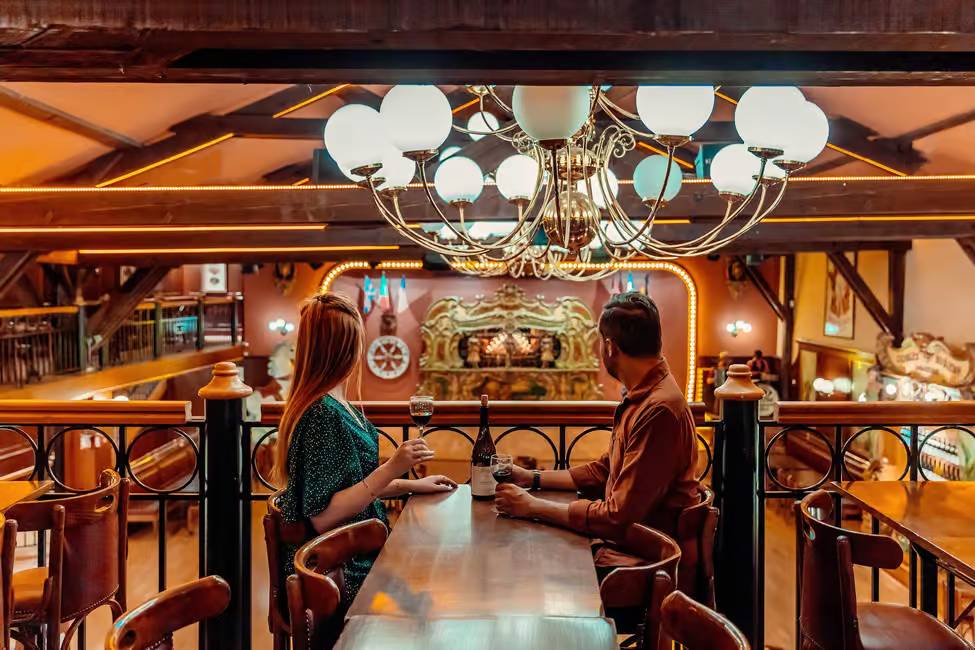
The Wine Bar restaurant of Hameau Duboeuf
-
To truly capture the essence of Beaujolais, you must venture beyond the tasting room and engage with the landscape that gives the wine its character.
The Summit of Mont Brouilly: This is the spiritual heart of the region. A hike or drive to the summit brings you to the Notre-Dame-aux-Raisins chapel, built in 1857 to protect the vineyards from powdery mildew. Standing here, you are treated to a 360-degree panorama that illustrates the region’s complexity: the vast Saône plain to the east, the volcanic slopes of the Côte de Brouilly beneath your feet, and the distant, snow-capped Alps on the horizon. It is the best place to visualize the “Cru” system.
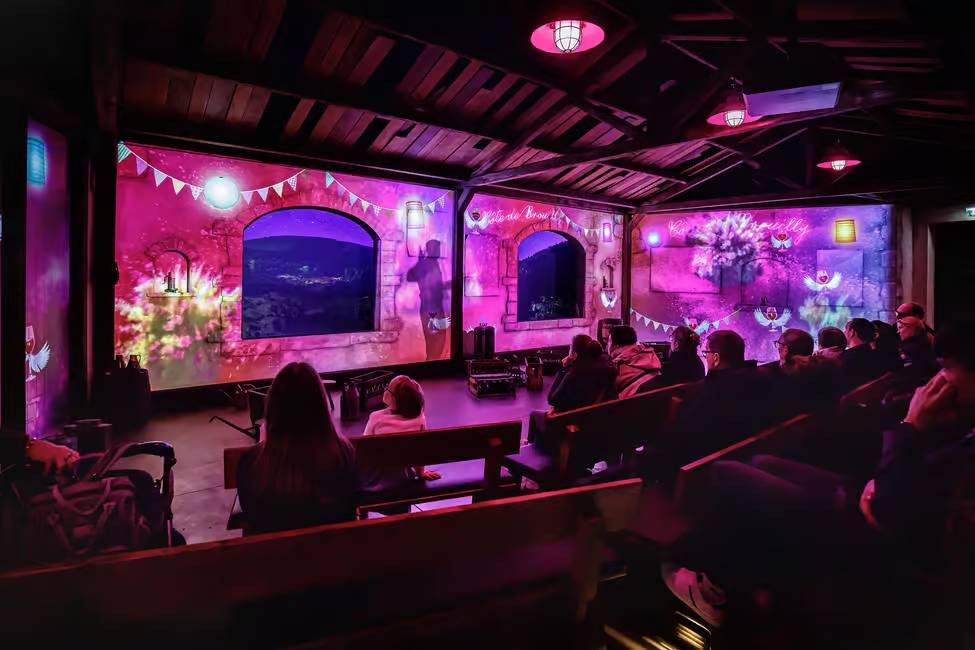
Le Hameau Duboeuf: Do not dismiss this as a mere tourist attraction. It is the first wine theme park in Europe and a masterclass in viticultural history. The “Explorateur” cinema and the collection of ancient wine presses are genuinely fascinating, even for the most seasoned wine lover. It provides the technical foundation needed to appreciate the evolution of Gamay from a peasant grape to a global icon.
The Terrace of Chiroubles: Located at the highest point of the 10 Crus, this viewpoint offers a “map in 3D.” There is a small, communal wine shop (the Maison du Cru) where you can taste the distinctively floral and delicate Chiroubles while dangling your legs over the edge of the granite hills.
The Golden Stone Villages (Pierres Dorées): Spend an afternoon “village-hopping” through Oingt, Theizé, and Jarnioux. These southern villages are built from a unique limestone rich in iron oxide, which turns a fiery apricot color at sunset. This area represents the gentler, more pastoral side of the Beaujolais wine tour, offering a perfect contrast to the rugged, vertical slopes of the north.
Local Gastronomy: What to Taste Absolutely The Beaujolais Foodie experience
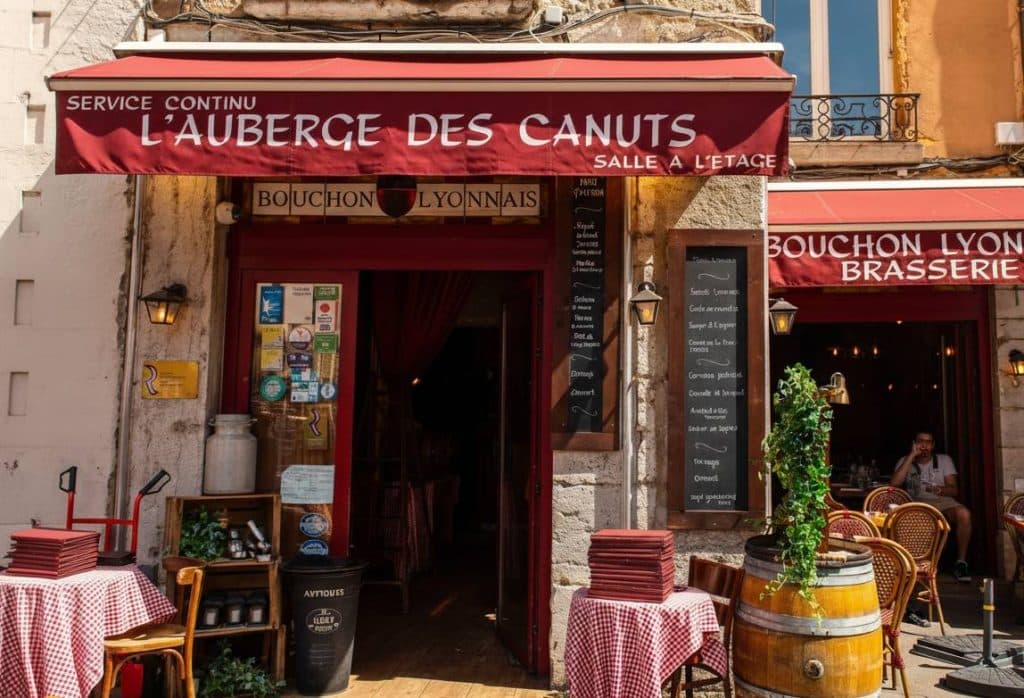
A Bouchon Lonnais is a Must Do experience
The gastronomy of Beaujolais is a joyous celebration of Lyon’s influence mixed with rustic vineyard traditions. It is hearty, unpretentious, and designed to make the wine shine.
Saucisson en Brioche: This is the quintessential Beaujolais comfort food. A whole, high-quality Lyonnais sausage is encased in a rich, buttery brioche dough and baked until golden. Served warm in thick slices, often accompanied by a red wine reduction or a simple salad, it is the ultimate pairing for a structured Morgon or Moulin-à-Vent.
Cervelle de Canut: Despite its literal translation as “silk worker’s brain,” this dish is a refreshing herb-flecked cheese spread. Made with fromage blanc, garlic, shallots, chives, and a touch of vinegar and olive oil, it was historically the staple meal for Lyon’s weavers. It is the perfect light appetizer to enjoy during a mid-day wine tasting, especially when paired with a crisp Beaujolais Blanc (Chardonnay).
The Traditional Bouchon Experience: In towns like Villefranche or Beaujeu, you must eat at a local Bouchon. Here, you will find Andouillette (a tripe sausage of legendary status), Coq au Vin (traditionally made with a full-bodied Cru Beaujolais), and Quenelles de Brochet (fluffy pike dumplings in a creamy Nantua sauce). These dishes are the soul of the region and provide the necessary “padding” for a day of intensive tasting.
Tarte à la Praline: For dessert, look no further than this neon-pink icon. Made with crushed almonds coated in cooked sugar (pink pralines), the tart is a crunchy, sweet explosion. It is a hallmark of regional patisseries and is often enjoyed with a glass of sparkling Beaujolais Rosé or a sweet “Vin de France” from a local Estate.
The Mâchon: For a truly authentic experience, participate in a Mâchon. This is a traditional morning feast (often served at 9:00 or 10:00 AM) consisting of cold cuts, tripe, and plenty of red wine. It was historically the meal shared by workers after a morning in the cellar, and today it remains the ultimate symbol of the Beaujonomie lifestyle.
Plan your Transportation Planning Your Pilgrimage in Beaujolais
Informations about shipping costs…
Falling in love with a particular vintage and wanting to send a case home is a standard part of the experience. Most Estates are well-versed in international logistics.
-
European Union: Shipping is seamless and relatively inexpensive, with a 12-bottle case typically costing between €30 and €60.
-
USA/Canada: Requires specialized couriers to handle customs. Expect to pay €120 – €180 per case. Many larger Châteaux have US-based distributors who can simplify this.
-
UK: Since Brexit, shipping involves more paperwork and duties. Total costs usually land between €80 and €120 per case.
Payment methods
In Beaujolais, the “old world” meets modern convenience. Visa and Mastercard are accepted almost everywhere, from the smallest Estate to the largest hotel. However, if you are stopping at a tiny roadside producer for a quick wine tasting, having a little cash for a single-bottle purchase is always appreciated. American Express is generally accepted only in higher-end hotels and restaurants.