Table of Contents
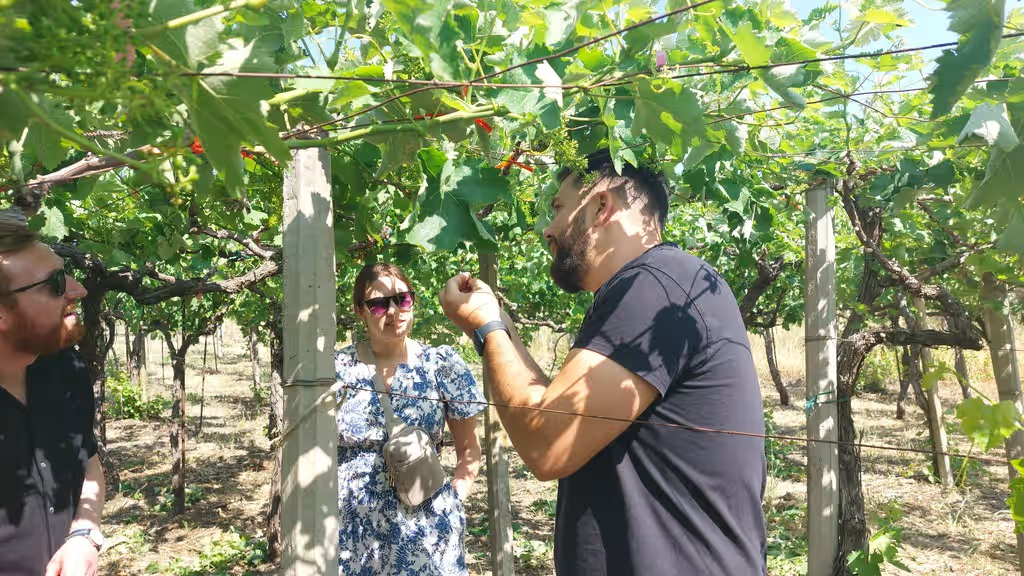
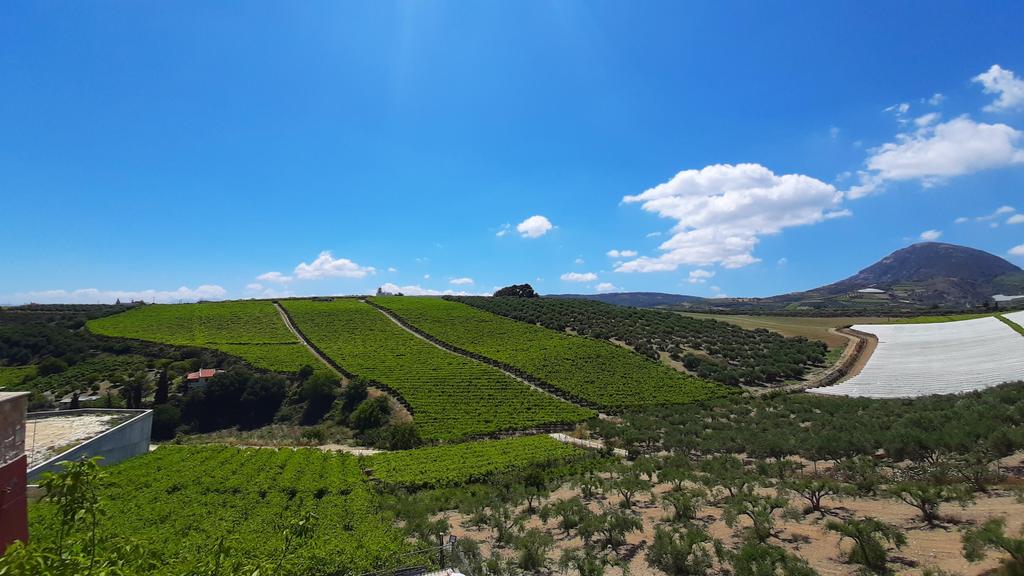
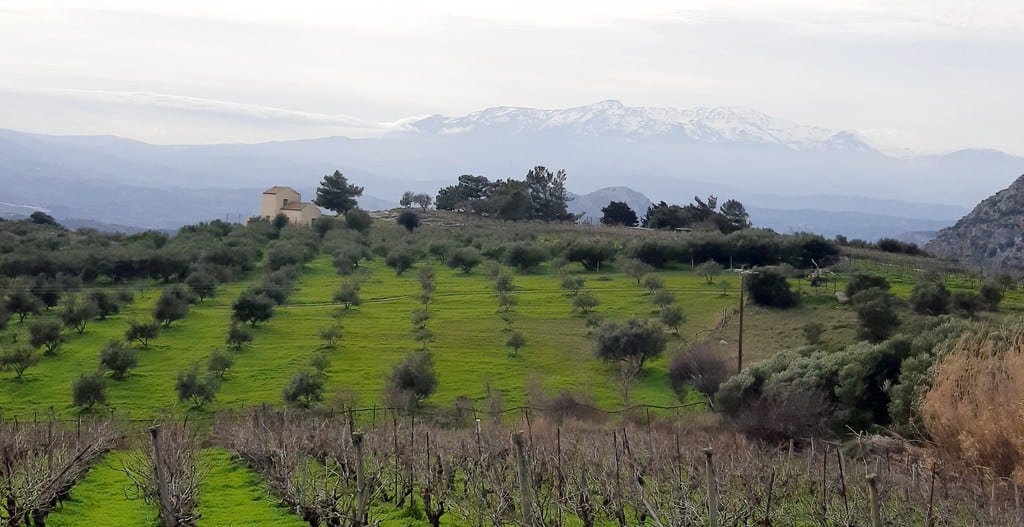
The relationship between the Cretan landscape and its culinary traditions is a profound dialogue between the earth and the plate, rooted in thousands of years of viticultural history. The terroir of Crete, characterized by its rugged mountainous terrain and the cooling influence of the Aegean and Libyan seas, produces wines with a distinct structural integrity that serves as the foundation for gastronomic balance. This balance is achieved through the interaction of the wine’s chemical components—specifically its vibrant acidity and refined tannins—with the fundamental elements of the local cuisine. For example, the high total acidity found in white varieties like Vidiano acts as a molecular solvent against the richness of olive oil and sheep’s milk cheeses, effectively cleansing the palate. Similarly, the firm tannin structure of red varieties like Mandilaria or Kotsifali binds with the proteins and fats in roasted meats, creating a harmonious texture where the astringency of the wine is softened by the succulent nature of the dish. This chemical synergy ensures that neither the beverage nor the food overwhelms the other, allowing the nuanced flavors of the Mediterranean soil to remain the central focus of the dining experience

Local Food and Cretan Wines
Local White Wine Pairings
To dine in Crete is to consume the history of the island itself, where every ingredient is a testament to the sun, the sea, and the mountain air. This section serves as a professional roadmap to the most authentic pairings, focusing on how indigenous varieties have been naturally selected over centuries to complement the specific fat profiles and herbal intensities of the Cretan table.
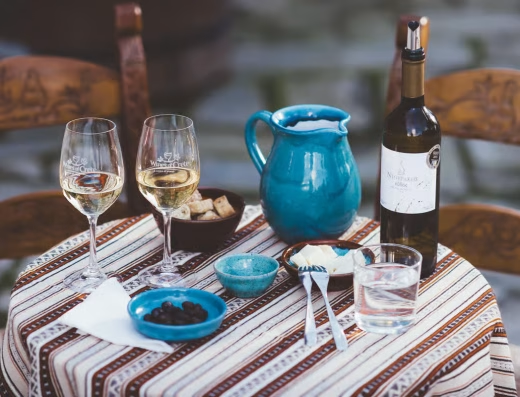
Cretan white wines are an expression of liquid sunshine tempered by the cooling “Meltemi” winds that sweep across the high-altitude vineyards. These wines are defined by a sophisticated aromatic complexity—ranging from the waxy, stone-fruit depth of Vidiano to the herbal, laurel-scented elegance of Dafni—and possess a mineral finish that is as refreshing as the coastal breeze. The following sixteen pairings demonstrate how these structural characteristics interact with the salt, acid, and oil of the local cuisine to elevate a simple meal into a scientific masterclass of flavor.
Dakos and Vidiano from Rethymno
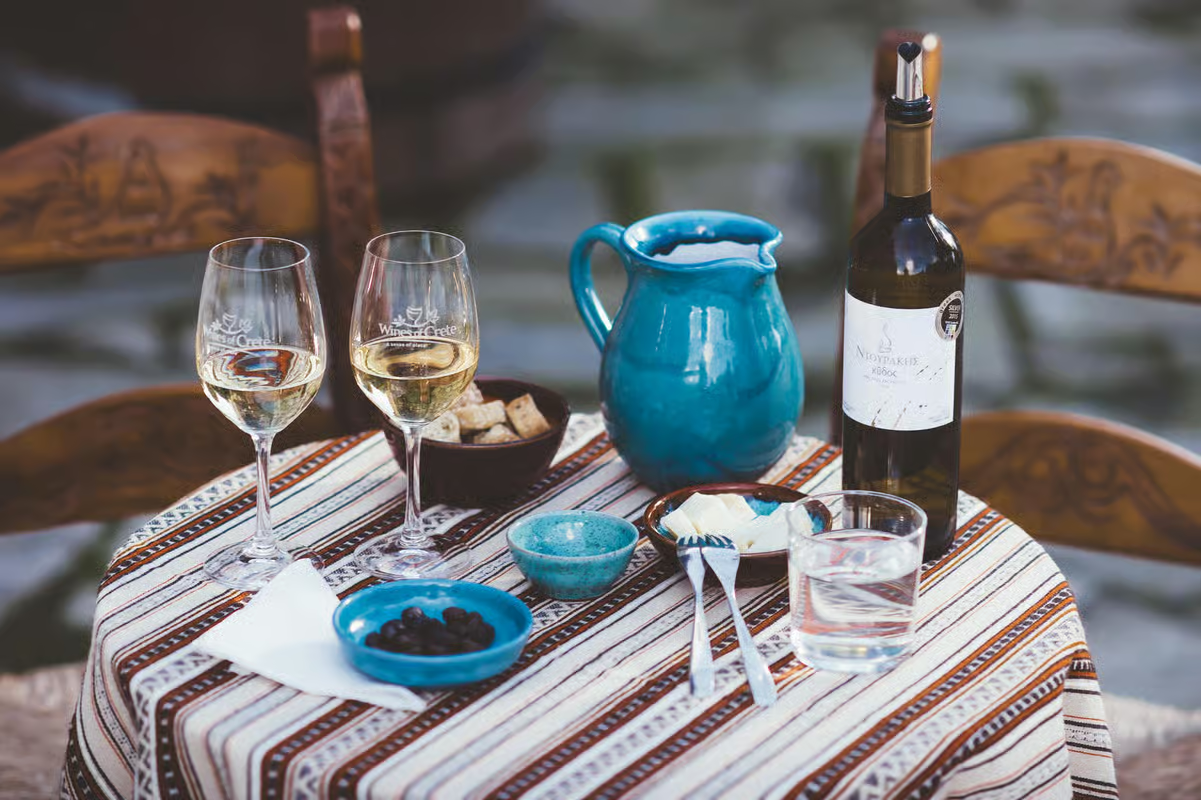
The crisp acidity and stone fruit aromatics of Vidiano are essential for balancing the dense texture of the barley rusk and the saltiness of the feta cheese found in Dakos. The wine’s medium body provides a structural weight that stands up to the richness of the extra virgin olive oil, while the mineral finish echoes the sun-drenched terroir of the Rethymno region.
Sarikopitakia and Vilana from Peza
Vilana offers a delicate floral profile and citrus notes that complement the tanginess of the fresh mizithra cheese inside these small pastries. The vibrant acidity of the Vilana cuts through the fried dough, ensuring that the palate remains refreshed, while its light body maintains a graceful interaction with the delicate herbs used in the filling
Grilled Octopus and Thrapsathiri from Heraklion
Thrapsathiri provides, minerality, a tropical fruit character and a slightly oily texture that matches the succulent, charred meat of the octopus. The wine’s resistance to oxidation allows it to maintain its freshness against the smokiness of the grill, creating a scientific balance between the umami of the seafood and the fruit-driven profile of the wine.
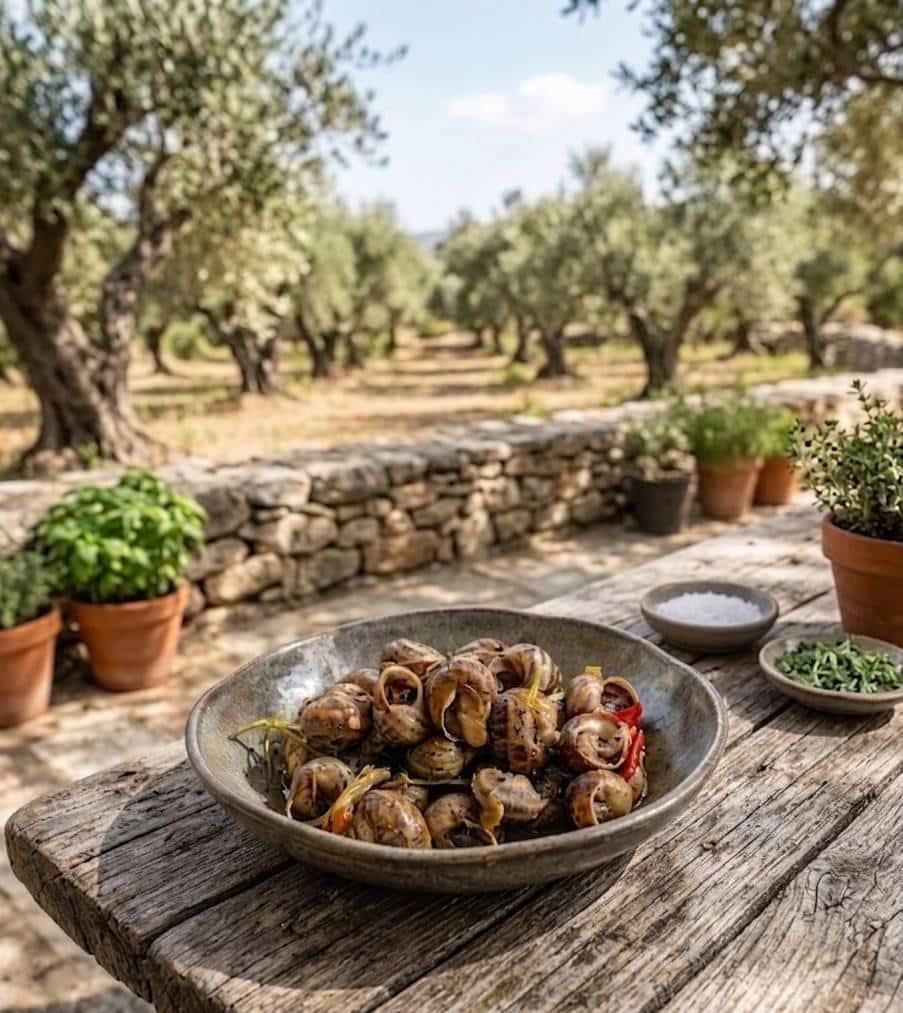
Fried Snails (Chochlioi Boubouristi) and Plyto from Monofatsi :
The rare Plyto variety possesses a high level of acidity and a clean, citrusy finish that is required to cut through the richness of the olive oil and the herbal intensity of the rosemary used in this dish. The wine’s crispness acts as a structural counterpoint to the earthy flavors of the snails, providing a professional culinary harmony.
Local Food and Rosé Wine Pairings
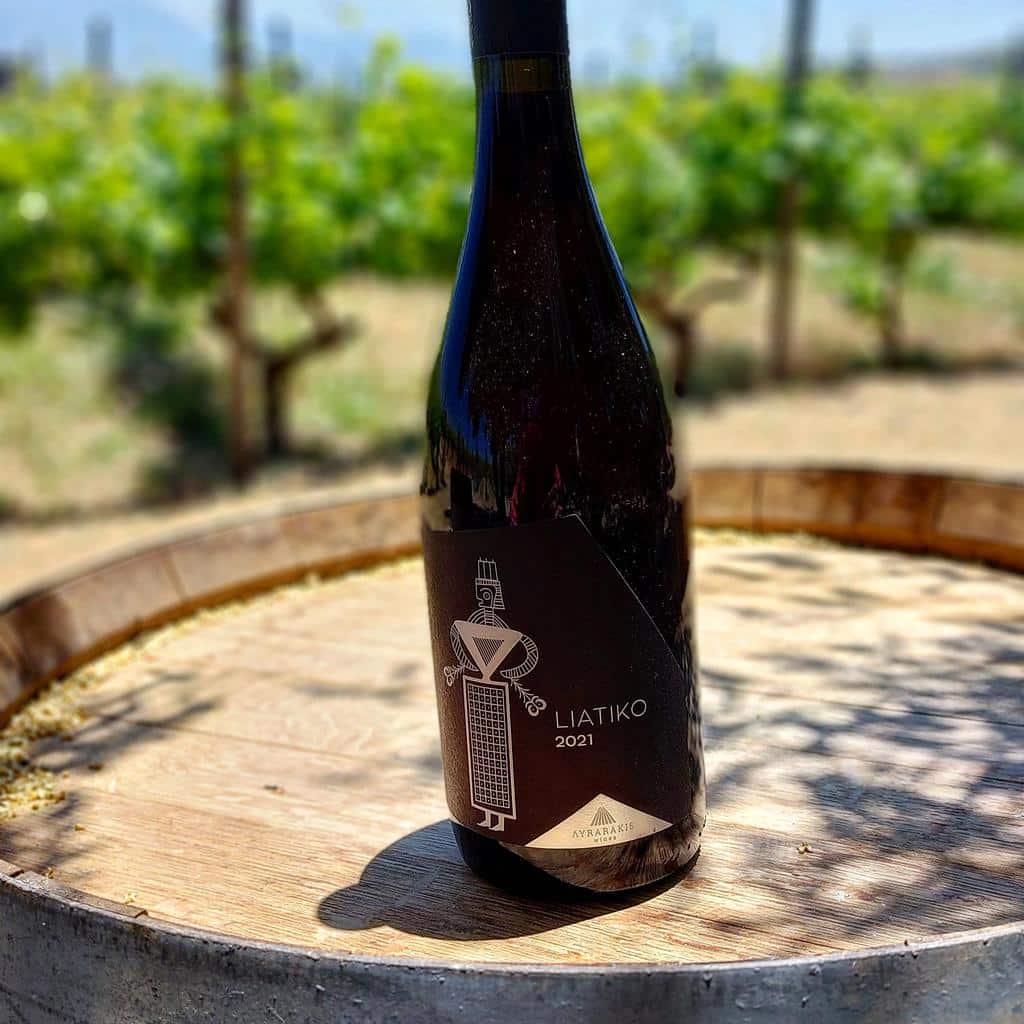
Cretan rosé wines represent the vibrant bridge between the island’s crisp whites and its robust reds, offering a versatile profile that captures the essence of a Mediterranean summer. Typically crafted from varieties like Liatiko or Kotsifali, these wines display a spectrum of colors from pale onion skin to bright pomegranate. Scientifically, their appeal lies in the delicate balance of red fruit esters and a refreshing lack of heavy tannins, making them the ideal professional choice for “in-between” dishes that feature both herbal complexity and subtle richness.
Grilled Octopus and Liatiko Rosé
The delicate red fruit profile and high acidity of a Liatiko-based rosé are scientifically suited to the charred but sweet meat of grilled octopus. The wine’s lack of aggressive tannins prevents a metallic clash with the seafood, while its crisp finish effectively cleanses the palate from the richness of accompanying olive oil dressings.
Local Cuisine and Red Wine Pairings
The red wines of Crete are the soul of the island’s rugged interior, offering a warm and spicy embrace that reflects the intensity of the Mediterranean sun. These varieties are crafted to accompany the robust, slow-cooked meats and aged cheeses that define Cretan hospitality. Scientifically, these wines utilize their phenolic ripeness and supple tannin structures to bind with proteins, ensuring that even the richest lamb or pork dish feels balanced and refined.
Antikristo Lamb and Mandilaria
Mandilaria is known for its deep color and aggressive tannins, which are chemically neutralized by the high protein and fat content of the slow-roasted lamb. The wine’s dark fruit profile and earthy notes harmonize with the smoky flavors of the meat, providing a sommelier-level pairing that focuses on structural balance.
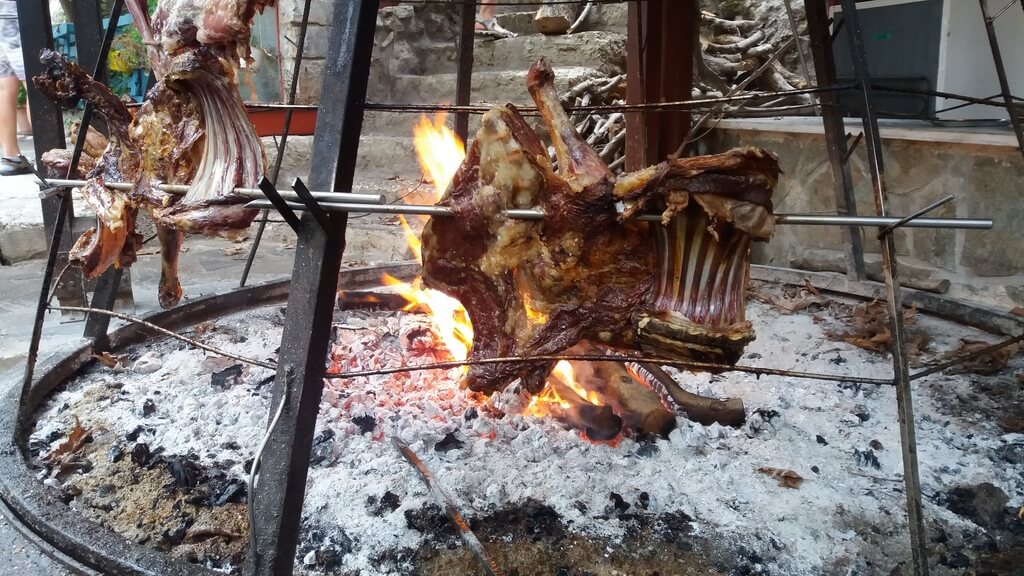
Cretan Antikristo
Gamopilafo and Kotsifali
The aromatic and spicy character of Kotsifali, which typically has softer tannins, is the perfect match for the rich, buttery rice of the wedding pilaf. The wine’s red fruit notes and hints of cinnamon enhance the depth of the goat broth, while its moderate acidity cleanses the palate from the concentrated fats of the dish
International Food and Cretan Wines
While Cretan wines are born of local traditions, their molecular versatility makes them extraordinary companions for the “Global Table”. This section explores how the unique pH levels and aromatic precursors of Crete’s indigenous grapes can bridge the gap between Mediterranean viticulture and international culinary icons
International White and Rosé Wine Affinity
Cretan white and rosé varieties possess a scientific adaptability that allows them to thrive alongside the precision of Japanese sashimi or the spicy complexities of Asian fusion. By analyzing the specific molecular interactions—such as how Vidiano’s acidity interacts with umami—we can see how these ancient grapes provide a sophisticated alternative to common international varieties.
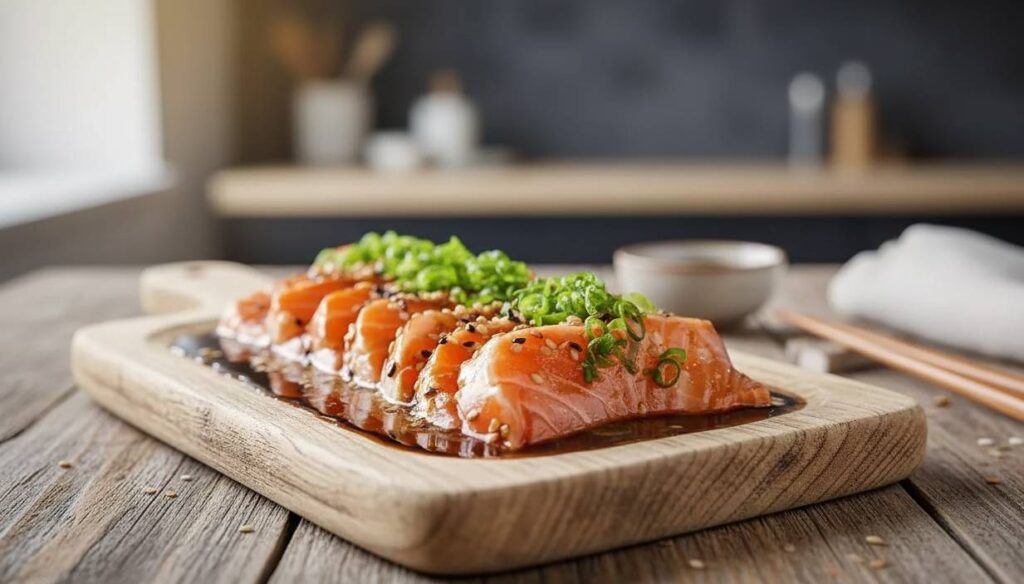
The Cretan Vidiano Diva pairs well with sashimi and sushis
Sashimi and Cretan Vidiano
The specific pH of a Cretan Vidiano interacts with the umami of Japanese cuisine, providing a clean, mineral lift that enhances the delicate textures of the fish. This molecular interaction ensures the palate is refreshed without masking the subtle flavors of the raw seafood.
Spicy Tuna Rolls and Liatiko Rosé
The bright acidity and low tannins of a Liatiko rosé are essential for navigating the heat of wasabi and the richness of the tuna. The wine’s strawberry notes provide a cooling contrast to the spice, while the molecular structure of the rosé prevents it from becoming bitter when in contact with the spicy elements.
Cretan Red Wines And International Food
From the pampas of South America to the bistros of Paris, Cretan red wines offer a structural complexity that masters the art of international protein pairing. Whether it is the way Mandilaria tannins bind with a charred ribeye or how Liatiko complements the gamey notes of duck, these wines prove that Crete’s terroir speaks a universal language of scientific balance.
Argentine Ribeye Steak and Mandilaria
The tannins of a Mandilaria bind with the proteins in a South American steak, softening the wine’s grip while highlighting the richness of the meat. This chemical synergy is essential for a professional pairing with high-fat proteins, ensuring a clean and savory finish
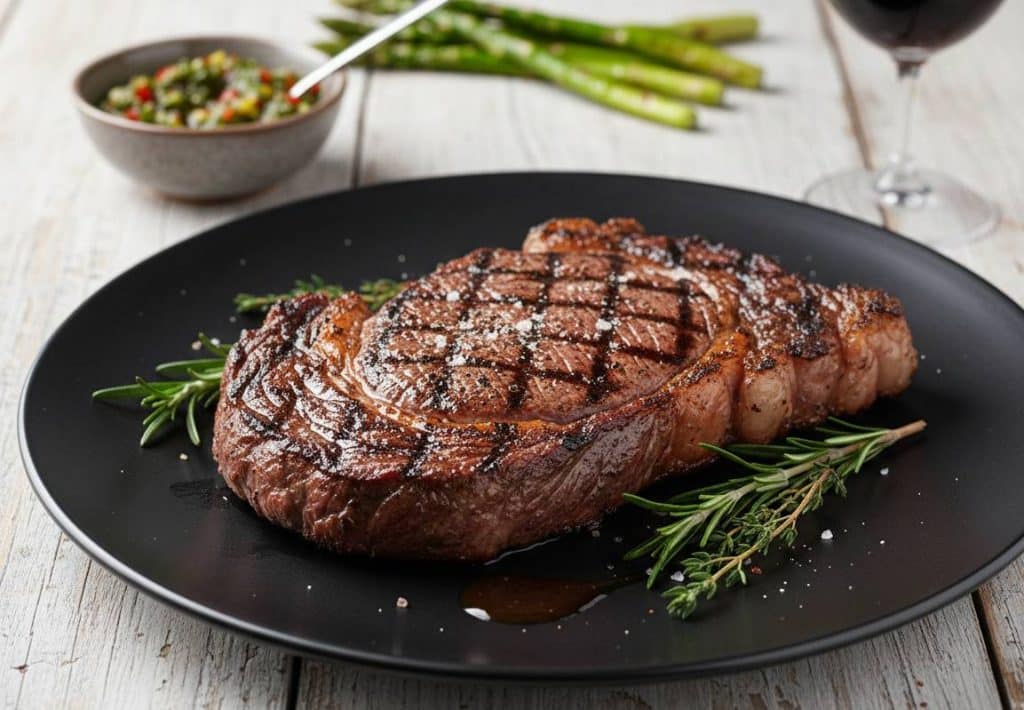
Mandilari’s tannins are meat and beef friendly
Duck Confit and Liatiko
The molecular interaction between the Liatiko’s red fruit esters and the rich fat of the duck provides a balanced finish. The soft tannins ensure the delicate texture of the meat is preserved while the wine’s acidity cuts through the richness.
The Cretan Odyssey: A Journey Through Glass and Plate
Crete offers a viticultural journey unlike any other, where ancient grape varieties meet modern winemaking techniques to create world-class gastronomic experiences. From the sun-baked plains of Heraklion to the high-altitude terraces of Chania, every bottle tells a story of the island’s unique terroir and its enduring spirit of hospitality. We invite you to explore this Mediterranean treasure, where every sip is a testament to thousands of years of tradition and a vibrant, evolving future for wine lovers everywhere
How to Succeed in Your Cretan Wine Pairing? In a Nutshell
Mastery of the “Acid-Fat” Equation The cornerstone of Cretan gastronomy is the use of high-quality, cold-pressed olive oil and rich sheep’s milk cheeses. To succeed, you must utilize the naturally high total acidity of white varieties such as Vidiano and Plyto. This acidity serves a mechanical purpose: it acts as a palate cleanser that cuts through the lipid layers of the food, preventing the richness from fatiguing the tongue.
2. Balancing Phenolic Ripeness with Protein Cretan reds, particularly Mandilaria and the more robust Kotsifali blends, possess unique tannin structures developed under intense solar radiation. Success in pairing these wines depends on matching the wine’s phenolic intensity with the protein density of the dish. The tannins require the amino acids found in slow-roasted meats (such as Antikristo) to soften their grip, creating a silky texture that would otherwise feel astringent if paired with lighter fare.
3. Utilizing the “Herbal Bridge” Crete is famous for its wild mountain herbs (Dafni, Oregano, Thyme). To elevate a pairing to a professional level, you must use the aromatic precursors found in varieties like Dafni or the spicy esters of Kotsifali to mirror the seasonings in the dish. This creates a “bridge” where the wine and the food share a common aromatic DNA, leading to a unified sensory experience.
4. Respecting Altitude and Freshness Because Crete is a warm climate, the best pairings utilize wines from high-altitude vineyards where diurnal temperature shifts preserve freshness. When selecting a wine for a complex dish, the key is to prioritize the “altitude-driven” freshness of the wine to provide a lift to the heavy, earth-driven flavors of Cretan legumes and stews.
5. The Versatility of the Rosé “Middle Ground” Never overlook the power of Cretan rosé (especially Liatiko-based) as a strategic tool. It serves as the ultimate professional “joker” for difficult-to-pair dishes that contain both vinegar elements and fats, such as marinated smoked meats or seafood stews, where a white would be too light and a red too aggressive.