Table of Contents
Melon de Bourgogne The Brine-Kissed Architect of the Atlantic Coast
In the glass, Melon de Bourgogne appears crystal-clear and pale, often with a subtle, shimmering silvery or straw-yellow hue. It is defined by its light-to-medium body and a structure built on a foundation of sharp, saline-driven acidity rather than heavy weight or alcohol. The nose is a study in restraint, offering delicate primary notes of green apple, lemon zest, and white flowers, frequently enveloped by an evocative “sea spray” minerality. As the sole grape behind the legendary Muscadet, this variety is the quintessential maritime star, acting as a bracing, textural counterpoint to the richness of the ocean and standing as the undisputed signature of the western Loire Valley.
Melon de Bourgogne: Origin, History and Terroir Native from Burgundy
French Ancestral Roots and Name
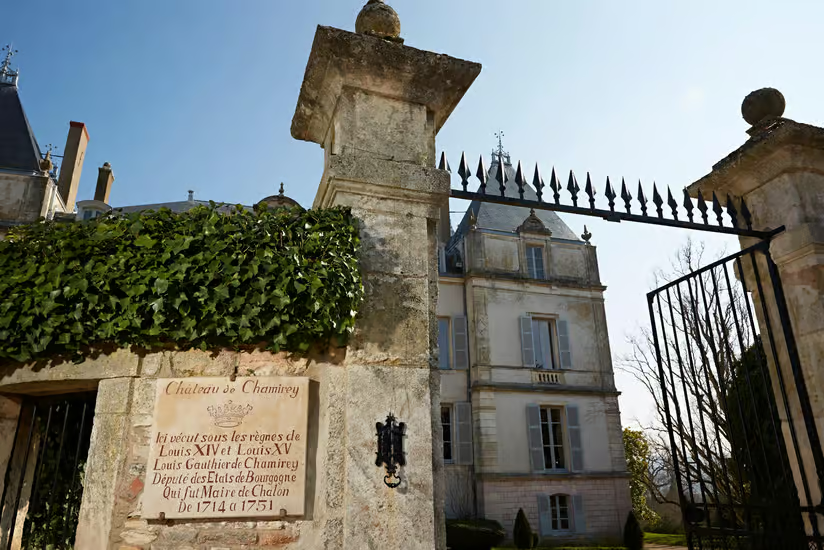
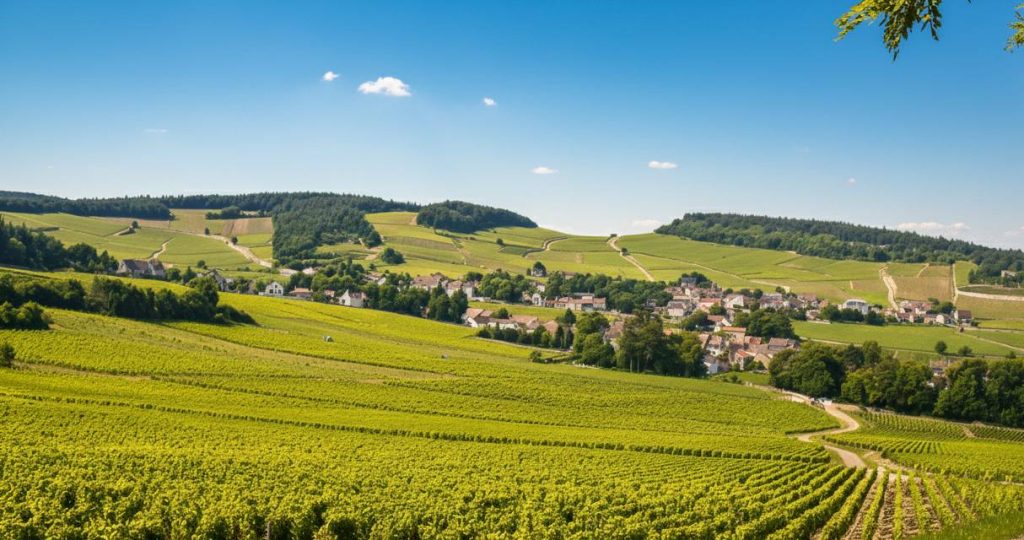
Despite its current fame in the west, Melon de Bourgogne originated—as its name suggests—in Burgundy. It was introduced to the Pays Nantais near the Atlantic coast in the 17th century, where it eventually found its spiritual home after a devastating frost in 1709 wiped out more sensitive varieties.
The Parentage/Genetic Lineage
Scientific DNA profiling has confirmed that Melon de Bourgogne is a member of the Pinot-Gouais cross family. Much like Aligoté and Chardonnay, it inherits its structural elegance from Pinot Noir and its rugged, prolific nature from the ancient Gouais Blanc.
Dominance in Muscadet (Loire Valley)
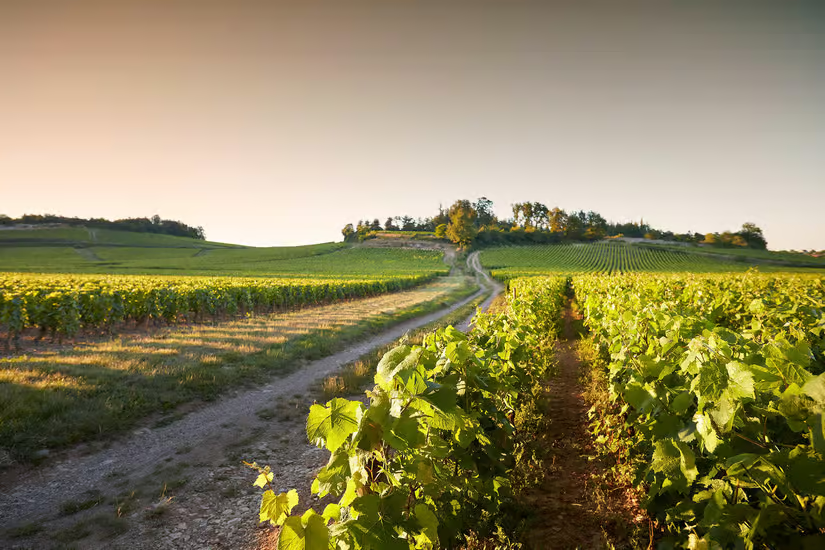
The grape reached its pinnacle of prestige in the Muscadet Sèvre et Maine AOC, situated at the mouth of the Loire River. Here, it thrives in a mosaic of volcanic and metamorphic soils—specifically gabbro, gneiss, and schist—which provide the intense mineral backbone and smoky nuances that distinguish world-class expressions from simple table wines.
.
Characteristics of Melon de Bourgogne Sysceptible to early frost
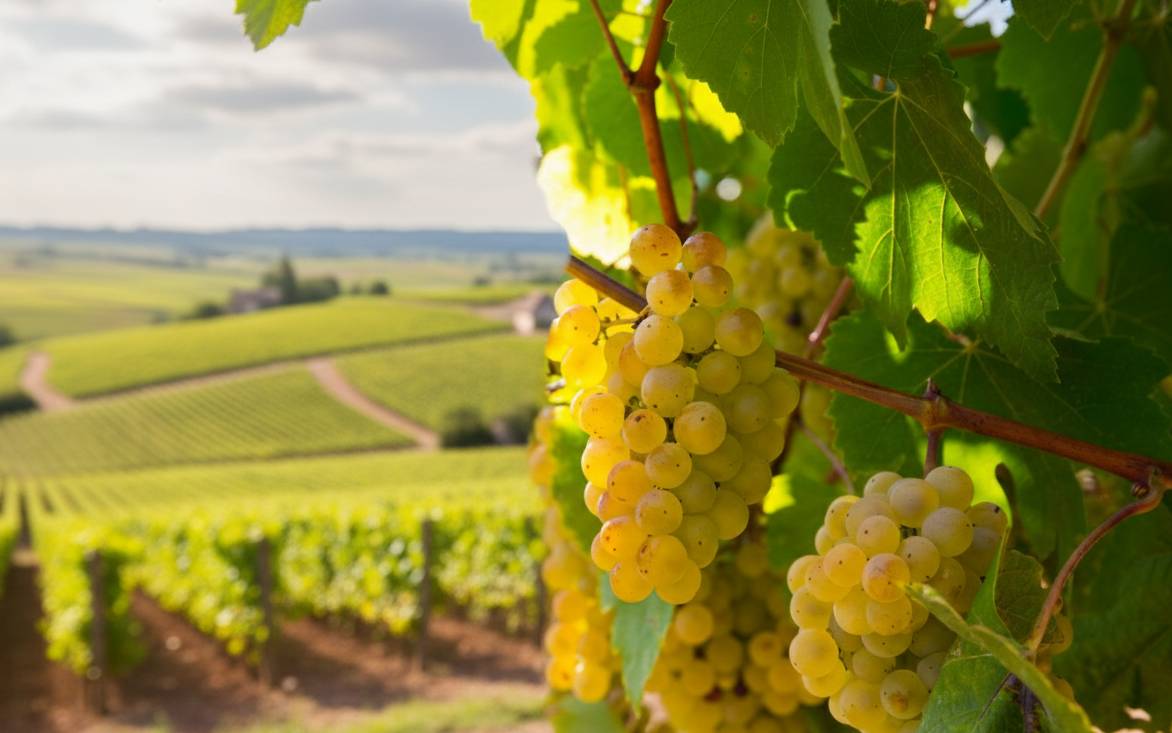
Melon de Bourgogne is a hardy, early-budding variety, a trait that makes it particularly susceptible to early spring frosts in the damp climate of the Loire. It produces small, round berries with relatively thin skins; while this results in low tannins and a delicate profile, it also makes the grape vulnerable to downy mildew and botrytis during the rainy Atlantic harvest seasons. However, its ability to ripen in cool, maritime conditions where other grapes would struggle is its primary viticultural advantage.
Aromatic profile of Melon de Bourgogne Lemony, fresh, high acidity
The sensory profile of Melon de Bourgogne is defined by subtle complexity rather than overt fruitiness.
Aromas
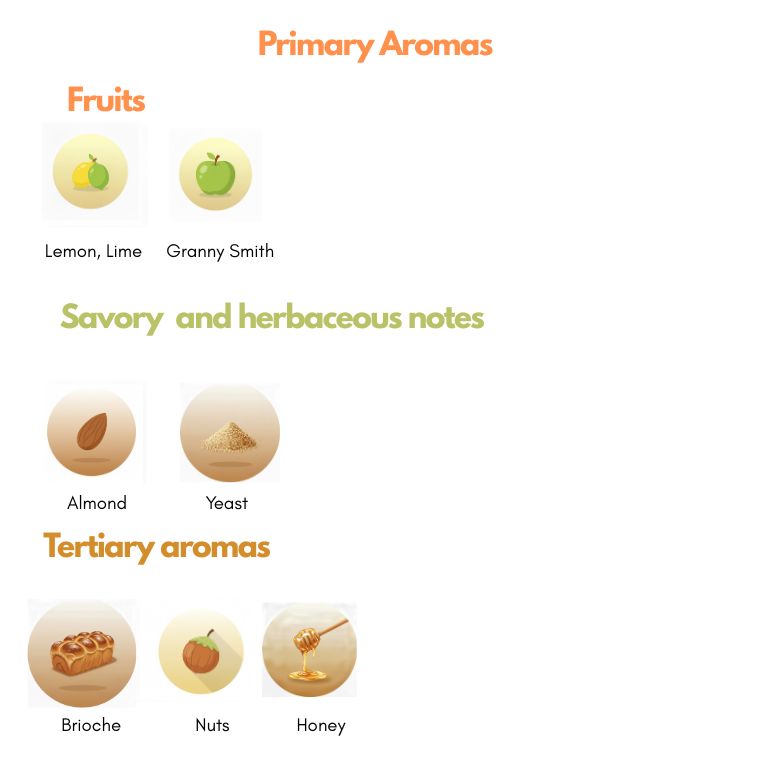
Primary flavors include lemon, lime, and tart Granny Smith apple, often accompanied by a savory hint of almond or fresh yeast from lees contact.
Structure
Structurally, it is light-to-medium bodied with high, refreshing acidity and zero tannin. In high-end examples aged on the lees or in the bottle, tertiary notes of brioche, toasted nuts, and honey emerge, providing a sophisticated, velvety texture that balances the wine’s natural “zip.”
Winemaking and Blending Techniques traditional, modern or blend
Blending Partner/Role:
Unlike many other varieties, Melon de Bourgogne is almost exclusively a monovarietal star. It is rarely blended, as its value lies in its pure, unadulterated expression of maritime terroir; however, its high acidity makes it a useful component in some regional sparkling wine bases when a crisp, neutral lift is required.
The Use of Oak and Stylistic Spectrum
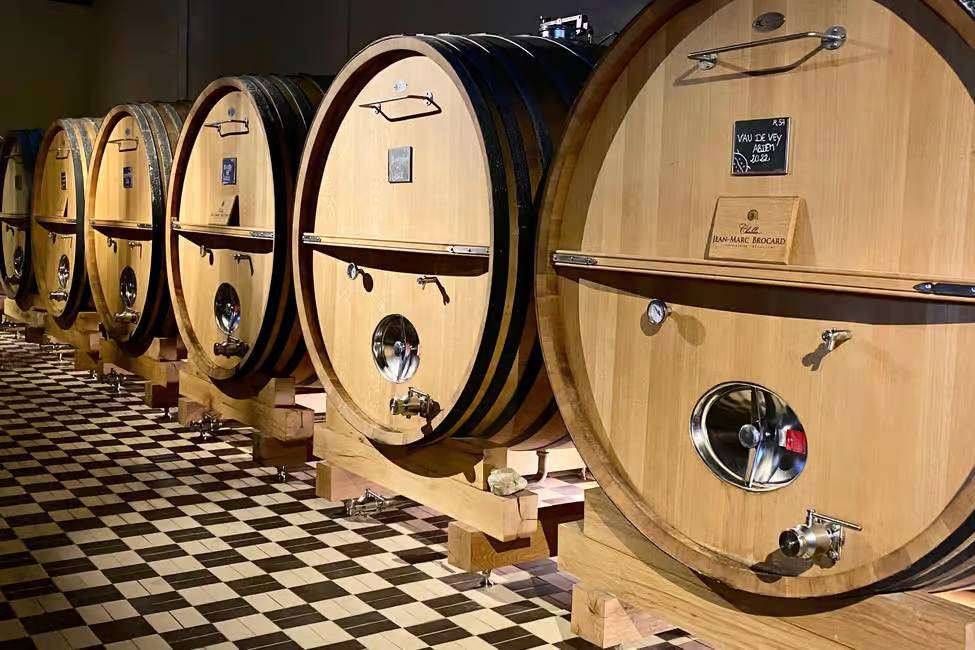
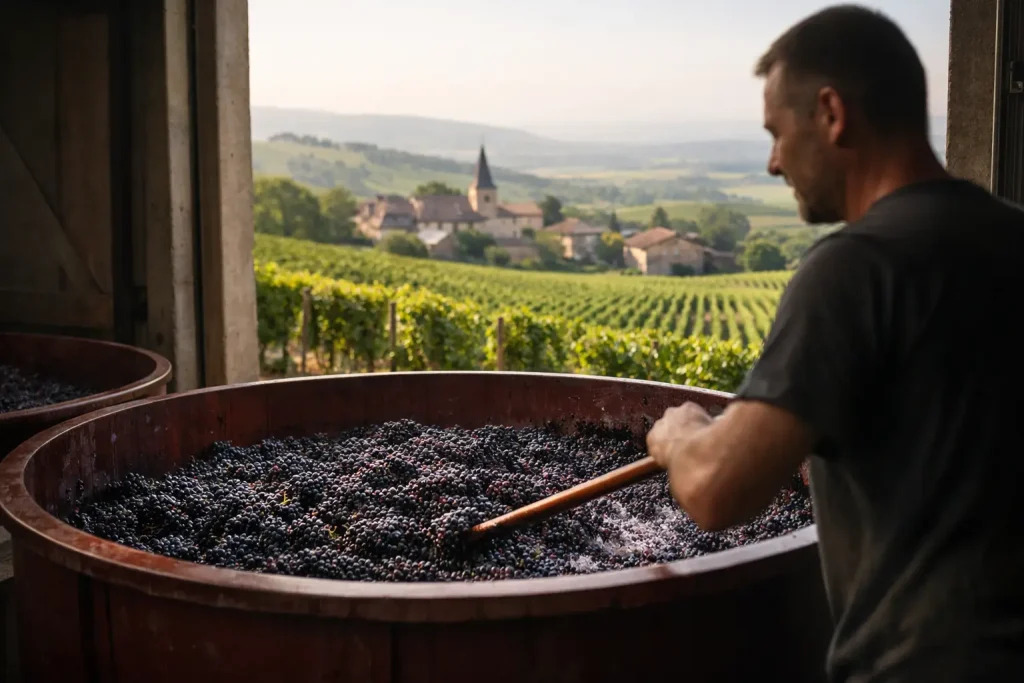
Traditional Muscadet winemaking avoids new oak to preserve the grape’s delicacy, opting instead for “Sur Lie” aging in underground concrete or stainless steel tanks. This “Traditional Style” focuses on the interaction between the wine and its yeast cells (lees) to build texture and savory depth. In contrast, a modern “International Style” may see shorter aging periods to prioritize immediate, zesty fruit and a lighter, thirst-quenching profile.
The Impact of Climate in Style
Cooler/Old World Climate
In its classic Atlantic terroir during cooler years, Melon de Bourgogne retains a piercing, bone-dry acidity and a lean, athletic frame. The flavor profile is focused on tart citrus, green pear, and a distinct flintiness, often described as “stony.” These are the most age-worthy and precise styles, especially when labeled under the “Sur Lie” designation, which adds a creamy, savory layer to the high-toned structure.
Warmer/New World Climate
In uncharacteristically hot vintages or rare New World plantings, the grape’s acidity softens significantly, leading to a rounder, riper mouthfeel with slightly higher alcohol. The aromatics shift from citrus to ripe golden apple and honeydew melon, losing some of the “salty” tension in favor of a plush, fruit-forward accessibility that is charming but less focused on mineral terroir.
Regions for Melon de Bourgogne France, USA, Australia
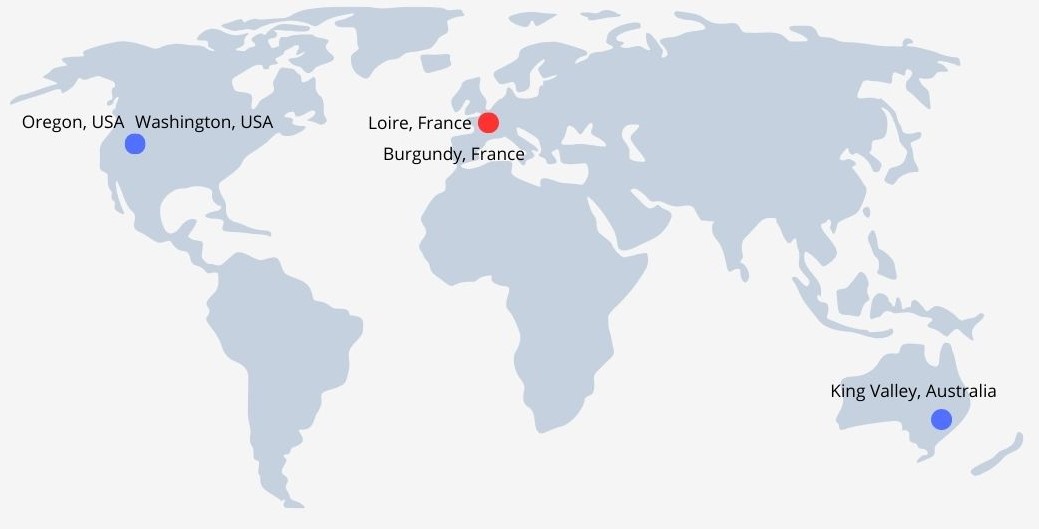
France (Muscadet Sèvre et Maine): The Pinnacle. The heartland of the variety, where “Cru Communaux” (village-specific) wines show incredible depth, complexity, and the ability to age for decades.
United States (Oregon & Washington): The New World Curiosity. A small but dedicated group of producers in the Willamette Valley are finding success with the grape, highlighting its affinity for cool, volcanic soils.
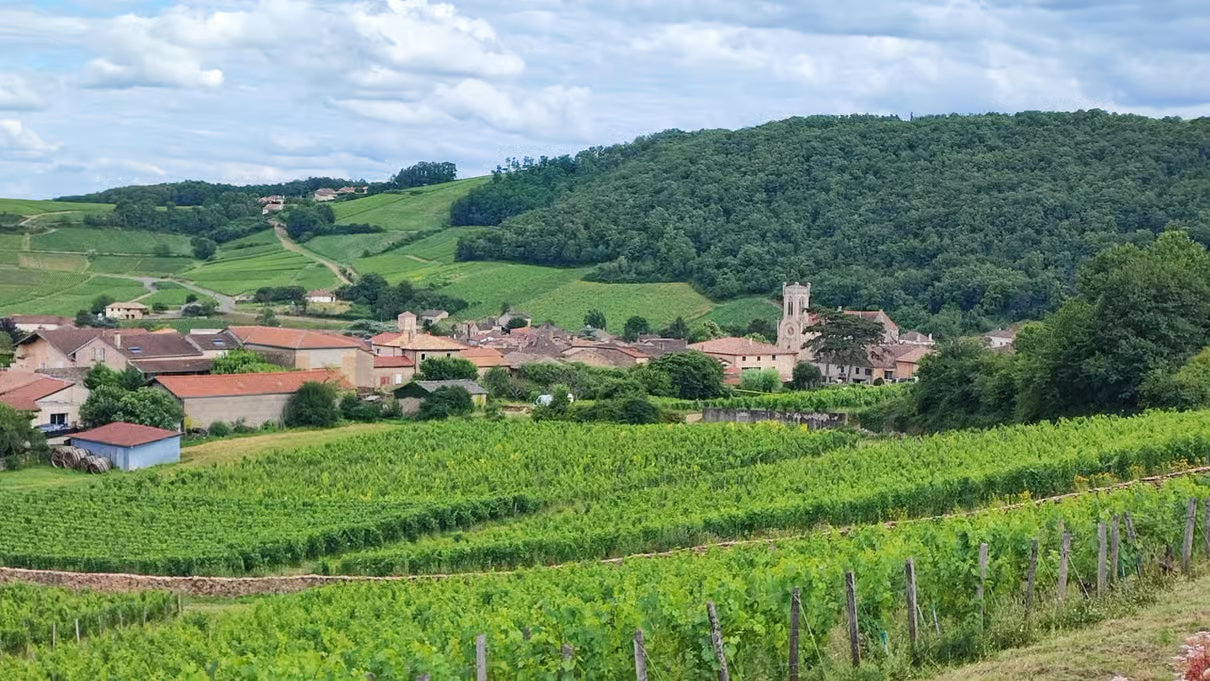
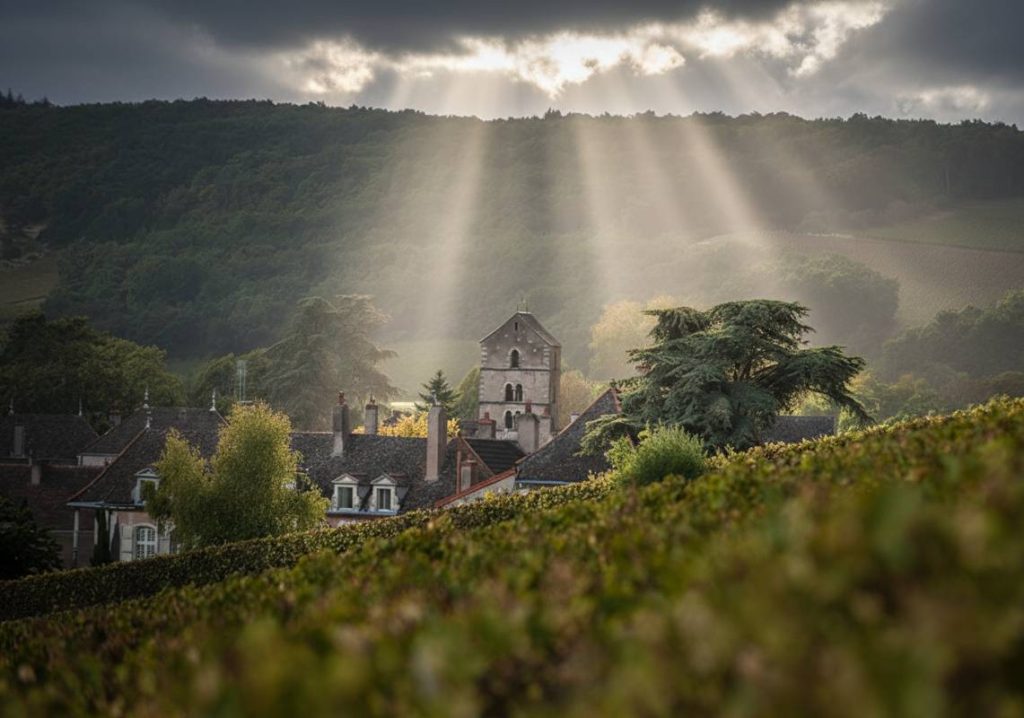
France (Bourgogne): The Ancestral Ghost. While nearly extinct in its birthplace, a few tiny plots remain in Northern Burgundy (Vézelay), producing a leaner, more floral version of the grape.
Australia (King Valley): The High-Altitude Experiment. Limited plantings here utilize the cool climate to produce zesty, high-acid whites that mirror the Loire’s freshness.
Food pairing and service of Melon de Bourgogne The Versatile Companion
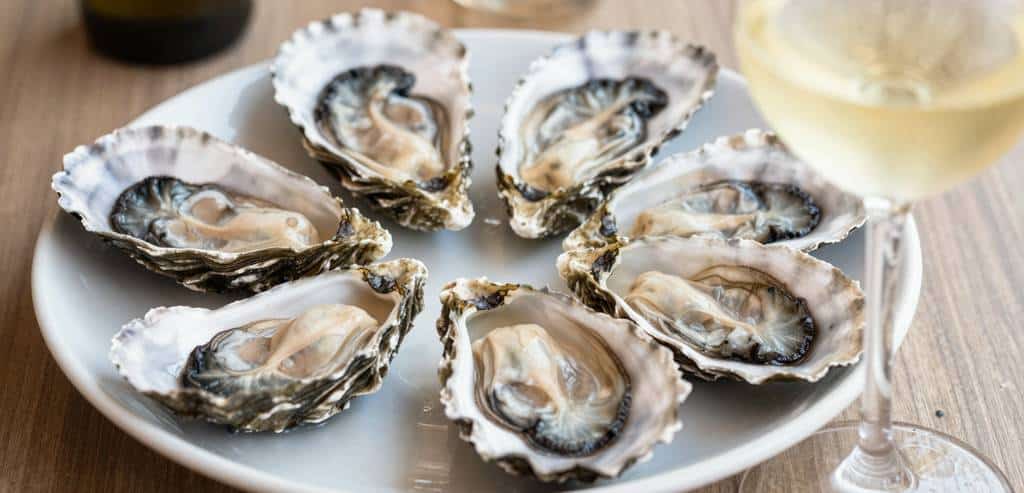
Classic pairing with oysters
Ideal Food Pairings
Melon de Bourgogne is the undisputed king of maritime pairings, acting as a “liquid seasoning” for anything pulled from the sea. Its absolute classic partnership is with fresh oysters, where the wine’s high acidity and saline streak harmonize perfectly with the brine of the shellfish. Beyond the raw bar, it is a “soothing counterpoint” to the rich, garlic-infused butter of Escargots de Bourgogne or the creamy depth of Moules-Frites (mussels and fries).
Fried Food
The wine’s yeasty sur lie character also makes it an unexpected ally for fried foods, such as tempura or calamari, where the bubbles (often found in very fresh Muscadet) and acidity cut through the oil with surgical precision.
Non sea-food
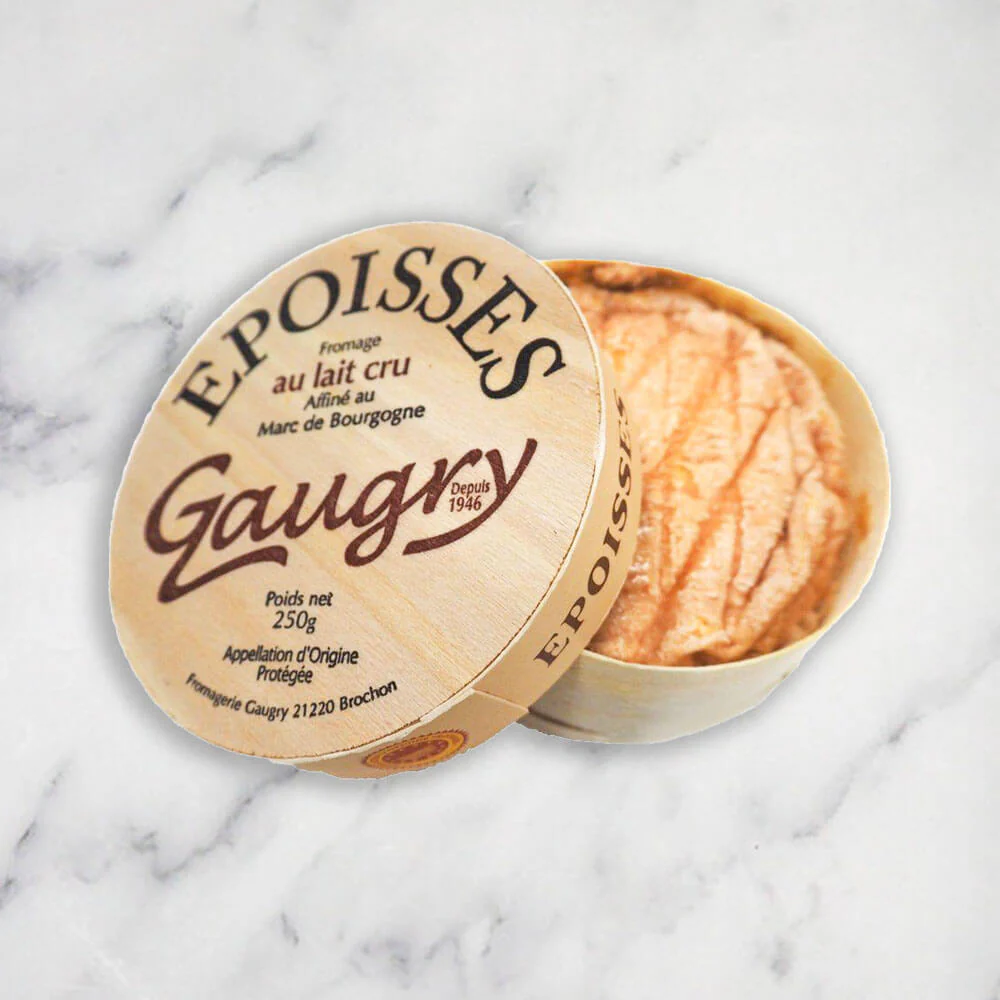
For a non-seafood match, look to salty, semi-hard cheeses like Gruyère or Comté, or even fresh garden salads where the wine can compete with acidic vinaigrettes
Avoid
. Avoid pairing with heavy, spice-laden curries or sugary glazes, as these will overwhelm the wine’s delicate floral nuances and make the mineral finish feel unpleasantly sharp.
Service Temperature
To maximize its crisp, refreshing impact, serve well-chilled at 8°C to 10°C (46°F–50°F).
Decanting
While standard Muscadet should be served straight from the bottle to enjoy its youthful “spritz,” prestige “Cru” bottlings from sub-regions like Clisson or Gorges benefit from a 30-minute decant. This brief exposure to air allows the wine to shed its initial reduction and reveals the sophisticated tertiary layers of dried citrus and smoky flint.
Challenges & Future Outlook
he primary challenge for Melon de Bourgogne is its long-held reputation as a “simple, cheap” wine. However, a “flight to quality” is currently underway, with producers focusing on longer lees aging and site-specific bottling to prove the grape’s noble potential. Climate change also presents an identity issue; as the Atlantic warms, maintaining the grape’s signature “razor-sharp” acidity requires increasingly technical viticulture to prevent the wines from becoming too soft.
Ready to Dive into the World of Melon de Bourgogne? Discover Our Tours! Experience the breeze of Ocean
Melon de Bourgogne is the ultimate proof that beauty lies in restraint and precision. If you are seeking a wine that tastes like a breath of fresh ocean air and offers unparalleled versatility at the dinner table, look no further than this maritime master