Table of Contents
Cypress Shadows and Crimson Glass: My Tuscan Oenography
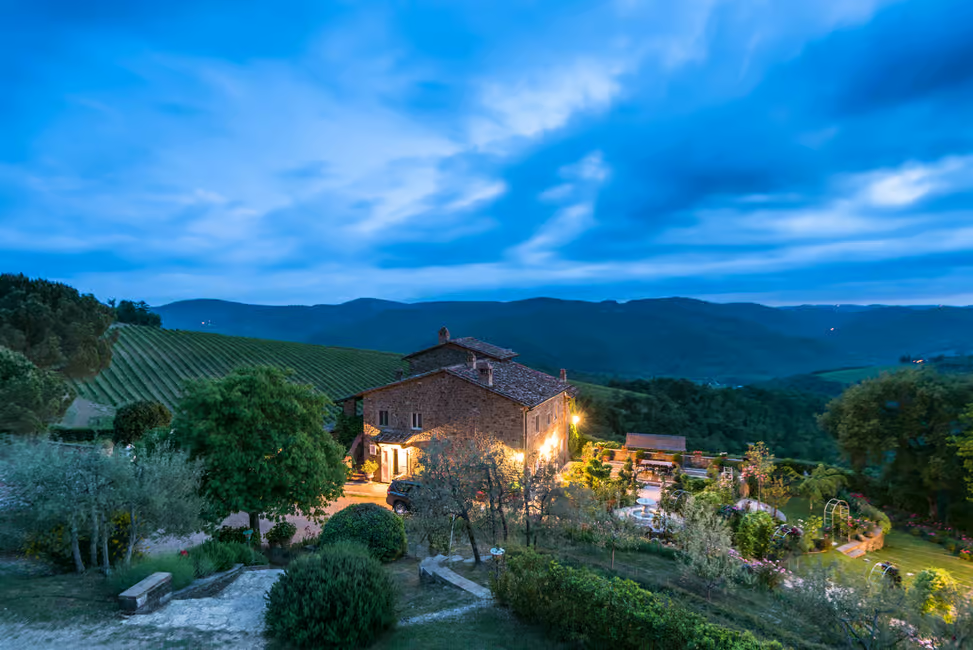
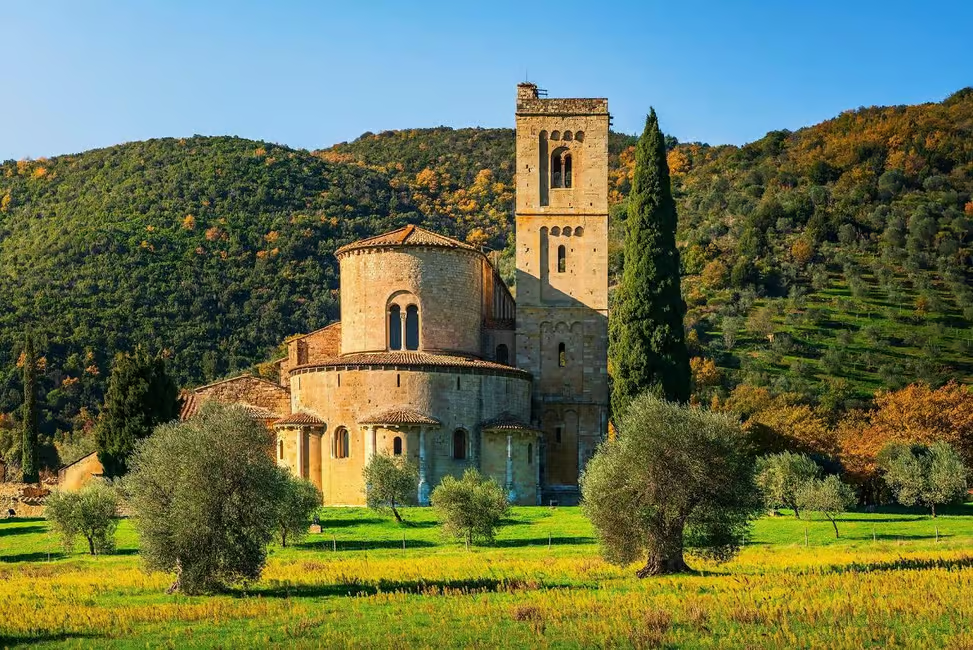
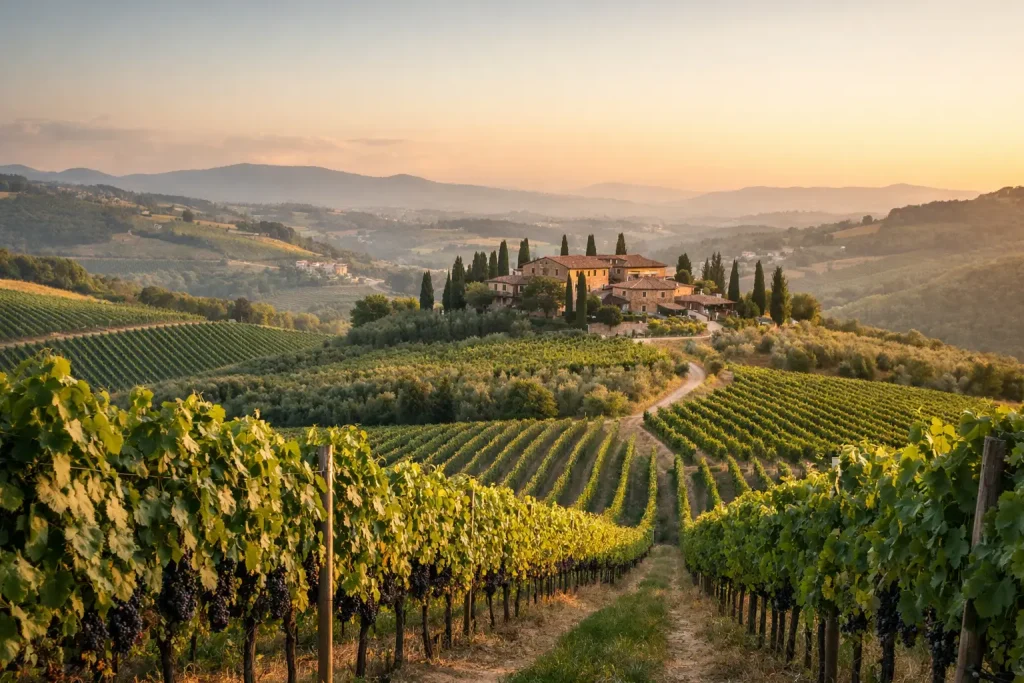
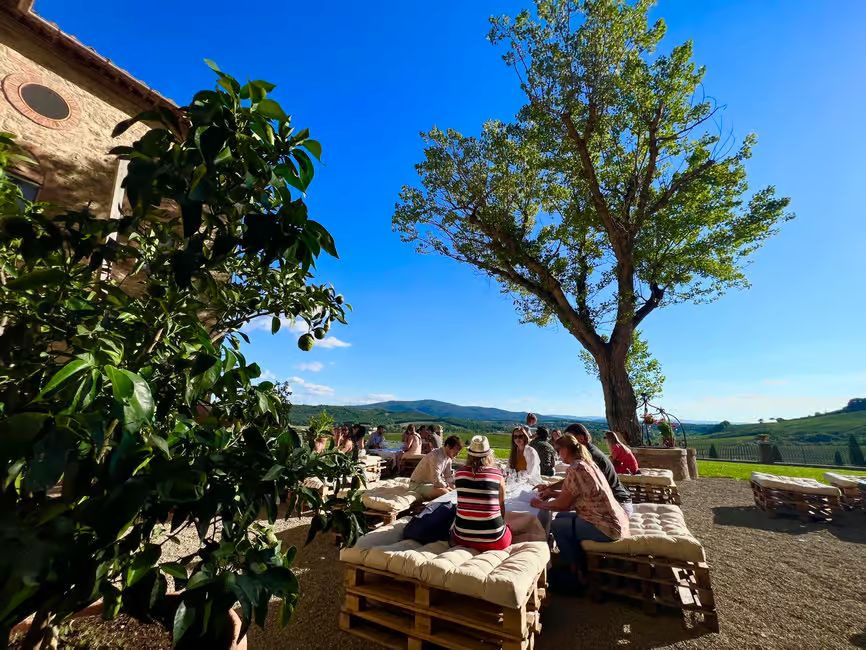
Postcard from Tuscany. The sun was still low, casting long, amber shadows across the rolling cypress-lined ridges of the Val d’Orcia, when I realized that in Tuscany, wine isn’t just a drink—it’s the pulse of the land itself. For a dedicated oenophile, arriving here feels less like a vacation and more like a pilgrimage to the source, where every glass tells a story of geological shifts and centuries of human labor. My journey began in the heart of Chianti Classico, where the air in the ancient cellars of Gaiole was thick with the scent of damp earth and aging oak.
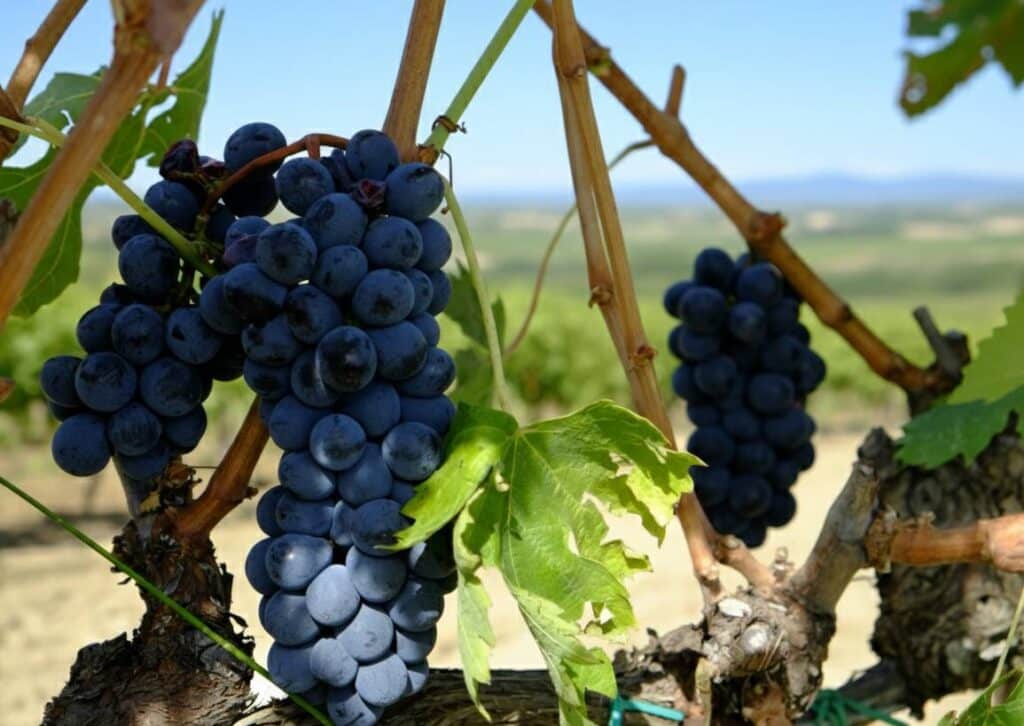
Sitting with a producer whose family had tended the same vines since the 1700s, I learned that the secret to their Sangiovese wasn’t just in the barrel, but in the galestro soil—the rocky schist that lends the wine its nervous energy and flinty backbone. As we tasted a ruby-hued Riserva, it became clear that you cannot rush Chianti; it demands you wait for those notes of dried cherry and sun-baked herbs to unfurl as the sun dips below the horizon.
Moving south toward Montalcino, the landscape shifted into something more rugged and regal. Standing atop the fortress walls with a glass of Brunello di Montalcino, I finally understood why this is often called the king of Italian wines. It possesses a structural power that is almost architectural, requiring a patience that few other varietals demand. In a dim, stone-walled cantina, I paired a muscular 2016 vintage with local Pecorino di Pienza and chestnut honey, a combination where the salt of the cheese and the velvet grip of the wine created a moment of pure, sensory synchronicity.
To conclude the pilgrimage, I headed toward the coast of Bolgheri, the birthplace of the “Super Tuscans.” Here, the spirit of rebellion is bottled in blends of Cabernet and Merlot that rival the best of Bordeaux while retaining a distinctly Mediterranean soul. Walking through the iconic Viale dei Cipressi, the breeze smelled of salt and wild scrub, a reminder that Tuscany’s greatness lies in its diversity.
This region demands that you slow down, from the quiet clink of glasses in a seaside piazza to the dusty boots of a winemaker in Montepulciano. It is a place where tradition and innovation don’t just coexist; they thrive in the same glass.
Step Out of the Books and Into the Cellar
Planning a winery trip in Tuscany How to go ther
Tuscany is served by two primary international airports that connect the region to the world. Florence Airport (FLR), also known as Amerigo Vespucci, is located just 4 km from the city center and is the most convenient hub for those focusing on the eastern and central subregions like Chianti Classico and Mugello. While its runway is shorter, limiting some long-haul flights, it offers seamless access to the heart of the Renaissance. Pisa International Airport (PSA), or Galileo Galilei, is the larger of the two, acting as a major hub for low-cost carriers like Ryanair and providing easy access to the Tuscan coast, Lucca, and the Bolgheri wine region. For those arriving from outside Europe, Bologna (BLQ) and Rome (FCO) serve as alternative major hubs with high-speed train connections (Frecciarossa) that reach Florence in 35 to 90 minutes, making them highly viable entry points for international travelers.
Book your Plane or Train Ticket
Rent a Car in Tuscany
Distances from Tuscany Main Cities to Key Wine Regions
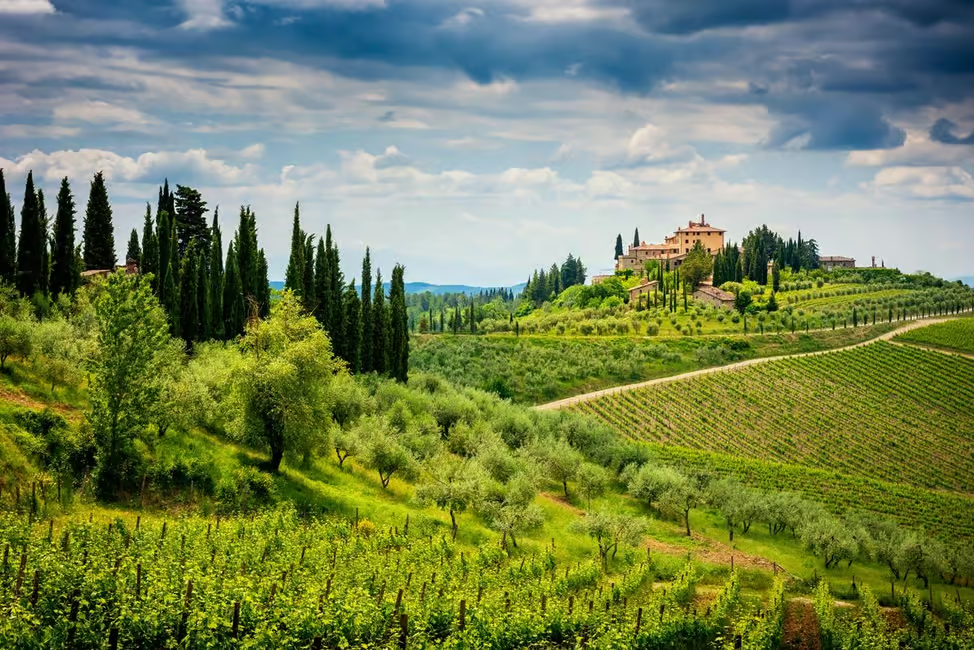
Florence is about 45 minutes to Chianti wine region
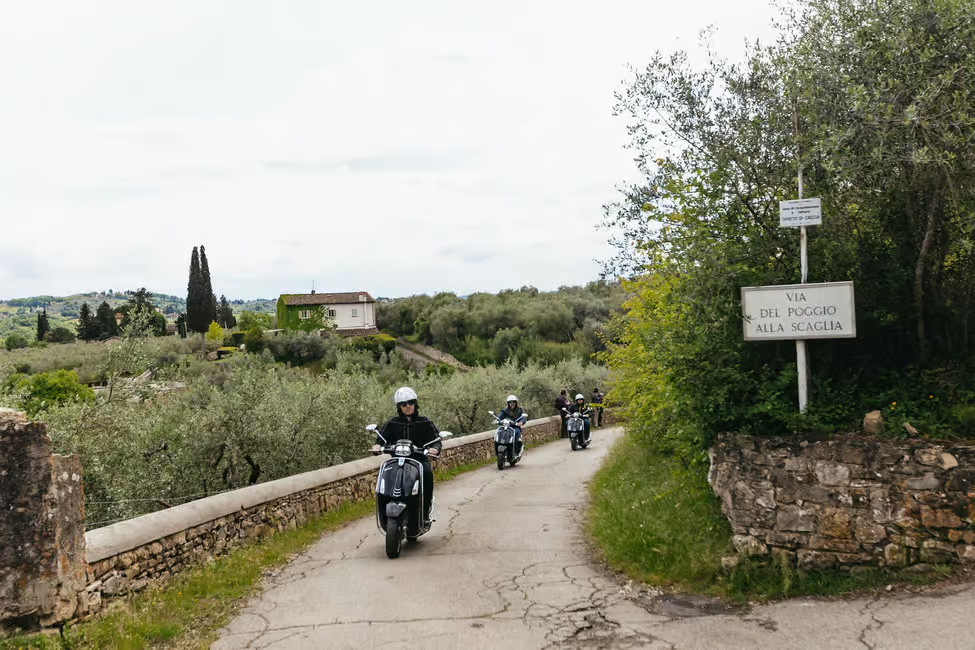
Navigating the rolling hills of Tuscany is best done by car to reach the more remote, prestigious estates that are often tucked away at the end of gravel “strade bianche.“
From Florence to Chianti Classico: Approximately 45 km, taking 45 to 60 minutes. The drive via the SR222 (Chiantigiana) is one of the most beautiful in the world, passing through Greve and Castellina in Chianti.
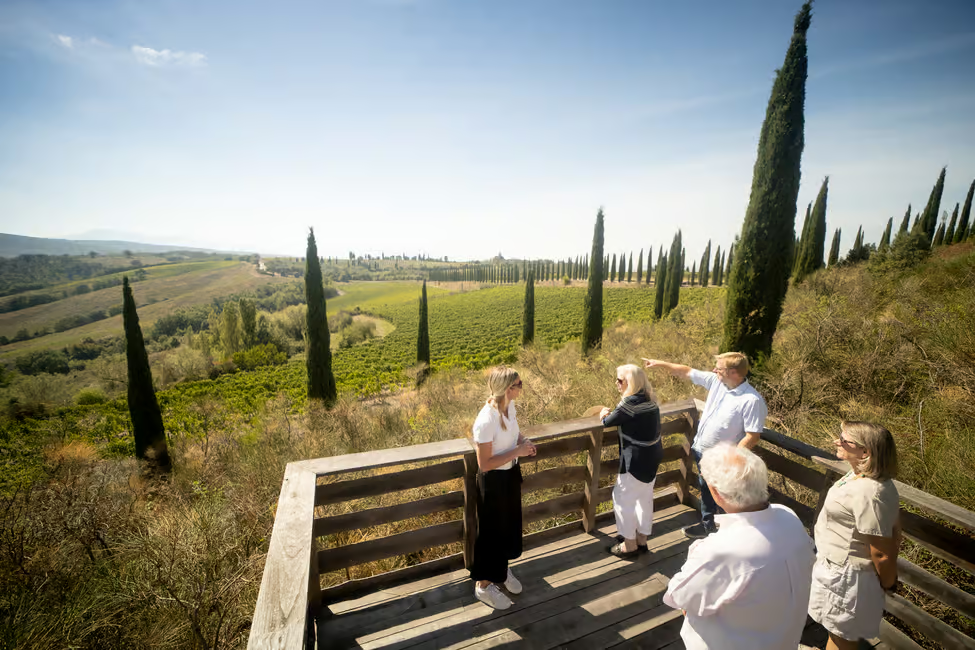
From Florence to Montalcino: Roughly 110 km, requiring a drive of about 1 hour and 45 minutes. This journey takes you through the stunning Val d’Orcia, a UNESCO World Heritage site known for its iconic cypress-lined roads.
From Florence to Bolgheri: About 125 km, taking roughly 1 hour and 45 minutes toward the coast. The approach via the famous Viale dei Cipressi is a dramatic entrance to the home of the Super Tuscans.
From Siena to Montepulciano: Around 65 km, a scenic drive of approximately 1 hour. This route crosses the Crete Senesi, offering moon-like landscapes before reaching the Renaissance hill-town.
From Pisa to Bolgheri: Approximately 80 km, a drive of about 1 hour heading south along the Tyrrhenian coast, providing the quickest access to the region’s top Cabernet and Merlot producers.
From Pisa to Montepulciano: Roughly 175 km, requiring approximately 2 hours and 35 minutes of driving across the breadth of the region, passing near the medieval towers of San Gimignano.
From Pisa to Chianti Classico (Greve): Around 95 km, taking approximately 1 hour and 35 minutes, primarily via the FI-PI-LI expressway before entering the winding vineyard roads of the central hills.
Wine trip in Tuscany: Average Price Estimates
Tuscany offers a spectrum of experiences ranging from rustic, authentic farm life to some of the most exclusive luxury hospitality in Europe.
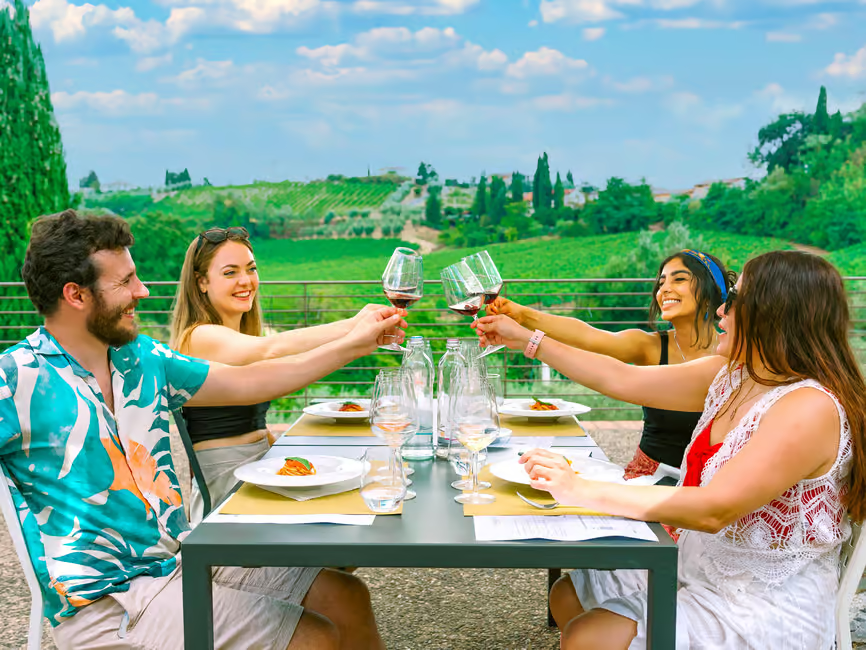
Budget: An Agriturismo or rural guesthouse typically ranges from €60–€110 per night, offering a “farm-to-table” atmosphere. For dining, casual family-run trattorias serve local specialties like ribollita or pici for €25–€40 per person daily. A basic Wine tasting at a local co-operative or small family cellar usually starts at €20, providing an accessible entry point into the region’s viticulture.
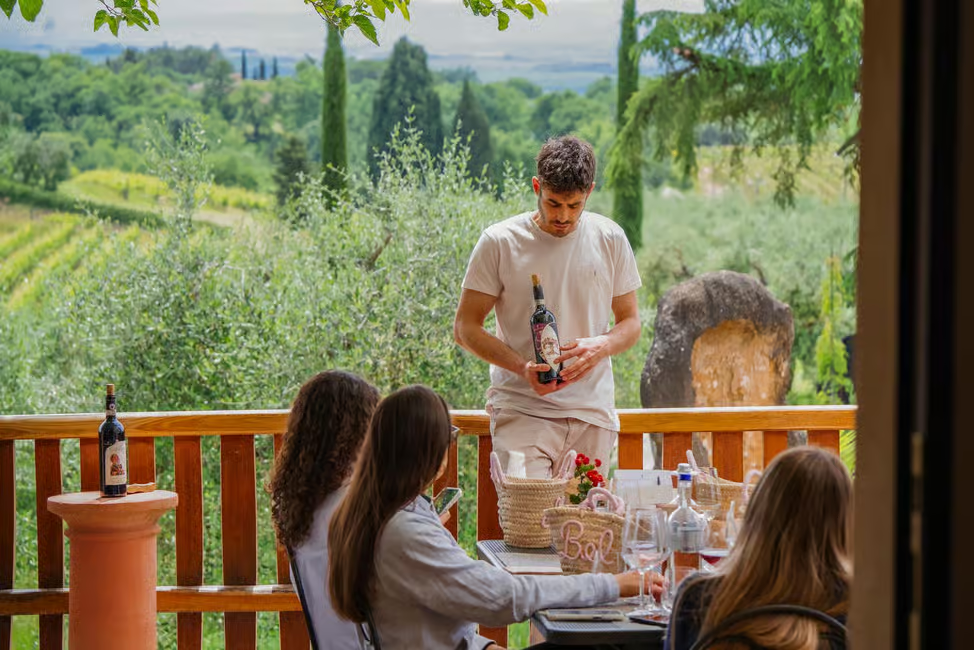
Mid-range: Staying in a renovated 18th-century farmhouse or a boutique hotel in a hilltop town costs between €180–€350 per night. A standard Wine tasting and lunch experience at a well-known Estate in Chianti Classico or Montepulciano ranges from €120–€180 per person, often including a cellar tour and a three-course pairing. Dining at a refined osteria with a curated wine list typically costs €60–€90 per person.
Luxury: For those seeking exclusivity, five-star Estate resorts and historic castles like Rosewood Castiglion del Bosco can exceed €800–€1,200 per night. A high-end Private tour featuring a personal sommelier and access to restricted library vintages often starts at €250–€400 per person. Fine dining at Michelin-starred establishments, where the focus is on elevated Tuscan gastronomy, will typically see bills exceeding €200 per person, excluding premium wine selections.
Where to Stay in Tuscany Book your perfect stay for Perfect wine trip
Best period to visit Tuscany
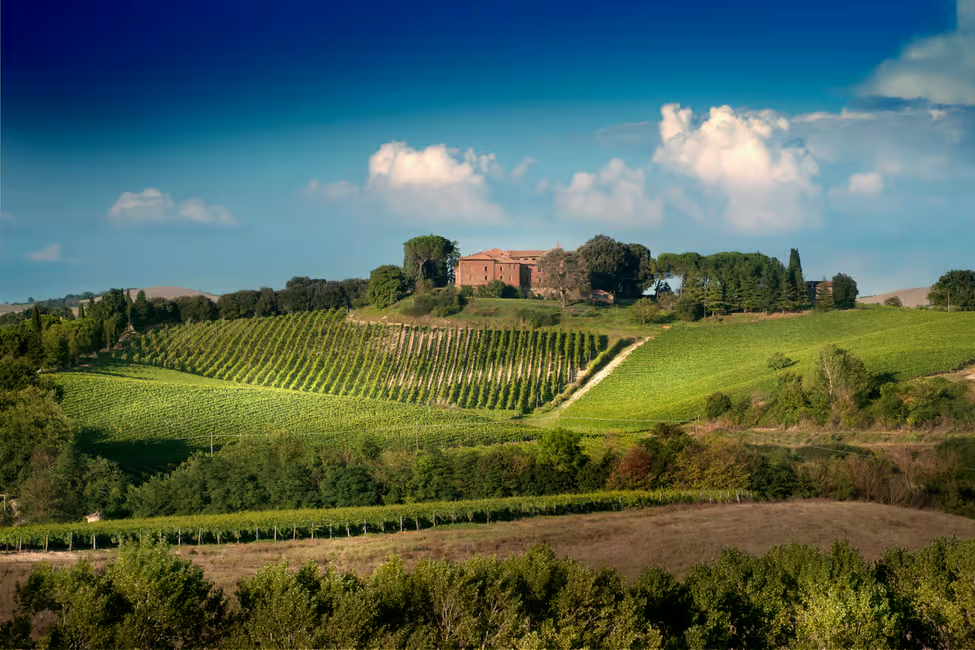
Summer in Tuscany offers sun-drenched hills with lush vineyards
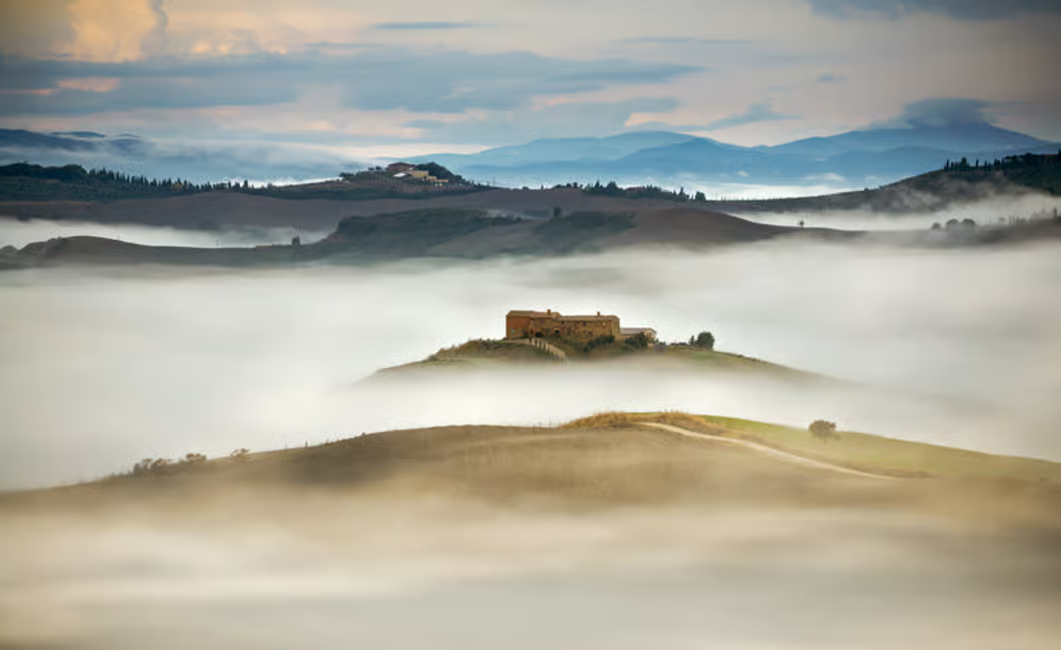
Spring: Rebirth: From March to May, the landscape awakens in a riot of color. Poppies bloom in the Val d’Orcia, and the first shoots appear on the vines. The air is crisp and the morning mist clings to the valleys, offering photographers a dreamscape. It is the ideal time for travelers who enjoy hiking through vineyards or cycling the Eroica routes before the summer heat arrives.
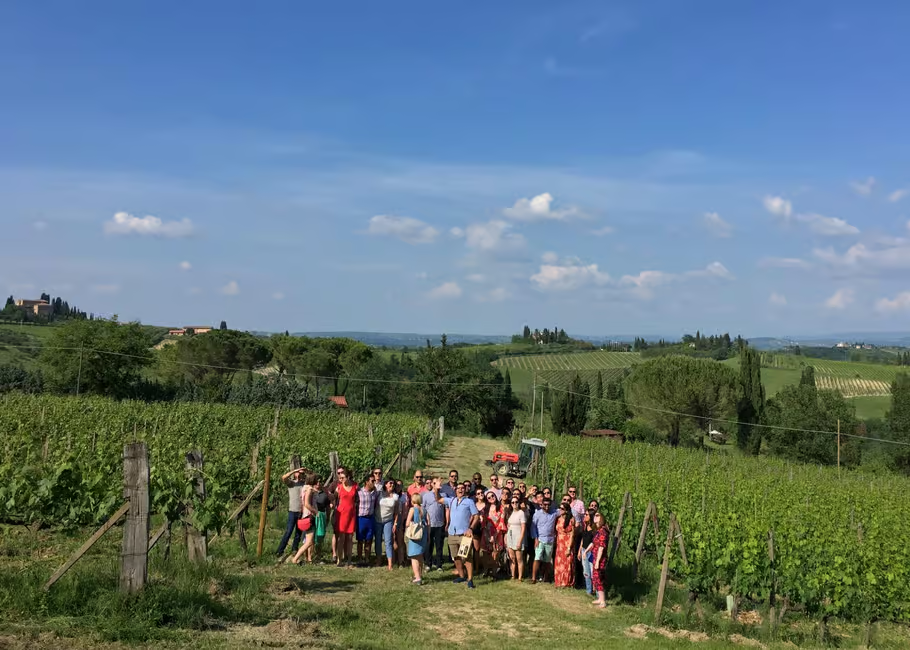
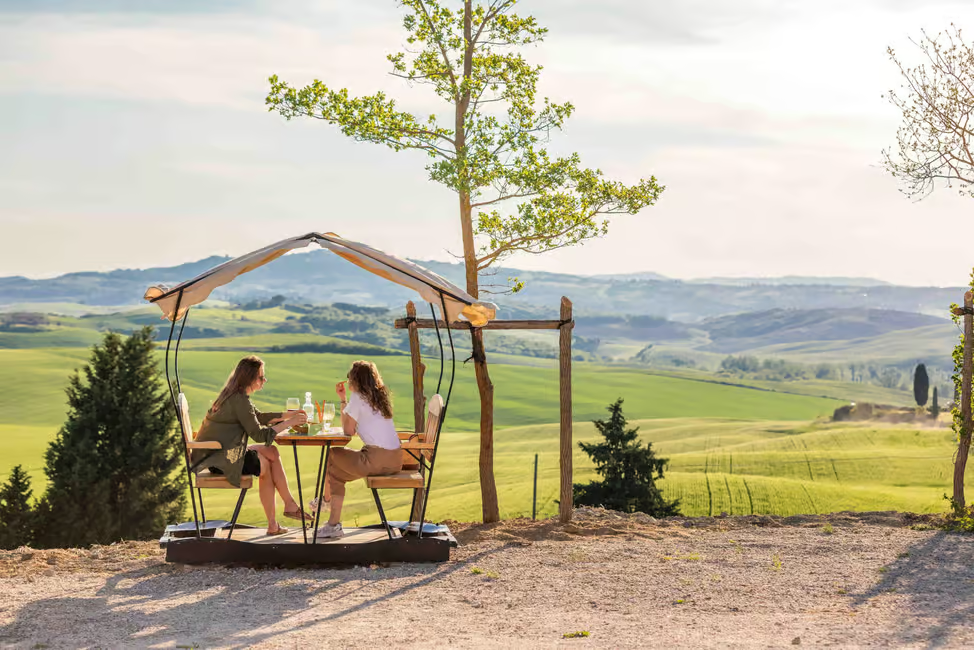
Summer: Peak: June to August brings long, golden days and vibrant festivals like the Palio di Siena. The sun-drenched hills are alive with the sound of cicadas, and the vineyards are lush and green. This is the season for al fresco dining, sunset Wine tasting sessions on panoramic terraces, and enjoying the lively atmosphere of the village sagre (food festivals).
Autumn: Harvest: September and October are the soul of the region. The air is thick with the sweet, heady scent of fermenting grapes as the vendemmia (harvest) reaches its peak. The foliage turns to shades of copper and gold, providing a breathtaking backdrop for visits. This is the ultimate season for foodies, as fresh truffles, new olive oil, and porcini mushrooms dominate the menus alongside robust red wines.
Winter: Quiet: From November to February, the crowds vanish, leaving the cities to the locals. A peaceful silence settles over the Estate vineyards. It is a time for contemplative travel, cozying up by a massive stone fireplace with a glass of Brunello Riserva, and enjoying intimate, unhurried visits to cellars where winemakers have the time to share their deepest family secrets.
Major Towns of Tuscany for wine trip and winery visit
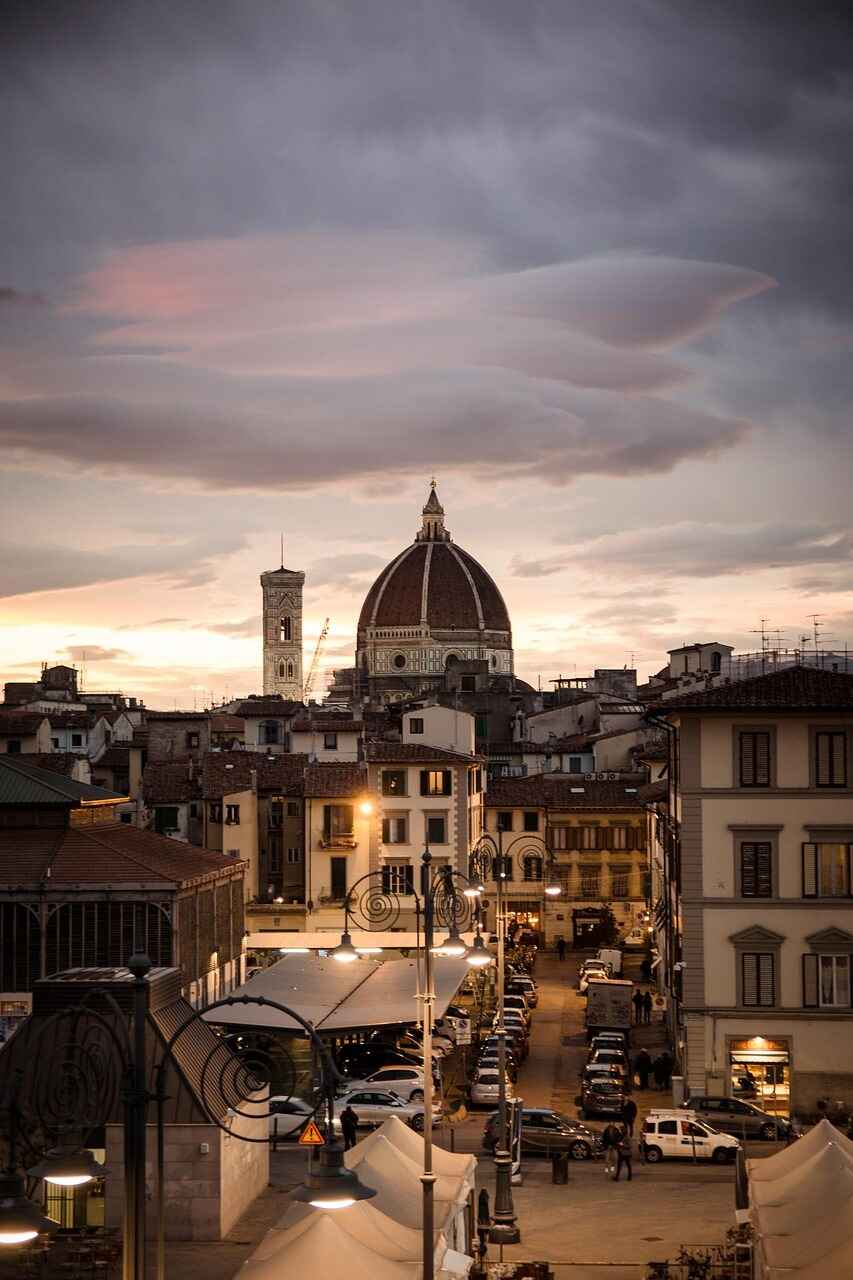
Florence is an overwhelming sensory experience
The urban centers of Tuscany serve as the cultural and logistical anchors of the region, where centuries of history blend seamlessly with a deep-rooted oenological tradition. These towns are not merely transit points; they are essential wine hubs that offer travelers a gateway to the surrounding terroir and the prestigious subregions that define Italian excellence.
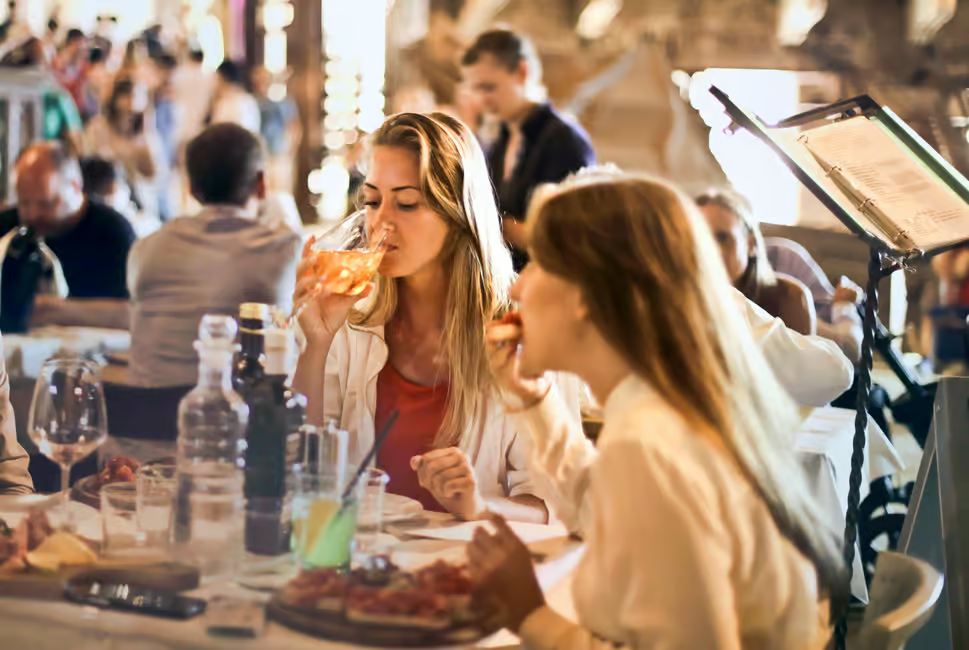
Florence: The Renaissance capital is an overwhelming sensory experience of art and history. Tourists can expect grand piazzas, world-class leather markets, and an endless array of high-end enotecas. It is a perfect Wine tasting start point because it serves as the region’s commercial “tasting room,” allowing visitors to sample wines from every sub-region before heading into the countryside.
Siena: Stepping into Siena is like entering a living medieval dream. The town feels more intimate and earth-toned than Florence, with its winding brick alleys leading to the magnificent Piazza del Campo. It is the ideal gateway for southern wine tours, positioned perfectly between the Chianti hills and the prestigious southern appellations.
Pisa: Far more than just its iconic Leaning Tower, Pisa offers a relaxed, maritime-influenced atmosphere. Visitors can wander along the Arno River and enjoy the vibrant student life that keeps the city energetic. It is an excellent base for exploring the “Terre di Pisa” and the coastal Super Tuscans of Bolgheri, offering a fresher, Mediterranean perspective on Tuscan wine.
Montalcino: This hilltop fortress exudes an air of quiet prestige and ancient power. The atmosphere is sophisticated yet rugged, with stone wine bars offering vertical tastings of Brunello on every corner. It is a must-visit for serious collectors to see the high-altitude vineyards and experience the incredible aging potential of the Sangiovese Grosso grape.
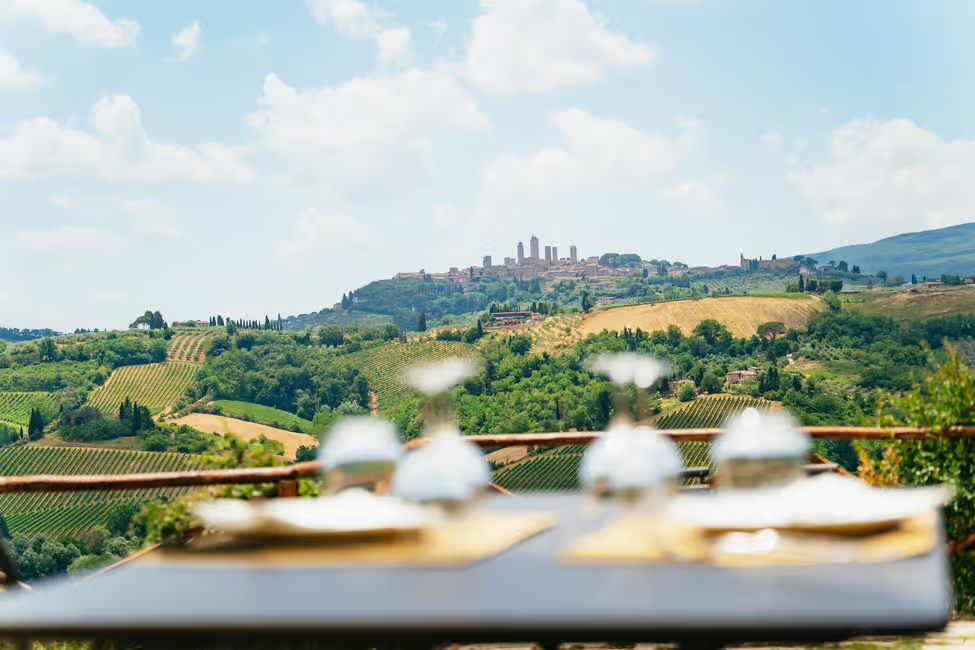
San Gimignano: Known as the “City of Beautiful Towers,” it offers a skyline that has remained unchanged since the Middle Ages. Tourists can expect narrow, steep streets and incredible views over the Elsa Valley. It is unique as it focuses on Vernaccia, the region’s premier white wine, providing a necessary and refreshing break from the dominant reds of the region.
Bolgheri: Located near the Etruscan Coast, this village feels more like a chic, hidden retreat than a medieval stronghold. The famous Viale dei Cipressi leads you into a world of elegance where the sea breeze cools the vineyards. It is the spiritual home of the Super Tuscans, making it essential for those who want to experience the international side of Italian winemaking in a breezy, coastal setting.
.
Gastronomy in Tuscany: What to taste absolutely
To truly understand Tuscany, one must move beyond the eyes and feast with the soul. The regional gastronomy is a masterclass in cucina povera—the “poor kitchen” philosophy where humble, high-quality ingredients are elevated to high art. No culinary pilgrimage is complete without tasting the Bistecca alla Fiorentina, a massive T-bone cut from the ancient Chianina cattle breed. Grilled over oak and chestnut embers, it is traditionally served rare, seasoned only with local sea salt and a thread of emerald-green extra virgin olive oil.
For a true taste of the land’s history, do not miss the soups that have sustained Tuscan families for generations. Ribollita, a hearty twice-boiled pottage of cannellini beans and cavolo nero (black kale), and Pappa al Pomodoro, a thick tomato and bread mash, showcase the ingenious use of stale, saltless Tuscan bread. In the coastal city of Livorno, the air changes, and so does the plate; here, you must seek out Cacciucco, a spicy, robust seafood stew that mirrors the fiery spirit of the Tyrrhenian Sea.
As you wander the hilltop towns, look for Pici, the thick, hand-rolled spaghetti of Siena, often served all’aglione with a fragrant, mild garlic tomato sauce or a rich wild boar ragù. For those with a daring palate, the street kiosks of Florence offer Lampredotto, a slow-cooked tripe sandwich that remains the city’s most democratic delicacy. Finally, as the golden hour settles over the vineyards, conclude your feast with Cantucci di Prato. These almond biscuits are not merely cookies but a ritual; dip them into a glass of amber Vin Santo to soften their crunch and release the honeyed notes of a perfect Tuscan evening.
Wine trip in Tuscany: Plan your transportation
To truly unlock the magic of the Tuscan countryside, your transportation strategy must combine urban efficiency with rural flexibility. While trains connect the major hubs, the most prestigious Estate properties are rarely accessible by rail.
In Florence: As a primarily pedestrian city, Florence is best navigated on foot. The Santa Maria Novella (SMN) train station is the heart of the regional network. For wine lovers, the “Sita” bus station nearby offers the “Chiantigiana” bus lines which reach Greve in Chianti. However, for a seamless experience, many visitors book a Private tour departing directly from their hotel to avoid the complexities of local bus schedules.
In Siena: The train station is located at the bottom of the hill, connected to the medieval center by a series of escalators. Siena is a vital hub for “Tiemme” regional buses that service the southern towns like Montalcino and Montepulciano. While these are affordable, they are infrequent, so hiring a driver for a Wine tasting excursion remains the most time-efficient option for southern Tuscany.
In Pisa: The city is highly accessible via the “Pisa Mover” shuttle which connects the airport to the central station in just 5 minutes. From Pisa Centrale, you can take frequent regional trains to Lucca or the coastal line toward Bolgheri (Castagneto Carducci station). Note that once you arrive at coastal stations, a pre-arranged taxi or Private tour is necessary to reach the actual vineyards.
Regional Car Rental: For full autonomy, renting a car is the gold standard. Major agencies are available at all airports and near the main train stations. This allows you to navigate the winding “Strade Bianche” and visit remote hilltop hamlets at your own pace. Be mindful of ZTL (Limited Traffic Zones) in every city center to avoid heavy fines.
Informations about shipping costs and wine export from Tuscany
Shipping wine from Tuscany involves navigating international customs and specialized logistics to ensure your bottles arrive in perfect condition. Most reputable Estate properties work with specialized couriers who provide temperature-controlled transport and insurance against breakage or extreme heat.
EU: Shipping within the European Union is straightforward due to the single market. For a standard case of 6 bottles, expect to pay €30–€45, while 12 bottles typically cost between €50–€70. Delivery is rapid, usually reaching your doorstep within 3–5 working days with no additional duties.
USA: This is the most complex destination due to three-tier distribution laws. Most wineries use “all-inclusive” door-to-door services that handle FDA clearance and state taxes. Shipping 12 bottles costs approximately €160–€210 depending on the state (states like NH or UT may have restrictions). Air freight takes 15–20 days, while sea-and-land routes can take up to 30 days.
UK: Since Brexit, wine shipping is subject to new customs declarations. Shipping a case of 12 bottles now costs roughly £60–£85. This estimate generally includes UK excise duty and VAT, though you should verify if “DPP” (Delivery Duty Paid) is selected to avoid surprise charges upon arrival.
Canada: Shipping is governed by provincial liquor boards (LCBO, SAQ). Costs are high, starting at €180 for 12 bottles. Be prepared for significant provincial markups and taxes that can sometimes double the initial shipping quote; many collectors prefer to use a specialized import agent to manage these high-value transactions.
Asia (Hong Kong/Singapore): As major wine hubs, these regions have efficient routes. Shipping 12 bottles to Hong Kong (tax-free) is roughly €140–€170, while Singapore includes high excise duties, bringing the total closer to €220.
Wine trip in Tuscany: Payments methods
While Italy has modernized rapidly, payment preferences in Tuscany can vary significantly between the cosmopolitan centers and the rustic hills.
Credit and Debit Cards: Major providers like Visa and Mastercard are universally accepted in hotels, upscale restaurants, and most Estate wineries. American Express is widely accepted in luxury establishments but may be declined by smaller family businesses due to higher merchant fees. Contactless payments and digital wallets (Apple Pay/Google Pay) are now the norm in urban shops and modern tasting rooms.
The Importance of Cash: Despite the rise of digital payments, carrying Euros is essential for a smooth rural experience. Small amounts of cash are necessary for paying entry fees to historic churches, purchasing artisanal goods at local farmers’ markets, or settling small tabs at village cafes (Bar) where “solo contanti” (cash only) signs may still appear for transactions under €10.
Vineyard Logistics: When staying at a remote Agriturismo, it is wise to confirm payment methods in advance, as cellular reception in the deep valleys can occasionally interfere with mobile card terminals. For significant wine purchases, most wineries are equipped to handle secure remote transactions or bank transfers for international shipping orders.