Table of Contents
Few concepts are more closely associated with European wine than terroir. The term appears on winery websites, in tasting notes, in wine education courses, and in discussions among sommeliers and collectors. Yet despite its widespread use, terroir remains one of the most misunderstood ideas in the world of wine.
For many consumers, terroir is often reduced to soil. Others associate it exclusively with prestigious regions such as Burgundy or Champagne. In reality, terroir is a far broader and more complex concept. It encompasses the interaction of geology, climate, topography, biodiversity, viticultural traditions, and human expertise developed over centuries. It is the reason why two vineyards planted with the same grape variety can produce dramatically different wines despite being located only a few kilometers apart.
Europe occupies a unique position in the history of terroir. While vineyards exist on every continent today, it was in Europe that the relationship between land and wine was observed, documented, refined, and ultimately codified into legal and cultural systems. Over generations, European winegrowers developed an extraordinary understanding of how soils, slopes, exposure to sunlight, river systems, and local climates influenced the character of their wines. Long before modern science could explain these phenomena, growers recognized that certain plots consistently produced superior grapes and wines.
The result is a viticultural landscape unlike any other in the world. Across Europe, vineyard sites reflect thousands of years of geological evolution and centuries of human observation. Ancient seabeds became limestone slopes. Volcanic eruptions created mineral-rich soils. Glaciers reshaped valleys and river systems. Monastic communities mapped vineyard boundaries. Farmers selected grape varieties adapted to local conditions. Governments eventually created appellation systems to protect these relationships between wine and place.
Today, Europe’s wine regions remain the global benchmark for terroir-driven viticulture. From the limestone vineyards of Burgundy to the slate slopes of the Mosel, from the volcanic terraces of Mount Etna to the schist-covered hills of the Douro Valley, European wine offers an unparalleled diversity of expressions shaped by place.
Understanding European terroirs is therefore essential not only for appreciating wine itself, but also for understanding the historical relationship between landscape, agriculture, and culture across the continent.
What Is Terroir? Understanding Europe's Most Influential Wine Concept
The concept of terroir lies at the heart of European wine culture. Although there is no universally accepted definition, terroir can generally be described as the combination of environmental and human factors that influence the character of a wine produced in a specific place.
Unlike industrial agricultural models that prioritize standardization, the terroir concept embraces variation. It assumes that every vineyard possesses unique characteristics and that these characteristics can be expressed through wine when carefully managed by growers and winemakers.
The word itself originates from the French term “terre,” meaning land or earth. Historically, the notion emerged from centuries of empirical observation. Winegrowers noticed that vineyards planted on neighboring hillsides often produced wines with distinct aromas, structures, and aging potential. These differences persisted even when the same grape varieties were cultivated and similar winemaking techniques were employed.
Over time, these observations became one of the defining principles of European viticulture.
The Five Dimensions of Terroir
Modern understanding of terroir typically involves five interconnected dimensions.
Geology
Geology refers to the ancient processes that formed the bedrock beneath vineyards. Geological events occurring millions of years ago continue to influence wine production today. Marine sedimentation, tectonic movements, volcanic activity, and glacial erosion all contributed to creating Europe’s diverse vineyard landscapes.
The limestone formations of Burgundy, the volcanic deposits of Sicily, and the slate slopes of Germany’s Mosel Valley all owe their existence to geological processes that predate human civilization by millions of years.
Soil
Soil represents the interface between geology and vine roots. It regulates water availability, nutrient uptake, root penetration, and temperature retention. Different soil types influence vine vigor and grape development in unique ways.
Contrary to popular belief, soil does not directly transfer flavors into wine. Instead, it affects vine behavior. A vine struggling in poor, rocky soils often produces fewer grapes with greater concentration, while vines growing in fertile soils may generate larger yields but less concentrated fruit.
Climate
Climate is often considered the most influential component of terroir. Temperature, rainfall, sunlight, humidity, and seasonal variation all affect vine growth and grape ripening.
Europe’s climatic diversity is remarkable. The cool Atlantic influences of western France differ dramatically from the Mediterranean conditions of southern Italy or the continental climates of Central Europe. These climatic variations explain why different grape varieties thrive in different regions.
Topography
Topography includes altitude, slope, orientation, and proximity to rivers or bodies of water.
A vineyard facing south in the Northern Hemisphere receives more sunlight than one facing north. A steep slope may improve drainage and increase solar exposure. Rivers can moderate temperatures and reduce frost risk.
These factors create countless microclimates that contribute to the extraordinary diversity of European wines.
Human Influence
Perhaps the most overlooked component of terroir is human intervention.
Generations of growers have selected grape varieties, developed pruning methods, built terraces, established vineyard boundaries, and adapted agricultural practices to local conditions. Human knowledge is not separate from terroir; it is one of its essential components.
This perspective explains why terroir is often considered both a natural and cultural phenomenon.
The Geological Origins of Europe's Vineyards
To understand European terroirs, one must first understand the geological history of the continent itself. The landscapes that support Europe’s vineyards are the result of immense geological transformations spanning hundreds of millions of years.
Long before vineyards existed, Europe experienced repeated cycles of ocean formation, mountain building, volcanic activity, and glaciation. These processes created the foundations upon which modern wine regions would eventually emerge.
The influence of geology is particularly evident in Europe’s most prestigious vineyard areas. In Burgundy, ancient marine sediments deposited during the Jurassic period formed the limestone-rich soils that today support some of the world’s most celebrated Pinot Noir and Chardonnay vineyards. In Germany, slate formations created during ancient mountain-building events continue to play a crucial role in vine ripening. In Sicily, volcanic eruptions shaped soils that remain among the most distinctive in European viticulture.
Ancient Seas and Limestone Formation
One of the most important geological events for European wine was the existence of vast prehistoric seas that once covered large portions of the continent.
Over millions of years, marine organisms accumulated on the seabed. Their shells and skeletal remains gradually compressed into limestone and chalk deposits. When tectonic movements later lifted these formations above sea level, they became the foundation of many famous wine regions.
Today, limestone dominates numerous prestigious European vineyards, including Burgundy, Champagne, the Loire Valley, parts of Tuscany, and many Spanish regions.
Limestone soils possess several characteristics that make them particularly valuable for viticulture. They provide excellent drainage while retaining sufficient moisture during dry periods. They encourage deep root development and often support wines with high acidity, precision, and aging potential.
The connection between ancient marine environments and modern wine quality illustrates the extraordinary timescales involved in terroir formation.
Volcanic Landscapes and Vineyard Diversity
Volcanic activity represents another major geological force shaping European terroirs.
Regions such as Mount Etna in Sicily, Campania near Naples, Santorini in Greece, and parts of Hungary contain vineyards planted on soils formed through volcanic eruptions. These landscapes are often characterized by porous soils, mineral diversity, and relatively low fertility.
Volcanic soils typically encourage vines to produce smaller yields with concentrated fruit. While wine professionals continue to debate the exact sensory impact of volcanic terroirs, many such wines are associated with pronounced freshness, tension, and distinctive aromatic profiles.
The dramatic landscapes of volcanic wine regions also highlight the dynamic relationship between geology and agriculture. In places such as Mount Etna, vineyards continue to coexist with active geological processes, creating one of Europe’s most fascinating examples of terroir evolution.
Glaciers, Rivers, and the Shaping of Modern Vineyard Landscapes
The most recent geological influences on European terroirs occurred during the Ice Ages.
Glaciers carved valleys, redirected rivers, transported sediments, and reshaped landscapes across large parts of the continent. As glaciers advanced and retreated, they created many of the valleys and slopes that later became vineyard sites.
River systems played an equally important role. The Rhine, Mosel, Rhône, Loire, Douro, and Danube rivers not only facilitated trade and transportation but also contributed to the formation of vineyard soils through sediment deposition and erosion.
Many of Europe’s most famous vineyards are located along rivers because these waterways create favorable microclimates, moderate temperatures, and provide natural protection against frost.
The interaction between ancient geological events and more recent landscape evolution explains why European vineyards display such extraordinary diversity despite their relatively limited geographic area.
Europe's Major Vineyard Soil Types
While climate determines whether grapes can ripen in a particular region, soils often determine how vines behave within that environment. Across Europe, centuries of observation have revealed that certain soil types consistently influence vine vigor, water availability, grape composition, and ultimately wine style.
Understanding European terroirs therefore requires a detailed examination of the continent’s principal vineyard soils. These soils are not merely agricultural substrates; they are the product of geological histories spanning millions of years and form one of the most visible expressions of terroir diversity.
Although every vineyard contains unique combinations of minerals and structures, several broad soil families dominate Europe’s most important wine regions.
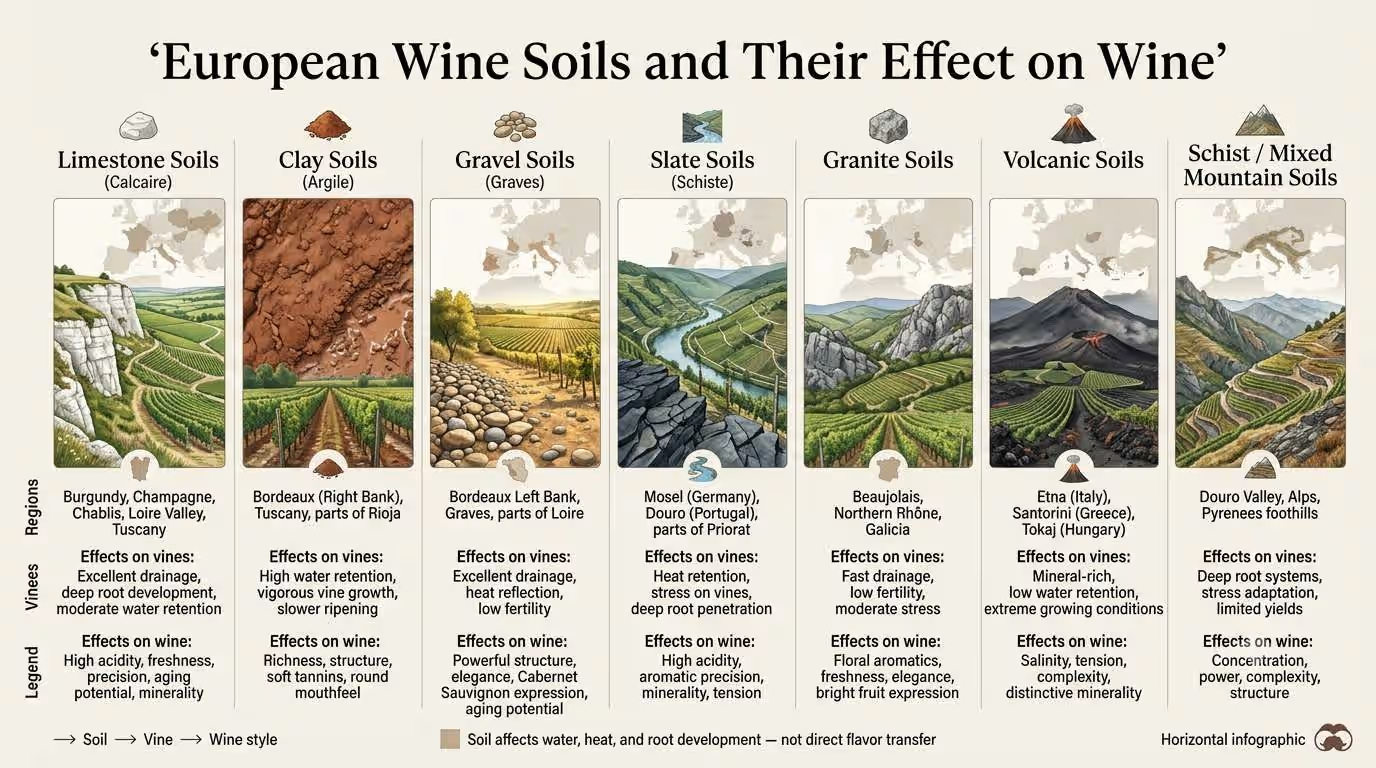
Limestone Soils: The Foundation of Many Great European Wines
Few soil types are more closely associated with quality wine production than limestone. Found throughout many of Europe’s most prestigious wine regions, limestone has played a central role in shaping viticulture for centuries.
Limestone originates primarily from ancient marine environments where the remains of shells, corals, and microscopic organisms accumulated over millions of years. Through compression and geological transformation, these deposits eventually formed extensive limestone formations that today support vineyards across France, Spain, Italy, and parts of Central Europe.
The influence of limestone on viticulture is multifaceted. One of its most important characteristics is its ability to regulate water availability. Limestone soils often provide excellent drainage while simultaneously retaining sufficient moisture within deeper layers. This balance prevents excessive vine vigor while reducing the risk of severe water stress during dry periods.
Limestone also encourages deep root penetration. Rather than relying on surface moisture, vines often develop extensive root systems capable of accessing water reserves and nutrients from considerable depths. This deep rooting behavior contributes to vine resilience and long-term vineyard stability.
Many wine professionals associate limestone terroirs with wines that display freshness, precision, and notable aging potential. Although scientific debate continues regarding the exact mechanisms involved, the correlation between limestone-rich vineyards and high-quality wines remains remarkably consistent throughout Europe.
Some of the continent’s most celebrated limestone regions include Burgundy, Champagne, Chablis, the Loire Valley, parts of Tuscany, Rioja Alavesa, and numerous appellations throughout southern France.
In Burgundy, limestone forms the geological backbone of the Côte d’Or. The subtle variations in limestone composition and depth contribute significantly to the region’s famous mosaic of climats. In Champagne, chalk-rich soils provide exceptional drainage and moisture regulation, helping maintain the acidity essential for sparkling wine production.
The prevalence of limestone among Europe’s most prestigious vineyards explains why many wine historians consider it one of the defining geological foundations of European wine culture.
Slate Soils: Capturing Heat in Cool Climates
Slate is among the most visually distinctive vineyard soils in Europe. Characterized by fractured, dark-colored rock fragments, slate is particularly associated with the steep river valleys of Germany and Luxembourg.
The Mosel Valley represents the most famous example of slate-based viticulture. Here, vineyards planted on dramatic slopes often contain extensive deposits of blue, gray, and red slate formed through ancient geological processes.
The importance of slate lies largely in its thermal properties. In cool-climate regions where ripening can be challenging, slate absorbs solar heat during the day and gradually releases it during the evening. This process helps create slightly warmer conditions around vines and grape clusters.
Such heat retention is especially valuable in northern wine regions where every additional degree of warmth can influence grape maturity. Historically, slate helped make viticulture viable in areas that might otherwise have struggled to ripen grapes consistently.
Slate soils also tend to be shallow, rocky, and relatively low in fertility. These conditions naturally limit vine vigor and encourage the production of smaller, more concentrated grape clusters.
The resulting wines often display remarkable precision, vibrant acidity, and pronounced aromatic complexity. Riesling from the Mosel provides perhaps the most famous expression of slate terroir, producing wines celebrated for their elegance, longevity, and transparency to site.
While Germany remains the primary reference point for slate vineyards, similar formations can also be found in parts of Portugal’s Douro Valley and Spain’s Priorat region.
Granite Soils: Precision and Aromatic Expression
Granite represents another important component of Europe’s geological diversity. Formed through the slow cooling of magma beneath the Earth’s surface, granite creates soils that are generally sandy, acidic, and highly drained.
Unlike limestone, which often retains significant moisture within deeper layers, granite soils typically allow water to move rapidly through the profile. This characteristic encourages vines to develop extensive root systems while limiting excessive vegetative growth.
Granite-derived soils are particularly common in Beaujolais, northern Rhône appellations such as Saint-Joseph and Côte-Rôtie, parts of Galicia in northwestern Spain, and sections of Portugal’s wine-producing landscapes.
Beaujolais offers one of Europe’s most compelling examples of granite terroir. The region’s famous crus are largely planted on weathered granite soils that contribute to the freshness, floral character, and vibrant fruit expression associated with Gamay.
In northern Rhône vineyards, granite plays a significant role in shaping Syrah’s distinctive aromatic profile. Wines produced from these slopes often combine concentration with remarkable elegance and aromatic lift.
The relationship between granite soils and aromatic intensity has attracted considerable interest among wine professionals. Although the exact mechanisms remain complex, many growers believe that granite’s drainage characteristics and low fertility encourage the development of highly expressive fruit.
These vineyards demonstrate how soil structure can influence wine style not through direct flavor transmission, but through its effects on vine physiology and grape development.
Volcanic Soils: Europe's Most Dramatic Terroirs
Volcanic vineyards occupy a special place within European wine culture. Created through eruptions, lava flows, ash deposits, and other volcanic processes, these terroirs combine geological complexity with some of the continent’s most striking landscapes.
Europe contains several important volcanic wine regions, including Mount Etna in Sicily, Campania near Naples, Santorini in Greece, Tokaj in Hungary, and the Canary Islands.
Volcanic soils vary enormously depending on the nature of the eruptions that formed them. They may contain basalt, pumice, volcanic ash, obsidian, or other mineral-rich materials. This diversity makes it difficult to define a single volcanic terroir profile.
Nevertheless, volcanic vineyards often share certain characteristics. Many exhibit excellent drainage, low fertility, and significant mineral complexity. These conditions tend to reduce yields and encourage concentrated fruit production.
Mount Etna provides one of the most fascinating examples. Located on Europe’s most active volcano, Etna’s vineyards are planted on slopes shaped by repeated eruptions over thousands of years. Each lava flow contributes new geological layers, creating extraordinary vineyard diversity.
Similarly, Santorini’s vineyards grow in a uniquely harsh environment characterized by volcanic soils, intense sunlight, strong winds, and minimal rainfall. These conditions have given rise to distinctive viticultural practices and highly recognizable wine styles.
Volcanic terroirs illustrate the dynamic nature of European viticulture. Rather than existing as static landscapes, they continue to evolve through ongoing geological activity, reminding us that terroir is ultimately rooted in Earth’s long-term natural processes.
Gravel Soils: The Foundation of Bordeaux's Great Reds
Among Europe’s most famous vineyard soils, gravel occupies a particularly important position due to its association with Bordeaux.
The gravel deposits of the Médoc and Graves regions were largely formed through ancient river activity. Over millennia, rivers transported stones, pebbles, and sediments that accumulated across extensive areas of southwestern France.
Gravel offers several advantages for viticulture. Its coarse structure promotes excellent drainage, preventing excessive water retention around vine roots. This characteristic is especially beneficial for grape varieties such as Cabernet Sauvignon, which perform best when vines experience moderate water stress.
Gravel also possesses valuable thermal properties. Stones absorb heat during the day and release it gradually after sunset, creating a slightly warmer microclimate around vines. This process contributes to grape ripening in Bordeaux’s relatively moderate maritime climate.
Many of the region’s most prestigious estates are located on gravel-rich rises that provide optimal drainage and exposure. These subtle topographical differences have played a significant role in vineyard classification and land valuation for centuries.
The success of Bordeaux demonstrates how relatively simple geological materials can profoundly influence wine quality when combined with suitable climate and grape varieties.
Clay Soils: Water Retention and Structural Power
Clay is often misunderstood within discussions of terroir. While it lacks the romantic appeal of limestone or slate, clay plays a crucial role in many of Europe’s greatest wine regions.
Clay particles are extremely small, enabling them to retain significant quantities of water. This property makes clay particularly valuable in areas where drought stress could otherwise threaten vine health.
The famous vineyards of Pomerol provide one of Europe’s best-known examples. Here, clay-rich soils contribute to the production of powerful, deeply textured wines, particularly those based on Merlot.
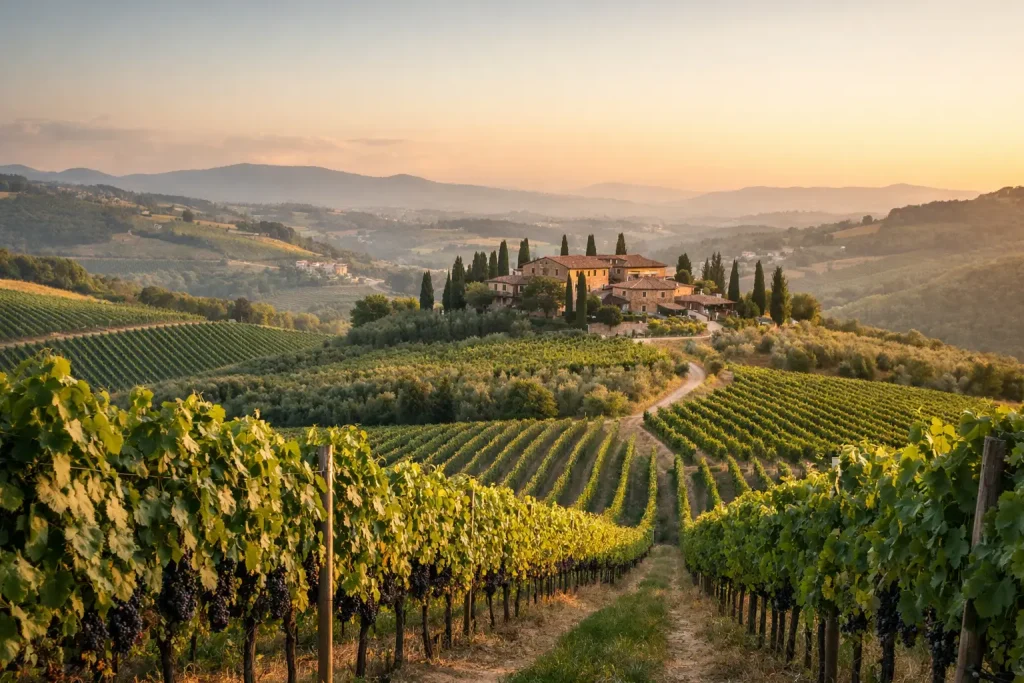
In Tuscany, clay also forms an important component of many vineyard soils. Combined with limestone and other geological materials, it helps regulate water availability during the region’s warm summers.
The influence of clay often manifests indirectly through vine growth patterns. By providing more consistent access to moisture, clay can support steady grape development even under challenging climatic conditions.
When balanced with drainage-promoting materials such as limestone or gravel, clay contributes to some of Europe’s most structured and age-worthy wines.
Rather than existing in isolation, clay frequently participates in complex soil mosaics that illustrate the extraordinary diversity of European terroirs.
Soil Diversity and the Complexity of European Terroirs
One of the greatest misconceptions surrounding vineyard soils is the assumption that each wine region can be reduced to a single geological identity. In reality, Europe’s finest terroirs are often characterized by extraordinary complexity.
Burgundy contains countless variations of limestone, marl, clay, and gravel within relatively small distances. The Douro Valley combines schist, granite, and other geological formations. Tuscany features intricate mixtures of limestone, clay, sandstone, and galestro. Even within individual vineyards, soil composition can change dramatically over short distances.
This diversity helps explain why terroir remains one of the most fascinating and challenging subjects in wine. Every vineyard represents a unique intersection of geology, climate, topography, and human adaptation.
The soil beneath the vine is therefore not simply a growing medium. It is a geological archive, preserving millions of years of Earth history while shaping the wines that continue to define Europe’s viticultural identity.
Climate: The Invisible Architect of European Terroirs
While soils often receive the greatest attention in discussions of terroir, many viticulturists argue that climate exerts an even greater influence on wine style. Soil may determine how a vine accesses water and nutrients, but climate governs the fundamental processes of vine growth, grape ripening, and fruit composition.
Temperature, sunlight, rainfall, wind, humidity, and seasonal variation collectively shape the conditions under which vines develop. These climatic factors explain why certain grape varieties thrive in specific regions and why identical varieties can produce dramatically different wines when cultivated in different environments.
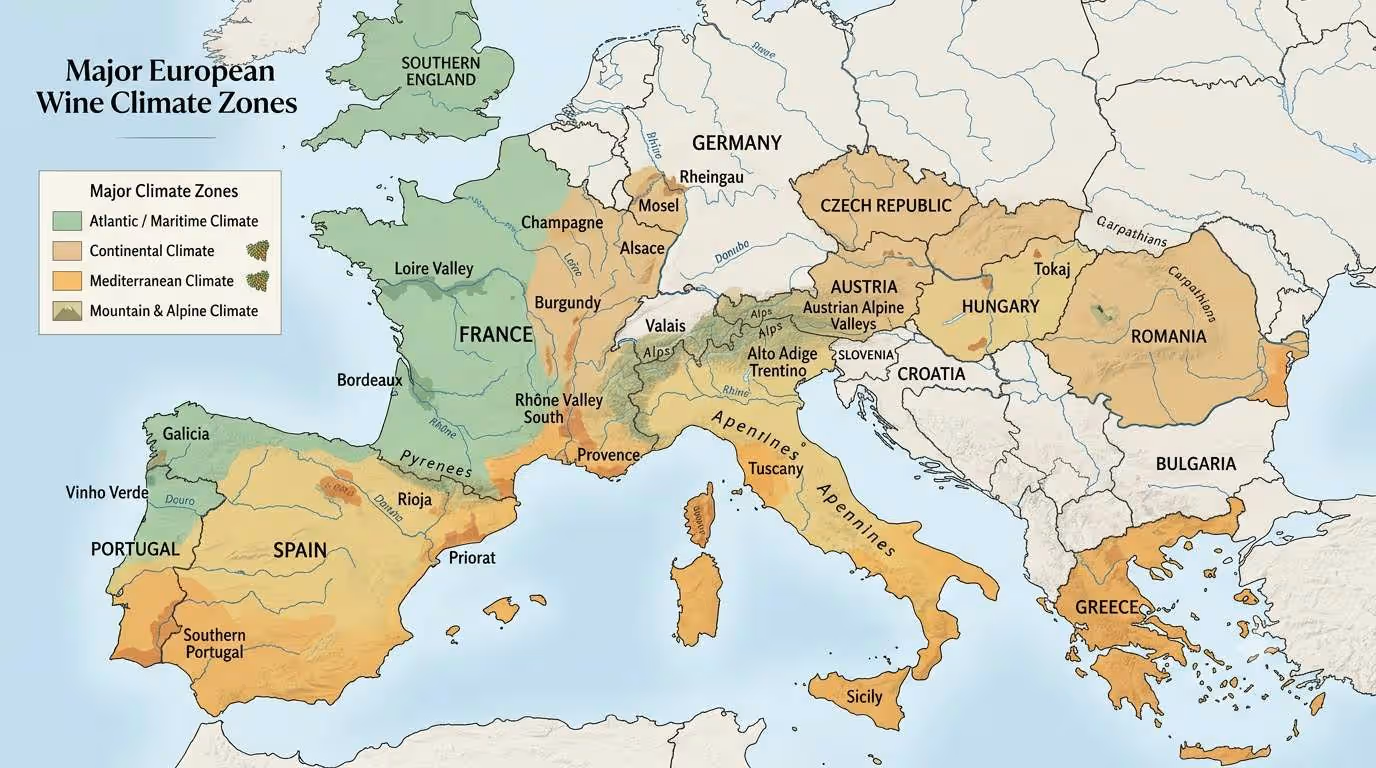
Europe’s remarkable diversity of climates is one of the primary reasons for its extraordinary range of wine styles. Within a relatively compact geographical area, the continent encompasses cool maritime regions, warm Mediterranean landscapes, continental interiors, alpine valleys, and volcanic islands. This diversity has enabled Europe to become home to some of the world’s most distinctive wine regions.
Unlike many New World wine-producing countries, where large vineyard areas often share broadly similar climatic conditions, Europe presents an intricate mosaic of climatic influences that interact with geology and topography to create highly localized terroirs.
The Atlantic Influence
The Atlantic Ocean exerts a profound influence on many of Western Europe’s most important wine regions. Oceanic climates are characterized by relatively moderate temperatures, limited seasonal extremes, and consistent precipitation throughout the year.
Regions such as Bordeaux, the Loire Valley, Galicia, parts of northern Portugal, and southwestern England all experience varying degrees of Atlantic influence.
One of the defining characteristics of maritime climates is temperature moderation. Oceans warm and cool more slowly than land, reducing the risk of extreme heat during summer and severe cold during winter. This creates a relatively stable growing environment that supports gradual grape ripening.
In Bordeaux, Atlantic influences contribute to the production of wines that balance ripeness with freshness. The region’s moderate climate allows Cabernet Sauvignon, Merlot, and Cabernet Franc to develop complex flavor profiles without excessive sugar accumulation.
The Loire Valley demonstrates another expression of maritime terroir. Here, Atlantic air masses contribute to vibrant acidity and aromatic freshness in varieties such as Sauvignon Blanc, Chenin Blanc, and Cabernet Franc.
However, maritime climates also present challenges. Increased humidity can encourage fungal diseases, while frequent rainfall may complicate harvest decisions. The history of viticulture in Atlantic Europe is therefore closely linked to the development of vineyard management practices designed to mitigate these risks.
Continental Climates and Seasonal Extremes
Moving inland, Atlantic influences gradually weaken and continental conditions become more pronounced. Continental climates are characterized by greater seasonal variation, with warmer summers, colder winters, and more significant temperature fluctuations throughout the year.
Many of Europe’s most prestigious wine regions fall within continental climatic zones, including Burgundy, Alsace, Austria’s major wine regions, Hungary’s Tokaj area, and large portions of Central and Eastern Europe.
Continental climates often promote clearer vintage variation than maritime environments. Warm years can produce exceptionally ripe wines, while cooler seasons may result in higher acidity and lower alcohol levels.
Burgundy provides a compelling example of continental influence. The region’s climate allows Pinot Noir and Chardonnay to achieve remarkable site expression, but it also exposes vineyards to frost, hail, and seasonal unpredictability. These climatic risks contribute significantly to the region’s reputation for vintage variation.
In Alsace, the Vosges Mountains create a rain shadow effect that reduces precipitation and supports relatively dry growing conditions despite the region’s northern latitude. This unique combination of continental warmth and limited rainfall contributes to the concentration and longevity of Alsatian wines.
For many wine lovers, continental climates represent an ideal balance between ripeness and freshness, producing wines capable of expressing both grape variety and terroir with remarkable clarity.
Mediterranean Climates and the Pursuit of Ripeness
Southern Europe’s wine regions are largely shaped by Mediterranean climatic influences. Characterized by hot, dry summers and mild winters, Mediterranean climates support some of the oldest wine-growing traditions on the continent.
Spain, southern France, Italy, Greece, and many Mediterranean islands have cultivated vines for thousands of years under these conditions.
The abundance of sunshine promotes reliable grape ripening and reduces the risk of disease. Historically, this climatic stability helped establish Mediterranean Europe as one of the earliest centers of viticulture.
Yet Mediterranean climates also present challenges. Water scarcity, drought stress, and increasingly frequent heatwaves require growers to adapt their vineyard management practices. Traditional methods such as bush vine training, careful canopy management, and the selection of drought-resistant varieties remain essential in many regions.
The Mediterranean climate produces a wide range of wine styles, from the elegant reds of Tuscany to the powerful wines of Priorat, the volcanic whites of Santorini, and the fortified wines of southern Portugal.
Increasingly, altitude has become a crucial factor in Mediterranean viticulture. Higher elevations offer cooler temperatures and extended growing seasons, helping preserve acidity and aromatic complexity despite rising temperatures.
Mountain and Alpine Influences
Europe’s mountain ranges create some of the continent’s most distinctive terroirs. The Alps, Pyrenees, Apennines, Carpathians, and numerous smaller ranges generate highly localized climatic conditions that influence vineyard performance.
Altitude plays a particularly important role. As elevation increases, temperatures generally decline, slowing grape ripening and preserving acidity. This allows vineyards in warmer regions to maintain balance and freshness.
Alto Adige in northern Italy illustrates the importance of mountain terroirs. Vineyards planted at varying elevations experience dramatically different growing conditions, contributing to the region’s remarkable diversity of wine styles.
Mountain valleys also influence airflow, sunlight exposure, and precipitation patterns. Cold air drainage can reduce frost risk, while slopes maximize solar interception and improve drainage.
As climate change continues to reshape European viticulture, mountain vineyards are attracting increasing attention due to their capacity to provide cooler growing environments.
The Importance of Diurnal Temperature Variation
Beyond broad climatic categories, one of the most important factors affecting wine quality is diurnal temperature variation — the difference between daytime and nighttime temperatures.
Large day-night temperature swings slow respiration within grapes and help preserve acidity while allowing sugars and flavor compounds to accumulate during daylight hours.
Regions such as Ribera del Duero, parts of Tuscany, many Alpine valleys, and numerous high-altitude Mediterranean vineyards benefit from significant diurnal variation.
This phenomenon often contributes to wines that combine ripeness with freshness, concentration with elegance, and power with aromatic precision.
For many viticulturists, diurnal variation represents one of the most important yet underappreciated components of terroir.
The Importance of Topography: How Landscape Shapes European Terroirs
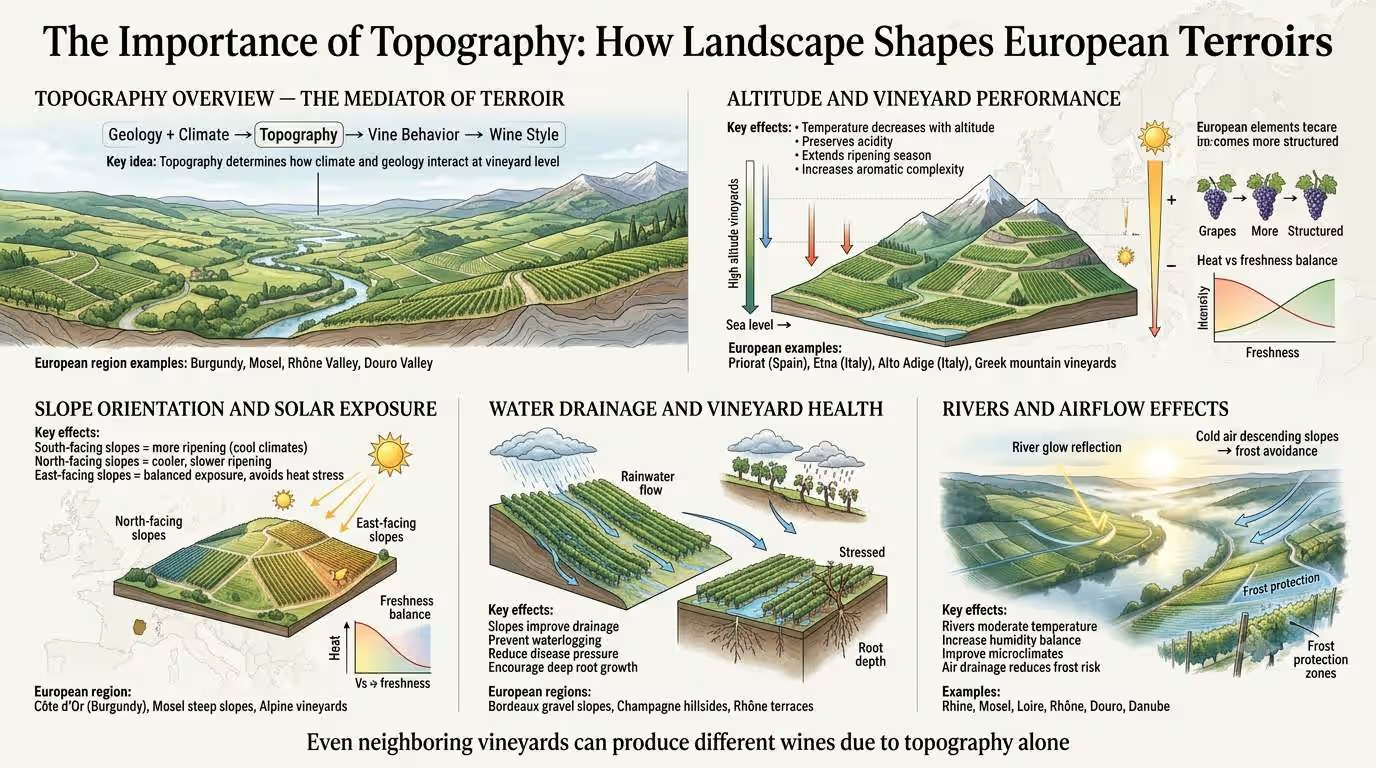
While geology provides the foundation and climate establishes the broader environmental framework, topography determines how these forces interact at the vineyard level. Even within a single wine region, subtle variations in elevation, slope, aspect, and proximity to rivers can create dramatically different growing conditions.
This is one of the reasons why Europe’s greatest wine regions are often associated with hillsides rather than flat agricultural plains. Across Burgundy, the Mosel, the Douro Valley, the Rhône Valley, and countless other regions, vineyard quality frequently correlates with topographical advantages that have been recognized and exploited for centuries.
Topography acts as a mediator between climate and vine. It influences sunlight exposure, air circulation, water drainage, temperature regulation, and frost risk. In many regions, these effects are so significant that neighboring vineyards can produce markedly different wines despite sharing similar soils and climatic conditions.
Understanding European terroirs therefore requires an appreciation of landscape itself.
Altitude and Vineyard Performance
Altitude is among the most important topographical variables affecting vine development. As elevation increases, temperatures generally decline. A commonly cited rule suggests that temperature decreases by approximately 0.6°C for every 100 meters of elevation gain, although local conditions can vary considerably.
For viticulture, this cooling effect can be both beneficial and challenging.
In warm regions, altitude helps preserve acidity, slow sugar accumulation, and extend the growing season. This allows grapes to develop greater aromatic complexity while maintaining freshness. In Mediterranean Europe, where rising temperatures increasingly threaten balance, higher-elevation vineyards have become particularly valuable.
Regions such as Priorat in Spain, Mount Etna in Sicily, Alto Adige in northern Italy, and many Greek mountain vineyards benefit significantly from altitude. These sites often produce wines that combine ripe fruit with remarkable elegance and structure.
Conversely, excessive altitude can limit ripening potential, especially in cooler climates. Historically, European winegrowers carefully identified elevation ranges that provided optimal conditions for specific grape varieties. This process of observation and adaptation forms an essential part of Europe’s viticultural heritage.
Slope Orientation and Solar Exposure
The direction a vineyard faces can dramatically influence its microclimate.
In the Northern Hemisphere, south-facing slopes receive greater solar radiation than north-facing slopes. This increased exposure enhances grape ripening, particularly in cooler climates where sunlight availability may be a limiting factor.
Many of Europe’s most celebrated vineyards occupy south or southeast-facing slopes. The Côte d’Or in Burgundy, the steep terraces of the Mosel, and numerous Alpine vineyards all benefit from favorable orientation.
However, orientation is not universally advantageous. In warmer climates, excessive sun exposure may increase heat stress and accelerate ripening. Under such conditions, east-facing slopes that receive gentle morning sunlight while avoiding intense afternoon heat can provide superior balance.
The significance of orientation illustrates the complexity of terroir. The same topographical characteristic may be beneficial in one region and problematic in another depending on climatic context.
Water Drainage and Vineyard Health
One of the principal advantages of hillside vineyards is improved drainage.
Excessive water can encourage vigorous vegetative growth, dilute grape quality, and increase disease pressure. Sloping terrain naturally facilitates water movement, preventing prolonged saturation around vine roots.
Throughout Europe, growers have long recognized the value of well-drained sites. In many regions, the most prestigious vineyards occupy slopes where drainage combines with favorable exposure and air circulation.
The importance of drainage is particularly evident in regions characterized by significant rainfall. Here, topography helps mitigate climatic challenges that might otherwise compromise grape quality.
Drainage also influences root development. Vines growing on well-drained slopes often develop deeper root systems, enhancing resilience during dry periods and increasing access to diverse soil horizons.
Rivers and Their Influence on Terroir
Some of Europe’s greatest wine regions owe much of their success to nearby rivers.
The Rhône, Rhine, Mosel, Loire, Douro, Danube, and Gironde estuary all play vital roles in shaping local terroirs. Rivers moderate temperatures, reflect sunlight, influence humidity, and create unique microclimates favorable to viticulture.
In the Mosel Valley, steep slate vineyards benefit from both solar reflection and thermal moderation provided by the river. The Douro River contributes to the climatic conditions that support Portugal’s historic wine industry. Along the Rhine, river influences help create suitable growing conditions in areas that might otherwise be too cool for successful viticulture.
Historically, rivers also facilitated trade, communication, and cultural exchange. Many European wine regions developed along major waterways not only because of favorable terroir but also because rivers provided essential transportation routes.
The interaction between rivers and vineyards therefore reflects both environmental and historical dimensions of European wine culture.
Airflow and Frost Protection
Air movement is another often-overlooked component of topography.
Cold air behaves much like water, flowing downhill and accumulating in low-lying areas. Vineyards located on slopes often benefit from improved air drainage, reducing frost risk during vulnerable periods of the growing season.
This factor is especially important in continental climates where spring frosts can devastate emerging shoots. Many famous vineyard sites owe part of their reputation to topographical features that reduce frost exposure.
Air circulation also helps control humidity and disease pressure. Gentle airflow can reduce the prevalence of fungal diseases by promoting faster drying of leaves and grape clusters after rainfall.
These subtle topographical advantages may appear insignificant when viewed individually. However, over centuries, their cumulative effects have contributed significantly to the identification of Europe’s finest vineyard sites.
Human Influence: The Cultural Dimension of Terroir
Among all components of terroir, human influence is perhaps the most misunderstood.
Popular discussions often emphasize geology, soil, and climate while treating human intervention as something separate from terroir. European wine culture generally rejects this distinction. In many traditional interpretations, terroir includes not only natural conditions but also the accumulated knowledge of generations who have learned to work with those conditions.
This perspective reflects a fundamental truth: vineyards are cultural landscapes.
Unlike forests or natural ecosystems, vineyards exist because humans have continuously shaped them. Terraces were constructed, slopes cleared, drainage systems installed, grape varieties selected, and vineyard boundaries established through centuries of human labor.
The European concept of terroir therefore encompasses both nature and culture.
The Legacy of Ancient Viticulture
The relationship between European societies and viticulture extends back more than two millennia.
The Greeks introduced viticulture to many parts of the Mediterranean. The Romans expanded vineyards throughout much of Western Europe, establishing wine-growing traditions that survive to this day.
Roman agricultural writers documented observations regarding vineyard location, soil suitability, and climatic influences. Although their understanding lacked the scientific framework available today, many of their practical insights proved remarkably accurate.
The Roman contribution to European terroir extends beyond vineyard establishment. Their emphasis on site selection laid important foundations for future generations of winegrowers.
Monastic Communities and the Mapping of Terroir
Perhaps no group contributed more to the development of European terroir than the monastic orders of the Middle Ages.
Following the collapse of the Western Roman Empire, monasteries became important centers of agricultural knowledge. Among the most influential were the Benedictines and Cistercians, whose vineyards played a central role in the evolution of regions such as Burgundy, Champagne, Alsace, and parts of Germany.
Monks possessed several advantages that encouraged long-term observation. Unlike individual farmers, monasteries often maintained continuous ownership of vineyard land for centuries. This continuity enabled the accumulation of detailed knowledge regarding site performance.
Over generations, monks observed that certain vineyard parcels consistently produced superior wines. They documented these differences, refined vineyard boundaries, and developed increasingly sophisticated understandings of local terroirs.
The famous vineyard classifications of Burgundy owe much to these centuries of monastic observation.
Although modern science has transformed viticulture, many vineyard boundaries established during the medieval period continue to define some of Europe’s most prestigious wine regions.
Grape Variety Selection and Adaptation
Human influence is also evident in the selection of grape varieties.
Throughout history, growers identified varieties best suited to local conditions. Pinot Noir became associated with Burgundy, Riesling with parts of Germany, Nebbiolo with Piedmont, Tempranillo with Rioja, and Sangiovese with Tuscany.
These associations were not accidental. They emerged through centuries of experimentation, adaptation, and selection.
The suitability of a grape variety to a particular terroir often determines whether site characteristics can be effectively expressed through wine. A variety poorly adapted to local conditions may obscure terroir differences, while an appropriate variety can reveal them with remarkable clarity.
This relationship between grape variety and place remains one of the defining characteristics of European wine culture.
Traditional Viticultural Practices
Many vineyard practices themselves represent forms of terroir adaptation.
Terracing in the Douro Valley, bush vine training in Mediterranean regions, pergola systems in parts of Italy, and high-density planting in Burgundy all reflect responses to specific environmental conditions.
These practices evolved not through theoretical planning but through practical experience accumulated over generations.
As a result, traditional viticultural methods often embody valuable knowledge regarding local terroirs. While modern technology continues to influence vineyard management, many historic practices remain relevant because they address challenges specific to particular environments.
The Creation of Appellation Systems
The ultimate expression of Europe’s terroir philosophy emerged through the creation of appellation systems.
Beginning in the early twentieth century, countries such as France, Italy, Spain, Portugal, Germany, and others developed legal frameworks designed to protect the relationship between wine and place.
These systems sought to preserve not only geographical origins but also cultural traditions associated with specific regions.
Appellations represent a formal recognition that certain wines derive their identity from particular combinations of natural and human factors. They embody the belief that terroir deserves protection because it reflects centuries of accumulated knowledge and cultural heritage.
Today, European appellation systems continue to influence wine regulations worldwide, demonstrating the enduring significance of terroir as both an agricultural and cultural concept.
Europe's Great Terroir Models
One of the reasons Europe remains the global reference for terroir-driven wine is that it offers multiple interpretations of the terroir concept. While the word itself is often used as though it describes a single philosophy, the reality is far more complex.
Across the continent, different regions developed distinct ways of understanding the relationship between land, climate, grape varieties, and wine quality. Some regions focused on individual vineyard parcels. Others emphasized estates, villages, river valleys, or entire landscapes. Together, these models illustrate the remarkable diversity of European viticulture.
Studying Europe’s great terroir models provides valuable insight into why certain regions achieved global recognition and why their influence continues to shape wine production around the world.
Burgundy: The Parcel-Based Terroir Model
No region is more closely associated with terroir than Burgundy.
For many wine professionals, Burgundy represents the purest expression of the idea that small differences in place can produce profound differences in wine. Nowhere else in Europe has the relationship between vineyard site and wine identity been studied, documented, and classified with such precision.
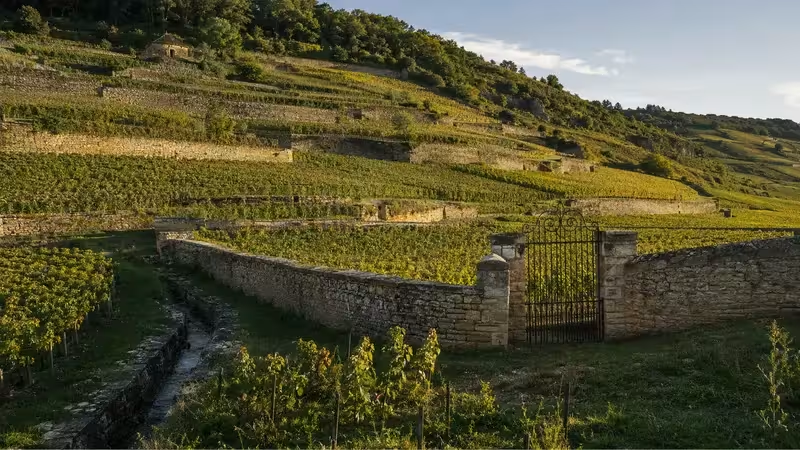
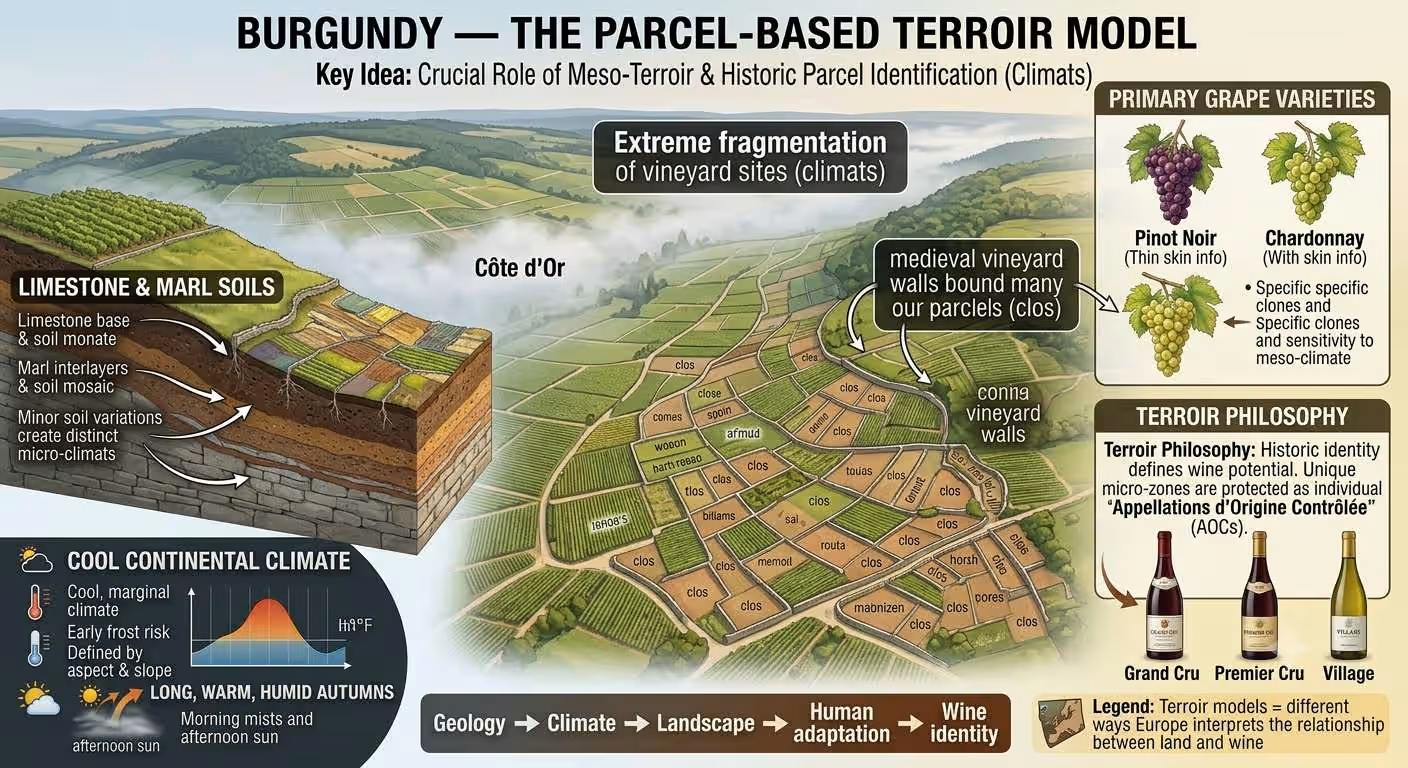
Stretching from Chablis in the north to the Mâconnais in the south, Burgundy contains hundreds of vineyard sites that have been observed and evaluated over centuries. The region’s most famous vineyards are located along the Côte d’Or, where a narrow band of limestone slopes creates ideal conditions for Pinot Noir and Chardonnay.
What makes Burgundy unique is its emphasis on the vineyard parcel itself. Rather than focusing primarily on producers or estates, Burgundy’s hierarchy is based on specific sites known as climats. Each climat represents a precisely defined vineyard area distinguished by unique combinations of geology, soil composition, drainage, slope, altitude, and exposure.
Some climats cover only a few hectares, yet they possess identities recognized by growers and wine lovers worldwide.
The origins of this system can be traced to centuries of monastic observation. Benedictine and Cistercian monks carefully studied vineyard performance and identified sites that consistently produced superior wines. Over generations, these observations evolved into one of the most sophisticated vineyard classification systems ever created.
Today, Burgundy’s Grand Crus and Premier Crus reflect the culmination of this historical process. Wines from neighboring parcels may differ dramatically despite sharing the same grape variety and experiencing similar climatic conditions.
The region therefore provides perhaps the clearest demonstration of terroir’s central principle: that place matters.
Burgundy’s influence extends far beyond France. Its parcel-based philosophy inspired generations of winemakers around the world and remains one of the most influential models in modern viticulture.
Bordeaux: The Estate-Based Terroir Model
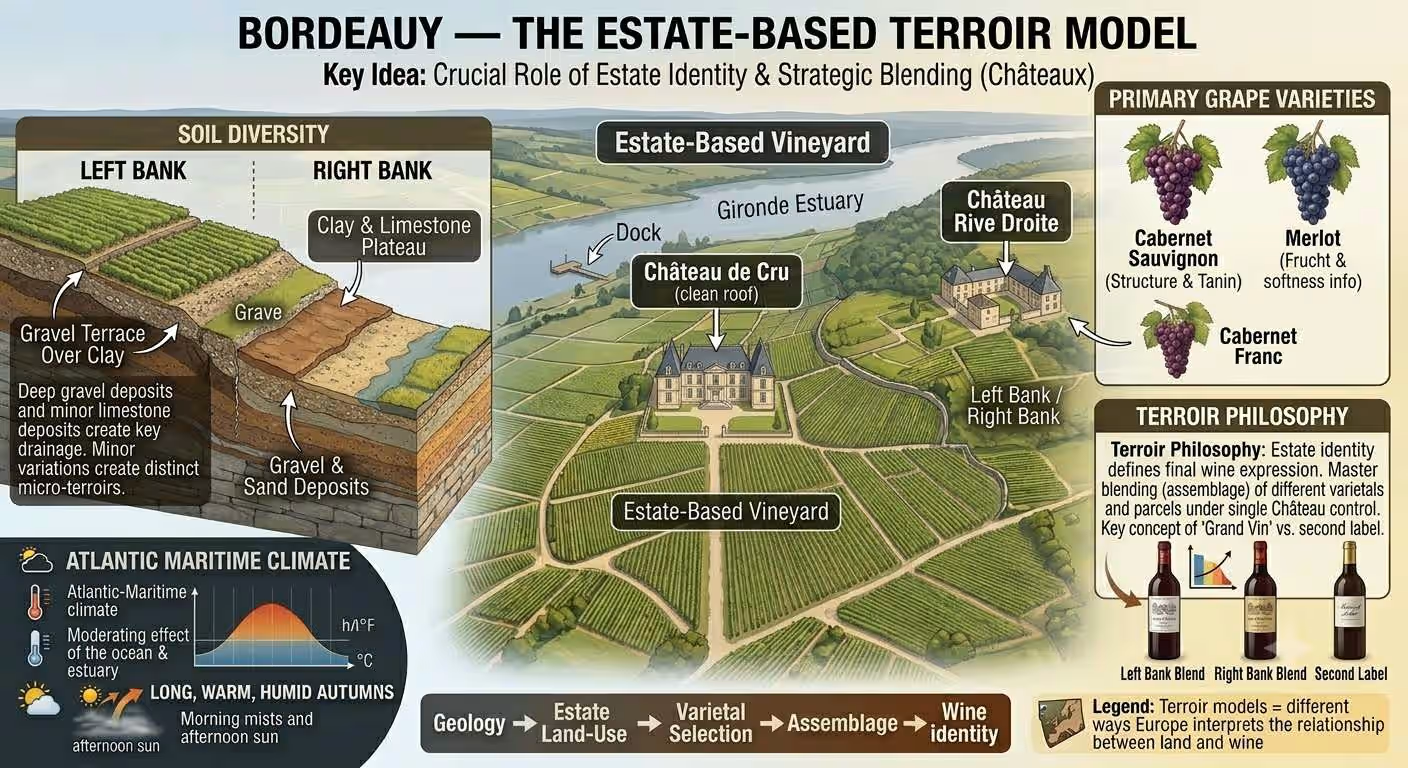
If Burgundy represents the triumph of the vineyard parcel, Bordeaux illustrates a different interpretation of terroir.
Located in southwestern France, Bordeaux developed around large estates rather than fragmented vineyard holdings. While terroir remains critically important, the region historically emphasized the relationship between vineyard land, estate management, and commercial identity.
The geography of Bordeaux plays a significant role in this distinction. The region’s vineyards extend across vast areas influenced by the Atlantic Ocean and the Gironde estuary. Gravel ridges, clay soils, limestone plateaus, and river systems create considerable geological diversity.
However, unlike Burgundy, Bordeaux’s reputation became closely tied to individual châteaux. Over time, estates developed recognizable identities based on their specific terroirs and winemaking traditions.
The famous 1855 Classification exemplifies this approach. Rather than ranking individual vineyard parcels, the system classified estates according to reputation and market value. Although the classification reflected terroir quality indirectly, it reinforced the importance of the château as the central unit of identity.
The gravel soils of the Médoc provide a classic example of Bordeaux terroir. These well-drained soils favor Cabernet Sauvignon, producing wines known for structure, longevity, and complexity. Meanwhile, the clay-rich soils of Pomerol support Merlot, generating wines of remarkable richness and texture.
Bordeaux demonstrates that terroir can operate at multiple scales. While individual vineyard sites matter, the region’s historical development placed greater emphasis on estate-level expression.
Today, Bordeaux remains one of the world’s most influential wine regions and a powerful example of how terroir, commerce, and history can become intertwined.
The Mosel: The River Terroir Model
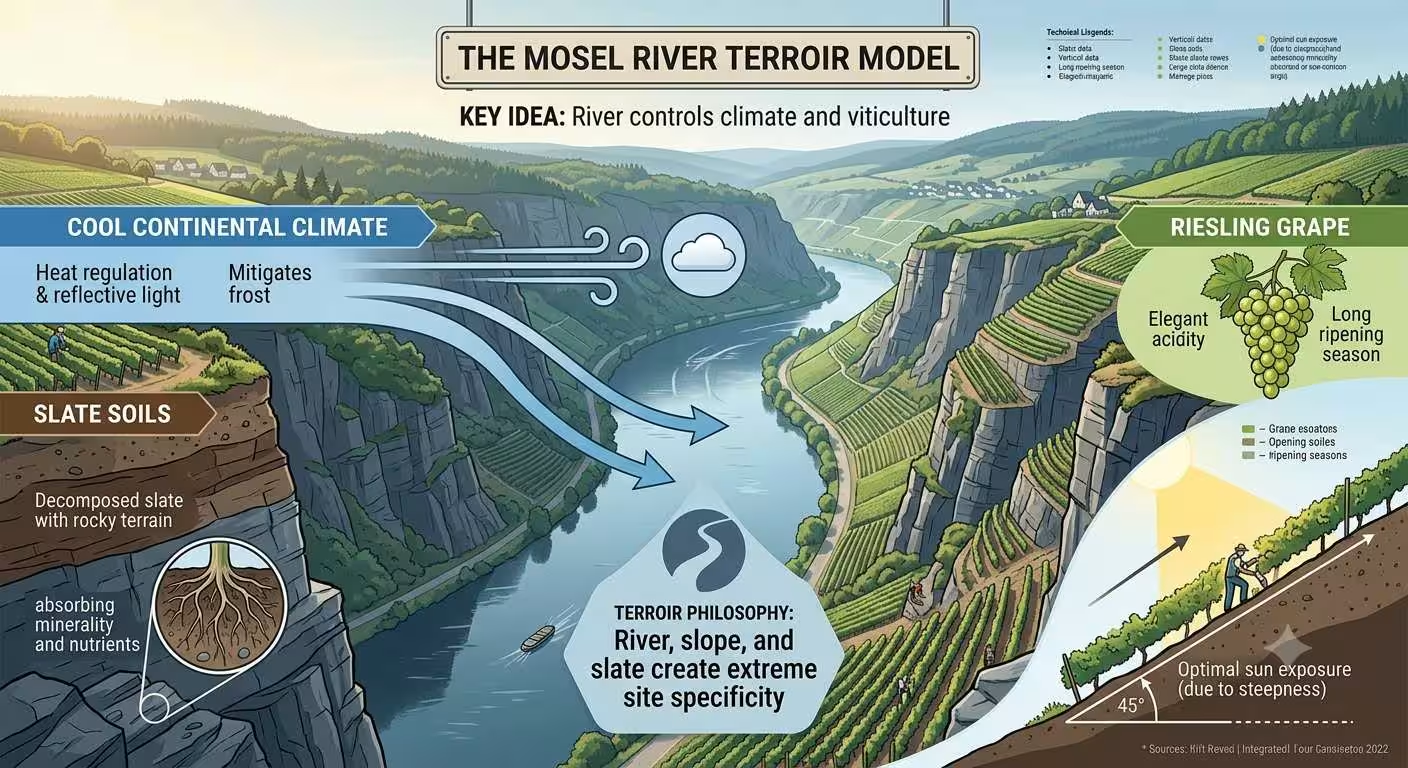
Few wine regions illustrate the interaction between landscape and viticulture more dramatically than Germany’s Mosel Valley.
Here, vineyards cling to steep slopes overlooking a winding river that has shaped both the physical landscape and the region’s wine culture for centuries.
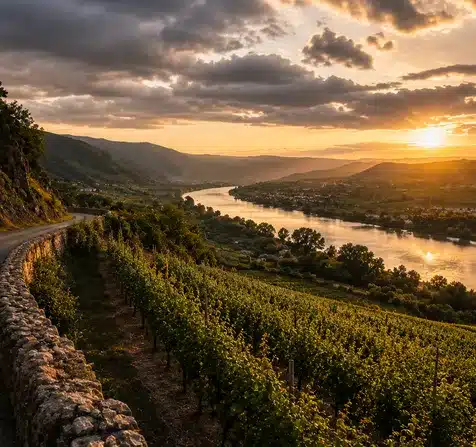
The Mosel’s terroir is defined by several interrelated factors. Steep slopes maximize solar exposure in a cool northern climate. Slate soils absorb and retain heat. The river moderates temperatures and reflects sunlight onto vineyard terraces.
Together, these factors create conditions suitable for Riesling, a grape variety capable of expressing terroir with extraordinary transparency.
The Mosel demonstrates that terroir is often more than soil alone. The river itself plays a central role in vineyard performance. Without the moderating influence of the Mosel River, many vineyards would struggle to ripen grapes consistently.
Historically, growers developed extensive terrace systems to cultivate these challenging slopes. Vineyard work remains labor-intensive, reflecting the extreme nature of the landscape.
The resulting wines are among the most distinctive in Europe. Characterized by vibrant acidity, aromatic precision, and remarkable longevity, Mosel Rieslings provide a compelling example of how river environments can shape wine identity.
The Mosel model highlights the importance of topography, water, and climate working together within a single terroir system.
The Douro Valley: The Mountain Terroir Model
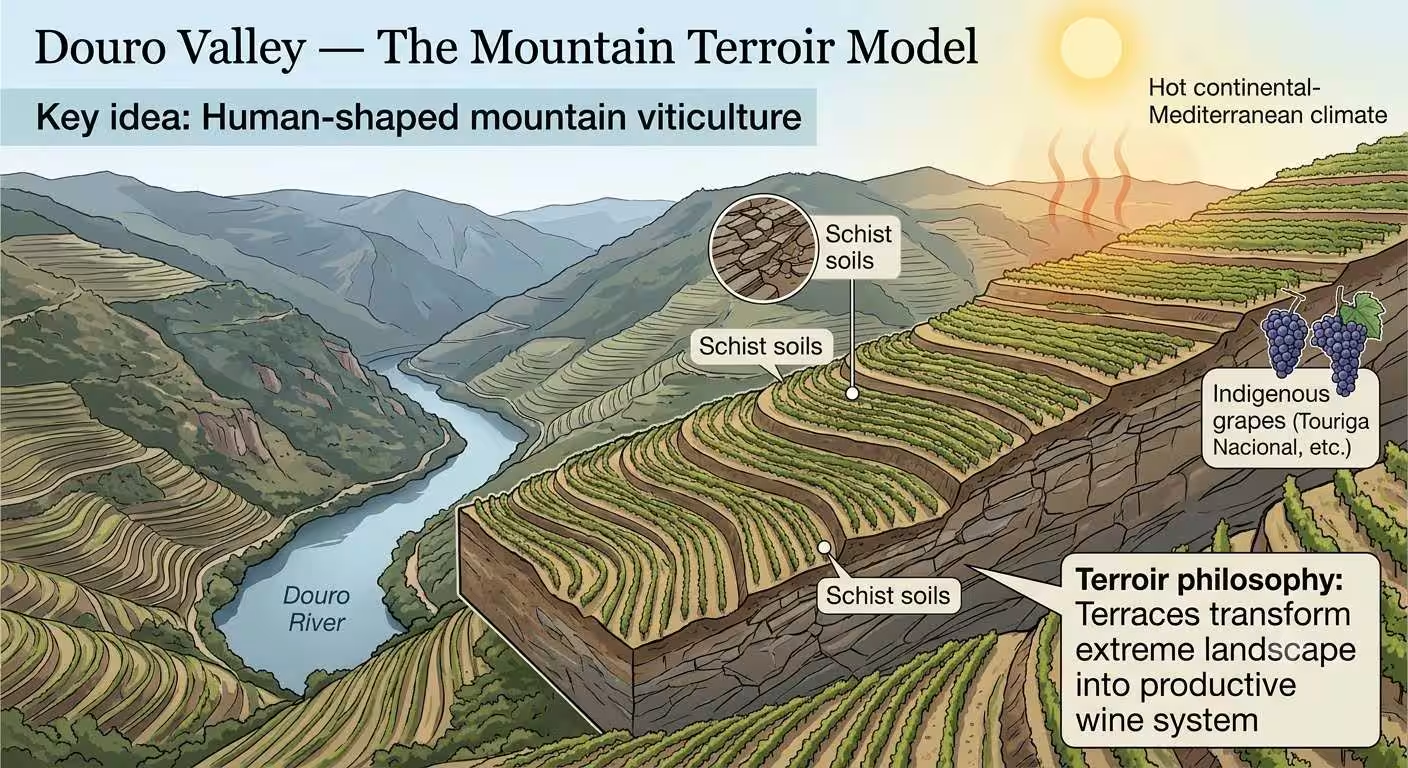
Portugal’s Douro Valley offers one of Europe’s most dramatic examples of mountain viticulture.
Carved by the Douro River and surrounded by rugged hills, the region is characterized by steep slopes, schist-rich soils, intense sunlight, and limited rainfall. These conditions create a challenging environment for agriculture but an exceptional setting for wine production.
For centuries, growers transformed the landscape through the construction of terraces. These engineering achievements allowed vineyards to be planted on slopes that would otherwise be inaccessible.
The dominant geological feature of the Douro is schist, a metamorphic rock that fractures easily and allows vine roots to penetrate deeply. These deep roots are essential for accessing water during the region’s hot, dry summers.
Unlike cooler European regions where heat accumulation can be a challenge, the Douro’s primary concern is often the management of extreme temperatures. Vineyard orientation, altitude, and soil depth all influence how vines respond to these conditions.
Historically, the region became famous for Port wine, but modern dry wines have increasingly demonstrated the remarkable complexity of Douro terroirs.
The Douro model emphasizes adaptation. Here, terroir is not merely a natural gift but a landscape actively shaped by human ingenuity in response to demanding environmental conditions.
Tokaj: The Volcanic and Continental Terroir Model
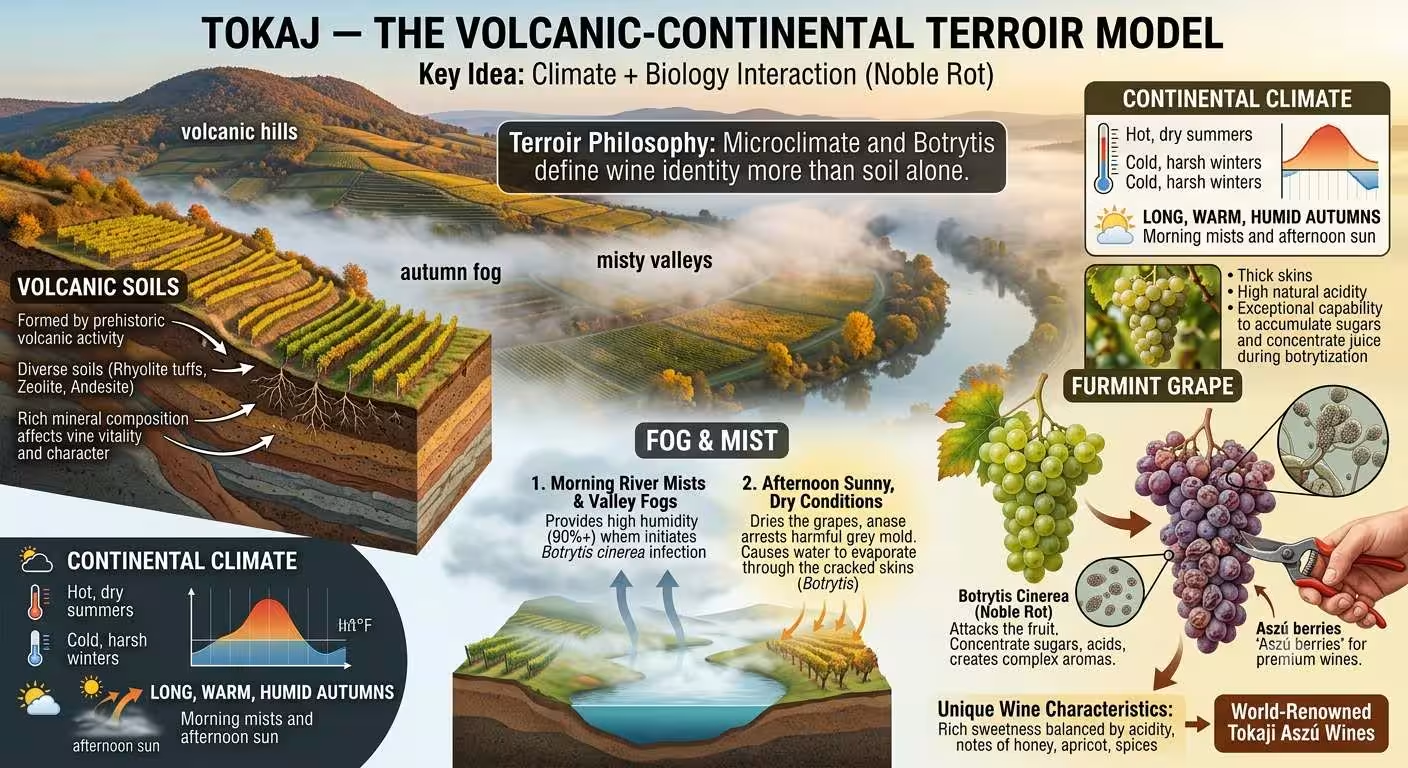
Located in northeastern Hungary, Tokaj occupies a unique position within Europe’s terroir landscape.
The region combines volcanic geology, continental climate influences, complex topography, and centuries of winemaking tradition. This combination has produced one of the continent’s most distinctive wine styles and one of its oldest protected wine regions.
Volcanic soils contribute to vineyard diversity throughout Tokaj. Formed through ancient eruptions, these soils provide excellent drainage and a complex geological foundation for vine growth.
The continental climate introduces significant seasonal variation. Warm summers support grape ripening, while cold winters help define the region’s annual cycle.
Perhaps most importantly, the interaction between rivers, autumn mists, and vineyard microclimates encourages the development of noble rot (Botrytis cinerea), a fungus essential for the production of Tokaji Aszú.
For centuries, Tokaji wines ranked among Europe’s most prestigious exports. They were celebrated in royal courts and often referred to as the “Wine of Kings, King of Wines.”
Tokaj demonstrates how terroir can extend beyond geology and climate to include highly specific biological processes. The region’s identity depends upon a delicate interaction between environmental conditions that remains difficult to replicate elsewhere.
Santorini: The Extreme Mediterranean Terroir Model
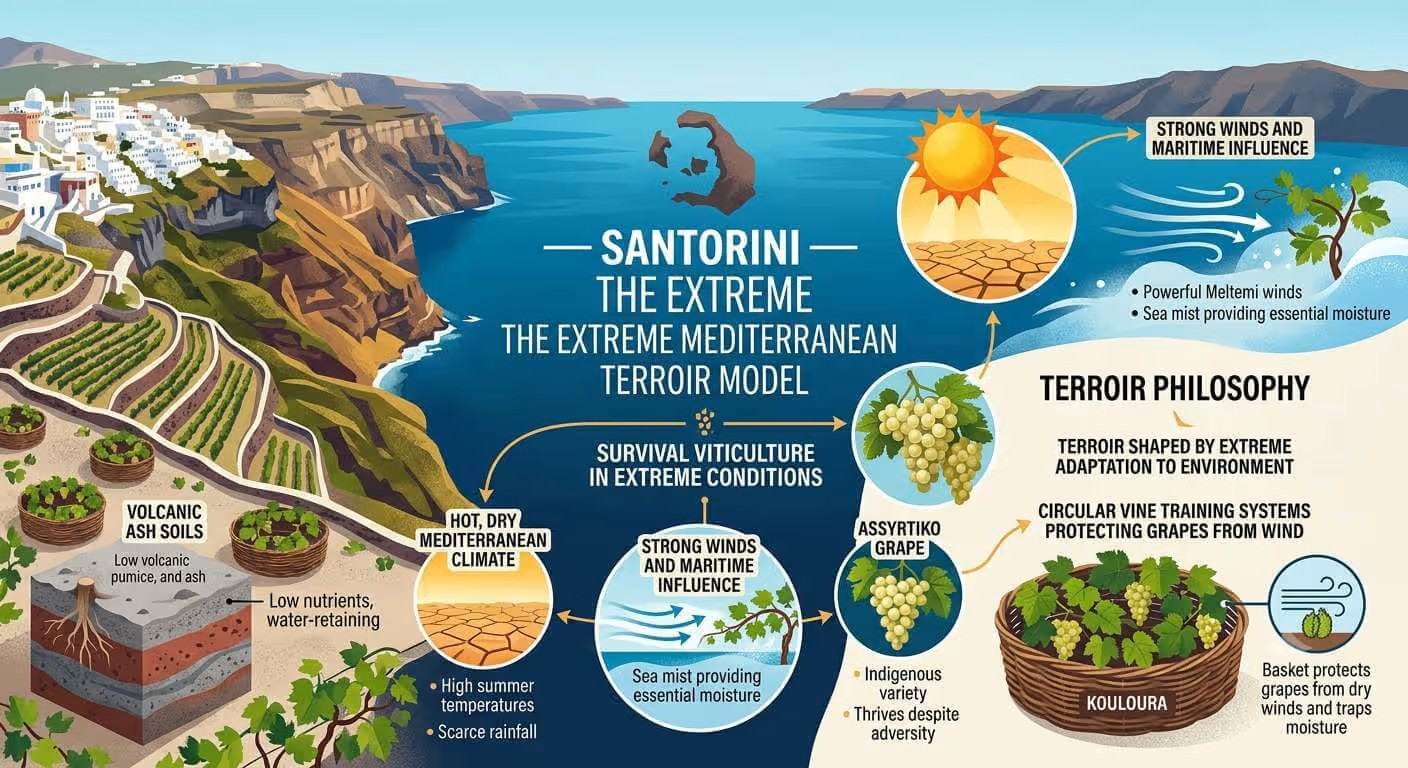
Among Europe’s most distinctive terroirs, few are as visually striking as Santorini.
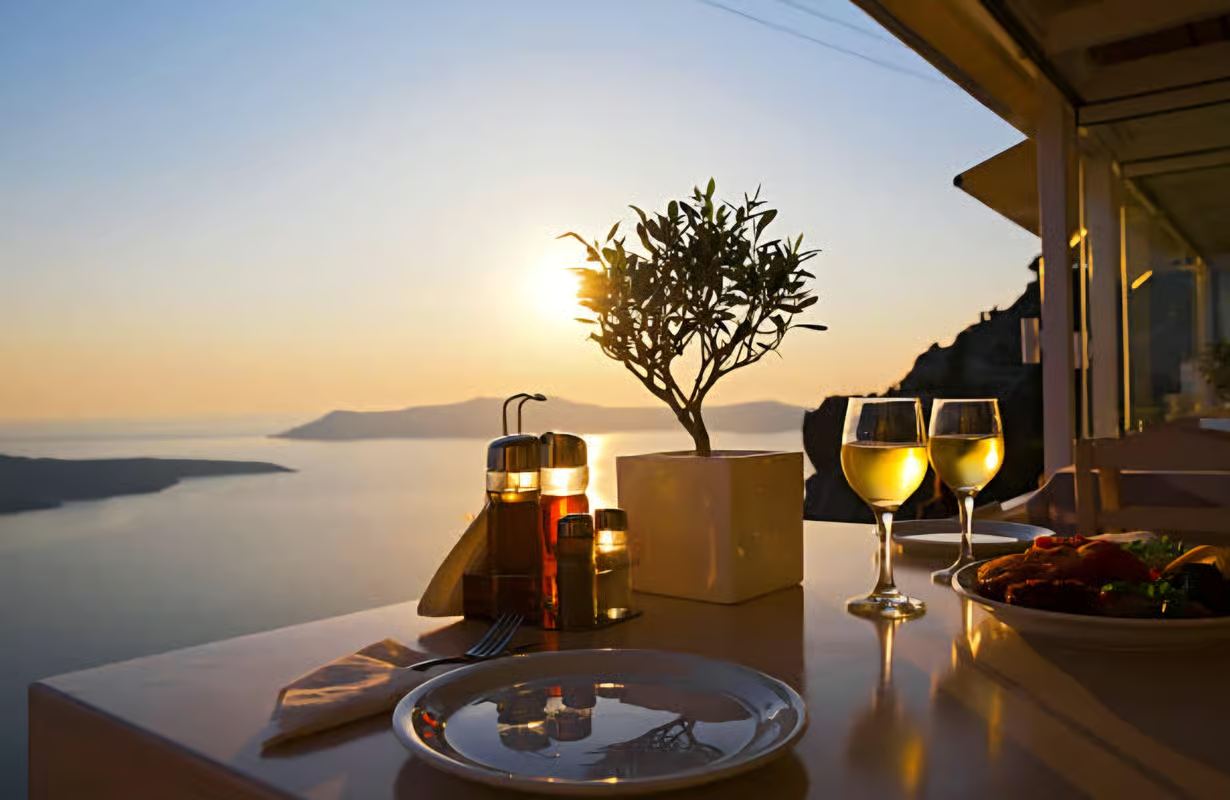
This Greek island emerged from one of the largest volcanic eruptions in human history. The resulting landscape is characterized by volcanic soils, intense sunlight, strong winds, and exceptionally low rainfall.
Viticulture on Santorini requires extraordinary adaptation. Traditional vine training systems, known as kouloura, involve weaving vines into basket-like shapes that protect grapes from wind and excessive solar exposure.
Water scarcity represents one of the island’s greatest challenges. With limited rainfall and no significant river systems, vines rely heavily on moisture captured from sea mists and nighttime condensation.
Despite these harsh conditions, Santorini produces some of Europe’s most distinctive white wines, particularly from the Assyrtiko grape variety.
The island demonstrates that terroir can emerge even under extreme environmental constraints. Rather than limiting quality, adversity often contributes to uniqueness.
Santorini’s wines reflect a landscape where geology, climate, and human adaptation have combined to create one of the world’s most remarkable viticultural environments.
Comparing Europe's Terroir Models
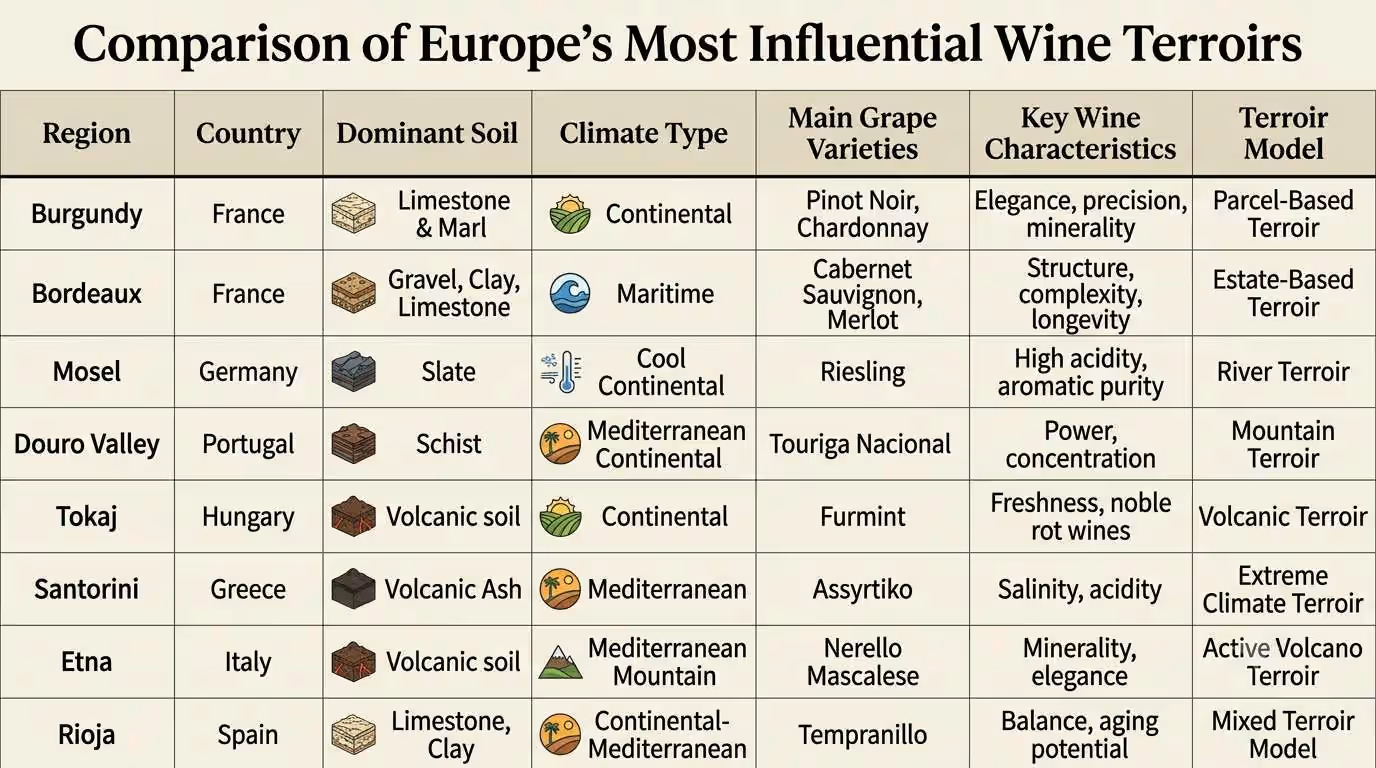
These regions illustrate that there is no single European terroir model.
Burgundy emphasizes vineyard parcels.
Bordeaux highlights estates.
The Mosel focuses on river landscapes.
The Douro demonstrates mountain adaptation.
Tokaj combines volcanic geology with unique biological processes.
Santorini reveals how viticulture can flourish under extreme environmental conditions.
Together, they show that terroir is not a fixed formula but a framework for understanding the relationship between place and wine. Each model reflects a different historical, geographical, and cultural response to the challenges of grape growing.
Their collective influence explains why Europe remains the world’s most important laboratory of terroir-driven viticulture and why its wine regions continue to serve as reference points for producers across the globe.
10 most frequent questions about Europe wine terroir
What does “terroir” mean in European wine?
Terroir refers to the combination of natural and human factors that shape a wine’s character, including soil, climate, topography, grape variety, and centuries of viticultural tradition. In Europe, terroir is considered essential to wine identity.
Why is Europe so important for wine terroir?
Europe is the historical birthplace of the terroir concept. Over thousands of years, regions like Burgundy, Bordeaux, and the Mosel developed a deep understanding of how land influences wine, leading to the world’s most detailed vineyard classifications and appellation systems.
What are the main soil types in European vineyards?
The most important vineyard soils in Europe include limestone, clay, gravel, slate, granite, schist, and volcanic soils. Each soil type influences vine growth differently and contributes to the diversity of European wine styles.
How does climate affect wine terroir in Europe?
Climate determines grape ripening and wine style. Europe includes Atlantic, continental, Mediterranean, and mountain climates, each producing distinct wine profiles ranging from fresh and acidic to rich and powerful.
What is the difference between Atlantic and Mediterranean terroirs?
Atlantic terroirs (like Bordeaux or Galicia) are cooler and more humid, producing fresher wines with higher acidity. Mediterranean terroirs (like Tuscany or southern Spain) are warmer and drier, producing riper, more concentrated wines.
Why is Burgundy considered the best example of terroir?
Burgundy is famous for its parcel-based terroir system called “climats,” where even small vineyard differences produce distinct wines. This precision makes it one of the clearest expressions of terroir in the world.
How does geology influence European wine regions?
Geology determines the long-term structure of vineyard soils. Ancient seas created limestone, volcanic activity formed mineral-rich soils, and glacial movements shaped valleys and river systems that define many European wine regions today.
How does terroir affect the taste of wine?
Terroir influences acidity, body, aroma, and structure by affecting how grapes ripen and how vines grow in a specific environment.
What is the best climate for wine growing in Europe?
There is no single “best” climate. Cool continental climates, maritime Atlantic climates, and warm Mediterranean climates all produce high-quality wines..
What are examples of volcanic wine terroirs in Europe?
Famous volcanic terroirs include Mount Etna in Italy, Santorini in Greece, Tokaj in Hungary, and parts of the Canary Islands.