Table of Contents
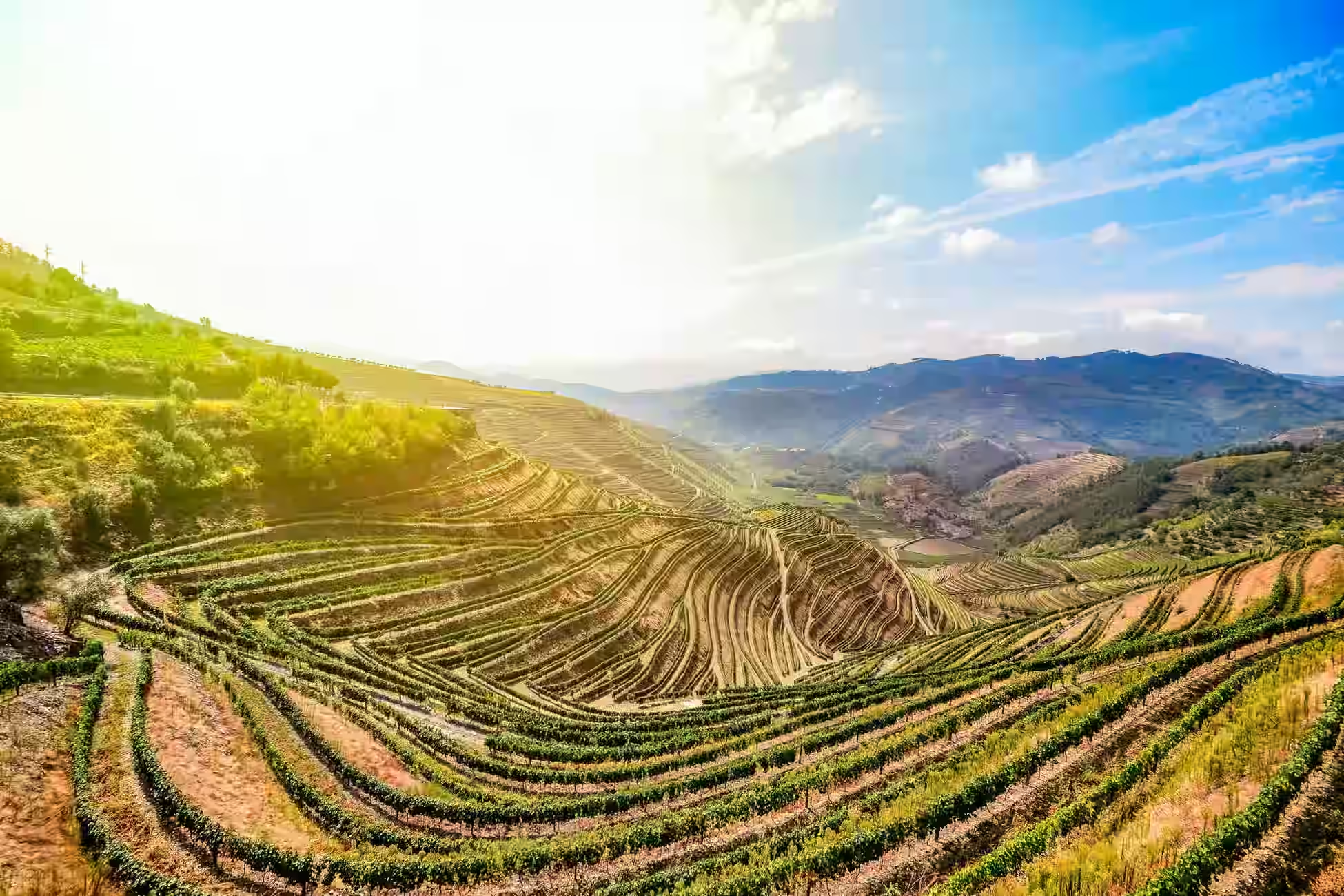
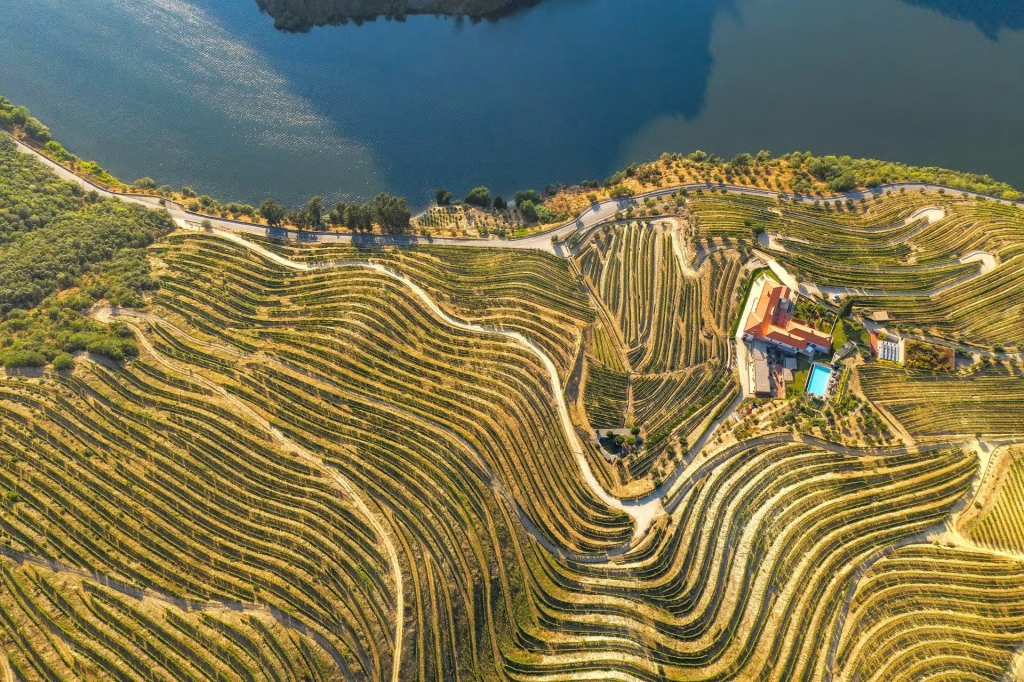
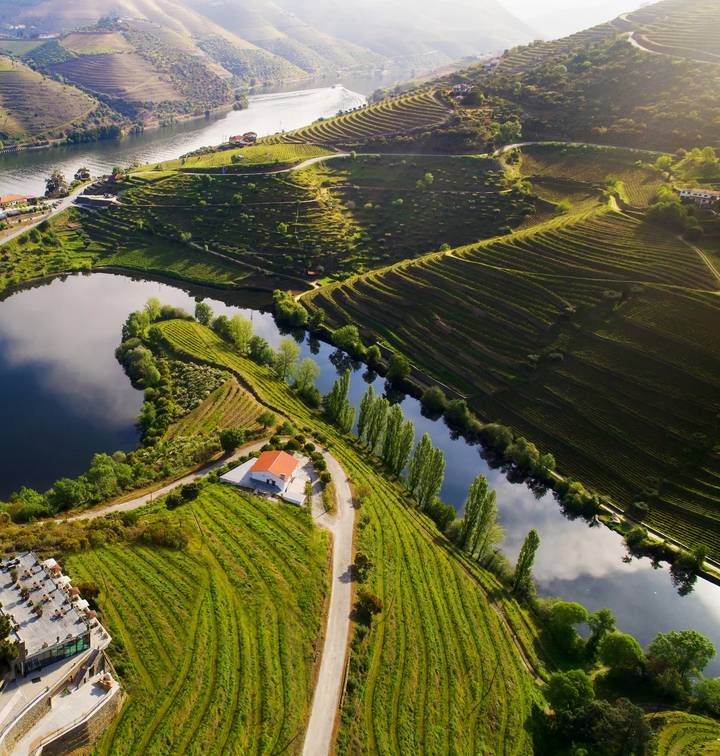
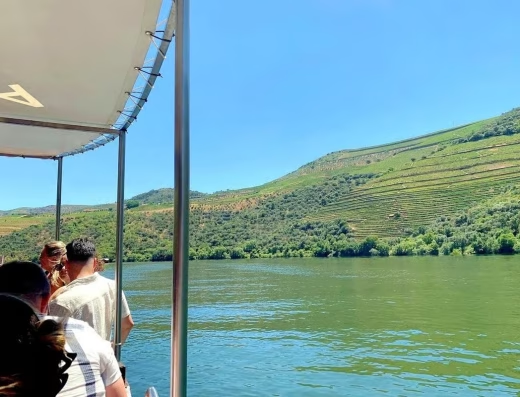
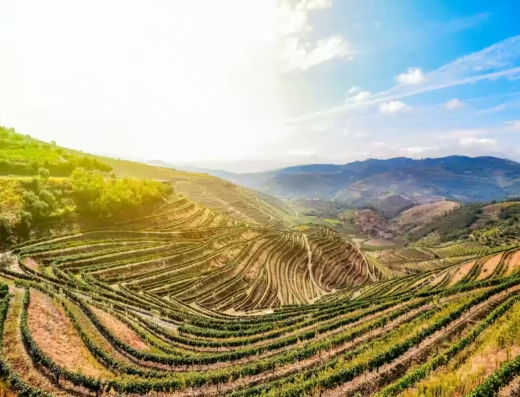
The Douro Valley, a UNESCO World Heritage site, represents one of the most dramatic and challenging viticultural landscapes in the world. The relationship between the rugged schist soils and the local plate is defined by a profound sense of equilibrium that has evolved over centuries of isolation and tradition. The schistous soil, characterized by its ability to retain heat while forcing vine roots to penetrate deep into rock fractures for water, imparts a distinct minerality and structural intensity to the wines.
This terroir produces grapes with high concentrations of polyphenols and natural acidity, which are essential for balancing the rich, often fatty textures of Northern Portuguese cuisine. In the Douro, the concept of balance is not merely an aesthetic choice but a chemical necessity. For example, the high tannin content found in Touriga Nacional and Touriga Franca acts as a molecular “scrubber” for the palate when consuming protein-heavy dishes like roasted kid or veal.
These tannins bind with the proteins and fats, breaking down the richness and refreshing the tongue for the next bite. Conversely, the residual sugar in Port wine, particularly Vintage and Tawny varieties, provides a structural counterpoint to the intense saltiness of local cheeses or the bitterness of dark chocolate. This interaction is governed by the wine’s pH and sugar levels, which must be high enough to stand up to the weight of the food without being overwhelmed. The result is a gastronomic harmony where neither the wine nor the dish dominates, but rather each elevates the other through a shared expression of the sun-drenched, rocky landscape.

Local Food and Douro Wines
The Douro Valley is no longer defined solely by its legendary fortified wines; it has emerged as a premier region for sophisticated still wines that capture the raw essence of the Mediterranean climate. The local gastronomy has traditionally relied on the wine’s structure to handle heavy mountain dishes and Atlantic seafood. White wines from high-altitude vineyards offer a bracing acidity and citrus-driven profile that slices through oils, while the powerful reds are characterized by dense tannins and concentrated black fruit. This section explores the deep-rooted synergy between the valley’s traditional recipes and the diverse range of wines produced within its three sub-regions: Baixo Corgo, Cima Corgo, and Douro Superior.
Local White Wine Pairings , including White Port
The white wines of the Douro, often sourced from elevated vineyards where temperatures are cooler, provide a necessary vibrance to the regional table. These wines are defined by their crisp acidity and flinty minerality, making them the ideal companions for the salty and olive oil-rich flavors of the Portuguese coast and riverside.
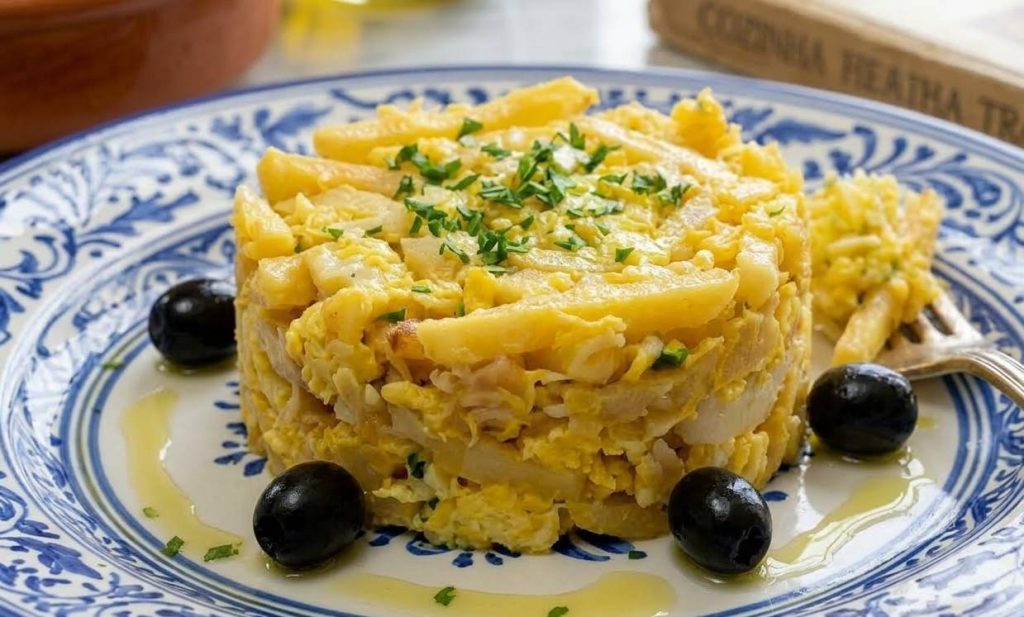
Bacalhau à Brás and Douro Branco (Rabigato and Viosinho Blend)
The iconic Portuguese salt cod, scrambled with eggs and matchstick potatoes, finds its perfect partner in a crisp Douro white. The natural freshness of the Rabigato grape provides a necessary contrast to the richness of the eggs, while the floral notes of Viosinho complement the delicate cod. This combination ensures the palate remains bright through every savory bite
Sapateira Recheada (Stuffed Stone Crab) and Dry White Port
This Atlantic delicacy, featuring a creamy and flavorful crab meat stuffing, pairs exceptionally well with a chilled Dry White Port. The fortified wine possesses a unique weight and nutty profile that stands up to the mayonnaise-based filling without being overshadowed. It is a sophisticated example of how a regional fortified wine can elevate maritime flavors.
Grilled Sardines and Douro Arinto
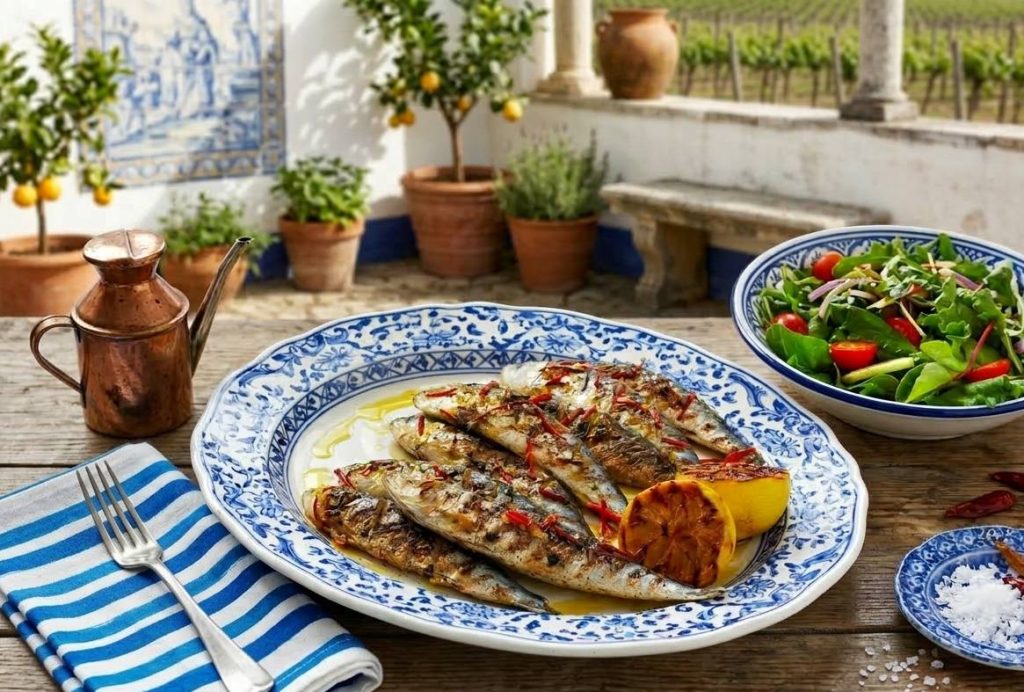
Summer in Portugal is synonymous with grilled sardines, and the high acidity of the Arinto grape is the ideal accompaniment. The wine acts much like a fresh squeeze of lemon, cutting through the oily texture of the fish and refreshing the tongue. Its clean finish highlights the smoky char of the grilled skin
Amêijoas à Bulhão Pato (Clams in Garlic and Herb) and Gouveio
Fresh clams cooked in olive oil, garlic, and coriander require a wine with herbal nuances and a mineral backbone. Gouveio provides a medium-bodied texture that matches the succulent clams, while its subtle green fruit notes mirror the fresh coriander used in the broth
A Love Letter to the Douro
Leitão (Suckling Pig) and Sparkling Douro (Vértice)
The Douro’s high-altitude sparkling wines offer a refined experience when paired with the crispy, fatty skin of roasted suckling pig. The vibrant effervescence and sharp acidity work together to cleanse the palate of the intense pork fats, making each bite feel as light as the first.
Grilled Octopus with Olive Oil and Aged Douro Branco
Tender octopus, charred on the grill and drizzled with premium olive oil, pairs beautifully with an aged white wine that has spent time in oak. The wine’s developed buttery texture and honeyed fruit notes align with the caramelization of the octopus, creating a luxurious and complex sensation.
Caldo Verde with Chilled White Port and TonicOil and Aged Douro Branco
This traditional kale and potato soup, garnished with smoky chorizo, is surprisingly elevated by a refreshing White Port and Tonic. The botanical and citrus notes of the long drink provide a lively counterpoint to the earthy greens and the spicy, rendered fat of the sausage
Local Red Wine Pairings, Including Port
The red wines of the Douro are the heart of the region’s viticultural identity, known for their deep concentration and muscular structure. Whether as a still wine or a fortified Port, these reds carry the intensity of the schist soil, offering enough depth and tannin to balance the most robust meat dishes of Northern Portugal.
Posta Mirandesa (Thick Veal Steak) and Touriga Nacional Red
The thick, marbled Mirandesa beef is a regional treasure that demands the power of Touriga Nacional. The wine’s robust structure and intense black fruit aromas stand up to the charred exterior of the meat, while the floral hints add a layer of elegance to the savory experience
Cabrito Assado (Roasted Kid Goat) and Douro Tinto Reserva
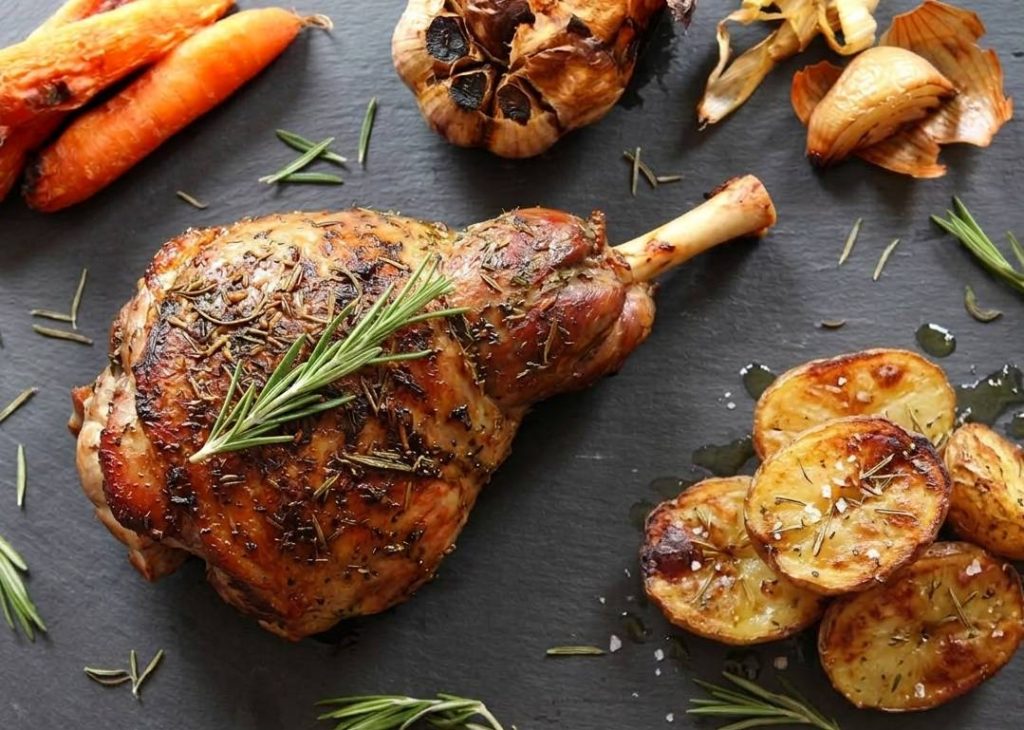
Roasted kid goat is a hallmark of Douro festivities, offering flavorful meat often seasoned with garlic and herbs. A Reserva red, typically a blend of Tinta Roriz and Touriga Franca, provides the complexity and spice notes necessary to match the rustic, aromatic profile of the roast
Arroz de Pato (Duck Rice) and Aged Tinta Roriz
Rich duck rice topped with chorizo requires a wine with evolved character and smooth tannins. An aged Tinta Roriz, with its notes of tobacco and dried plum, complements the gaminess of the duck and the smokiness of the pork, creating a deeply satisfying and balanced meal
Alheira de Mirandela (Sausage) and Young Douro Field Blend
The unique, bread-and-poultry sausage known as Alheira is often fried until crispy, needing a vibrant red wine to balance its density. A young field blend offers bright red fruit and a lively acidity that cuts through the fried richness and highlights the sausage’s internal spices
Queijo da Serra da Estrela (Sheep's Cheese) and Vintage Port
The pungent, buttery sheep’s cheese from the nearby mountains is the quintessential partner for a young Vintage Port. The wine’s massive fruit concentration and natural sweetness create a decadent harmony with the cheese’s intense saltiness, offering a masterclass in regional pairing
Feijoada à Transmontana (bean stew) and Late Bottled Vintage (LBV) Port
This hearty bean stew featuring various cuts of pork is a robust dish that finds its match in an LBV Port. The wine’s dark fruit intensity and firm grip provide the necessary body to accompany the earthy beans and rich, savory meats without being overwhelmed.
Pastel de Nata (Portuguese Custard Tart) and 10-Year-Old Tawny Port
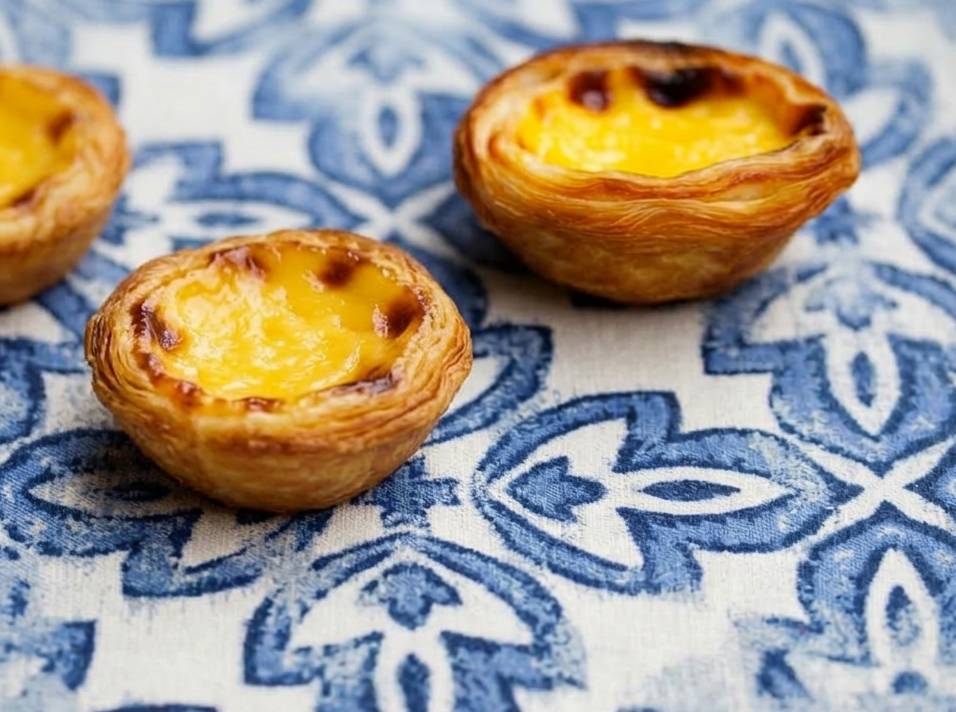
The caramelized sugar and creamy custard of the traditional tart are perfectly mirrored by the vanilla and toasted almond flavors of a 10-Year-Old Tawny. The wine’s underlying acidity ensures the pairing remains elegant and prevents the custard’s sweetness from becoming cloying
International Food and Douro Wines
The Douro Valley’s viticultural diversity allows its wines to perform exceptionally well on the global stage, bridging the gap between traditional European winemaking and international culinary trends. Because the region produces wines with high structural integrity—ranging from high-acid whites to tannin-rich reds and fortified masterpieces—they possess the flexibility to pair with complex flavors such as Asian umami, Latin American spices, and French cream-based sauces. This section categorizes these international affinities into white and red wine categories, demonstrating the versatility of Douro varieties with global ingredients.
International White Wine Affinity
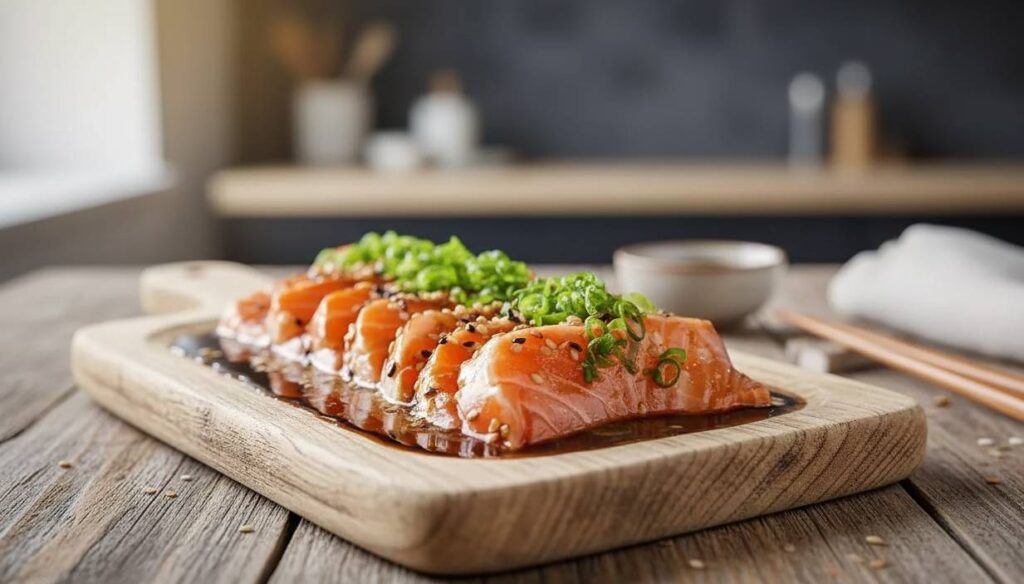
Clean minerality of White Douro enhance flavors of raw fish
Japanese Sushi and Sashimi and Douro Branco (Viosinho and Rabigato)
The clean minerality and bright profile of a Douro white blend enhance the delicate flavors of raw fish. The wine’s crispness acts as a bridge to the iodine of the seafood and the saltiness of the soy sauce, ensuring a fresh and elegant dining experience.
Thai Green Curry and Moscatel do Douro
The aromatic and floral nature of Moscatel do Douro is a fantastic match for the lemongrass and ginger in Thai curry. Its subtle sweetness serves to tame the spice of the green chili, allowing the complex herbal flavors of the dish to shine through
French Creamy Chicken Fricassée and Aged White Port
An aged White Port, with its nutty and slightly oxidative character, provides a rich accompaniment to cream-based French sauces. The wine’s weight and complexity match the seared chicken and buttery mushrooms, creating a textured and deeply savory pairing
Peruvian Ceviche and Arinto-based Douro White
The intense citrus marinade of a fresh ceviche requires a wine with high natural acidity. An Arinto-based white stands up to the lime juice and spicy peppers, mirroring the dish’s vibrancy and maintaining its own character against the sharp flavors.
Indian Vegetable Pakoras and Dry White Port (Chilled)
Chilled Dry White Port is a surprising but effective partner for fried Indian appetizers. The wine’s fortification gives it enough body to handle the fried batter, while its dry finish cleanses the palate of warming spices like turmeric and cumin
Scandinavian Smoked Salmon and Douro White (Rabigato)
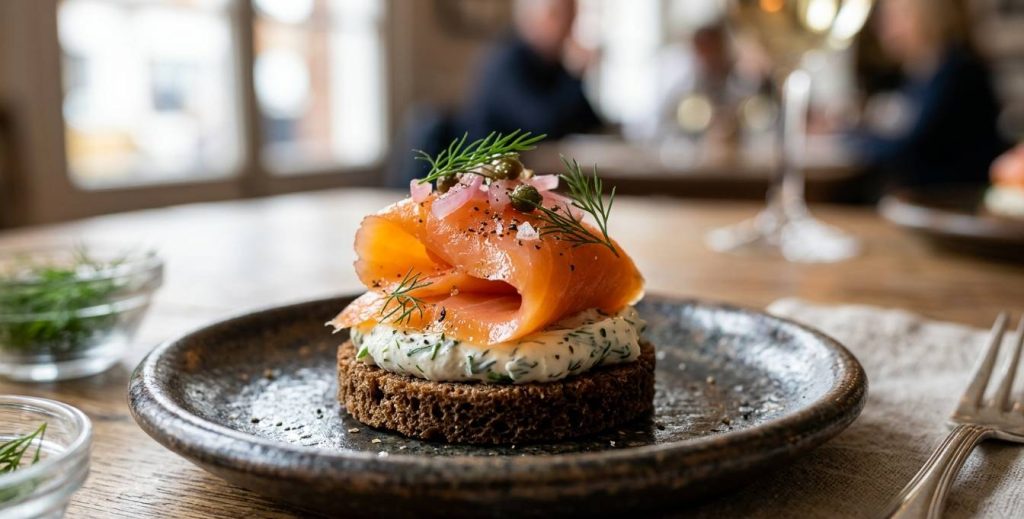
The smoky, fatty nature of Scandinavian salmon is beautifully balanced by the linear acidity of the Rabigato grape. The wine slices through the richness of the fish, acting as a structural cleanser that prepares the palate for every new bite.
IItalian Risotto alla Milanese and Oaked Douro Branco
A Douro white with subtle oak aging offers vanilla and toasted notes that complement the earthy saffron in a Milanese risotto. The wine’s creamy texture matches the starch of the Arborio rice, resulting in a seamless and luxurious combination
Moroccan Tagine with Apricots and Off-dry White Port
The dried fruit and warm spice notes of a Moroccan tagine are mirrored by the stone fruit aromas in an off-dry White Port. The wine’s alcohol and sweetness carry the weight of the lamb and spices, creating a harmonious North African feast.
Douro Red Wines And International Food
Argentine Ribeye Steak and Douro Reserva Red (Touriga Nacional)
Powerful Argentine ribeye requires a wine with firm tannins and concentrated fruit like a Touriga Nacional Reserva. The wine’s structure stands up to the charred fat of the steak, while its dark berry notes enhance the meat’s natural flavor
Italian Wild Boar Ragù and Full-Bodied Douro Tinto
The gamey and robust flavors of a wild boar ragù find a great companion in a full-bodied Douro red. The wine’s earthy undertones and dark fruit intensity support the rich sauce, providing a hearty and authentic Mediterranean pairing
American BBQ Brisket and Late Bottled Vintage (LBV) Port
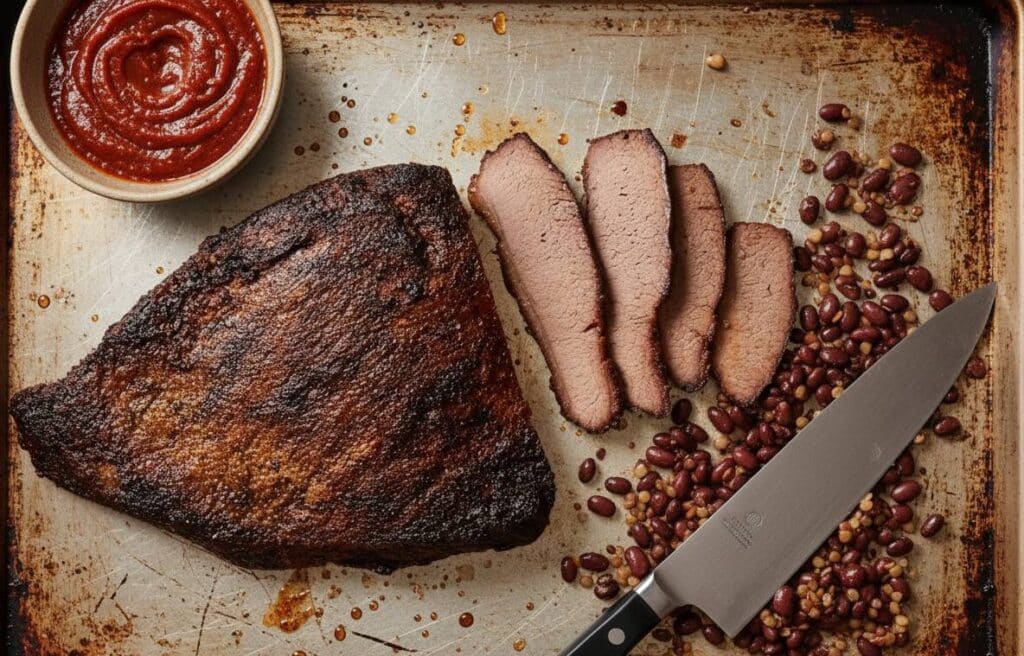
The sweet and smoky glaze of American BBQ brisket is a natural partner for the dark fruit and subtle sweetness of an LBV Port. The wine has enough intensity to handle the heavy spice rubs and the long-smoked flavors of the meat
French Duck Confit and Tinta Roriz (Tempranillo)
Duck confit, known for its rich and tender meat, pairs excellently with the structured tannins of Tinta Roriz. The wine’s red fruit profile provides a bright contrast to the rendered duck fat, ensuring a balanced and sophisticated meal.
Chinese Peking Duck and Aged Tawny Port
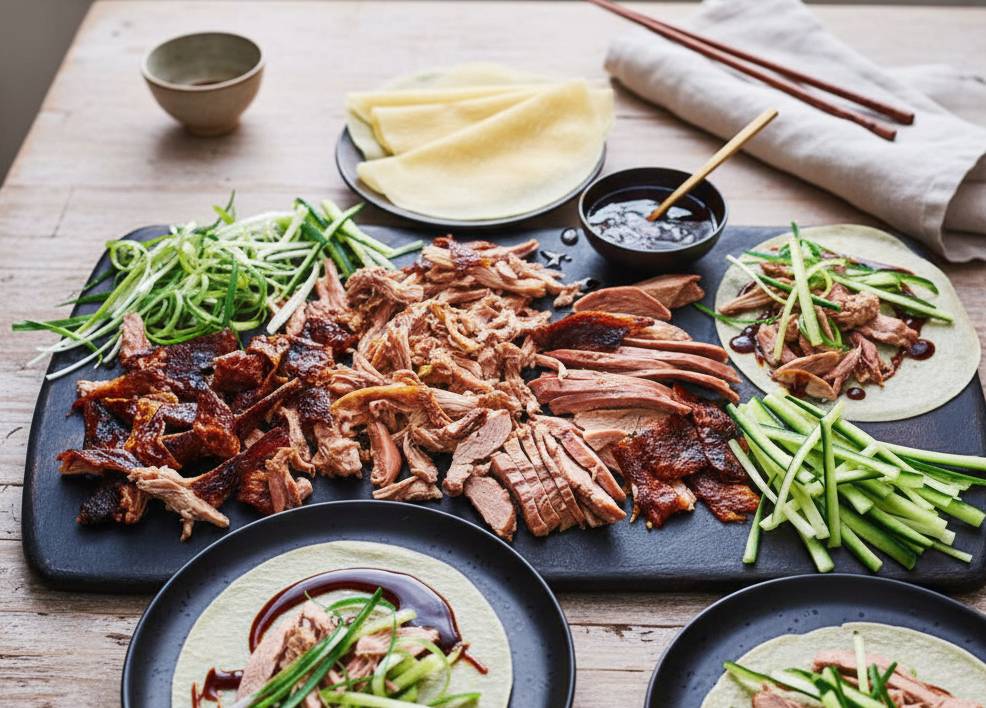
The five-spice and plum sauce flavors of Peking duck are a direct match for the dried fruit and spice notes found in an aged Tawny Port. The wine’s nuttiness complements the crispy skin, making for a festive and flavorful international combination.
British Stilton Cheese and Vintage Port
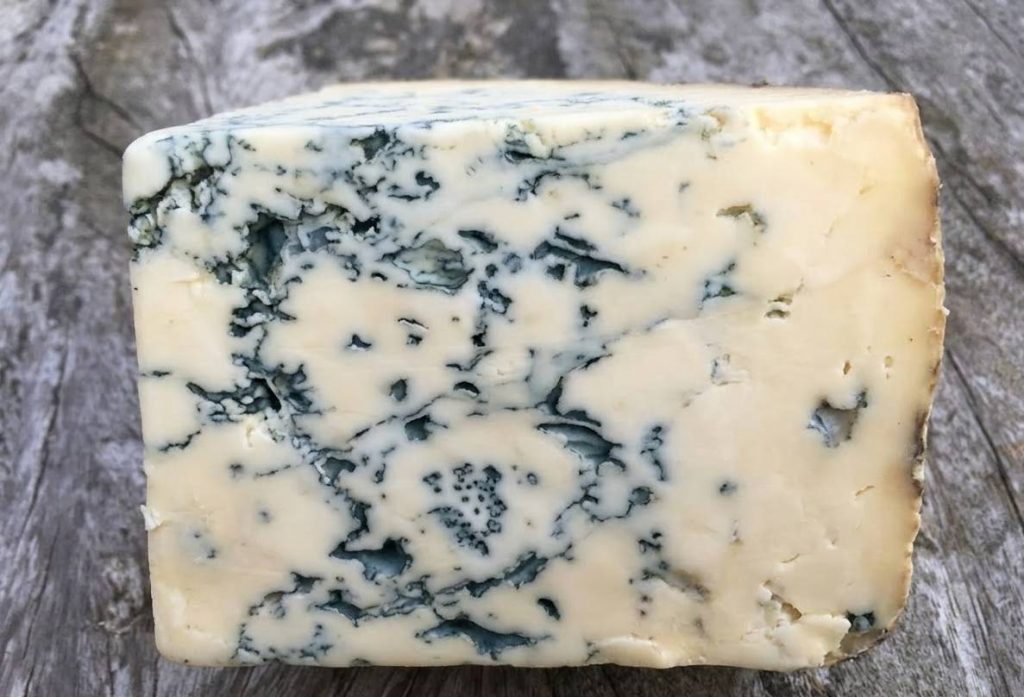
This classic international pairing brings together the sharp, salty bite of blue Stilton and the intense sweetness of Vintage Port. The wine’s massive weight and fruit serve to mellow the cheese’s bitterness, creating a legendary dessert course
Mexican Mole Poblano and Douro Field Blend (Red)
The complex layers of chocolate, nuts, and chili in a Mexican Mole require a wine with soft tannins and dark fruit. A Douro field blend offers a balanced mix of flavors that supports the dish without clashing with the subtle heat of the peppers.
Chocolate Mousse with Sea Salt and 20-Year-Old Tawny Port
The complex flavors of roasted nuts and caramel in a 20-Year-Old Tawny Port are naturally suited to dark chocolate. When the mousse is finished with a touch of sea salt, it brings out the wine’s tertiary dried orange peel and rancio notes, resulting in a sophisticated dessert experience.
Conclusion: A Journey Through the Senses in the Douro Valley
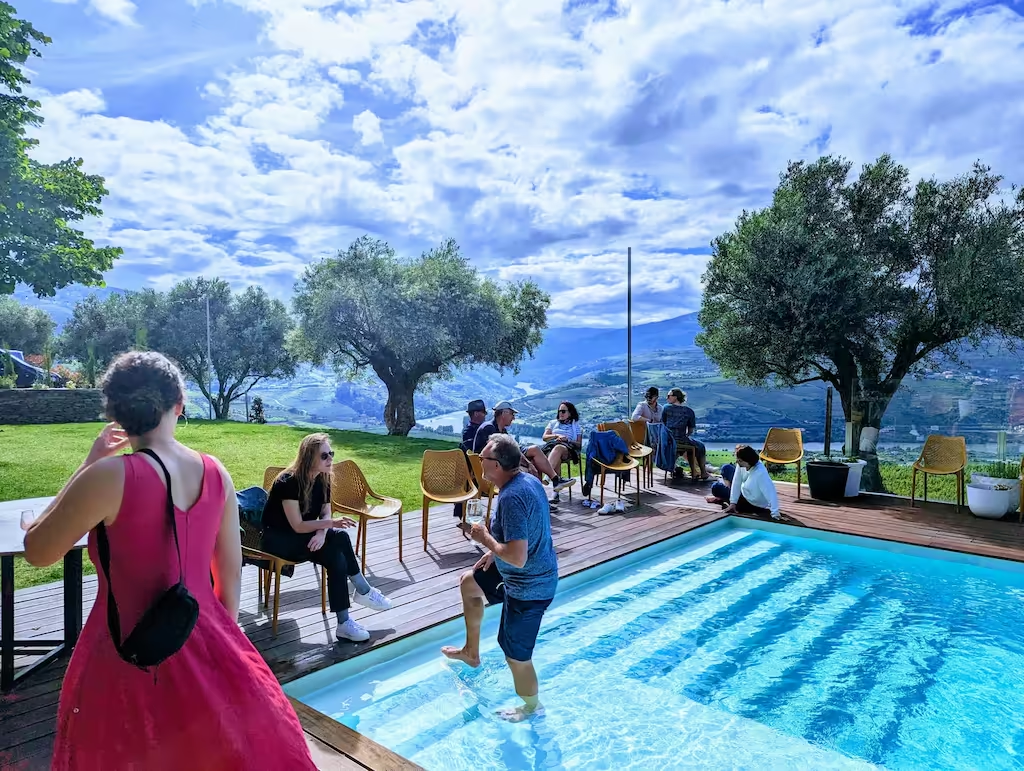
The Douro Valley offers an unparalleled gastronomic adventure where the wine is not just a beverage but an extension of the land itself. By exploring these thirty pairings, you invite a deeper understanding of how the unique schist terroir influences every bite and every sip. Whether you are enjoying a traditional Portuguese cod dish on a terrace overlooking the river or experimenting with global flavors at home, Douro wines provide the structural complexity and elegance to elevate any meal. We invite you to travel to this magical region and witness the harmony of tradition and innovation firsthand.
How to Succeed in Your Douro Wine Pairing? In a Nutshell
To successfully master Douro pairings, one must focus on the interplay between the wine’s structure and the food’s primary textures. Success is found when the wine acts as a functional component of the meal—using acidity to brighten heavy fats and using tannins to soften dense proteins. It is essential to respect the intensity of the region; the concentrated fruit of the Douro can easily overwhelm delicate flavors, so matching “weight with weight” is the golden rule. Additionally, temperature plays a vital role; serving White Port chilled or a robust Red Reserva slightly below room temperature ensures that the alcohol remains integrated, allowing the regional aromatics to lead the experience.
Keys to Pairing Douro Wines and Food
-
Balance the Fat: Utilize the high natural acidity of grapes like Rabigato and Arinto to cut through olive oils, butter, and pork fats.
-
Tame the Protein: Match the powerful tannins of Touriga Nacional and Tinta Roriz with well-marbled meats or game to soften the wine’s grip.
-
Sweet and Salty Synergy: Pair fortified Port wines, particularly Vintage or LBV, with pungent blue cheeses or salted chocolates to create a balanced structural contrast.
-
Aromatic Bridging: Use the floral and herbal notes of Douro field blends to complement dishes seasoned with garlic, laurel, and coriander.
-
Tertiary Matching: Align the nutty, oxidative notes of aged Tawny Ports with roasted flavors, dried fruits, and caramelized ingredients.