Table of Contents
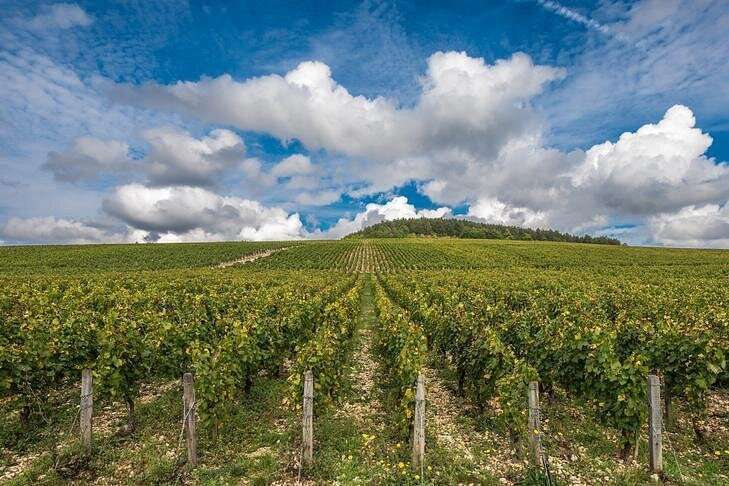
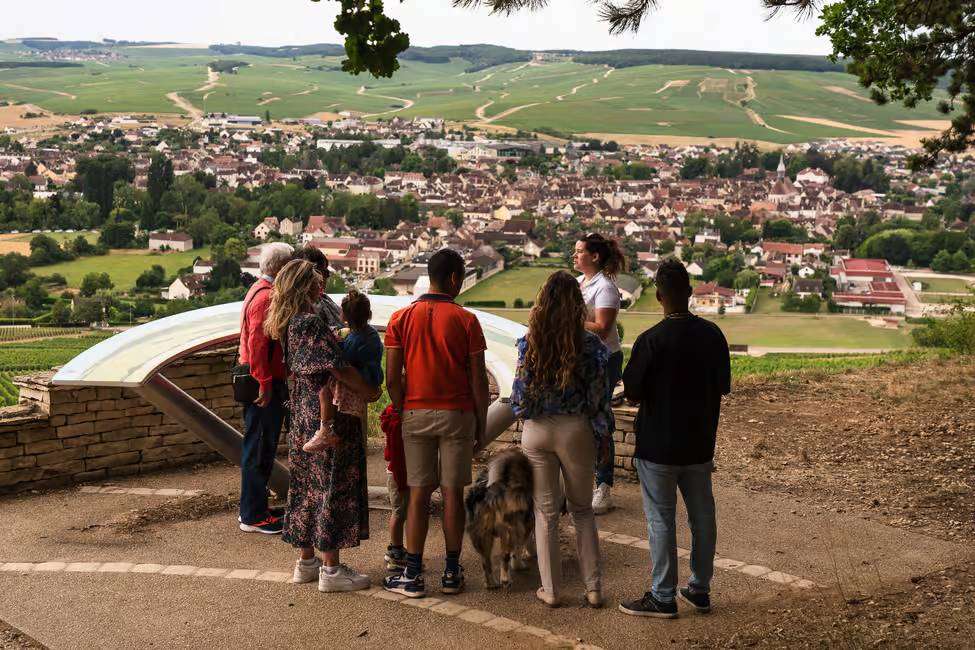
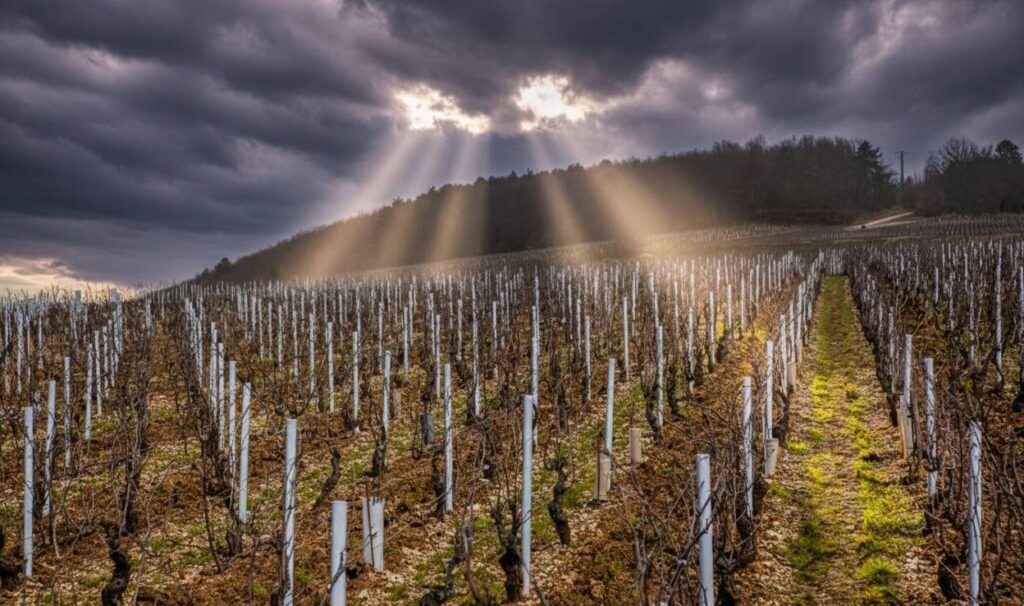
The Chablis wine history is linked with Kimmeridgian slopes. The name Chablis immediately conjures images of flinty, bone-dry whites, the scent of crushed oyster shells, and the sight of steep, chalky slopes cloaked in morning mist. While often grouped with its southern neighbors, this “Golden Gate” of Burgundy stands apart—a solitary island of Chardonnay shaped by a prehistoric sea and a tenacious monastic spirit.
The Heritage of Kimmeridgian Golden Slopes
The Jurassic Heritage: The Ancient Marine Foundations (Prehistory–900 AD)
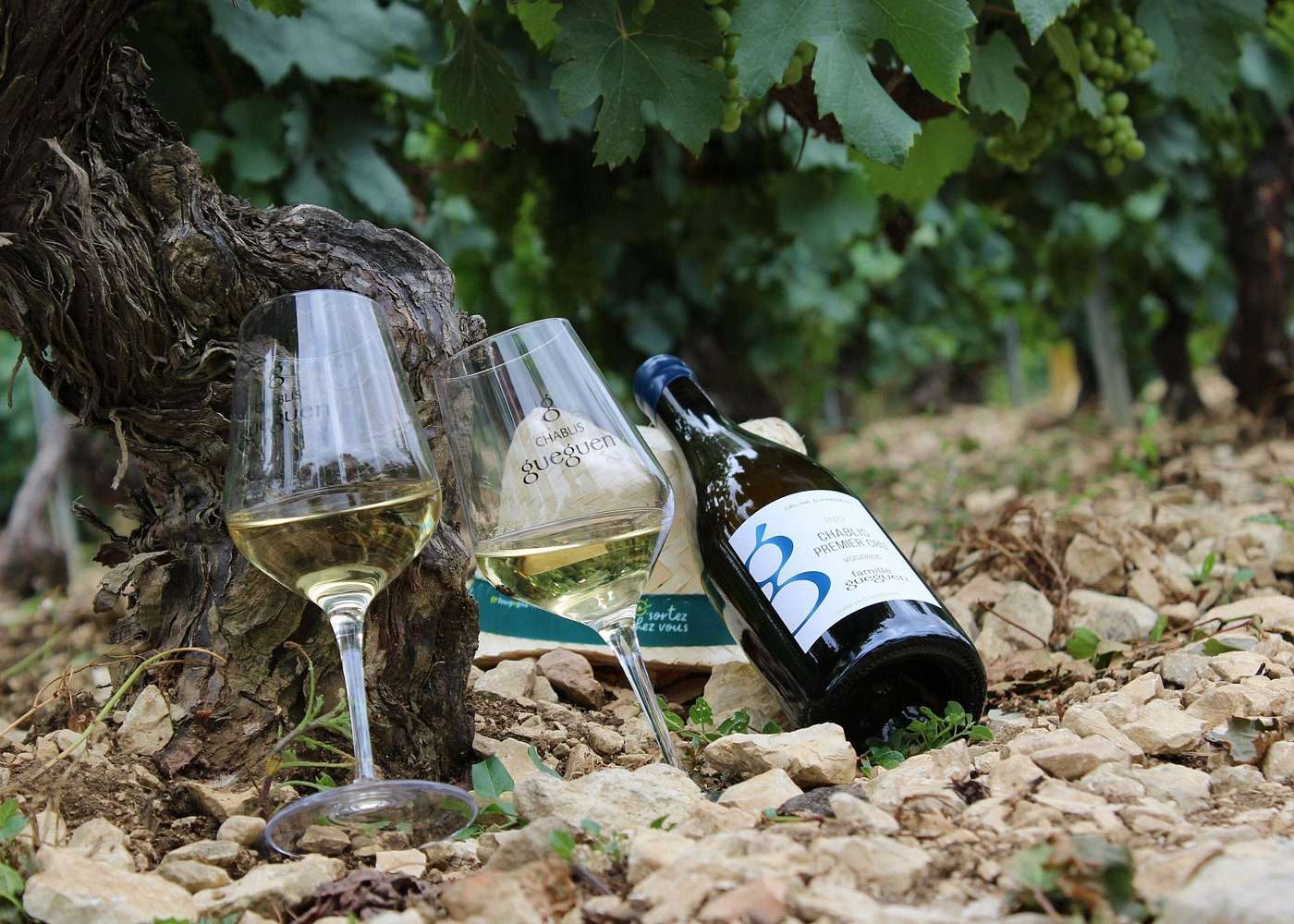
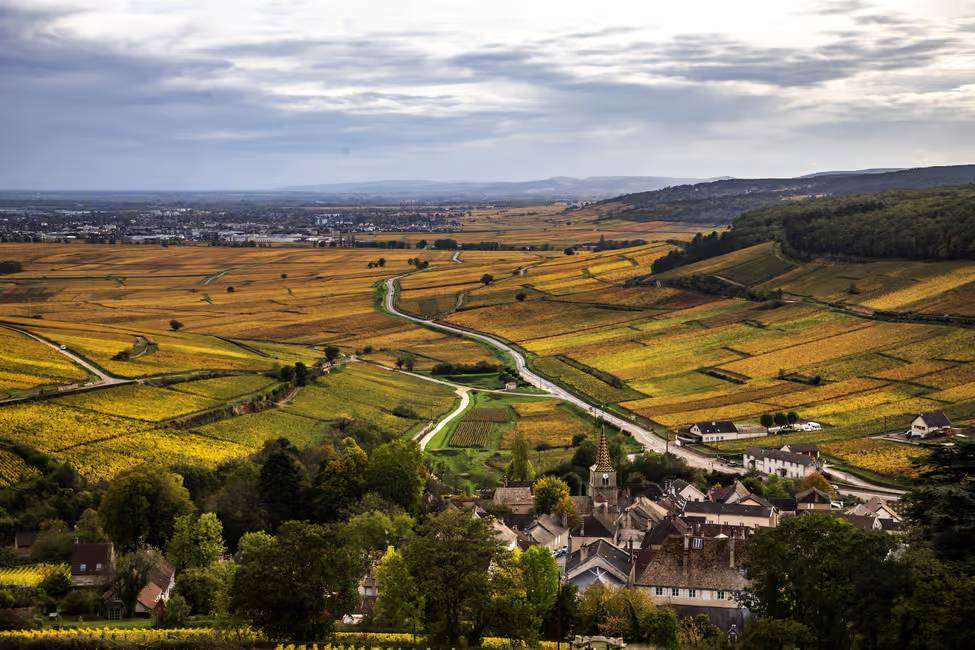
The Chablis wine history does not begin with a vine, but with a sea. The region’s identity is inextricably linked to the Kimmeridgian soil, a unique geological formation of limestone and clay packed with fossilized Exogyra virgula—tiny prehistoric oysters. This ancient seabed provides the high acidity and “gunflint” minerality that define the terroir. During this era, the foundations of the landscape were laid, creating the steep slopes that would one day host the world’s most famous white wine grapes.
While the Romans likely introduced viticulture to the Yonne department, the true story begins with the Cistercian monks. Fleeing Viking raids, the monks of Tours sought refuge in the valley of the Serein River. They brought with them a disciplined, spiritual approach to land management that would transform these wild slopes into a structured viticultural powerhouse, marking the first true era of organized farming in the region
The Monastic Influence: The Rise of the Cistercian Vineyard (1114–1400)
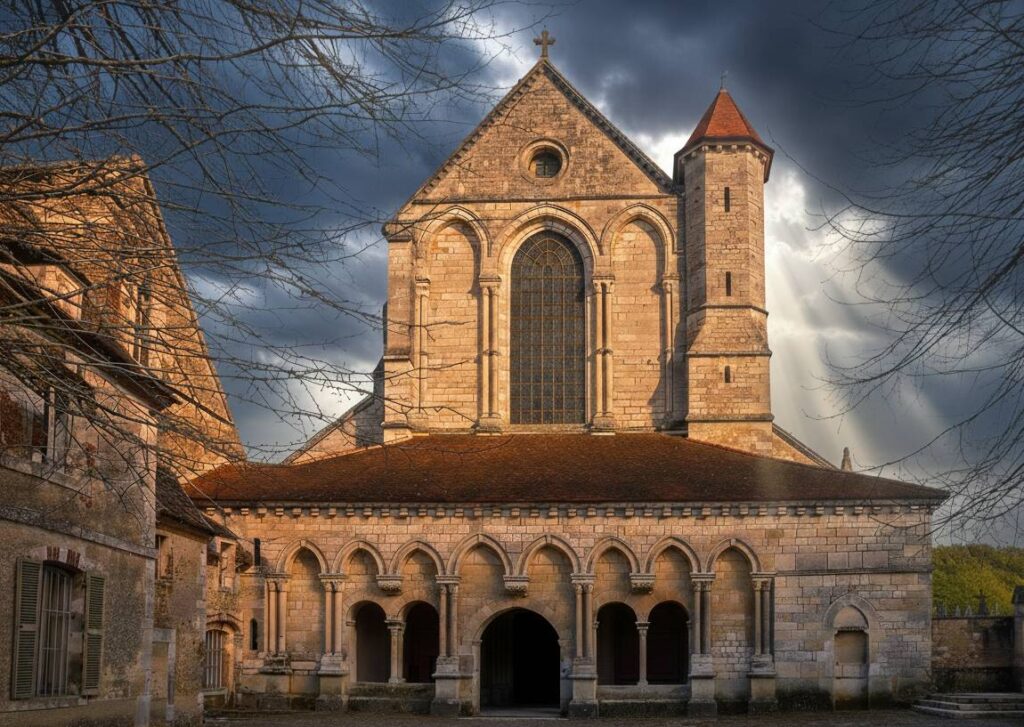
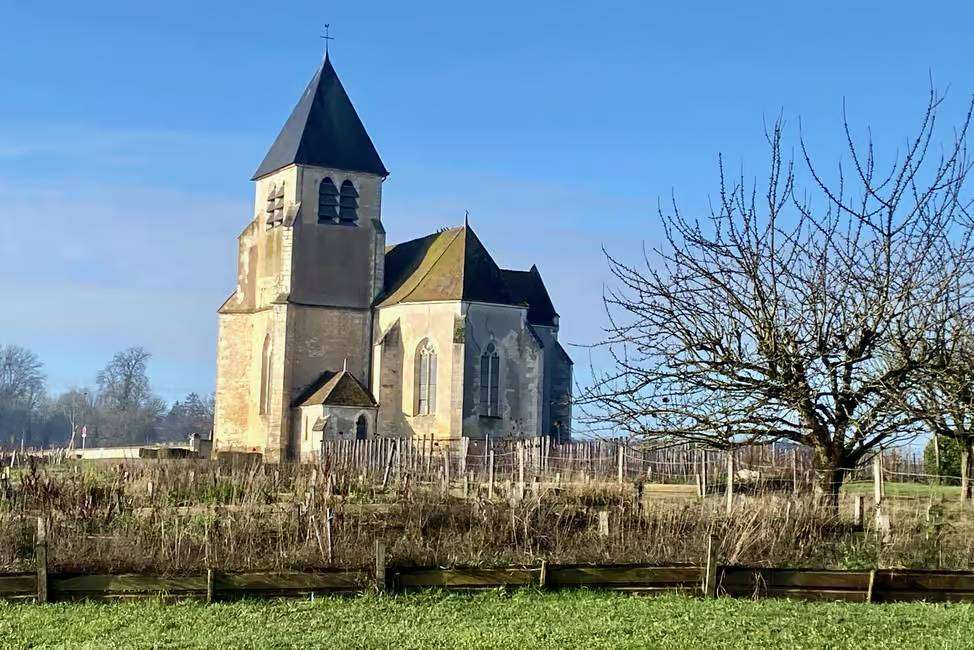
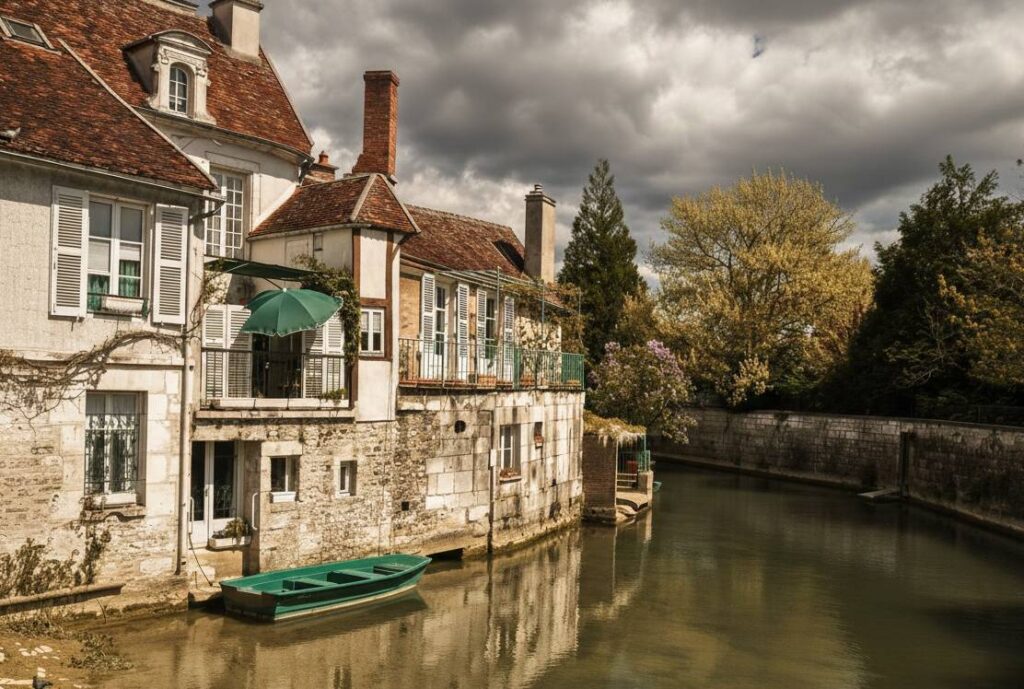
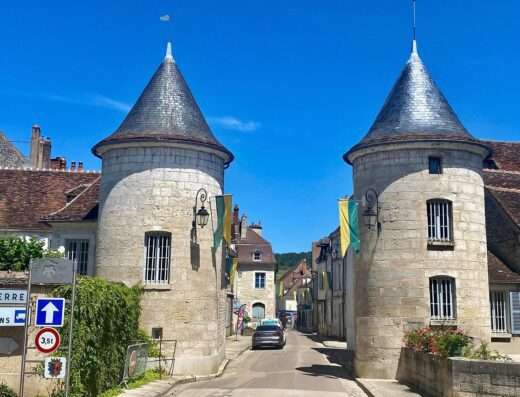
Pontigny Abbey in Chablis wine region
In 1114, the Cistercians established the Abbey of Pontigny. These monks were the original masters of the climat—the specific vineyard plots that dictate quality. Through centuries of trial and error, they recognized that the steep, south-facing slopes of the Serein’s right bank produced wines of superior depth and longevity—land we now know as the Grands Crus. Their meticulous record-keeping and dedication to the land established the first hierarchy of wine quality long before formal laws existed.
During this era, Chablis became a vital Négociant hub. Because the Serein River flows into the Yonne, which leads to the Seine, Chablis had a direct aquatic highway to the thirsty markets of Paris. While the rest of Burgundy looked south toward the Saône and the Rhône, Chablis was the “Parisian” wine of choice. This geographic advantage allowed the region to grow commercially and gain a reputation for excellence among the urban elite, cementing its early dominance in the French wine trade.
The Golden Century and War: Trade, Turmoil, and the Paris Gateway (1400–1789)
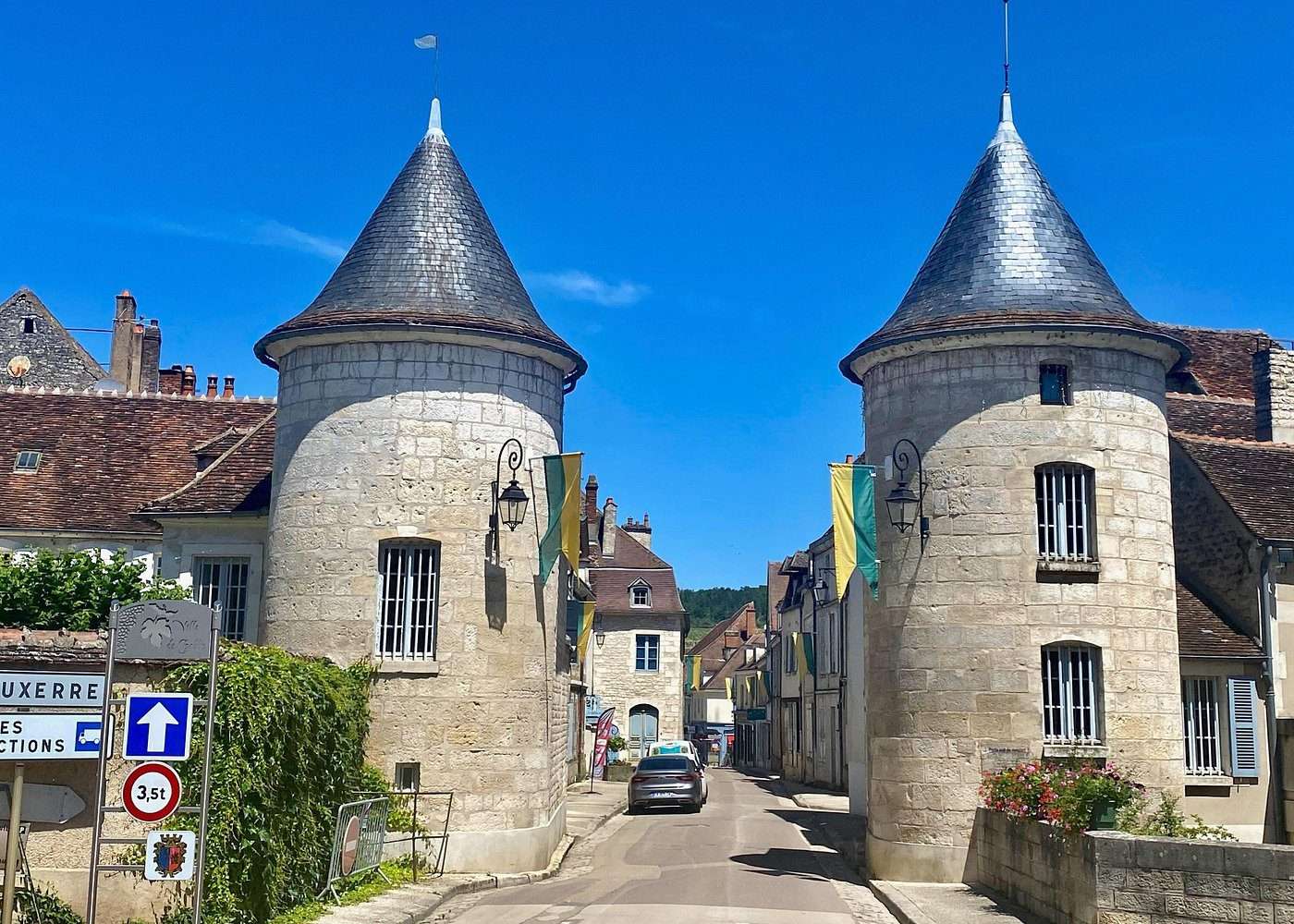
The Chablis wine history reached a new level in The 15th and 16th centuries that saw Chablis flourish as a prestigious Appellation in spirit, if not yet in law. The wine was a staple at the French royal court, favored for its ability to cut through the richness of aristocratic banquets. This period was marked by massive political turmoil and shifting alliances. However, this prosperity was frequently interrupted by the Wars of Religion. In 1568, the town was besieged and partially burned, a blow that temporarily stifled the region’s growth but could not diminish the reputation of its vignerons.
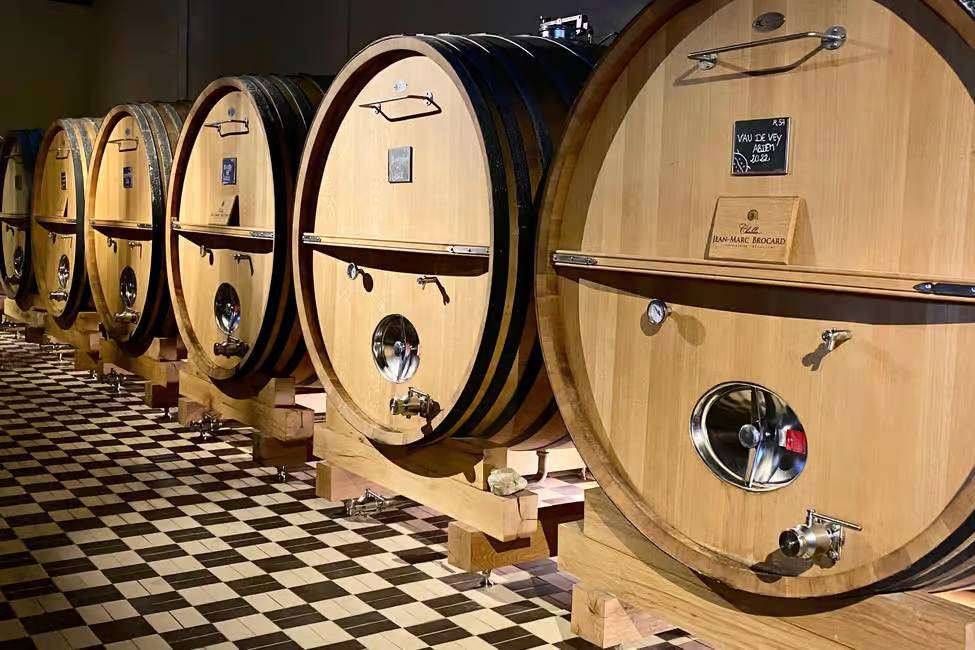
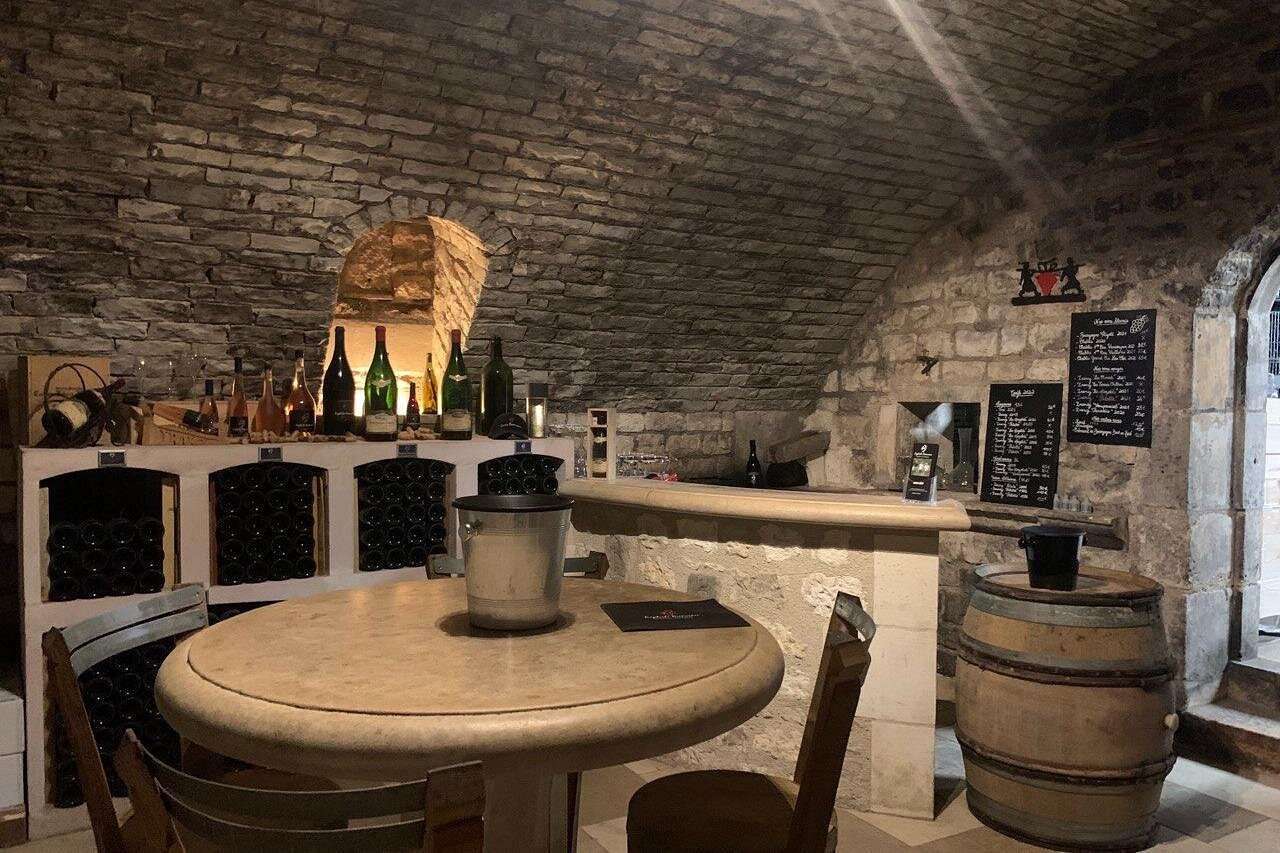
Technically, this period saw the refinement of cellar practices and storage. The use of large oak feuillettes—132-liter barrels—became standardized for transporting wine to the capital. These barrels were essential for ensuring the wine arrived with its bracing freshness intact after the long river journey. This era solidified the technical evolution of the region, as producers learned to balance the harsh climate with sophisticated cellar techniques to maintain the wine’s signature purity
The Crisis and the Forgotten Years: Phylloxera and the Great Isolation (1880–1950)
The late 19th century brought a double catastrophe: the arrival of Phylloxera and the development of the railway system. While the pest destroyed the vines, the new trains allowed cheap wines from the South of France to flood the Paris market, stripping Chablis of its competitive advantage. The region fell into a period of deep isolation and economic struggle, as many farmers moved away or switched to other crops.
By the early 20th century, the vineyard had shrunk from nearly 40,000 hectares to just a few hundred. World War I further depleted the workforce, leaving many slopes abandoned to scrubland. It was only through the grit of a few legacy families and the formal establishment of the AOC Chablis in 1938—a major legal milestone—that the region was saved from total obscurity. This classification provided the protection needed to begin the long journey back to global prominence.
The Modern Renaissance: Innovation and the Conquest of Frost (1960–Present)
The modern era of Chablis is defined by two things: the tractor and the chaufferette (frost heater). Before the 1960s, spring frosts could wipe out an entire vintage in a single night, making viticulture a high-stakes gamble. The introduction of frost protection—such as water sprinkling (aspersion) and heaters—finally gave producers a safety net. This technical evolution allowed for more consistent production and encouraged new investment in the region.
Today, Chablis leads the way in biodynamics and sustainable viticulture as it grapples with climate change. Pioneers like Jean-Marie Raveneau and Vincent Dauvissat have elevated the region to “Icon Status,” proving that this northern outpost of Burgundy produces the purest expression of Chardonnay on the planet. The focus has shifted from mere survival to a deep commitment to environmental stewardship and the preservation of the unique Kimmeridgian terroir for future generations
Future Challenges in Chablis wine history: Weathering the "Crazy" Climate
As we look toward 2026 and beyond, the primary challenge for Chablis is no longer just “global warming,” but what local producers call “climate chaos.” The paradox of the modern era is that while warmer summers ensure better grape ripeness, they also trigger earlier bud-burst, leaving the vines dangerously exposed to devastating spring frosts.
Extreme Weather Patterns: Recent years have seen a jarring oscillation between severe drought (2023) and record-breaking floods (2024), where the Serein River burst its banks twice in a single season.
Yield Volatility: Managing production levels has become a legal and economic puzzle. In 2025, the region updated its vineyard regulations to raise yield limits (up to 75 hl/ha for standard Chablis) to help growers build “reserve stocks” during good years to survive the increasingly frequent “small” vintages.
Style Preservation: The ultimate technical challenge is maintaining the signature “steely” acidity. As temperatures rise, winemakers must be incredibly precise with harvest dates—sometimes picking weeks earlier than their grandfathers did—to prevent the wines from becoming too rich or losing their flinty edge.
Prospective: A Green and Global Horizon
Despite these hurdles, the outlook for Chablis is remarkably bright, driven by a new generation of vignerons who are redefining what it means to be a “northern” vineyard.
The Rise of Organics and Biodynamics: There is a powerful shift toward sustainable viticulture. Nearly a quarter of the region’s estates are now managed by people under 40, many of whom are moving away from synthetic chemicals in favor of cover crops, agroforestry, and biological soil health to naturally strengthen the vines’ resilience.
Technological Adaptation: Innovation is appearing in the form of heated cables, massive air-heating propellers, and even research into new American rootstocks that can better handle water stress while keeping the Chardonnay grape intact.
Reaching the New Generation: Strategically, the region is moving beyond its traditional “white tablecloth” reputation. A major campaign launching in 2026 aims to position Chablis as a versatile, everyday wine for younger drinkers, emphasizing its freshness and eco-credentials to a demographic that values transparency and sustainability.
In short, the future of Chablis is a balancing act. It is a journey of preserving the ancient “gunflint” soul of the soil while embracing the high-tech, sustainable tools of the 21st century. As long as the Kimmeridgian limestone remains beneath the vines, Chablis will continue to be the world’s most essential expression of place.
Chablis wine history in short: The Enduring Spirit of the Serein
Chablis remains one of the world’s most singular wine regions—a place where geology and history have conspired to create a wine that cannot be replicated anywhere else. From the ancient Kimmeridgian seabed to the medieval cellars of the Cistercian monks, every bottle of Chablis is a liquid archive of the Yonne valley. While the region has faced centuries of war, economic isolation, and biological catastrophe, it has emerged not just as a survivor, but as the global gold standard for pure, mineral-driven Chardonnay.