Table of Contents
Stones, Stems, and Sunlight: A Poetic Journey Through Chablis
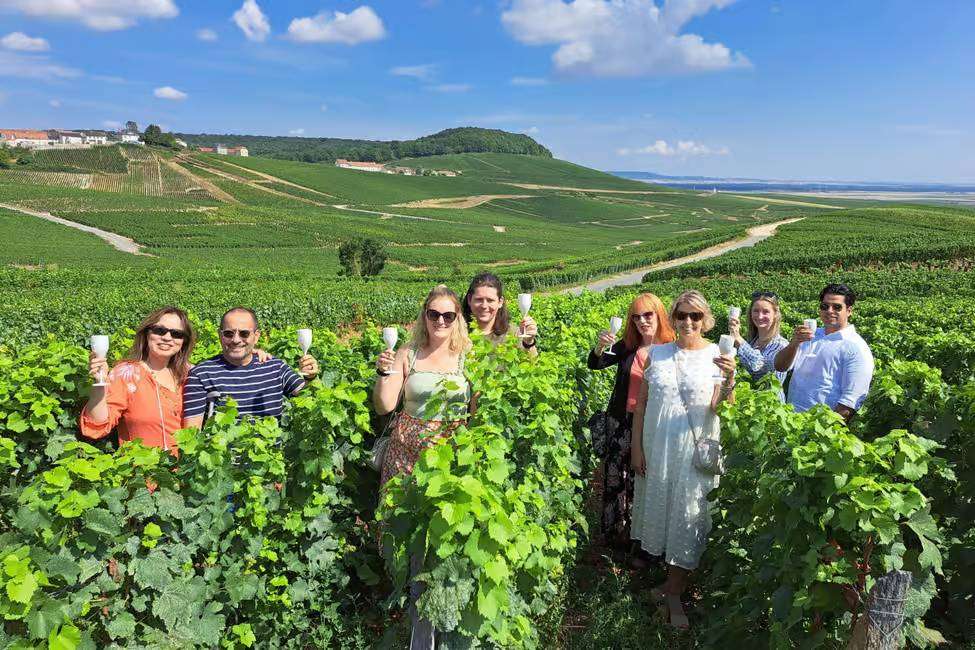
The morning mist was still clinging to the Serein River, a silver ribbon winding through the valley, when I realized that Chablis is not merely a place—it is a liquid translation of prehistoric stone. For a traveler accustomed to the sun-drenched hills of Tuscany, arriving in this northernmost tip of Burgundy feels like stepping into a monochromatic masterpiece of limestone and light.
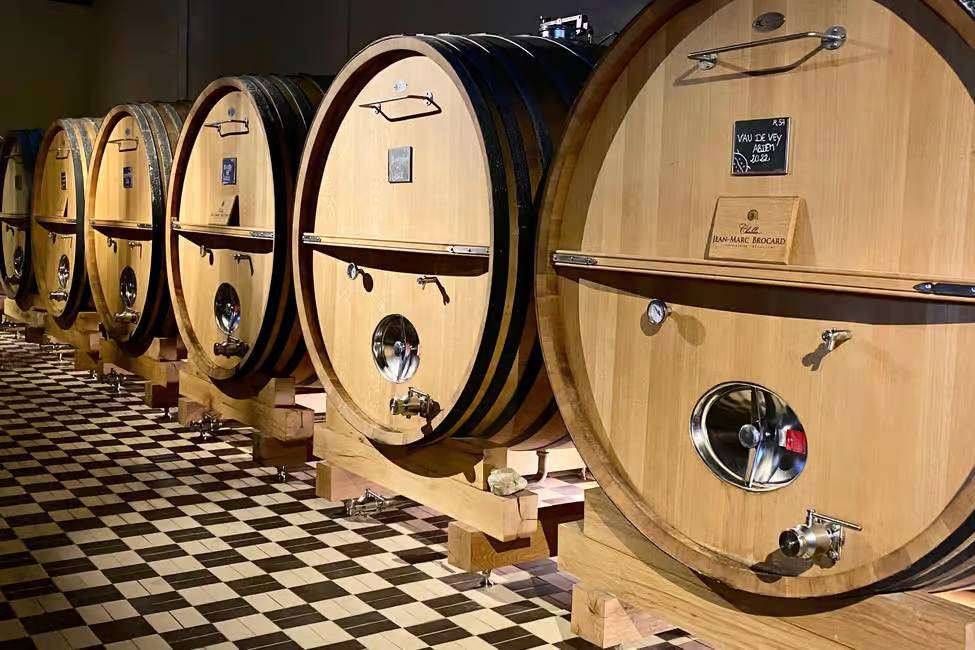
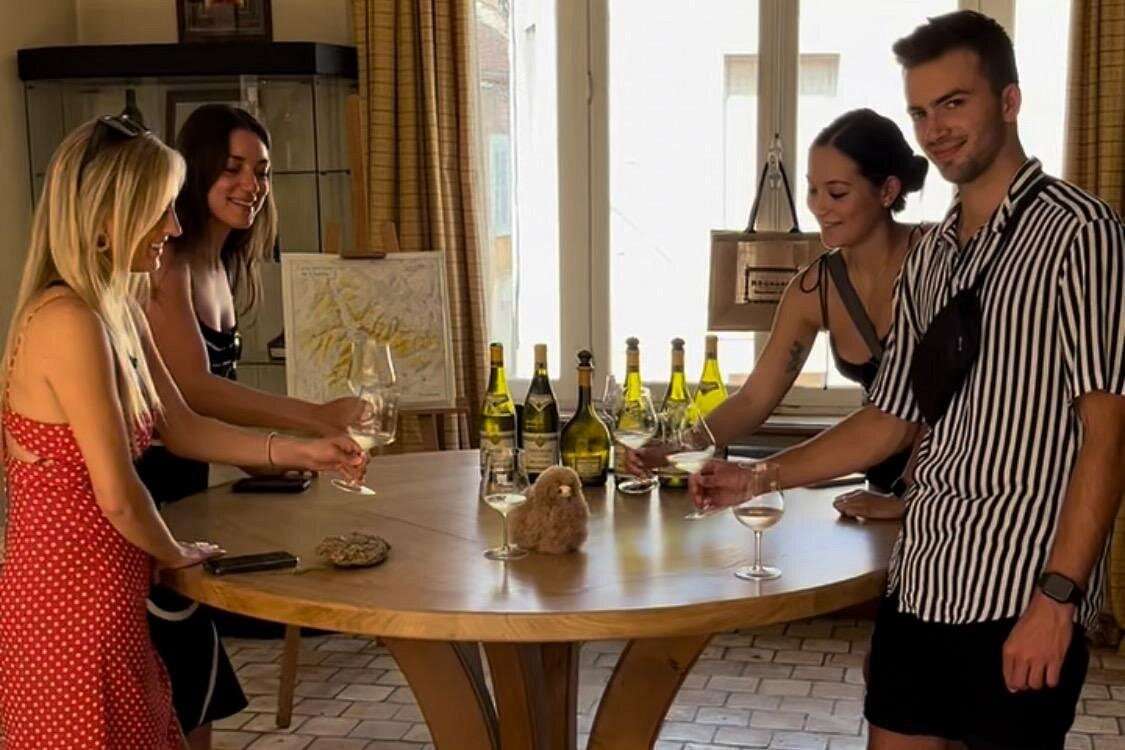
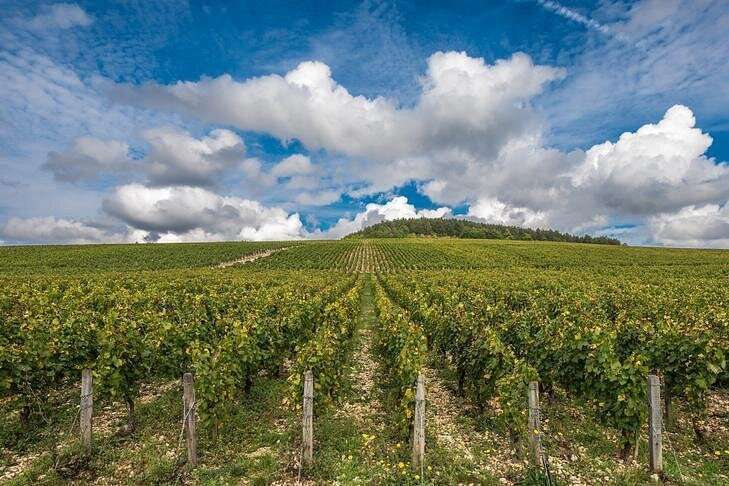
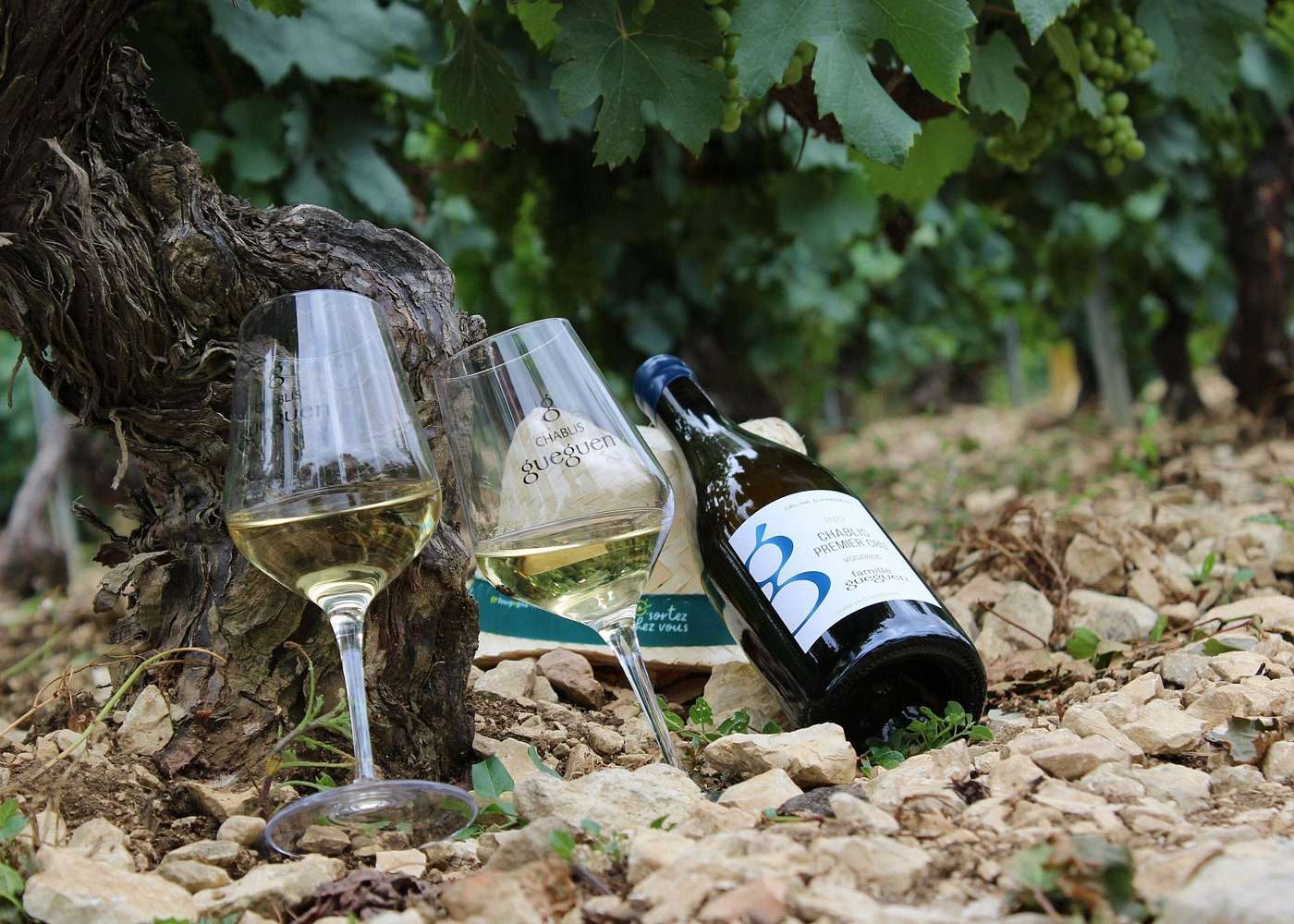
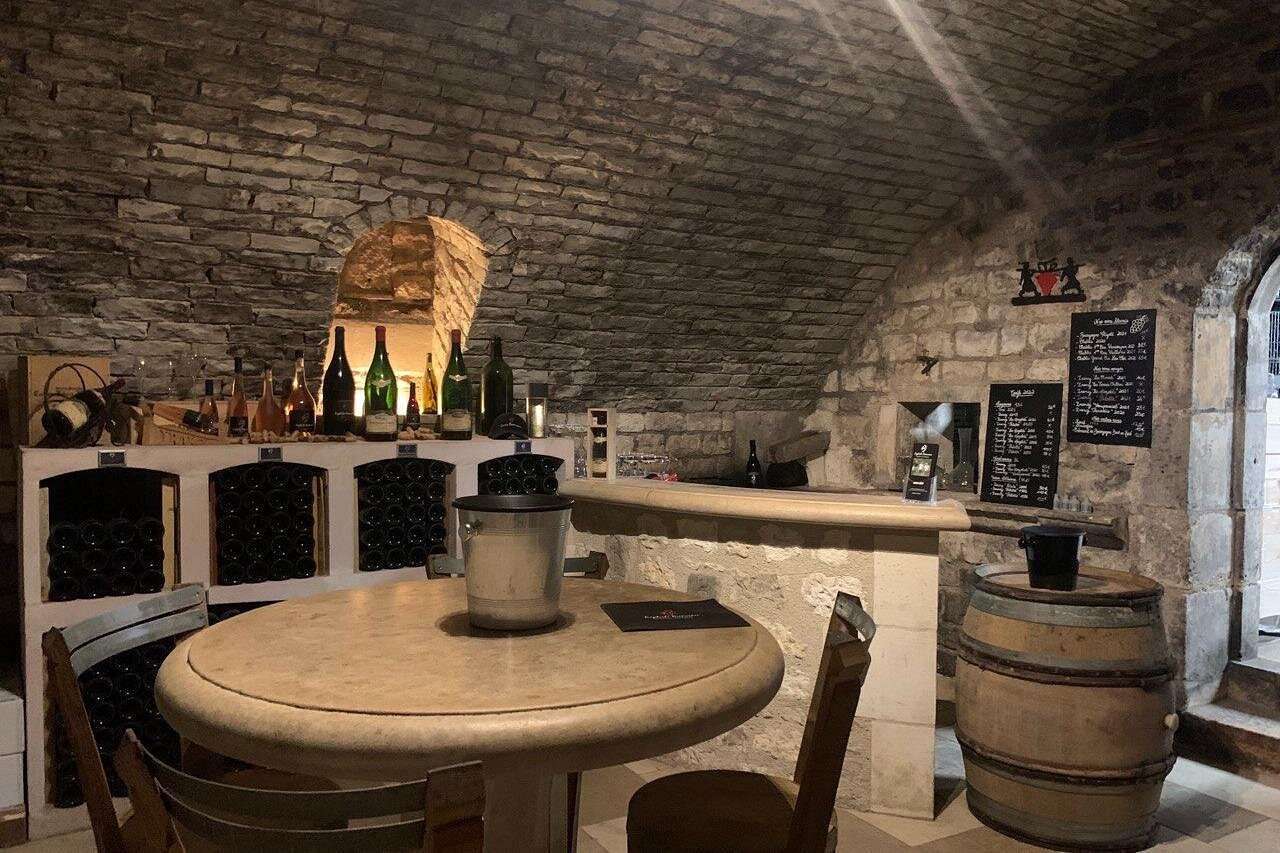
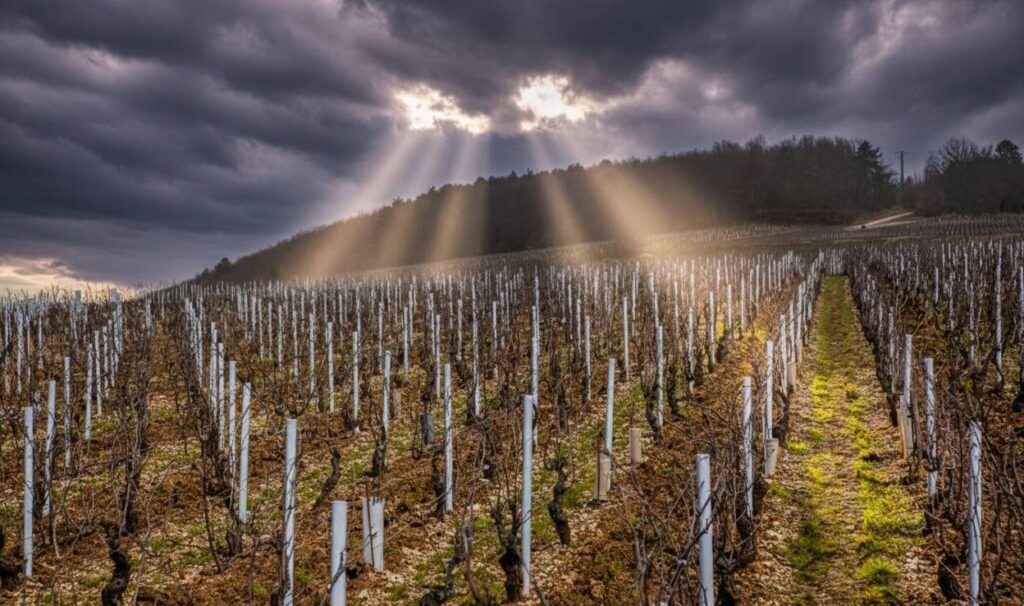
Here, the Chardonnay grape sheds its tropical weight and becomes something skeletal, precise, and hauntingly beautiful. My journey began on the steep slopes of the Grand Cru hill, where the soil crumbles underfoot like ancient chalk. This is the Kimmeridgian marl, a seabed of fossilized oyster shells from the Jurassic age that provides the wine’s unmistakable “gunflint” mineral snap. Sitting in a cold, vaulted cellar with a third-generation vigneron, I watched as he poured a glass of Les Clos. There was no oaky vanilla to hide behind; instead, the wine greeted me with the scent of wet stones, citrus zest, and a saline tension that vibrated on the palate.
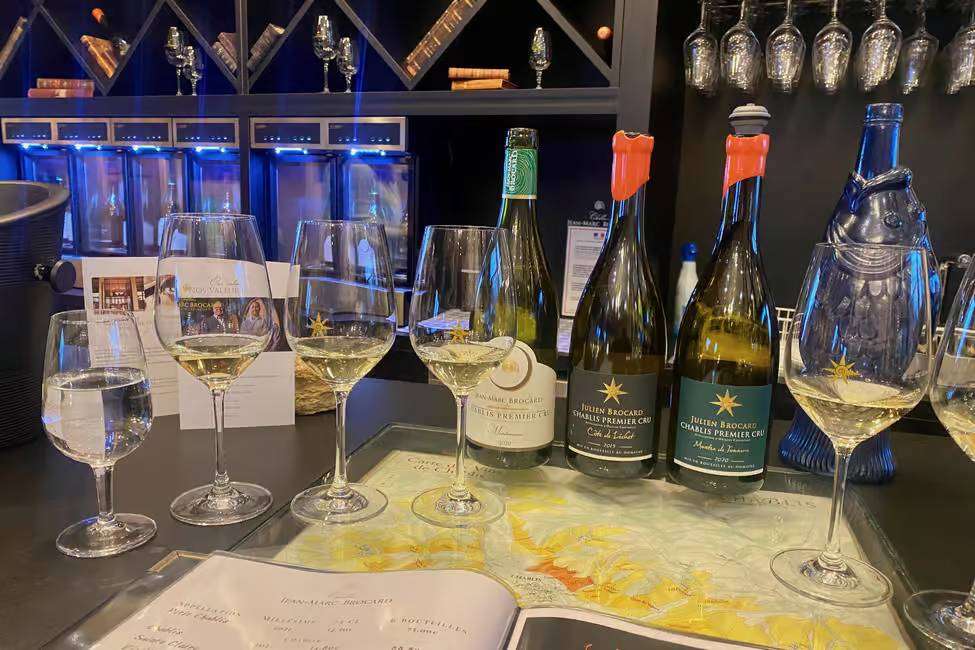
What defines the Chablis experience is this obsession with purity. Moving from the village-level wines to the Premier Crus like Montée de Tonnerre, I felt the landscape change in my glass. The sunnier exposures offer a hint of white peach and acacia, yet that bracing acidity—the nervous system of the region—remains the constant conductor. To drink Chablis at the source is to understand that “steely” isn’t just a tasting note; it is the character of the people who battle spring frosts with flickering smudge pots to protect these precious vines.
As the afternoon light turned the hills to a pale gold, I sat in a small bistro in the town center, pairing a crisp Petit Chablis with a plate of local escargots dripping in garlic butter. The wine’s sharp edge sliced through the richness, a perfect dialogue between the earth and the table. Chablis demands a different kind of attention than the bold reds of the south; it asks you to listen to the silence of the stones and the whisper of the ancient sea. It is a pilgrimage of clarity, where every sip feels like a cold, clean breath of Burgundian air.
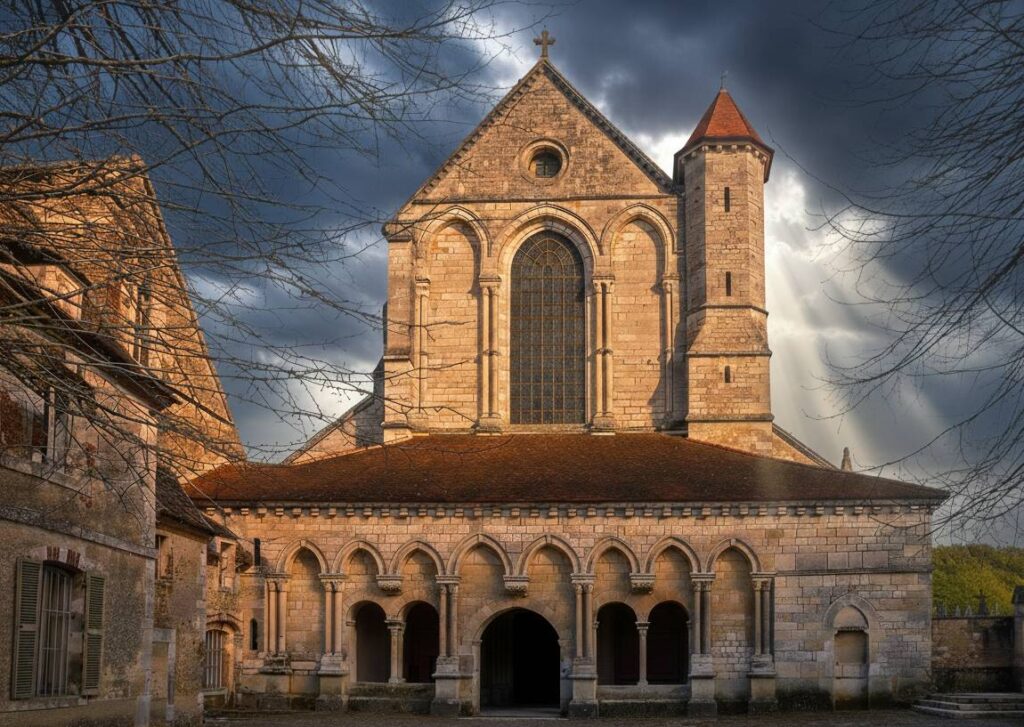
Step into the Grand Cru from Chablis
Planning a winery Visit or Wine Trip in Chablis How to go there
Reaching the rolling hills of Chablis is a seamless transition from the bustle of urban France to the serenity of the vineyard. The primary gateway for international travelers is Paris, with specialized routes connecting the Yonne department to the rest of the world.
-
By Plane: The most convenient major hubs are Paris Charles de Gaulle (CDG) and Paris Orly (ORY), located approximately 180 km away. For those arriving from southern Europe, Lyon Saint Exupéry (LYS) or Geneva (GVA) offer excellent alternative access points to the broader Burgundy wine region.
-
By Train: Direct regional TER trains run regularly from Paris Bercy to Auxerre-Saint-Gervais station. The journey is a relaxing 1 hour and 40 minutes through the French countryside. From Auxerre, Chablis is a quick 20-minute taxi or local bus ride away.
-
By Car: From Paris, the journey is straightforward via the A6 motorway (Autoroute du Soleil) heading south. Travelers should take Exit 20 (Auxerre Sud) or Exit 21 (Nitry) to enter the picturesque winding roads that lead directly into the Chablis valley.
rail network or a scenic drive from major European hubs.
-
Main Airport Codes: The primary international gateway is CDG (Paris Charles de Gaulle). For travelers focusing on the southern reaches of the region, LYS (Lyon Saint Exupéry) provides an excellent entry point, located approximately 1 hour and 45 minutes from the Mâconnais.
-
Alternative Hubs: GVA (Geneva) is a strategic choice for those exploring southern Burgundy, while DIJ (Dijon-Bourgogne) handles private aviation for high-end collectors. BSL (EuroAirport Basel-Mulhouse-Freiburg) is also a viable option for those approaching from the east.
-
By Train (TGV): The high-speed TGV is the lifeline of the region. From Paris (Gare de Lyon), you can reach Dijon in a swift 1 hour and 35 minutes. Other critical stops for wine lovers include Beaune (often requiring a quick platform change), Montbard (for Chablis access), and Mâcon-Loché.
Booking your Plane or Train Ticket
Renting a Car in Chablis
Distances from Chablis Main Cities to Key Wine Regions
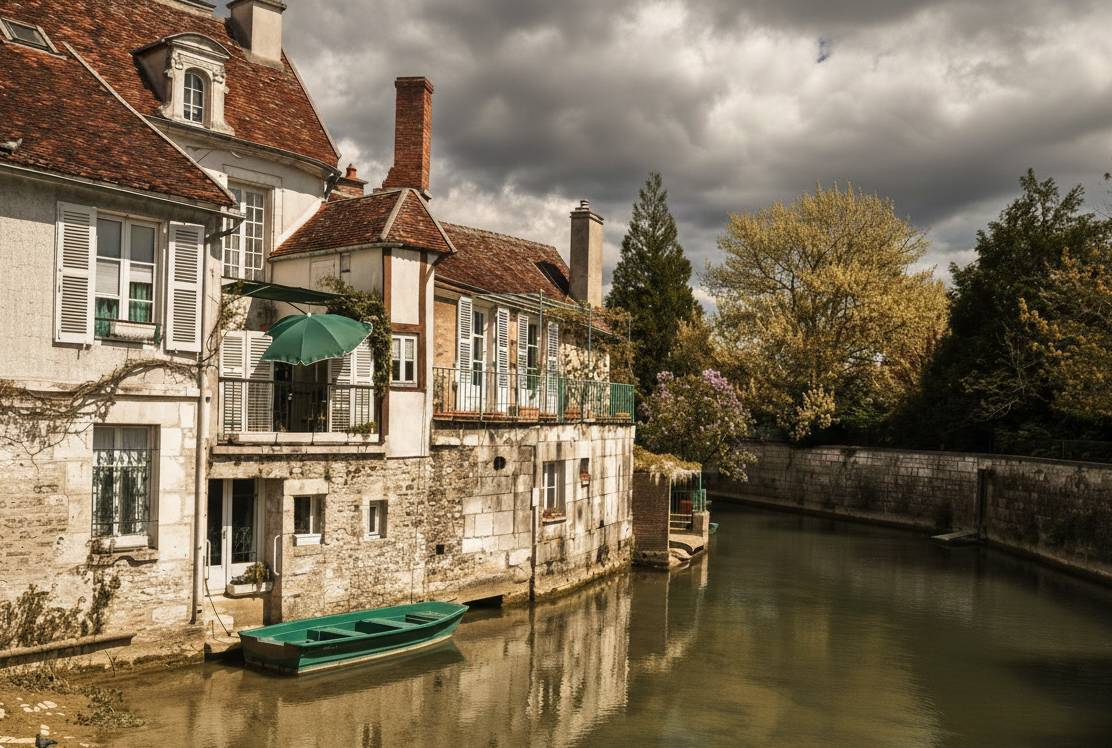
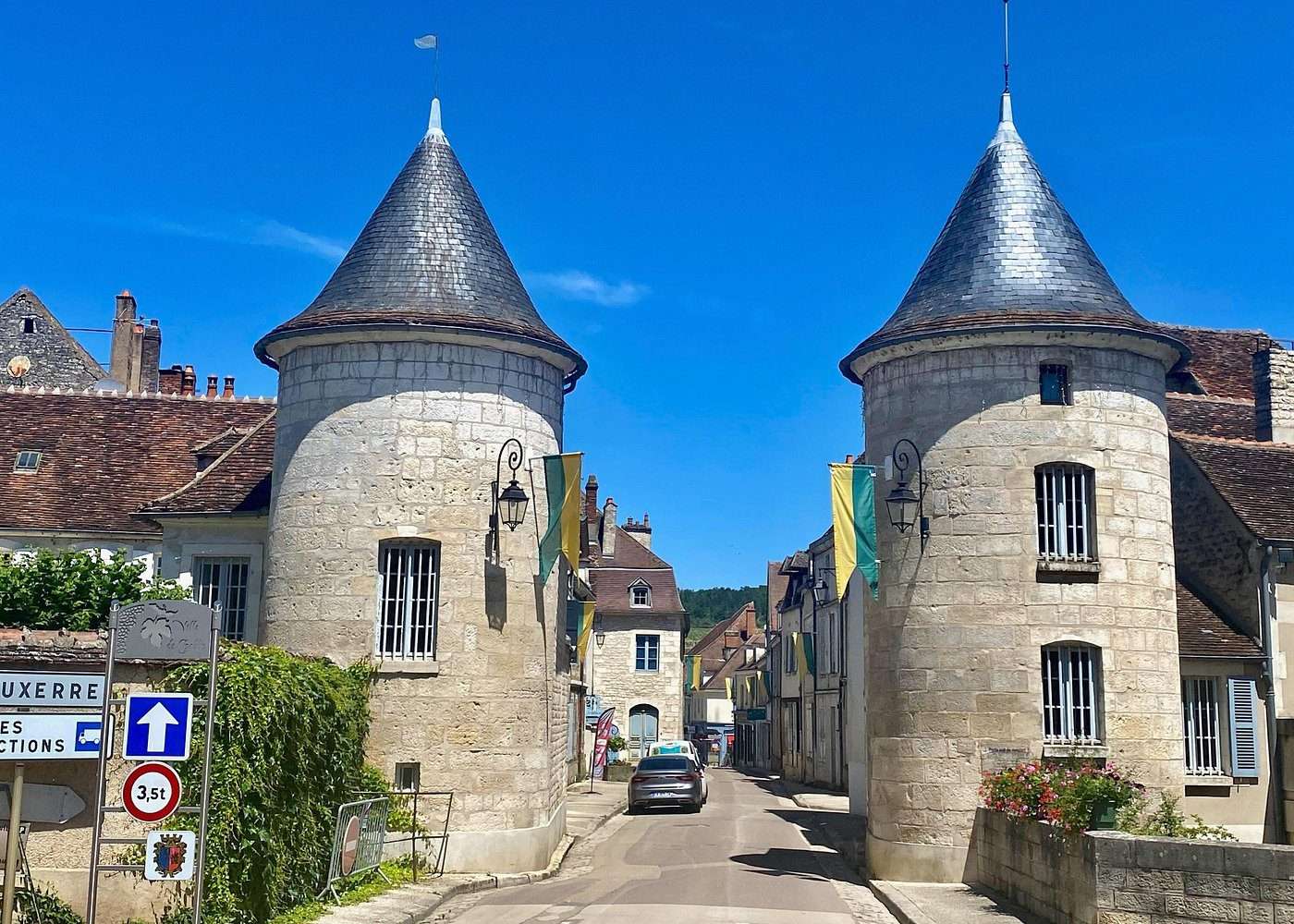
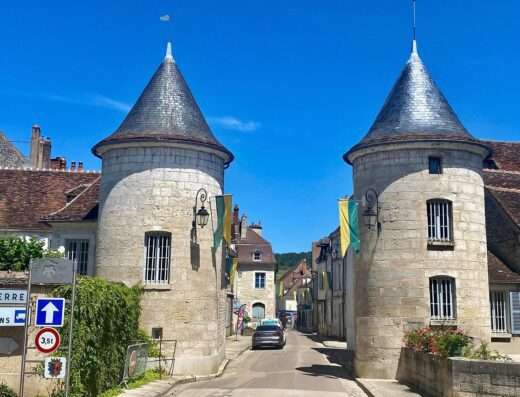
The pretty village of Tonnerre, 20 minutes from Chablis
Navigating the Chablis wine region is a delight, as the distances between the main hubs and the most prestigious sub-appellations are short, allowing for a dense and rewarding itinerary.
-
Auxerre to Chablis (Main Hub): 20 km – 20 minutes.
-
Paris to Chablis (Grand Cru Hill): 185 km – 2 hours 15 minutes.
-
Chablis to Irancy (Pinot Noir hub): 15 km – 15 minutes.
-
Chablis to Saint-Bris-le-Vineux (Sauvignon Blanc): 16 km – 18 minutes.
-
Chablis to Tonnerre (Epineuil region): 16 km – 20 minutes.
Budgeting for Your Chablis wine trip experience The Price of Purity
A trip to Chablis can be curated to fit a range of preferences, from rustic charm to high-end viticultural luxury, reflecting the prestige of the local terroir.
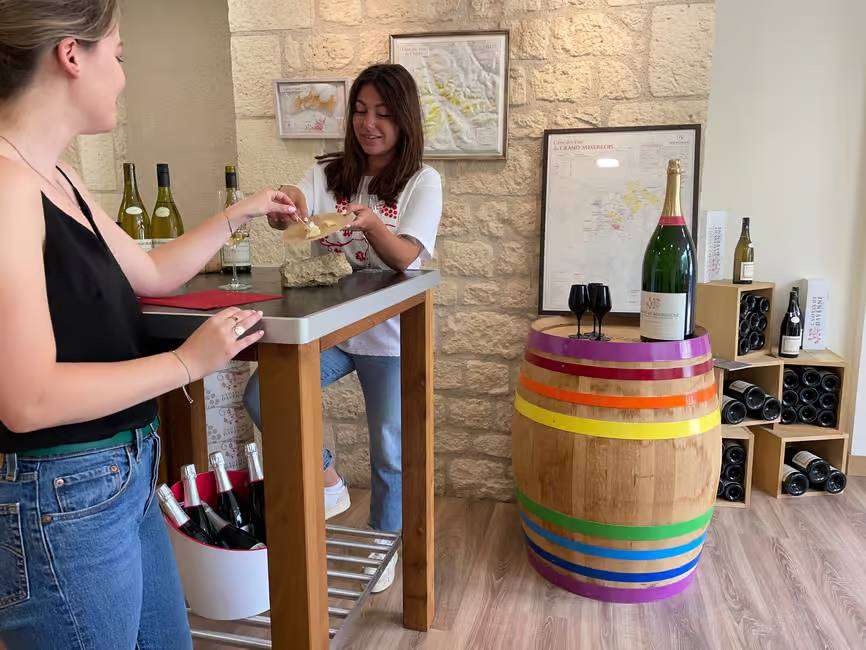
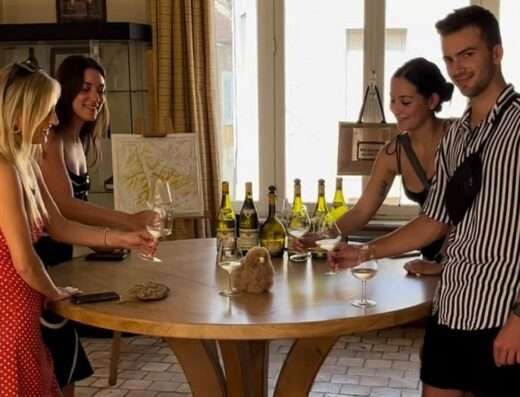
Budget: €120 – €180 per day. This budget covers comfortable 2-star hotels or local guesthouses, regional specialties at traditional bistros, and a Wine tasting at local cooperatives like La Chablisienne or smaller family cellars.
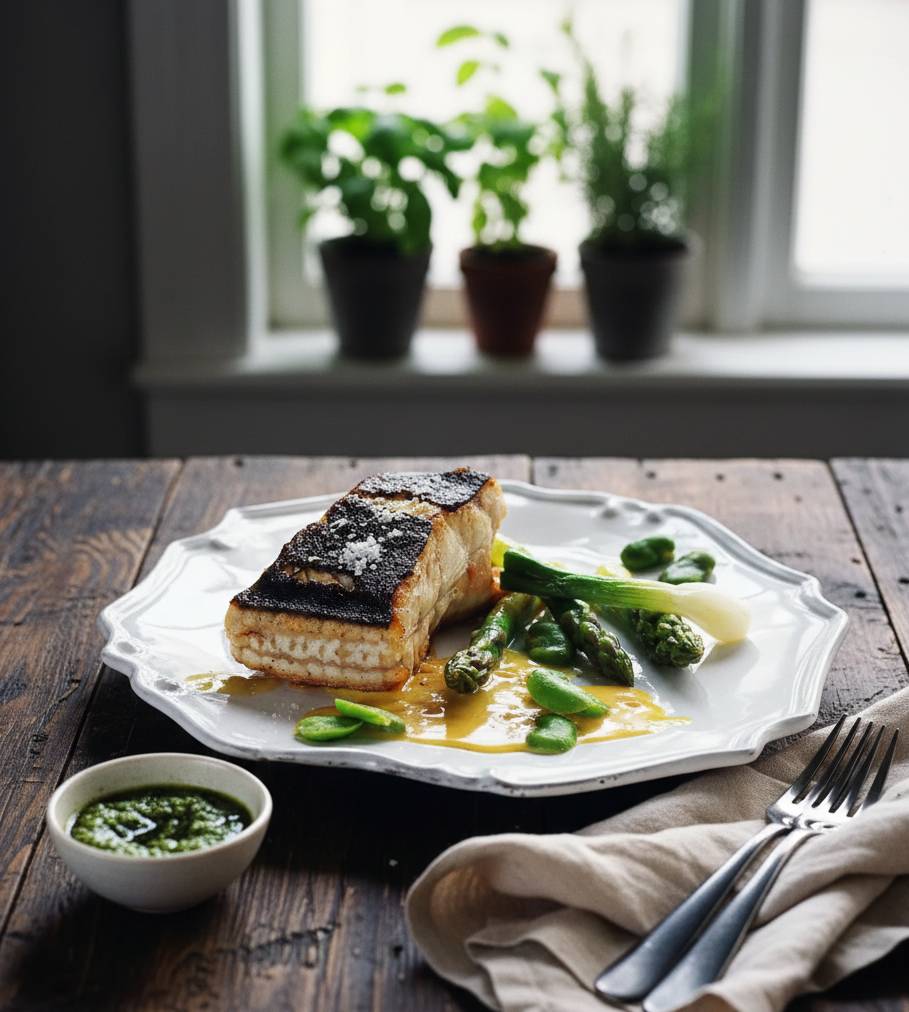
Mid-Range: €250 – €400 per day. This allows for stays in charming boutique hotels or a renovated Estate, dining at refined establishments like Hostellerie des Clos, and booking a Private tour that delves into the specific “climats” of the region.
Luxury: €800+ per day. This elite tier includes 5-star accommodations, Michelin-starred gastronomic experiences, and exclusive access to private cellars for a Wine tasting of rare Grand Cru vintages, often accompanied by a private chauffeur and expert sommelier.
Best Period to Visit Chablis Budburst to Barrel: Finding Your Perfect Moment in the Vines
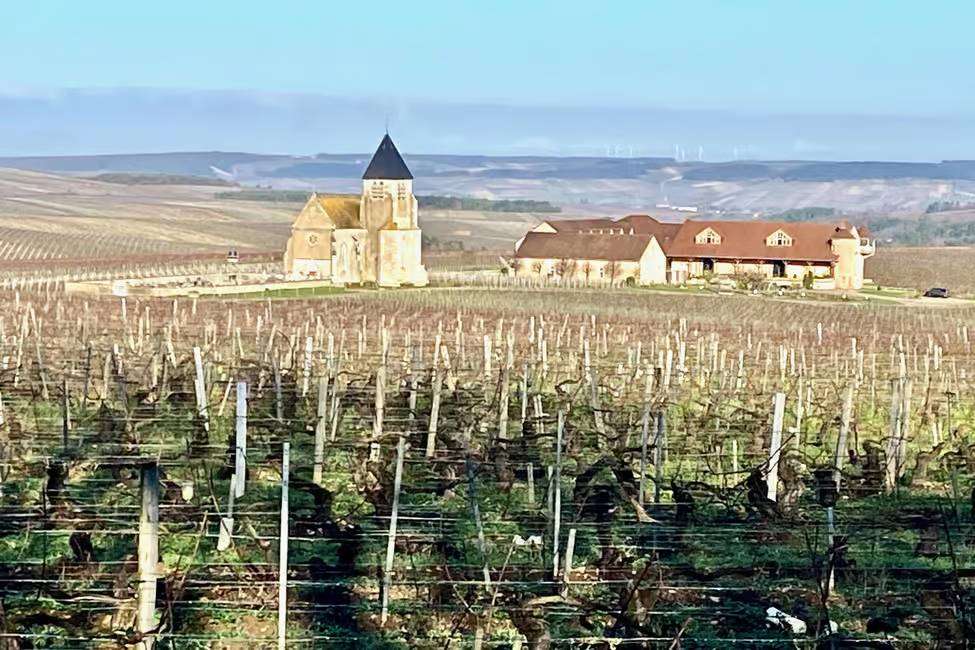
Chablis Vineyards offer different atmospher in each season
The climate of the Yonne department is continental, characterized by distinct seasonal shifts that dramatically alter the vineyard landscape. Choosing the right time to visit depends on whether you seek the energetic buzz of the harvest or the tranquil silence of the winter cellars.
-
Spring: Rebirth. From March to May, Chablis awakens. The air is crisp, and the first buds appear on the vines. It is a quiet, contemplative time to visit a Château, as the landscape turns a vibrant, neon green and crowds remain thin.
-
Summer: Peak. June through August brings warmth and long, sunny days. This is the season of peak energy, perfect for a Wine tasting in the cool, deep cellars to escape the heat or for cycling through the lush, emerald-green valley.
-
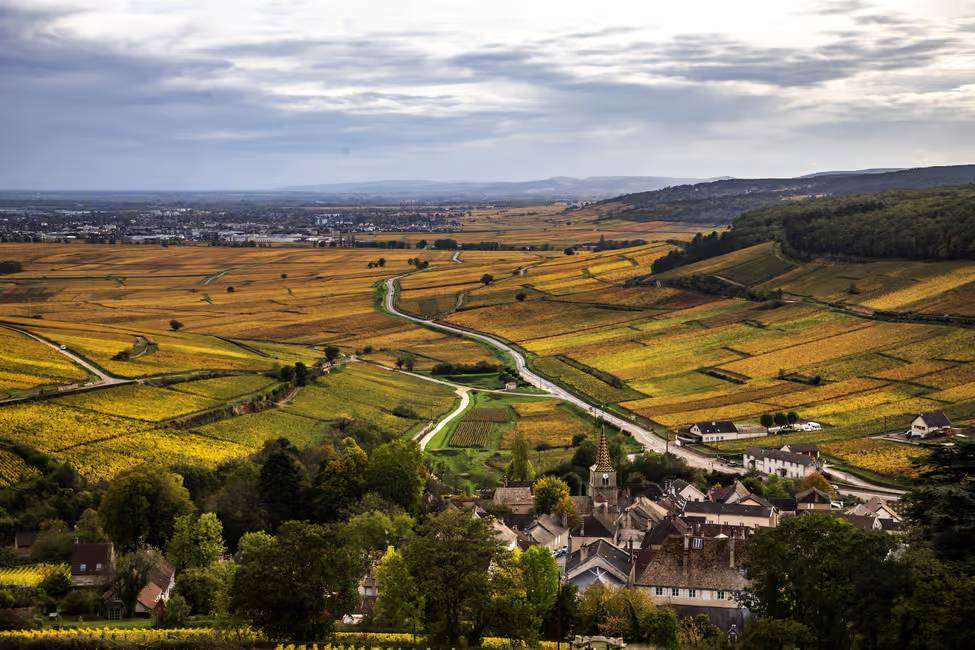
Autumn: Harvest. September and October represent the most electric time. This is the “Vendanges,” where the air is thick with the scent of fermenting juice. The landscape transforms into gold and ochre, making it a thrilling time for a Private tour.
-
Winter: Quiet. From November to February, the region enters a peaceful dormancy. It is the “insider’s season,” ideal for cozy gastronomic experiences and intimate conversations with winemakers by the fireside after a chilly day in the vines.
Main towns and places in Chablis Sanctuaries of Stone: The Towns That Guard the Vines
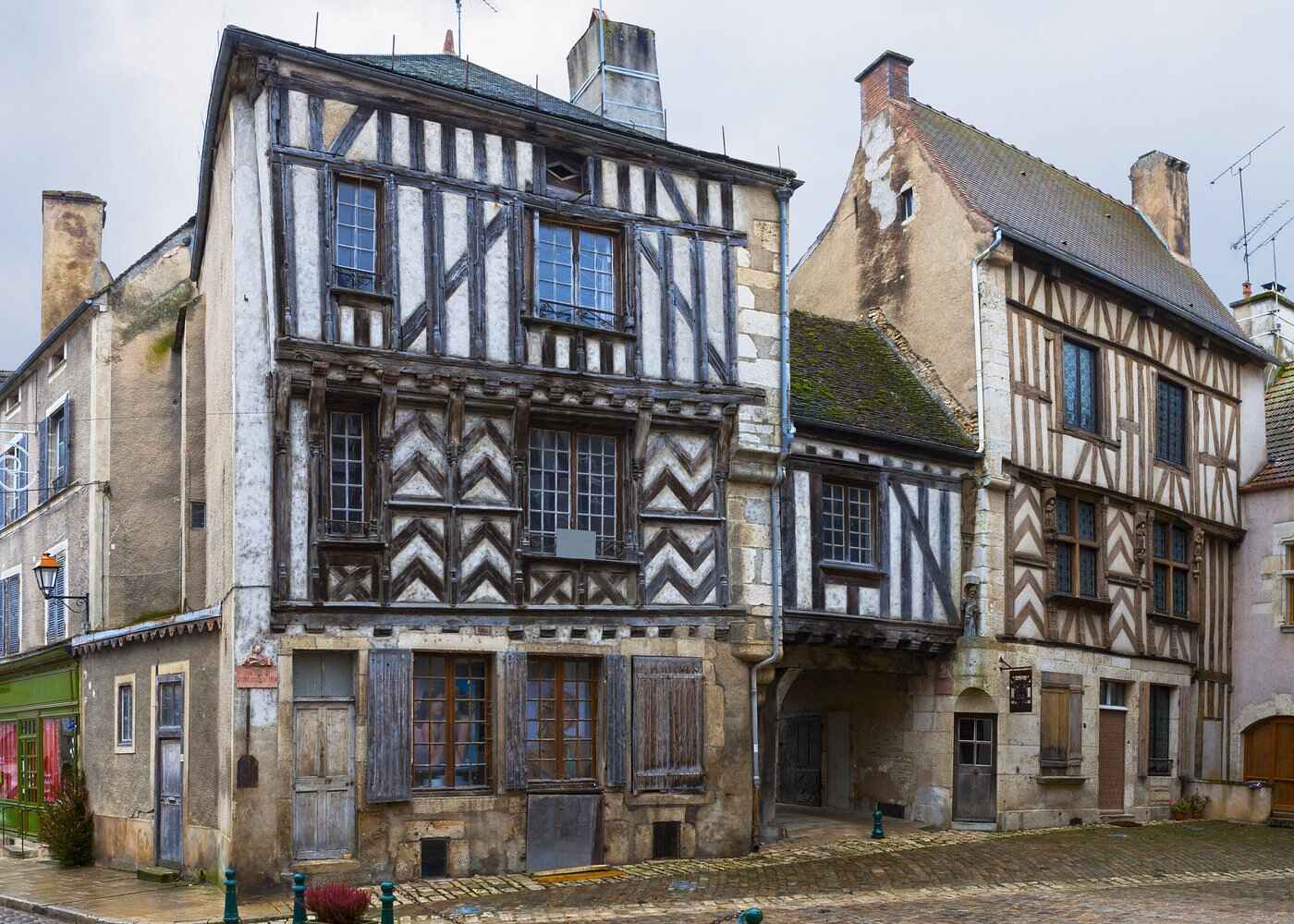
Chablis old center is a real postcard
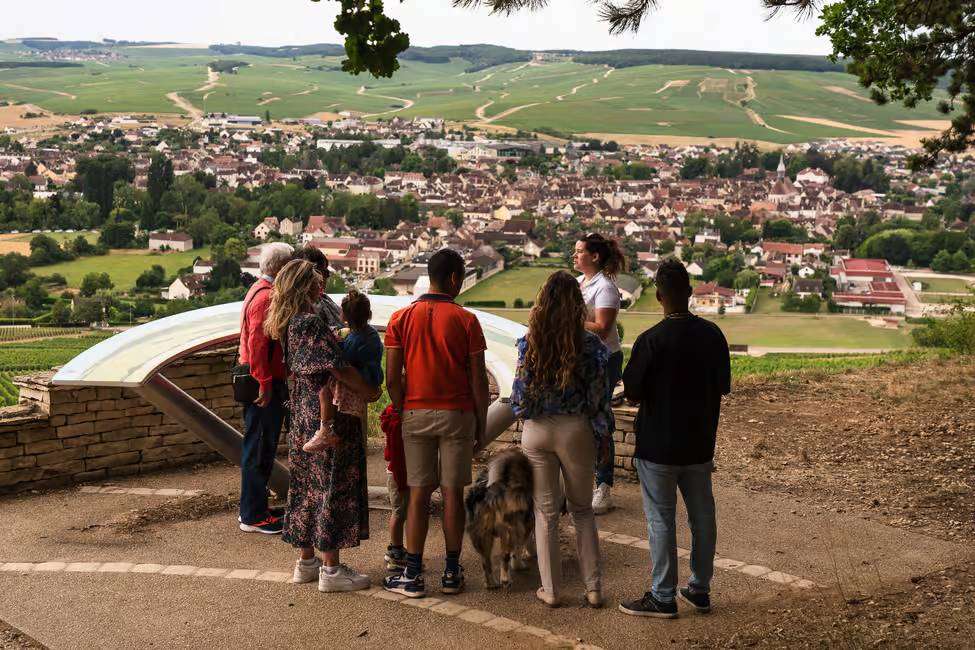
Chablis The heartbeat of the region, Chablis is a town where the past and present of wine are inextricably linked. Visitors can expect an atmosphere of quiet sophistication, characterized by narrow stone streets and ancient cellars. A must visit is the Cité des Climats et Vins de Bourgogne, which explains the complex geology of the seven Grand Cru sites overlooking the town. Chablis is the ultimate wine hub because it sits at the center of the appellation hierarchy, making it the perfect base for any Private tour focusing on the pure expression of Chardonnay.
Auxerre As the gateway to the Yonne, Auxerre offers a majestic atmosphere with its towering Gothic Cathedral and the Abbey of Saint-Germain reflected in the river. Customers can expect a bustling city feel with diverse dining options and a beautiful riverfront promenade. It is a vital wine hub because it provides access to the “Auxerrois” sub-region, including the famous red wines of Irancy and the unique Sauvignon Blancs of Saint-Bris. A must visit is the medieval clock tower. Staying here allows for a perfect blend of historical sightseeing and easy vineyard access.
Tonnerre Located to the east of Chablis, Tonnerre is a town of mystery and architectural grandeur. The atmosphere here is rugged and authentic, dominated by the Fosse Dionne, a mesmerizing, deep-blue natural spring. Visitors should also explore the Hôtel-Dieu, one of Europe’s oldest medieval hospitals. Tonnerre is an important wine hub for the “Tonnerrois” region, known for its crisp white wines and the nearby Pinot Noirs of Épineuil. It offers a quieter alternative to the main tourist path while remaining a crucial part of the Yonne’s viticultural identity.
Find the Best Places to Stay
Plan your Transportation The Slow Road to Chablis: Planning Your Pilgrimage
To truly grasp the nuances of the Kimmeridgian slopes, your choice of transport is vital. While the village center is compact, the vineyards are spread across a rugged landscape that requires careful planning.
Car Rental: This remains the most popular choice for maximum flexibility. Agencies are located at all Paris airports and the Auxerre train station. Having your own vehicle allows you to reach the high plateaus of Petit Chablis and the hidden valleys of the Auxerrois at your own pace, especially when visiting a remote Estate.
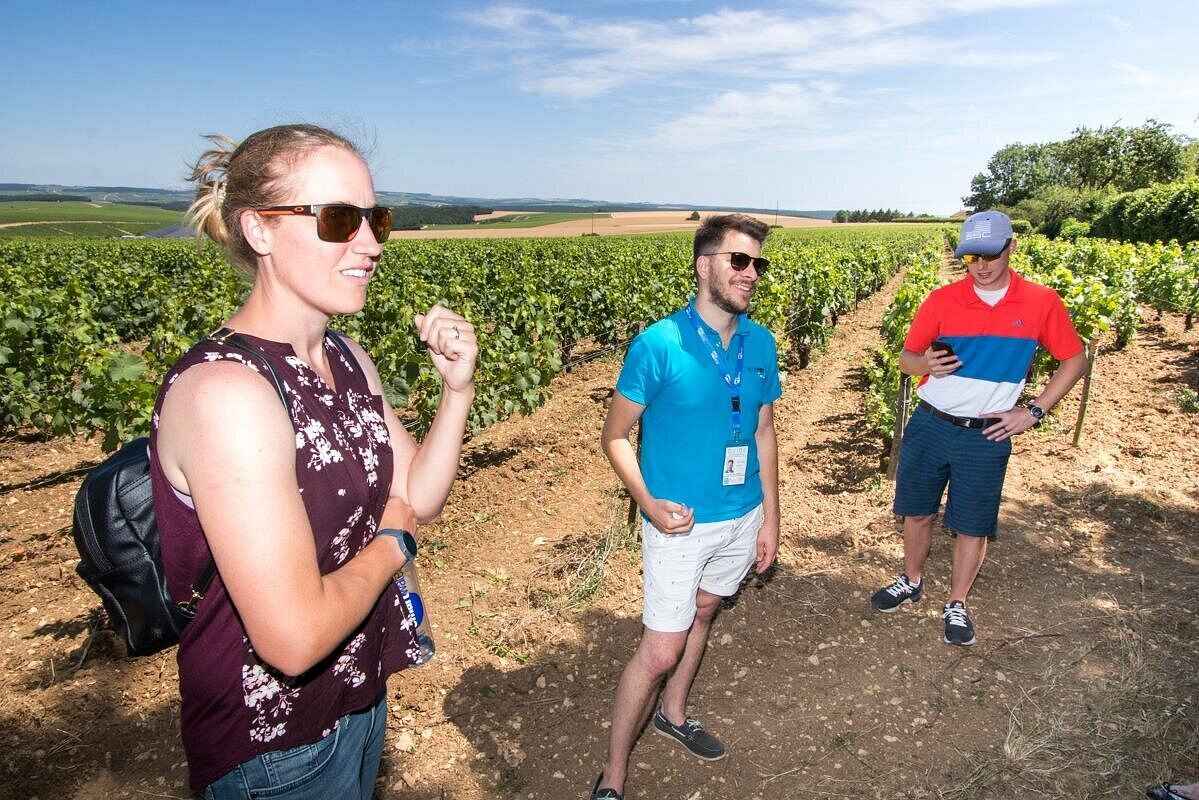
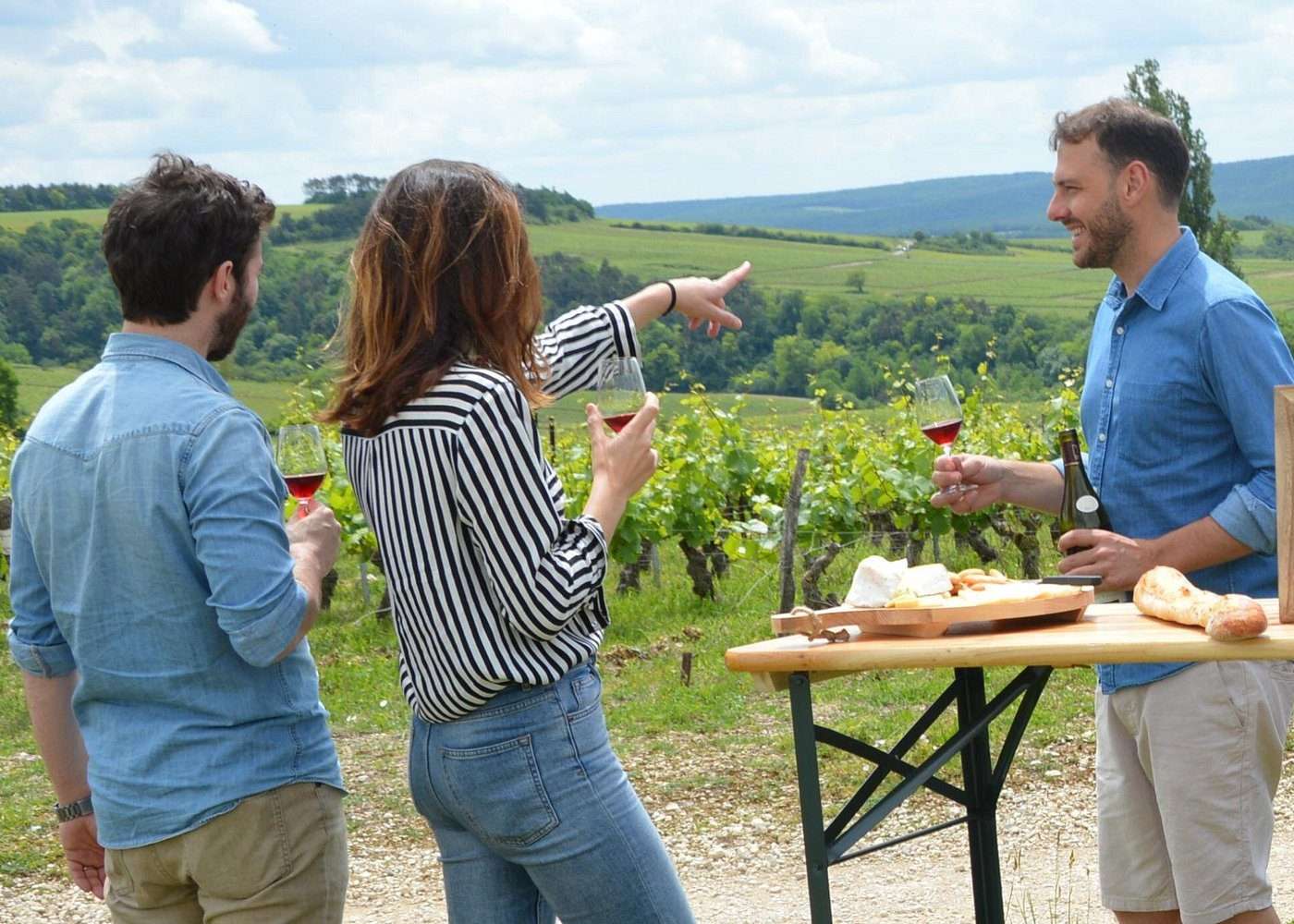
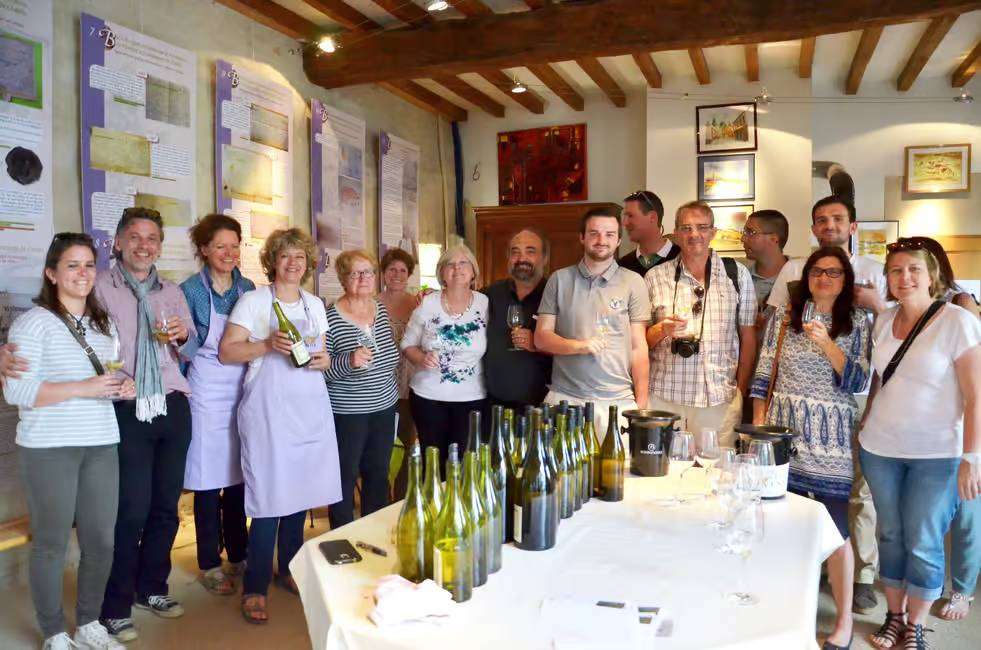
Private Driver: For those prioritizing a stress-free Wine tasting experience, hiring a private chauffeur or a specialized wine guide is highly recommended. Not only does this ensure safety after multiple tastings, but these experts often provide exclusive access to private cellars and share deep geological knowledge during a Private tour.
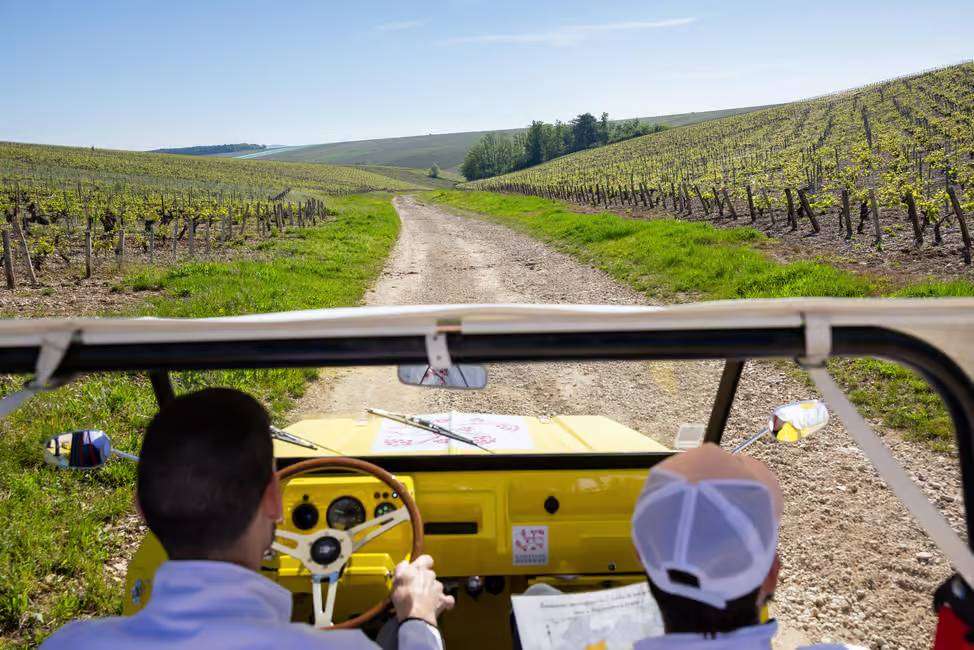
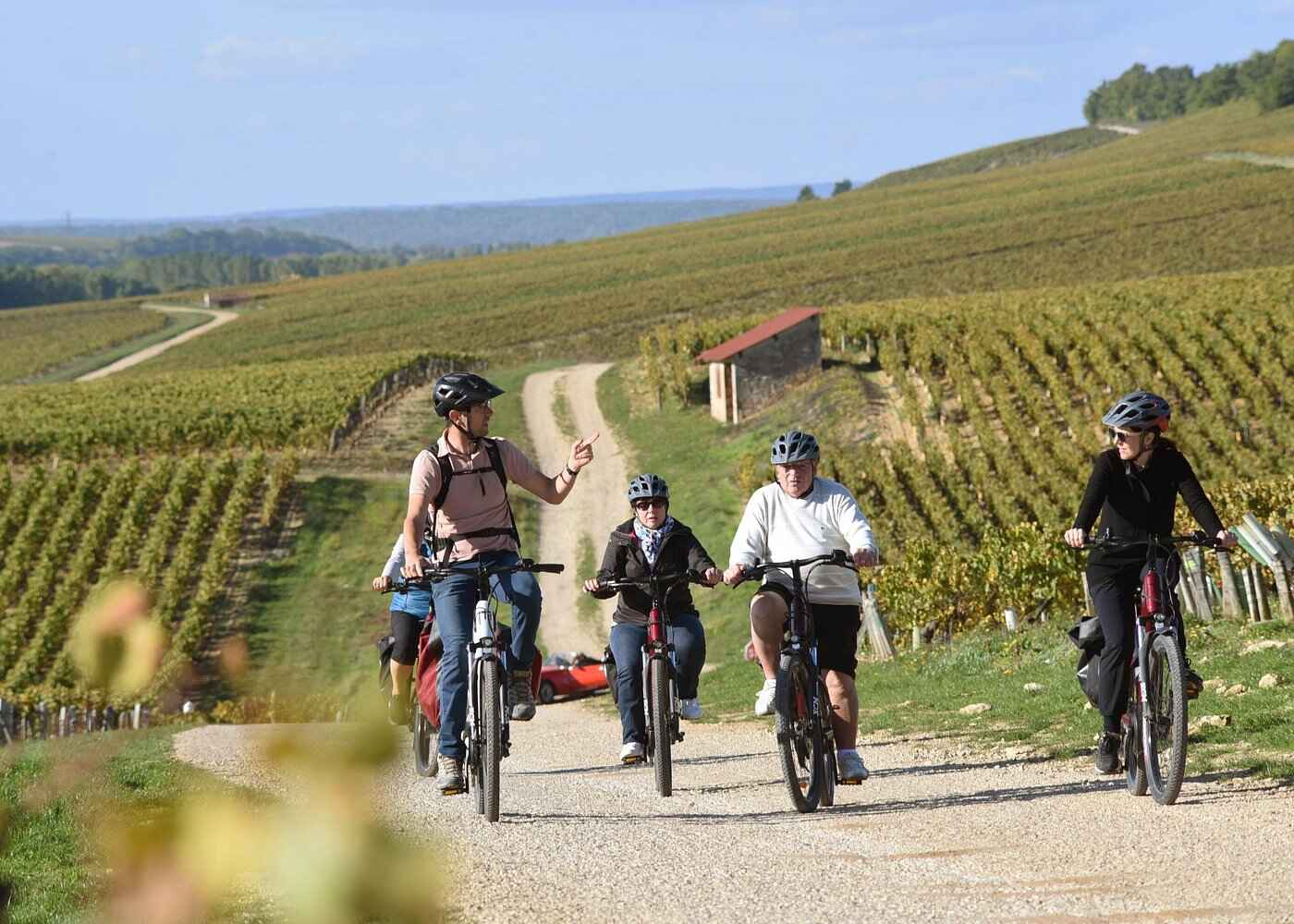
Biking & Hiking: The Grand Cru hill is best explored at a slower pace. Numerous shops in the village offer electric bike rentals, which are essential for conquering the steep inclines of “Les Clos” or “Vaudésir.” For hikers, well-marked trails wind through the vines, offering the most intimate way to feel the limestone soil beneath your feet.
Local Taxis & Shuttles: While less common than in big cities, local taxi services operate out of Chablis and Auxerre. It is essential to book these in advance, especially during the harvest season or for evening dining transfers, as availability can be limited in this rural setting.
Shipping costs and wine export from Chablis From the Serein to Your Shore: The Journey of the Bottle
Bringing a piece of Chablis home involves navigating international shipping logistics and customs duties which vary by destination.
European Union: Shipping is straightforward; a case of 12 bottles typically costs between €30 and €60 with no additional customs duties between member states.
USA: Highly regulated; shipping costs for a case generally range from $150 to $250, including specialized packaging, insurance, and federal excise taxes.
UK: Since Brexit, shipments face approximately 20% VAT plus specific customs duties, with shipping fees starting around £60 per case.
Canada: Complex due to provincial liquor board monopolies (SAQ/LCBO); costs and timelines are significantly higher and require specific import permits.
Payment methods
The Chablis region seamlessly blends tradition with modern convenience regarding financial transactions.
Credit Cards: Visa and Mastercard are the standard and are accepted at almost every Château, hotel, and restaurant.
American Express: Often accepted in luxury hotels and larger estates, though less common in smaller family-run tasting rooms.
Cash: Carrying a small amount of Euros is highly recommended for local farmers’ markets or small purchases in rural hamlets where digital infrastructure may be limite