Table of Contents
Mastering the Chablis Wine Region: Official AOC & Sub-Regional Hierarchy An Authoritative Technical Breakdown of the Côte d’Or, Mâconnais, Chablis and Beaujolais.
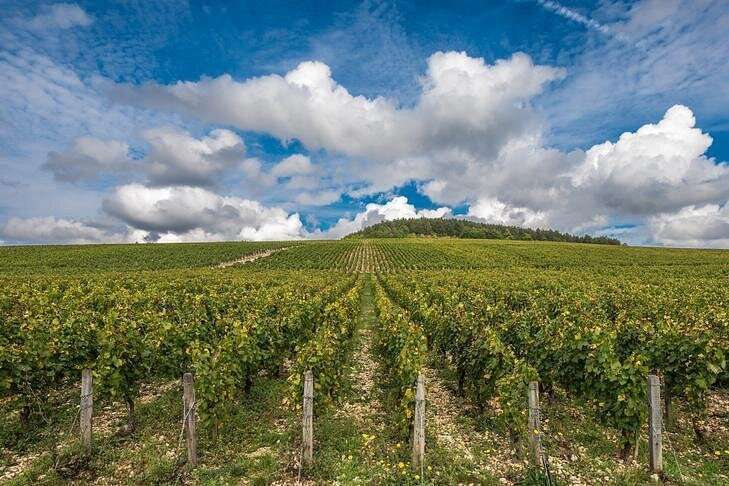
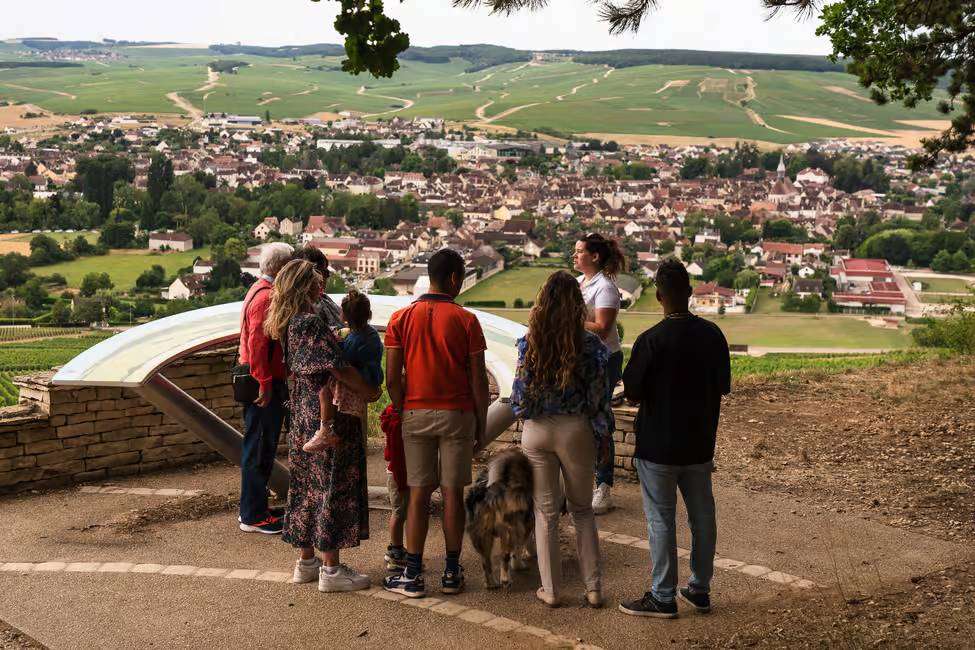
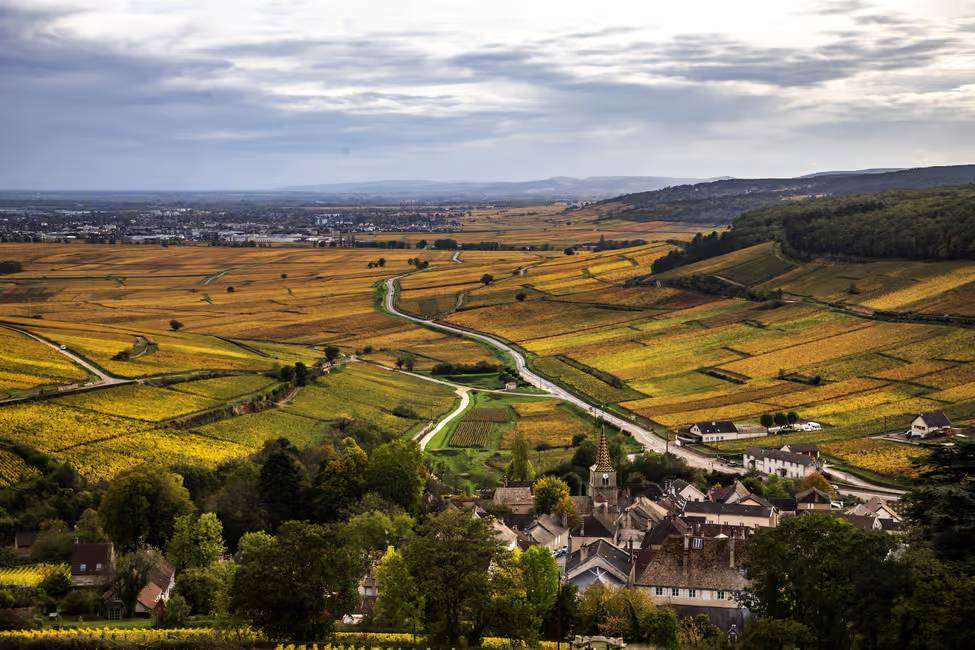
This Chablis Wine Appelations guide offers a deep dive into the viticultural soul of the Yonne, where the northernmost vineyards of Burgundy carve their identity into ancient Jurassic stone. From the legendary, sun-drenched slopes of Chablis to the hidden valleys and historic villages of the Grand Auxerrois, this region is a masterclass in the relationship between earth and glass.
Here, the landscape is defined by the fabled Kimmeridgian and Portlandian limestones—remnants of a prehistoric sea that provide the skeletal structure for the world’s most precise, saline, and mineral-driven Chardonnay. In this guide, we map the official hierarchy of these northern strongholds, exploring the monumental power of the Grand Crus, the intricate mosaic of the 40 Premier Cru climats, and the vibrant diversity of the Auxerrois satellites. Whether you are seeking the “gunflint” austerity of a classic Chablis or the rare, aromatic surprises of the neighboring valleys, this exhaustive cartography serves as the definitive reference for the terroirs of the North.
Pinnacle of Chardonnay, but not only...
Chablis Grand Cru AOC The 7 Official Climats
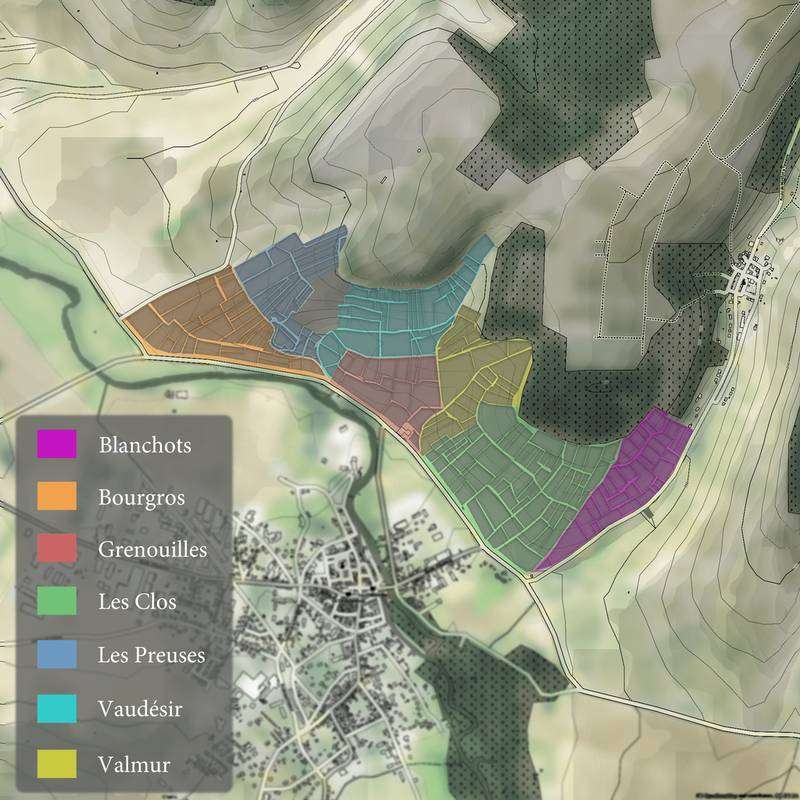
Map of Chablis Grand Vrus source Wikipedia
The Chablis Grand Cru AOC is the ultimate expression of Chardonnay on Kimmeridgian limestone. Spanning a single, majestic south-west facing hillside of approximately 100 hectares, this AOC represents the absolute peak of the region’s prestige. The terroir here is a dense marl rich in Exogyra virgula fossils, providing a vertical power and saline depth found nowhere else on earth. These wines are not merely fruity; they are geological statements. In their youth, they are often tight, vibrating with high-tension acidity and a bouquet of flint, smoke, and citrus zest. As they age, they develop a profound “peacock’s tail” of flavors including honey, truffle, and toasted nuts. A true Grand Cru requires at least 5 to 10 years to begin showing its soul and can easily improve for two decades or more.
All located on The Right Bank Peak of Serein
Blanchot: Located at the eastern tip of the Grand Cru hill, Blanchot is unique because it catches the morning sun but is shaded from the harsh afternoon heat. The soil contains a high proportion of white clay, which translates into a wine of remarkable floral delicacy and ethereal grace. Unlike the muscle of Les Clos, Blanchot offers notes of white flowers, mint, and a silky, lace-like texture. It is the most “feminine” of the Grands Crus, prized for its crystalline purity. Style: Floral and ethereal. Aging Potential: 10–15 years.
Bougros: Situated at the westernmost edge where the slope is less steep and the soil is deeper and richer in clay. Bougros produces the most “gourmet” and accessible Grand Cru. It is typically round, fleshy, and broad on the palate, showing riper fruit notes than its neighbors. Because of its generous nature, it is often the first Grand Cru to be ready for drinking, though it retains the signature Chablis mineral backbone. Style: Fleshy and round. Aging Potential: 8–12 years.
Les Clos: The undisputed sovereign of Chablis. As the largest and most famous climat, Les Clos is a monumental wine defined by power, density, and a seemingly infinite finish. Its perfect southern exposure and stony ground create a wine that is incredibly closed and austere in its youth—often described as “drinking a stone.” With time, it reveals a multifaceted complexity of dry honey and crushed flint. Style: Powerful and structured. Aging Potential: 15–25+ years.
Grenouilles: The smallest of the seven, sitting just above the Serein river. Grenouilles is often the most balanced and “complete” wine. It combines floral aromatics with a distinct weight. It is known for its harmony, featuring a core of citrus and peach fruit wrapped in a persistent, vibrating mineral cloak. Style: Balanced and harmonious. Aging Potential: 10–18 years.
Preuses: Perched on the upper crest of the hill, Preuses benefits from an almost vertical sun exposure. This produces a wine of great distinction and refinement. Preuses is celebrated for its long, suave texture and its ability to combine firm structure with delicate aromas of lime blossom. It is a contemplative wine that gains a smoky character with age. Style: Distinct and refined. Aging Potential: 12–20 years.
Valmur: Tucked into a small, steep “vau” (valley) that creates a unique microclimate. Valmur is often the most “cold” and mineral-driven Grand Cru. It is famous for its vertical tension and a piercing acidity that feels like liquid lightning. It is a wine for purists, offering a strict, chiseled character that eventually softens into honeyed stone fruit. Style: Austere and mineral. Aging Potential: 15–22 years.
Vaudésir: This climat forms a natural amphitheater, capturing heat on one side while maintaining freshness on the other. Vaudésir is renowned for its supple, “velvety” texture. It is often the most aromatic of the Grands Crus, featuring hints of spice, acacia, and white peach. Style: Supple and aromatic. Aging Potential: 12–18 years.
Chablis Premier Cru AOC 40 climats
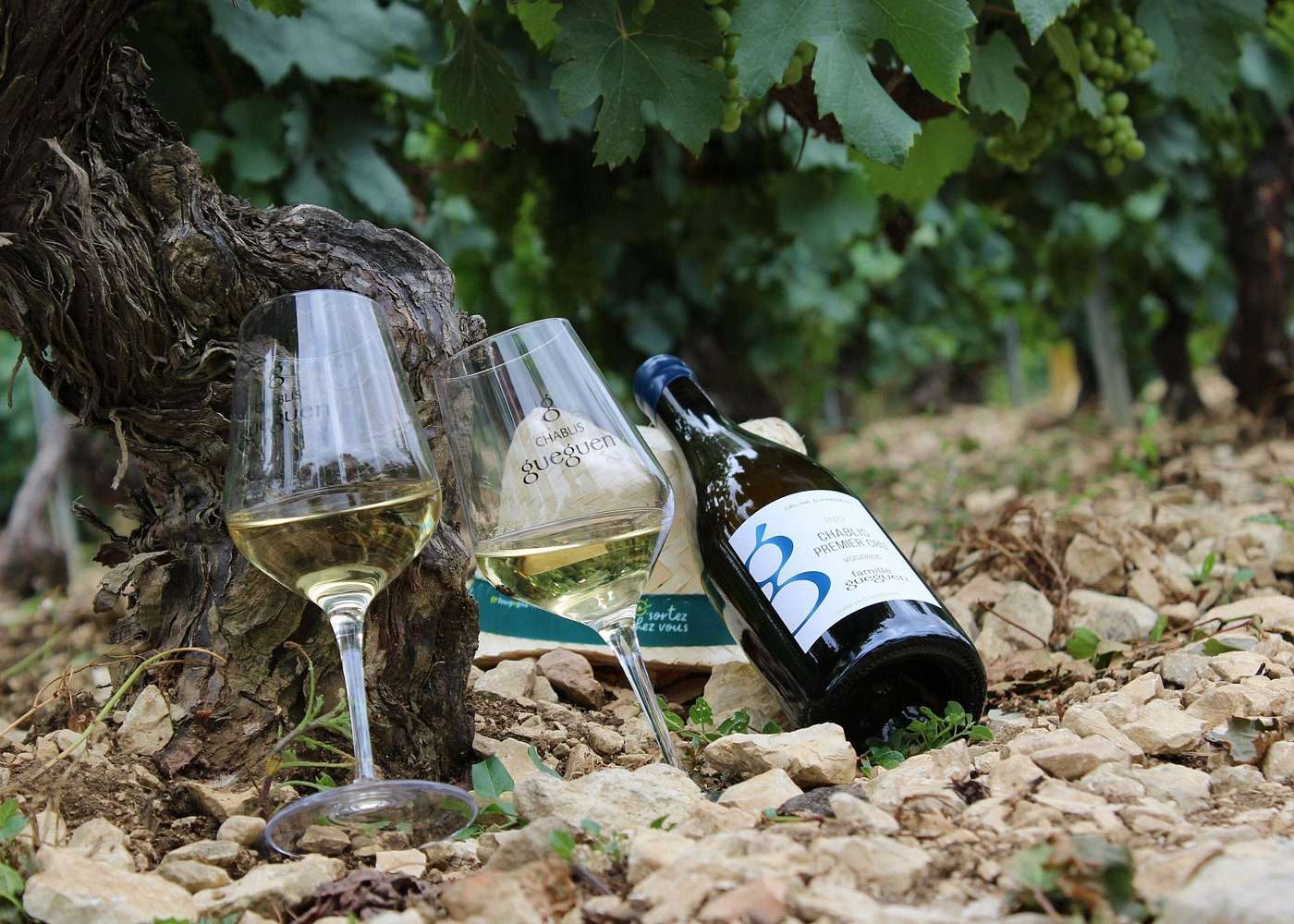
The Chablis Premier Cru designation represents the vibrant heart of the region’s diversity. While technically a sub-division of the Chablis AOC, these 40 specific plots (Climats) are elevated due to their superior exposure and geology. Spread across the hillsides surrounding the Serein, they offer an intermediate complexity—more concentrated than Village wines but more accessible than Grands Crus. This section is essentially a study of the interplay between sunlight and limestone. The wines are typically aged 5 to 12 years, during which they lose their youthful “green” edge and gain a rich, buttery, brioche-like depth while retaining the “gunflint” aroma that defines the region.
The Right Bank Flagships and Sub-Climats
Mont de Milieu: This is the most “Grand Cru-like” of all Premiers Crus. Its perfect southern exposure allows the grapes to reach high levels of ripeness. The resulting wine is broad, powerful, and persistent, with a honeyed richness balanced by a massive saline finish.
Montée de Tonnerre: Widely considered the finest Premier Cru in Chablis. This sector includes the sub-climats Chapelot, Côte de Bréchain, Pied d’Aloup, and Sous Pied d’Aloup. These wines are stony, austere, and built for long-term cellaring, often outperforming Grands Crus in blind tastings.
Fourchaume: A vast and highly prestigious area known for its seductive charm. It encompasses L’Homme Mort, Vaulorent, Vaupulent, Côte de Fontenay, Vau Pulan, Dine-Chien, and Ardillier. It offers a fragrant mix of white peach and crushed flint with an ample mouthfeel.
Vaucoupin: A steep, dramatic climat that yields wines of high tension and crystalline purity. It includes Adroit de Vaucopins. The wine is famous for its sharp, iodine-inflected minerality and lime-zest energy.
Les Fourneaux: A warmer site including Morein and Côte des Prés-Girots. These wines are notably round and opulent, often showing more exotic fruit notes than other Right Bank climats.
Berdiot & Côte de Vaubarousse: These are smaller, more confidential climats. They offer a more rustic but deeply authentic expression of the terroir, appearing leaner and more vertical.
The Left Bank Flagships and Sub-Climats
Vaillons: The benchmark of the Left Bank. It includes Beugnons, Chatains, Les Epinottes, Les Lys, Mélinots, Roncières, Sécher, and Sur les Vaillons. It is iconic for its floral bouquet and elegant structure.
Montmains: A powerful, structured sector including Butteaux and Forêts. These wines are often quite stony and “brooding” when young, requiring age to reveal their complex mineral layers.
Côte de Léchet: Located on a steep, white stony slope above Milly, including Le Château. It is the archetype of “stony” Chablis, defined by its high-acid, citrusy palate.
Beauroy: Including Côte de Savant and Troësmes. This climat produces a suppler, more fruit-forward wine with a silky texture and softer acidity.
Vau de Vey: Including Vaux Ragons. A narrow, steep, and cool valley that produces wines with extreme precision and a laser-like mineral finish.
Vau Ligneau: Including Vau Girault. These wines are light-bodied, highly aromatic, and incredibly fresh, often showing notes of green apple.
Vosgros: Including Vaugiraut. A southerly-facing valley on the Left Bank that balances the bank’s natural freshness with a bit more solar ripeness.
Les Beauregards: Including Côte de Cuissy. The southernmost Premier Cru, yielding wines that are fresh, clean, and dominated by bright citrus and herbal notes.
Côte de Jouan & Chaume de Talvat: The most confidential of the Premier Crus, offering niche expressions for collectors seeking cool-climate, high-altitude precision.
The Chablis AOC the true pulse of the region
The Chablis AOC is the true pulse of the region and serves as the global gold standard for pure, unoaked Chardonnay. Covering approximately 3,600 hectares across 20 communes, this appellation is where the legendary relationship between the Chardonnay grape and the Kimmeridgian limestone is most widely expressed. These soils, characterized by greyish marl and limestone layers packed with tiny fossilized oysters, impart a “nervy” tension and a distinctive saline finish that is inimitable.
In the glass, a classic Chablis Village is clear and bright, often displaying pale gold hues with tell-tale greenish reflections. The aromatic profile is a bracing mix of green apple, lemon zest, white flowers, and the unmistakable scent of wet stones or “gunflint” (pierre à fusil). On the palate, it is dry and precise, characterized by a vibrant acidity that cleanses the palate and makes it perhaps the world’s most perfect pairing for oysters and seafood. While often enjoyed young (2–5 years) to capture its primary energy and briskness, high-quality village wines from older vines (Vieilles Vignes) can evolve beautifully for up to a decade, softening their acidic edge and developing complex notes of honey, beeswax, and toasted almonds.
Petit Chablis AOC the "high-altitude" energy of the region
The Petit Chablis AOC represents the “high-altitude” energy of the region, found primarily on the higher plateaus that sit above the Grand Cru and Premier Cru slopes. Unlike the Kimmeridgian-dominant lower slopes, the terroir here is composed of Portlandian limestone. This geological layer is slightly younger, harder, and contains less clay, resulting in wines that emphasize fruit purity and zesty refreshment over the dense mineral weight of its siblings.
Petit Chablis is the ultimate “bistro wine”—vibrant, light-bodied, and designed for immediate pleasure. Because these vineyards are located on the plateaus, they are more exposed to the elements, resulting in a wine that captures a cooler, crisper profile. The palate is typically dominated by citrus—grapefruit and lemon—alongside notes of white peach and hawthorn. It is a wine of transparency and “vif” (lively) character. While it is best consumed within 1 to 3 years of the harvest to appreciate its youthful zing, it remains a technically precise wine that offers a sophisticated introduction to the region’s northern style. It is an ideal partner for light appetizers, goat cheese, or simply as a refreshing apéritif.
The Grand Auxerrois Neighboring Valleys
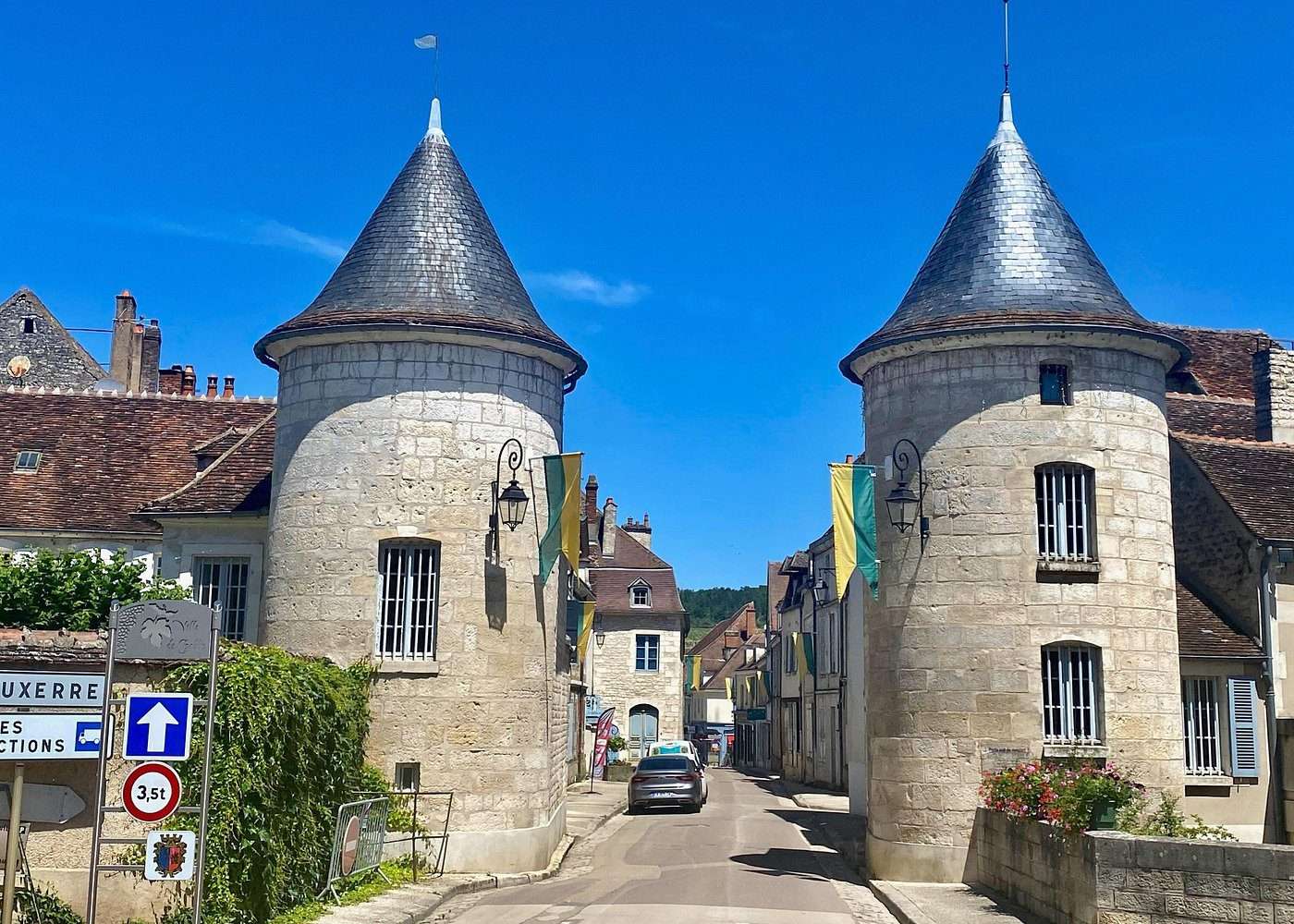
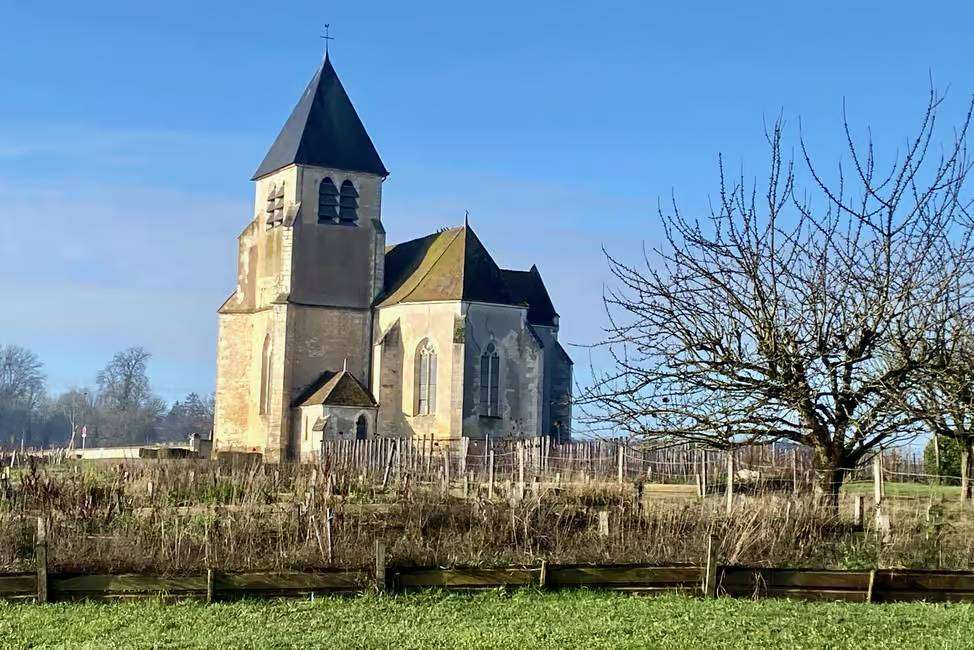
The Grand Auxerrois is an expansive and fascinating collection of “vineyard islands” surrounding the city of Auxerre. While Chablis is famous for its singular focus on Chardonnay, the Grand Auxerrois is the soul of diversity in the Yonne, preserving ancient grape varieties and unique styles that date back to the Middle Ages. This region acts as a vital bridge between the heart of Burgundy and the cooler northern influences, offering a mosaic of terroirs that provide incredible value and personality.
The Communal/Village Appellations
Irancy AOC (The Red Bastion): Irancy is the premier red wine appellation of the Yonne. Nestled in a natural amphitheater that protects the vines from cold winds, it produces powerful and earthy Pinot Noirs. What makes Irancy truly unique is the optional addition of César, an ancient, tannic grape variety brought by Roman legions. The resulting wines are robust, with deep notes of black cherry, violet, and pepper. Style: Structured and Earthy. Aging Potential: 5–12 years.
Saint-Bris AOC (The Burgundian Outlier): Saint-Bris is the only AOC in all of Burgundy permitted to produce white wine from Sauvignon Blanc and Sauvignon Gris. It is a sensory rebel, offering vibrant aromatics of crushed blackcurrant leaf, exotic fruits, and citrus, all underpinned by the region’s signature limestone minerality. It is a brilliant, fresh alternative to the Chardonnay-dominant landscape. Style: Aromatic and Zesty.
Vézelay AOC (The Rising Star): Recently elevated to its own village status, Vézelay focuses on pure Chardonnay grown on the steep, sun-drenched hillsides near the famous Basilica. These wines are prized for their extreme purity, floral elegance, and bright, crystalline acidity. Style: Elegant and Floral.
Bourgogne Regional Appellations with Geographic Designation (DGC)
Bourgogne Côtes d’Auxerre: Spanning several communes near the Yonne river, this DGC produces both reds and whites that represent the “classic” northern Burgundy profile—fresh, fruit-forward, and highly drinkable.
Bourgogne Chitry: A neighbor to Chablis, Chitry is famous for Chardonnay that closely rivals Chablis in its citrusy tension and mineral “grip.” It also produces vibrant, cherry-inflected Pinot Noirs.
Bourgogne Épineuil: Located near the town of Tonnerre, Épineuil is a specialist in high-quality Pinot Noir. The cool climate and Kimmeridgian soils produce elegant, light-framed reds with a distinct mineral streak and notes of wild strawberry.
Bourgogne Tonnerre: Focused on Chardonnay, Tonnerre offers a rounder, slightly more “solar” profile compared to Chablis, making it an excellent bridge for those seeking a more generous white wine.
Bourgogne Coulanges-la-Vineuse & Bourgogne Côte Saint-Jacques: Historic slopes producing fresh, vibrant reds and grey wines (Rosés) that are celebrated locally for their authenticity and lively fruit character.
Auxerrois and Chablis wine appelations in a nutshell
Here is complete list of Appelations and sub appelations of Chablis and Auxerrois , According to INAO (Institut National de l’Origine et de la Qualité): This is the primary French regulatory body that defines the geographical boundaries and strict production rules for all AOC (Appellation d’Origine Contrôlée) designations in France
Complete List of Appellations and Sub-Appellations
1 Chablis Grand Cru AOC (The 7 Official Climats)
1.1 The Right Bank Peak
1.1.1 Blanchot
1.1.2 Bougros
1.1.3 Les Clos
1.1.4 Grenouilles
1.1.5 Preuses
1.1.6 Valmur
1.1.7 Vaudésir
2 Chablis Premier Cru AOC (The 40 Climats)
2.1 The Right Bank Flagships and Sub-Climats
2.1.1 Mont de Milieu
2.1.2 Montée de Tonnerre (incl. Chapelot, Côte de Bréchain, Pied d’Aloup, Sous Pied d’Aloup)
2.1.3 Fourchaume (incl. L’Homme Mort, Vaulorent, Vaupulent, Côte de Fontenay, Vau Pulan, Dine-Chien, Ardillier)
2.1.4 Vaucoupin (incl. Adroit de Vaucopins)
2.1.5 Les Fourneaux (incl. Morein, Côte des Prés-Girots)
2.1.6 Berdiot
2.1.7 Côte de Vaubarousse
2.2 The Left Bank Flagships and Sub-Climats
2.2.1 Vaillons (incl. Beugnons, Chatains, Les Epinottes, Les Lys, Mélinots, Roncières, Sécher, Sur les Vaillons)
2.2.2 Montmains (incl. Butteaux, Forêts)
2.2.3 Côte de Léchet (incl. Le Château)
2.2.4 Beauroy (incl. Côte de Savant, Troësmes)
2.2.5 Vau de Vey (incl. Vaux Ragons)
2.2.6 Vau Ligneau (incl. Vau Girault)
2.2.7 Vosgros (incl. Vaugiraut)
2.2.8 Les Beauregards (incl. Côte de Cuissy)
2.2.9 Côte de Jouan
2.2.10 Chaume de Talvat
3 Chablis AOC (The Village Level)
3.1 Communal Vineyard Areas
3.1.1 Chablis AOC (Main Valley)
4 Petit Chablis AOC (The Plateau Level)
4.1 Portlandian Terroir
4.1.1 Petit Chablis AOC (Higher Plateaus)
5 The Grand Auxerrois (Neighboring Valleys)
5.1 The Communal/Village Appellations
5.1.1 Irancy AOC (Red/Rosé)
5.1.2 Saint-Bris AOC (White – Sauvignon)
5.1.3 Vézelay AOC (White)
5.2 Bourgogne Regional Appellations (DGC)
5.2.1 Bourgogne Côtes d’Auxerre
5.2.2 Bourgogne Chitry
5.2.3 Bourgogne Coulanges-la-Vineuse
5.2.4 Bourgogne Épineuil
5.2.5 Bourgogne Tonnerre
5.2.6 Bourgogne Côte Saint-Jacques