Western Europe Wine Terroirs at a Glance
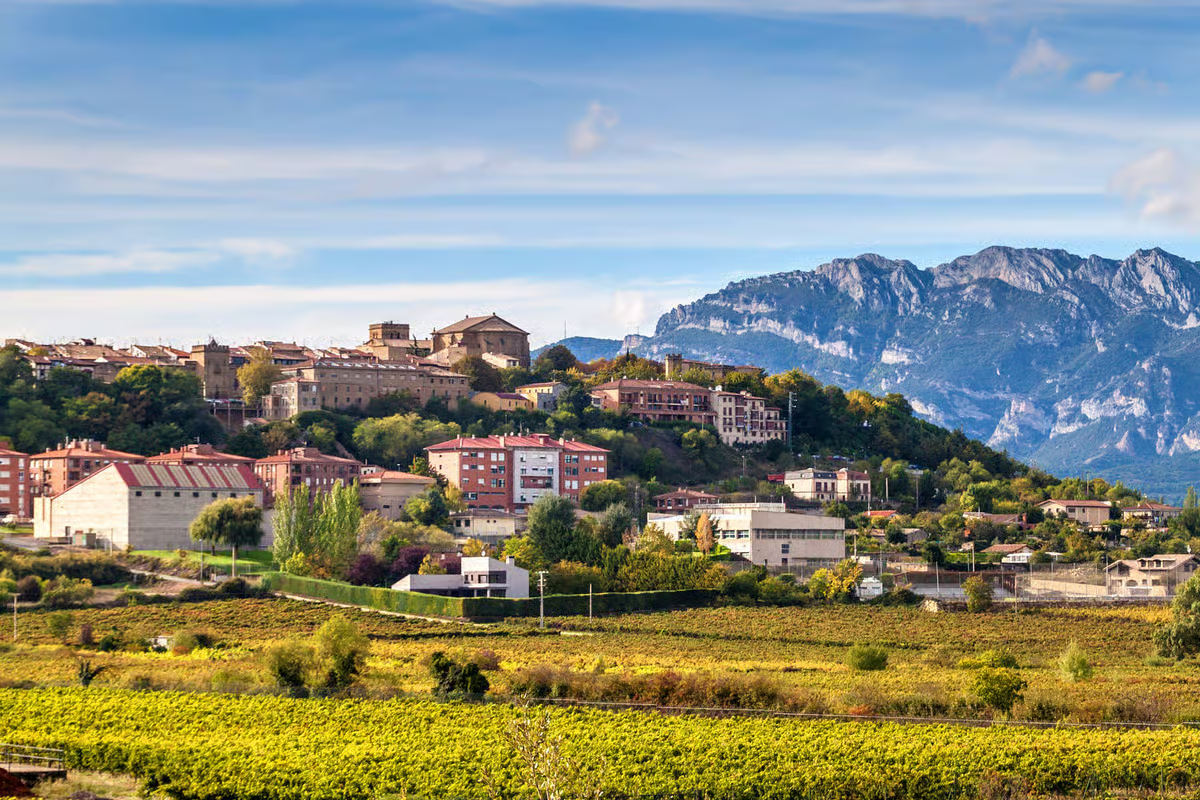
Western Europe is home to some of the world’s most diverse and influential wine terroirs. From the limestone slopes of Burgundy and the chalk hills of Champagne to the slate vineyards of the Moselle and the gravel terraces of Bordeaux, every landscape contributes to the unique identity of the region’s wines.
This guide explores how geology, soils, climate, rivers, topography, and centuries of human expertise have shaped Western Europe’s legendary vineyards. You’ll also discover why these terroirs became the global benchmark for fine wine and how they continue to evolve in response to climate change.
Key Takeaways
✔ Western Europe combines Atlantic, continental, and alpine climates within a relatively small area.
✔ Limestone, chalk, slate, gravel, granite, and clay each play a distinct role in vineyard performance.
✔ Rivers such as the Rhine, Moselle, Loire, and Garonne create essential vineyard microclimates.
✔ Hillsides, terraces, and mountain valleys improve drainage, sunlight exposure, and frost protection.
✔ Centuries of vineyard management transformed natural landscapes into some of the world’s most iconic wine terroirs.
✔ Western Europe’s terroirs remain the international benchmark for quality, authenticity, and sense of place.
| Feature | Western Europe at a Glance |
|---|---|
| Countries | France, Germany, Switzerland, Luxembourg, Belgium and the Netherlands. |
| Dominant Climates | Atlantic (Maritime), Continental and Alpine climates, complemented by numerous river-generated microclimates. |
| Signature Vineyard Soils | Limestone, Chalk, Slate, Gravel, Clay and Granite. |
| Major Rivers | Rhine, Moselle, Loire, Garonne, Seine and Meuse. |
| Iconic Terroirs | Burgundy, Champagne, Bordeaux, Moselle, Alsace, Lavaux and Luxembourg Moselle. |
| Typical Landscapes | River valleys, limestone escarpments, alpine terraces, rolling hills, gravel plains and coastal vineyards. |
| Flagship Grapes | Pinot Noir, Chardonnay, Riesling, Cabernet Sauvignon, Merlot, Chasselas and Gewürztraminer. |
| Why It Matters | Western Europe is home to many of the world's most influential terroirs and remains the global benchmark for terroir-driven viticulture. |
Table of Contents
The Geological Foundations of Western Europe's Wine Landscapes
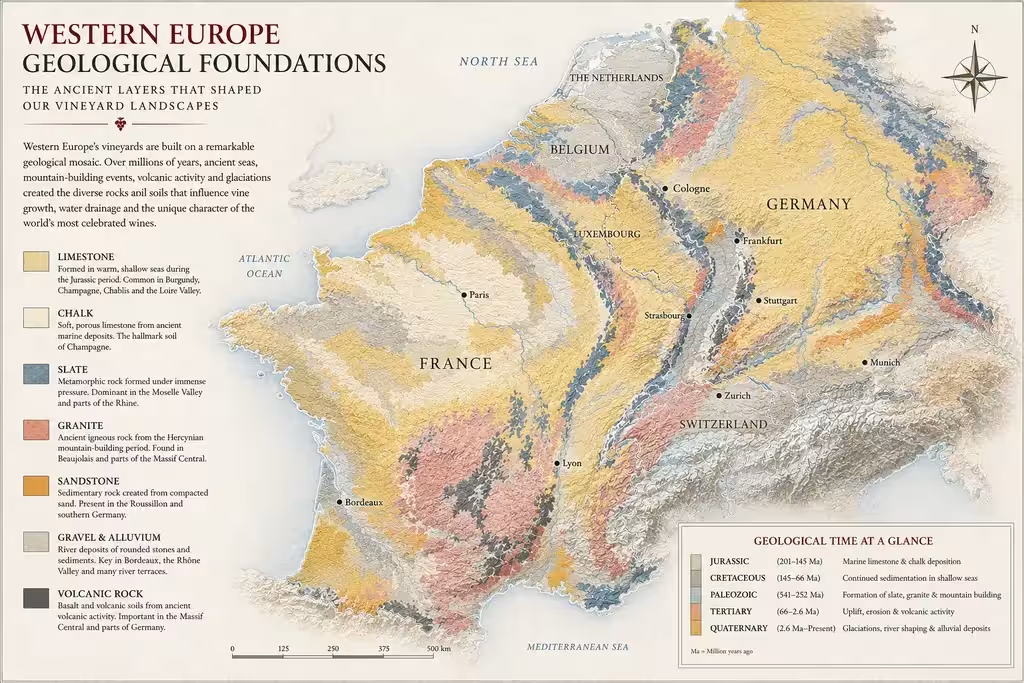
The extraordinary diversity of Western Europe’s wine regions begins long before the first vines were cultivated. Millions of years before Roman settlers introduced viticulture or medieval monasteries mapped vineyard boundaries, immense geological forces were already shaping the landscapes that would eventually become some of the world’s most celebrated wine terroirs. Mountain-building episodes, ancient seas, glacial activity, and river erosion combined over geological time to create a remarkable mosaic of rocks, soils, and landforms that continue to influence viticulture today.
Unlike many wine-producing regions elsewhere in the world, Western Europe does not rely on a single dominant geological formation. Instead, it is the meeting point of multiple geological provinces, each contributing distinct characteristics to the vineyards that now define the region’s international reputation. Sedimentary basins rich in limestone and chalk, ancient crystalline massifs composed of granite, extensive slate formations created by tectonic pressure, glacial valleys, and broad river floodplains all coexist within a relatively compact geographical area. This exceptional geological complexity is one of the principal reasons why Western Europe offers such an extraordinary diversity of wine styles.
Perhaps no geological feature has influenced Western European viticulture more profoundly than the vast shallow seas that covered much of the continent during the Jurassic and Cretaceous periods. Over millions of years, countless marine organisms accumulated on ancient seabeds, gradually forming extensive deposits of limestone and chalk. When tectonic movements later uplifted these marine sediments, they became the gently sloping hills and escarpments that today support vineyards in Burgundy, Champagne, Chablis, the Loire Valley, parts of Alsace, and numerous other renowned wine regions.
These ancient marine formations created landscapes ideally suited to viticulture. Limestone provides excellent natural drainage while retaining sufficient moisture during dry periods, encouraging vines to develop deep root systems capable of exploring multiple geological layers. Chalk, a softer and more porous form of limestone, offers similar advantages and has become synonymous with the freshness, elegance, and longevity of Champagne’s finest sparkling wines. The widespread distribution of these sedimentary rocks across France largely explains why the country contains such a remarkable concentration of globally recognized terroirs.
To the east, Western Europe’s geological identity changes dramatically. Germany and Luxembourg are dominated by landscapes shaped during the Variscan mountain-building events that occurred more than 300 million years ago. Immense tectonic pressures compressed ancient sediments into hard metamorphic rocks such as slate, which now form the steep vineyard slopes overlooking the Rhine and Moselle rivers. These dark, fractured rocks have become one of the defining geological signatures of German viticulture.
Slate performs a unique role within these cool-climate vineyards. Its ability to absorb solar radiation during the day and gradually release heat after sunset creates slightly warmer conditions around the vines, extending the ripening season in regions where sunlight and temperature are often limiting factors. Combined with steep south-facing slopes and the moderating influence of major rivers, these geological conditions have allowed varieties such as Riesling to flourish in areas that might otherwise have been considered marginal for viticulture.
Switzerland introduces another geological dimension to Western Europe’s wine landscapes. Here, the formation of the Alps profoundly reshaped the country’s vineyard environments. Mountain uplift, repeated glaciations, and the carving of deep valleys generated an intricate mosaic of moraines, gravel deposits, limestone outcrops, and rocky alpine slopes. These varied geological settings, combined with significant changes in altitude over short distances, create an exceptional diversity of vineyard conditions rarely encountered elsewhere in Europe.
Glacial processes also left a lasting imprint on much of Western Europe beyond the Alps. As glaciers advanced and retreated during successive Ice Ages, they sculpted valleys, transported sediments, and altered river systems that would later become ideal locations for vineyards. Many modern vineyard soils contain mixtures of materials deposited by glacial activity, contributing to the complexity of local terroirs while improving drainage and soil structure. The influence of these ancient climatic events remains visible in numerous wine regions across France, Switzerland, Germany, Belgium, and the Netherlands.
Equally important has been the continuous action of rivers over millions of years. The Rhine, Moselle, Loire, Garonne, Seine, and Meuse have not only carved spectacular valleys but have also transported sediments, created terraces, and formed alluvial plains that support viticulture today. River erosion exposed ancient bedrock, while periodic flooding redistributed gravel, sand, clay, and other materials that continue to shape vineyard soils. Many of Western Europe’s most prestigious wine regions owe their existence as much to these long-term geomorphological processes as to climate or human intervention.
Unlike regions where vineyards occupy isolated geological environments, Western Europe presents a remarkable juxtaposition of contrasting landscapes within relatively short distances. Limestone hills may give way to granite uplands, slate river valleys transition into gravel terraces, and alpine foothills merge with fertile plains. This geological diversity has allowed growers over centuries to match grape varieties with highly specific environments, gradually refining viticulture according to the strengths of each landscape rather than imposing a uniform agricultural model.
The result is not simply a collection of different soils, but an entire geological framework that supports an exceptional range of wine styles. From the chalk slopes of Champagne and the limestone escarpments of Burgundy to the slate terraces of the Moselle and the glacial valleys of Switzerland, Western Europe’s wine regions demonstrate how geological history continues to influence viticulture long after the forces that created these landscapes have disappeared.
Understanding these geological foundations is essential because they provide the stage upon which every other component of terroir operates. Climate, topography, hydrology, and human expertise all interact with landscapes that were formed millions of years before the first vineyard was planted. The enduring relationship between deep geological time and modern viticulture explains why Western Europe’s wine regions remain among the most studied, respected, and influential terroirs anywhere in the world.
Signature Vineyard Soils Across Western Europe
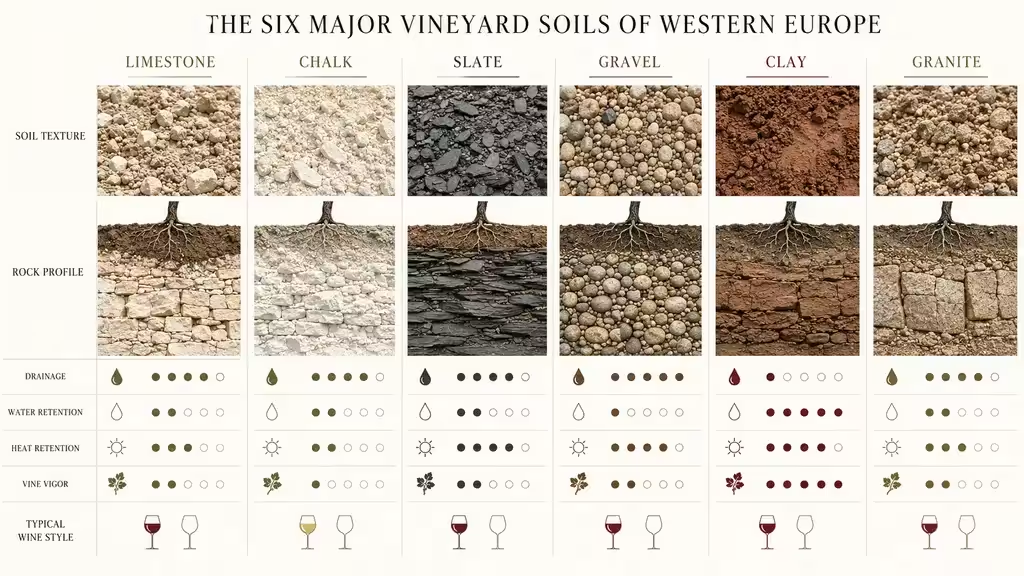
If geology provides the foundation of Western Europe’s vineyard landscapes, soils represent the direct environment in which vines grow and develop. They regulate water availability, influence root penetration, moderate temperature, and affect vine vigor throughout the growing season. Although soil alone does not determine wine quality, the interaction between specific soil types, grape varieties, climate, and centuries of vineyard management has produced many of the world’s most recognizable wine styles.
Western Europe contains an exceptional diversity of vineyard soils within a relatively compact geographical area. Ancient marine sediments, weathered crystalline rocks, glacial deposits, river gravels, and clay-rich basins coexist across France, Germany, Switzerland, Luxembourg, Belgium, and the Netherlands. Rather than being randomly distributed, these soils often correspond to the continent’s most prestigious wine regions, illustrating the close relationship between geological history and viticultural excellence.
Unlike a general study of European terroirs, examining Western Europe’s vineyard soils reveals how certain geological formations became strongly associated with specific wine styles. Over centuries, growers learned which grape varieties performed best on particular soils, gradually establishing many of the vineyard identities that remain internationally recognized today.
Limestone: The Backbone of Western European Fine Wine
No soil type is more closely associated with Western European wine than limestone. Formed from ancient marine organisms deposited beneath prehistoric seas, limestone underlies many of France’s greatest vineyards and extends into neighboring regions of Switzerland and Germany.
Limestone possesses a unique combination of physical properties that make it highly suitable for viticulture. Its porous structure promotes excellent drainage while retaining sufficient moisture within deeper layers during dry periods. Rather than encouraging vigorous surface growth, limestone forces vines to develop extensive root systems capable of exploring fractured rock in search of water and nutrients. This deep rooting contributes to vine resilience and allows vineyards to maintain balanced growth even under variable climatic conditions.
Many of Western Europe’s most celebrated appellations owe much of their reputation to limestone-rich terroirs. Burgundy’s Côte d’Or is perhaps the world’s finest example, where Jurassic limestone forms the geological backbone of the region’s famous climats. Champagne’s extensive chalk formations, themselves a soft form of limestone, provide ideal conditions for producing sparkling wines renowned for freshness, elegance, and longevity. Similar formations also occur throughout Chablis, the Loire Valley, parts of Alsace, and numerous Swiss vineyards.
Although limestone does not impart flavors directly to wine, it influences vine physiology in ways that often produce wines characterized by precision, vibrant acidity, structural balance, and exceptional aging potential. This explains why limestone remains one of the defining signatures of Western European viticulture.
Chalk: The Signature of Champagne
While technically belonging to the limestone family, chalk deserves separate consideration because of its extraordinary importance within Western Europe.
Champagne’s vineyards rest upon immense chalk deposits formed more than seventy million years ago when much of northern France lay beneath a shallow tropical sea. These brilliant white formations perform several essential functions. Their highly porous structure stores large quantities of winter rainfall while slowly releasing moisture throughout the growing season, protecting vines from excessive water stress despite relatively dry summers.
Chalk also reflects sunlight into the vine canopy while providing excellent drainage and natural temperature regulation. Perhaps most importantly, it enables vine roots to penetrate deeply, accessing consistent water reserves even during difficult vintages.
The relationship between Champagne and chalk has become one of the world’s most famous examples of soil identity. Although climate, grape varieties, and winemaking techniques all contribute to the region’s success, the underlying chalk landscape remains inseparable from Champagne’s global reputation.
Slate: The Great Soil of Germany and Luxembourg
Moving eastward, Western Europe’s geological identity changes dramatically. The limestone landscapes of France gradually give way to the ancient slate formations that dominate Germany’s Rhine and Moselle valleys as well as neighboring Luxembourg.
Slate originates from marine sediments that were transformed under immense pressure during ancient mountain-building episodes. Over millions of years, these compressed rocks fractured into thin layers capable of storing considerable amounts of solar energy.
This thermal capacity has made slate indispensable in Germany’s cool-climate vineyards. During daylight hours, dark slate absorbs heat from the sun before gradually releasing it throughout the evening, extending the period during which grapes continue to ripen. In northern latitudes where growing seasons are relatively short, this additional warmth can make the difference between fully ripened fruit and underdeveloped grapes.
The Moselle Valley represents perhaps the purest expression of slate terroir anywhere in the world. Riesling planted on steep slate slopes consistently produces wines celebrated for remarkable aromatic purity, bright acidity, precision, and exceptional longevity. Similar geological conditions continue along parts of the Rhine and into Luxembourg’s Moselle vineyards, creating one of Western Europe’s most distinctive viticultural landscapes.
Gravel: The Foundation of Bordeaux
Among Western Europe’s vineyard soils, few have influenced international wine as profoundly as the gravel terraces of Bordeaux.
These deposits were created over thousands of years as ancient rivers transported stones, pebbles, and coarse sediments across southwestern France. The resulting gravel ridges provide exceptionally well-drained conditions that have become ideally suited to Cabernet Sauvignon and other Bordeaux grape varieties.
Gravel warms rapidly under sunlight, increasing soil temperature during the growing season while reducing excess moisture around vine roots. Moderate water stress encourages vines to produce smaller berries with greater concentration, contributing to the structure and longevity that characterize many of Bordeaux’s finest wines.
The Médoc and Graves regions illustrate the importance of these ancient river deposits. Slight differences in gravel depth, drainage, and elevation have influenced vineyard quality for centuries and played a significant role in the historical development of some of the world’s most prestigious wine estates.
Clay: Balance, Structure and Water Retention
Clay is often overshadowed by limestone or slate, yet it remains an essential component of numerous Western European vineyards.
Its microscopic particles possess exceptional water-holding capacity, providing vines with a more stable supply of moisture during dry summers. This characteristic becomes particularly valuable in regions experiencing increasing climatic variability.
Clay-rich soils are especially important in Bordeaux’s Right Bank, where Merlot thrives under conditions that promote consistent ripening and generous fruit concentration. Clay also appears alongside limestone in Burgundy and throughout parts of Switzerland, where mixed soil profiles create complex growing environments capable of supporting highly distinctive wines.
Rather than existing independently, clay frequently forms part of intricate soil mosaics that balance drainage with water retention. These combinations illustrate why many of Western Europe’s finest vineyards cannot be reduced to a single geological identity.
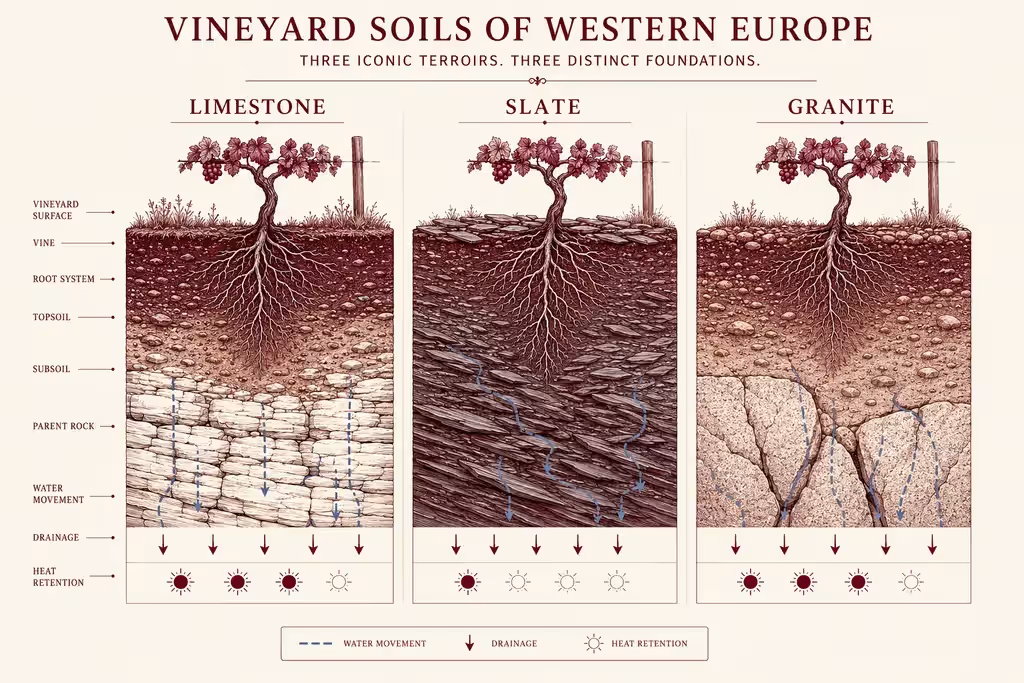
Granite: Ancient Crystalline Landscapes
Granite represents one of Western Europe’s oldest geological foundations. Formed through the slow cooling of magma deep beneath the Earth’s surface, granite gradually weathers into sandy, acidic soils characterized by excellent drainage and relatively low fertility.
Although less widespread than limestone, granite plays an important role in several renowned wine regions. Beaujolais offers the continent’s best-known example, where weathered granite supports Gamay vineyards celebrated for freshness, floral aromatics, and vibrant fruit expression. Granite also appears within parts of Alsace, Switzerland, and selected German vineyard areas, adding further diversity to Western Europe’s geological mosaic.
Because granite soils naturally restrict vine vigor, they often encourage moderate yields and concentrated fruit. The resulting wines frequently display aromatic precision and remarkable transparency to site, demonstrating once again how soil influences vine behavior rather than directly determining wine flavor.
The Complexity of Western European Vineyard Soils
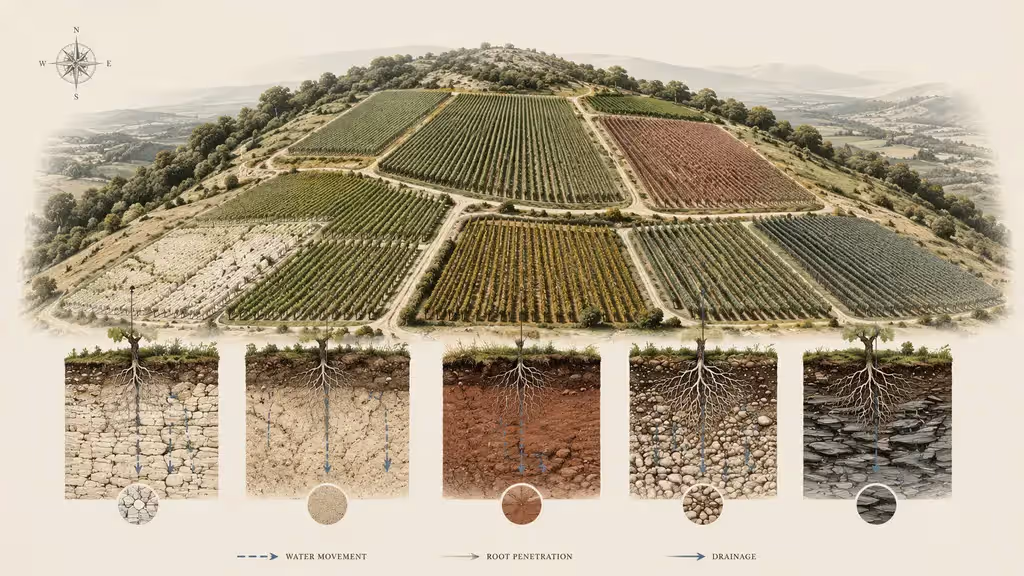
Perhaps the defining characteristic of Western Europe’s terroirs is not the presence of individual soil types but their extraordinary complexity and diversity. Few vineyards consist entirely of limestone, slate, gravel, or clay. Instead, many of the region’s greatest wine landscapes are composed of intricate combinations that change subtly over remarkably short distances.
A single hillside may contain alternating layers of limestone and marl, pockets of clay, bands of gravel, and fractured rock beneath the surface. These variations help explain why neighboring vineyard parcels often produce wines with noticeably different personalities despite sharing identical grape varieties and climatic conditions.
Over centuries, Western European winegrowers carefully observed these subtle differences, gradually matching grape varieties and viticultural practices to the strengths of each site. This long process of adaptation transformed geological diversity into one of the defining characteristics of Western European wine culture. Today, the region’s vineyard soils remain among the most extensively studied and respected in the world, providing the physical foundation for countless terroirs that continue to set international standards for fine wine.
Climate Patterns That Shape Western European Wines
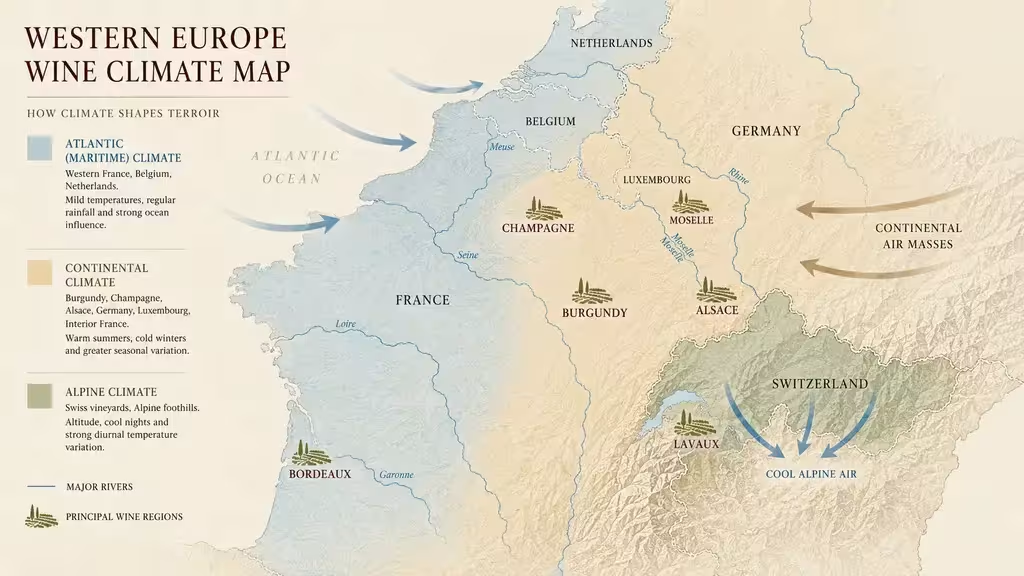
While geology and soils provide the physical foundations of terroir, climate ultimately determines how vines grow, grapes ripen, and wines express their regional identity. Temperature, rainfall, sunlight, humidity, wind, and seasonal variation influence every stage of the vine’s annual cycle, from budburst in spring to harvest in autumn. In Western Europe, the remarkable interaction between maritime influences, continental conditions, alpine environments, and river-generated microclimates has created one of the world’s most diverse climatic mosaics for viticulture.
Unlike Southern Europe, where Mediterranean climates dominate vast vineyard areas, Western Europe is characterized by constant climatic transitions. Oceanic influences gradually weaken inland, mountain ranges create localized weather patterns, and major rivers generate protected corridors that extend the limits of successful viticulture into cooler northern latitudes. These climatic contrasts explain why Western Europe can produce everything from elegant sparkling wines and mineral-driven Rieslings to structured Bordeaux reds and refined alpine whites within a relatively compact geographical area.
Rather than representing a single climatic zone, Western Europe is better understood as a collection of interconnected climatic systems that continually interact with geology, topography, and human adaptation. This complexity has allowed winegrowers to cultivate an exceptional range of grape varieties while preserving strong regional identities that remain closely linked to their environments.
Atlantic Maritime Influence: The Engine of Western European Elegance
The Atlantic Ocean is the dominant climatic force across much of Western Europe. Its immense thermal mass moderates temperatures throughout the year, reducing seasonal extremes and creating relatively stable growing conditions compared with continental interiors.
Western France experiences the strongest maritime influence. Bordeaux, the Loire Valley, and many Atlantic-facing vineyards benefit from mild winters, moderate summers, and relatively even rainfall throughout the year. These conditions encourage slow, progressive grape ripening, allowing wines to develop aromatic complexity while maintaining freshness and natural acidity.
The Atlantic also shapes the emerging vineyards of Belgium and the Netherlands. Although these countries lie at considerably higher latitudes than France, the warming influence of the Gulf Stream prevents temperatures from becoming excessively cold, making modern viticulture increasingly viable. Improvements in vineyard management, the selection of suitable grape varieties, and rising average temperatures have contributed to the rapid development of cool-climate wine production in both countries.
Maritime climates also present important challenges. Frequent rainfall and elevated humidity increase disease pressure throughout the growing season, requiring careful canopy management and continuous vineyard monitoring. Harvest decisions often depend upon rapidly changing weather conditions, particularly during autumn when rainfall can significantly affect grape quality.
Despite these challenges, Atlantic climates consistently produce wines recognized for balance rather than excess. Moderate alcohol levels, vibrant acidity, refined fruit expression, and excellent aging potential have become defining characteristics of many Western European maritime wines.
Continental Climates: Precision Through Seasonal Contrast
Moving eastward from the Atlantic, oceanic influence gradually diminishes as continental conditions become increasingly dominant. Germany, Luxembourg, eastern France, and parts of Switzerland experience greater seasonal contrasts, with colder winters, warmer summers, and more pronounced annual temperature variation.
Continental climates provide a growing season characterized by warm summer days followed by cool nights. This contrast promotes gradual sugar accumulation while preserving acidity and aromatic freshness, particularly in white grape varieties such as Riesling, Pinot Blanc, Sylvaner, and Müller-Thurgau.
Germany offers one of the finest examples of continental viticulture. Although situated near the northern limit of traditional wine production, regions such as the Moselle, Rheingau, Pfalz, and Nahe consistently produce wines of exceptional precision. Their success depends upon a delicate balance between sufficient summer warmth and cool nighttime temperatures that protect acidity and encourage slow, even ripening.
Luxembourg’s Moselle vineyards experience similar climatic conditions, sharing many characteristics with neighboring German regions. Here, continental influences combine with river moderation to create favorable environments for elegant white wines and sparkling Crémants.
Unlike Mediterranean climates that prioritize consistent ripeness, continental vineyards often experience significant vintage variation. Warm years may produce concentrated wines with generous fruit, while cooler seasons emphasize freshness, minerality, and remarkable longevity. This vintage diversity has become an integral part of Western Europe’s wine culture, reinforcing the importance of careful vineyard management and adaptive viticulture.
Alpine Influences: Freshness at Elevation
Switzerland introduces a distinctive alpine dimension to Western Europe’s climatic diversity. Vineyards planted along mountain valleys, lakeshores, and steep slopes experience growing conditions profoundly influenced by altitude, surrounding peaks, and local air circulation.
Temperature decreases progressively with elevation, extending the growing season and allowing grapes to ripen more slowly than they would in lowland vineyards. This gradual maturation preserves acidity while encouraging the development of delicate aromas and structural elegance.
Large lakes such as Lake Geneva, Lake Neuchâtel, and Lake Zurich further moderate local climates by storing heat during summer and releasing it gradually during autumn and winter. Combined with reflected sunlight from surrounding water surfaces, these lakes create favorable microclimates that support viticulture despite Switzerland’s mountainous geography.
Mountain valleys also generate daily air circulation patterns that reduce frost risk and improve vineyard ventilation. Cool air flows downhill during the night while warmer air rises during the day, creating natural circulation that contributes to vine health and limits humidity-related diseases.
Swiss viticulture demonstrates how altitude can compensate for latitude, allowing vineyards to produce wines of remarkable freshness and precision within landscapes that might otherwise appear unsuitable for grape cultivation.
Rivers and Microclimates: Natural Climate Regulators
Beyond broad climatic categories, Western Europe’s major rivers create countless localized environments that significantly influence vineyard performance.
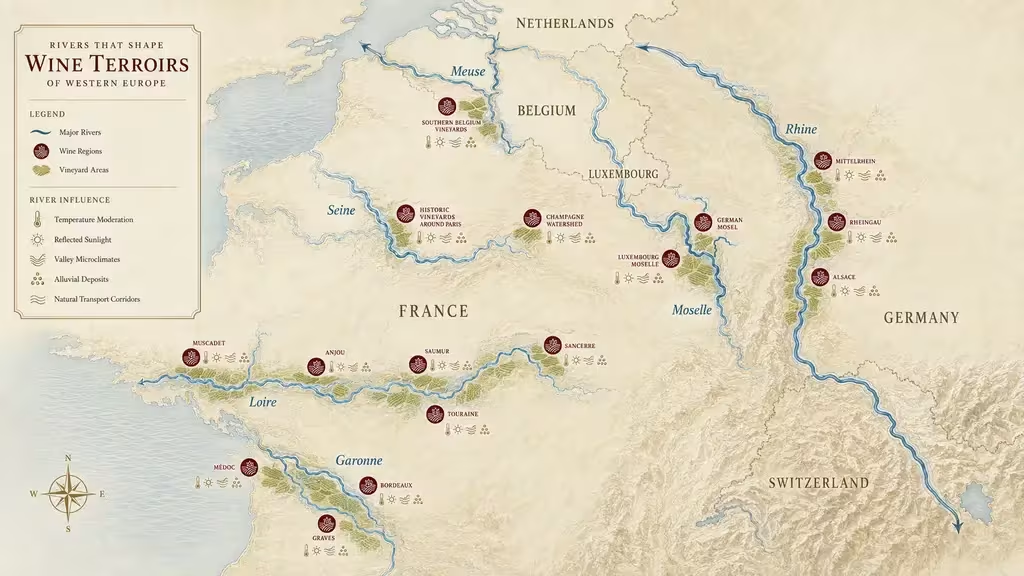
The Rhine, Moselle, Loire, Garonne, Seine, and Meuse all moderate temperatures by reducing seasonal extremes and storing heat accumulated during summer. Water surfaces also reflect sunlight toward surrounding vineyards, particularly on steep slopes where additional solar radiation can improve grape ripening.
The Moselle Valley provides one of the world’s most famous examples of river-generated microclimates. Here, the combination of steep south-facing slate slopes and the moderating influence of the river creates conditions suitable for Riesling despite the region’s northern latitude. Similar interactions occur along the Rhine, where river valleys provide protected environments that support vineyards in areas otherwise considered climatically marginal.
River valleys also influence humidity, airflow, and frost risk. Moving air along river corridors reduces stagnant humidity while helping protect vines against damaging spring frosts. These subtle climatic effects have contributed significantly to the historical concentration of vineyards along Western Europe’s principal waterways.
The importance of rivers extends far beyond transportation or commerce. They function as active climatic regulators, creating highly favorable growing environments that have supported viticulture for centuries.
The Rise of Cool-Climate Viticulture
One of the most significant developments in contemporary Western European wine production has been the rapid expansion of cool-climate viticulture.
Belgium and the Netherlands, once regarded as unsuitable for quality wine production, have emerged as dynamic new wine-producing countries. Warmer growing seasons, improved viticultural techniques, disease-resistant grape varieties, and increasing understanding of cool-climate vineyard management have transformed these northern landscapes into promising viticultural regions.
Sparkling wines have become particularly successful because cooler conditions naturally preserve acidity while allowing moderate sugar accumulation. White varieties such as Chardonnay, Pinot Blanc, Johanniter, Solaris, and Pinot Gris increasingly demonstrate that northern Western Europe possesses considerable potential for premium wine production.
Climate change has undoubtedly contributed to this expansion, although it also presents important challenges for traditional wine regions farther south. Earlier harvests, increased heatwaves, irregular rainfall patterns, and greater climatic variability require growers throughout Western Europe to adapt continuously through canopy management, rootstock selection, irrigation strategies where permitted, and revised harvest timing.
The emergence of new wine regions illustrates that Western Europe’s climatic landscape remains dynamic rather than static. While its historic terroirs continue to define global standards, changing environmental conditions are gradually expanding the geographical boundaries of successful viticulture.
Climate Diversity as the Foundation of Western European Wine Identity
No single climate defines Western Europe. Instead, the region’s viticultural identity arises from the interaction of maritime moderation, continental precision, alpine freshness, river-generated microclimates, and emerging cool-climate environments. Each system contributes distinctive growing conditions that have encouraged the development of different grape varieties, wine styles, and regional traditions.
This climatic diversity explains why Western Europe continues to produce one of the world’s broadest ranges of wines despite occupying a relatively limited geographical area. Sparkling wines from Champagne, Rieslings from the Moselle, Bordeaux blends, Loire Valley whites, Swiss alpine wines, and the increasingly acclaimed sparkling wines of Belgium and the Netherlands all emerge from climates that differ significantly while remaining connected through the broader environmental framework of Western Europe.
Rather than imposing uniformity, climate has encouraged specialization. Over centuries, growers learned to match grape varieties, vineyard locations, and viticultural practices to the unique climatic conditions of each landscape. The result is a remarkable collection of terroirs where climate does not simply support viticulture—it defines the character, elegance, and enduring reputation of Western European wines.
Rivers: The Hidden Architects of Western European Terroirs
While soils and climate often receive the greatest attention in discussions of terroir, one of the defining characteristics of Western Europe’s finest wine regions is their close relationship with rivers. Few of the world’s great vineyards are located far from major waterways. Instead, many of Western Europe’s most celebrated wine landscapes developed along river valleys that have influenced geology, climate, agriculture, commerce, and human settlement for thousands of years.
The Rhine, Moselle, Loire, Garonne, Seine, and Meuse are far more than geographical features. They are dynamic environmental systems that continuously shape vineyard conditions. Long before roads and railways connected Europe’s wine regions, rivers served as natural transport corridors, allowing wine to reach major cities and international markets. At the same time, they deposited sediments, moderated local climates, reduced frost risk, reflected sunlight, and carved valleys whose slopes became ideal vineyard sites.
Understanding Western European terroir therefore requires understanding the rivers that sustain it. Their influence extends far beyond simple irrigation—indeed, most traditional European vineyards rely very little on irrigation. Instead, rivers create the environmental balance that allows vines to flourish under some of Europe’s most challenging climatic conditions.
The Rhine: Europe's Great Wine Corridor
Among all Western European rivers, none has shaped viticulture more profoundly than the Rhine. Rising in the Swiss Alps before flowing through Switzerland, Germany, France, and the Netherlands, the Rhine has served as one of Europe’s principal commercial arteries for more than two thousand years.
Its importance to wine extends beyond transportation. Along the Upper and Middle Rhine valleys, the river creates highly favorable microclimates that enable vineyards to thrive at northern latitudes where grape ripening might otherwise be unreliable.
Water possesses a high thermal capacity, warming slowly during spring and summer before gradually releasing stored heat throughout autumn. This moderating effect reduces temperature extremes and extends the growing season, allowing grapes additional time to mature while preserving freshness and acidity.
The Rhine also reflects sunlight onto neighboring vineyard slopes, particularly where steep south-facing hillsides rise directly from the riverbanks. This additional solar radiation is especially valuable in Germany’s cooler wine regions, contributing to the successful cultivation of Riesling and other varieties renowned for elegance and aromatic precision.
The spectacular Rhine Gorge illustrates this interaction perfectly. Here, vineyards occupy narrow terraces overlooking the river, where geology, slope orientation, slate soils, and climatic moderation combine to create one of Europe’s most distinctive terroir landscapes.
The Moselle: A Masterclass in River Terroir
Few wine regions demonstrate the relationship between rivers and terroir more clearly than the Moselle Valley.
Flowing through France, Luxembourg, and Germany before joining the Rhine, the Moselle winds through steep valleys where some of Europe’s most dramatic vineyards cling to slopes exceeding 60 degrees. Without the river itself, these vineyards would likely never have achieved international recognition.
The Moselle influences terroir in several complementary ways. It moderates seasonal temperatures, reflects additional sunlight toward steep vineyard terraces, and helps reduce frost risk during vulnerable periods of the growing season. Combined with the valley’s famous slate soils, these conditions create an environment ideally suited to Riesling.
Morning mists rising from the river gradually disperse as sunlight reaches the slopes, while constant air circulation helps regulate humidity and reduces disease pressure. The steep topography further enhances drainage, preventing excessive water accumulation around vine roots despite periodic rainfall.
The resulting wines are celebrated for remarkable transparency to place. Delicate floral aromas, vibrant acidity, mineral precision, and extraordinary longevity reflect not only grape variety and soil but also the unique environmental conditions generated by the river itself.
The Moselle represents one of the finest examples anywhere in the world of a terroir fundamentally shaped by a river landscape.
The Loire: Diversity Along a Living River
Stretching more than one thousand kilometers across France, the Loire is Western Europe’s longest river and one of its most diverse viticultural corridors.
Unlike the relatively narrow Rhine and Moselle valleys, the Loire passes through multiple climatic zones, creating an exceptional range of terroirs between its Atlantic estuary and central France. As a result, vineyards along its course experience changing combinations of maritime influence, continental conditions, soil diversity, and river moderation.
The Loire acts as a climatic transition zone. Western vineyards near the Atlantic benefit from mild oceanic conditions, while eastern sections experience increasingly continental characteristics. Throughout the valley, the river moderates temperatures, reduces spring frost, and contributes to local humidity patterns that influence grape development.
The diversity of Loire terroirs is reflected in its wines. Crisp Muscadet near the Atlantic, elegant Chenin Blanc from Anjou and Saumur, world-famous Sauvignon Blanc from Sancerre and Pouilly-Fumé, and refined Cabernet Franc from Chinon all emerge from landscapes linked by the same river but shaped by different combinations of geology and climate.
Few rivers demonstrate more clearly how a single watercourse can support multiple expressions of terroir while maintaining a coherent regional identity.
The Garonne: Building the Foundations of Bordeaux
The Garonne occupies a unique place within Western European viticulture because of its decisive influence on Bordeaux.
Together with the Dordogne, it forms the Gironde Estuary before flowing into the Atlantic Ocean. Over thousands of years, these waterways transported immense quantities of gravel, sand, clay, and other sediments that gradually formed the terraces on which many of Bordeaux’s greatest vineyards now stand.
These gravel deposits became one of the defining geological features of the Médoc and Graves. Excellent drainage, moderate heat retention, and balanced water availability created ideal conditions for Cabernet Sauvignon, helping establish Bordeaux’s international reputation for structured, age-worthy wines.
The river system also moderates local temperatures, limiting climatic extremes while facilitating air circulation throughout the vineyards. Maritime influence from the nearby Atlantic combines with river-generated humidity and gentle breezes to create growing conditions unlike any other major wine region in Western Europe.
Beyond environmental factors, the Garonne transformed Bordeaux into one of Europe’s great wine-trading centers. Although commerce belongs primarily to the region’s history rather than its terroir, centuries of river navigation encouraged the expansion of vineyards that remain inseparable from the surrounding landscape today.
.
The Seine and the Legacy of Historic Viticulture
Although the Seine is less closely associated with modern fine wine production than the Rhine or Loire, its historical influence on Western European viticulture remains significant.
Flowing through the Paris Basin before reaching the English Channel, the Seine connected vineyard regions with medieval Paris, creating one of Europe’s earliest urban wine markets. Vineyards once extended across much of the surrounding landscape, supplying wines to growing populations long before transportation networks developed elsewhere.
The river contributed to local microclimates through temperature moderation and supported fertile alluvial environments suitable for agriculture. Although urban expansion gradually replaced many historic vineyards, renewed interest in viticulture has led to the re-establishment of vineyards in several areas influenced by the Seine watershed.
Its importance today lies less in production volume than in illustrating how rivers shaped the historical geography of wine long before modern appellation systems emerged.
The Meuse: Emerging Terroirs in Northern Europe
The Meuse, flowing through France, Belgium, and the Netherlands, occupies an increasingly important place within contemporary Western European viticulture.
Historically, its northern latitude limited large-scale wine production. However, changing climatic conditions and advances in cool-climate viticulture have transformed the Meuse Valley into an area of growing interest for wine producers.
The river moderates local temperatures, reduces frost intensity, and creates favorable microclimates that support varieties adapted to cooler growing conditions. Combined with limestone formations found in southern Belgium and neighboring regions, these environmental factors have encouraged the development of high-quality sparkling wines and fresh white wines.
The Meuse demonstrates that rivers continue to shape the evolution of Western European terroirs. Rather than representing only historic landscapes, they remain active environmental systems capable of supporting new generations of vineyards as climatic conditions evolve.
Rivers as the Lifeblood of Western European Terroir
Although each river possesses its own geological and climatic identity, they all perform similar ecological functions that have profoundly influenced Western Europe’s vineyards. They moderate temperatures, store and release heat, reflect sunlight, improve air circulation, reduce frost risk, deposit fertile sediments, and carve valleys that provide ideal vineyard exposures.
Over centuries, winegrowers recognized these advantages and established vineyards where rivers offered the greatest environmental benefits. Many of today’s most prestigious appellations remain concentrated along river valleys not by coincidence but because generations of observation confirmed their exceptional suitability for viticulture.
From the slate-covered terraces of the Moselle to the gravel banks of Bordeaux and the diverse landscapes of the Loire, Western Europe’s rivers continue to define some of the world’s most celebrated terroirs. They are not merely features of the landscape—they are among the principal architects of the region’s enduring wine identity, linking geology, climate, topography, and human settlement into a single, interconnected viticultural system.
Mountains, Hills and Valley Terroirs
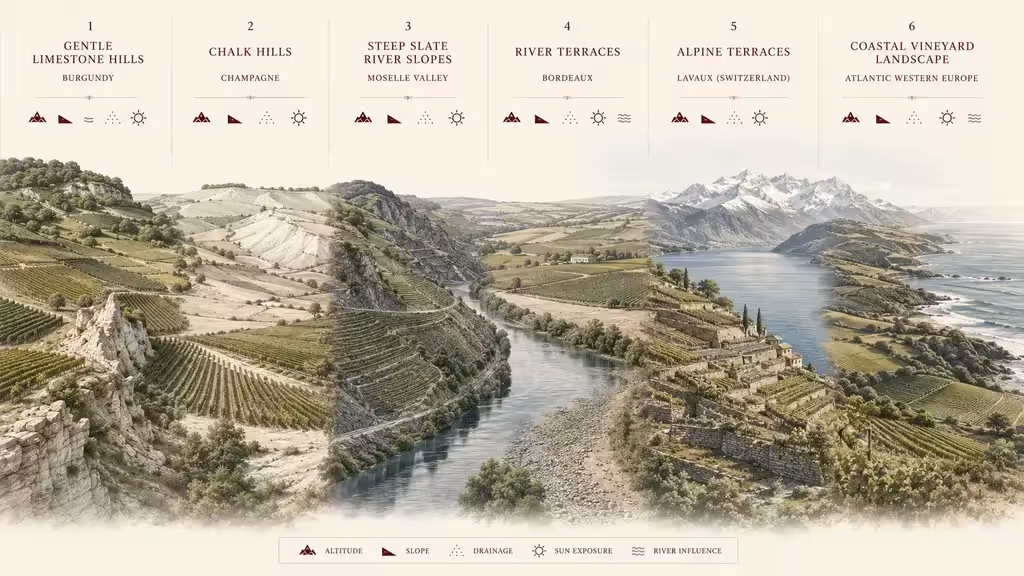
While rivers provide the lifeblood of Western Europe’s vineyards, it is the region’s relief that often determines where the finest wines are produced. Across France, Germany, Switzerland, Luxembourg, Belgium, and parts of the Netherlands, the most prestigious vineyards rarely occupy flat plains. Instead, they are found on hillsides, escarpments, river terraces, and mountain foothills where centuries of observation have identified the most favorable conditions for grape growing.
Topography is one of the least visible yet most influential components of terroir. It governs sunlight exposure, air circulation, water drainage, temperature variation, and frost protection, creating countless microclimates that can differ dramatically within only a few hundred meters. Two vineyards planted with the same grape variety and sharing identical soils may produce noticeably different wines simply because one lies halfway up a slope while the other occupies the valley floor.
Western Europe’s remarkable diversity of landscapes has therefore become one of its greatest viticultural strengths. From the dramatic Alpine terraces of Switzerland to the steep slate hillsides of the Moselle and the gentle limestone slopes of Burgundy, relief continually shapes the style, quality, and identity of the region’s wines.
Hillsides: Nature's Preferred Vineyards
One of the most consistent characteristics of Western Europe’s great wine regions is the dominance of hillside vineyards.
Unlike fertile valley floors, which often retain excessive water and encourage vigorous vine growth, slopes provide natural drainage that limits excessive vigor and promotes balanced grape development. Rainwater flows rapidly downhill, preventing prolonged waterlogging around vine roots while encouraging deeper root penetration into underlying geological formations.
Hillsides also improve air circulation. Cold air naturally flows downhill during the night, reducing the risk of frost accumulation around vines. This simple physical process has long influenced vineyard selection throughout Western Europe, particularly in cooler regions where spring frost remains one of viticulture’s greatest threats.
Many of Europe’s most prestigious appellations occupy narrow hillside bands rather than broad plains. Burgundy’s Côte d’Or, Germany’s Moselle, the Rhine Gorge, Alsace, Lavaux, and numerous Swiss vineyards all demonstrate the remarkable advantages provided by elevated terrain.
Generations of growers recognized these benefits long before they could be explained scientifically. Their careful selection of hillside sites remains one of the defining characteristics of Western European viticulture.
Slope Orientation: Capturing Light
The direction in which a vineyard faces is often just as important as its altitude.
In the Northern Hemisphere, south-facing and south-east-facing slopes receive greater solar radiation than north-facing sites. This additional sunlight promotes more complete grape ripening while extending photosynthesis throughout the growing season.
Nowhere is this relationship more evident than in Germany. Along the Moselle and Rhine valleys, vineyards frequently occupy steep south-facing slopes overlooking the river. These locations maximize sunlight while benefiting from heat reflected by both slate soils and nearby water surfaces. Without this favorable orientation, many vineyards would struggle to ripen grapes consistently at such northern latitudes.
Burgundy provides another classic example. The famous Côte d’Or escarpment faces predominantly east and south-east, allowing vines to receive gentle morning sunlight while avoiding the most intense afternoon heat during summer. This balanced exposure contributes significantly to the elegance and freshness associated with the region’s Pinot Noir and Chardonnay.
Throughout Western Europe, slope orientation has become one of the most carefully considered factors when establishing new vineyards or evaluating existing terroirs.
Alpine Vineyards: Viticulture at Elevation
Switzerland introduces an entirely different topographical model.
Surrounded by the Alps and crossed by numerous mountain valleys, Swiss vineyards occupy landscapes where altitude plays a decisive role in vine development. Unlike Mediterranean regions, where excessive heat may become the principal challenge, Alpine viticulture benefits from cooler temperatures that slow grape maturation and preserve natural acidity.
Elevation also increases daily temperature variation. Warm, sunny days encourage sugar accumulation and flavor development, while cool nights reduce grape respiration and help maintain freshness. This combination allows grapes to achieve physiological maturity without excessive alcohol levels.
Large lakes further enhance these conditions. Lake Geneva, Lake Neuchâtel, and Lake Zurich moderate temperatures by absorbing heat during summer and releasing it gradually throughout autumn. Their reflective surfaces also increase sunlight reaching nearby vineyards, extending the growing season despite the surrounding mountains.
Swiss vineyards illustrate how altitude, water, and topography can combine to produce wines renowned for precision, purity, and remarkable balance.
Terraces: Engineering the Landscape
Some of Western Europe’s most spectacular vineyards exist only because generations of winegrowers transformed impossible landscapes into productive agricultural terraces.
Steep slopes naturally present numerous challenges. Soil erosion, unstable ground, and limited working space make conventional agriculture extremely difficult. Yet rather than abandoning these sites, growers gradually constructed thousands of kilometers of dry-stone walls and narrow terraces capable of supporting vines.
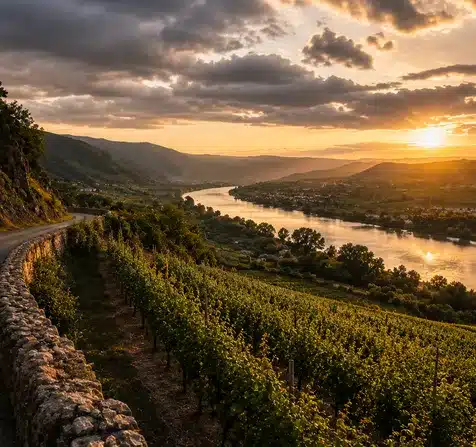
The Lavaux vineyards overlooking Lake Geneva represent one of the finest examples of this remarkable engineering tradition. For centuries, stone terraces have stabilized steep hillsides while maximizing sunlight exposure and reducing soil loss. Similar landscapes appear along Germany’s Moselle, portions of the Rhine Gorge, and numerous Alpine valleys.
Terracing performs several important terroir functions. Beyond stabilizing slopes, it improves drainage, increases solar interception, reduces erosion, and allows cultivation in environments that would otherwise remain inaccessible.
These landscapes demonstrate that Western European terroir is not solely a product of nature but also of centuries of human adaptation to challenging geographical conditions.
Valley Terroirs and Protected Microclimates
Valleys create some of the most complex terroirs in Western Europe because they combine multiple environmental influences within relatively confined spaces.
Steep valley walls provide shelter from strong winds while concentrating sunlight during the growing season. Rivers moderate temperatures, surrounding hills generate varied slope orientations, and differences in altitude create multiple microclimates within only a few kilometers.
The Moselle Valley offers perhaps the continent’s greatest example of this complexity. Vineyards on opposite sides of the river may experience different sunlight exposure, wind patterns, and soil compositions despite sharing the same climatic region. Similar contrasts occur throughout the Rhine Gorge, the Loire Valley, and Switzerland’s numerous alpine valleys.
These localized variations explain why neighboring vineyards frequently produce wines with distinct personalities. Topography creates subtle environmental differences that become increasingly important when combined with centuries of vineyard observation and careful parcel selection.
Topography and Climate Change
The importance of relief has become even more apparent as Western European vineyards adapt to climate change.
Altitude, slope orientation, and local airflow increasingly influence vineyard resilience during warmer growing seasons. Higher-elevation sites once considered too cool for viticulture are now attracting renewed attention, while north-facing slopes may offer advantages in regions experiencing increasingly frequent heatwaves.
Mountain valleys continue to preserve cooler nighttime temperatures, helping maintain acidity even during exceptionally warm vintages. Likewise, vineyards influenced by lakes and rivers often experience less severe temperature extremes than surrounding landscapes.
Belgium and the Netherlands also illustrate how topography remains important even within relatively flat countries. Gentle hills, limestone ridges, and well-drained slopes increasingly support premium vineyards as cool-climate viticulture expands northward.
Rather than becoming less relevant, landscape is assuming an even greater role in determining the future distribution of vineyards across Western Europe.
Landscapes That Define Wine
The relief of Western Europe is far more than a scenic backdrop to its vineyards. Mountains, hills, valleys, terraces, and slopes actively shape the environmental conditions that determine vine growth, grape ripening, and ultimately wine quality. Every change in elevation, every variation in exposure, and every natural landform contributes to the remarkable diversity that distinguishes Western European wines.
From Burgundy’s gentle limestone escarpments and the vertiginous slate slopes of the Moselle to the Alpine terraces of Switzerland and the protected valleys carved by Europe’s great rivers, topography provides the physical framework upon which terroir develops. These landscapes have guided vineyard establishment for centuries, influencing not only where vines are planted but also how they are cultivated and how their wines express a unique sense of place.
The enduring relationship between relief and viticulture explains why Western Europe’s finest wines remain inseparable from the landscapes that produce them. Here, geography is not merely scenery—it is one of the essential architects of terroir itself.
Human-Shaped Terroirs: Centuries of Vineyard Adaptation
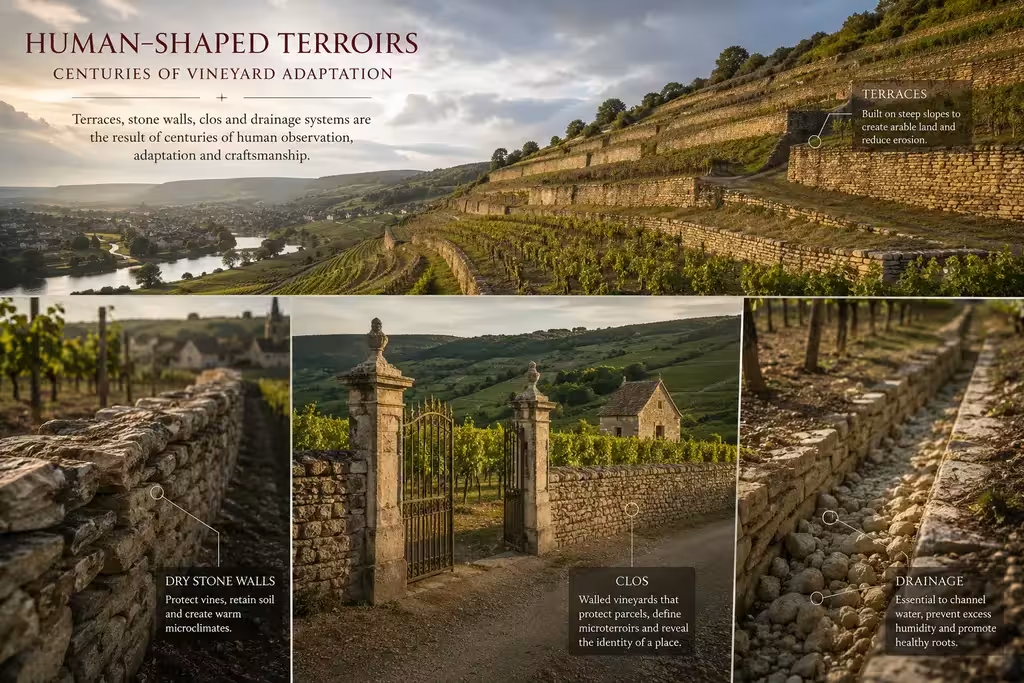
When discussing terroir, attention often focuses on natural elements such as geology, climate, soils, and topography. Yet one of the defining characteristics of Western European wine landscapes is that they are not purely natural environments. They are cultural landscapes, shaped and refined through centuries of continuous human observation, adaptation, and stewardship. Few wine regions anywhere in the world illustrate this relationship between nature and human intervention more clearly than those of Western Europe.
Unlike untouched ecosystems, vineyards are living agricultural systems that require constant management. Every terrace, dry-stone wall, drainage channel, vineyard boundary, and carefully selected grape variety reflects decisions made over generations. Rather than opposing nature, Western European winegrowers learned to work with it, gradually adapting their practices to the unique conditions of each landscape. This accumulated knowledge became an integral part of terroir itself.
Today, many wine professionals consider human expertise to be one of terroir’s essential components. The character of a great vineyard is not determined solely by its soil or climate, but by the centuries of experience that have taught growers how to cultivate vines in harmony with those conditions. Western Europe’s greatest terroirs are therefore the result of both natural history and cultural evolution.
Reading the Landscape: Centuries of Vineyard Observation
Long before modern geology, climatology, or soil science existed, generations of winegrowers carefully observed how individual vineyard sites behaved from one vintage to another.
They noticed that certain slopes ripened earlier, some parcels retained moisture better during dry summers, while others consistently produced grapes with greater concentration or finer acidity. These observations were recorded not in scientific journals but through practical experience passed from one generation to the next.
Over centuries, this empirical knowledge allowed growers to identify exceptional vineyard sites with remarkable precision. In Burgundy, for example, neighboring parcels planted with identical grape varieties gradually developed distinct reputations based solely on their ability to produce consistently superior wines. Similar observations occurred throughout Champagne, Alsace, the Moselle Valley, Bordeaux, and Switzerland.
This continuous process of observation transformed Western Europe’s landscapes into some of the most carefully studied agricultural environments in history.
The Creation of Vineyard Parcels
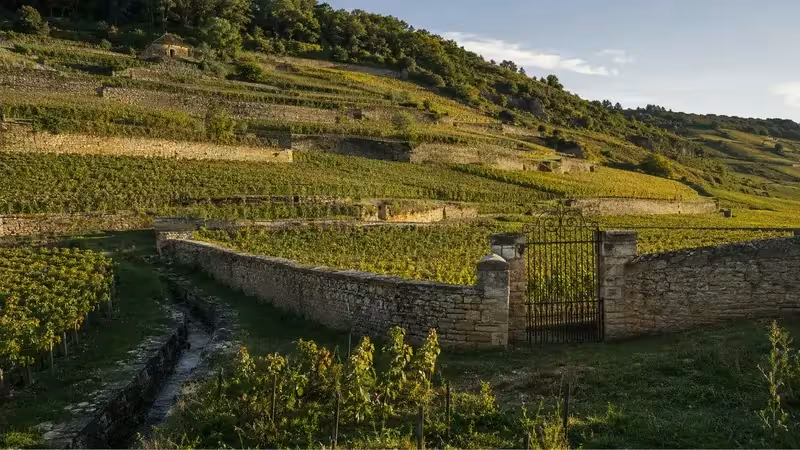
One of the most distinctive features of Western European viticulture is the extraordinary precision with which vineyards have been divided into individual parcels.
Rather than treating entire hillsides as uniform agricultural land, growers gradually recognized that subtle changes in slope, soil depth, exposure, drainage, or underlying geology could significantly influence wine quality.
This understanding led to the creation of clearly defined vineyard parcels that remain remarkably stable even today. Stone walls, hedgerows, small roads, and traditional boundary markers often separate plots that have maintained their identities for centuries.
Nowhere is this parcel-based philosophy more advanced than in Burgundy, where the famous climats represent one of the world’s most sophisticated systems of vineyard classification. Similar principles also appear in Champagne, Alsace, Germany’s Grosses Gewächs vineyards, and numerous Swiss appellations.
These parcel boundaries are not arbitrary property lines; they represent centuries of accumulated knowledge regarding the unique characteristics of each piece of land.
Terraces, Walls and Landscape Engineering
Many of Western Europe’s greatest vineyards exist only because generations of winegrowers transformed steep natural landscapes into cultivable agricultural terraces.
Building these terraces required enormous physical effort. Dry-stone walls were constructed without mortar, using carefully selected local stones stacked to stabilize hillsides while allowing natural drainage. Over time, these walls reduced erosion, retained valuable topsoil, and created narrow planting platforms capable of supporting vines on slopes that would otherwise remain inaccessible.
The terraced vineyards of Lavaux overlooking Lake Geneva are among Europe’s finest examples of this engineering tradition, but similar landscapes extend throughout the Moselle Valley, the Rhine Gorge, and numerous Alpine wine regions.
These structures perform important terroir functions beyond simple agriculture. Stone walls absorb solar heat during the day before slowly releasing it during cooler evenings, helping regulate local temperatures around vines. They also influence airflow, reduce runoff during heavy rainfall, and protect fragile soils from erosion.
Centuries after their construction, many of these terraces continue to shape both the landscape and the wines produced upon them.
Managing Water Without Irrigation
Unlike many modern wine-producing regions, traditional Western European viticulture developed largely without artificial irrigation.
Instead, growers learned to manage natural water resources through careful vineyard design. Drainage channels prevented waterlogging on heavy soils, terraces slowed runoff on steep slopes, and vineyard orientation helped regulate evaporation during warmer months.
Deep-rooting vines became central to this philosophy. Rather than supplying water directly, growers encouraged vines to penetrate fractured rock and deeper soil horizons where moisture remained available even during dry summers.
This approach strengthened vine resilience while enhancing the relationship between root systems and underlying geological formations. The result was a more balanced form of viticulture capable of expressing local terroir without excessive human intervention.
Today, sustainable water management remains one of Western Europe’s greatest strengths as vineyards adapt to changing climatic conditions.
Matching Grape Varieties to Place
Perhaps no human decision has influenced Western European terroirs more profoundly than the gradual selection of grape varieties best suited to specific environments.
This process unfolded over centuries through observation rather than scientific experimentation. Winegrowers discovered that Pinot Noir performed exceptionally well on Burgundy’s limestone slopes, Riesling flourished on Germany’s slate river valleys, Cabernet Sauvignon excelled on Bordeaux’s gravel terraces, and Chasselas adapted perfectly to Switzerland’s Alpine vineyards.
These associations became deeply rooted within regional identities. Rather than planting varieties indiscriminately, growers increasingly matched vines to landscapes capable of revealing their greatest potential.
This principle remains fundamental to Western European viticulture today. The finest wines continue to emerge not simply because of favorable terroirs but because grape varieties have been carefully adapted to those terroirs over many generations.
Precision Viticulture Before Modern Technology
Although precision viticulture is often associated with satellites, drones, and digital mapping, Western European growers practiced their own form of precision agriculture centuries before modern technology appeared.
Every vineyard operation was adapted to local conditions. Pruning methods varied according to vine vigor. Planting density responded to soil fertility. Harvest dates reflected individual parcel maturity rather than regional averages. Canopy management evolved according to sunlight exposure, rainfall, and prevailing winds.
Even today, many growers continue to harvest neighboring parcels separately because each ripens according to its own environmental conditions.
Modern technology has refined these practices, but it has not replaced the centuries-old philosophy of managing each vineyard according to its individual characteristics.
Human Stewardship as Part of Terroir
The enduring success of Western European wine regions cannot be explained by geology or climate alone. Their global reputation rests equally upon the continuous stewardship of generations who understood that exceptional vineyards require long-term care rather than short-term exploitation.
Stone walls have been rebuilt for centuries. Terraces continue to be maintained by hand. Historic vineyard boundaries remain protected through appellation regulations. Traditional practices coexist with modern scientific knowledge, creating landscapes where innovation strengthens rather than replaces inherited expertise.
This continuity distinguishes Western Europe from many younger wine-producing regions. Terroir here is not simply inherited from nature—it has been refined through thousands of years of patient observation, careful adaptation, and respect for place.
Ultimately, the human dimension of terroir is what transforms remarkable landscapes into legendary wine regions. Geology may provide the foundation and climate the conditions for growth, but it is the accumulated knowledge of generations that allows each vineyard to express its full potential. Western Europe’s wine landscapes therefore stand not only as natural wonders but also as enduring cultural achievements, where human craftsmanship has become inseparable from the land itself.
Case Studies of Western Europe's Legendary Terroirs
The principles of terroir become most meaningful when observed in real vineyard landscapes. While geology, climate, soils, rivers, and human expertise all contribute to vineyard identity, it is their unique combination within specific locations that creates truly exceptional wines. Western Europe contains some of the world’s most studied and admired terroirs, each representing a different interpretation of the relationship between landscape and viticulture.
These legendary terroirs did not achieve their reputations through history alone. Their international prestige results from an extraordinary convergence of natural conditions refined through centuries of careful observation and vineyard management. Each region demonstrates how a unique balance of geology, climate, topography, and human adaptation can produce wines that are impossible to reproduce elsewhere.
The following case studies illustrate why Western Europe continues to serve as the global reference for terroir-driven viticulture.
Burgundy: The World's Most Precise Expression of Terroir
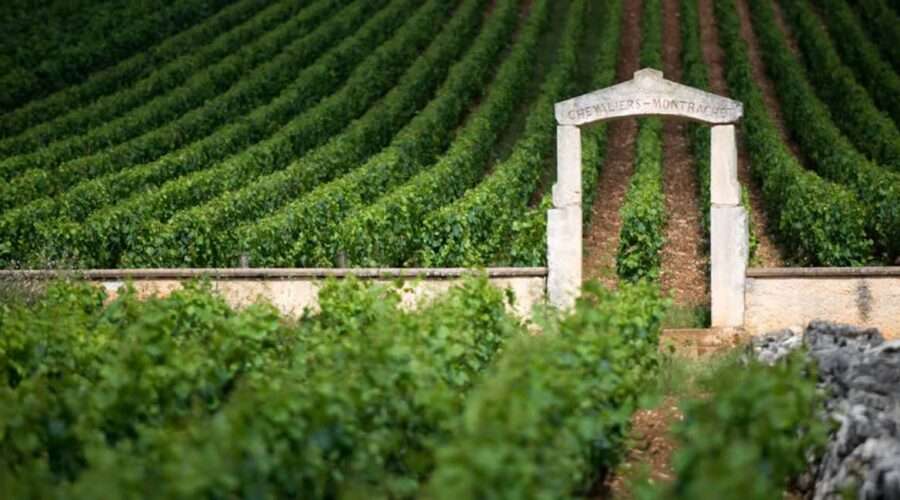
Burgundy is a real benchmark for terroir
Few wine regions embody the concept of terroir as completely as Burgundy. Rather than being defined by large estates or broad geographical areas, Burgundy is built upon the belief that every individual vineyard parcel possesses its own identity.
The geological foundation of the Côte d’Or consists primarily of Jurassic limestone interspersed with marl and clay. These ancient marine deposits form a narrow escarpment where subtle variations in soil depth, drainage, exposure, and slope create hundreds of distinct vineyard sites known as climats.
The region experiences a cool continental climate with moderate rainfall and significant vintage variation. East and southeast-facing slopes maximize morning sunlight while avoiding excessive afternoon heat, creating ideal conditions for Pinot Noir and Chardonnay.
Centuries of observation revealed that neighboring parcels often produced remarkably different wines despite sharing identical grape varieties. This empirical knowledge gradually evolved into one of the world’s most sophisticated vineyard classification systems.
Today, Burgundy remains the ultimate reference for parcel-based terroir. Its wines demonstrate that even minor differences in geology, topography, and exposure can profoundly influence aroma, texture, structure, and aging potential.
Champagne: Chalk, Climate and Precision
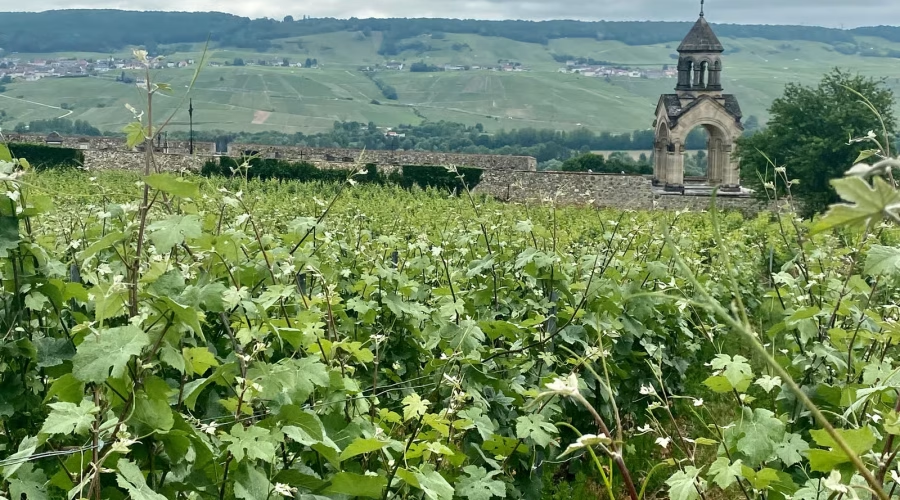
Champagne mostly rest upon chalk formations
Champagne illustrates how a single geological feature can become inseparable from regional identity.
Much of the region rests upon deep chalk formations deposited beneath ancient seas more than seventy million years ago. These porous soils provide exceptional drainage while storing winter rainfall that gradually becomes available to vines during the growing season.
The region’s cool maritime-continental climate preserves naturally high acidity, an essential characteristic for producing world-class sparkling wines. Gentle slopes, moderate sunlight, and careful vineyard orientation further contribute to balanced grape ripening.
Beyond its physical environment, Champagne represents one of the finest examples of human adaptation to terroir. Growers learned to exploit local climatic conditions rather than fight against them, developing viticultural and winemaking practices perfectly suited to the region’s environment.
The result is a terroir where geology, climate, and human expertise operate in complete harmony, producing wines recognized throughout the world for elegance, freshness, and longevity.
Bordeaux: Gravel Landscapes and Atlantic Balance
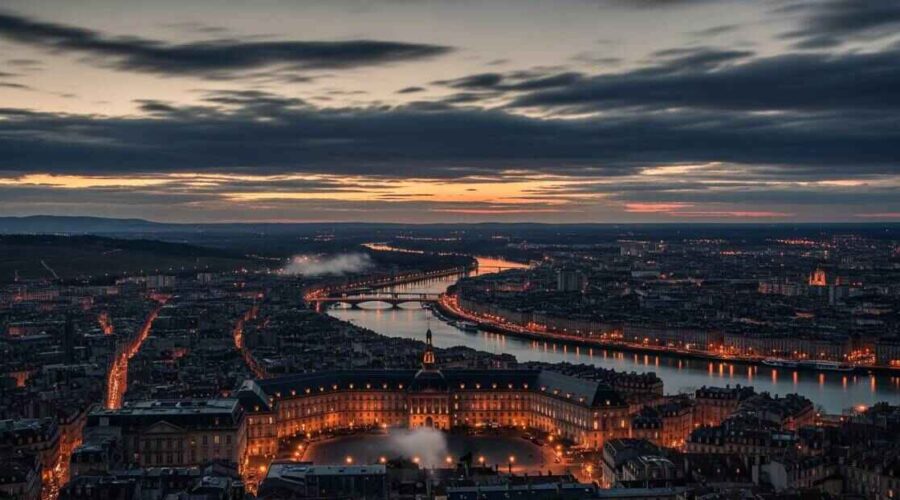
Bordeaux and Garonne that shaped gravel soil
Unlike Burgundy, where vineyard parcels define terroir, Bordeaux illustrates how broader geological landscapes can shape an entire wine region.
The Médoc and Graves were formed through thousands of years of river activity that deposited extensive gravel terraces along the Gironde Estuary. These coarse, well-drained soils warm rapidly during spring while limiting excessive vine vigor, creating ideal conditions for Cabernet Sauvignon.
The nearby Atlantic Ocean moderates temperatures throughout the year, reducing climatic extremes while allowing grapes to ripen gradually. This maritime influence contributes to balanced fruit development, refined tannins, and remarkable aging potential.
Clay-rich soils dominate the Right Bank, particularly around Pomerol and Saint-Émilion, where Merlot achieves exceptional richness and texture. This geological diversity within a relatively compact region explains Bordeaux’s extraordinary range of wine styles.
The combination of gravel, clay, limestone, rivers, and Atlantic climate has established Bordeaux as one of the world’s most influential terroirs, serving as a benchmark for fine red wine production across the globe.
The Moselle: Slate and Steep Slopes
Few vineyard landscapes are as visually dramatic—or as dependent upon their natural environment—as Germany’s Moselle Valley.
Here, steep slopes rising directly above the river are covered by fractured slate formed during ancient mountain-building events. These dark rocks absorb solar heat throughout the day before gradually releasing it during cooler evenings, extending grape ripening within one of Europe’s coolest traditional wine regions.
The Moselle River itself moderates local temperatures, reflects sunlight toward surrounding vineyards, and reduces frost risk during spring and autumn. Combined with steep south-facing slopes, these environmental factors create ideal conditions for Riesling.
The resulting wines display extraordinary transparency to place. Their vibrant acidity, mineral precision, floral aromatics, and exceptional longevity reflect the combined influence of slate, river, climate, and topography.
The Moselle remains one of the world’s purest examples of river terroir and continues to define cool-climate viticulture internationally.
Alsace: Between Mountains and Plains
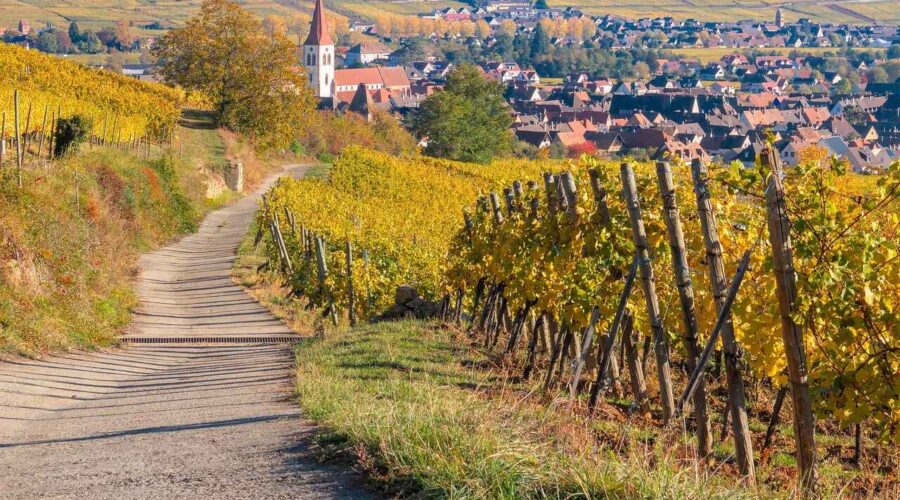
Alsace occupies one of Western Europe’s most distinctive geographical settings.
Sheltered by the Vosges Mountains, the region benefits from a pronounced rain shadow effect that makes it one of France’s driest wine-producing areas despite its northern latitude. Reduced rainfall, abundant sunshine, and warm continental summers create highly favorable growing conditions.
Geological diversity further distinguishes Alsace. Limestone, granite, sandstone, schist, volcanic formations, and marl all occur within relatively short distances, producing remarkable variation among vineyards.
This diversity supports an equally impressive range of grape varieties, including Riesling, Gewürztraminer, Pinot Gris, Muscat, and Pinot Blanc, each expressing subtle differences according to local terroir.
Alsace demonstrates that exceptional terroirs do not depend upon a single soil type but upon the interaction of multiple geological formations within a unique climatic setting.
Lavaux: Alpine Terroir Above Lake Geneva
The Lavaux vineyards of Switzerland represent one of Europe’s greatest examples of mountain viticulture.
Carved into steep terraces overlooking Lake Geneva, this UNESCO World Heritage landscape combines altitude, lake influence, and centuries of human engineering to create a truly exceptional terroir.
Stone walls retain heat throughout the day while protecting fragile slopes from erosion. The lake reflects sunlight toward the vineyards and moderates temperatures during the growing season, reducing climatic extremes despite the surrounding Alpine environment.
The dominant Chasselas grape achieves remarkable purity and elegance under these conditions, producing wines noted for freshness, minerality, and subtle expression of place.
Lavaux perfectly illustrates how natural geography and human adaptation can become inseparable components of terroir.
Luxembourg's Moselle: Small Region, Great Terroir
Although often overshadowed by its larger neighbors, Luxembourg possesses one of Western Europe’s most distinctive cool-climate terroirs.
Its vineyards follow the Moselle River along the border with Germany, sharing many geological and climatic characteristics with the German Mosel while maintaining their own identity.
Limestone, marl, clay, and pockets of slate contribute to considerable soil diversity, while the river moderates temperatures and extends the growing season. The region specializes in elegant white wines and increasingly acclaimed Crémants that benefit from naturally high acidity and balanced ripening.
Luxembourg demonstrates that exceptional terroirs are not defined by size or international fame but by the successful interaction between landscape, climate, soils, and generations of viticultural expertise.
A Collection of Terroirs That Defines Global Wine
These legendary wine regions illustrate that there is no single model of Western European terroir. Burgundy celebrates the precision of individual vineyard parcels. Champagne demonstrates the importance of chalk and cool climates. Bordeaux reveals the influence of gravel and maritime conditions. The Moselle highlights the extraordinary role of rivers and slate. Alsace showcases geological diversity within a protected continental environment, while Lavaux and Luxembourg emphasize the contribution of mountain landscapes and cool-climate viticulture.
Together, they form an unparalleled collection of wine landscapes that has shaped global understanding of terroir for centuries. Although each region expresses its environment differently, all share the same underlying philosophy: great wine is inseparable from the place where it is grown. This belief, refined through generations of observation and protected by some of the world’s most respected wine traditions, remains the defining characteristic of Western European viticulture and the reason its terroirs continue to inspire winegrowers around the world.
Why Western Europe Became the World's Terroir Benchmark
Throughout the history of viticulture, countless regions have produced outstanding wines. Yet no other part of the world has influenced the understanding of terroir as profoundly as Western Europe. From Burgundy’s meticulously defined vineyard parcels to Germany’s slate-covered river valleys, from Champagne’s chalk hills to Bordeaux’s gravel terraces, Western Europe has become the international benchmark against which wine landscapes are continuously compared.
This reputation was not established through prestige alone. It emerged from a unique combination of geological diversity, climatic balance, centuries of uninterrupted vineyard observation, and an enduring commitment to protecting the relationship between wine and place. While many New World wine regions have achieved remarkable success, much of modern viticulture still looks toward Western Europe for inspiration in understanding how landscape shapes wine.
The region’s influence extends far beyond its own vineyards. It has fundamentally changed the way the world thinks about wine.
A Diversity Few Regions Can Match
One of Western Europe’s greatest strengths lies in its remarkable environmental diversity.
Within a relatively compact geographical area, winegrowers work with limestone plateaus, chalk hills, slate river valleys, granite uplands, gravel terraces, clay basins, alpine slopes, and maritime plains. Atlantic, continental, alpine, and cool-climate influences coexist across only a few hundred kilometers, allowing an extraordinary range of grape varieties and wine styles to develop.
This diversity has enabled growers to identify countless relationships between geology, climate, and vine performance. Rather than relying on a single viticultural model, Western Europe became a vast natural laboratory where different terroirs could be observed, compared, and refined over centuries.
Few other wine-producing regions possess such geological and climatic complexity within such a limited area.
Centuries of Continuous Observation
Another defining advantage is continuity.
Unlike many modern wine regions established during the nineteenth or twentieth centuries, Western Europe’s vineyards have often been cultivated continuously for hundreds—and in many cases thousands—of years.
This uninterrupted relationship between people and landscape allowed generations of growers to accumulate knowledge impossible to obtain within only a few decades. Vineyard boundaries were refined, grape varieties gradually matched to specific environments, and subtle differences between neighboring parcels carefully documented.
The understanding of terroir therefore developed slowly through long-term observation rather than theoretical planning. Every generation inherited knowledge from the previous one while contributing new observations based on changing climatic conditions and evolving viticultural practices.
This continuity remains one of the greatest assets of Western European wine culture.
Protecting Place Rather Than Standardizing Wine
Perhaps the most distinctive contribution of Western Europe has been its philosophy of protecting origin rather than pursuing uniformity.
Rather than encouraging every vineyard to produce wines that taste alike, Western European viticulture has historically celebrated regional differences. A wine from Burgundy should taste different from one produced in Bordeaux. Riesling from the Moselle should express different characteristics than Riesling grown elsewhere. These differences are not considered imperfections but the very essence of quality.
This philosophy eventually influenced the development of geographical indications, appellation systems, and legally protected vineyard boundaries designed to preserve the identity of individual wine regions.
The result has been a culture in which authenticity, provenance, and sense of place often take precedence over consistency or volume of production.
The Global Influence of Western European Terroirs
The influence of Western European terroir extends far beyond the continent itself.
During the nineteenth and twentieth centuries, European emigrants carried grape varieties, vineyard practices, and winemaking knowledge to North and South America, South Africa, Australia, and New Zealand. Alongside vines and technical expertise, they also exported the idea that geography matters.
Today, many of the world’s leading wine regions consciously compare themselves with Western European benchmarks. Limestone soils are sought after because of Burgundy and Champagne. Gravel terraces are valued partly because of Bordeaux. Cool-climate Riesling continues to be measured against Germany’s Moselle and Rhine valleys.
Even when producing wines with entirely different identities, many New World regions still employ concepts first refined in Western Europe: parcel selection, site-specific viticulture, microclimate analysis, sustainable vineyard management, and detailed soil mapping.
The philosophy of terroir has therefore become one of Western Europe’s most influential exports.
Modern Science Confirms Centuries of Experience
Advances in geology, climatology, soil science, hydrology, and precision viticulture have transformed our understanding of vineyards during recent decades.
Interestingly, many scientific discoveries have confirmed observations made by Western European growers centuries earlier.
Researchers now understand how limestone regulates water availability, why slate stores heat, how slope orientation influences solar radiation, and how altitude affects grape ripening. Satellite imagery, drone technology, soil sensors, and geographic information systems have provided measurable evidence supporting many traditional vineyard practices.
Rather than replacing traditional knowledge, modern science increasingly validates it.
This convergence between empirical observation and scientific research has strengthened Western Europe’s reputation as the birthplace of terroir-driven viticulture.
Adapting Without Losing Identity
Despite its long history, Western European viticulture has never remained static.
Climate change, evolving consumer preferences, environmental concerns, and technological innovation continue to reshape vineyard management throughout the region. Growers increasingly adopt sustainable farming practices, biodiversity initiatives, precision agriculture, and regenerative viticulture while remaining deeply committed to preserving the character of their historic landscapes.
New grape varieties are evaluated, harvest dates adjusted, and vineyard techniques refined, yet the underlying objective remains unchanged: allowing each vineyard to express its unique identity as faithfully as possible.
This ability to adapt while respecting centuries of accumulated knowledge explains why Western Europe remains both one of the world’s oldest and one of its most dynamic wine-producing regions.
The Enduring Legacy of Western European Terroirs
Western Europe’s vineyards represent far more than agricultural landscapes. They are living records of geological evolution, climatic diversity, human observation, and cultural continuity spanning thousands of years. Every limestone hillside, slate-covered valley, alpine terrace, and gravel plain tells the story of a long partnership between nature and those who have cultivated it.
The region’s greatest contribution to global wine is not simply the production of exceptional bottles, but the demonstration that wine can express the character of a specific place with extraordinary precision. This philosophy has transformed the way vineyards are understood, classified, protected, and appreciated across the world.
As new wine regions continue to emerge and viticulture adapts to changing environmental conditions, Western Europe remains the international benchmark for terroir-driven wine. Its landscapes continue to inspire growers, researchers, sommeliers, and wine lovers alike, proving that the true essence of great wine begins long before the harvest—with the land itself.
The Terroir Mosaic of Western Europe
One of the greatest strengths of Western European viticulture lies not in a single exceptional soil, climate, or landscape, but in the extraordinary concentration of diverse terroirs found within a relatively small geographical area. Nowhere else in the world do such contrasting vineyard environments coexist so closely, creating an unparalleled mosaic of geological formations, climatic influences, elevations, and cultural landscapes. This remarkable diversity has shaped Western Europe into the world’s most influential laboratory of terroir.
Unlike vast wine-producing countries where vineyards often extend across large homogeneous environments, Western Europe’s wine regions are characterized by constant variation. A journey of only a few hundred kilometers may pass from Atlantic coastlines to continental river valleys, from limestone escarpments to granite hills, from chalk plateaus to Alpine terraces, and from cool northern vineyards to warmer southern slopes. Each transition creates new growing conditions, encouraging different grape varieties, viticultural techniques, and wine styles.
This geographical complexity explains why Western Europe has never developed a single model of fine wine. Instead, its identity is built upon diversity. Every landscape contributes its own interpretation of terroir, while together they form one of the richest viticultural environments ever created.
A Landscape of Constant Change
One of the defining characteristics of Western Europe is the speed at which vineyard landscapes change.
Unlike many wine-producing regions where similar geological formations extend across hundreds of kilometers, Western Europe often presents entirely different environments within a single day’s journey. A vineyard planted on limestone may overlook a valley dominated by slate, while granite hills rise only a short distance beyond fertile river terraces. Maritime climates gradually merge with continental conditions, and lowland vineyards give way to Alpine slopes in remarkably short distances.
This geographical fragmentation creates countless micro-regions, each possessing its own combination of geology, soils, climate, altitude, and exposure. Even neighboring wine regions frequently produce remarkably different wines because the environmental conditions change so rapidly across the landscape.
Rather than creating inconsistency, this diversity has become one of Western Europe’s greatest strengths. It allows an exceptional range of wine styles to flourish while preserving the distinctive identity of each region.
A Meeting Point of Geological Worlds
Western Europe occupies a unique position where several major geological systems converge.
Ancient marine basins rich in limestone dominate much of France. To the east, tectonic forces created the slate landscapes of the Rhine and Moselle. Granite massifs emerge throughout central France and parts of Germany, while the Alps introduce glacial formations, moraines, and mountain valleys into Switzerland. River systems continually reshape gravel terraces and alluvial plains, adding further complexity to the geological landscape.
Few wine-producing regions possess such a concentration of contrasting geological environments within such limited distances. This diversity has provided winegrowers with an exceptional range of natural conditions from which to select vineyard sites, allowing different grape varieties to express themselves according to highly specific local environments.
The result is not simply geological diversity, but geological specialization. Each landscape supports wines whose identity is inseparable from the rocks beneath the vineyard.
Climate Without Uniformity
Climate follows the same pattern of remarkable variation.
The Atlantic Ocean moderates temperatures across western France, Belgium, and the Netherlands, creating elegant maritime wine styles characterized by freshness and balance. Moving inland, continental influences become progressively stronger across Germany, Luxembourg, Alsace, and parts of Switzerland, increasing seasonal contrasts while preserving vibrant acidity.
At higher elevations, Alpine conditions introduce entirely different growing environments where altitude, mountain winds, and lakes create exceptionally refined cool-climate vineyards.
These climatic systems do not exist independently. Instead, they overlap and interact continuously. Rivers moderate temperatures, mountains create rain shadows, valleys shelter vineyards from prevailing winds, and lakes regulate seasonal variation. The resulting climatic mosaic supports an extraordinary diversity of grape varieties and wine styles while reinforcing the uniqueness of each terroir.
Thousands of Individual Terroirs
Perhaps nowhere is Western Europe’s diversity more evident than at the scale of individual vineyards.
Many of the region’s most prestigious wine areas are not defined by broad geographical zones but by remarkably small vineyard parcels whose identities have been refined through centuries of observation. Changes in soil depth, slope angle, sunlight exposure, drainage, or underlying geology may occur over only a few meters, creating measurable differences in vine performance and wine character.
This parcel-based understanding of terroir reached its highest expression in regions such as Burgundy, but similar principles exist throughout Champagne, Alsace, Germany, Switzerland, Luxembourg, and numerous other Western European wine regions.
Rather than viewing vineyards as interchangeable agricultural land, Western European viticulture recognizes that every site possesses its own environmental identity. This philosophy explains the extraordinary precision with which vineyard boundaries have been defined and protected across the region.
Diversity Creates Resilience
The mosaic of Western European terroirs provides advantages that extend far beyond wine style alone.
Environmental diversity increases resilience. When climatic conditions become unfavorable in one area, neighboring regions with different elevations, soil types, or microclimates may experience more balanced growing seasons. This geographical flexibility has allowed Western European viticulture to adapt continuously to changing environmental conditions over many centuries.
The same diversity also encourages experimentation and innovation. Growers can compare vineyard performance across multiple landscapes, refine cultivation techniques according to local conditions, and identify sites particularly well suited to evolving climatic realities.
This adaptability has become increasingly important as climate change alters growing conditions throughout Europe. Rather than relying upon a single environmental model, Western Europe possesses a vast portfolio of terroirs capable of responding differently to future challenges.
A Living Atlas of Wine Landscapes
Taken together, Western Europe’s vineyards form something far greater than a collection of individual wine regions. They represent a living atlas of terroir, where every geological formation, climate, landscape, and vineyard contributes to a broader understanding of how place shapes wine.
From the chalk hills of Champagne and the limestone slopes of Burgundy to the slate valleys of the Moselle, the gravel terraces of Bordeaux, the Alpine vineyards of Switzerland, and the emerging cool-climate landscapes of Belgium and the Netherlands, each terroir adds another piece to this remarkable mosaic.
It is precisely this diversity—not uniformity—that explains Western Europe’s enduring influence on global viticulture. No single landscape defines the region. Instead, its strength lies in the countless ways nature and human expertise have combined to create vineyards of exceptional individuality. Together, these landscapes continue to form the world’s most complete and influential expression of wine terroir, inspiring growers and wine lovers across every continent.
Climate Change and the Future of Western European Terroirs
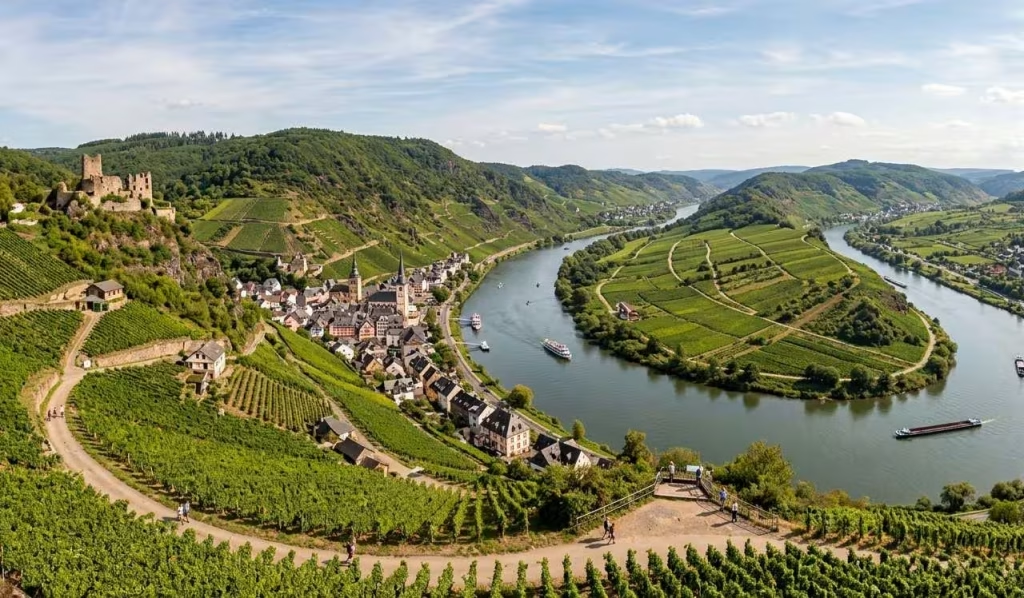
For centuries, Western Europe’s vineyards have demonstrated an extraordinary capacity to adapt. Roman growers expanded viticulture into cooler northern regions, medieval monasteries refined vineyard selection, and generations of winegrowers continuously adjusted pruning methods, grape varieties, and cultivation techniques in response to changing environmental conditions. Yet the challenges facing Western European terroirs today differ significantly from those encountered in the past. Climate change is altering the delicate balance between geology, soils, topography, and climate that has shaped some of the world’s most celebrated wine regions for centuries.
Unlike sudden natural disasters or isolated extreme weather events, climate change is a gradual transformation that affects every component of terroir. Average temperatures are rising, growing seasons are becoming longer, harvest dates are occurring earlier, rainfall patterns are shifting, and extreme weather events are becoming more frequent. These changes do not erase the identity of Western Europe’s terroirs, but they require growers to continually adapt in order to preserve the balance that has long defined the region’s finest wines.
Rather than viewing climate change solely as a threat, many wine professionals now see it as the next chapter in the long history of Western European viticulture. The challenge is no longer simply producing ripe grapes, but maintaining freshness, balance, typicity, and the authentic expression of place that lies at the heart of terroir.
Earlier Harvests and Changing Growing Seasons
One of the clearest indicators of climate change across Western Europe is the steady advance of harvest dates.
In many regions, grapes now reach maturity several weeks earlier than they did only a few decades ago. Warmer spring temperatures trigger earlier budburst, while hotter summers accelerate sugar accumulation and phenolic ripening. Harvests that traditionally occurred in late September or October increasingly begin during August or early September.
Earlier harvests present both opportunities and challenges. More reliable ripening can improve consistency in cooler regions, reducing the risk of under-ripe fruit during difficult vintages. At the same time, accelerated ripening may lead to higher sugar levels, increased alcohol content, and lower natural acidity if harvest timing is not carefully managed.
For regions whose identity depends upon freshness and elegance—such as Champagne, the Moselle, Alsace, and many Swiss vineyards—preserving acidity has become one of the principal objectives of modern vineyard management.
Shifting Climatic Boundaries
Perhaps the most visible consequence of climate change is the gradual movement of viticulture toward cooler environments.
Countries such as Belgium and the Netherlands have emerged as increasingly respected wine producers, demonstrating that areas once considered too cool for quality viticulture can now produce excellent sparkling wines and refined white wines. Improved vineyard management and modern grape selection have certainly contributed to this development, but changing climatic conditions have also played an important role.
Within established wine regions, growers are similarly exploring cooler vineyard sites. Higher elevations, north-facing slopes, and areas influenced by rivers or lakes are attracting renewed interest because they offer slower ripening and better preservation of acidity.
This gradual expansion does not replace Western Europe’s historic vineyards; instead, it broadens the region’s viticultural landscape while creating new opportunities for cool-climate wine production.
Water Management and Drought
While northern regions often benefit from warmer conditions, parts of Western Europe increasingly face longer periods of summer drought.
Reduced rainfall and more frequent heatwaves place additional stress on vines, particularly those growing in shallow or rocky soils. Water management has therefore become an increasingly important aspect of terroir preservation.
Traditional Western European vineyards possess several natural advantages. Deep-rooted vines established over many decades can access underground water reserves beyond the reach of younger vineyards. Limestone soils often retain moisture within deeper layers, while clay contributes valuable water storage during dry periods.
Growers are also adapting through improved soil management. Permanent grass cover, organic matter incorporation, reduced tillage, and careful canopy management all help preserve soil moisture while improving long-term vineyard resilience.
Rather than relying primarily on irrigation, Western European viticulture continues to emphasize adaptation through better understanding of natural terroir conditions.
Biodiversity and Sustainable Vineyard Management
Climate resilience depends not only on weather but also on the overall health of vineyard ecosystems.
Across Western Europe, many producers are restoring biodiversity as part of their long-term strategy for protecting terroir. Hedgerows, flowering plants, cover crops, woodlands, and natural habitats surrounding vineyards encourage beneficial insects, improve soil structure, reduce erosion, and strengthen ecological balance.
Healthy soils rich in microbial activity retain water more efficiently, support stronger root systems, and improve long-term vine resilience. These biological processes have become increasingly important as growers seek sustainable solutions to changing climatic conditions.
The renewed emphasis on biodiversity also reflects a broader understanding of terroir. Modern viticulture increasingly recognizes that vineyards do not function in isolation but as part of larger ecological systems where geology, vegetation, wildlife, and human management remain closely interconnected.
Innovation Without Losing Identity
Western European winegrowers have never been passive observers of environmental change.
Today they employ an impressive combination of traditional knowledge and modern technology to protect the identity of their vineyards. Precision weather stations, satellite imagery, soil moisture monitoring, drone mapping, and advanced climate modelling allow growers to respond more accurately to changing vineyard conditions than ever before.
At the same time, many of the most effective adaptations remain surprisingly traditional. Earlier pruning can delay budburst, careful canopy management protects grapes from excessive sunlight, and thoughtful selection of rootstocks improves drought tolerance. In some regions, growers are reintroducing historic grape varieties better adapted to local conditions.
The objective is not to fundamentally change the character of Western European wines but to ensure that each terroir continues to express its distinctive identity despite changing environmental pressures.
Protecting Centuries of Terroir Heritage
One of the greatest responsibilities facing Western European viticulture is preserving landscapes that represent centuries of cultural and agricultural heritage.
Terraced vineyards overlooking the Moselle, the chalk hills of Champagne, Burgundy’s limestone slopes, Lavaux’s Alpine terraces, and Bordeaux’s gravel ridges are more than productive agricultural land. They are historic landscapes that embody generations of accumulated knowledge and careful stewardship.
Protecting these terroirs requires balancing innovation with conservation. Sustainable farming, responsible land management, biodiversity restoration, and careful adaptation to climate change all contribute to maintaining the authenticity of landscapes that have become internationally recognized symbols of fine wine.
Rather than preserving vineyards as static monuments, Western European winegrowers continue the tradition that has always defined the region: adapting to changing conditions while respecting the fundamental relationship between vine and place.
The Future of Western European Terroirs
Climate change will undoubtedly reshape Western European viticulture during the coming decades, but it is unlikely to diminish the region’s global importance. On the contrary, its extraordinary diversity of soils, landscapes, climates, and centuries of accumulated expertise provides a level of resilience few other wine regions can match.
Higher-altitude vineyards, emerging cool-climate regions, evolving vineyard practices, and advances in scientific understanding will continue to influence how terroirs develop. Yet the essential philosophy of Western European wine remains unchanged: every vineyard should express the unique characteristics of its landscape.
That philosophy has survived Roman expansion, medieval transformations, political upheavals, phylloxera, world wars, and countless climatic variations. It is this long tradition of observation, adaptation, and respect for place that gives confidence that Western Europe’s terroirs will continue to evolve while remaining among the world’s greatest expressions of wine, landscape, and human craftsmanship.