Table of Contents
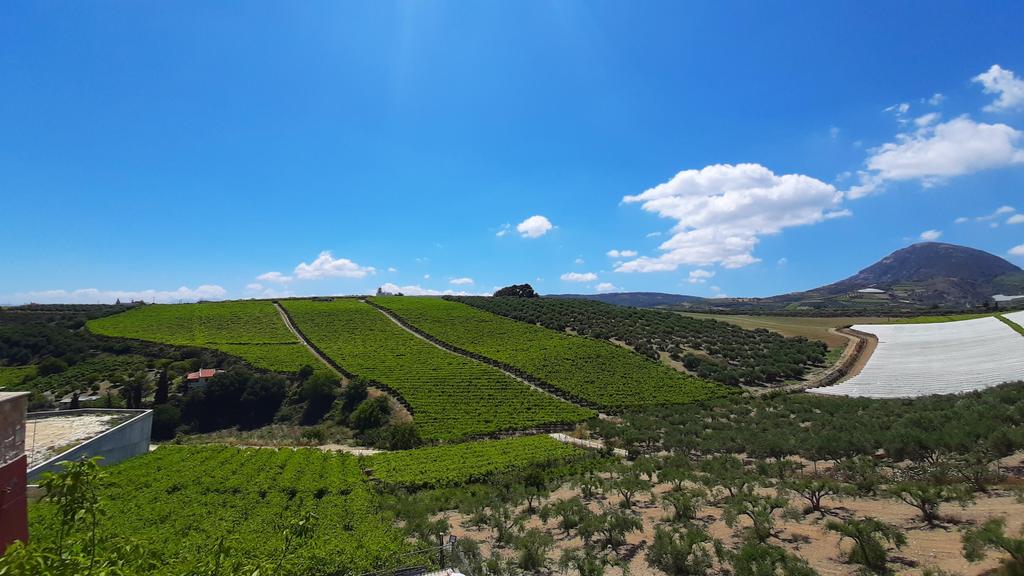
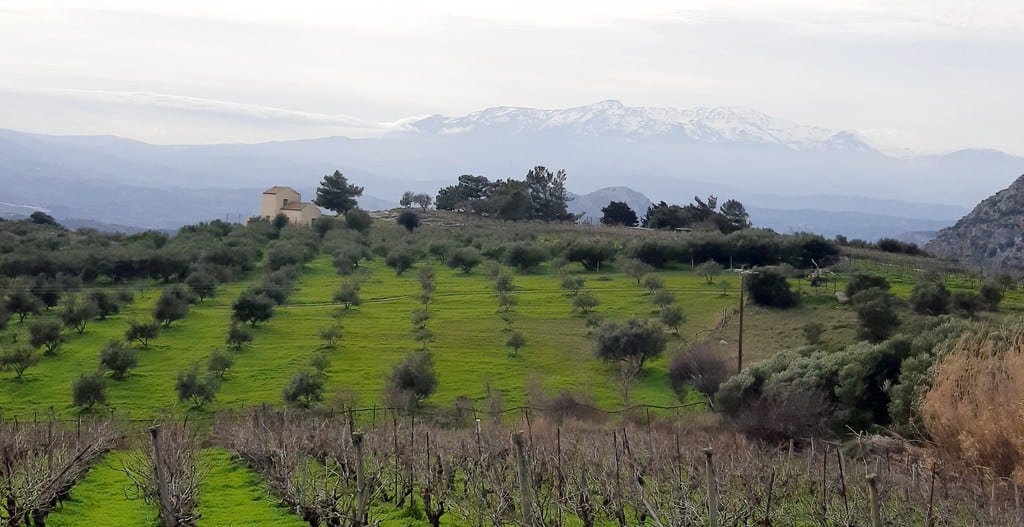
Crete is not just an island; it is a viticultural continent rising from the turquoise depths of the Aegean, a land where the vine is as ancient as the stones themselves. As a seasoned wine traveler, landing here feels like stepping into a living, breathing museum where the soil still speaks the language of the Minoans. I distinctly remember my first morning in the Archanes region; the air was thick with the scent of wild thyme, sun-baked clay, and the cool, stony breath of a cellar that had seen centuries of harvests. Walking through vineyards that have been cultivated for over five millennia, you realize that in Crete, wine isn’t merely a commodity or a trend—it is an ancestral heartbeat, a liquid link to a civilization that pioneered wine culture for the Western world.
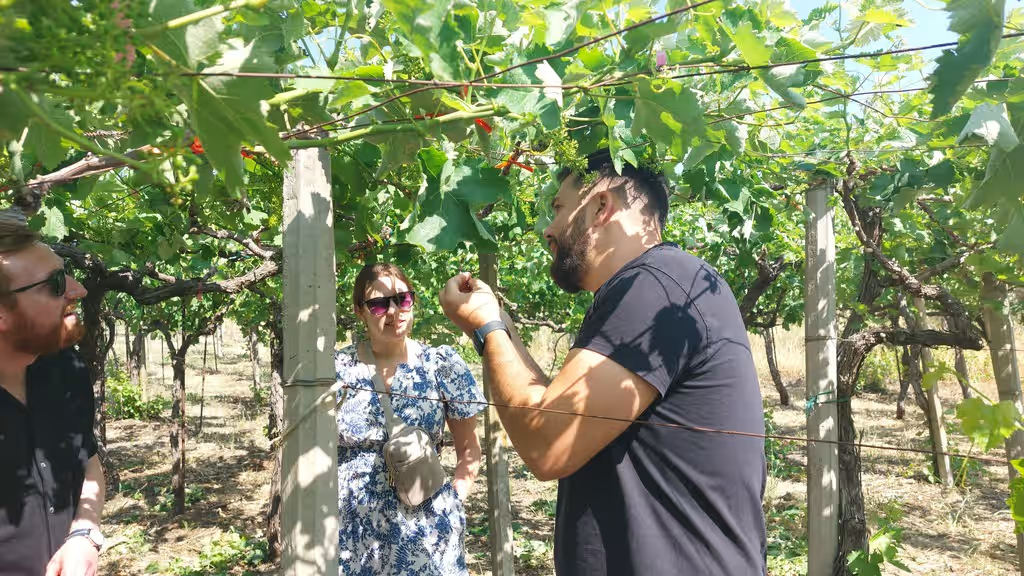
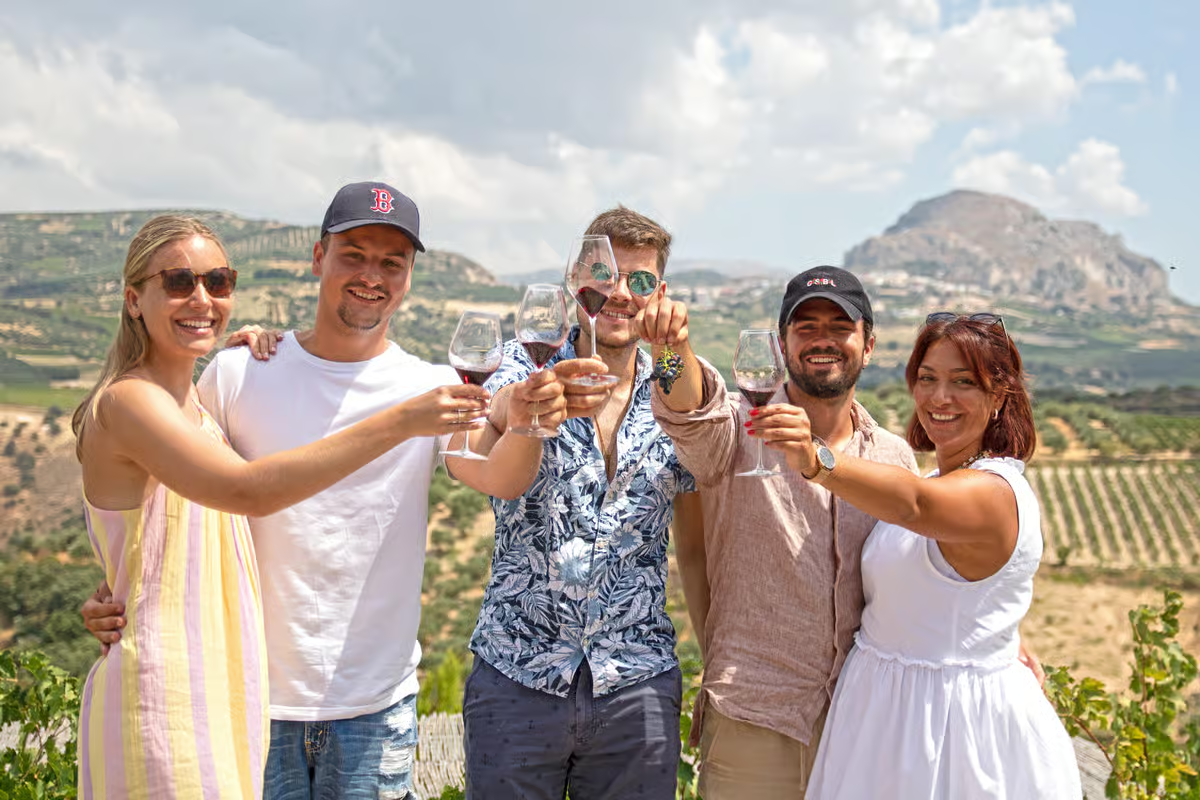
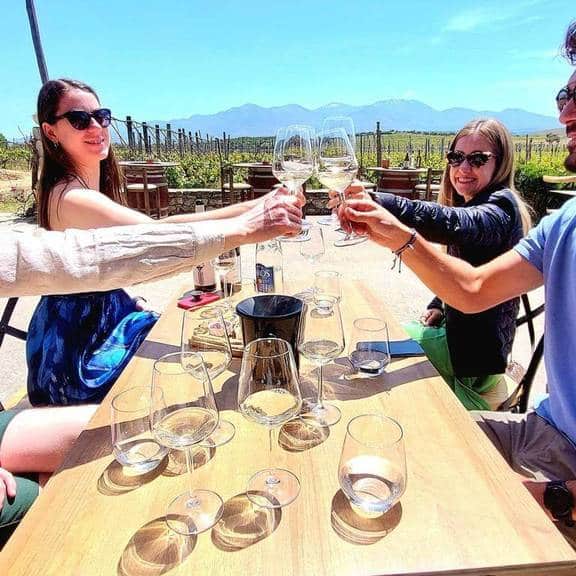
I recall sitting at a weathered wooden table at a small family estate near Peza, the sun dipping toward the Psiloritis mountains. A glass of chilled Vidiano was placed before me, and with one sip, I was floored. It was a revelation of apricot, jasmine, and a distinct, salty minerality that seemed to mirror the very coastline I’d driven past an hour earlier. Cretan wine tourism is inherently intimate; it is less about polished corporate tasting rooms and more about meeting the families who saved indigenous grapes from extinction. I’ve sat with producers like the Lyrarakis family, hearing the story of how they rescued the Dafni grape—which smells uncannily of laurel—from a single surviving vineyard. Whether you are winding through the rugged, high-altitude roads of Chania or exploring the sun-drenched plateaus of Heraklion, the island offers a raw, sophisticated authenticity. Here, a Private tour often ends with a shared plate of local graviera cheese and a conversation that lingers long after the tasting should have finished, making you feel less like a tourist and more like a guest in a timeless tradition.


Planning a wine tour or Winery in Crete How to go there
Reaching this Mediterranean jewel is remarkably straightforward, with logistics that cater to both international jet-setters and regional explorers.
-
By Plane: The primary gateway is Heraklion International Airport (HER), named after the legendary Nikos Kazantzakis. Located just 3km from the city center, it handles the bulk of international and domestic traffic. For those focusing their Wine tasting efforts on the western vineyards, Chania International Airport (CHQ), or “Ioannis Daskalogiannis,” offers a modern and often less crowded alternative.
-
Alternative Hubs: If direct seasonal flights aren’t available from your city, a quick 45-minute hop from Athens (ATH) connects you to the island. During the summer, Sitia Public Airport (JSH) in the far east also serves domestic routes for those exploring the Lasithi wineries.
-
By Ferry: For a more romantic, slow-travel approach, daily high-speed and overnight ferries run from the port of Piraeus in Athens to both Heraklion and Chania. Arriving at dawn to the sight of the Venetian harbors is an experience in itself (approx. 7–9 hours).
Book your Flight Ticket to Crete
Rent a Car in Crete
Distances from Crete Main Cities to Key Wine Regions
Navigating Crete requires a strategic approach, as the island’s mountainous spine dictates travel times more than mileage does. Below are the essential transit times from the two primary urban hubs to the most prestigious wine-growing sub-regions.
| From City | To Wine Region | Distance | Driving Time |
|---|---|---|---|
| Heraklion | Archanes | 15 km | 20 mins |
| Heraklion | Peza | 17 km | 25 mins |
| Heraklion | Dafnes | 18 km | 30 mins |
| Heraklion | Kissamos | 172 km | 2h 20m |
| Chania | Kissamos | 38 km | 45 mins |
| Chania | Peza/Archanes | 155 km | 2h 10m |
| Rethymno | Amari Valley | 35 km | 50 mins |
| Rethymno | Dafnes/Peza | 95 km | 1h 25m |
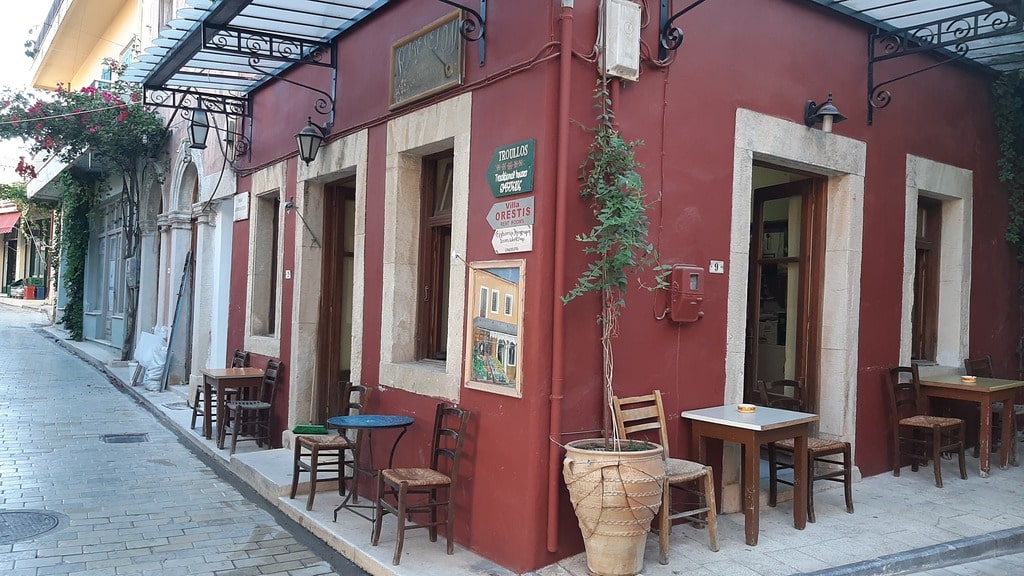
Archanes traditional town
Budgeting Your Cretan wine tour experience
Crete remains one of the most value-oriented high-end destinations in Europe for 2026, offering a “luxury for less” appeal that is hard to find elsewhere in the Mediterranean. Whether you are a backpacker exploring ancient trails or a connoisseur seeking the finest private estates, the island accommodates every level of investment with remarkable hospitality.
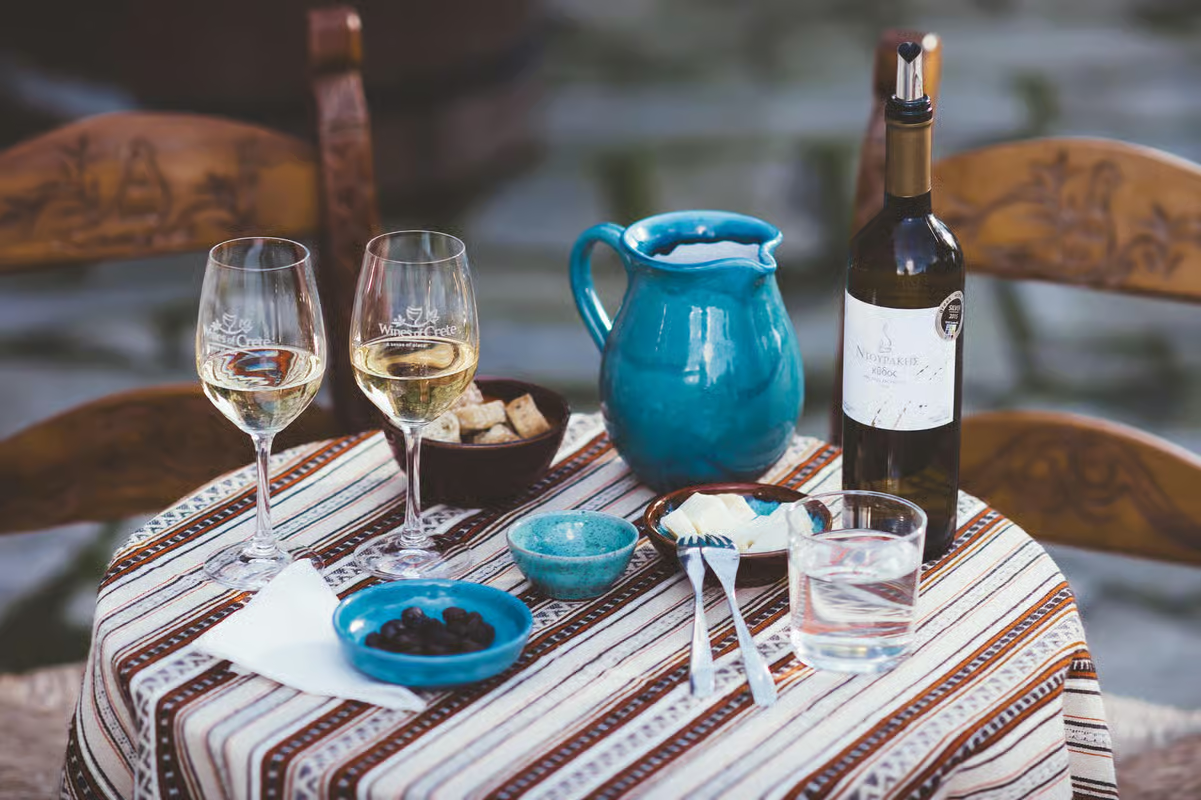
Budget Travel (€80 – €120 per day): For the budget-conscious traveler, Crete is a paradise of high-quality, low-cost experiences. You can stay in charming boutique guesthouses or renovated village stone houses for €45 – €70 per night. Dining at local tavernas remains affordable; a hearty meal of Dakos, fresh salad, and a liter of house wine typically costs between €20 – €30. Standard Wine tasting flights at local cooperatives or smaller family Estates usually range from €10 – €18, often including a small plate of local olives and rusks.
Mid-Range Comfort (€180 – €300 per day): The mid-range traveler can unlock a truly sophisticated side of the island. Accommodation at dedicated wine hotels or rural Agriturismos nestled within the vineyards generally costs between €110 – €180. For dining, “farm-to-table” restaurants and modern Cretan bistros offer seasonal tasting menus for €45 – €75. At this level, Wine tasting becomes more educational; for €25 – €45, you can enjoy vertical tastings of aged Vidiano or library vintages led by professional sommeliers.
Luxury Experience (€500+ per day): Luxury in Crete is defined by privacy and exclusivity. High-end travelers often opt for private villas with infinity pools overlooking the Aegean, with rates starting at €250 and frequently exceeding €550 per night during the Peak summer season. Fine dining at award-winning restaurants in Chania or Heraklion, featuring creative interpretations of Cretan classics, starts at €90 per person. A premium Private tour including helicopter transfers to remote vineyards or exclusive cellar master sessions can range from €60 to over €150 per person.
| Expense Category | Budget | Mid-Range | Luxury |
|---|---|---|---|
| Accommodation | €45 – €70 | €110 – €180 | €250 – €550+ |
| Dining (Per Day) | €20 – €30 | €45 – €75 | €90 – €150+ |
| Wine Tasting | €10 – €18 | €25 – €45 | €60 – €150 |
Find the Best Places to Stay in Crete
Best Period to visit Crete
The Best period to visit Crete is a subjective choice, as the island’s character shifts dramatically with the movement of the sun. Whether you are looking for the raw energy of the harvest or the quiet, snowy peaks of the hinterland, each season offers a unique lens through which to view Cretan viticulture.
-
Spring (Rebirth): From April to early June, the island undergoes a spectacular transformation. The hillsides are a vibrant, neon green, carpeted in a kaleidoscope of wildflowers and wild herbs that perfume the air. For the wine lover, this is the season of discovery; the weather is mild and perfect for walking through the vineyards, and the first white wines of the previous vintage are just being released. This is the ideal time for a Private tour, as the winemakers have more time to spend with visitors before the frantic pace of summer begins.
-
Summer (Peak): July and August mark the island’s most vibrant and social period. While the midday sun can be intense, the coastal breezes (the Meltemi) keep the seaside estates comfortable. This is the season of the long Mediterranean evening, where Wine tasting sessions often transition into open-air festivals and village celebrations known as panigiria. It is the peak of the tourism season, so expect a lively atmosphere and the need for advance bookings at the most popular Estates.
-
Autumn (Harvest): Running from September through October, this is arguably the most evocative time for a wine trip. The air in the villages is thick with the sweet, heady scent of fermenting grapes, and the entire rural population is mobilized for the Vendange (harvest). You can witness the physical labor of the crush and perhaps even participate in the traditional kazani—the distillation of Tsikoudia (raki) that follows the grape harvest. The sea remains warm enough for swimming, making it the perfect season to balance cellar visits with beach relaxation.
-
Winter (Quiet): From November to March, Crete returns to its locals. While the coastal resorts may go into hibernation, the wine regions remain deeply active in a different way. This is the time for “slow travel”—sitting by a crackling fireplace in a stone-built Agriturismo , drinking robust, aged reds like Kotsifali, and engaging in long, philosophical conversations with producers who finally have the time to reflect on the year’s work. It is a quiet, soulful period that reveals the true, unvarnished heart of the island.
Main towns and places in Crete Sanctuaries of Stone: The Towns That Guard the Vines
Heraklion
The vibrant capital of Crete is a chaotic yet charming tapestry of Venetian fortifications, bustling open-air markets, and modern Mediterranean energy. As the island’s primary wine hub, it serves as the essential gateway to the massive Peza, Archanes, and Dafnes sub-regions. Travelers should expect a city that feels like a living museum; a visit to the Heraklion Archaeological Museum is a mandatory prerequisite to any Wine tasting to see the 3,500-year-old Minoan wine presses. The atmosphere is thick with history, offering a sophisticated urban base where ancient viticultural tradition meets contemporary wine bars and upscale dining. It is the heart of Cretan wine production, representing the majority of the island’s PDO (Protected Designation of Origin) output.
Chania
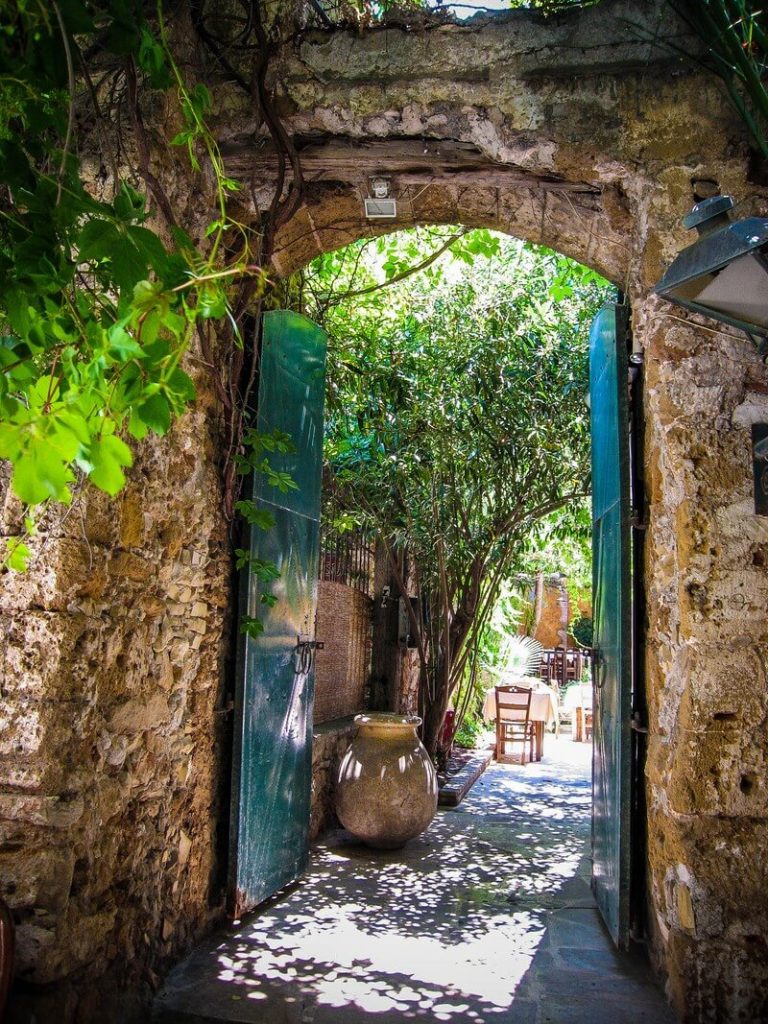
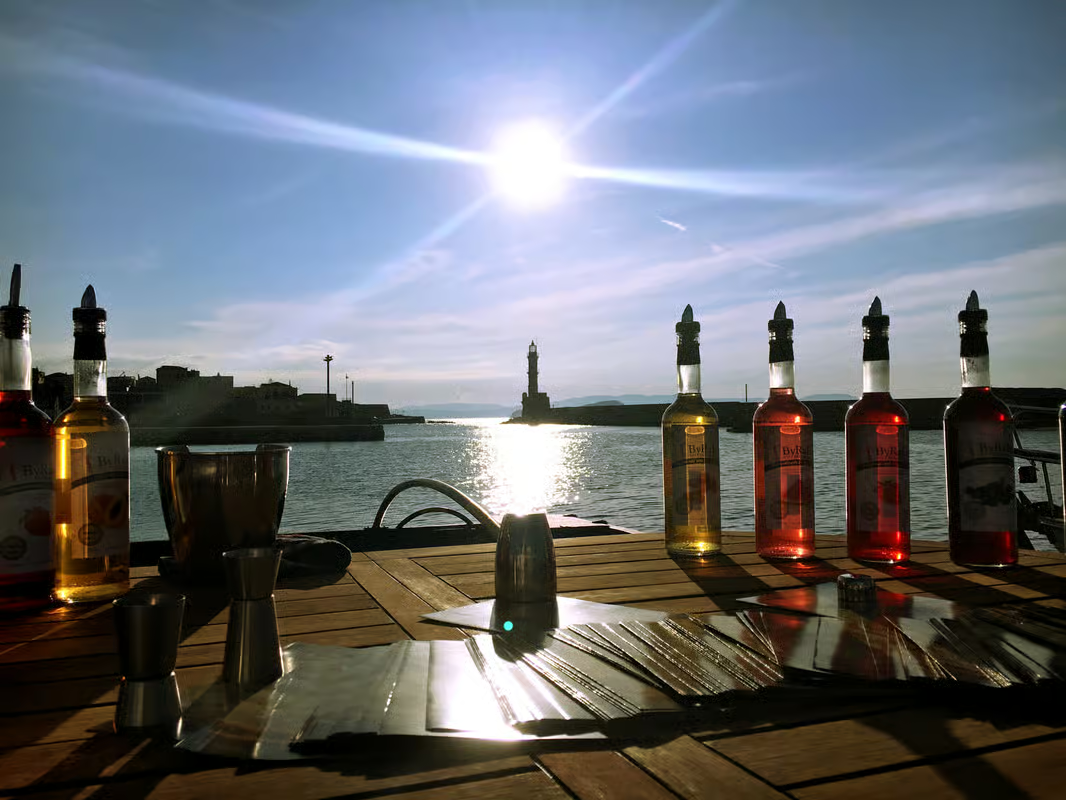
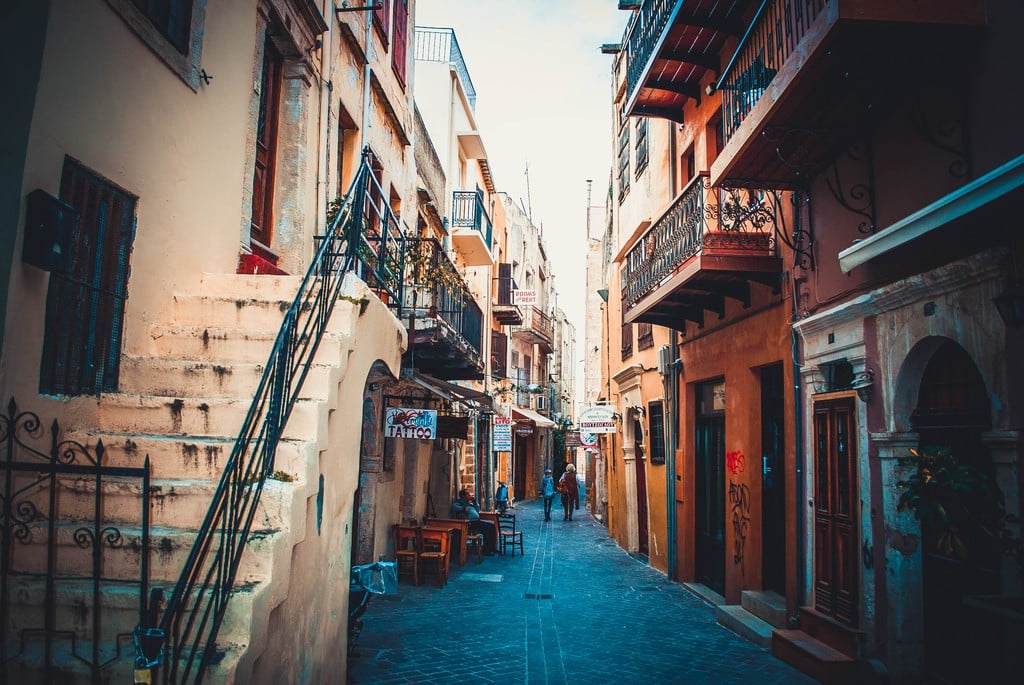
Often described as the “Venice of the East,” Chania is arguably the most romantic town on the island, centered around a stunning 14th-century Venetian harbor and a landmark Egyptian lighthouse. For the wine traveler, Chania is the strategic anchor for exploring the western terroir, particularly the rugged vineyards of Kissamos and the foothills of the White Mountains. Visitors can expect narrow, flower-lined alleyways filled with artisanal shops and hidden wine cellars specializing in the rare, local Romeiko grape. The town’s importance as a hub lies in its proximity to high-altitude estates that produce the island’s most elegant and crisp white wines, offering a stark, refreshing contrast to the bolder reds of the east.
Rethymno
A beautifully preserved Renaissance gem, Rethymno is a town of intellectuals and poets where Ottoman minarets stand alongside Venetian palazzos. It offers a much slower, more intimate atmosphere than the larger capitals, making it an ideal base for those seeking a quiet Private tour. It is a critical wine hub due to its location at the doorstep of the Amari Valley and the historic Arkadi region, where high-elevation vineyards thrive on stony soils. A must-visit is the Fortezza castle overlooking the sea, followed by a tasting in the old town’s tavernas, which are renowned for championing the revival of the indigenous Vidiano grape—a variety that was nearly lost until local producers brought it back to global acclaim
Agios Nikolaos
Perched on the cosmopolitan shores of Mirabello Bay, Agios Nikolaos centers around the bottomless Lake Voulismeni, surrounded by red-roofed cafes and upscale boutiques. Visitors should expect a chic, jet-set atmosphere that serves as the perfect base for exploring the vineyards of Eastern Crete. It is a vital hub for the Lasithi region, bridging the gap between coastal luxury and the rugged viticulture of the interior. A visit here is incomplete without a trip to the nearby Plaka and the fortress island of Spinalonga. The town’s wine scene is increasingly focused on high-end pairings, showcasing how local varieties like Vilana can stand alongside world-class Mediterranean cuisine
Archanes
This multi-award-winning traditional village, located just south of Heraklion, is one of the most significant wine communities in Europe. Expect beautifully restored neoclassical houses, stone-paved streets, and an atmosphere of authentic rural elegance. Archanes is a crucial wine hub because it sits in the shadow of the sacred Mount Juktas, surrounded by some of the island’s oldest and most prestigious Estates. It is the epicenter of the Archanes PDO, famous for its powerful and aromatic red blends. A Private tour through its historic cellars offers a deep dive into Minoan winemaking techniques that have been preserved for thousands of years.
Sitia
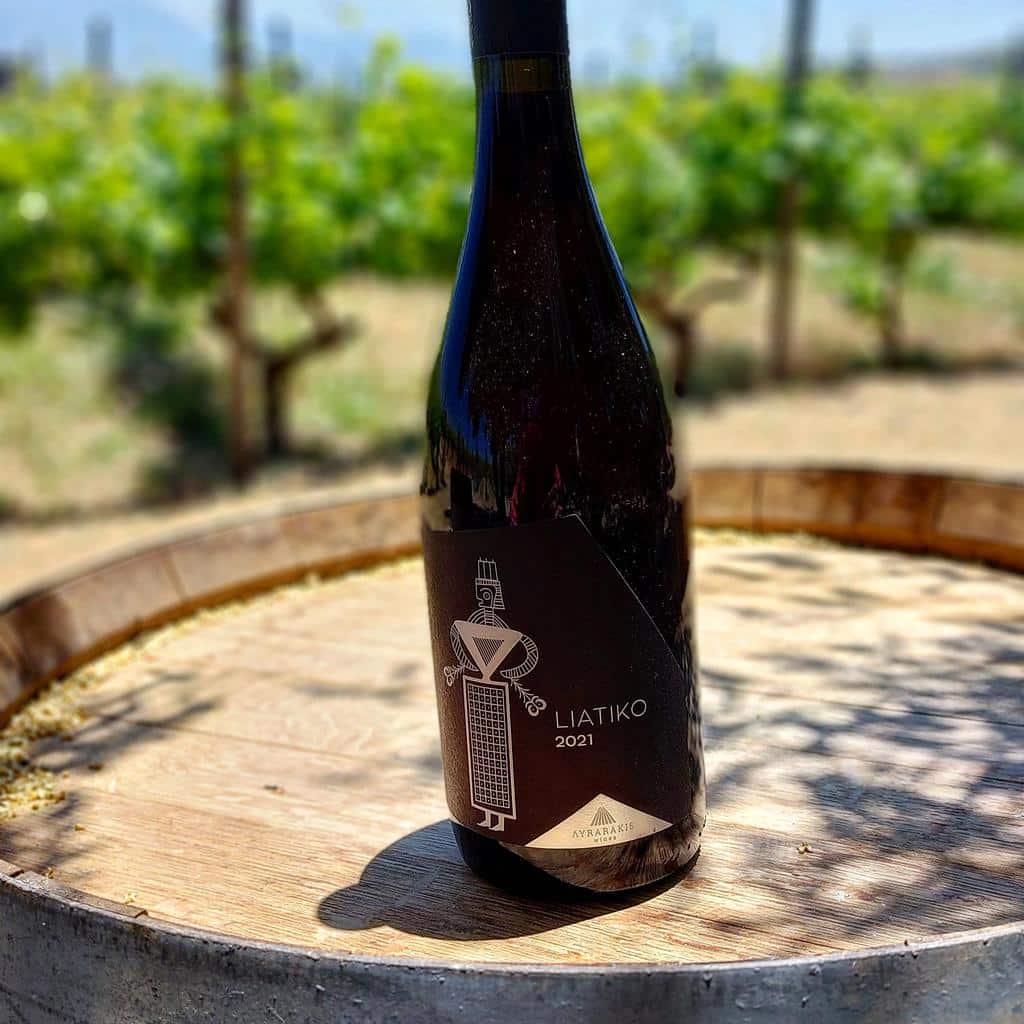
Located in the far east of Crete, Sitia is a tranquil, amphitheater-shaped town that maintains an unhurried, traditional Cretan pace. It offers a raw and wild beauty, characterized by the unique “Sitia Landscape” UNESCO Global Geopark. Sitia is a major wine hub for the production of the Sitia PDO, renowned for its distinctive sweet and dry wines made from the Liatiko grape. Visitors should expect a warm, hospitable welcome and must visit the Kazarma Fortress overlooking the bay. The proximity to the palm forest of Vai and the ancient Toplou Monastery makes it a unique destination where monastic viticulture remains a core part of the local identity.
Ierapetra
The southernmost town in Europe, Ierapetra is blessed with an eternal summer and a vibrant, sun-drenched waterfront. Expect a relaxed, coastal vibe where the history of the Napoleon House meets modern beachfront living. It serves as an important hub for the vineyards of the south, where the high heat and coastal winds create a unique microclimate for concentrated, robust wines. The town is a gateway to the nearby Chrissi Island and the mountain villages of the Dikti range, where adventurous winemakers are pushing the boundaries of Cretan viticulture in high-altitude plots.
Top 20 Must Visit Wineries in Crete And Why
Not to Miss: Must-Visit Experiences in Crete
Heraklion Region (The Wine Heart of Crete)
-
Lyrarakis Winery (Alagni): This estate is credited with saving the ancient Dafni and Plyto grapes from extinction. It is widely considered the premier “library” of Cretan grapes. The tasting terrace offers panoramic mountain views and a deep dive into rare indigenous varieties.
-
Douloufakis Winery (Dafnes): A powerhouse in the Dafnes region. Nikolas Douloufakis is a master of the Vidiano grape, often called the “Chardonnay of Greece.” His Liatiko reds are equally legendary, showcasing the elegance that the local terroir can produce.
-
Domaine Paterianakis (Melesses): A pioneer of organic viticulture on the island, run by three sisters. The winery is built into a hillside to utilize gravity-fed production. It feels like a boutique sanctuary, offering refined wines and a very warm, family-centered hospitality.
-
Silva Daskalaki Winery (Siva): A leader in biodynamic and organic farming. They are known for high-concentration, robust wines that reflect the unique soil of the Siva region. Their “Enstikti” range represents some of the most complex, age-worthy reds on the island.
-
Diamantakis Winery (Kato Asites): Perched high on the foothills of Mount Psiloritis. The altitude provides a cooler microclimate, resulting in crisp, elegant white wines. It’s a spectacular place to escape the summer heat while tasting wines with great mineral character.
-
Scalarea Estate (Boutari) (Skalani): Part of the historic Boutari family legacy, this estate offers a luxury experience. With high-end tasting rooms and upscale villas, it is the place where traditional Cretan grapes meet sophisticated, world-class winemaking expertise.
-
Idaia Winery (Venerato): Named after the cave where Zeus was allegedly born, this winery specializes in aromatic whites like Vilana. Their wines are technically precise and consistently win top awards, making them a staple of modern Cretan winemaking.
-
Stilianou Winery (Kounavi): A small, artisanal producer that feels incredibly personal. This is “slow wine” at its best—organic, handcrafted, and rustic. You’ll sit at a wooden table in a cozy cellar and hear the family’s story with every glass you pour.
-
Alexakis Wines (Heraklion): One of the largest family-owned wineries in Greece. Because they source grapes from across the entire island, their tasting room offers a fantastic “overview” of the different microclimates and grape profiles found in Crete.
-
Garakis Winery (Kounavi/Episkopi): The “rising star” of the list. This is a young, boutique operation run by the next generation of winemakers. It offers a raw, low-tech, and intimate look at winemaking. Their Muscat of Spina and Vidiano from limestone-rich soils are vibrant and incredibly fresh.
-
Louloudis Winery (Dafnes): A hidden gem that provides a quiet, intimate experience away from the larger tour crowds. They focus on the soulful reds of the Dafnes region, often serving their wines alongside traditional Cretan appetizers for a full sensory experience.
-
Michalakis Estate (Partheni): A massive and visually stunning estate that feels like a Napa Valley vineyard. With over 40 hectares of vines, they offer comprehensive tours that show the impressive scale of modern, high-tech wine production on the island.
-
Gavalas Winery (Vorias): Noted for its strong commitment to organic cultivation and environmental sustainability. The Gavalas family has been farming for generations, and their wines are known for being clean, honest, and very expressive of their specific terroir.
-
Domaine Zacharioudakis (Plouti): Perched on a hilltop near the ancient site of Gortyna, this winery offers some of the best views in Crete, stretching toward the Libyan Sea. The wines are robust and sun-drenched, reflecting the intense southern climate.
-
Efrosini Winery (Kerasia): A charming, female-led winery that emphasizes the “soul” of the grape. It’s a very unpretentious and friendly spot where you can enjoy a glass of wine under the shade of a lush, vine-covered pergola.
Chania Region (The Lush West)
-
Manousakis Winery (Vatolakkos): Famous for their “Nostos” labels. They specialize in Mediterranean varieties like Syrah and Grenache, which thrive in Chania’s soil. Their garden restaurant is arguably the finest winery-dining experience on the island.
-
Karavitakis Winery (Pontikiana): A highly innovative winery that experiments with both local and international grapes. The tasting room is sleek and surrounded by olive groves, offering a modern look at the future of Cretan viticulture.
-
Anoskeli Winery (Anoskeli): A unique dual-purpose stop; they are famous for both their boutique wines and their world-class extra virgin olive oil. It’s a family-run business that captures the true agricultural heart of western Crete.
-
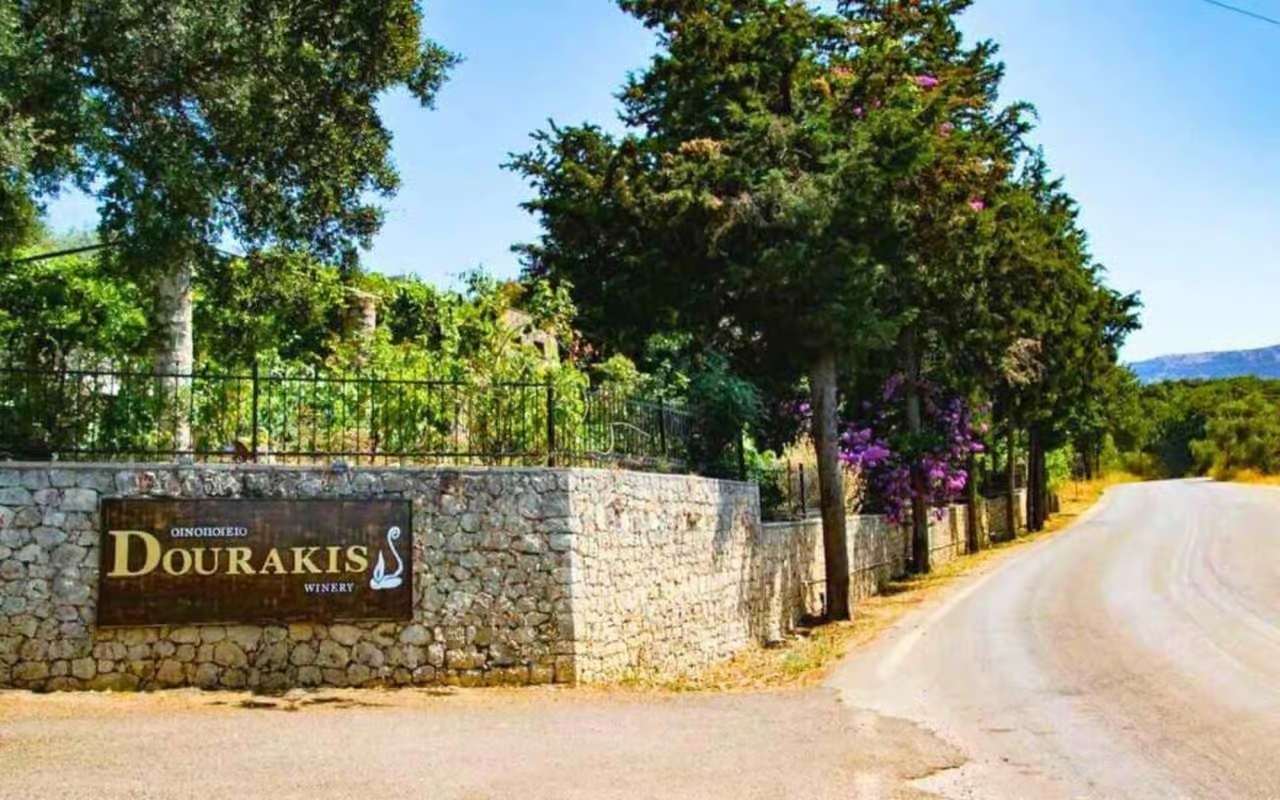
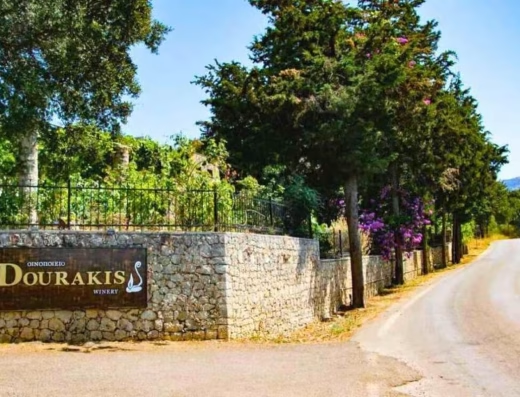
Dourakis Winery (Alikambos): A beautiful stone-built winery that looks like a castle nestled in the foothills of the White Mountains. They offer a range of cultural activities, including art exhibitions and cooking lessons, alongside their excellent cellar tastings.
Eastern Crete (The Wild East)
-
Toplou Monastery Winery (Sitia): Located in the arid, rugged east within the grounds of a 15th-century fortified monastery. The monks produce exceptional organic wines, in a setting of immense historical and spiritual beauty.
Knossos Palace, crete
Beyond the cellar doors, Crete offers a staggering array of cultural and natural landmarks that provide the necessary context for its ancient wine culture. To truly understand the island, you must immerse yourself in the landscapes that have shaped its history for over five millennia.
Knossos Palace
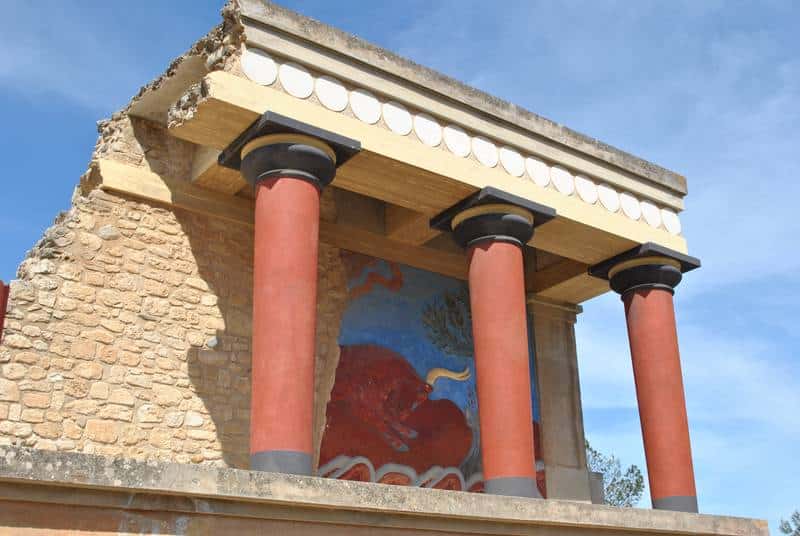
No trip is complete without walking through the labyrinthine ruins of the Minoan civilization’s capital. It is here that archaeologists discovered some of the world’s oldest wine presses, proving that viticulture was a sophisticated industry as early as 1700 BC.
The Arkadi Monastery
A profound symbol of Cretan courage and resistance, this 16th-century site features a stunning Venetian-Baroque facade. For the wine traveler, its historical significance is matched by its long tradition of monastic winemaking in the foothills of Mount Ida.
Samaria Gorge
For those looking to balance Wine tasting with physical adventure, this is Europe’s longest canyon. The 16km hike through the White Mountains offers breathtaking geological formations and a chance to see the rare Kri-Kri (Cretan wild goat).
The Spinalonga Fortress:
Accessible via a short boat ride from Agios Nikolaos or Elounda, this former leper colony and Venetian fortress is a hauntingly beautiful site with a complex, moving history set against turquoise waters.
Elafonisi & Balos Lagoon
The island’s world-famous pink sand beaches and shallow lagoons provide the ultimate “palate cleanser” after a few days of intensive vineyard touring. These protected natural areas represent the pristine coastal beauty of the west
The Kazani (Raki Distillation)
If your trip falls during the Autumn months, witnessing a kazani—the communal distillation of Tsikoudia from grape pomace—is an essential cultural experience. It is a time of music, food, and celebration that marks the true end of the harvest season.
Minoan Culinary Workshops
Seek out an Agriturismo that offers traditional cooking classes. Learning to prepare ancient recipes using local olive oil, wild herbs, and barley rusks provides a deeper understanding of how Cretan wines were traditionally paired with the local diet.
High-Altitude Vineyard Hikes:
Take a Private tour into the Asterousia Mountains or the Lasithi Plateau. Walking through these rugged, high-elevation plots allows you to feel the dramatic temperature shifts and stony soils that give Cretan white wines their signature minerality and acidity.
The Heraklion Archaeological Museum
Often cited as one of the most important museums in Europe, it houses the definitive collection of Minoan artifacts, including the intricate jewelry and pottery that once graced the wine-filled banquets of the ancient kings.
Local Gastronomy: What to Taste Absolutely in Crete The Cretan Foodie experience
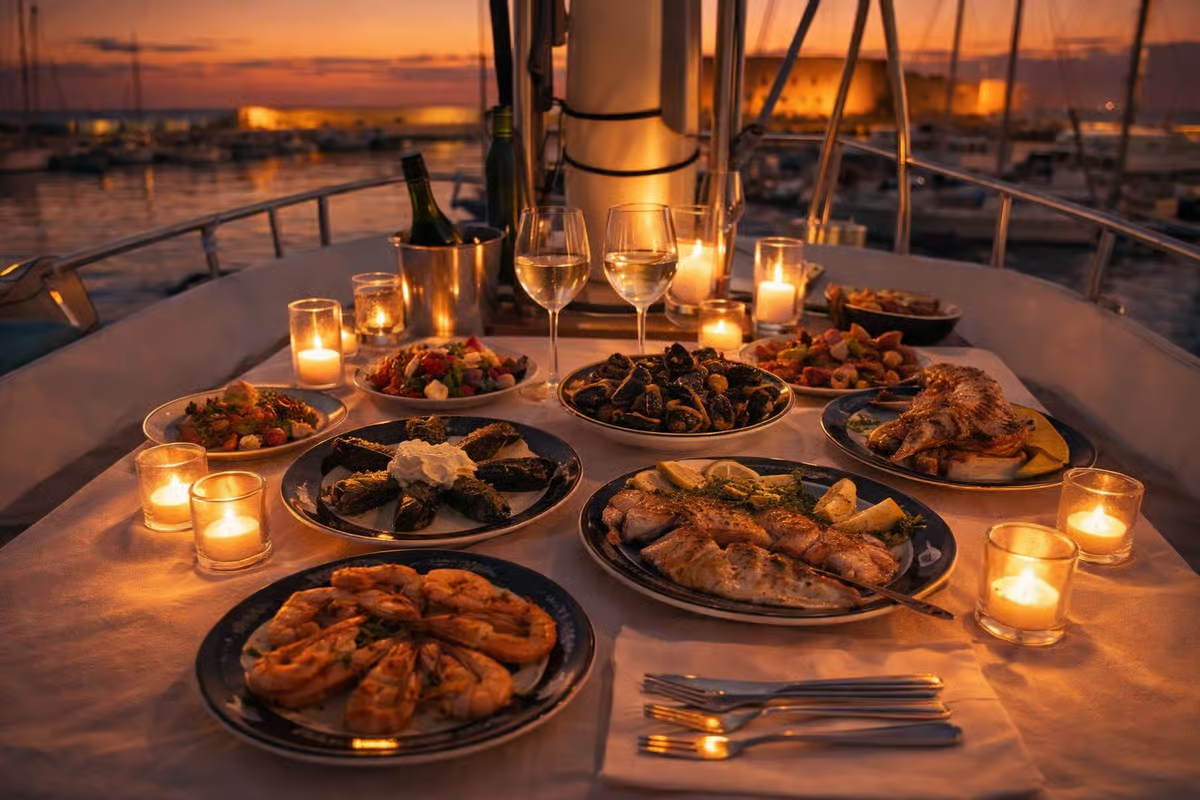
A wine trip to Crete is as much a culinary pilgrimage as it is a viticultural one. The island is the birthplace of the Mediterranean diet, a philosophy of eating that emphasizes seasonal produce, wild herbs, and healthy fats—all designed to be enjoyed with a glass of local wine. To truly experience the island, you must look beyond the standard tourist menus and seek out these authentic specialties.
Dakos (Kritikos Dakos):
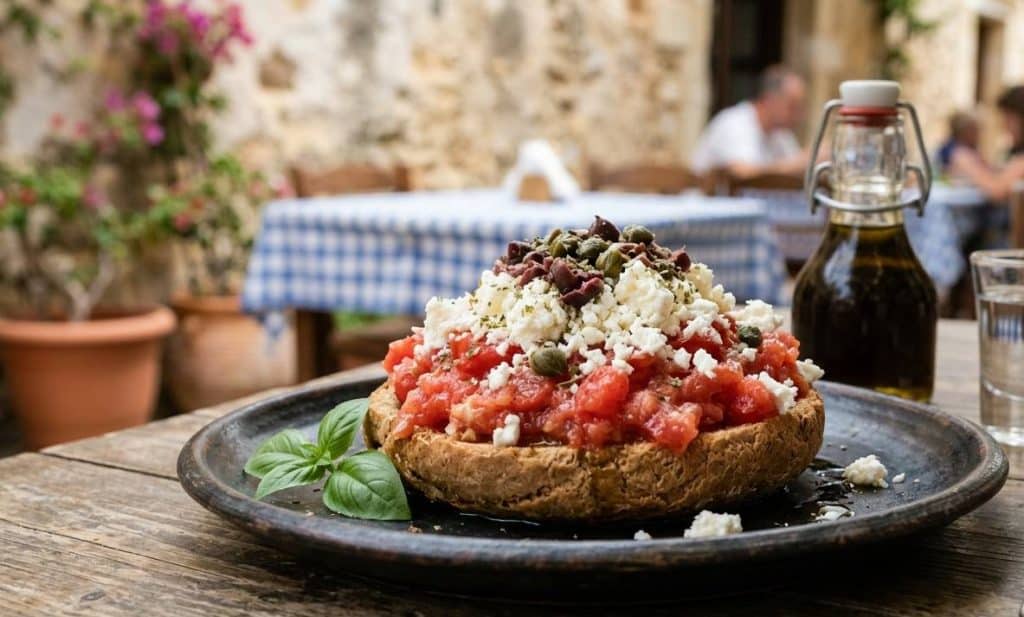
The quintessential Cretan starter. It begins with a rock-hard barley rusk (paximadi) lightly soaked in water or olive oil to soften, then piled high with grated fresh tomatoes, crumbled mizithra (a creamy, slightly turgid sheep’s cheese), wild oregano, and a generous drizzle of extra virgin olive oil. It is the perfect companion for a crisp, acidic Vilana.
Gamopilafo (wedding rice)
Historically served only at weddings (gamos means wedding), this “wedding rice” is now found in traditional tavernas during celebrations. The rice is simmered in a rich broth made from goat or lamb, flavored with staka (a clarified mountain goat-milk butter). The result is a creamy, velvety risotto-like dish that demands a medium-bodied white or a light, chilled Liatiko.
Antikristo
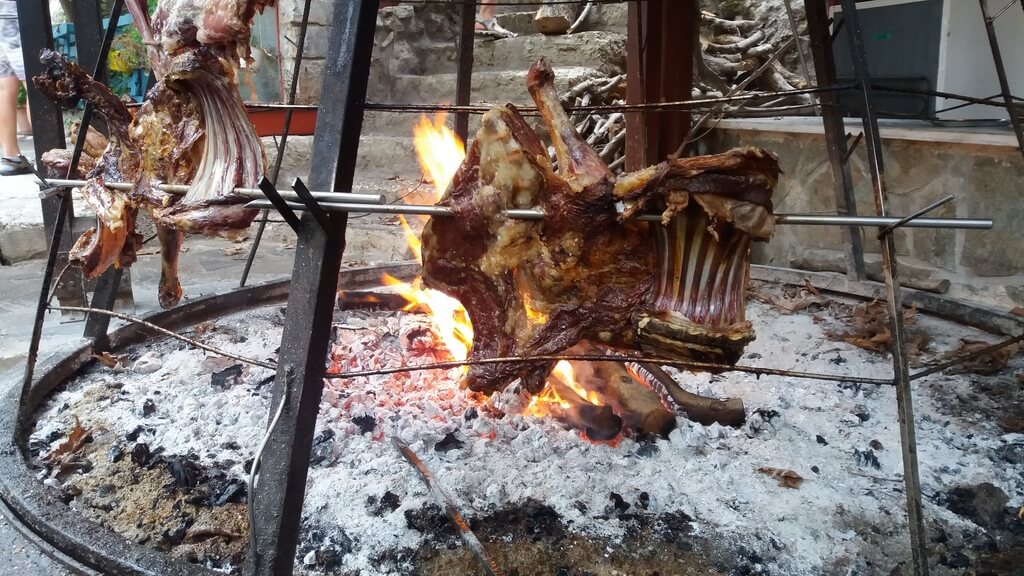
This is Crete’s most dramatic culinary tradition. Lamb is cut into four pieces, salted, and placed on large wooden or metal skewers arranged in a circle around a central fire. The meat cooks slowly for hours by the heat of the flames, not the smoke, resulting in incredibly tender meat with a crispy skin. It is best enjoyed in the mountain villages of the Psiloritis range alongside a robust Kotsifali blend.
Kalitsounia:
These small, handmade pastries vary by region. In some areas, they are savory, filled with wild mountain greens (horta) and herbs; in others, they are sweet, stuffed with honey and soft cheese. They are a staple of Cretan hospitality and are often served as a welcoming snack during a Wine tasting.
Sfakianopita:
Hailing from the rugged Sfakia region, this is a thin, crepe-like pancake filled with goat cheese and fried until golden. It is served hot and drizzled with plenty of thyme honey. The saltiness of the cheese and the sweetness of the honey make it an exceptional partner for a late-harvest Malvasia.
Chochlioi Boubouristi (snails)
For the adventurous eater, these are snails fried in their shells with olive oil, rosemary, and vinegar. The name “boubouristi” refers to the popping sound they make while frying. The vinegar and rosemary give them a sharp, savory profile that cuts beautifully through the richness of an oak-aged Chardonnay or a local Vidiano
Apaki
A lean pork loin that is marinated in vinegar and then smoked with aromatic herbs like sage, bay leaves, and rosemary. This traditional cold cut is an essential component of any Cretan meze platter
Mountain Greens (Horta)
Do not overlook the simplicity of wild greens gathered from the hillsides. Boiled and served with a simple dressing of lemon and olive oil, they represent the pure, bitter-fresh flavors of the Cretan landscape and are a staple side dish for any grilled meat.
Bougatsa
This is the legendary breakfast of Crete, particularly famous in Heraklion and Chania. It consists of layers of exceptionally thin, crispy phyllo pastry filled with either a creamy semolina custard or a slightly sour local cheese like mizithra. Served warm and generously dusted with powdered sugar and cinnamon
Loukoumades
These are the Greek equivalent of small, golden doughnuts—deep-fried dough balls that are crispy on the outside and fluffy on the inside. Traditionally, they are drizzled with local thyme honey and sprinkled with crushed walnuts and cinnamon. They represent the simple, sweet hospitality of the island and pair beautifully with a late-harvest dessert wine.
Cretan Halva:
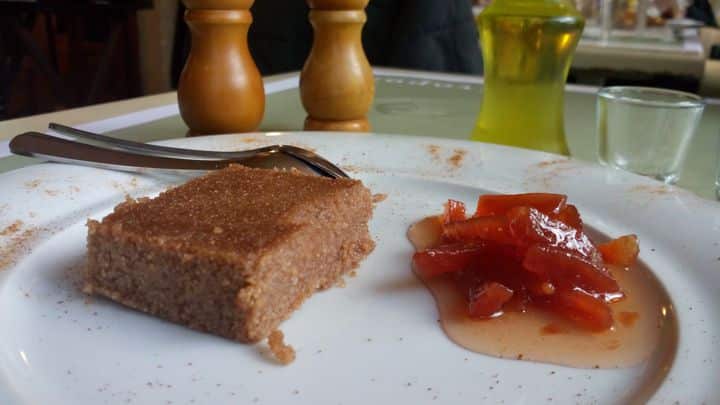
Cretan Halva
Unlike the sesame-based versions found elsewhere, the traditional Cretan semolina Halva is a staple dessert often offered as a complimentary treat at the end of a meal. It is a warm, comforting pudding made with olive oil, semolina, sugar, and water, usually flavored with orange zest, cinnamon, and toasted almonds. Its earthy sweetness and spiced aroma make it a surprisingly delightful partner for a glass of Malvasia or a chilled glass of Raki.
Raki (Tsikoudia)
While wine is the heart of the island, Raki is its soul. This clear, potent grape brandy is distilled from the pomace (the remains of the wine press) and is served as a gesture of hospitality in every home and Estate on the island. It is not just a drink; it is a social lubricant, usually served neat and ice-cold alongside a small plate of olives, rusks, or fruit to mark the beginning or end of a meal.
Plan your Transportation Planning Your Pilgrimage in Crete
Crete’s dramatic geography—defined by the “Spine” of the White Mountains, the Idi range, and the Dikti mountains—requires a thoughtful and multi-layered approach to logistics. Unlike smaller islands, Crete’s wine regions are geographically dispersed, meaning your choice of transport will significantly shape the rhythm of your Wine tasting journey.
-
Car Rental: This is the most popular choice for the independent traveler seeking total autonomy. To reach the most authentic, family-run Estates tucked away in the foothills of the Psiloritis or the remote plateaus of Sitia, a personal vehicle is essential. For the 2026 season, expect rates of approximately €50/day for a manual economy car and up to €85/day for a robust 4×4, which is highly recommended if you plan on exploring the more rugged, unpaved vineyard tracks in the south. Most international agencies are located directly at the Heraklion and Chania airports, making pick-up seamless upon arrival.
-
Private Tour: For those who wish to fully immerse themselves in the tasting experience without the burden of navigating Crete’s notorious hair-pin turns and narrow mountain passes, hiring a professional driver or booking a Private tour is the premier option. These tours are often led by certified sommeliers or local viticultural experts who provide door-to-door service from your hotel or Agriturismo. This allows you to sample high-alcohol indigenous reds like Kotsifali or Mandilaria with absolute peace of mind. Expect to pay between €150 and €400 for a full-day bespoke itinerary, depending on the group size and the exclusivity of the cellar visits.
-
Public Bus (KTEL): The regional green buses (KTEL) are remarkably efficient, modern, and air-conditioned, serving as a lifeline between the major hubs of Heraklion, Chania, Rethymno, and Agios Nikolaos. Tickets are affordable, ranging from €2 to €15. While they are perfect for moving between major towns, they rarely stop at the gates of rural wineries. Use the KTEL for your primary transit between cities, then rely on local taxis or short-range transfers for the final leg to the vineyard.
-
Private Chauffeur & Specialized Shuttles: Many of the more established Estates in the Peza and Archanes regions have begun offering dedicated shuttle services from Heraklion city center during the Peak summer months. Additionally, for luxury travelers, private chauffeur services can be booked by the hour, providing a flexible “wait-and-return” service that bridges the gap between a structured tour and independent car rental.
-
Taxis and Ride-Hailing: While international apps are not as prevalent in rural areas, local taxi stations are found in every village square. Taxis are metered in the cities, but for longer trips to specific wine regions, it is customary and expected to agree on a flat rate before departing. A round trip from Heraklion to the Dafnes region typically costs around €40–€60, including a pre-negotiated waiting time while you enjoy your Wine tasting.
Shipping Costs, Payments modes How to Bring Your Favorite Wines Home
Bringing your discoveries home is a logistical necessity once you taste the quality of the local bottlings.
-
European Union: Shipping is seamless within the EU. Most wineries use specialized couriers like UPS or DHL. Expect to pay approximately €35–€55 for a 6-bottle case, with delivery taking 5-7 business days.
-
USA: Shipping to the States involves navigating the 2026 Section 122 ad valorem duties. While costs have risen, many estates offer flat-rate shipping for 12-bottle cases ranging from $110 to $160, covering customs and insurance.
-
UK: Since Brexit, extra paperwork is required. Shipping is around £50–£75 per case, excluding local VAT and excise duties which are usually collected upon arrival.
-
Canada: This is the most complex due to provincial monopolies (LCBO, SAQ). Shipping to Alberta is the most affordable ($130+), while other provinces may require specialized importers or personal liquor waivers.
Payment methods
-
Credit/Debit Cards: Visa and Mastercard are the standard. Almost every Estate and tasting room is equipped with contactless terminals.
-
Digital Wallets: Apple Pay and Google Pay are widely used in major hubs like Heraklion and Chania, as well as in modernized wineries.
-
Cash (Euros): Still the king for small, off-the-beaten-path experiences. If you are buying a bottle of house wine at a mountain taverna or local honey from a roadside stand, have small denominations of cash ready.