Table of Contents
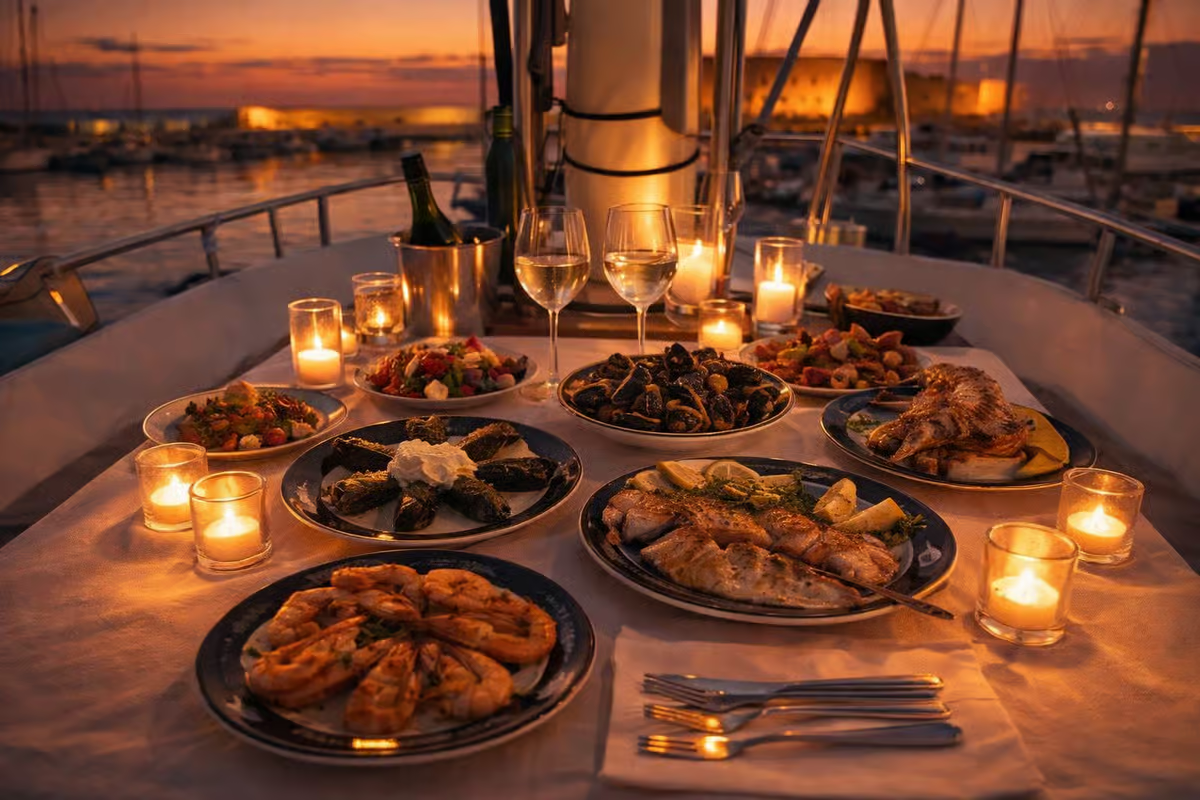
In Greece, the profound relationship between the Greek soil and the local plate is rooted in a millennium-old concept of synergy, where neither the wine nor the food is intended to dominate the sensory experience. This equilibrium is governed by the structural integrity of indigenous Greek grape varieties, which have evolved over centuries alongside a Mediterranean diet rich in extra virgin olive oils, wild mountain herbs, and fresh proteins. At the heart of this balance is the complex chemical interaction between the structural components of a wine and the physical properties of the food. In the Greek context, this is most notably observed through the interplay of high natural acidity and robust phenolic compounds. Acidity in wine acts as a fundamental architectural element; it provides a linear backbone that can pierce through the richness of fats and oils. When a wine with a low potential hydrogen level, such as an Assyrtiko from the volcanic soils of Santorini, meets a dish laden with lipids, the tartaric and malic acids initiate a process of emulsification on the tongue. This prevents the palate from becoming saturated by fats, effectively resetting the taste buds for the next bite.
Simultaneously, the tannins found in Greek red varieties like Xinomavro or Agiorgitiko operate through a specific molecular attraction to proteins. Tannins are polyphenolic compounds that seek out and bind to protein molecules. In a vacuum, these tannins would bind to the lubricating proteins in human saliva, creating a sensation of astringency or dryness. However, when paired with a protein-heavy dish, the tannins bind to the food’s proteins instead. This chemical bond softens the wine, making it appear rounder and more fruit-forward, while simultaneously breaking down the fibers of the meat to enhance its perceived tenderness. This structural harmony defines the Greek gastronomic experience: a scientific dance of molecules that elevates a simple meal into a sophisticated sensory journey where the terroir of the vineyard and the ingredients of the land become a single, unified expression of flavor.


Local Food and Greek Wines
Local White Wine Pairings
The white wines of Greece are defined by their remarkable diversity, ranging from the bone-dry, mineral-driven profiles of the Aegean islands to the lush, aromatic blossoms of the high-altitude mainland. These wines are predominantly characterized by a high natural acidity, a trait fostered by the cooling sea breezes and the intense diurnal temperature shifts of the Greek topography. This acidity serves as the primary gastronomic tool, acting as a structural “blade” that carves through the rich textures of Mediterranean olive oils and fresh seafood. The following pairings demonstrate how the unique pH levels and aromatic compounds of indigenous Greek white grapes create a symbiotic relationship with the regional plate.
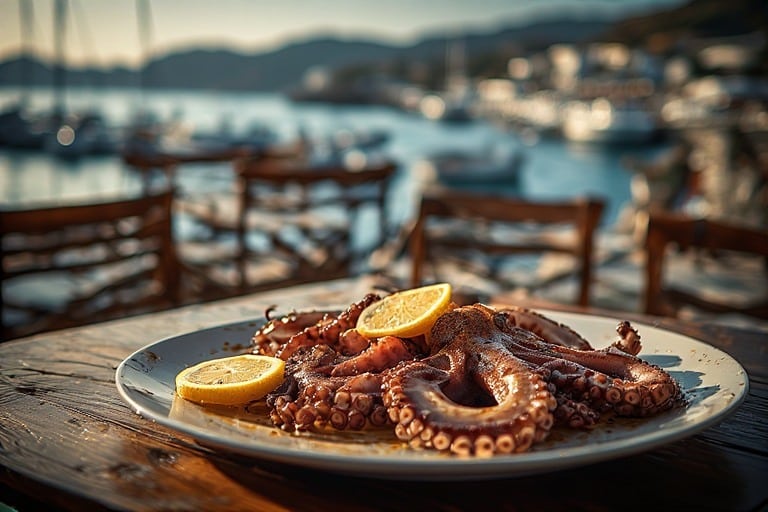
Santorini Assyrtiko with Grilled Octopus
The bracing acidity and saline minerality of the volcanic soil emulsify the fats in the lemon-olive oil dressing. This interaction prevents a heavy palate feel while highlighting the charred umami of the seafood.
Mantinia Moschofilero with Spanakopita
Lively citrus zest and floral notes pierce through the buttery layers of phyllo and the salty creaminess of sheep’s milk feta, providing an essential refreshing lift to the rich, savory greens.
Cretan Vidiano with Grilled Sea Bass
A medium-bodied profile with apricot aromas matches the delicate, sweet flesh of the sea bass. The wine’s moderate acidity manages the light oils of the fish without overwhelming its subtle flavors.
Cephalonian Robola with Fresh Oysters
The flinty, sharp acidity mimics a squeeze of lemon, while the mineral backbone of the wine highlights the briny liquor of the shellfish, creating a clean, high-precision structural pairing.
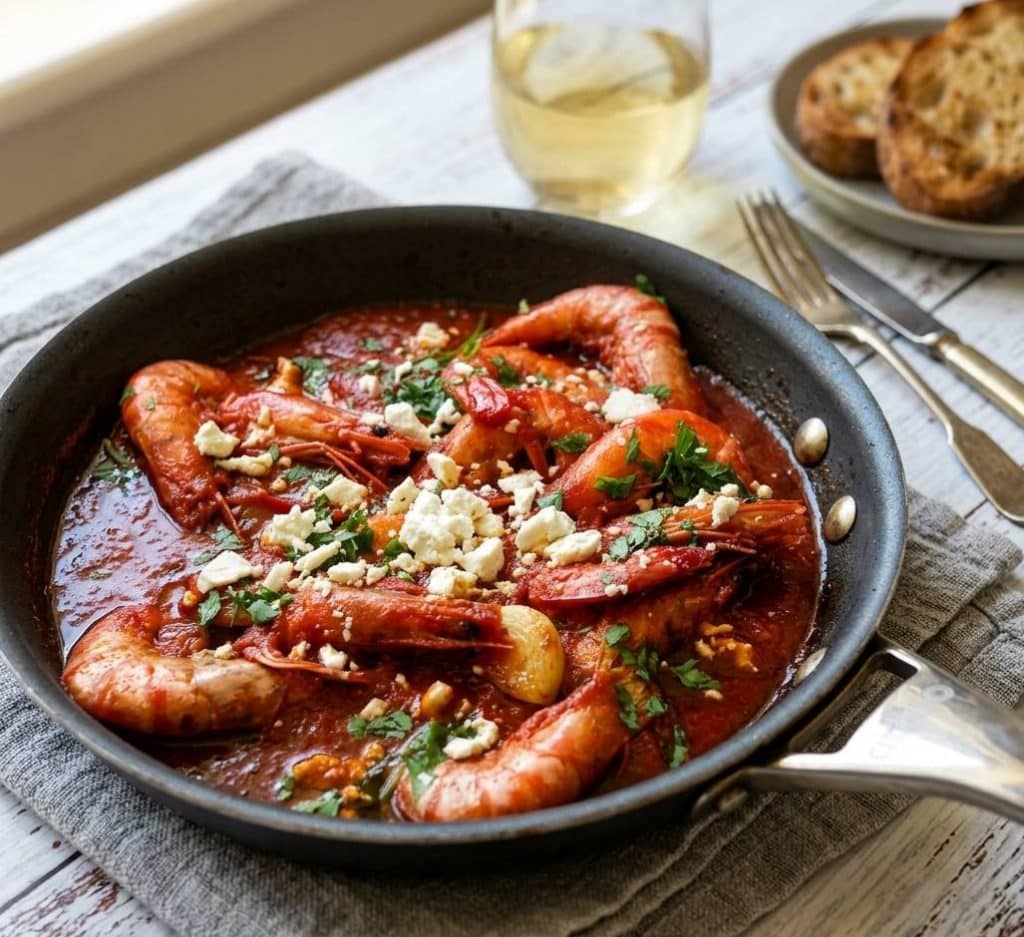
Malagouzia with Garides Saganaki
Aromatic notes of white peach and herbs bridge the flavors of tomato and feta. The wine’s textured mouthfeel stands up to the richness of the baked cheese.
Debina with Fried Cod (Bakaliaros)
This high-acid variety from Zitsa provides a crisp relief to the heavy, crunchy batter of the fish, cutting through the oil for a balanced and refreshed finish.
Savatiano with Greek Salad (Choriatiki)
The herbal and rounder profile of a well-crafted Savatiano harmonizes with the acidity of the tomatoes and the herbal notes of dried oregano and fresh cucumber.
Aidani with Fava (Yellow Split Pea Puree)
The floral and citrus notes of Aidani provide a light, aromatic contrast to the dense, earthy texture of the puree, while its acidity brightens the drizzle of raw olive oil.
Nature’s Masterpiece
Local Food and Rosé Wine Pairings
Greek rosé wines have transitioned into serious gastronomic tools. Utilizing indigenous red varieties like Xinomavro, Agiorgitiko, and Liatiko, these wines offer a spectrum of colors and tannin levels. The scientific advantage of a Greek rosé lies in its ability to provide the refreshing acidity of a white wine while maintaining a subtle phenolic grip to handle savory Mediterranean ingredients.
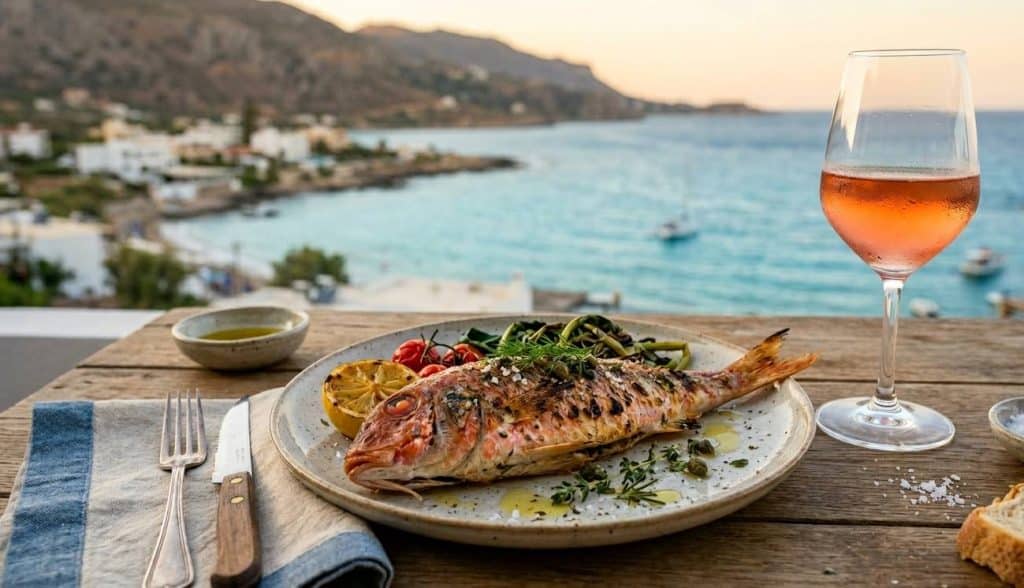
Mandilaria Rosé with Red Mullet (Barbouni)
Mandilaria provides a firm phenolic grip and high acidity needed for oily fish. The tannins bind with the fish proteins, while the acidity cleanses the palate of intense oils.
Liatiko Rosé with Cretan Dakos
The wine’s red fruit aromatics find a direct parallel in the sugars of sun-ripened tomatoes. Its acidity balances the olive oil-soaked barley rusk and the sharp salinity of the feta.
Xinomavro Rosé with Taramasalata
The high acidity of Xinomavro is a scientific necessity for balancing the saltiness and high fat content of the fish roe dip, ensuring the palate remains refreshed.
Agiorgitiko Rosé with Stuffed Tomatoes (Gemista)
The cherry fruit profile creates a seamless aromatic bridge to the cooked tomato and herbal rice filling, while the refreshing finish cuts through the oil used in the roasting.
Limniona Rosé with Grilled Tuna Steak
Limniona offers enough structure to handle a meaty fish like tuna. The wine’s vibrant acidity and red berry notes provide a bright contrast to the savory, seared exterior.
Local Cuisine and Red Wine Pairings
The red wines of Greece are defined by their phenolic diversity; the tannins are often structured yet refined, requiring the presence of proteins and fats. The pairing philosophy for Greek reds centers on “structural softening,” where the wine’s tannins engage with the proteins of slow-cooked meats or charred grills.
Nemea Agiorgitiko with Lamb Kleftiko
Velvet tannins bind with the dense proteins of the lamb, softening the wine’s structure. The wine’s plum and spice flavors are carried by the lamb’s fats across the tongue.
Naoussa Xinomavro with Beef Stifado
The wine’s aggressive tannins and high acidity are required to break down the beef fibers, while its sun-dried tomato notes match the profile of the tomato-based sauce.
Limnio with Grilled Loukaniko (Sausage)
The black pepper and herbal profile of Limnio complements the spices in the meat. Moderate tannins manage the fat content, while the earthy finish grounds the smoky grill notes.
Kotsifali-Mandilaria with Veal Giouvetsi
The softer Kotsifali provides fruit, while Mandilaria adds structure. Together, they balance the rich tomato sauce and the starch of the orzo pasta, managing the protein density.
Avgoustiatis with Grilled Pork Souvlaki
The bright red fruit and moderate structure of this variety enhance the charred, savory flavors of the pork while the acidity cleanses the palate of the meat’s juices.
International Food and Greek Wines
International Food and Greek White Wine Affinity
The global culinary landscape offers a vast array of textures and spice profiles that find unexpected partners in the indigenous white grapes of Greece. The international versatility of these wines is rooted in their structural purity; because they are often vinified without heavy oak, they act as transparent conductors of flavor. From the delicate, fat-rich cuts of Japanese sashimi to the complex, aromatic heat of Southeast Asian curries, Greek white varieties provide a scientific balance. Their high acidity serves as a universal palate cleanser, while their unique mineral signatures—derived from ancient and volcanic soils—complement the global flavors of the sea and the land.
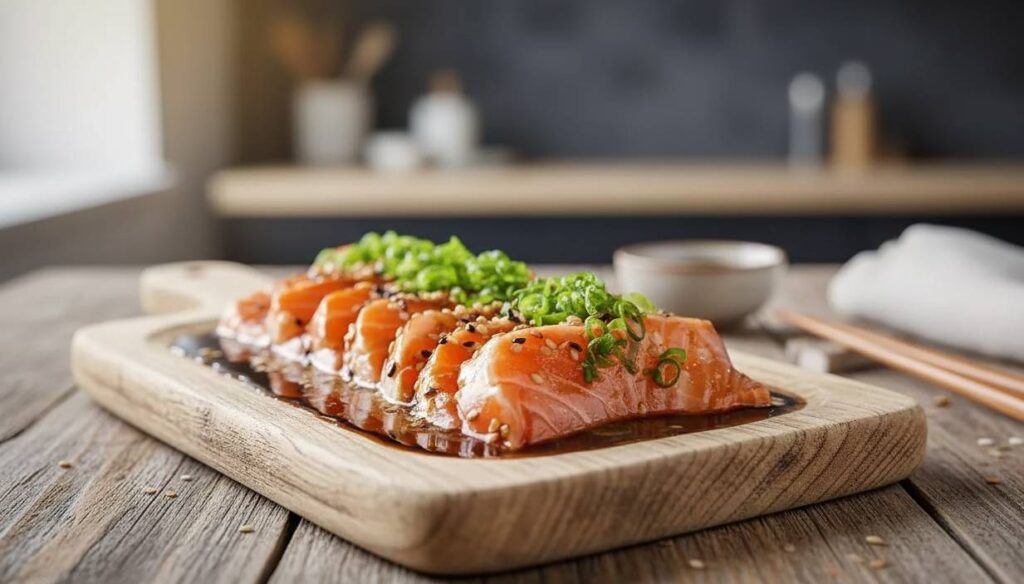
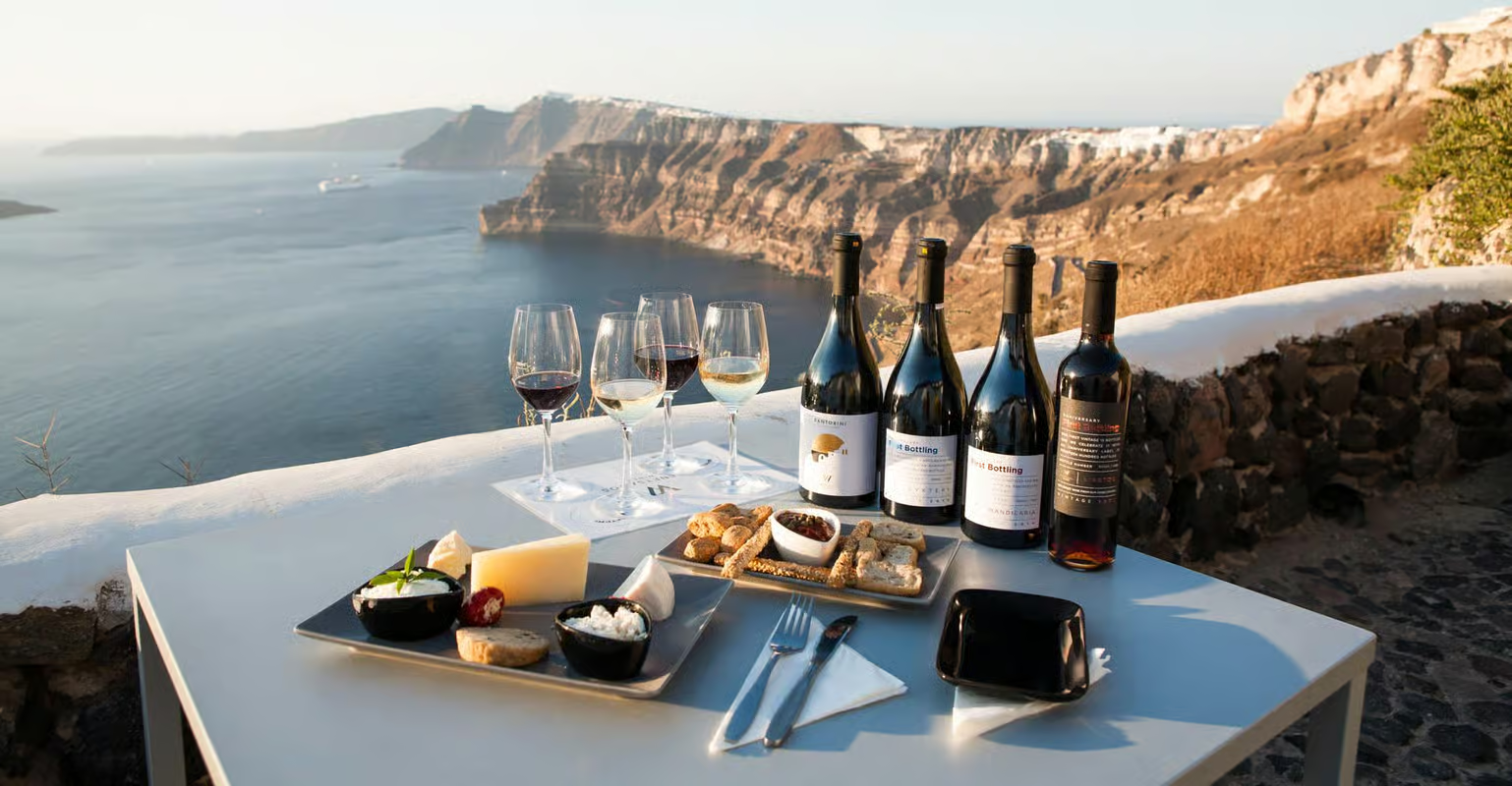
Santorini minerality is perfect pairing with raw fish
Santorini Assyrtiko with Japanese Hamachi Sashimi
The scientific success of this pairing is driven by the wine’s intense salinity and low potential hydrogen level. The high acidity of Assyrtiko performs a functional role similar to that of pickled ginger, effectively emulsifying the rich lipids found in fatty fish like Hamachi. This molecular interaction prevents the palate from becoming coated in oils, ensuring each delicate slice of sashimi remains vibrant and fresh. Furthermore, the volcanic minerals act as a flavor bridge to the natural sea saltiness of the fish and soy sauce.
Malagouzia with Thai Green Curry
Malagouzia possesses exotic aromatics of white peach and jasmine that provide a sophisticated cooling counterpoint to the capsaicin heat of green chili. From a structural standpoint, the wine’s slightly oily and glycerol-rich mouthfeel matches the weight and creaminess of coconut milk perfectly. The wine’s natural herbal undertones find a direct chemical link to the lemongrass, galangal, and Thai basil used in the curry, creating a harmonious aromatic circle that respects the dish’s intense complexity.
Cretan Vidiano with Roasted Chicken and Herbs
Vidiano offers a medium-to-full body and a stone fruit aromatic profile that harmonizes with the savory, caramelized proteins of a roasted chicken. The wine possesses enough weight to match the texture of the meat without being overshadowed, while its moderate acidity manages the poultry fats. The subtle creaminess of the variety provides a complementary texture to the succulent chicken breast, especially when roasted with rosemary or thyme, proving that Greek whites can easily replace international varieties like Chardonnay.
Assyrtiko-Athiri with Lemon Butter Sole
This traditional blend offers a balanced interaction between bracing acidity and softer, rounded fruit. The scientific objective is to manage a classic French lemon butter sauce (meunière); the Assyrtiko provides the necessary acidity to pierce through the butter, while the Athiri adds a floral softness that respects the delicate texture of the sole. This prevents the dish from feeling heavy, as the wine effectively lightens the caloric weight of the sauce on the palate through emulsification.
Cephalonian Robola with Peruvian Ceviche
The sharp citrus profile and high-altitude mineral edge of Robola interact with the lime-cured raw fish on a molecular level. Because ceviche relies on high acidity (leche de tigre), it requires a wine with a similarly low pH to avoid tasting flat. Robola’s bone-dry finish mirrors the dish’s intensity, while its “mountain-meets-sea” character enhances the marine freshness of the fish. This pairing relies on a clean, structural interaction that celebrates the purity of both the wine and the seafood.
Mantinia Moschofilero with Vietnamese Spring Rolls
The ethereal floral aromatics of Moschofilero—reminiscent of rose and citrus blossom—complement the fresh mint, cilantro, and vermicelli found in Vietnamese rolls. Scientifically, the wine’s light body and crisp acidity are essential for balancing the sweet and sour dipping sauces without dominating the delicate rice paper. The wine acts as an aromatic extension of the fresh herbs, creating a light, hydrating gastronomic experience that is perfectly suited for summer dining.
Greek Red Wines And International Food
Beyond the borders of Greece, the country’s indigenous red varieties demonstrate a remarkable ability to adapt to diverse international protein structures and cooking techniques. Whether facing the high-fat content of French duck, the slow-smoked intensity of American barbecue, or the complex spice palettes of North African tagines, Greek red wines offer a specific chemical advantage. Their varying tannin structures—ranging from the firm, high-acid Xinomavro to the plush, fruit-forward Agiorgitiko—allow for precise matching with different protein densities. These wines do not merely accompany international dishes; they engage in a molecular dialogue that emphasizes the savory depth and caramelized nuances of global cuisine.
Naoussa Xinomavro with French Duck Confit
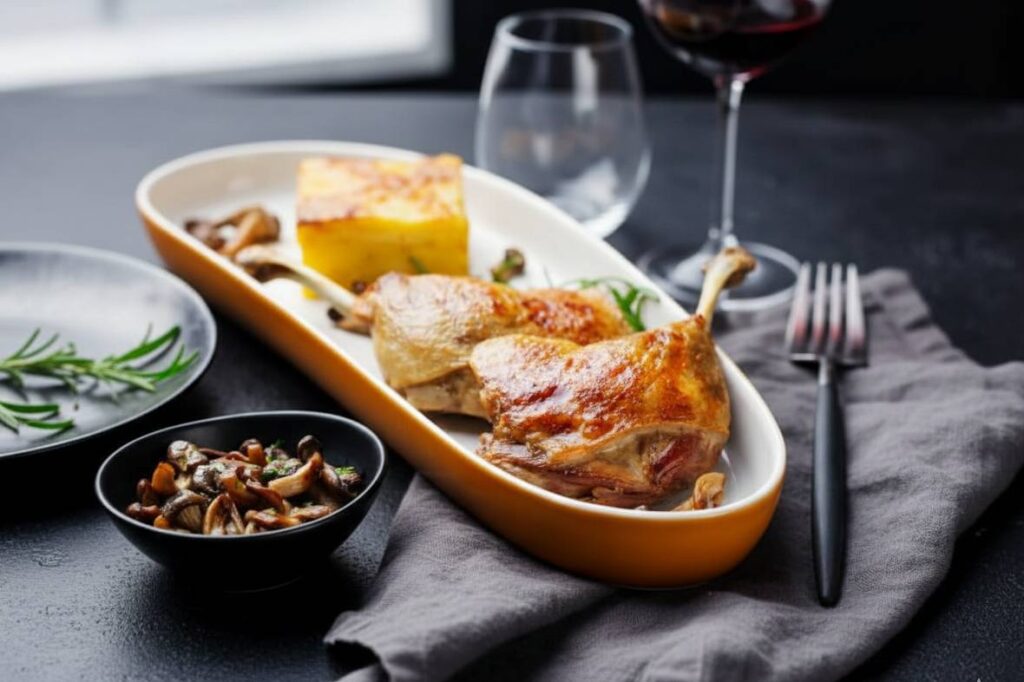
The high acidity and firm, rustic tannins of Xinomavro are a scientific requirement when facing the significant fat content of French Duck Confit. The wine’s polyphenolic compounds bind to the dense duck protein, effectively tenderizing the meat on the palate. Simultaneously, the wine’s high acidity cuts through the mouth-coating rendered fat, ensuring a refreshed mouthfeel. Aesthetically, the wine’s secondary aromas of forest floor and sun-dried tomato complement the savory, gamey notes of the preserved duck.
Nemea Agiorgitiko with American Barbecue Brisket
Agiorgitiko provides a fruit-forward bridge between the smoky bark and the tender, fatty interior of a slow-smoked American brisket. The wine’s soft, approachable tannins handle the protein load without clashing with the sweet or spicy elements often found in barbecue rubs. Scientifically, the wine’s moderate acidity manages the intramuscular fat of the beef, while its natural notes of black cherry and sweet spices enhance the caramelized sugars of the meat’s surface, providing a sophisticated international comfort-food pairing.
Mavrotragano with South American Picanha
The intense phenolic structure and dark fruit profile of this Santorini red provide a parity of power against the bold, charred, and fatty profile of a grilled picanha steak. The robust tannins are essential for breaking down the thick fat cap and the dense protein of the beef. From a molecular standpoint, the wine’s volcanic minerals find a savory parallel in the coarse sea salt and smoke of the grill, creating a robust, high-intensity interaction where neither the wine nor the meat dominates.
Limniona with Roasted Duck Breast and Berries
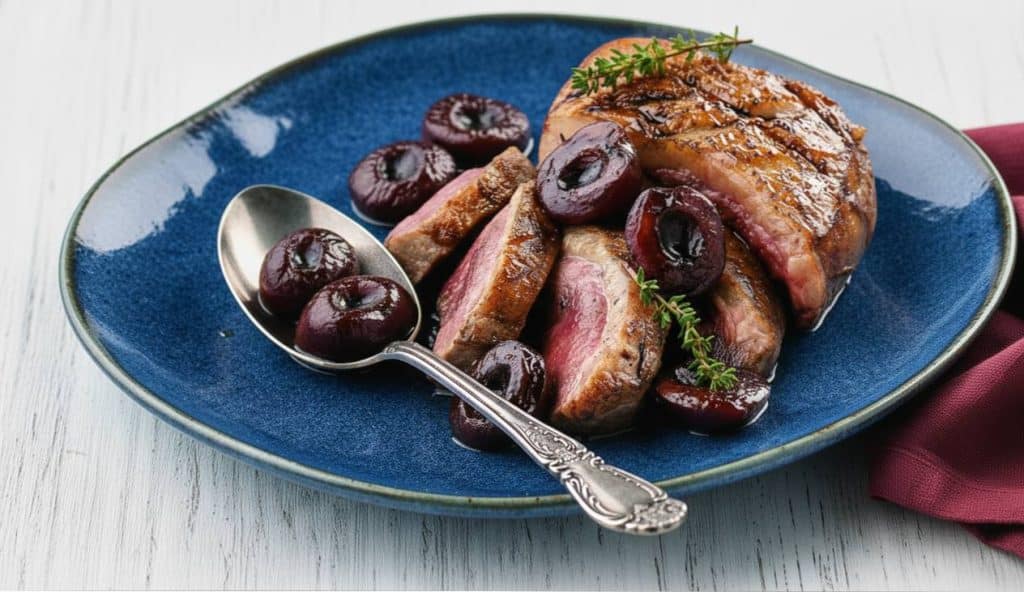
The elegant, almost Pinot Noir-like character of Limniona, with its lively acidity and red berry aromatics, mirrors the fruit-based sauces typically served with roasted duck breast. The wine possesses enough acidity to balance the duck’s fat while its refined tannins do not overwhelm the lean meat of the breast. This is a pairing of elegance and aromatic precision, where the wine’s strawberry and spice notes find a direct link to the red fruit reduction on the plate.
Naoussa Xinomavro with Italian Osso Buco
The high acidity of Xinomavro is a perfect match for the acidity found in the tomato and white wine-based braising liquid of an Italian Osso Buco. The wine’s firm tannins are necessary to break down the connective tissue and gelatinous proteins of the veal shank during consumption. Furthermore, the wine’s notes of sun-dried tomato and olive tapenade create a seamless aromatic bridge to the savory depth of the marrow and the gremolata, resulting in a classic Mediterranean cross-border success.
Nemea Agiorgitiko with Moroccan Lamb Tagine
The sweet spice notes, specifically cinnamon and clove, inherent in the Agiorgitiko grape find a direct aromatic parallel in the North African spices used in a lamb tagine. The wine’s soft, velvet-like tannins embrace the tender, slow-cooked meat without creating astringency against the dried fruits (like apricots or prunes) often found in the dish. This scientific balance of fruit sweetness and structural softness allows the complex, layered flavors of the tagine to flourish alongside the wine.
Surprise your Guests With Greek wines
The pinnacle of a sophisticated host’s repertoire lies in the ability to challenge culinary expectations through the introduction of unconventional, high-character wines. Beyond the classic reds and whites, Greece offers a treasury of specialized styles—from the effervescent precision of the north to the sun-drenched elixirs of the volcanic south. These wines are not merely accessories to a meal; they are structural heavyweights that command attention and provide a scientific solution to some of the world’s most difficult-to-pair ingredients. By integrating these “surprise” selections into an international menu, you provide your guests with a masterclass in molecular harmony, where the ancient techniques of the Greek vineyard elevate the modern, global plate.
The Effervescent Surprise: Amyntaio Xinomavro Sparkling Wine with Vietnamese Crispy Spring Rolls
The Amyntaio plateau in Northern Greece is the only Appellation for sparkling wines produced entirely from the red Xinomavro grape. When vinified as a Blanc de Noirs or a Rosé, these bubbles possess a razor-sharp acidity and a complex yeast-driven profile. Scientifically, this pairing is a triumph of textural contrast. The aggressive carbonation and high acidity of the Amyntaio sparkling wine act as a mechanical cleanser, physically lifting the oils and deep-fried fats of the Vietnamese spring rolls from the tongue. This prevents the palate from becoming saturated by the richness of the pastry. Furthermore, the wine’s characteristic notes of wild strawberry and tomato find an aromatic parallel in the sweet and sour dipping sauces, while the fine mousse creates a sophisticated bridge to the delicate, crunchy texture of the rice paper.
The Ancient "Orange" Evolution: Natural Skin-Contact Roditis Orange Wine with Moroccan Lamb Tagine with Dried Apricots
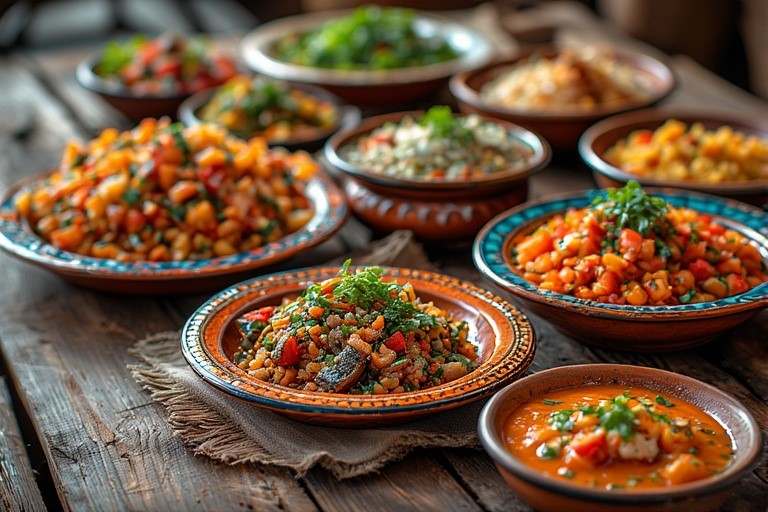
While white Roditis is often simple, when it is fermented with skin contact (orange wine style), it develops a complex phenolic structure and deep amber hue. This wine is a scientific surprise for North African or Middle Eastern cuisines. The extended skin contact provides a subtle tannin structure that allows a “white” grape to stand up to the protein of the lamb. Simultaneously, the natural oxidative notes of the Roditis—reminiscent of dried orange peel and nuts—find a direct molecular link to the dried apricots and warm spices like turmeric and saffron found in the tagine. The wine’s high natural acidity ensures that the sweetness of the fruit does not become cloying, creating a bridge between the savory meat and the sweet aromatics that a standard red or white wine cannot achieve.
The Volcanic Red Rarity: Santorini Mavrotragano with Argentinian Slow-Roasted Short Ribs (Asado)
Mavrotragano is a dark-skinned, indigenous variety from Santorini that was nearly extinct. It produces a wine of immense power, characterized by high tannins and a distinct volcanic salinity. It is a major surprise for fans of heavy reds like Malbec or Cabernet Sauvignon. From a scientific perspective, the robust, “wild” tannins of Mavrotragano are essential for breaking down the high fat content and dense protein fibers of a slow-roasted short rib. Unlike mainland reds, the volcanic salinity of the wine acts as a seasoning for the meat, enhancing the savory, charred exterior of the beef. This pairing offers a parity of power that surprises guests with its intensity, proving that the volcanic soil of the Cyclades can produce world-class reds capable of dominating the heaviest international meat dishes.
The Sweet Revelation: Santorini Vinsanto with French Roquefort and Caramelized Walnuts
Santorini’s Vinsanto is a naturally sweet wine made from sun-dried Assyrtiko, Aidani, and Athiri grapes, resulting in a dense, amber nectar with bracing acidity and flavors of dried figs, coffee, and honey. The scientific success of pairing Vinsanto with a pungent blue cheese like Roquefort lies in the principle of “Opposites Attract.” The wine’s residual sugar provides a chemical buffer to the high salt content of the cheese, while its extraordinary volcanic acidity prevents the pairing from feeling cloying or heavy. From a molecular perspective, the intense umami and creamy lipids of the Roquefort are sliced through by the wine’s low pH, effectively resetting the palate. The secondary notes of toasted nuts in the Vinsanto find a direct aromatic link to the caramelized walnuts, creating a multi-dimensional sensory experience of salt, fat, sugar, and acid.
The Modern Tradition: Retsina Kechris "1979" with Japanese Vegetable Tempura
The “1979” by the Kechris company is a revolutionary expression of Retsina, fermented with high-quality Aleppo pine resin and aged in oak to create a wine of immense complexity and balsamic freshness. This wine is a mandatory scientific match for Japanese vegetable tempura. The resinous aromatic profile—featuring notes of mastic, pine, and citrus—acts as a natural seasoning for the earthy, delicate flavors of the vegetables. Structurally, the wine’s vibrant acidity and subtle phenolic grip (derived from the resin and oak) are essential for neutralizing the light vegetable oils used in the frying process. Unlike standard white wines, the unique terpene compounds in the Retsina interact with the soy-based dipping sauce to enhance the dish’s savory depth without being overshadowed by the salt. This pairing transforms a misunderstood traditional style into a high-gastronomy experience that surprises even the most seasoned palates.
The Timeless Harmony of Terroir and Table
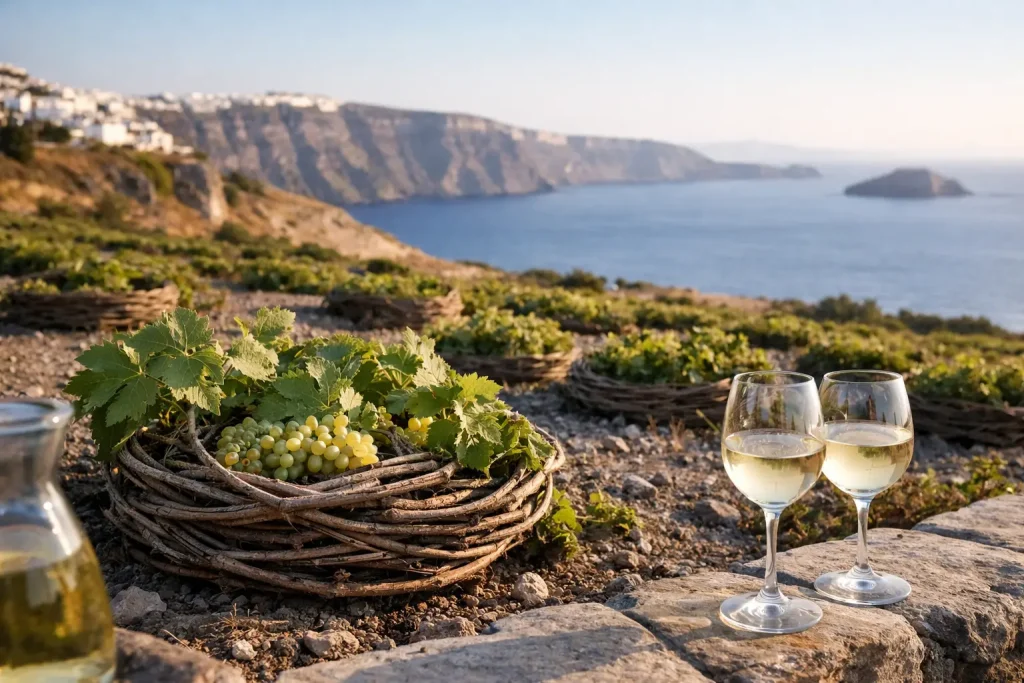
The exploration of Greek wine is an invitation to travel through a landscape where ancient history and modern oenological science converge in every glass. Whether it is the wind-swept, basket-trained vines of the Aegean islands or the sun-drenched, mountainous slopes of the Peloponnese, each bottle carries the unyielding essence of its origin. These wines were never intended for isolated consumption; they were designed to be shared over a table, as a fundamental component of the meal itself. This guide serves as a testament to the incredible versatility and structural integrity of indigenous Greek grapes, proving that they are world-class companions capable of elevating any culinary tradition.
How to Succeed in Your Greek Wine Pairing? In a Nutshell
-
Acidity as a Cleanser: Indigenous whites like Assyrtiko use high acidity to emulsify fats in both local seafood and international fatty fish like Japanese sashimi.
-
Protein Softens Tannins: Robust reds such as Xinomavro and Agiorgitiko require protein-dense dishes to smooth their structure and highlight complex fruit flavors.
-
Aromatic Synergy: Floral varieties like Moschofilero and Malagouzia provide aromatic bridges to fresh herbs and complex Asian spices through shared molecular profiles.
-
Specialized Versatility: From the oil-cutting bubbles of Amyntaio to the resinous depth of modern Retsina and the volcanic power of Mavrotragano, Greece’s unique styles solve the pairing challenges of the most complex international cuisines.