Table of Contents
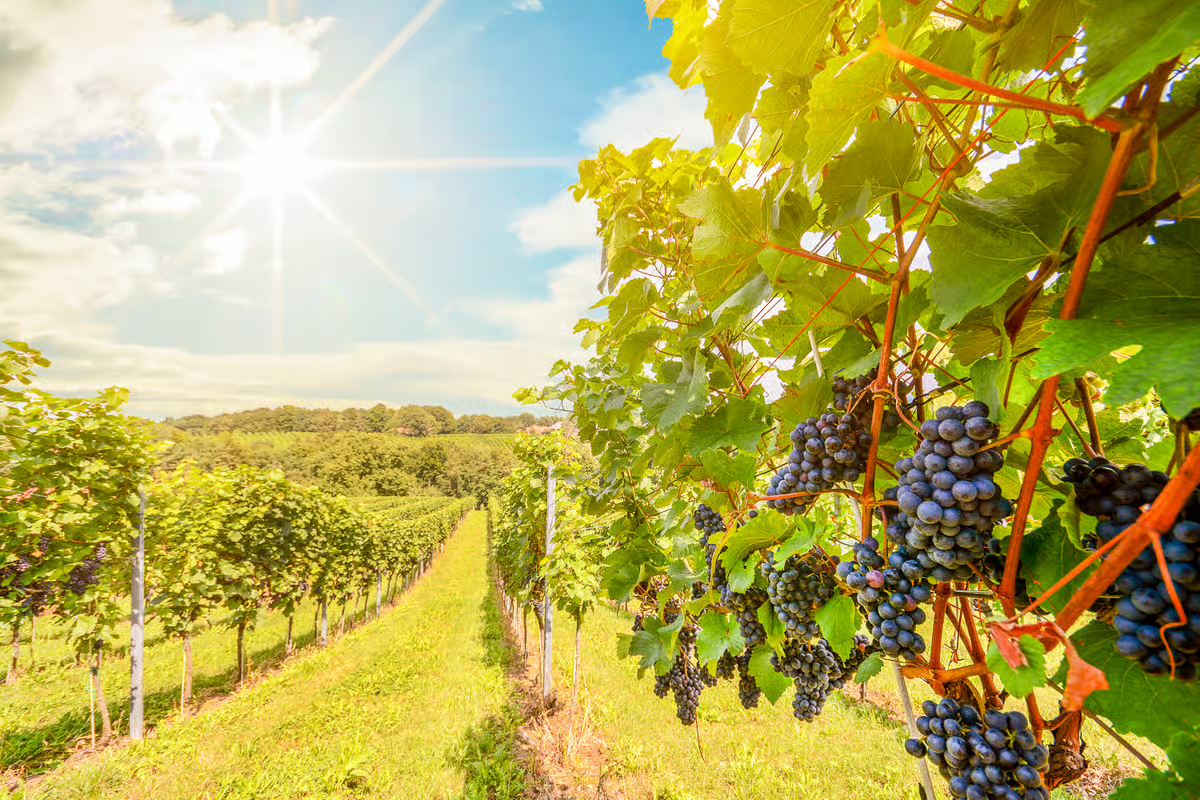
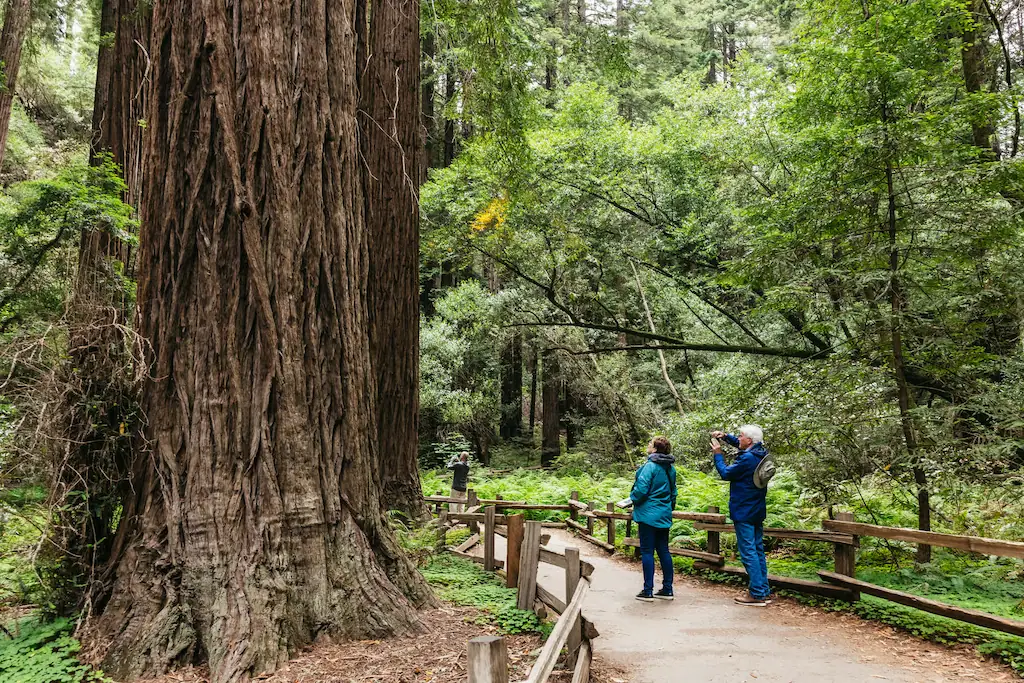
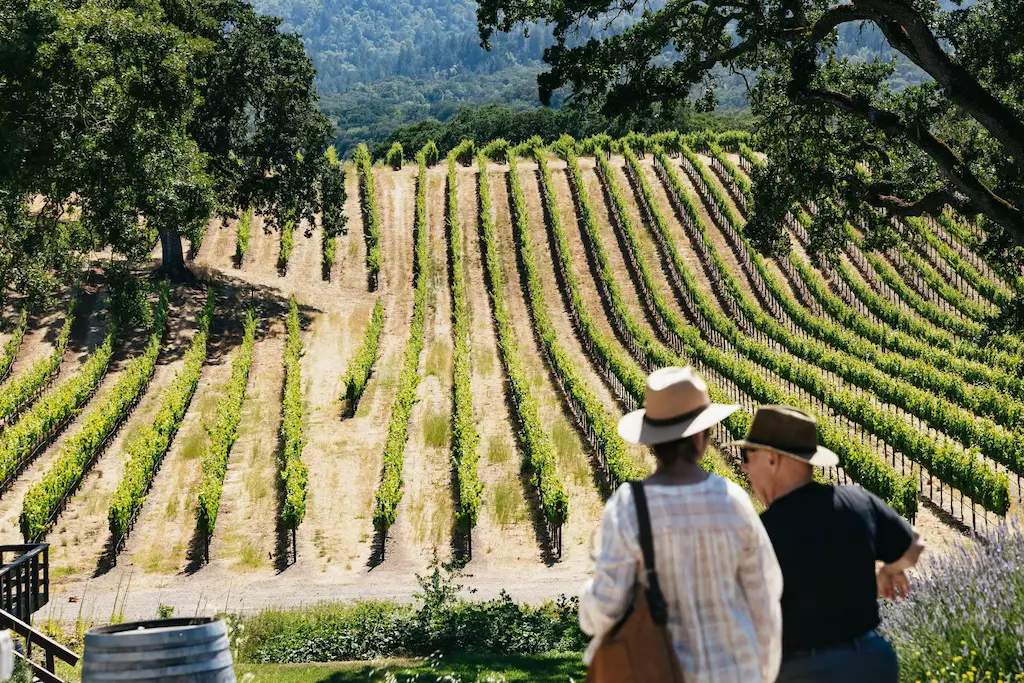
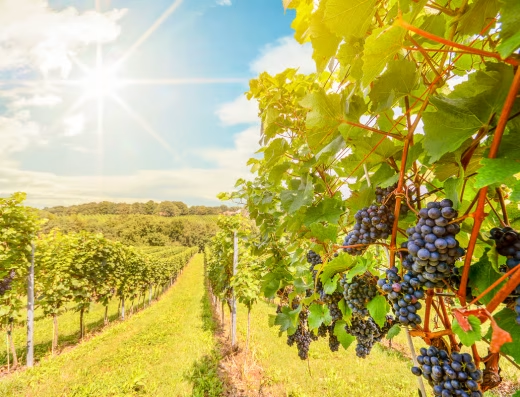
The relationship between the diverse geological tapestry of California and the culinary offerings of the Pacific Coast is defined by a profound sense of equilibrium, often referred to as the balance of terroir. California’s unique geography—ranging from the volcanic soils of the north to the marine-sediment-rich coastal benches—produces wines with distinct chemical profiles that demand specific gastronomic counterparts.
At the heart of this interaction is the concept of structural balance, where the wine neither overwhelms nor is eclipsed by the dish. For instance, the high natural acidity found in cool-climate California Chardonnay acts as a molecular cleanser for the palate. When this acidity interacts with the lipid structures of a local Dungeness crab dish, it effectively breaks down the fat molecules, lifting the delicate sweetness of the seafood and preventing the palate from becoming saturated. Conversely, the dense tannin structures prevalent in mountain-grown Cabernet Sauvignon perform a critical biochemical function when paired with proteins.
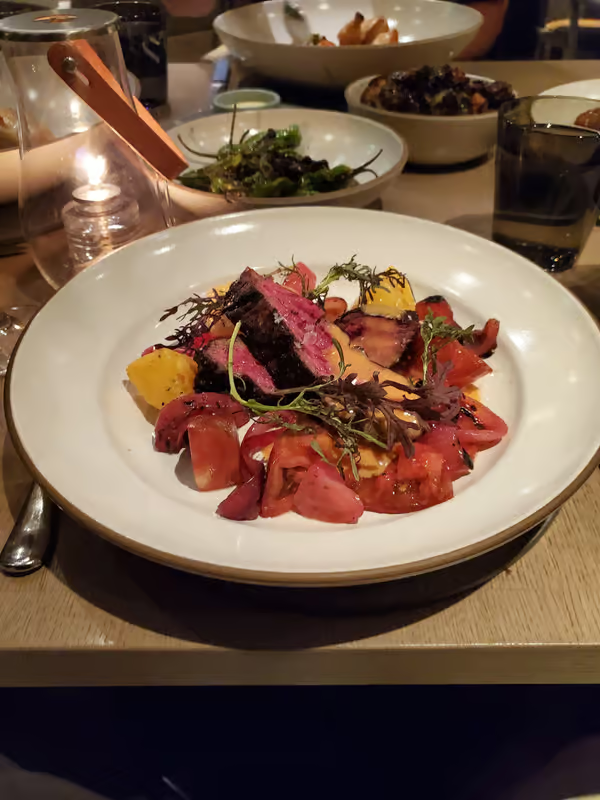
These polyphenolic compounds bind with the proteins and fats in red meats, such as a wood-fired California grass-fed ribeye, softening the wine’s astringency while simultaneously highlighting the savory, umami characteristics of the beef. This synergy is not merely a matter of taste but a scientific alignment of pH levels, molecular weight, and textural density.
To understand California’s gastronomy is to acknowledge that the soil’s mineral composition directly influences the wine’s phenolic ripeness, which in turn dictates the structural requirements of the local plate. Achieving this balance is an academic pursuit that transforms a simple meal into a sophisticated exploration of the Golden State’s environmental heritage.

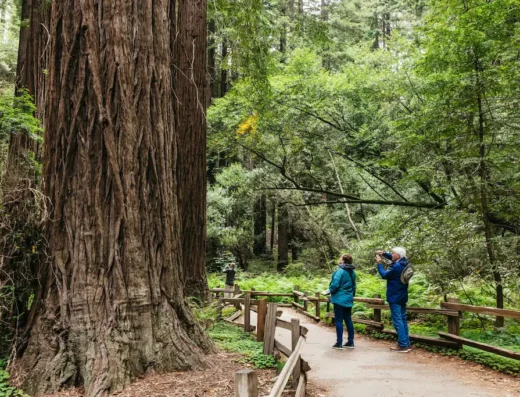
The Terroir of the Golden State
White Wines and Local Gastronomy Coastal Precision and Elegance
The coastal white wines of California, primarily from the Sonoma Coast, Anderson Valley, and Santa Barbara County, are defined by the cooling influence of the Pacific Ocean. These environmental factors result in a longer growing season, allowing for the development of complex aromatic precursors while maintaining high levels of natural acidity. The wines exhibit a lean, linear structure and focused fruit profiles, characterized by vibrancy and tension that are highly prized for their ability to pair with refined, ingredient-driven coastal cuisine.
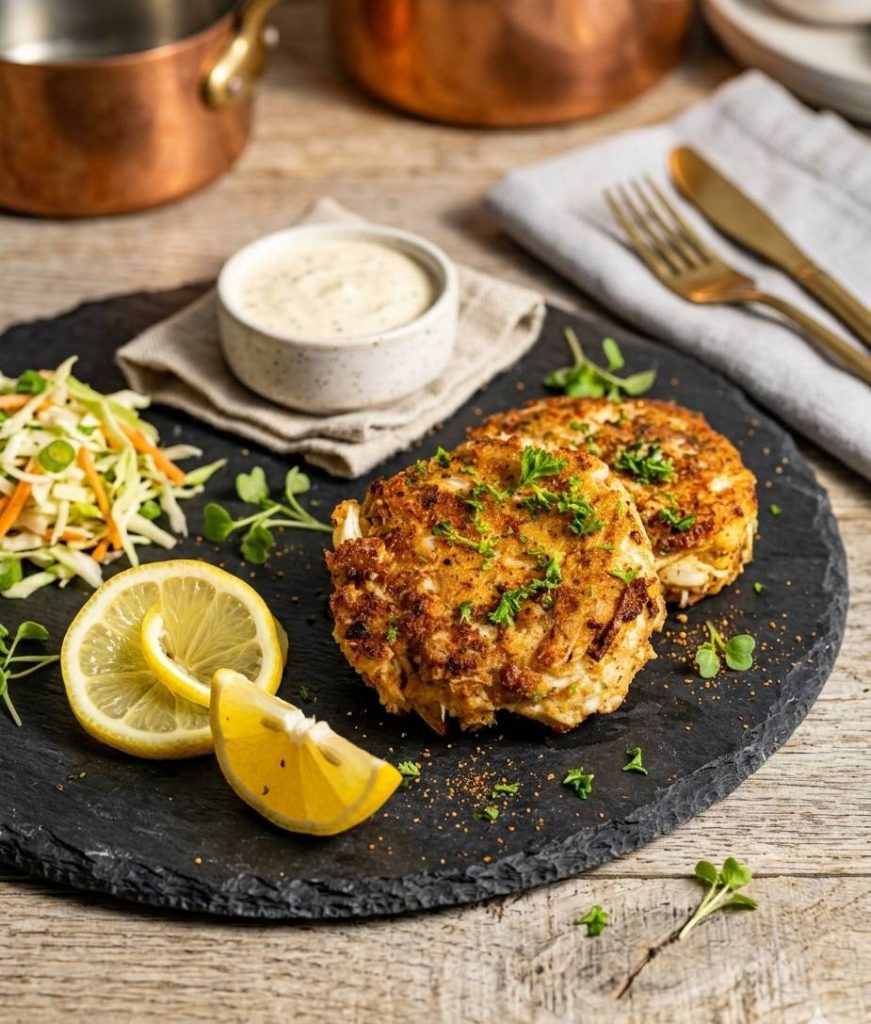
Crab Cake and Sonoma Coast Valley Chardonnay: a masterclass in textural harmony
Dungeness Crab Cakes and Sonoma Coast Chardonnay
The pairing of Dungeness crab cakes with a Sonoma Coast Chardonnay is a masterclass in textural and chemical harmony. The high malic and tartaric acidity of the wine serves a functional role by cutting through the rich, oily texture of the crab meat and the crispness of the seared exterior. Furthermore, the subtle oak integration in the Chardonnay provides a creamy mouthfeel that mirrors the delicate sweetness of the crab. This scientific interaction ensures that the palate remains refreshed, allowing the mineral nuances of the wine to emerge alongside the briny flavors of the Pacific
Abalone Meunière and Anderson Valley Sparkling Wine
The delicate, buttery texture of Abalone Meunière requires the effervescence and high acidity of an Anderson Valley Sparkling wine to achieve equilibrium. The carbon dioxide in the wine acts as a mechanical cleanser, lifting the butter and lemon sauce from the tongue. Meanwhile, the autolytic notes of the wine, derived from extended lees aging, mirror the toasted flour and nutty characteristics of the meunière preparation
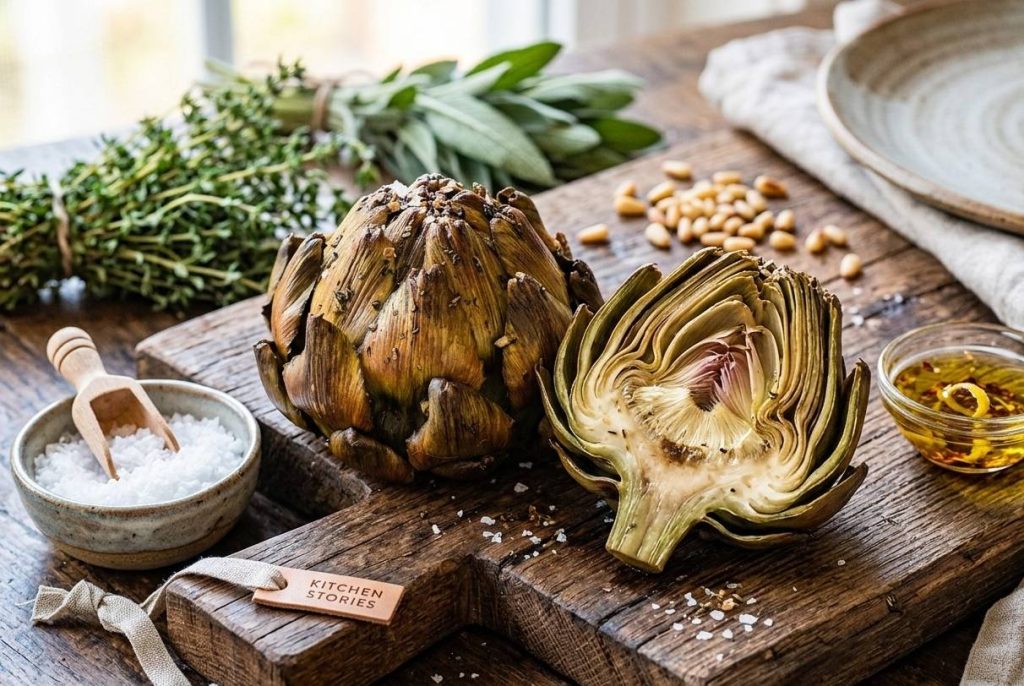
Artichokes’ cynarin is a challenge overpassed by Monterey Sauvignon Blanc
Grilled Artichokes and Monterey County Sauvignon Blanc
Grilled artichokes present a significant pairing challenge due to cynarin, which can make wines taste artificially sweet; however, the high pyrazine content and sharp acidity of Monterey County Sauvignon Blanc provide a structural match. The wine’s herbaceous profile aligns with the vegetal notes of the artichoke, while the citrus-driven acidity cleanses the palate of the char-grilled oils. This interaction prevents the cynarin from distorting the wine’s profile, maintaining a crisp and refreshing finish.
Monterey Bay Spot Prawns and Edna Valley Chardonnay
Edna Valley Chardonnay, known for its tropical fruit notes and vibrant acidity, provides a stunning contrast to the natural sweetness of Monterey Bay spot prawns. The wine’s structural weight matches the firm, succulent texture of the prawns, while the mineral finish emphasizes the clean, saline quality of the seafood. The absence of heavy new oak ensures that the wine’s bright fruit does not mask the delicate oceanic flavors.
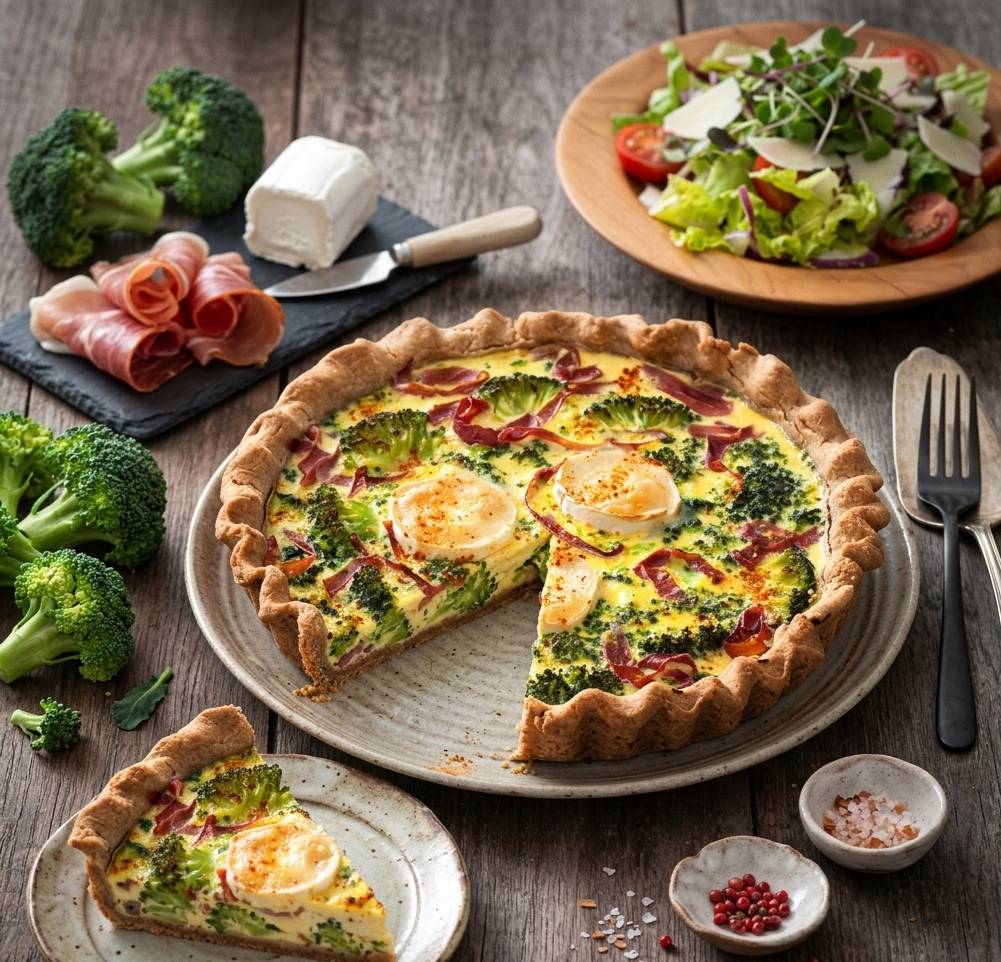
Local Goat Cheese Tart and Russian River Valley Sauvignon Blanc
The high-intensity aromatics and zesty acidity of Russian River Valley Sauvignon Blanc are the perfect foil for the tangy, creamy profile of local goat cheese. The wine’s acidic backbone matches the high hydrogen potential of the cheese, preventing the wine from tasting flat or flabby. This pairing creates a refreshing bridge between the grassy notes of the wine and the herbal qualities often found in artisanal California goat milk products.
Pan-Seared Halibut and Sta. Rita Hills Chardonnay
The Sta. Rita Hills Chardonnay is defined by intense salinity and citrus drive, which highlights the clean, flaky texture of pan-seared halibut. The wine’s laser-like acidity acts as a substitute for a squeeze of lemon, brightening the fish and cutting through any accompanying cream-based sauces. The cold-climate structure of the wine ensures a lean pairing that emphasizes the freshness of the catch.
Pacific Oysters and Marin County Sparkling Wine
Pacific oysters, characterized by their briny and cucumber-like finish, are best served with the bone-dry, mineral-rich sparkling wines of Marin County. The wine’s high acidity and effervescence act as a palate cleanser for the oyster’s creamy texture. This pairing is scientifically grounded in the shared saline characteristics between the marine-influenced vineyards and the cold coastal waters
Seared Scallops and Los Carneros Chardonnay
Los Carneros Chardonnay provides a balanced mix of stone fruit and citrus that mirrors the caramelized sweetness of seared scallops. The wine’s medium body and touch of creaminess from malolactic fermentation wrap around the scallop’s dense texture. The lingering acidity ensures that the sweetness of the scallop remains at the forefront of the gastronomic experience.
California Red Wine and Local Food Pairing
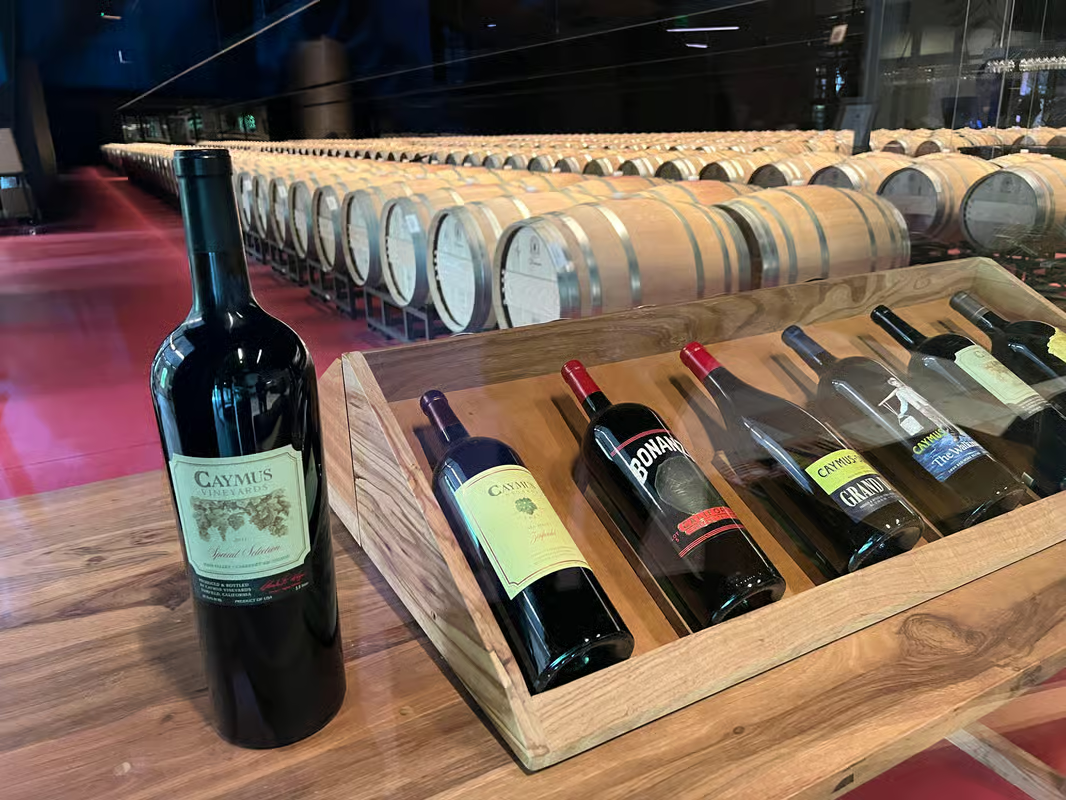
The inland and elevated regions, such as Napa Valley and the Santa Cruz Mountains, produce red wines of significant power and concentration. These areas benefit from intense solar radiation and well-drained volcanic or alluvial soils, resulting in wines with high tannin density and rich fruit extract. These profiles require robust dishes capable of standing up to the wine’s structural intensity and complex phenolic compounds
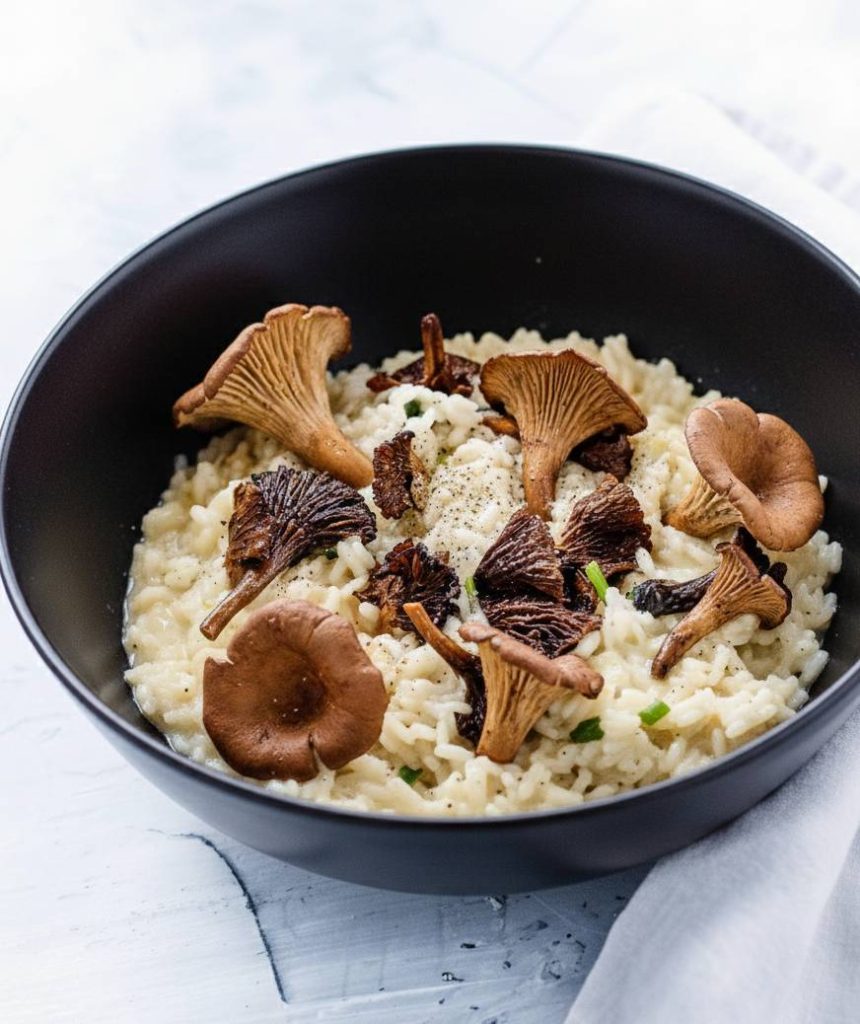
Santa Cruz Earthy aromatics Match with Wild Muhroom Risotto
Wild Mushroom Risotto and Santa Cruz Mountains Pinot Noir
Santa Cruz Mountains Pinot Noir is renowned for its earthy, forest-floor aromatics and firm structural tannins, making it an ideal companion for wild mushroom risotto. The wine’s moderate tannin levels interact with the earthy proteins in the mushrooms, while the bright acidity provides a necessary counterpoint to the starch and butter within the risotto. This pairing is predicated on the molecular similarity between the wine’s savory compounds and the umami-rich fungi.
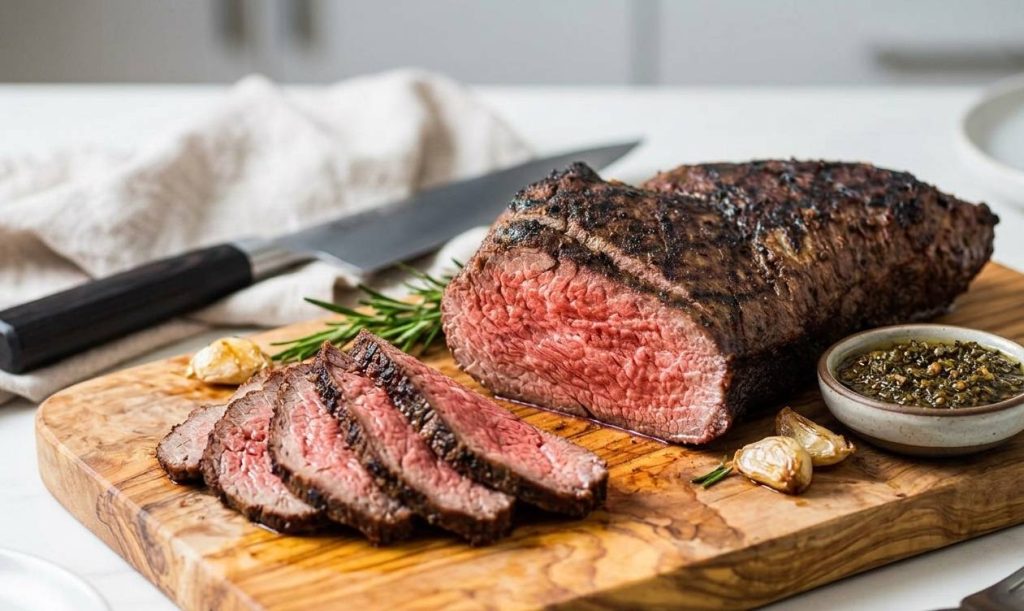
Santa Maria Style Tri-Tip and Santa Maria Valley Pinot Noir
The Santa Maria Valley Pinot Noir offers a unique combination of red fruit and spice that complements the smoky, seasoned crust of a traditional tri-tip. The wine’s medium-bodied tannins are sufficient to bind with the proteins of the lean beef without overwhelming its delicate texture. The high acidity typical of this cool-climate region cuts through the richness of the meat’s fat, ensuring each bite is as vibrant as the first.
Roasted Squab and Carneros Merlot
Roasted squab, with its dark, gamey meat and rich fat content, pairs exquisitely with the soft tannins and plum-heavy profile of a Carneros Merlot. The wine’s velvet-like texture cushions the density of the bird, while the subtle earthy undertones of the Carneros terroir align with the squab’s wild flavors. The balanced acidity ensures the richness of the poultry does not fatigue the taster’s palate.
Braised Lamb Shank and Paso Robles Syrah
Paso Robles Syrah provides the necessary fruit concentration and bold spice to stand up to the intense, gelatinous richness of a braised lamb shank. The wine’s dark fruit flavors and cracked pepper notes enhance the savory depth of the braising liquid. Its firm tannin structure interacts with the lamb’s collagen and fat, resulting in a softened mouthfeel for both the wine and the meat
Wood-Fired Duck Breast and Mendocino Ridge Zinfandel
The Mendocino Ridge Zinfandel offers a higher acidity and brighter berry profile than valley floor versions, making it ideal for fatty duck. The wine’s acidity cuts through the thick layer of duck fat, while the brambly fruit notes complement the gamey flavor of the breast. The wood-fired char on the duck finds a companion in the subtle spice and toasted notes of the wine..
Blackberry Galette and Howell Mountain Zinfandel
The intense, concentrated black fruit and mountain spice of Howell Mountain Zinfandel provide the weight necessary to pair with a rustic blackberry galette. The wine’s naturally high alcohol and fruit extract balance the sugar content of the dessert, preventing the wine from tasting thin. The tannins provide a structural frame that prevents the sweet fruit from becoming cloying
International Food pairing with California wines Global Food and Wine Perspective
California White Wines And International Food
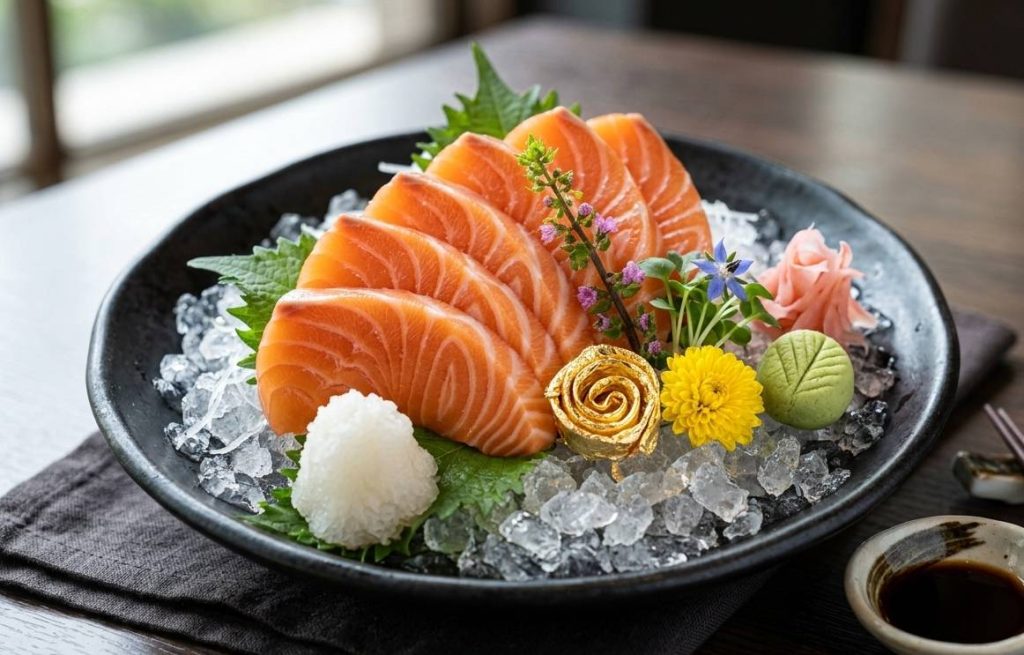
Japanese Sashimi and Russian River Valley Chardonnay
The high hydrogen potential of the raw fish interacts with the crisp, malic acidity of the Chardonnay, creating a clean finish that emphasizes the purity of the seafood. The lack of heavy oak allows the delicate umami of the fish to persist on the palate
French Sole Meunière and Napa Valley Sauvignon Blanc
The bright acidity of the Sauvignon Blanc cuts through the rich, browned butter sauce of the Sole Meunière, providing a necessary citrus-like lift. This interaction ensures the butter does not overwhelm the delicate white fish
Thai Green Curry and Monterey Riesling
The residual sugar in Monterey Riesling acts as a molecular buffer against the capsaicin heat of Thai green curry, while the high acidity refreshes the palate between spicy bites
Spanish Paella and Anderson Valley Pinot Gris
The textural weight of Anderson Valley Pinot Gris matches the starch of the saffron-infused rice, while its stone fruit notes complement the diverse seafood and chorizo elements
Greek Grilled Octopus and Central Coast Vermentino
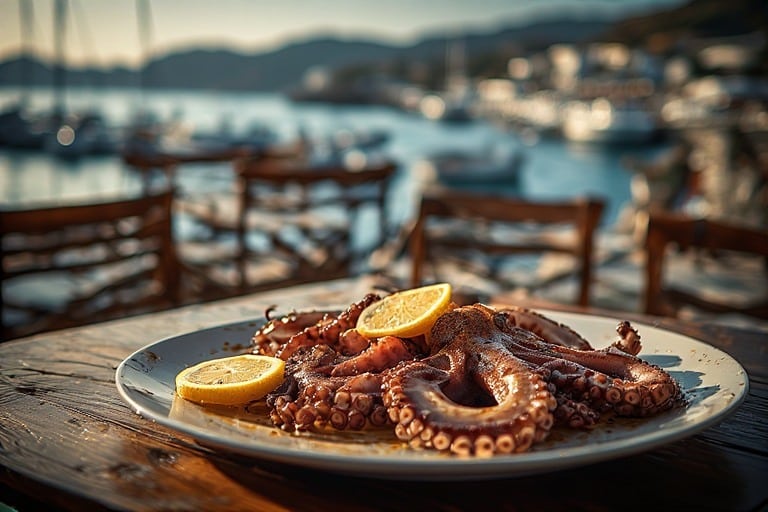
Saline Minerality of Central Coast Vermentino Match with Octopus
The saline minerality of Central Coast Vermentino mirrors the oceanic flavors of grilled octopus, and its bright acidity cuts through the olive oil dressing
Italian Risotto alla Milanese and Santa Maria Valley Chardonnay
The creamy texture of Santa Maria Valley Chardonnay, often enhanced by malolactic fermentation, provides a structural bridge to the buttery, saffron-rich risotto
Peruvian Ceviche and Dry Creek Valley Sauvignon Blanc
The intense grapefruit and lime notes of Dry Creek Valley Sauvignon Blanc provide a direct chemical alignment with the citrus-based leche de tigre used to cure the ceviche.
British Fish and Chips and California North Coast Sparkling Wine
The high carbonation and sharp acidity of North Coast Sparkling wine mechanically strip the palate of the heavy oils found in battered fish
California Red Wines And International Food
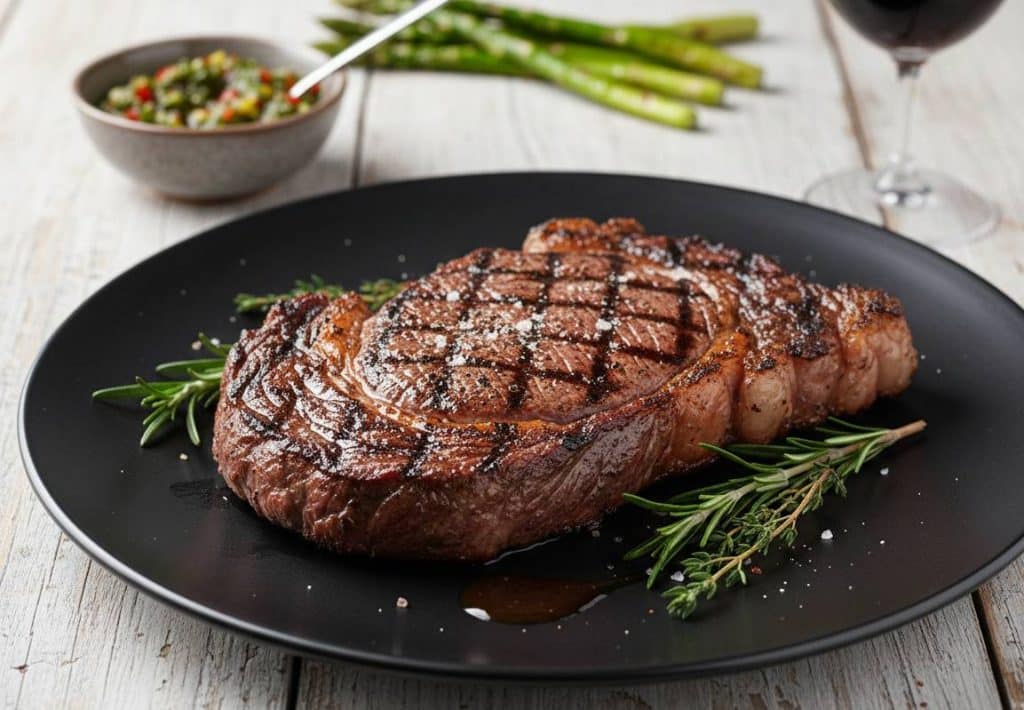
Argentine Ribeye Steak and Napa Valley Cabernet Sauvignon
The robust tannins of the Cabernet Sauvignon bind with the dense proteins of the ribeye, softening the wine’s polyphenolic astringency while enhancing the savory umami notes of the meat.
French Coq au Vin and Sonoma Coast Pinot Noir
The bright red fruit and earthy undertones of Sonoma Coast Pinot Noir complement the wine-braised chicken, while its soft tannins do not overwhelm the poultry.
Italian Osso Buco and Alexander Valley Cabernet Sauvignon
The structural intensity and dark fruit of Alexander Valley Cabernet Sauvignon provide a counterbalance to the rich, marrow-infused sauce of the braised veal shanks
Spanish Roasted Lamb and Paso Robles Cabernet Sauvignon
Paso Robles Cabernet Sauvignon features ripe tannins and dark fruit that stand up to the gamy richness of roasted lamb, while the acidity cuts through the fat.
Moroccan Lamb Tagine and Lodi Zinfandel
The exotic spice notes and jammy fruit profile of Lodi Zinfandel harmonize with the dried fruits and warm spices, such as cinnamon, found in a lamb tagine.
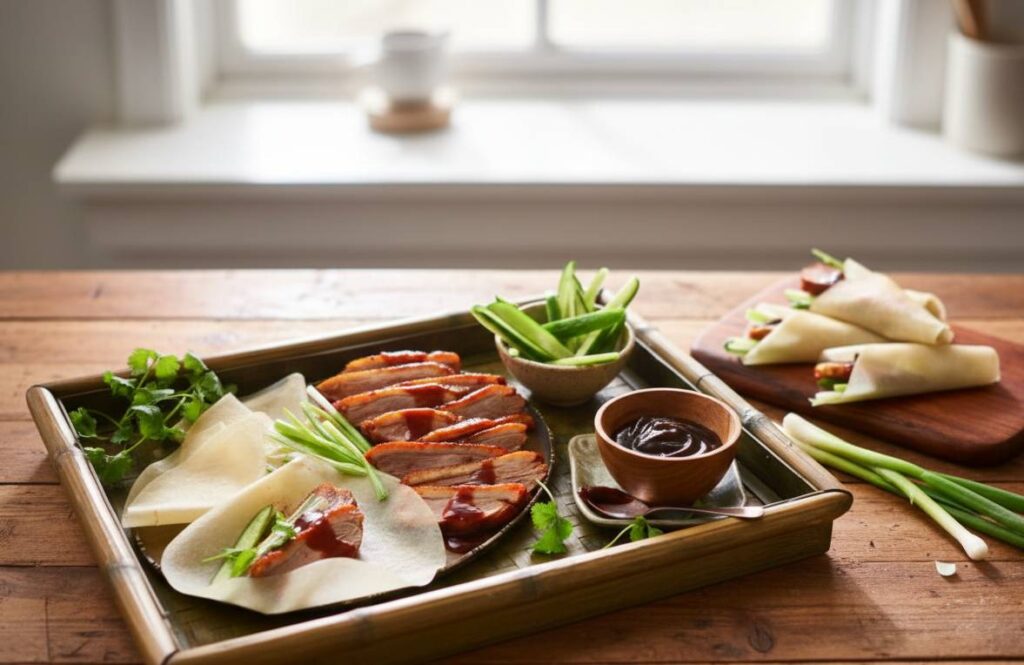
Peking Duck and Carneros Pinot Noir
Chinese Peking Duck and Carneros Pinot Noir
The silky tannins and cherry notes of Carneros Pinot Noir pair beautifully with the fatty, crisp skin of Peking duck, while the acidity balances the sweet hoisin sauce
Brazilian Picanha and Calistoga Petite Sirah
The massive structural tannins and deep color of Calistoga Petite Sirah are required to match the intense char and high fat content of a traditional Brazilian picanha
German Venison Stew and Stags Leap District Merlot
The velvety texture and cocoa-powder tannins of Stags Leap District Merlot provide a soft frame for the lean, gamey venison, while its plum notes complement the stew
The Golden State’s Gastronomic Legacy: Where Innovation Meets Tradition
The exploration of California’s wine and gastronomy reveals a region defined by its relentless pursuit of quality and its unique environmental gifts. From the fog-swept vineyards of the coast to the sun-drenched slopes of the interior mountains, the state offers a diversity of flavor profiles that are both scientifically intriguing and deeply satisfying. This guide serves as an invitation to experience the harmony of California’s terroir, where every glass and every plate tells a story of the land. We invite you to travel through these historic American Viticultural Areas and discover the sophisticated balance that defines modern California dining
How to Succeed in Your California Wine Pairing? In a Nutshell
To master the art of pairing California wine and gastronomy, one must respect the structural intensity of the bottle. For the elegant, cool-climate coastal selections, prioritize ingredient-driven dishes that emphasize freshness and acidity. For the concentrated, sun-drenched inland and mountain estates, choose robust, protein-rich preparations that can withstand and integrate with dense tannin profiles. By aligning the wine’s chemical attributes—such as acidity and tannins—with the textures of the plate, you achieve a sophisticated balance that honors the diverse terroir of the Golden State
Regional Wine Profile: California offers a vast spectrum of wines, from the high-acidity, mineral-driven Chardonnays and Pinot Noirs of the cool Sonoma Coast to the powerful, tannin-dense Cabernet Sauvignons of the Napa Valley mountains.
The White Wine Strategy: Focus on the “cleansing” effect of natural acidity. High-acid coastal whites are scientifically paired with fatty seafood like Dungeness crab to break down lipid structures and refresh the palate.
The Red Wine Strategy: Leverage the biochemical interaction between polyphenolic tannins and animal proteins. Robust reds like mountain Cabernet or Syrah are paired with marbled meats or braised lamb to soften astringency and highlight umami.
International Synergy: California varieties serve as versatile global ambassadors, where the specific pH of a Russian River Chardonnay interacts with Japanese sashimi or the structural weight of a Paso Robles red balances Argentine beef.